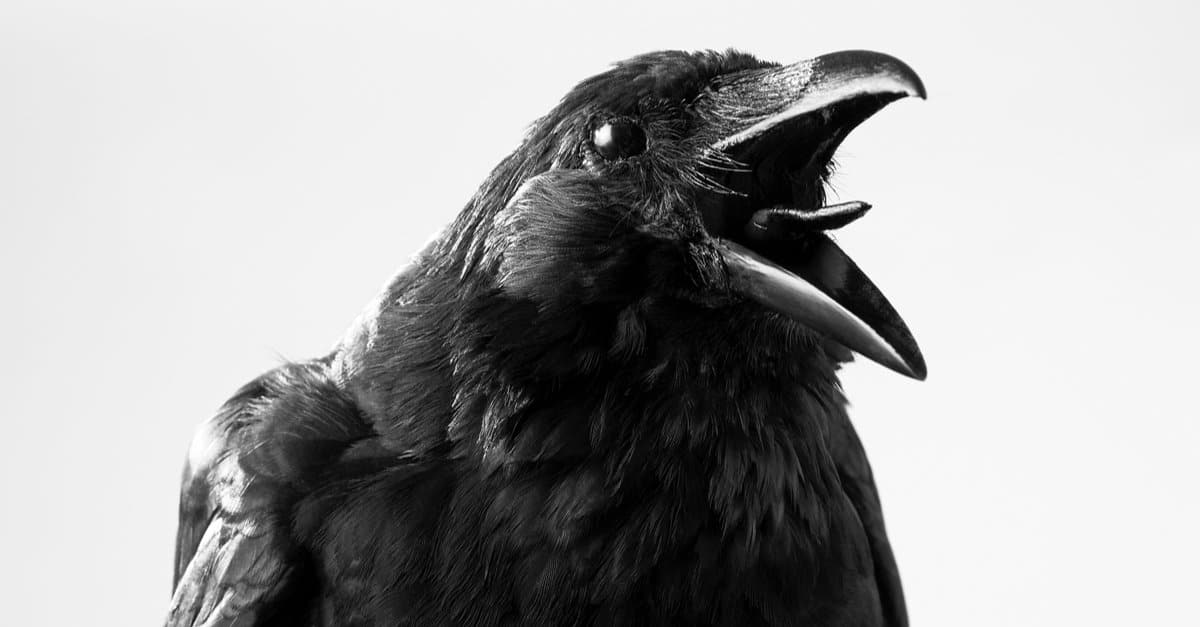

The mood boost experienced after completing a difficult task isn’t unique to humans. A 2019 study (McCoy et al.) suggests that crows feel the same sense of accomplishment after using tools. Conducting a series of experiments using crows, Dakota McCoy, a co-author of the study, discovered that crows became more optimistic following the completion of a complex task rather than a simple or physically intensive one.
The Study
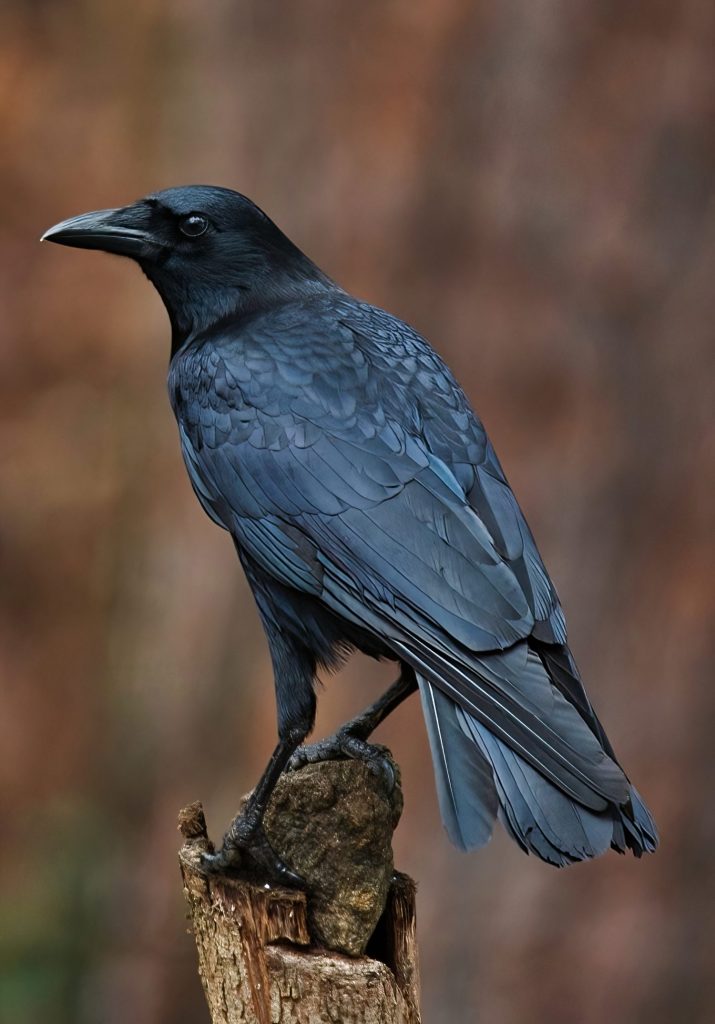
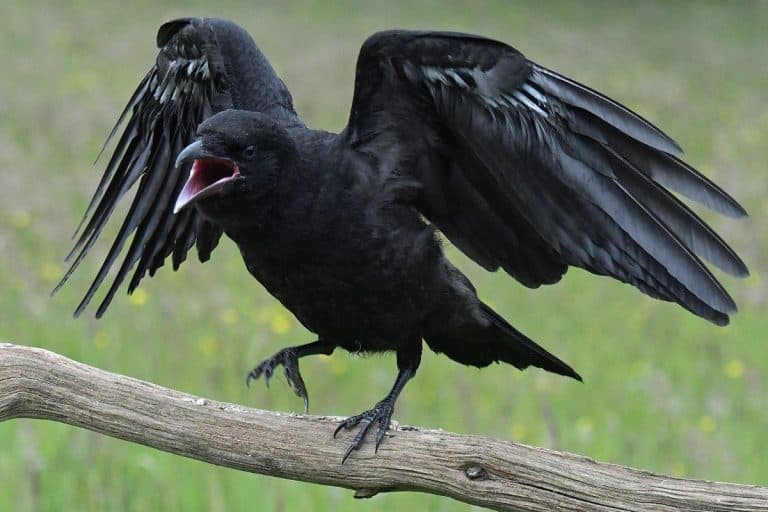
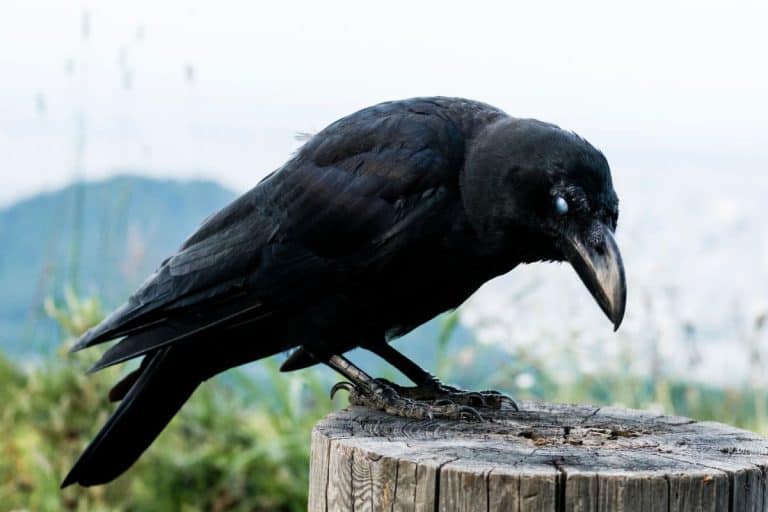
Crows, along with ravens and magpies, belong to the Corvid family.
©del13/Shutterstock.com
McCoy captured 15 wild crows on the island of New Caledonia off the East Coast of Australia. The birds were routinely presented with little boxes of food. When a box was placed on the right side of the room, it contained a greater amount of meat than when placed on the left side. The subjects quickly determined the pattern, indicated by a certain degree of hesitancy when presented with a box on the left side.
After establishing the pattern, boxes were placed in the center of the space, where they had not been placed previously. Given the behavioral difference between interactions with left and right side boxes, researchers determined the speed with which a bird approached the box indicated its level of optimism. The faster they removed the top to peek inside, the more optimistic they were about finding treats.
Prior to the introduction of a centrally placed mystery box, some subjects completed tasks to retrieve meat morsels with the use of tools. Crows stripped the leaves off of twigs and then used the twigs to retrieve difficult to reach food. In the experiment, food was placed down a narrow tube while twigs were provided for crows to reach it.
Reaction Time
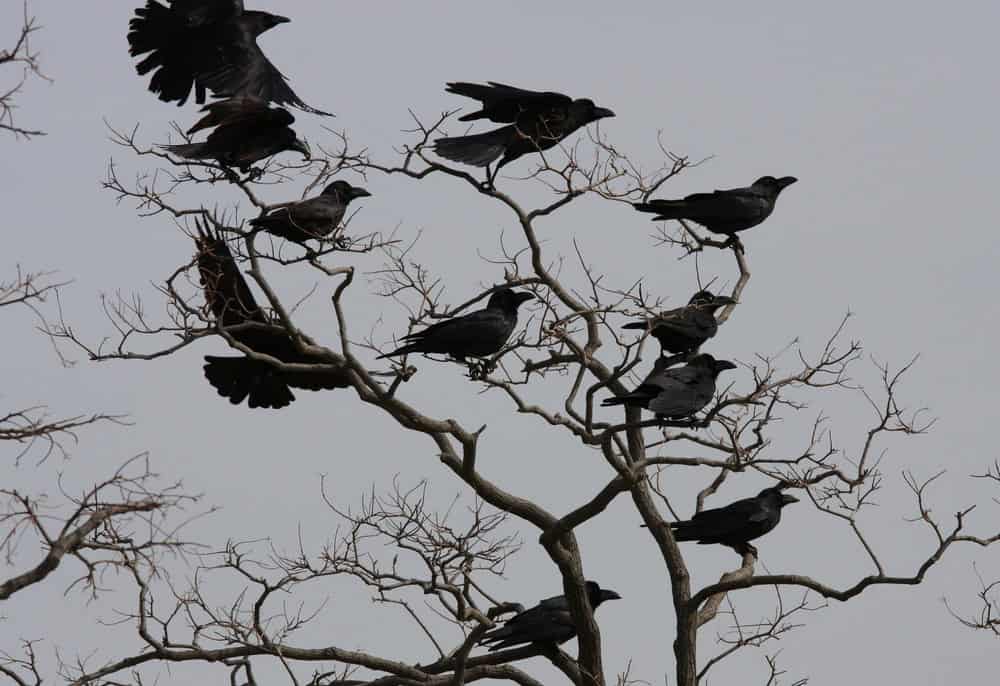
There are approximately 45 different species of crows and ravens, birds known for their intelligence and adaptability.
©yanchi1984/Shutterstock.com
The difference in reactions between the control group and the tool users revealed an uptick in optimism when presented with the mystery box. Birds that had just completed the tool-use task opened the box, on average, nearly twice as fast as those that hadn’t.
To be certain that it wasn’t the effort that made them hungrier, McCoy included other tasks that required effort rather than creativity. By placing meat in boxes mounted to the upper corners of the room, he tested whether simply working impacted their optimism. Those birds also waited longer than those that completed the twig task before checking out the mystery box.
“The surprise was that, clearly, they don’t just like tool use because it’s difficult,” said McCoy. “We controlled for difficulty and that wasn’t what was motivating their interest—there is something specific about tool use they’re enjoying.”
Improving Conditions For Animals In Captivity
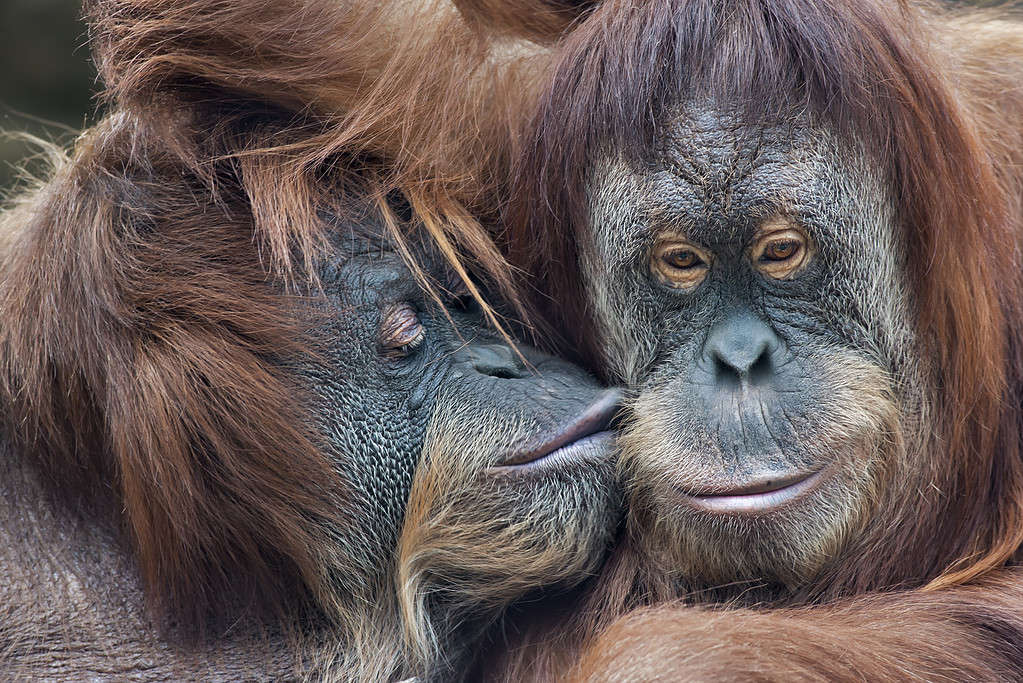
Orangutans have been observed using stcks to test the depth of water.
©olga_gl/iStock via Getty Images
McCoy stated the research indicates a potential method of improving the lives of animals in captivity. While enlarging their living space has been shown to benefit their well-being, so, too, she argues, could introducing intellectually challenging activity. “Our findings suggest that one way to improve the welfare of captive animals is to give them complex, species-specific enrichment where they’re using skills they have,” she said.
A variety of animals employ tools to gather food. Bottlenose dolphins living in Shark Bay, Australia, use sponges to disturb the ocean floor in search of prey. Sea otters bludgeon abalone shells with stones to open them. Orangutans have been observed using sticks to test water depth. By providing animals in captivity, such as those in zoos, research facilities, and veterinary hospitals, with fun puzzles that replicate skills observed in the wild, their handlers can offer a more satisfying existence.
Crows Using Tools In Complex Ways
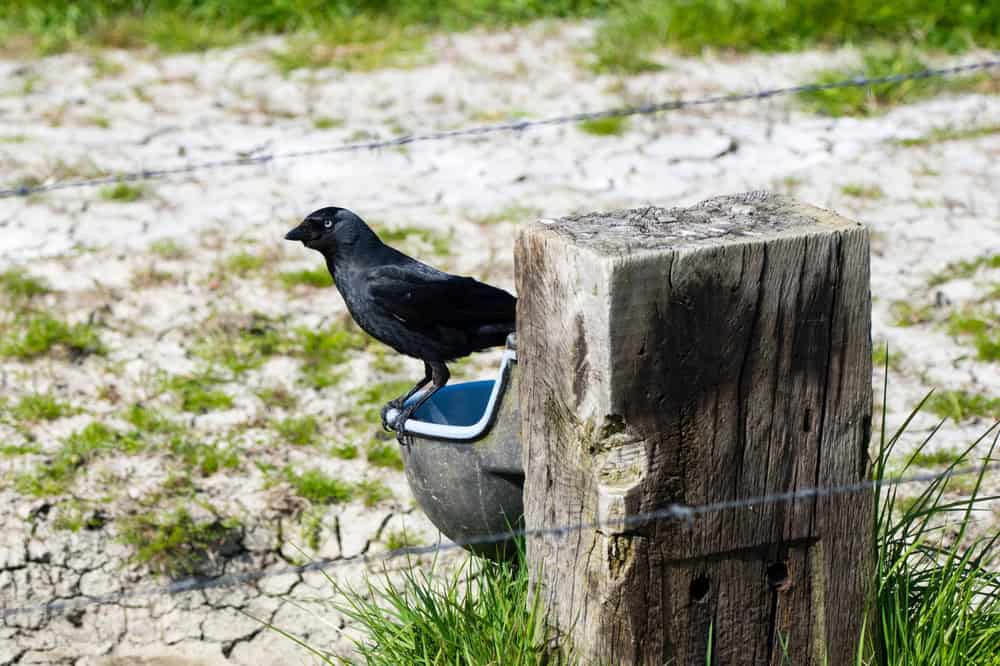
A New Caledonian crow is seen perching on a metal container on a wooden post.
©Wirestock Creators/Shutterstock.com
This study isn’t the first to put New Caledonian crows to the test. A previous experiment sought to uncover just how far ahead these birds projected. To test their intelligence, researchers at the University of Auckland in New Zealand created a multi-level puzzle. It required the birds to first retrieve a stick from one module, then use it to gather a stone from a second module, which they then dropped into a third to dispense a bit of meat. Just to make this trickier, they also included a superfluous tool unnecessary to the completion of the puzzle.
The clever crows managed to successfully obtain the meat at the end of the test. Even after subtle changes, they adapted to updates and completed the puzzle again. Researchers observed the test crows using tools in increasingly creative ways, demonstrating forethought.. In speaking with National Geographic, a researcher not involved in the study spoke to its findings, saying, “It really goes to show how wrong we have been in using the term ‘bird brain’ as an insult.”