
Quick Take
- That dive-bomb wasn't random. Blue Jays are making a calculated decision, and the reason reveals something surprising about their social lives. See their social strategy →
- The horror stories about Blue Jays eating and decapitating other birds are everywhere, though the reality is more complicated than a simple true or false. Separate myth from reality →
- Blue Jays share a family tree with some of the most problem-solving animals on the planet, and it directly explains why they're so hard to scare off. Meet their clever relatives →
It’s happened to the best of us: One morning, you’re enjoying a sunny day on your patio. Next, a large blue bird flies straight toward your head. Blue jays are intimidating and even aggressive, but they don’t attack for pure sport. What you’ve witnessed is a completely natural behavior that actually speaks to their incredible protective instincts.
They’re beautiful from a distance, and this behavior is merely a warning. There’s a reason they’re the kings of spring, and the queens of their native habitats. When it comes to ruling the roost, blue jays are masters at defending what they love. Here’s why they’re so aggressive and how this is one of their most exceptional traits.
Mindlessly Aggressive or Intelligent Defenders?
Blue jays are notorious for their aggressive behavior. This garners them somewhat of a bad reputation among homeowners. They come across as having big personalities, especially when their bird calls can be heard from a distance. These birds aren’t afraid to take up space and defend it if the situation calls for it. But is this defense truly aggressive behavior or simply a reaction to a perceived threat?
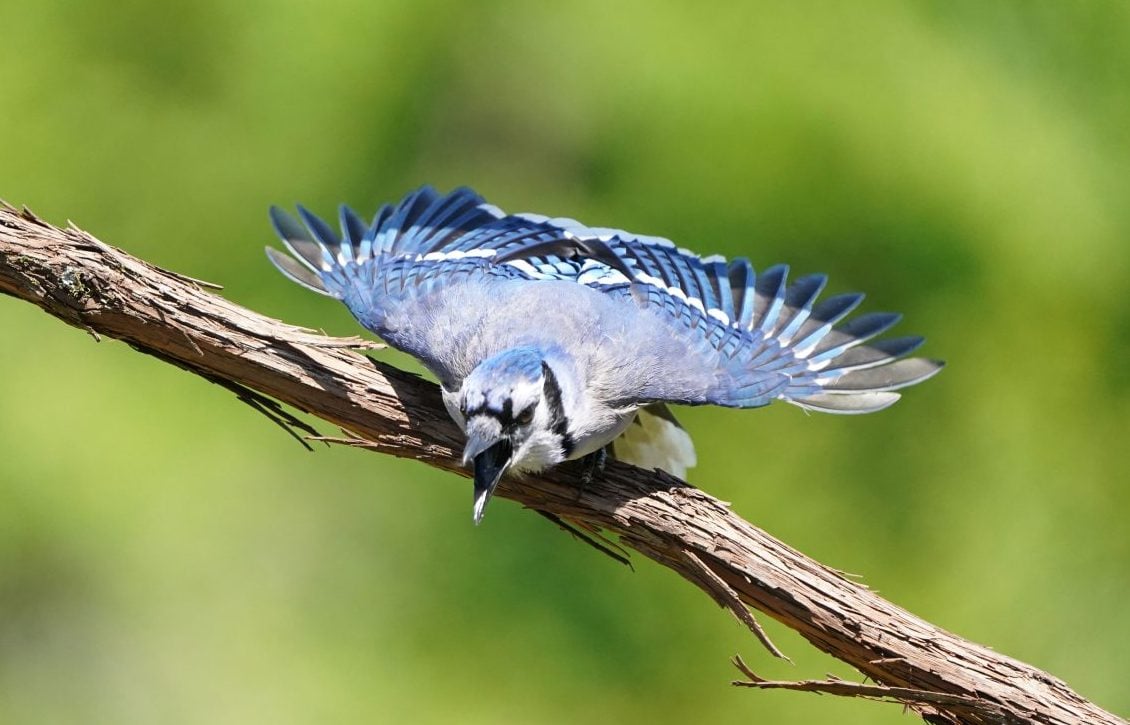
Blue jays are beautiful from afar, but will attack or bluff if you get too close.
©Fiona M. Donnelly/Shutterstock.com
What many don’t realize is that blue jays are highly social within their communities. It’s even believed that the black markings on each bird help others identify them. This means they form close bonds not only with their hatchlings but with other adult birds. It creates strong protective instincts, which are typically what we witness when one “attacks” us.
They’re highly territorial of their nests and, contrary to popular belief, they don’t intentionally build them in trees near our porches. Nest location depends on finding a sturdy branch and a safe area, which sometimes happens to be a yard. To a blue jay, a human walking by could be a potential threat. But without the ability to distinguish the difference, they do what most animals do: go on the defensive.
Blue Jay Horror Stories: Cannibalism and Decapitations
You may have heard about blue jays’ ruthless nature. They’re more aggressive than other birds because they don’t fear defending their nests. While stories of blue jays eating or decapitating other birds may sound shocking, such behavior has been documented, particularly involving nestlings or fledglings.
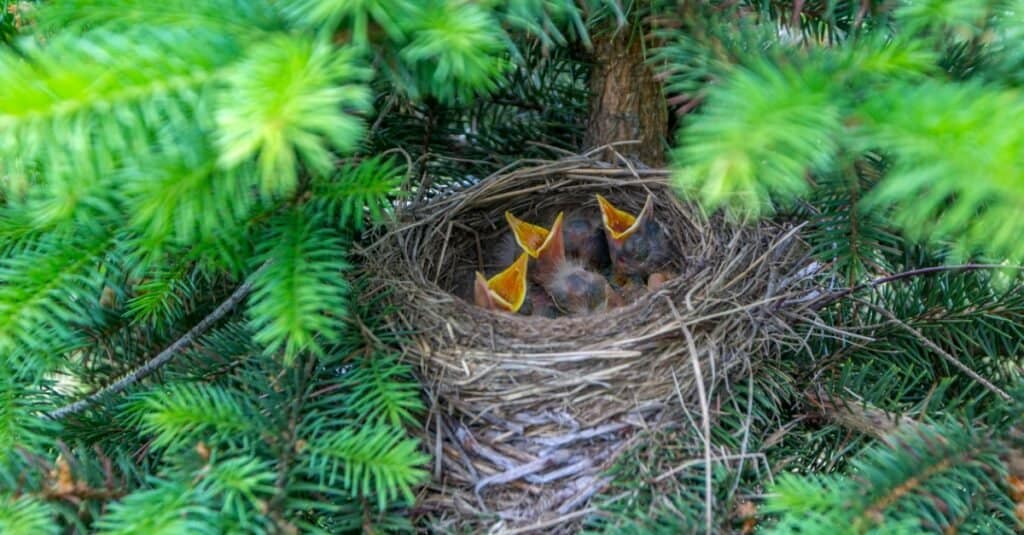
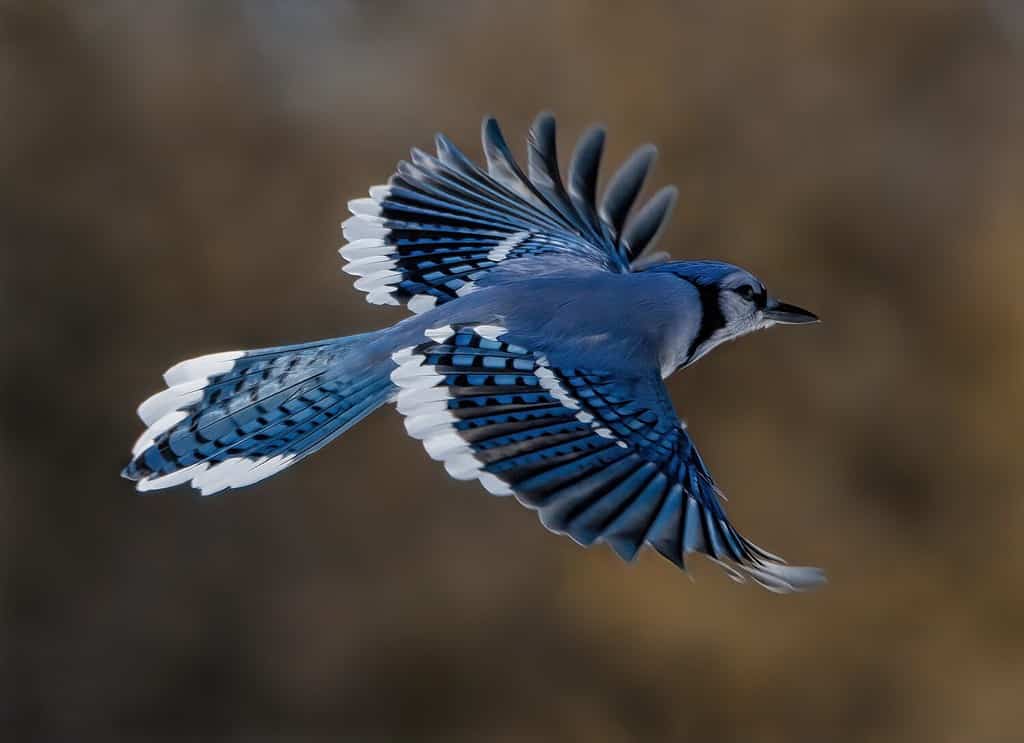
Most of the time, blue jays are misunderstood and are simply protecting their nest.
©iStock.com/LARISA SHPINEVA
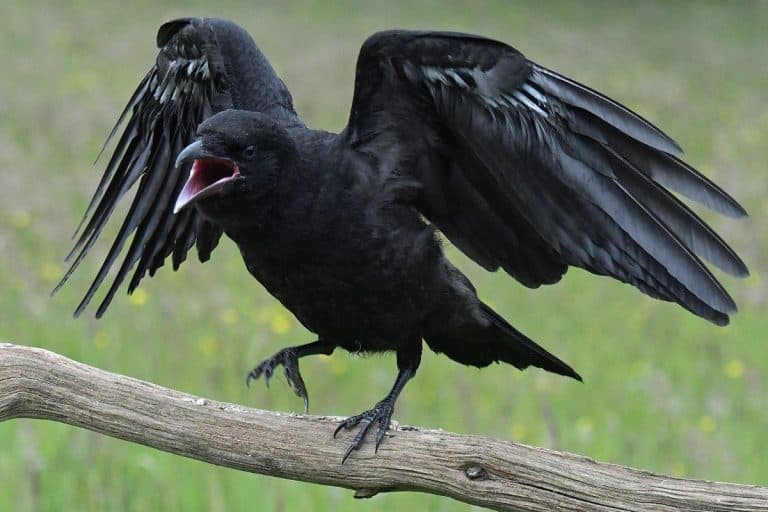
This behavior is extremely rare and considered uncommon in ornithological studies, though no specific percentage has been established. For the most part, blue jays are happy to coexist as long as we keep our distance. It’s worth noting that blue jays are part of the Corvidae family, sharing some traits with crows and ravens. This means they are highly intelligent and can solve problems almost as well as crows. With this intelligence comes the instinctive drive to protect what they build. They demonstrate this intelligence by mimicking other birds, using found objects as tools, and, yes, even performing targeted dive-bombing. In reality, blue jays should be revered for their intelligence and strength, rather than feared for their aggression.