
Quick Take
- Bold animals find food faster, reproduce more, and explore new territory. So why do they keep dying off at higher rates than their cautious counterparts? Explore the boldness trade-off →
- Conservation teams releasing animals into the wild have been getting one critical thing wrong, and the mistake has nothing to do with the animals' health or population size. See the conservation mistake →
- Captive breeding programs may be quietly erasing the very traits a species needs to survive, a process that most programs don't even realize is happening. Discover how captivity erodes traits →
- Hunting and pollution aren't just shrinking animal populations. They're also changing how entire species behave, possibly permanently. See how humans reshape behavior →
Scientists once assumed that evolution would eventually force every member of a species to behave in more or less the same way, settling on a single “perfect” strategy for survival. However, modern research has flipped this idea on its head. We now know that animals — just like humans — have their own unique personalities.
These are consistent sets of traits that determine how an individual navigates the world. While it might seem like one “best” personality would win out, a population actually survives best with variety. In fact, a diverse mix of personalities within a single population may be one of the reasons the species survives at all.
The Biology Behind Personality
Personality is more than just a set of behaviors — it is deeply rooted in physiology. In scientific terms, animal personality refers to stable differences in behavior across time and context. A bold individual tends to stay bold. A cautious one tends to remain cautious — even when situations change.
To measure personality in various species, researchers often track individuals along a few core axes:
- Boldness: response to risk (like predators)
- Exploration: reaction to new environments or objects
- Activity: baseline movement levels
- Aggression: behavior toward others of the same species
- Sociability: preference for being alone or in groups
Many animals fall somewhere along a proactive–reactive spectrum. This scale connects the way an animal behaves to how its body physically handles stress.
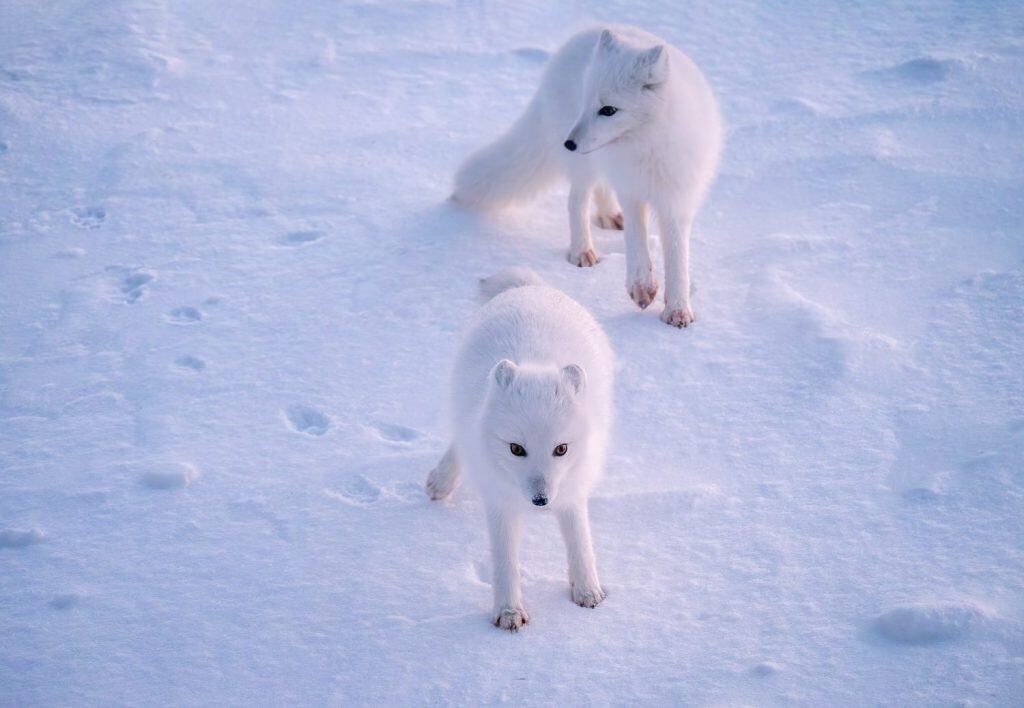
Arctic foxes in Sweden demonstrate the need for both bold and cautious individuals within a single population.
©CherylRamalho/Shutterstock.com
Proactive or Bold
Proactive animals are the “doers.” They like to take charge and stick to what they know. These individuals tend to be more aggressive, rely on routines, and are quick to take action without overthinking. On a normal day, their stress hormone levels tend to be lower. However, when something goes wrong, they have a very intense “fight-or-flight” response.
Reactive or Cautious
Reactive animals are the “observers.” They pay close attention to everything happening around them. They are more cautious and highly sensitive to changes in their environment. Because they are always watching, they have more behavioral flexibility and can adapt more easily to new or unexpected situations. Reactive individuals usually have higher baseline stress hormones, but they don’t have the same explosive physical reaction to stress that proactive animals do.
Essentially, personality shapes perception. What one animal finds uninteresting, another might find terrifying. Because of this link between the mind and body, scientists can use physiology to predict behavior. By measuring stress hormone responses, researchers can try to predict how an individual animal might handle challenges once it is released back into the wild.
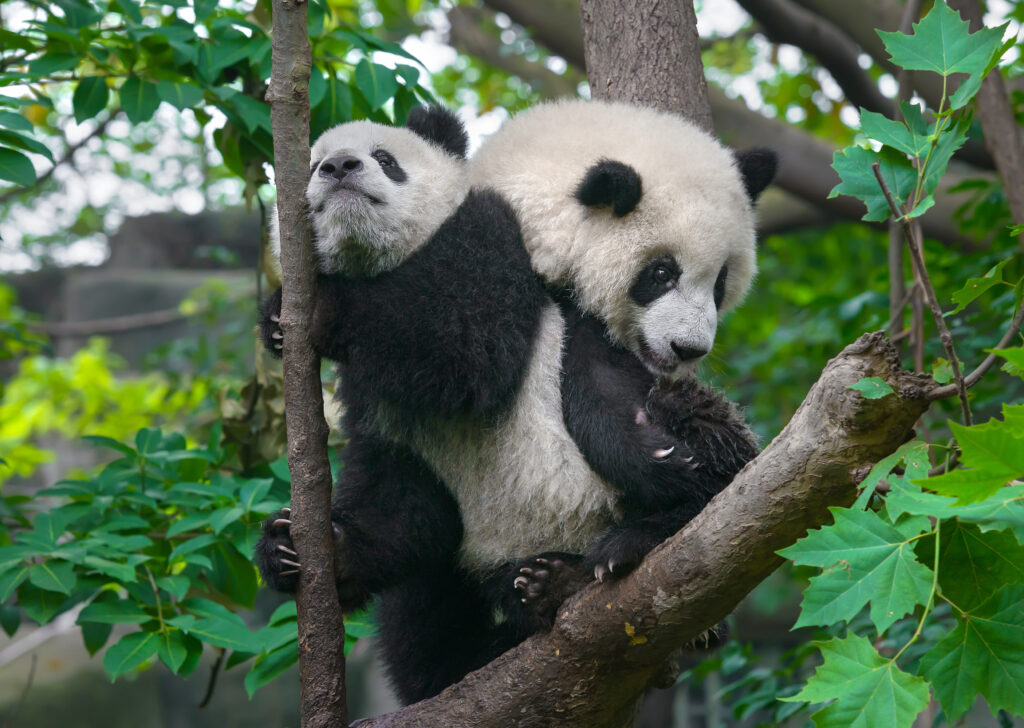
Personality in giant pandas is linked to problem-solving and physiological stress.
©iStock.com/Hung Chung Chih
For example, studies show that “proactive” pandas (the bold ones) are often more curious. They are better at solving puzzles and figuring out how to get food. These skills are essential when their environment changes and things become unpredictable.
To keep track of these differences, scientists use a tool called a reaction norm. This graph shows how a specific animal’s behavior changes (or stays the same) as its environment gets more stressful or difficult. By looking at these graphs, researchers can see which animals are “creatures of habit” and which ones are more flexible.
Why Variation Matters
If every animal in a group reacts to a threat the exact same way, it can weaken the entire group. If that one reaction doesn’t work, it may be a single mistake that could wipe them all out. But if every animal has a different style, the group has a much better chance of survival.
A strong group has a mix of personalities. Consistent ones stay the course and stick to what they know works, while flexible ones try new things and can adapt quickly. In a world that is always changing, having a mix of both proactive (bold) and reactive (cautious) personalities isn’t just a random coincidence — it is a strong survival strategy. It ensures that no matter what the world throws at them, at least some individuals will have the right tools to survive and keep the species going.
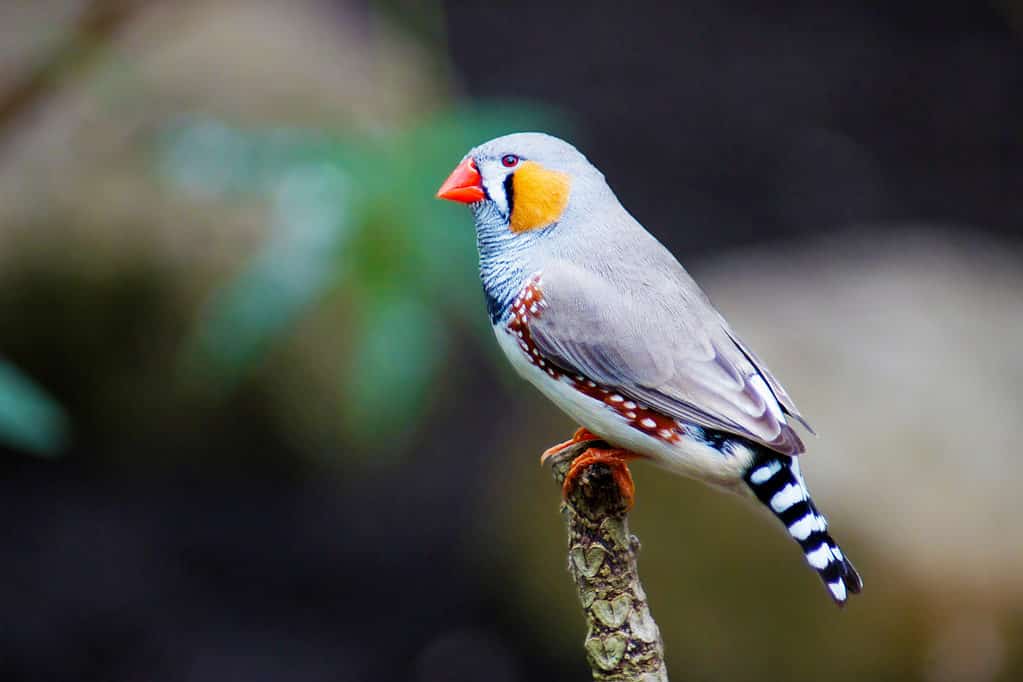
Proactive or bold zebra finches play a vital role in range expansion for their species.
©Natalia van D/Shutterstock.com
The Boldness Paradox
Initially, boldness seems like it would have the clear advantage. Bold animals find food faster, are more willing to explore new habitats, and often reproduce more quickly. However, the same traits that make bold individuals successful can also get them killed. Bold animals are more likely to take risks, enter human-dominated areas, and encounter vehicles, predators, or conflict. This creates what researchers call a boldness-survival trade-off.
Cautious animals, in contrast, may reproduce more slowly — but they often live longer, simply because they are better at avoiding danger. A real-world example from Brazil illustrates how survival isn’t about being the “best;” it’s about how an individual responds to the situation at hand. Naruto, a white-lipped peccary who was released into the wild, survived early social conflict by keeping to himself. However, that same cautious distancing eventually proved fatal when he strayed too far from the collective protection of the herd.
No single personality wins in every situation; survival is entirely dependent on the context of the environment. Populations need a diverse mix of both bold and cautious individuals to ensure that at least some members survive, regardless of what challenges the environment throws at them.
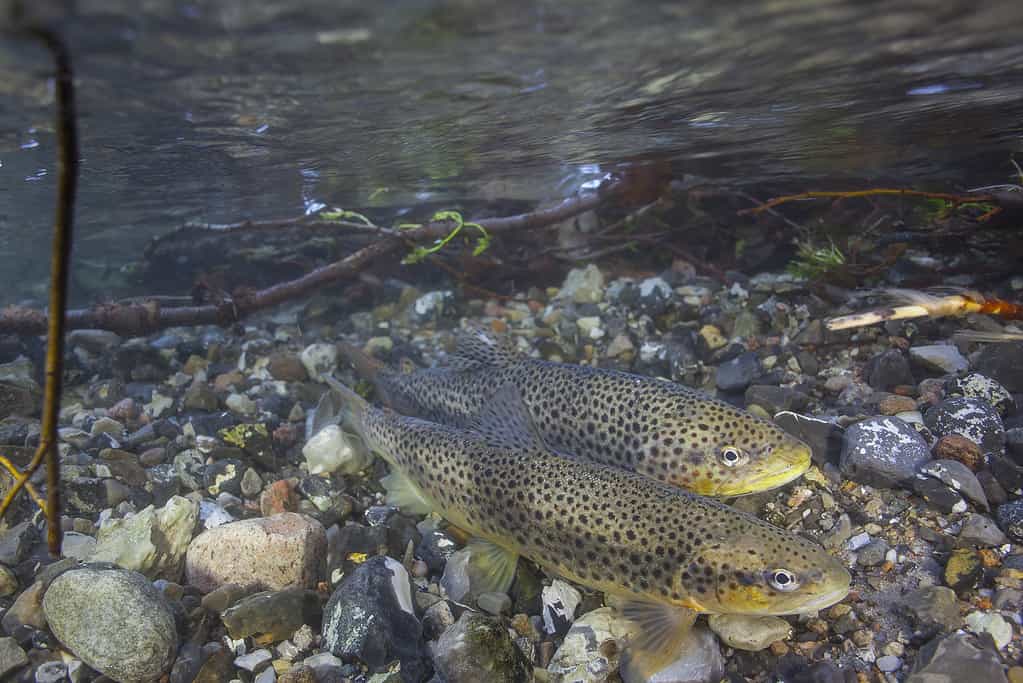
Brown trout show distinct personality differences, with a connection between reactive personalities and behavioral flexibility.
©iStock.com/DanBachKristensen
Personalities Across the Animal Kingdom
Personality isn’t exclusive to humans or even high-functioning mammals; it is a universal trait across the animal kingdom that directly influences survival.
Mammals: Risk and Movement
In mammals, personality often manifests as a balance between reward and danger. In Arctic foxes, some individuals are consistently bolder than others. The bold ones tend to discover new food sources first — but they are also the first to encounter new threats.
Tasmanian devils show differences in persistence. While a persistent devil is better at solving difficult problems to reach food, that same stubbornness can also push them into dangerous situations, like repeatedly attempting to cross hazardous roads.
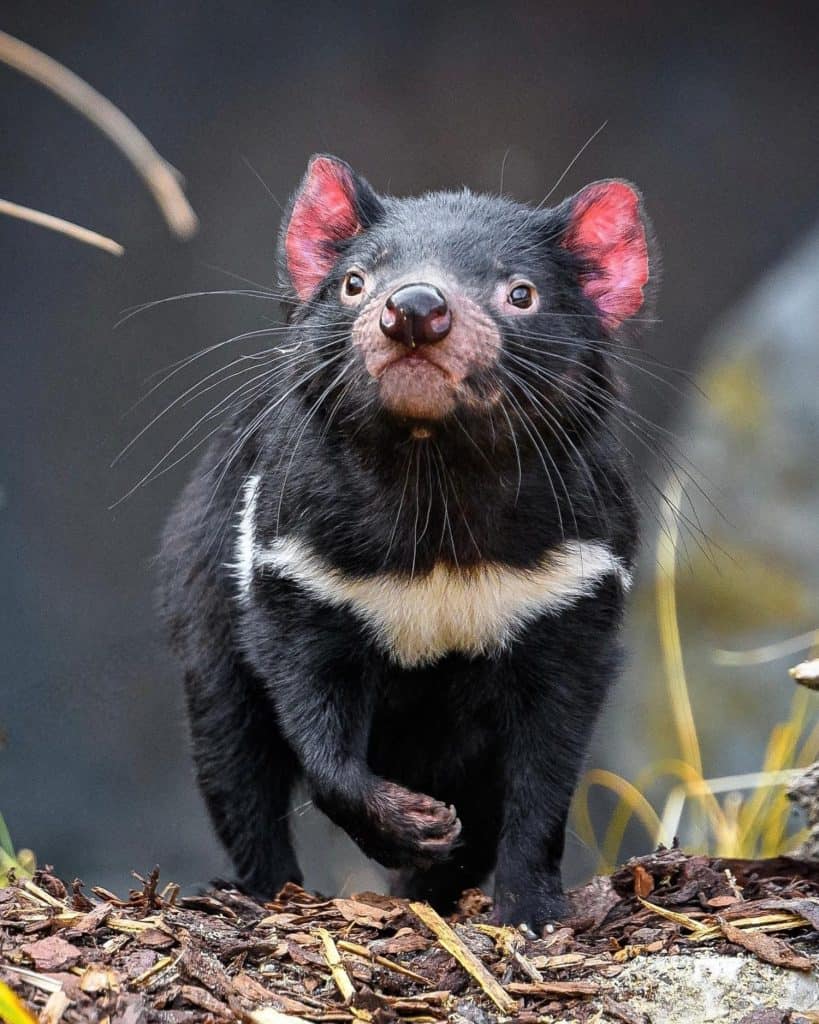
Bold Tasmanian devils are quick to find food, but simultaneously take dangerous risks that often end in disaster.
©Mariam Maa/Shutterstock.com
Birds: Exploration and Timing
Birds are among the most thoroughly researched subjects in personality science, offering clear examples of different approaches to life. In great tits, individuals differ in how they explore new environments. “Fast” explorers are bold and aggressive, while “slow” explorers are cautious and thorough. Each strategy works — just under different conditions.
In migratory birds like common terns, personality even affects when and where individuals travel. This shapes how an individual might experience extreme weather and shifting climates.
Reptiles, Fish, and Beyond
Personality isn’t limited to “charismatic” animals. Brown anole lizards show consistent differences in boldness and exploration. Brown trout vary in aggression and flexibility, affecting how each individual handles sudden environmental changes. Interestingly, in fish and amphibians, chemical pollutants can actually alter personality, making animals less cautious — and more vulnerable.
Across ecosystems, behavior isn’t uniform; it exists on a spectrum. This diversity ensures that no matter how the world changes, there is always an individual equipped with the right personality to survive.
How Personality Shapes Groups
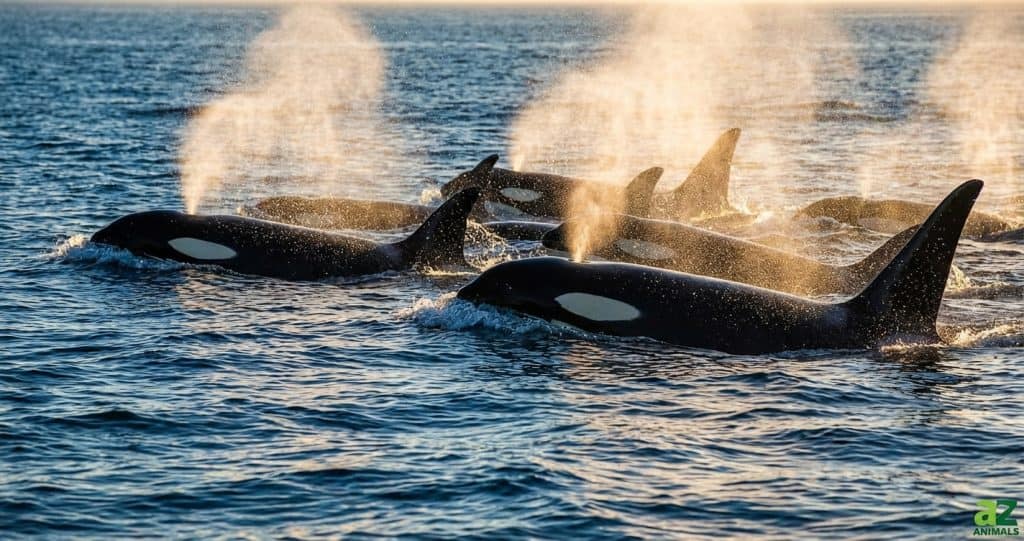
Individual personalities contribute to the personality of a group or population.
©A-Z Animals
Personality shapes entire groups and determines how effectively they function. One of the most important social balances in nature is the producer–scrounger system, or how animals within a group divide the tasks of finding food. Producers actively search for food, spending their time and energy exploring the environment to uncover new food. In contrast, scroungers wait and take advantage of others’ discoveries and then move in to share the reward.
Neither strategy is inherently better than the other, but both must exist in balance for the group to thrive. If there are too many producers, the group wastes energy on redundant searches and unnecessary competition. A group made up entirely of scroungers eventually starves because no one is doing the actual work of finding food.
Nature maintains this mix of personalities as a kind of behavioral insurance policy, helping to ensure the population can find food and survive even when environmental conditions shift.
Implications for Conservation
This social balance has profound consequences for wildlife relocation and conservation efforts. If a group of animals is moved to a new habitat and that group lacks the correct mix of personalities, the colony or herd may fail. In these cases, the failure isn’t caused by poor health or lack of resources — it happens because the social system itself is broken. Without the right ratio of bold and cautious individuals, or producers and scroungers, the group simply cannot function as a unit.
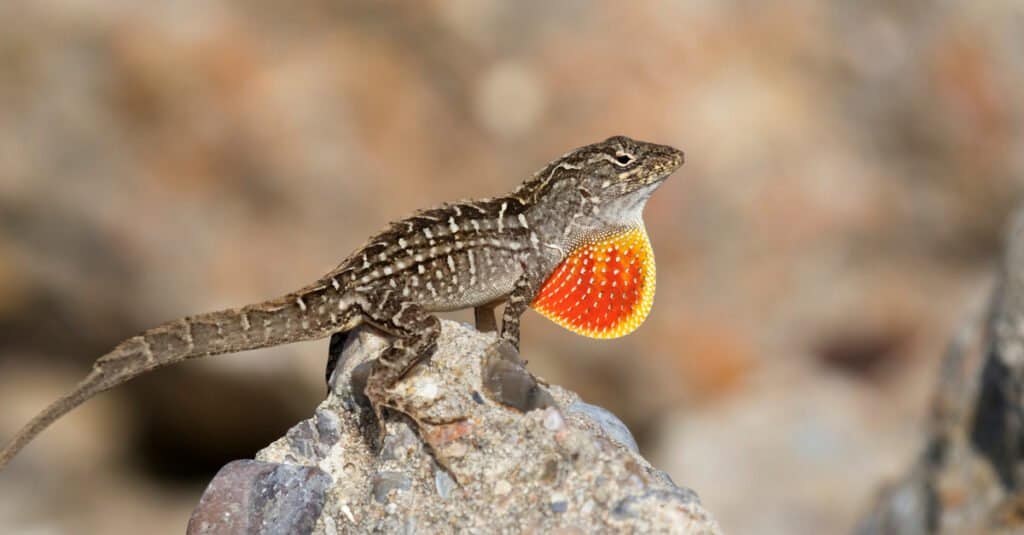
Personality affects species survival all across the animal kingdom.
©Natalia Kuzmina/Shutterstock.com
For years, conservation focused on numbers: release enough animals into the wild, and some are bound to survive. However, we now know that numbers are not enough.
Reintroduction failures are often linked to behavior. Animals may perish not because of poor health or insufficient numbers, but also because they wander into danger, fail to forage effectively, or cannot cope with the stress of a new environment. As a result, many conservationists are increasingly considering which animals to released based on behavioral traits, in addition to traditional factors like health and population size.
A growing trend in modern conservation is to consider matching an animal’s behavioral traits to the specific challenges of their release environment. For example, while reintroducing the Hawaiian crow (ʻalalā), birds that showed higher sensitivity to predators had much better survival rates, leading some programs to prioritize these “wary” individuals for release. In contrast, in new or resource-scarce habitats, bold individuals are often more effective because they are more willing to explore and colonize new territory.
The Captivity Problem
Raising animals in captivity adds another unique set of behavioral challenges. Animals raised around humans often become “too bold.” While this makes them easy to care for in a zoo, it makes them dangerously fearless around humans and predators once they are released into the wild. In Florida, for example, rehabilitating orphaned black bear cubs is one of the toughest jobs in conservation. While humans can provide food and medicine, they must prevent the cubs from losing their natural personality. If a cub becomes too comfortable around people, it loses its natural fear of humans. A bear that sees humans as “friends” or “food-givers” is much more likely to wander into neighborhoods, leading to dangerous conflicts.
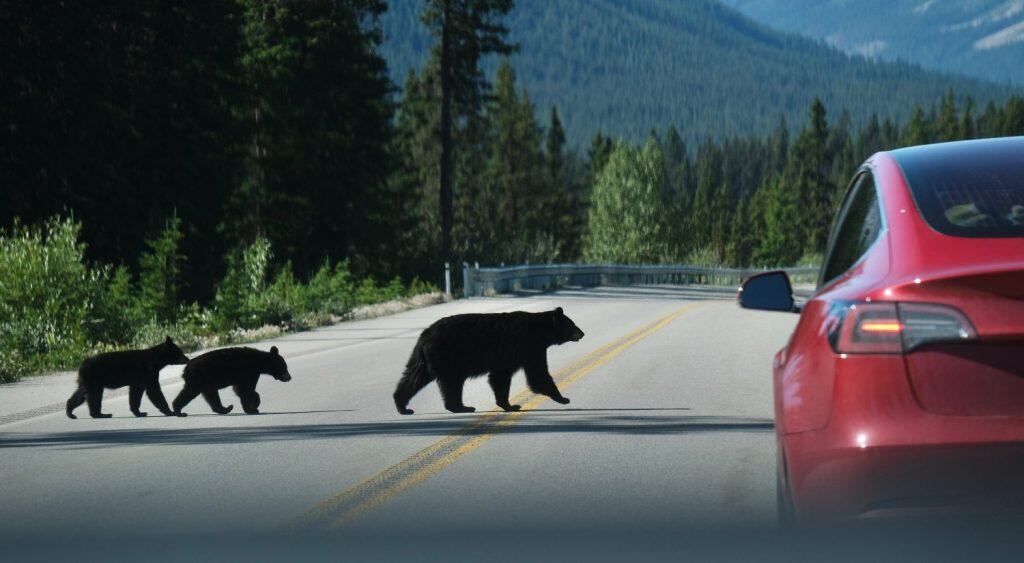
Many black bear mothers are killed by vehicles, leaving their cubs orphaned and without a teacher to guide them in the wild.
©Marina Poushkina/Shutterstock.com
Breeding programs can also accidentally favor certain personalities — usually the calmest ones — which reduces the behavioral diversity of the group. Because calmer animals are usually more comfortable in captivity, they tend to reproduce more. Over several generations, these “calm” genes can dominate the group, while the “wild” or “bold” genes begin to disappear.
A population consisting solely of bold animals will likely take too many fatal risks. On the other hand, a population of only shy animals may never explore and expand their territory. In either scenario, the species loses the essential behaviors it needs for long-term survival.
Survival in a Changing World
As climate change and human development rapidly reshape the natural world, personality is becoming a key factor in determining who survives. Scientists now view human-driven environmental change as a behavioral filter — a force that allows certain personality types to pass through while blocking others.
Bold and exploratory animals often thrive in cities and urban environments because they aren’t afraid to investigate new food sources (such as trash or gardens). However, they are also more likely to be hit by cars or persecuted as “pests.” Cautious and wary individuals stay safe by avoiding human contact, but they may also struggle to find enough resources if their traditional habitats shrink or disappear. Flexible individuals — those who can adjust their habits based on the situation — likely have the greatest advantage.
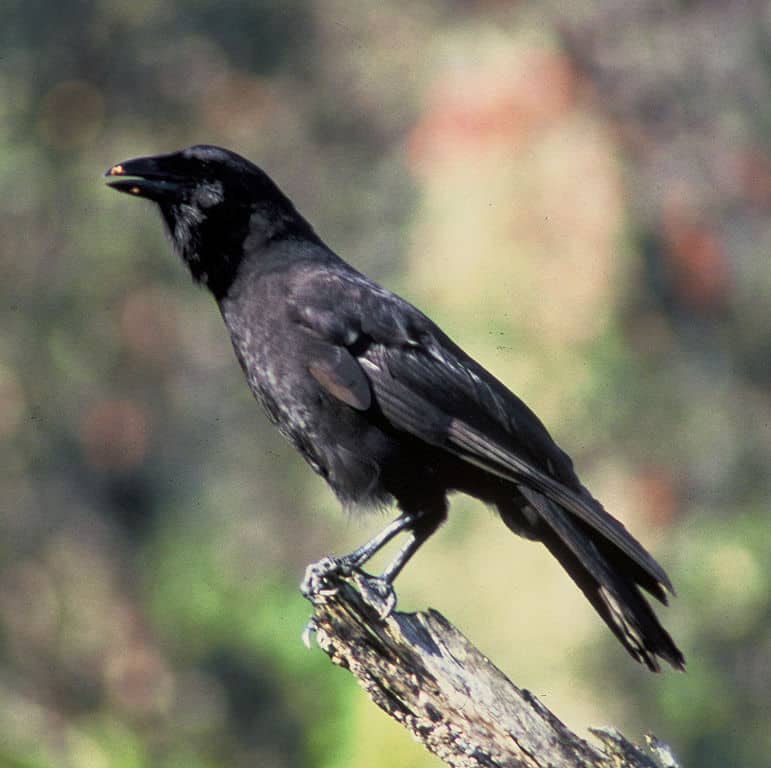
Initial reintroduction efforts for the Hawaiian crow failed because the birds were too bold and lacked the caution they needed to survive.
©U.S. Fish and Wildlife Service / Public Domain / Wikimedia Commons – Original / License
How Humans Shape Personality in the Animal Kingdom
Human activity doesn’t just affect individual animals; it can actually shift the personality of an entire species over time. Activities like hunting and fishing often remove the boldest, most aggressive, or most active individuals first. Over generations, this can “drain” the boldness from a population, leaving behind a group that is more timid and potentially less able to adapt to new challenges.
Environmental pollutants can also interfere with an animal’s brain chemistry. This can make them less cautious or more disoriented at the exact moment they need their survival instincts the most.
In short, we’re not just changing habitats; we’re changing how animals behave within them.
The emerging science of animal personality is forcing us to rethink our entire perspective on nature. We can no longer view a species as a single, uniform strategy for survival. Instead, a species is a diverse collection of individuals, each bringing its own unique tendencies, risks, and strengths to the table. In the eyes of evolution, this variation isn’t a flaw or a mistake — it’s the point.
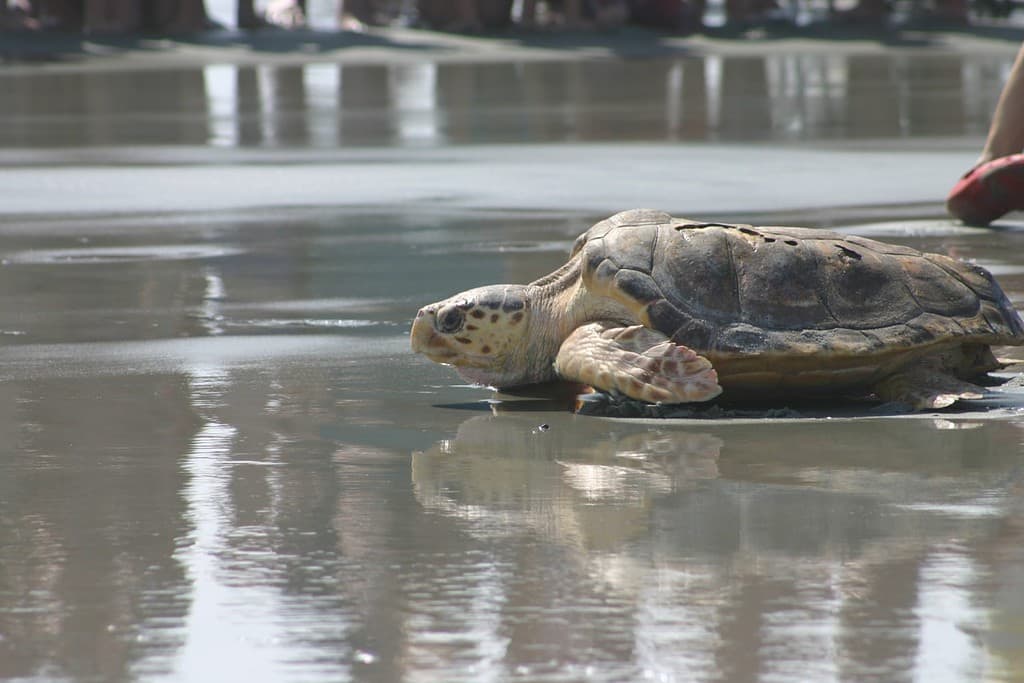
An animal’s personality and the environmental stressors it faces are the most accurate predictors of its survival.
©Grace Thoma/Shutterstock.com
Different personalities serve different roles in the “insurance policy” of a species. Bold animals find new opportunities and resources, while cautious ones provide stability and keep the population from collapsing when conditions become dangerous. Flexible individuals help the group to pivot and bridge the gap when the environment shifts unexpectedly. If you remove this behavioral diversity, the species loses its fundamental ability to adapt.
For conservation, this understanding changes everything. Success can no longer be measured solely by numbers and population counts. True success is about maintaining the full range of behaviors that make long-term survival possible. In an unpredictable and rapidly changing world, survival doesn’t belong to the bold or the shy alone; it requires a diversity of personalities.