
Quick Take
- Nevada ranks among the driest states in the country, yet that geography hides a fishing secret most anglers never discover.
- Wipers are notorious as one of the hardest fish to catch, yet fishing them under one specific condition flips the odds dramatically in your favor. Wiper fishing tactics →
- Nevada's state fish can grow to a size that would shock most freshwater anglers, and giants are most vulnerable only during a narrow seasonal window. Nevada's native cutthroat →
- Largemouth and smallmouth bass share the same Nevada waters but demand completely opposite strategies, so confusing the two will send you home empty-handed. Compare bass strategies →
Although Nevada is one of the driest states, there are hundreds of lakes and over a hundred thousand miles of rivers and streams. The unique environments are home to over 40 native fish species. However, some fish are more prized than others. Read on to learn about the best fish to catch in Nevada and where to find them.
Cutthroat Trout
Nevada is home to three native species of cutthroat trout: the Lahontan cutthroat trout (the Nevada state fish), Bonneville cutthroat trout, and Yellowstone cutthroat trout. They mainly differ by their native geographic basin, size, and color pattern. The Lahontan is the largest of all cutthroat trout, reaching 7-33 inches and up to 25 pounds. Bonneville trout measure 7-20 inches and typically weigh 1-1.5 pounds, but can reach as much as 15 pounds. Yellowstone trout also grow to 20 inches long and weigh 1-3 pounds, reaching as large as 7 pounds.
Peak fishing for the world-famous Lahontan cutthroat trout at Pyramid Lake is winter and early spring. November through April is considered the best time to catch 10-to-20-plus pound cutthroats. For backcountry stream cutthroats like Bonneville or Lahontan trout in eastern and alpine regions, July through September or October after the spring runoff is considered the best time to fish. Mid-July through October is the best time to fish for Yellowstone trout; the northeast corner of Yellowstone National Park, particularly Slough Creek, is a top hotspot.
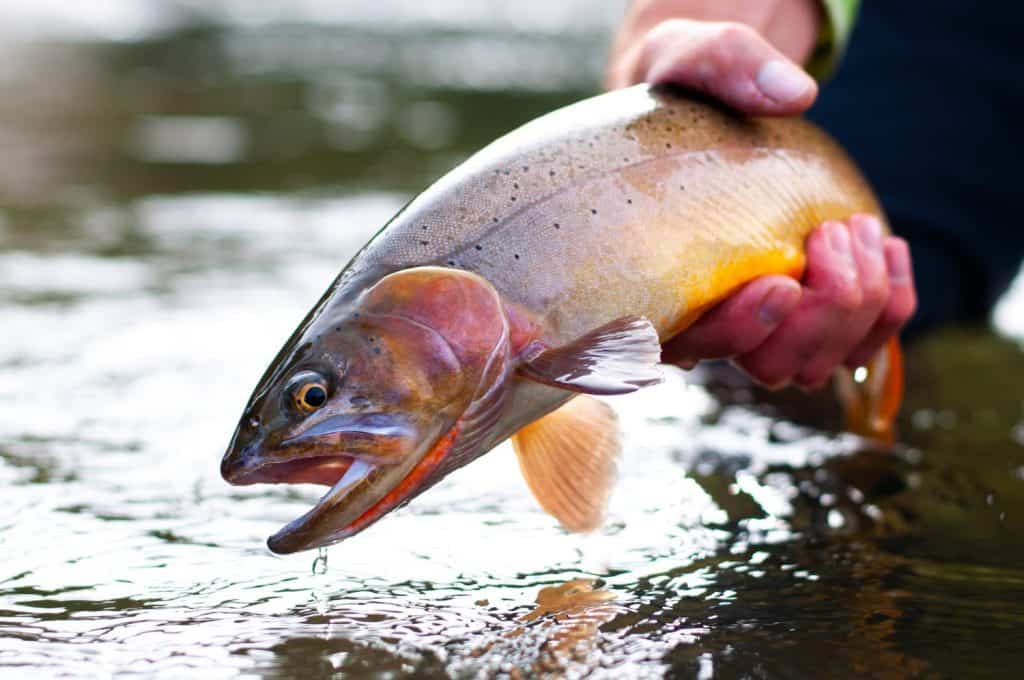
Yellowstone cutthroat are grey, gold, and copper with larger black spots than other cutthroat trout.
©Jennifer de Graaf/Shutterstock.com
Striped Bass
The striped bass, or striper, is another prized sport fish in Nevada. These fish are known for hard fighting and aggressive strikes. They have silver, torpedo-shaped bodies with dark horizontal stripes along their sides. Striped bass catches in Nevada waters typically range from 15 to 35 inches in length and weigh 2 to 10 pounds, but trophy fish can measure nearly 5 feet and exceed 50 pounds.
The best time of year to fish for striped bass in Nevada is from April through November, with peak fishing often occurring between June and October. Early morning, evening, and night are the most productive times of day to fish. Top destinations to fish for striped bass include Willow Beach at Lake Mohave, Lake Mead, and the Colorado River below Davis Dam.
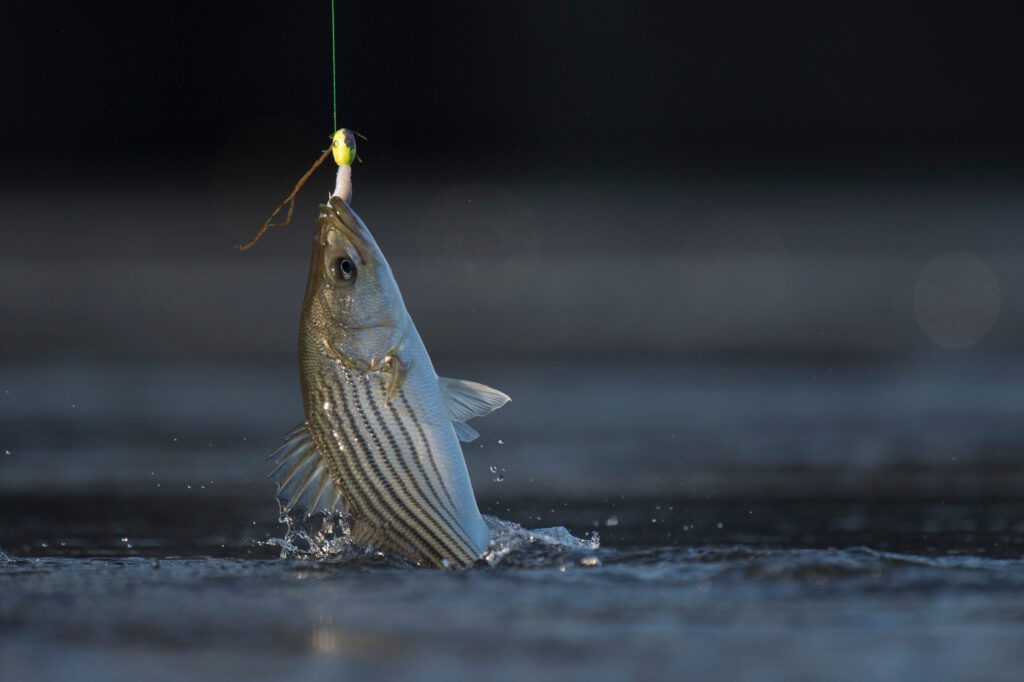
The Colorado River is one of the best places to fish for striped bass in Nevada.
©Ray Hennessy/Shutterstock.com
Wipers
A hybrid of striped bass and white bass, wipers closely resemble stripers, but their mouths are much smaller. Wipers generally grow to be 18 to 33 inches long and weigh around 7-10 pounds, but some exceptional fish can reach 15-20 pounds or even larger. Wipers are famous for being among the hardest fish to catch.
You’ll get the most action in the early morning and late evening hours. Wipers are also good fish for a round of night fishing. Whenever there are low light conditions, you’ll have an advantage. Low light encourages them to feed and makes them more aggressive biters. The best times of year to fish are late spring (April to May) and fall (September to November), as they feed voraciously during these periods. Popular hotspots to fish for wipers in Nevada are Lahontan Reservoir, Washoe Lake, and Rye Patch Reservoir, as these reservoirs are stocked and managed by the Nevada Department of Wildlife (NDOW).
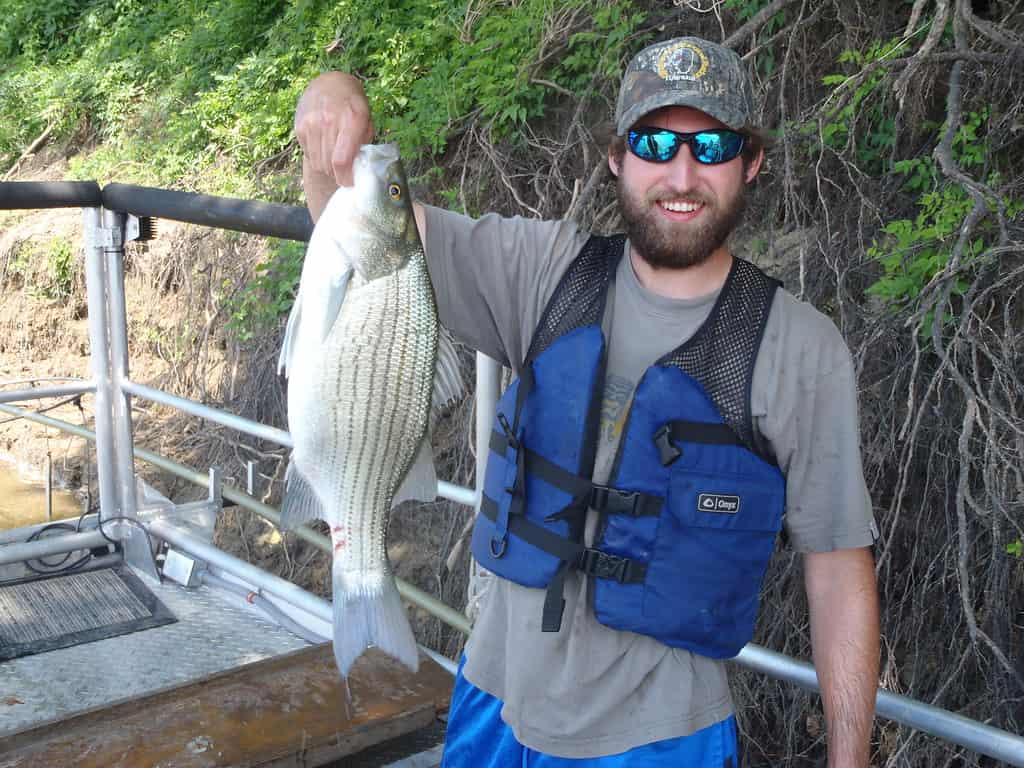
Wipers are a hybrid of striped bass and white bass.
Largemouth and Smallmouth Bass
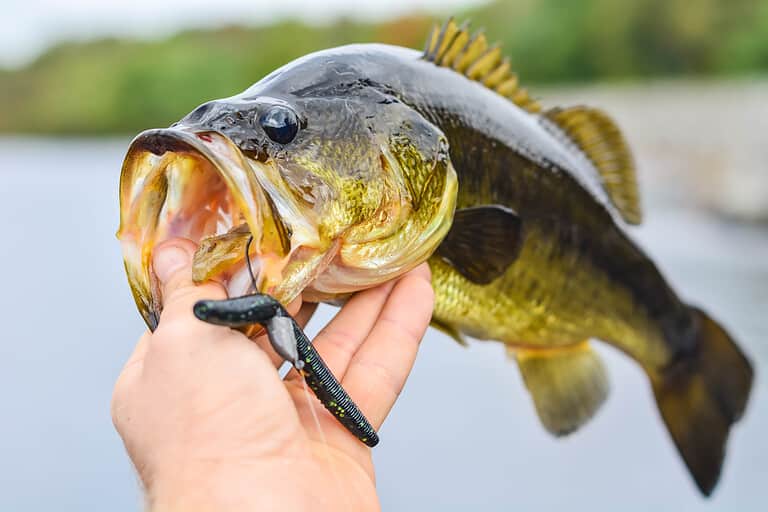
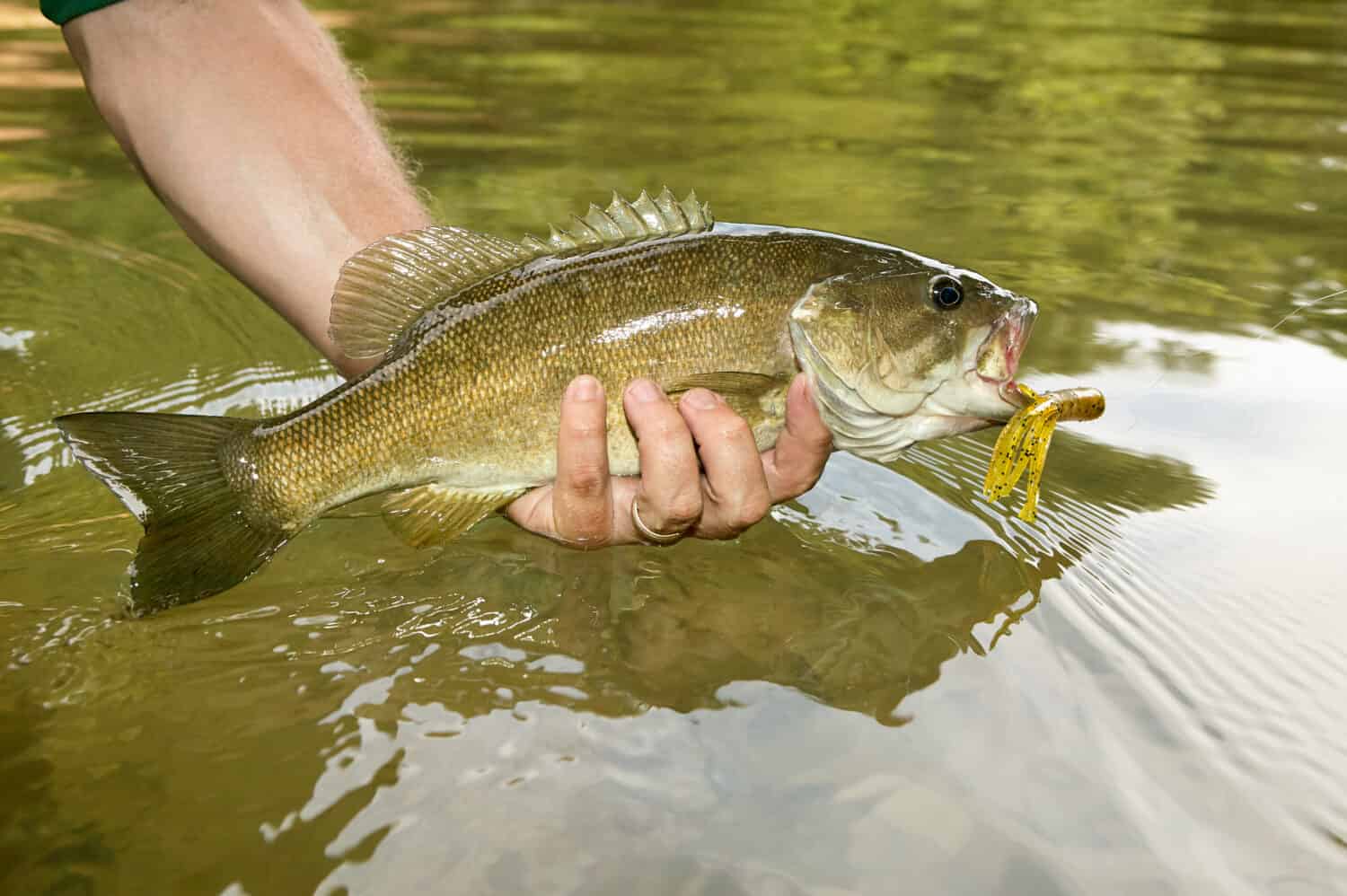
Both largemouth and smallmouth bass are popular sportfish in Nevada. Largemouths have green to olive bodies with a dark, broken horizontal stripe along the side. Their upper jaws go past the rear edge of their eyes, and their dorsal fin is nearly separated in two. Smallmouths have brownish to bronze bodies with dark vertical stripes down their sides. Their upper jaws stop around the middle or front edge of their eyes, and their dorsal fins are almost continuous. Typical adult largemouths reach 3-26 inches and 1-12 pounds, while smallmouths reach 11-22 inches and 2-9 pounds.
Largemouth bass favor warmer, darker, shallow waters filled with aquatic vegetation, while smallmouth prefer cooler, cleaner water. The best time to fish for bass is late spring during spawn periods through early fall when they feed for winter, roughly from May to September. Lake Mead and Lake Mohave on the Colorado River are considered the top locations to fish for bass. Other hotspots include the Lahontan Reservoir for smallmouths and Rye Patch Reservoir for both largemouth and smallmouth fishing.
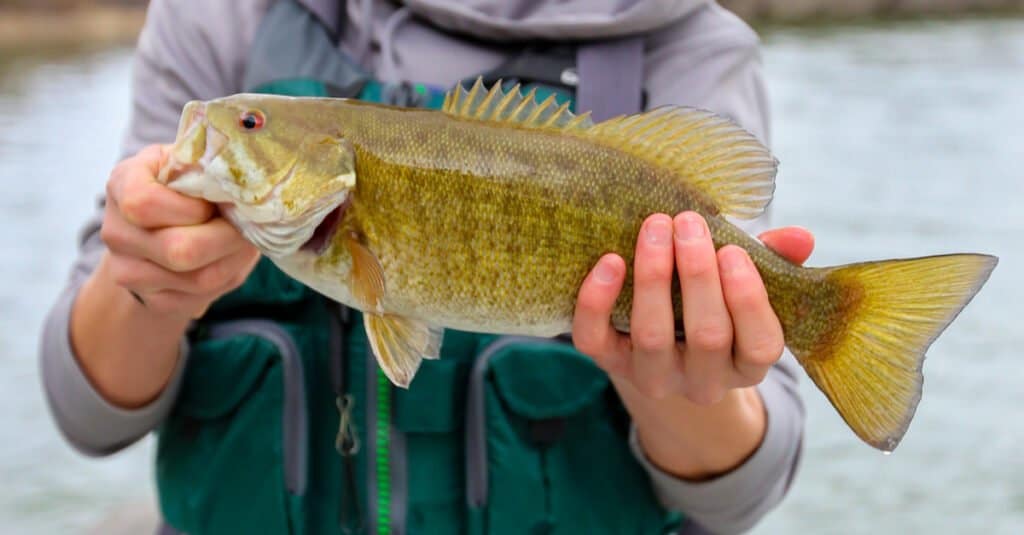
Smallmouth bass favor cold, clear water.
©CSNafzger/Shutterstock.com
Channel Catfish
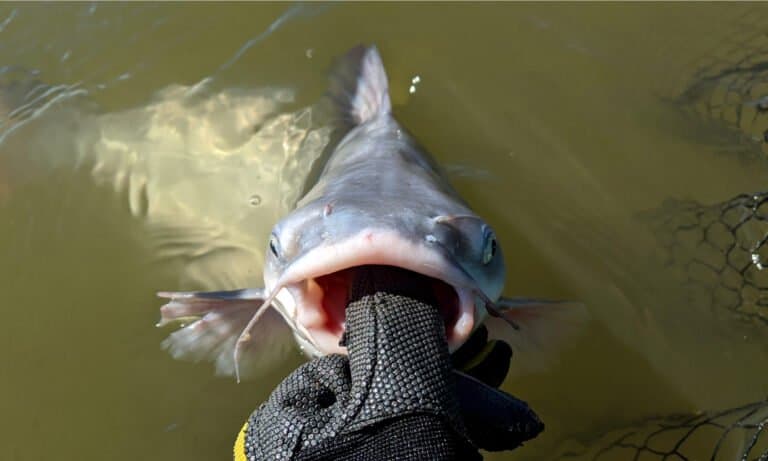
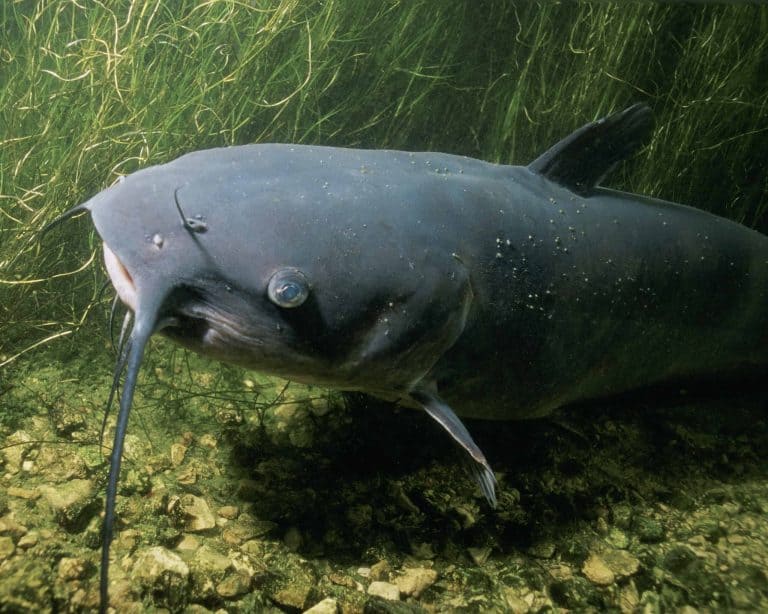
One of the most popular catfish species to target in Nevada is the channel catfish. Channel catfish are considered one of the best-tasting freshwater fish. These fish can vary in color but typically have grayish-blue or olive-brown sides with a dark back and a white belly. The average catch size in Nevada weighs between 2 and 10 pounds and measures 14 to 28 inches.
The best time to fish for channel catfish in Nevada is from late spring through early fall. From April to September, water temperatures remain relatively warm, and the fish feed and spawn. Fishing is most productive during low-light conditions from sunset to early morning. Some of the top locations to fish for channel catfish include Lake Mead and Lake Mohave, South Fork Reservoir, Washoe Lake, and urban community ponds, which are stocked by NDOW.
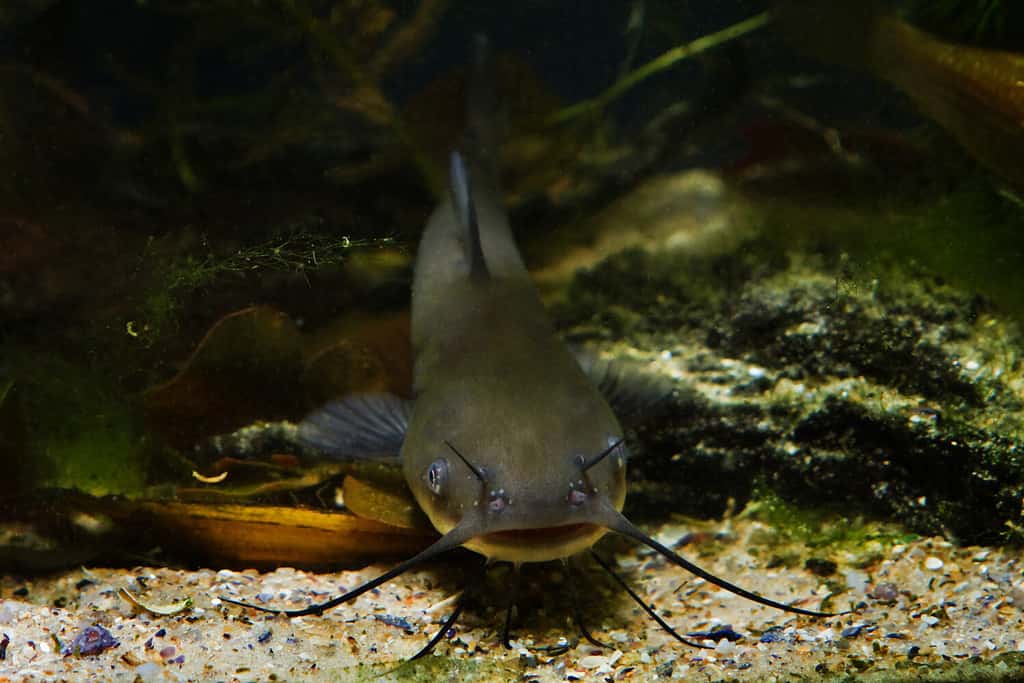
The average catch size for channel catfish in Nevada is 2-10 pounds.
©Aleron Val/Shutterstock.com