
Quick Take
- One angler landed a Texas state record fish almost entirely by accident, having given up on a completely different species that morning. Meet the accidental record holder →
- A 72-year-old record was shattered using gear most anglers wouldn't dare bring to a fish of that size. See the unlikely gear used →
- Some of Texas' most unbeatable records come from fish species anglers routinely underestimate, and one of those records has stood unchallenged since 1968. Discover the 1968 record →
- Texas' newest entry into the record books didn't just nudge a previous mark. It obliterated it by a margin that shocked even veteran offshore anglers. See the record-smashing catch →
A State Defined by Water and Record-Breaking Fish
For anglers seeking legendary catches, Texas stands apart. Its reputation for producing enormous fish isn’t just talk, state records here reach sizes that make even veteran fishermen stop and stare. From inland lakes to Gulf waters, no place in the state is untouched by fishing stories that test the limits of believability.
Continue reading
What drives people to these waters again and again? The lure is simple: the diversity, the size, and the very real chance of making history. In Texas, records fall to all kinds of anglers, using all kinds of techniques, in every imaginable environment, sometimes after decades, sometimes in a sudden, unexpected moment.
Freshwater Giants and Unforgiving Foes
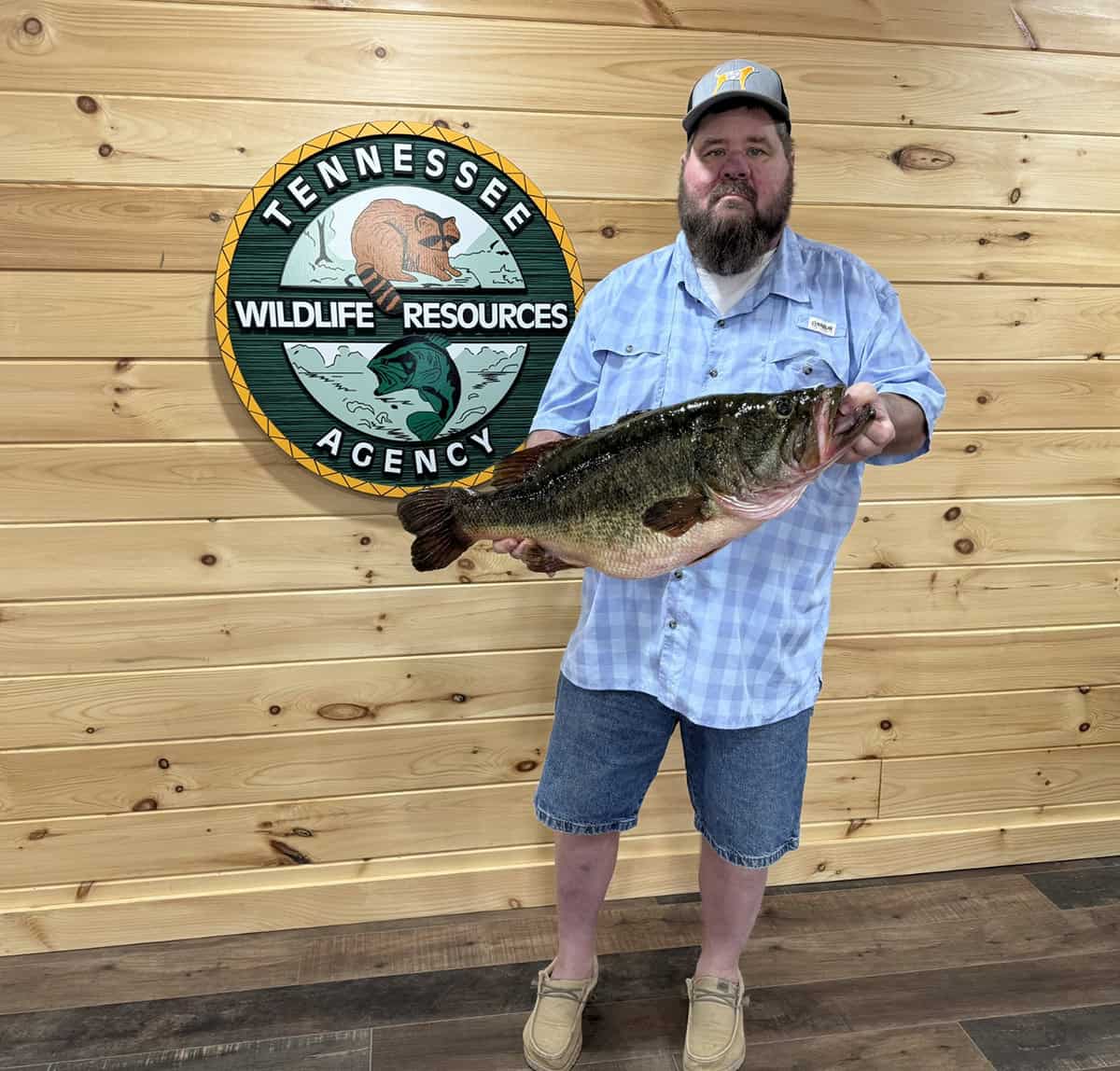
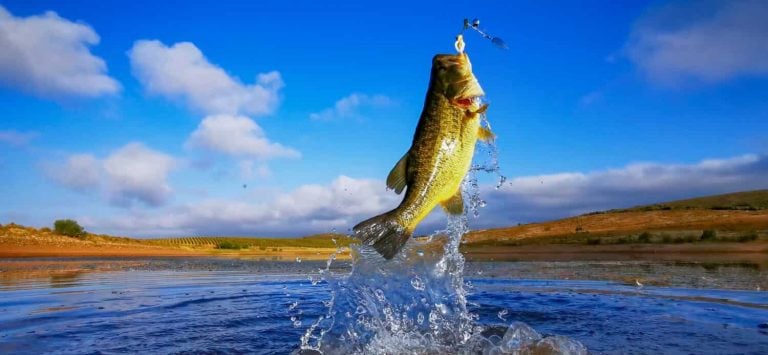
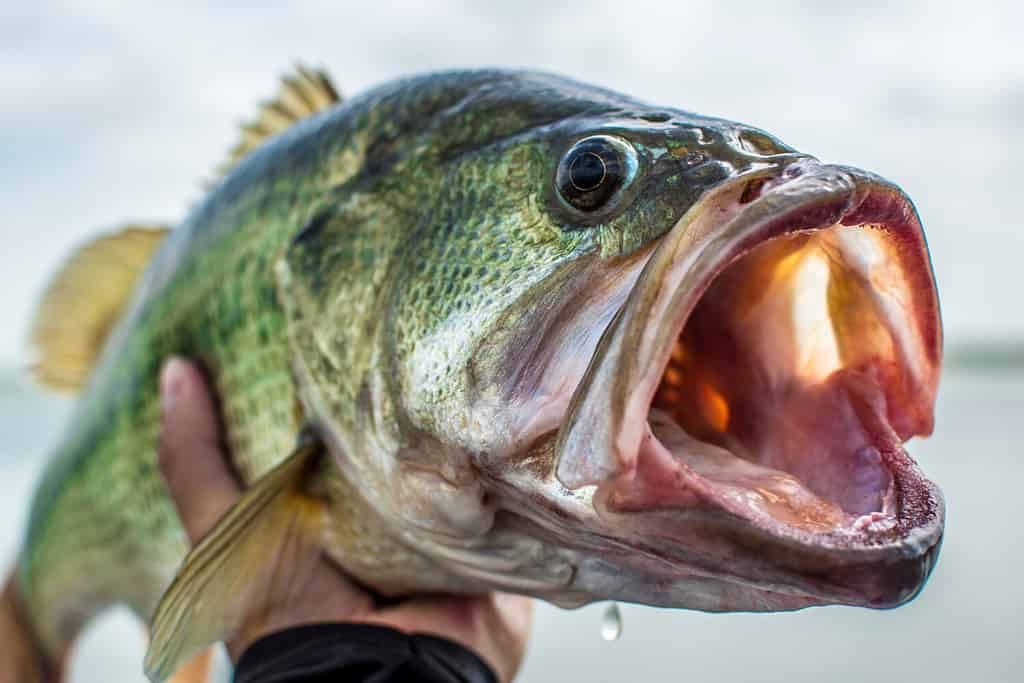
No freshwater fish is more chased than the Largemouth Bass. Iconic lakes like Fork and O.H. Ivie have grown reputations both for numbers and for size. Lake Fork, for example, has held the rod-and-reel Bass record since 1992, when Barry St.Clair landed an 18.18-pound giant, one so big St.Clair at first believed he’d hooked a submerged log. More recently, O.H. Ivie produced an IGFA Women’s world record, thanks to Lea Anne Powell’s 12-pound catch in 2023.
©Pierre Rebollar/Shutterstock.com
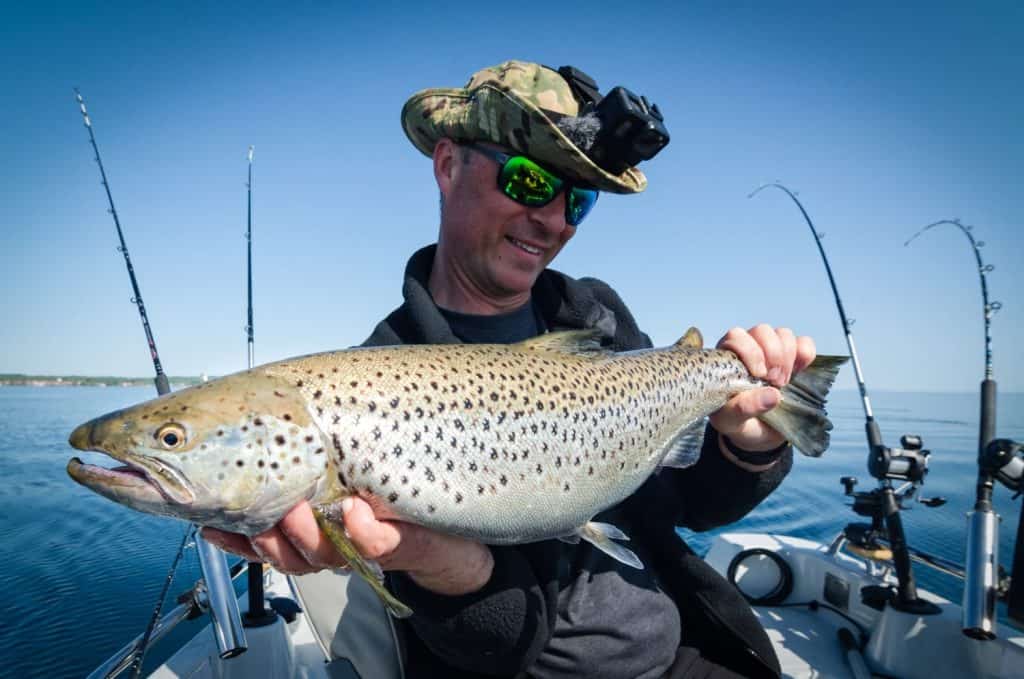
While Bass hold their own, smallmouth also have their place in Texas history. Tim Teague’s story from 1998 offers a glimpse at the dedication needed for such a record. Teague, a fisherman who fit four days of fishing per week into an exhausting work and family schedule, claimed the Smallmouth Bass state record nearly by accident. After an unproductive morning chasing Walleye, he switched focus and landed a 7.93-pound Smallmouth, one still unbroken after all these years.
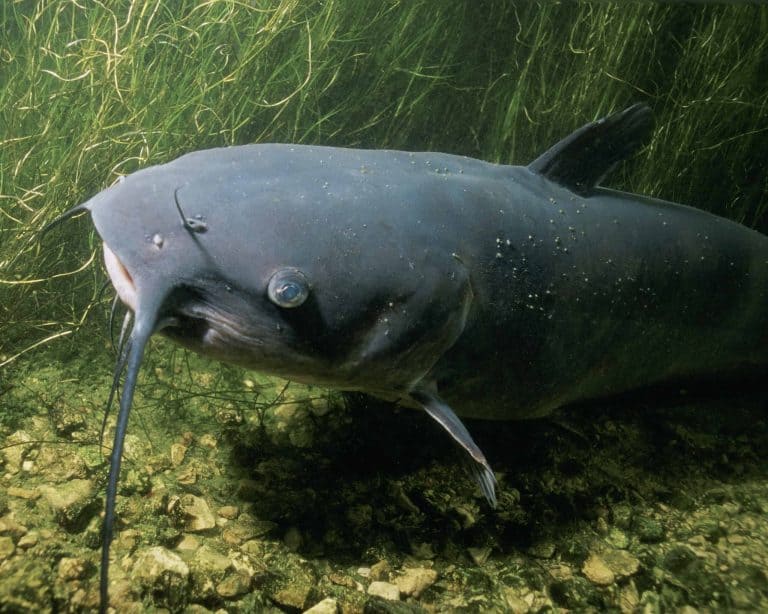
Then there’s the Blue Catfish: true behemoths of the inland waters. Lake Texoma is ground zero for big Cats, and none bigger than Splash, the 121.5-pound monster caught by Cody Mullennix in 2004. This fish not only broke state records at the time, it briefly held the world title. Specimens in these waters routinely exceed 80 pounds, and baits ranging from live shad to homemade concoctions all have their day.
But Texas’ freshwater claims don’t end with Bass and Cats. The Alligator Gar, often called the “holy grail” for its sheer size, recently saw its own state record shattered. In 2023, Art Weston spent more than two and a half hours fighting a 283-pound Gar from Sam Rayburn Lake, using only a 6-pound test line. This catch, breaking a 72-year-old mark, also set several class and world records, a testament to how the state’s waters continue to surprise even experienced anglers.
Big Surprises in Smaller Packages
Not all Texas favorites grow to triple digits. Crappie may average just half a pound, but a 4.56-pound White Crappie caught at Navarro Mills in 1968 still stands as a record, waiting to be challenged. Meanwhile, Speckled Trout, known for their intelligence and fight, have produced some unexpected trophies. In 2002, Carl “Bud” Rowland caught and released a 16-pound, three-foot-long Spotted Seatrout while fly fishing the Lower Laguna Madre. Unlike the elusive Gar or ancient Flounder records, Trout records in Texas see frequent competition, making the next big catch always imaginable.
©Piotr Wawrzyniuk/Shutterstock.com
Saltwater Legends: Drums, Flatfish, and True Titans
Closer to the coast, the variety of fish gets even better. Redfish, Black Drum, and Flounder are three of the biggest draws for inshore anglers in Texas.
Black Drum can grow to impressive sizes. The largest adults commonly reach 30 to 50 pounds, but the Texas record is in another league. Wally Escobar caught an 81-pound Black Drum from the Gulf of Mexico in 1988, and the record still stands.
Red Drum, better known as Redfish, are another favorite along the Texas coast. The state record was set in 2000, when Artie Longron landed a fish weighing nearly 60 pounds and measuring more than 54 inches long. Most Redfish anglers encounter are nowhere near that size, with many catches closer to the 10-pound range.
Flounder may not get quite as large, but Texas has produced some remarkable ones. The state-record Southern Flounder weighed 13 pounds and measured 28 inches when it was caught in Sabine Lake in 1976. The mounted fish is still displayed in Port Arthur.
Fall is one of the best times to target Flounder. As the fish move from bays and estuaries toward the Gulf to spawn, anglers gather along the coast hoping to intercept them during the migration.
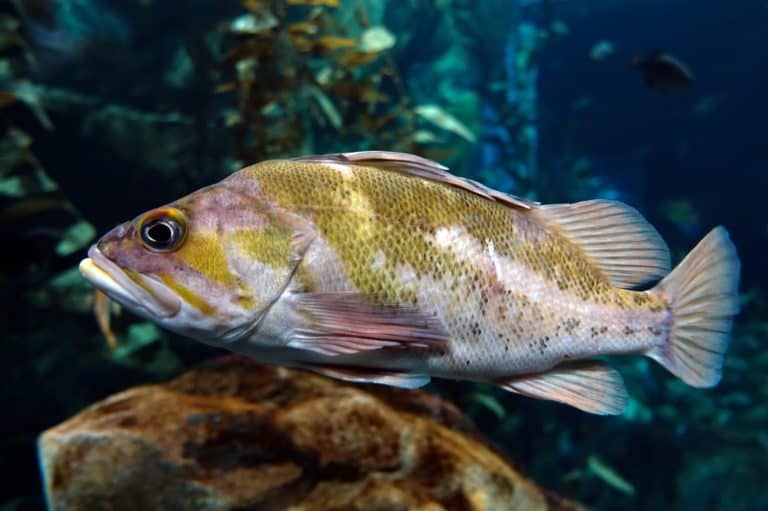
The offshore scene raises the stakes further. Red Snapper average two pounds, but a 38.75-pound specimen landed near Port O’Connor in 2014 proved the potential lurking closer to shore. Swordfish, however, may be the ocean’s fiercest challenge. A 493-pound, 12-foot-long Sword reeled in by Brian Barclay in 2013 set a new mark and required four hours to land. Just reaching these fish means heading seventy miles or more offshore, where only specialized charters dare travel.

©Fabien Monteil/Shutterstock.com
Closing In On the Unimaginable
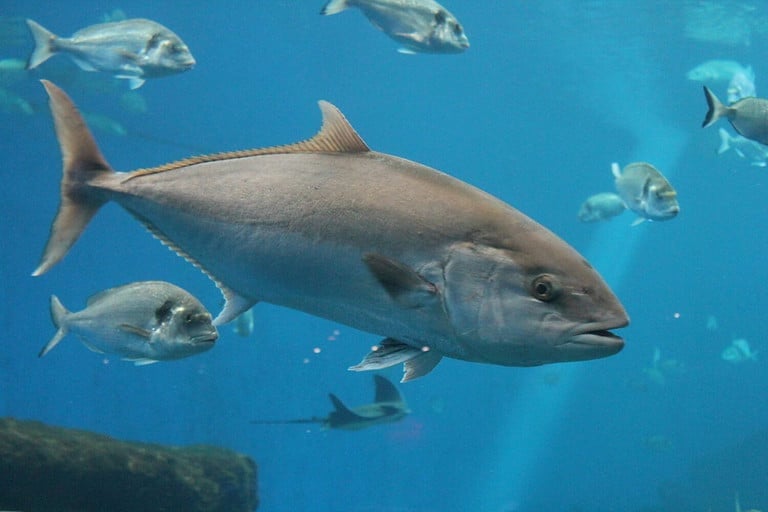
Even among all these giants, Texas waters have saved their greatest spectacle for the unexpected. Bluefin Tuna, new to the state’s record books, was recently set at 884 pounds, a leap far beyond previous marks.
For anglers, Texas offers more than just stories or records. Its vast, untamed fisheries hold the promise of the extraordinary at every turn. Here, the next cast could make history, because in Texas, the unimaginable is never off the table.