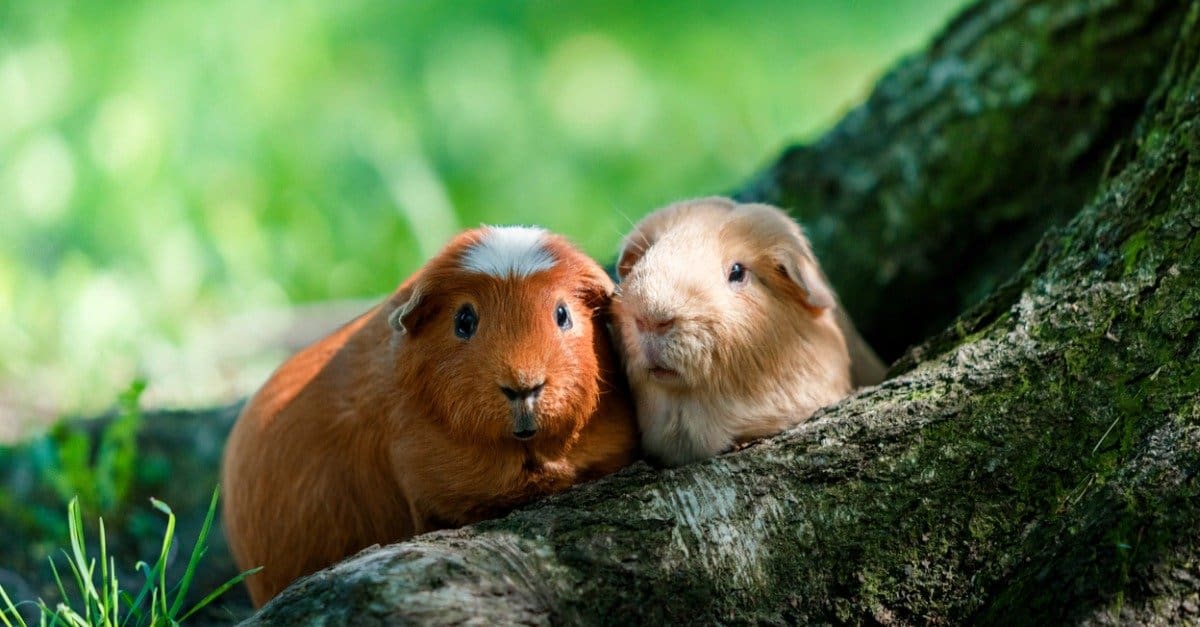

If you want a great pet that requires minimal maintenance and cost, go with a guinea pig. They live longer than other small mammals and are known to be sweet and affectionate. These animals can be extremely vocal, have unique personalities, and develop attachments to humans. So if you’re thinking about adopting guinea pigs as pets, read on to learn how to care for a guinea pig.
The Guinea Pig Temperament
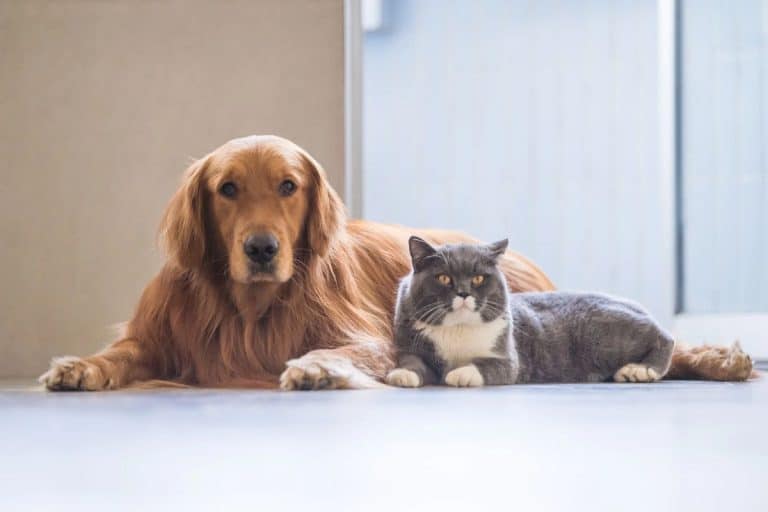
The guinea pig is a friendly, easy-going pet. It has energy to spare and can be both clingy and outgoing. They rarely bite. Guinea pigs are very social and will be happier if they can cohabitate with other guinea pigs. However, if you don’t want a litter of guinea pigs, only house same-sex pets together. It is best to introduce them as babies for better cohabitation. It is generally not recommended to keep guinea pigs around other pets. Guinea pigs are prey animals, while cats and dogs are predators. Even gentle animals may scare your guinea pigs.
Guinea pigs make an ideal first pet for an older child. Other than ensuring the guinea pig has unlimited access to hay and fresh water at all times, a guinea pig only needs to be fed once a day. Of course, regular cleaning of the guinea pig’s crate is also important. Otherwise, enjoy petting, cuddling, exercising, and playing with your guinea pig. Guinea pigs are also highly intelligent and can be trained to perform simple tasks.
Dietary Requirements
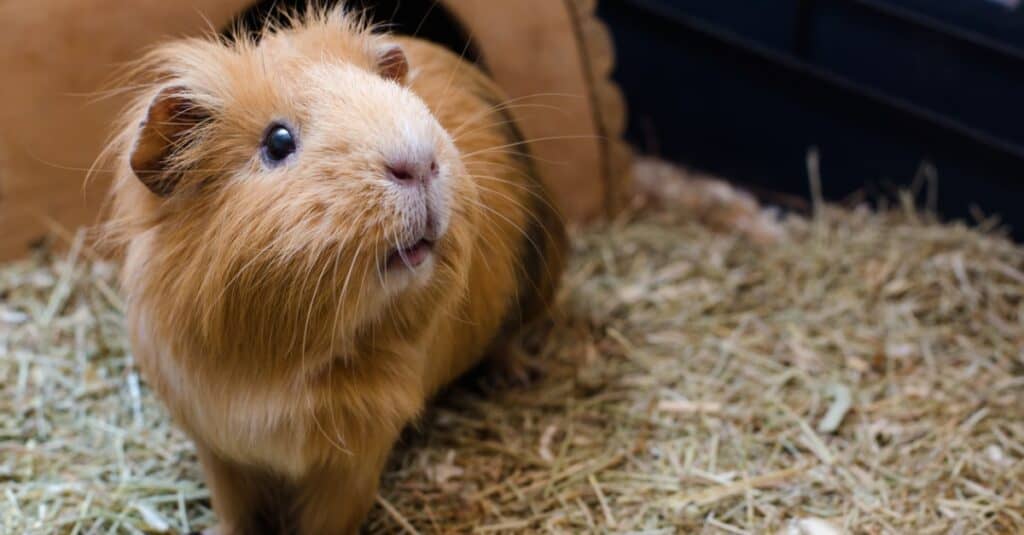
Guinea pigs need access to unlimited hay and water at all times.
©Dev_Maryna/Shutterstock.com
A guinea pig’s ideal adult weight is typically between 1.8 and 2.2 pounds. Your guinea pig needs a steady diet of clean, high-quality timothy hay. The food wears down their teeth, which continue to grow throughout the guinea pig’s life. Timothy hay is also high in fiber, ensuring the animal has a healthy digestive system.
Fresh vegetables and pellets should make up about 20% of their daily food intake. Leafy greens should make up most of their vegetable intake. Fruits and other vegetables can be given in moderation as treats. They also need between one-fourth and one-eighth cup of vitamin C fortified pellets a day. You can find these pellets in a pet store or online.
Guinea pigs should also be given vitamin C supplements daily since they cannot produce it, and the quantities in their food may not be enough. They require between 10 and 50mg daily. Failure to provide them with vitamin C may result in symptoms such as swollen feet, sore gums, and a rough coat. Additional issues may also include diarrhea and joint pain. Should you notice any of these symptoms in your pet, you should get them medical attention as soon as possible.
Caring for Your Guinea Pig
Here are the basic supplies you need for caring for your guinea pig:
- Solid-bottom cage at least 30 x 50 x 12 inches
- Food bowl
- Hide house (small flower pot or store-bought)
- Water bottle
- Hay rack
- Chew toys
- Bedding made from paper
- Timothy hay, orchard grass, oat grass
If you want your new pet to adjust quickly to its new home, have the habitat ready in advance. Set up toys, treats, and bedding in a secluded area away from larger pets before bringing your guinea pig home. Guinea pigs love cuddling, but like any pet, they need to feel secure in their new surroundings first. If your guinea pig seems shy or nervous when you try to pet it, give it time and space to acclimate before trying again.
Playtime and Grooming
Guinea pigs are natural foragers and enjoy searching for food throughout the day. Toys that can withstand heavy chewing are ideal for guinea pigs. Also, guinea pigs need to roam every day. So let them out of their cages when possible and allow them to scurry around a large, safe space. Keep an eye out as they’ll chew on almost anything, including electrical wires. If you choose to let them outdoors, make sure they are in a secure, enclosed area that protects them from predators.
Keeping their hair groomed is another way to ensure good health. Long-haired guinea pigs should be combed daily. Short-haired guinea pigs should be brushed at least once a week. Their nails should also be trimmed at least once a month to keep them from becoming overgrown.
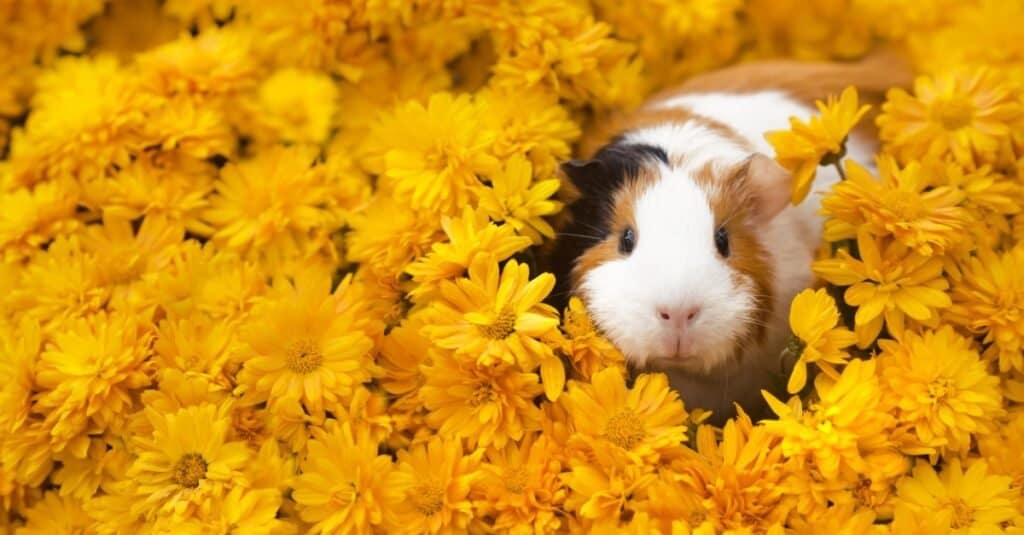
Guinea pigs need room to roam, so ensure they have adequate space to exercise.
©Evgeniya Grande/Shutterstock.com
Caging: Size Matters
Your guinea pig’s cage should encourage natural behaviors such as digging, climbing, burrowing, and hiding. Low-level ramps and platforms are great for exercise and daily play, on top of daily roaming outside the cage. The roomier the enclosure, the more your pets will move around. Proper exercise helps reduce the risk of health problems such as diabetes, heart disease, bumblefoot, and anal gland issues.
Since guinea pigs are social animals, it’s best to keep at least two together. A proper enclosure for two guinea pigs should measure at least 30 x 50 inches. The sides of the enclosure should be at least 12 inches high. Tops can be open as long as you’re sure your pets can’t get out. Floors should be solid. Rescue organizations suggest enclosures made out of Coroplast and cubes. Avoid using glass aquariums, plastic tubes, or wire floors, as these are not suitable for guinea pigs. Bedding should be made from paper and should be 2-3 inches deep.
How Much Does a Pet Guinea Pig Cost?
If you don’t yet own guinea pigs, but are considering becoming a proud parent, there are costs to factor in, from buying your initial pets to getting them set up to lead happy, healthy lives. A single guinea pig typically costs $10–$60, depending on the source and breed.
A properly-sized cage for two guinea pigs can cost $120 to $200 or more, depending on quality and features. Ongoing monthly expenses for bedding, food, and treats generally range from $33 to $166. Initial setup supplies like water bottles, feeding bowls, hiding huts, and toys can cost up to $100. Routine veterinary visits usually range from $50 to $100 per visit.