
Quick Take
- Herons are large, long-legged wading birds that are carnivores.
- Some herons are strict pescetarians that only eat fish.
- Some herons have adapted to life away from the water.
Herons are wading birds in the family Ardeidae, which contains 60 to 75 species, including egrets and bitterns. They are found globally near water in tropical and temperate regions, excluding Antarctica. Herons are characterized by long legs, S-curved necks, and sharp, spear-like bills, often displaying blue-grey, white, or brown plumage. They are carnivores that pluck fish, frogs, crustaceans, and small reptiles from the water. Continue reading to discover everything you need to know about what herons eat.
What do Herons Eat?
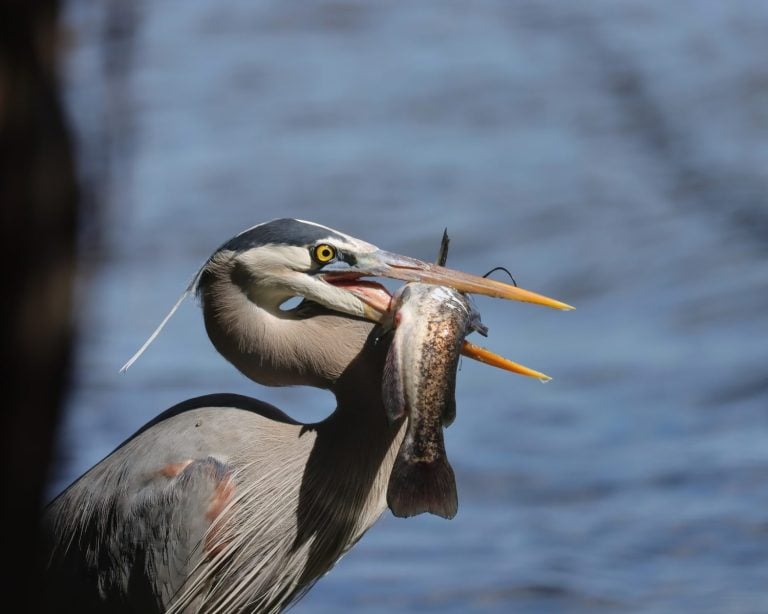
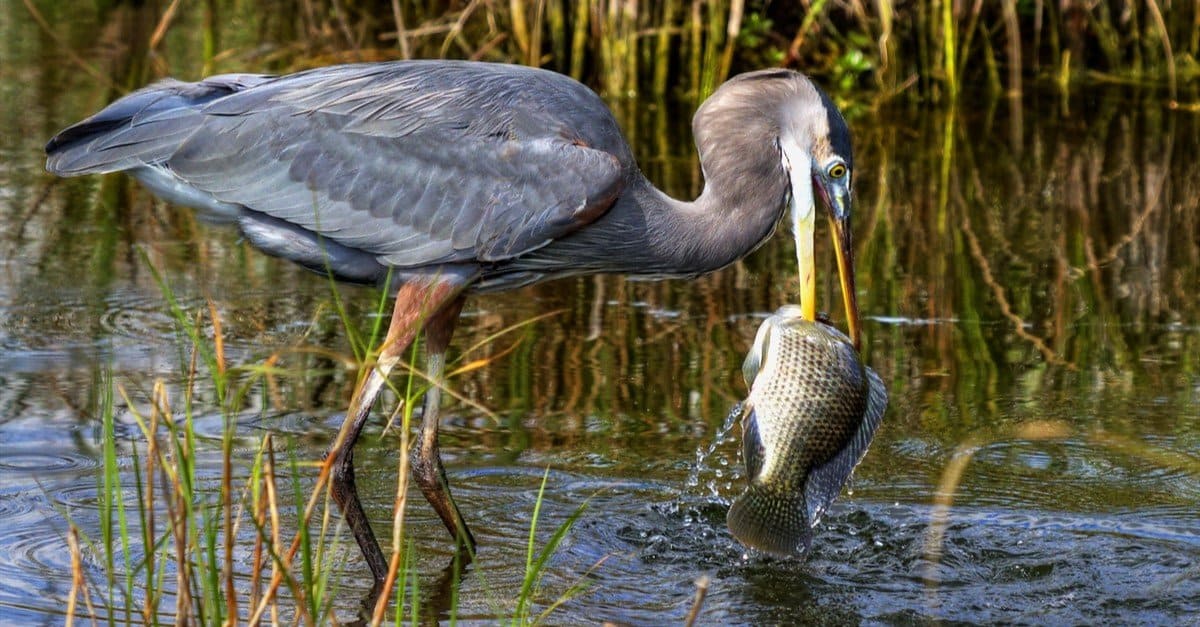
Herons are opportunistic, carnivorous waders that primarily feed on fish, amphibians, reptiles, crustaceans, and small mammals, using their sharp, spear-like bill to hunt in shallow waters. While primarily piscivores, they adapt their diet to local habitats, often including rodents, insects, and birds in terrestrial or marshy areas.
As predatory birds, herons are known for their ability to catch small bits of food, especially fish, with their spearlike beaks.
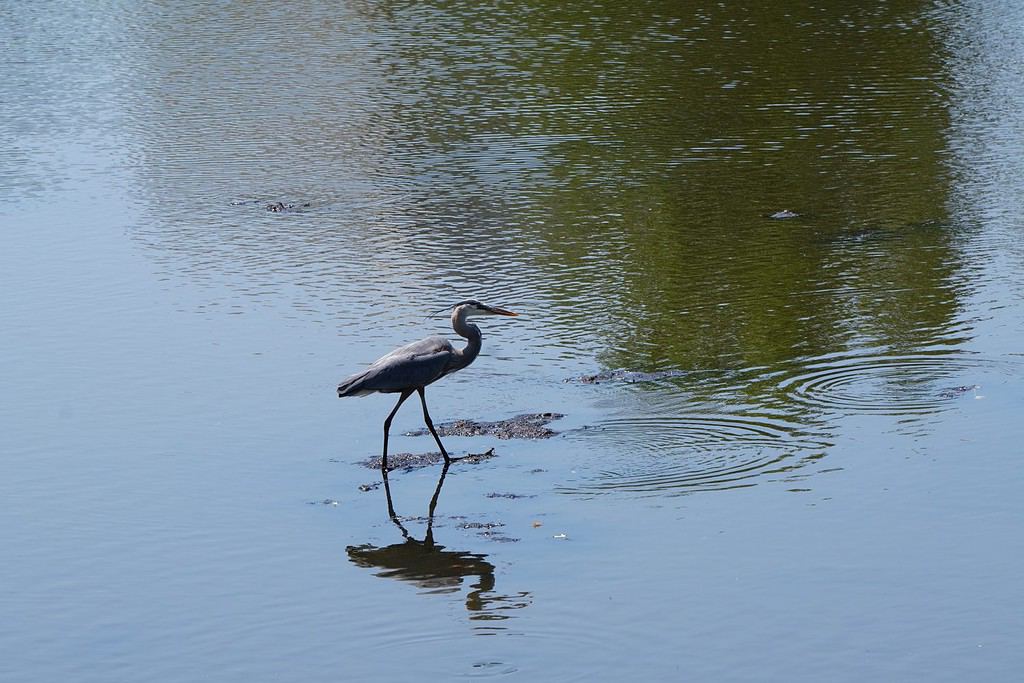
Wading birds, like this great blue heron, will wait patiently for prey to swim by.
©quiggyt4/Shutterstock.com
Generally, herons are highly opportunistic feeders, consuming nearly any mobile prey small enough to be ingested. In coastal environments, they function primarily as expert piscivores, skillfully targeting fish. While most heron species act as generalists with diverse diets, some demonstrate greater specialization; for instance, the yellow-crowned night heron (Nyctanassa violacea) has adapted to forage mainly upon crustaceans, especially crabs.
Some herons have adapted to ecosystems away from major bodies of water. The cattle egret (Ardea ibis), a heron species that has white plumage, commonly perches on the backs of cattle, horses, and other livestock to pick off ticks, flies, and parasites.
Common foods that herons eat include:
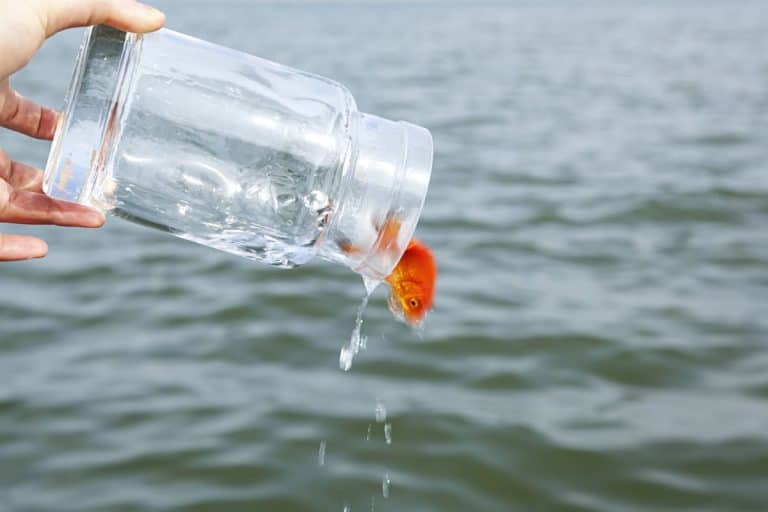
- goldfish
- small carp
- koi and ornamental fish
- minnows
- sticklebacks
- flounder
- gunnels
- sculpin
- perch
- top smelt
- crayfish
- prawns
- crabs
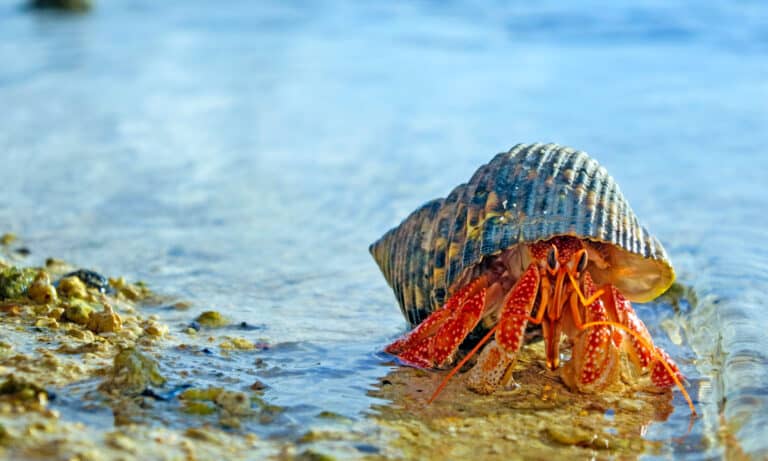
- hermit crabs
- lobster
- small birds (ducklings, plovers, and sandpipers)
- squirrels
- eggs
- rodents
- frogs
- toads
- snakes
- lizards
- salamanders
- worms
- grasshoppers
- ticks
- fleas
- flies
How do Herons Hunt?
Herons are incredibly fast and intelligent, traits that help keep them at the top of the food chain. Many heron species are most active at dawn and dusk, while others, like the great blue heron (Ardea herodias), are active throughout the day. When hunting during the day, many heron species spread their wings to reduce glare on the water and cast shadows that confuse fish.
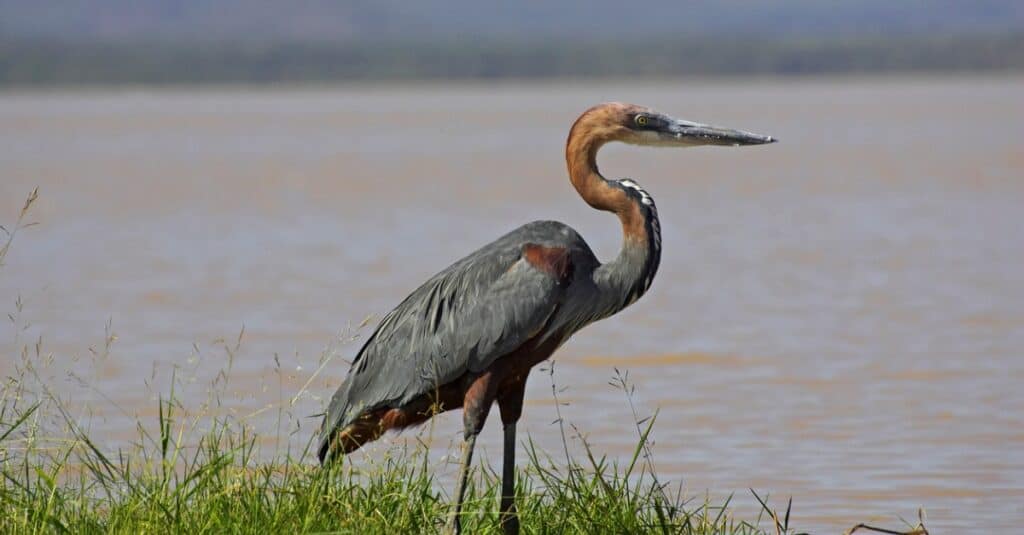
Herons are known to eat up to one pound of fish a day.
©iStock.com/slowmotiongli
As elite predators, herons will spend hours patiently wading through water to catch fish. They are experts at camouflage, using their thin legs and pale undersides to blend into the environment. With a lightning-fast strike, they can easily empty a pond, making protection necessary for ornamental fish.
Herons are opportunistic hunters that swallow small, slow-moving prey whole, digesting bones and all, or tear larger prey into manageable chunks.
Herons often target bird nests to feed on eggs, which they swallow whole.
Specialized Hunting Strategies
Some species of heron have adapted to use bait to lure fish into certain areas, thereby making hunting easier. The little egret (Egretta garzetta) and grey heron (Ardea cinerea) have been documented placing seeds and bread in the water, waiting for fish to come up and feed.
The yellow-crowned heron has adapted to eat crabs primarily. It hunts by sitting on the shoreline or on rocks and snapping up crabs as they pass.
Another method used by herons that live away from water involves following cattle. As these large herd animals move through fields, they disturb the grass and undergrowth, causing insects to scatter. The heron then swoops down to catch the fleeing insects. This method is so successful that one study showed a marked increase in prey capture rates.
What Animals Prey on Herons?
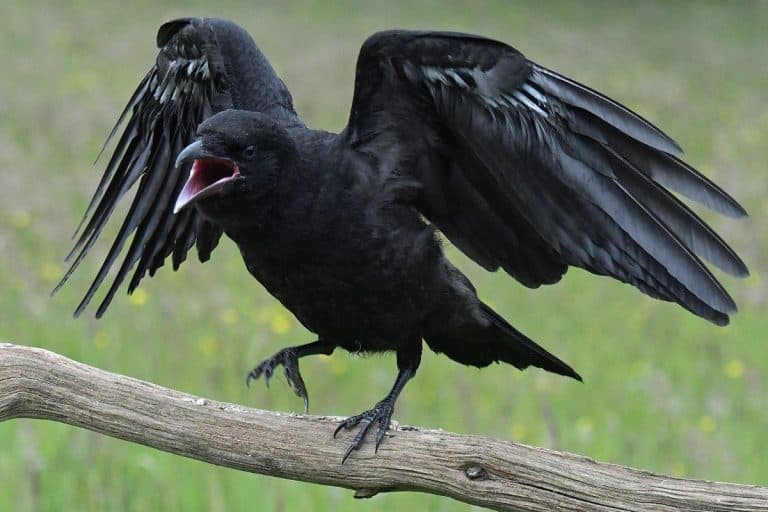
Adult herons have few natural predators due to their large size and sharp, defensive bills. Their primary threats include bald eagles (Haliaeetus leucocephalus), golden eagles (Aquila chrysaetos), and great horned owls (Bubo virginianus). Young herons and heron eggs are more vulnerable and frequently preyed upon by:
- raccoons
- crows
- ravens
- hawks
- black bears.
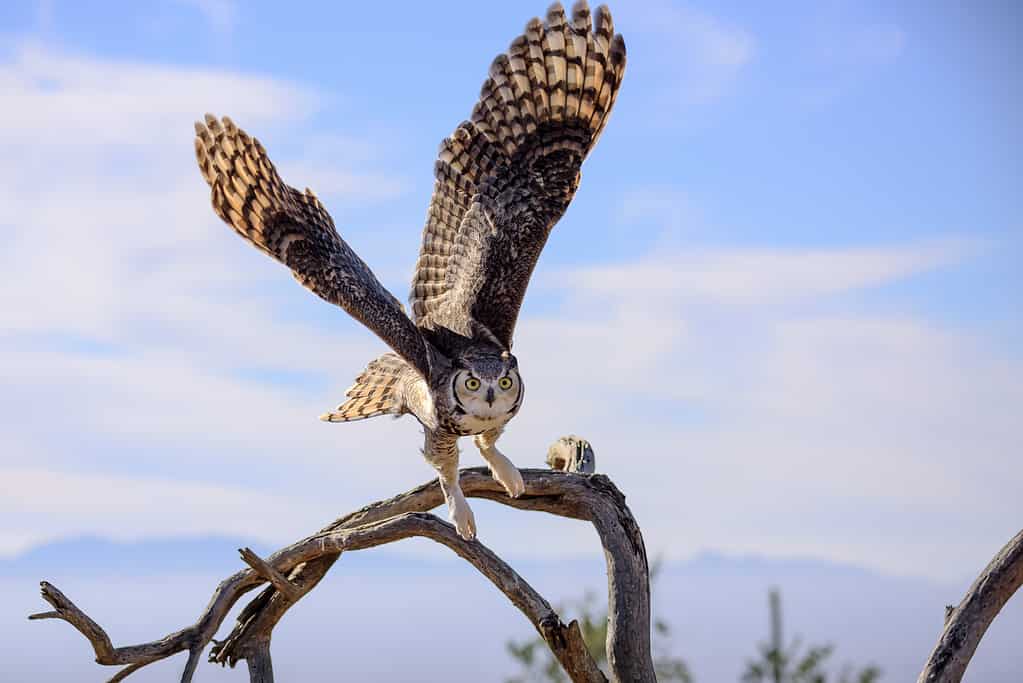
The great horned owl is one of the few predators of herons.
©iStock.com/kojihirano