
Quick Take
- South Florida coyotes skip the usual urban prey, and the reason why reveals something surprising about how they've carved out their niche. See what they skip →
- A freak weather event handed South Florida coyotes an all-you-can-eat opportunity, and the source of that opportunity is not what you'd expect. Cold-stunned iguana feast →
- Coyotes are targeting one particular bird species, though this happens only during a narrow window of vulnerability each year. Peacock prey details →
- These coyotes eat grass, and the real reason is only partly to do with nutrition. Why coyotes eat grass →
Coyotes are a remarkably adaptable species. Not only are they breeding with wolves and domestic dogs and adapting well to urban and suburban environments, but they also have a remarkably flexible approach to their diet. If you thought that all coyotes were interested in only roadrunners, you need to think again!
The Highly Adaptable Coyote
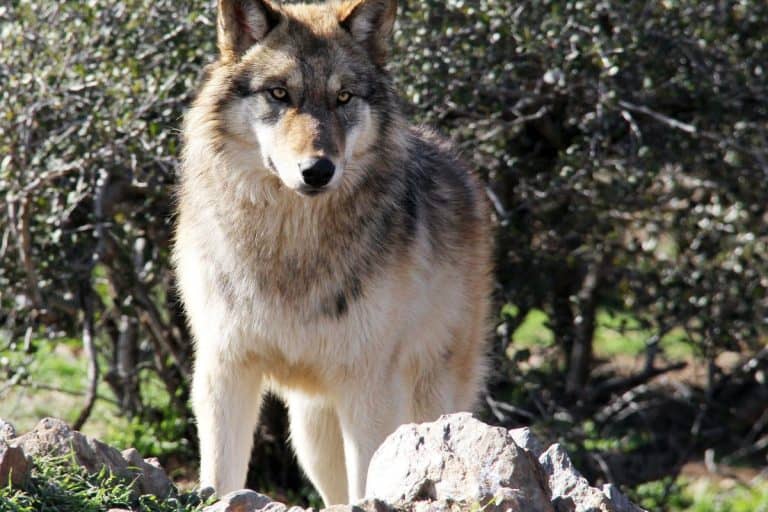
Coyotes (Canis latrans) are highly adaptable generalist omnivores, which means that they will eat almost anything. They are a native species of North America occupying a diverse range of habitats.
However, coyotes are relatively new to Southeastern Florida. They first arrived in the 1960s and took less than 60 years to colonize the entire state. We know from previous research that they will happily eat a wide range of food, including small mammals, birds, fruits, and human-generated food. Their diet also changes with the season and with their location. But what are urban coyotes eating in South Florida?
How Was the Diet of Florida Coyotes Studied?
In a new study, researchers conducted a series of scat (poop) and camera trap surveys at the Montgomery Botanical Center (MBC) in Southeastern Miami-Dade County, Florida. Researchers collected scat samples from January 1, 2023, to December 31, 2023, and examined them to determine what the coyotes had been eating. The camera was repositioned to try to capture footage of coyotes eating seasonal fruits.
What Are Coyotes Eating in Southeastern Florida?
Urban and suburban coyotes established populations in Southeastern Florida over the last two decades. But what are they eating?
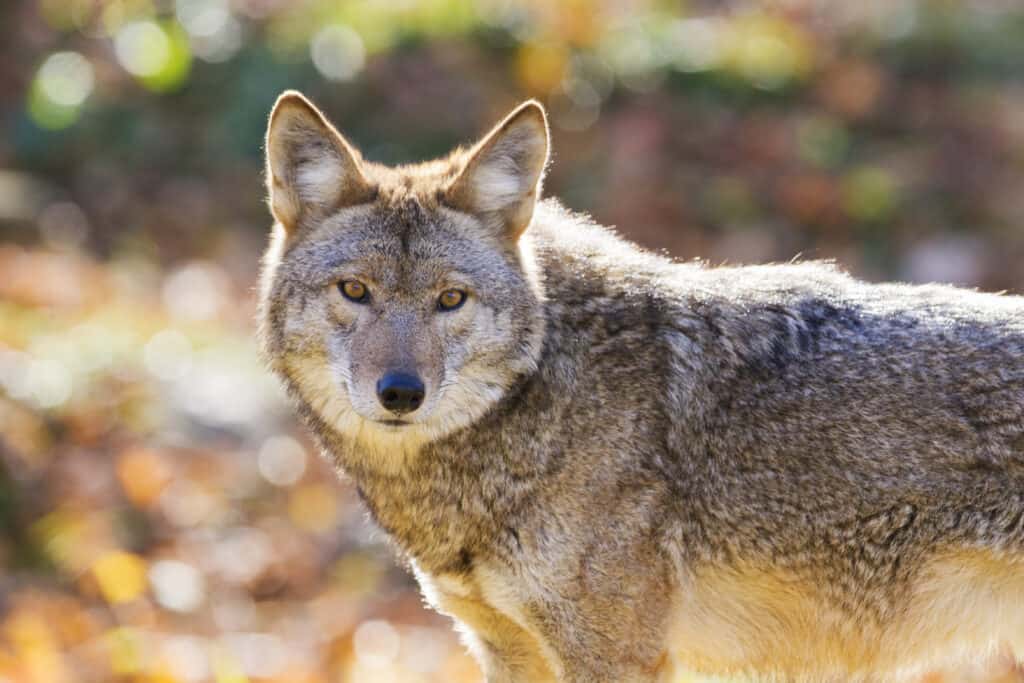
Coyotes are generalist omnivores.
©Mircea Costina/Shutterstock.com
The main conclusion of the study is that coyotes are opportunists! During the study period, the daytime temperatures were unusually low. This caused some iguanas to enter a torpor state and fall out of trees, sometimes dying in the process. This provided a readily accessible food source for the local coyotes. Coyotes in this area had also eaten birds, including the Indian peafowl (Pavo cristata), which the coyote targeted during their ground nesting season. Their diet also included blue land crabs, which were available during a seasonal high spring tide event.
In addition, the coyotes ate grass and other non-grass plants. Grass provides nutrients and may also help control intestinal parasites. Interestingly, the coyotes swallowed palm seeds whole. Fragments of mango, sapodilla, and water chestnut were also found in some scat samples.
What Did the Coyotes Not Eat?
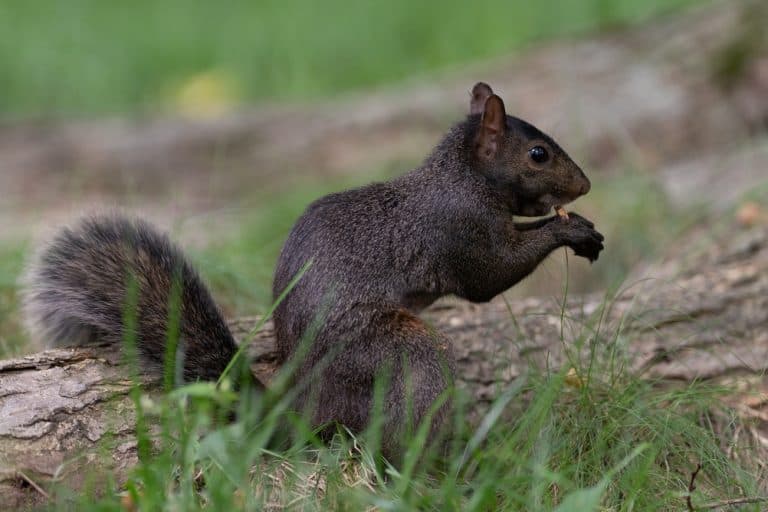
The researchers were interested to find that these coyotes had not eaten raccoons (Procyon lotor), Eastern gray squirrels (Sciurus carolinensis), Virginia opossums (Didelphis virginiana), and rats (Rattus spp.). Yet, these prey are eaten by coyotes in other areas. This may be because the study was conducted in an area where urban and suburban environments meet, with interspersed green spaces, rather than in high-density urban areas.
This study suggests that coyotes are opportunistic feeders, and this adaptability is their strength. Their dietary adaptability allows them to thrive in new ecosystems and coexist with humans, highlighting the need for strategies to mitigate potential human–wildlife conflicts.