
Quick Take
- Everyone calls them buffalo, but that name hides a surprising case of mistaken identity that dates back centuries. Uncover the mistaken identity →
- Their bulky build fools nearly every visitor, and that misconception has put people in the hospital. See why speed surprises visitors →
- Bison do something with their bodies every winter that most large mammals simply can't pull off. Explore their winter survival →
- Newborn bison calves look different from their parents, a fact made perfectly clear by their nickname. Meet the red dogs →
Yellowstone National Park is one of the last places in the United States where American bison still roam as they did centuries ago. Seeing hundreds of these huge animals lumber across the valleys is one of the park’s most famous sights. Casually known as buffalo by many visitors, these iconic mammals have a fascinating history and play a big role in Yellowstone’s ecosystem. Here are eight things to know about the buffalo in Yellowstone National Park.
1. They Aren’t Actually Buffalo
©John Boland/Shutterstock.com
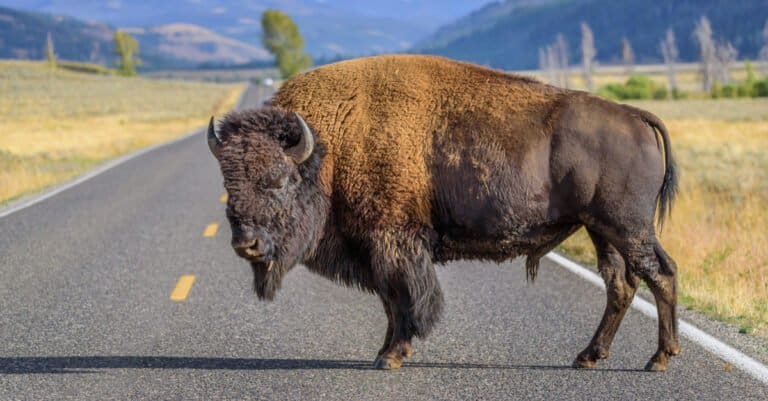
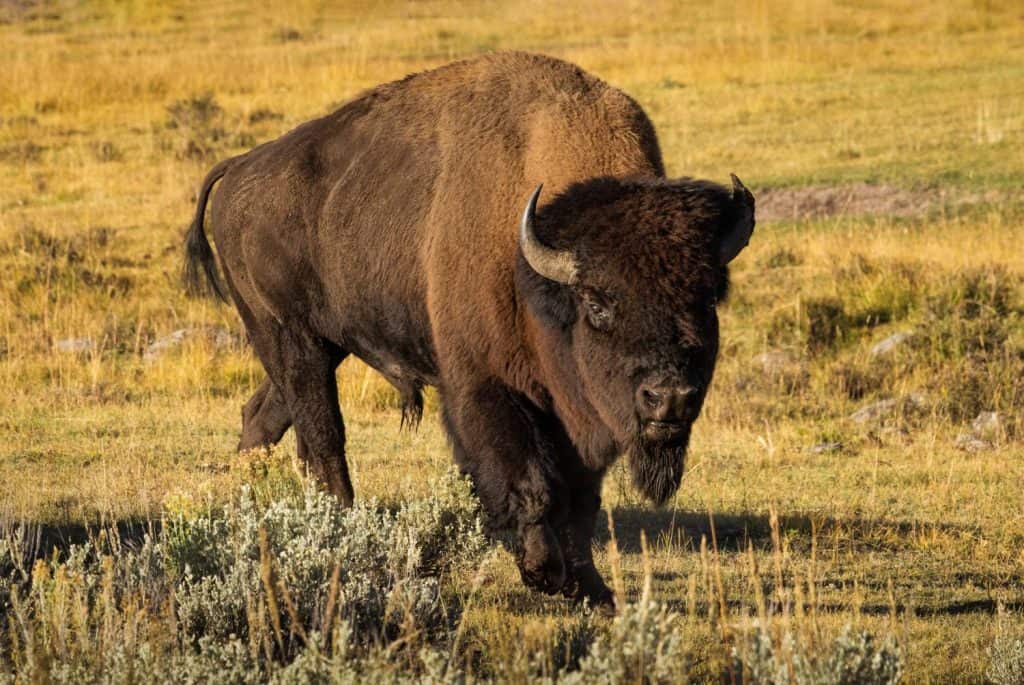
Despite the nickname, the massive animals living in Yellowstone are actually American bison, not true buffalo. True buffalo include the African buffalo and the water buffalo, both species living in parts of Asia. Early European settlers mistakenly used the name “buffalo,” and it stuck. The nickname has been a part of American culture ever since. While both animals belong to the same family, they are different species entirely and evolved on separate continents.
2. Yellowstone Has America’s Oldest Wild Bison Herd
©MisterStock/Shutterstock.com
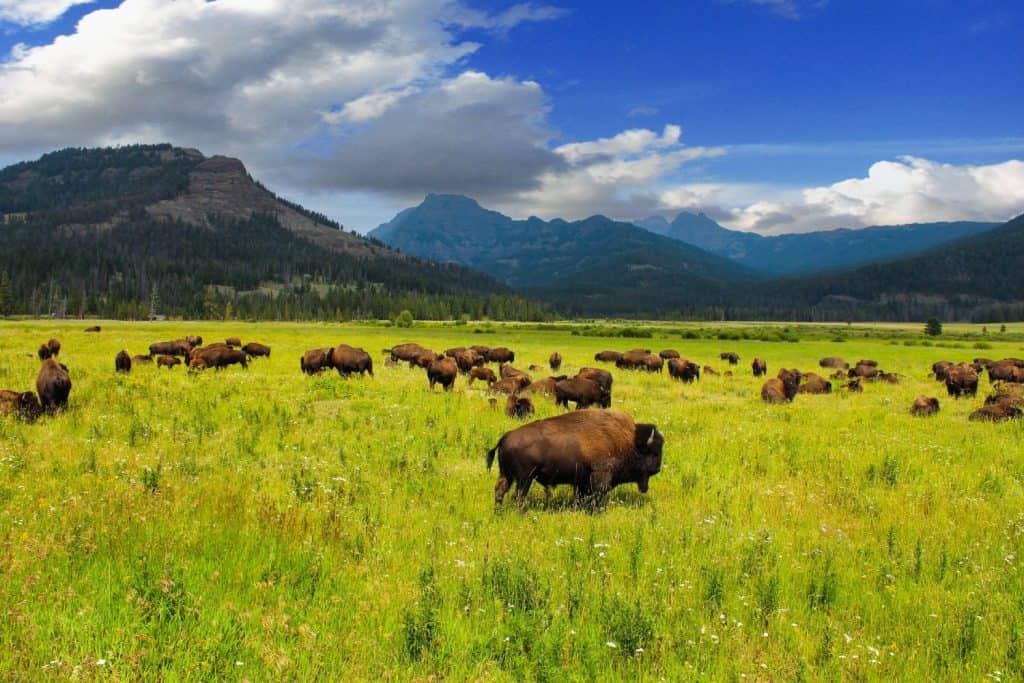
Yellowstone is home to the oldest living wild bison population in the United States. In other parts of the U.S., herds were wiped out and then later reintroduced. But Yellowstone’s population never perished. A small group survived the massive destruction that hunting had on their numbers in the late 1800s. They were able to slowly recover over time. Today’s herd is one of the last links to the millions of bison that once covered the Great Plains.
3. They Can Weigh More Than a Ton
©A-Z Animals
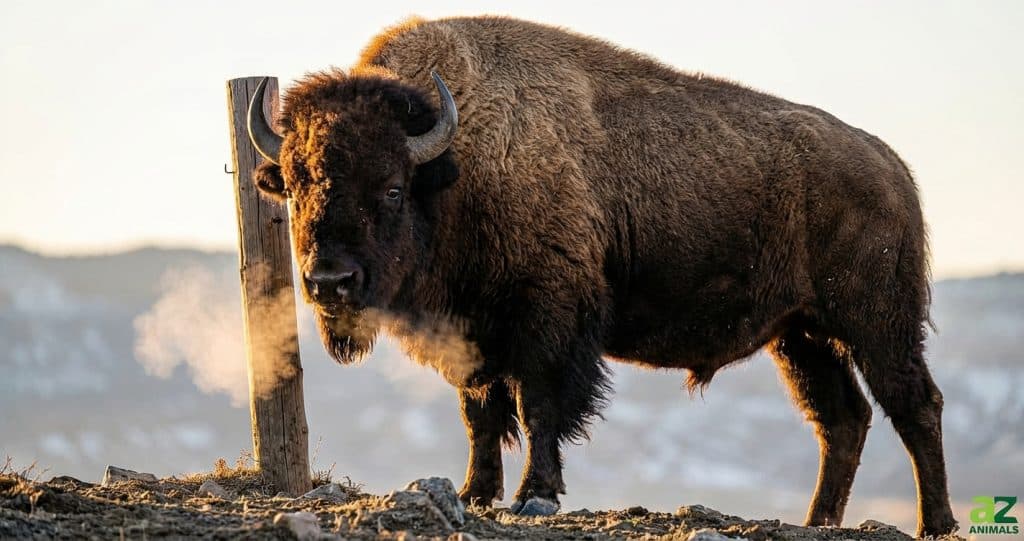
Bison are the largest land mammals in North America. Mature bulls commonly weigh between 1,600 and 2,000 pounds, while exceptionally large individuals weigh upwards of 2,200 pounds. They stand up to an impressive six feet tall at the shoulder. These large animals deserve respect and plenty of space.
4. They’re Much Faster Than They Look
©John Kotlowski/Shutterstock.com
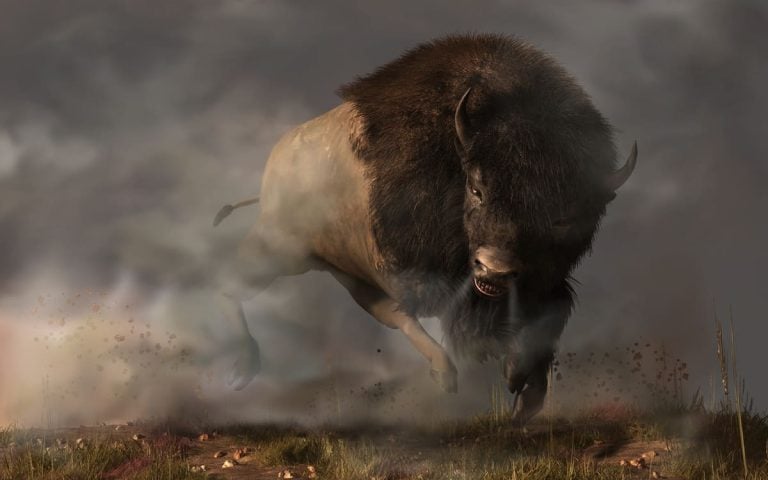
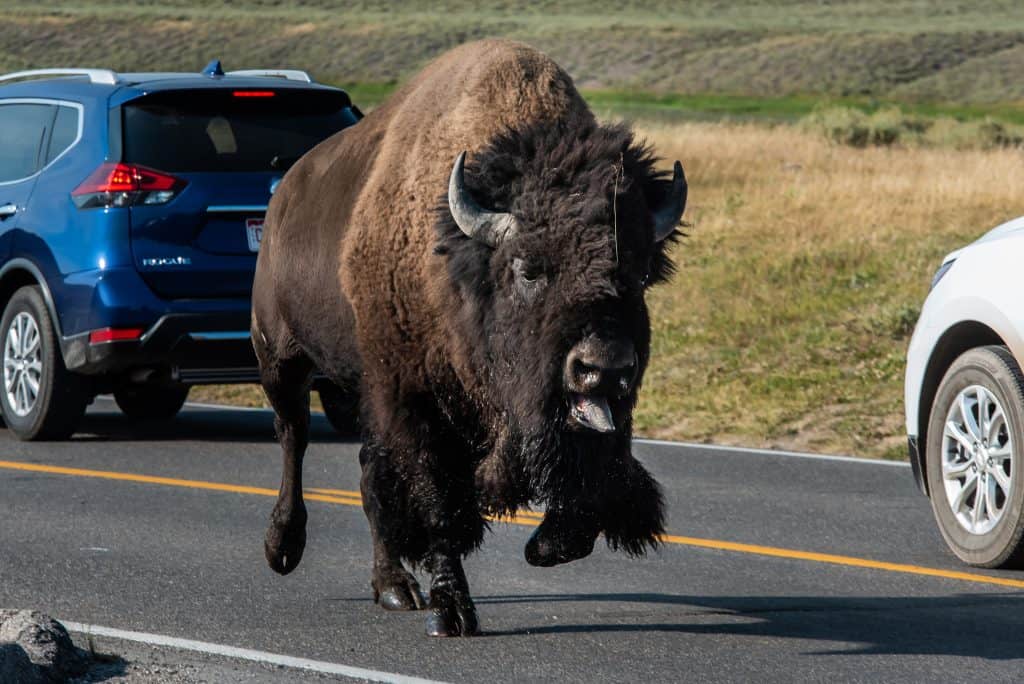
Many people assume bison are slow due to their bulky appearance. And while it’s true that many enormous animals cannot move very fast, buffalo can generate a surprising amount of speed. These athletic animals can sprint at speeds of up to 35 miles per hour. (For the record, that’s much faster than most people can run.) They also jump well and can turn mid-run if necessary. Every year, visitors are injured after getting too close to these massive wild animals and underestimating just how fast they can move.
5. They’re Well Adapted to Harsh Winters
©laissue/Shutterstock.com
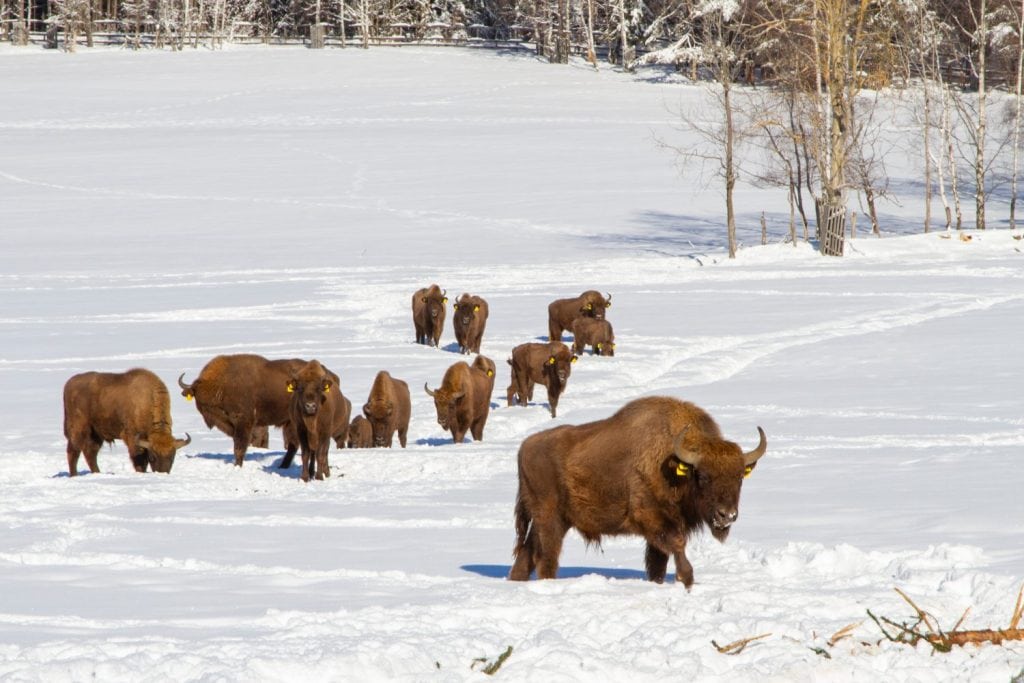
Yellowstone’s winters are long, snowy, and quite cold. Fortunately, bison are perfectly built for these conditions thanks to their thick winter coats that trap warm air close to the body. This hefty layer of fur helps them stay comfortable even in temperatures below zero. They certainly are not afraid of deep snow, commonly using their massive heads like snowplows, swinging them from side to side to find edible grasses. While many other animals migrate to lower (and warmer) elevations during winter, bison are content to stay put.
6. They Help Shape the Entire Ecosystem
©Cheri Alguire / iStock via Getty Images
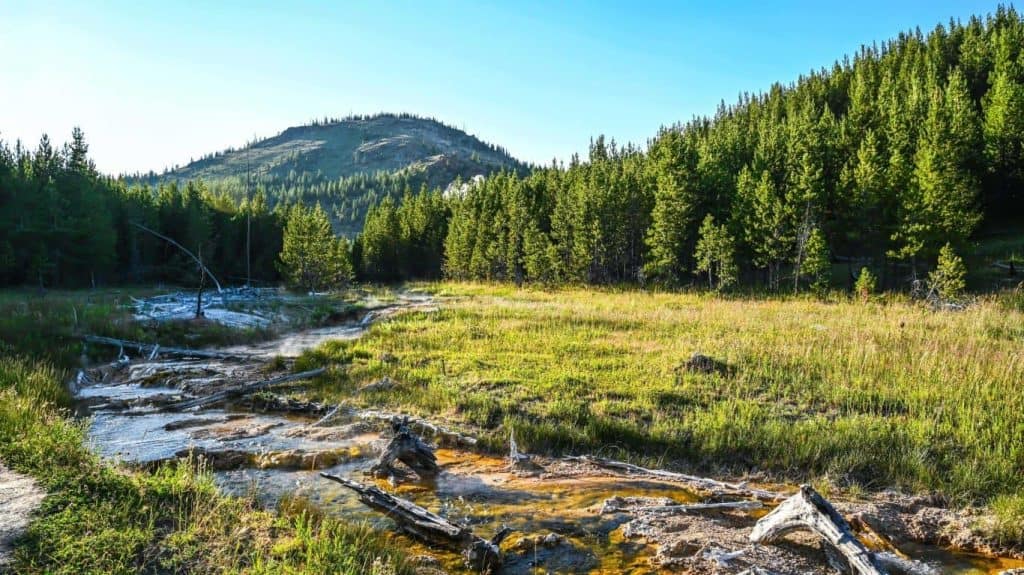
Bison are considered a keystone species because their daily movements and activities benefit many other plants and animals. As they graze, they stop certain grasses from taking over while creating space for a greater variety of vegetation to grow. Their wallows (the shallow depressions they dig to roll around in) collect rainwater, inadvertently providing habitats for insects and small critters. Even their feces support insects, which in turn become food for birds and other animals.
7. Spring Is Calving Season

Each spring, Yellowstone welcomes hundreds of newborn bison calves. These young calves are easy to spot because they have bright reddish-orange coats, giving them the nickname “red dogs.” Just a few hours after birth, these babies can stand and follow their mothers around the valley. As they develop, their coats darken to the brown color seen in adult bison.
8. Giving Them Space Protects Everyone
©Brian Karczewski/Shutterstock.com
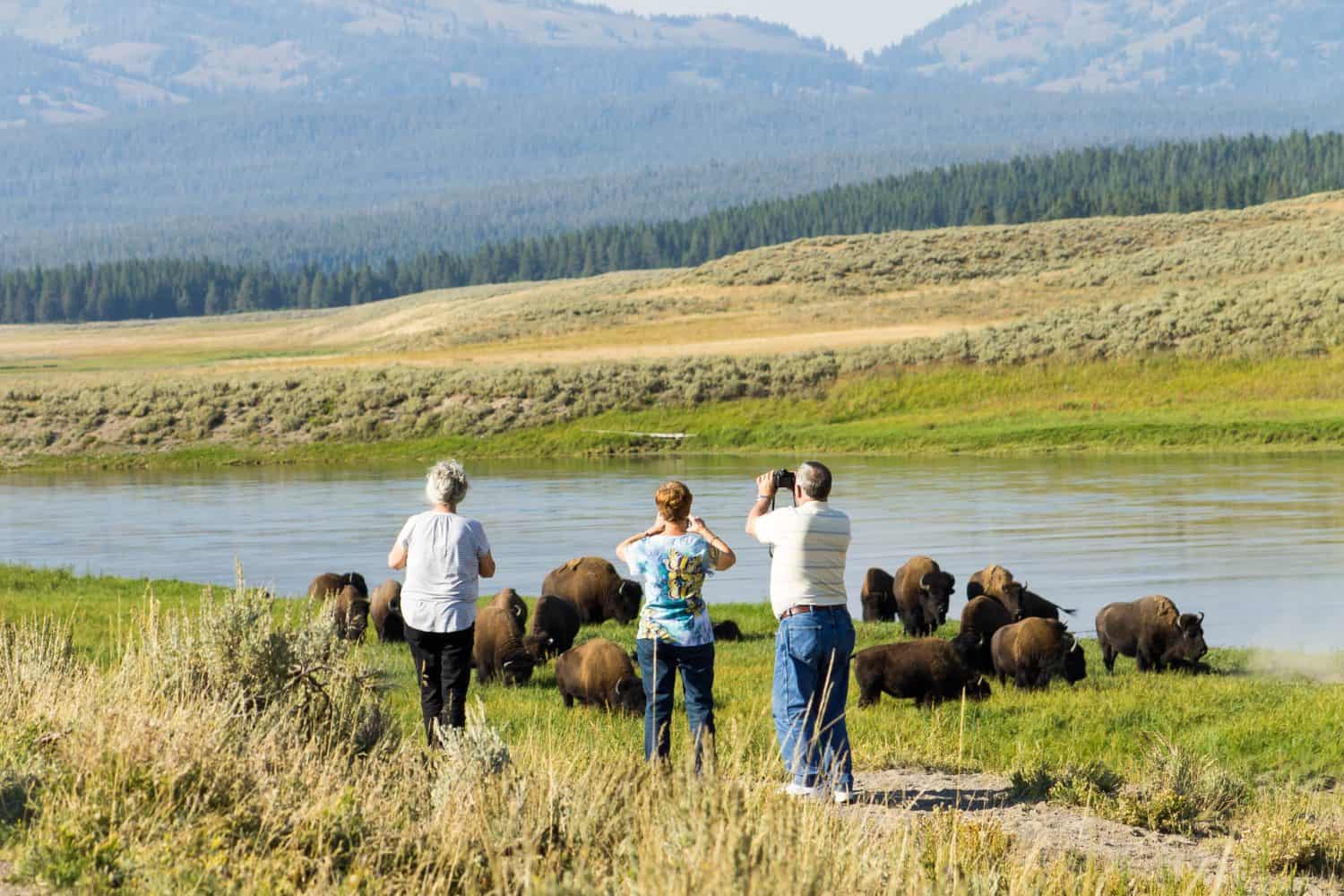
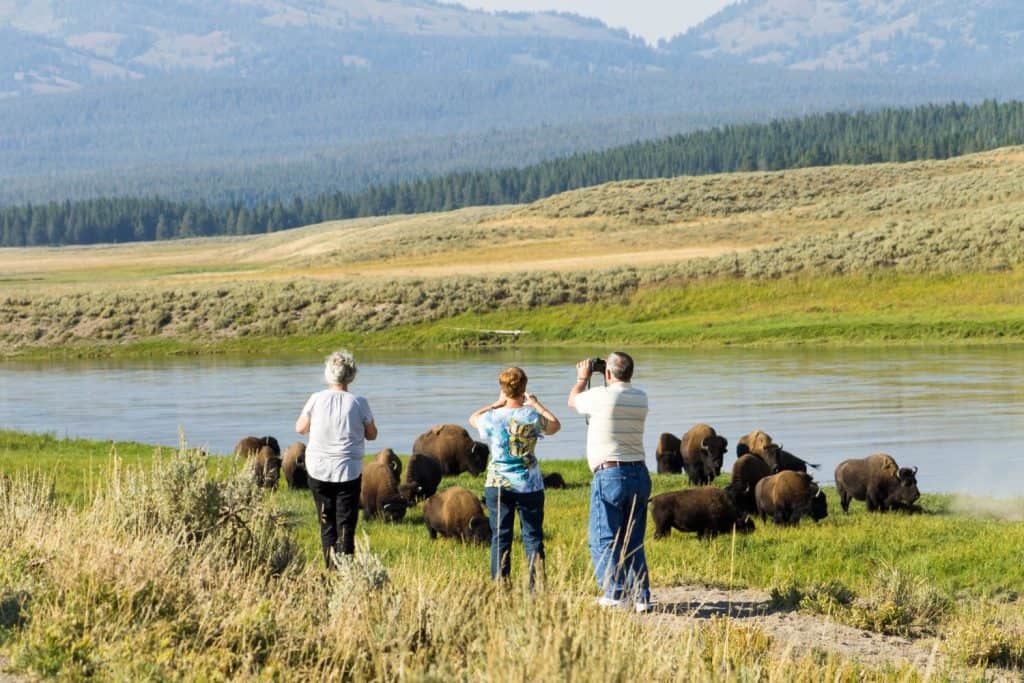
Although bison look calm and docile, they are wild animals that can become defensive with little to no warning. The National Park Service recommends staying at least 25 yards away from them at all times. Despite this, every year, multiple visitors ignore this advice. As a result, they are charged or tossed into the air, which has caused serious injury. The victims are usually trying to approach for close-up photographs. Snapping pictures of these incredible animals from a distance is not only safer for the photographer, but it also helps keep Yellowstone’s bison behaving naturally.