


N S W E
Wildlife Expeditions

Wildlife of
Liechtenstein

Liechtenstein's wildlife appeal lies in its compact but dramatic Alpine-to-Rhine Valley landscape, where visitors can spot classic mountain fauna-ibex, chamois, marmots, and raptors-within a short hike of riverine habitats rich in birds and amphibians.
6 Species
160 km² Land Area
Overview

About Liechtenstein

Tucked between Switzerland and Austria, Liechtenstein concentrates a surprisingly varied slice of the Alps into a very small area, giving it a "big nature in a tiny country" feel. Its natural heritage is defined by steep limestone ridges, subalpine forests, flower-rich meadows, and the Rhine Valley corridor-habitats that collectively support emblematic Alpine wildlife such as chamois and Alpine marmots, along with a strong suite of birds of prey and woodland species. Seasonal shifts are a major part of the wildlife character here: spring and early summer bring alpine blooms and bird activity, while autumn offers clear skies, rutting behavior, and heightened raptor movement.

Key ecosystems include high-elevation rocky slopes and alpine grasslands (important for mountain ungulates and cliff-nesting birds), conifer-mixed forests (home to owls, woodpeckers, and forest mammals), and the Rhine's riparian zones and wetlands (critical for waterbirds, amphibians, and migratory species using the valley as a natural travel corridor). Because these systems are tightly packed, Liechtenstein is well-suited to low-carbon, hike-and-transit wildlife viewing-often allowing visitors to move from valley wetlands to alpine viewpoints in the same day.

In global conservation terms, Liechtenstein's influence is less about vast protected wilderness and more about cross-border stewardship: its biodiversity is part of a shared Alpine ecosystem managed alongside neighboring Switzerland and Austria. The principality's role is strongest in maintaining ecological connectivity across the Rhine Valley and in supporting European-wide conservation priorities (habitat protection, species monitoring, and sustainable land use). The wildlife experience is unique for its intimacy and accessibility-quiet trails, short travel distances, and frequent panoramic viewpoints that make spotting raptors, marmots, and mountain ungulates feel both achievable and rewarding.

Physical Features

Geography

Liechtenstein's wildlife is shaped by a steep elevation gradient compressed into a very small, landlocked area: the Rhine Valley floor (warmer, more human-settled) rises quickly into forested foothills and high Alpine terrain (cooler, less developed). This creates strong habitat zonation-riparian corridors along the Rhine and tributaries, deciduous-to-conifer forest belts, and alpine meadows/scree at higher elevations. The Rhine Valley functions as a major movement corridor for birds and other wildlife, while the rugged eastern mountains provide refuges for alpine species; however, valley development and transport routes can fragment lowland habitats and constrain connectivity between riverine and upland zones.

160 km² Land Area
One of Europe's microstates; roughly the 6th-smallest sovereign country by land area (about the size of Washington, DC). Size Rank

Key Landscapes

  • Rhine Valley (broad, low-elevation valley floor with agricultural land, settlements, and remnant riparian habitats)
  • River Rhine (western border): riparian woodlands, gravel/sand bars, floodplain-related habitats where present, and a key dispersal/migration corridor
  • Alpine mountain belt (eastern Liechtenstein): steep slopes, cliffs, and high-elevation terrain that supports alpine-specialist wildlife
  • Montane and subalpine forests (mixed broadleaf at lower elevations transitioning to conifer-dominated stands higher up)
  • Alpine meadows and pastures above the treeline (seasonal foraging/breeding habitat for many mountain species)
  • Talus/scree slopes and rocky outcrops (niche habitats for cold-adapted and cliff-associated fauna/flora)
  • Tributary streams and ravines draining to the Rhine (cool, linear habitats important for amphibians, insects, and as movement corridors)

Ecoregions

  • Alps conifer and mixed forests (WWF)
  • Central European mixed forests (WWF)
Parks & Reserves

Protected Areas

Liechtenstein does not have a national park, but it maintains a network of legally designated protected areas (primarily *Naturschutzgebiete* / nature reserves and broader landscape/forest protection zones) that safeguard key habitats in the Rhine Valley floodplain and the Alpine foothills/mountains. Conservation is strongly focused on wetlands (reeds, fens, wet meadows), riparian corridors along the Rhine, and alpine forests/pastures that support mountain wildlife.

Protected Coverage

Approx. 25-35% of Liechtenstein's land area is under some form of formal protection or legally regulated conservation/landscape zoning (with strictly protected nature reserves comprising a smaller subset). Because designations vary in strictness, published figures can differ depending on whether landscape protection zones and protective forests are counted alongside nature reserves.

Notable Parks & Reserves

Naturschutzgebiet Ruggeller Riet (Ruggell Reed/Fen Nature Reserve)

National Nature Reserve (Naturschutzgebiet)

Liechtenstein's best-known wetland complex, with reedbeds, fens, and wet meadows that are exceptionally important for amphibians and migrating/breeding wetland birds in the Rhine Valley. It is a flagship site for lowland biodiversity in the principality.

Eurasian bittern
Marsh harrier
Reed bunting
Common snipe
European tree frog
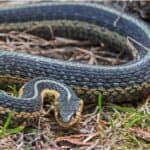
Grass snake
Grass snake

Naturschutzgebiet Schaaner Riet (Schaan Reed Nature Reserve)

National Nature Reserve (Naturschutzgebiet)

A Rhine Valley wetland mosaic that functions as a stepping-stone habitat for migratory birds and supports rich insect and amphibian communities. Its reeds and wet grasslands are a stronghold for wetland-dependent species in an otherwise intensively used valley floor.

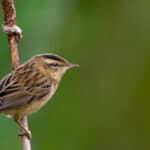
Sedge warbler
Sedge warbler
Common reed warbler
Little grebe
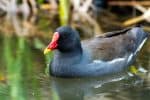
Moorhen
Moorhen
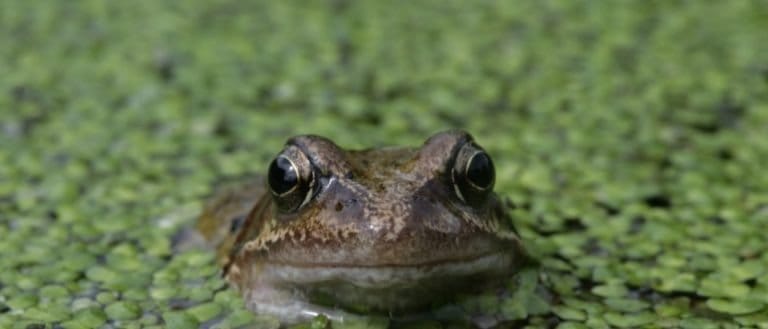
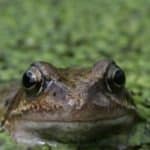
Common frog
Common frog
Smooth newt

Naturschutzgebiet Maurer Riet (Mauren Reed/Fen Nature Reserve)

National Nature Reserve (Naturschutzgebiet)

A smaller but ecologically valuable wetland reserve that protects fen and wet meadow habitats, which are among the most threatened ecosystems in Central Europe. It is particularly notable for amphibians and wetland songbirds.

Reed bunting
Eurasian reed warbler
European green toad
Alpine newt
Grass snake
Grass snake
Brown hare

Naturschutzgebiet Benderner Au (Bendern Riparian/Floodplain Reserve, Gamprin-Bendern)

National Nature Reserve (Naturschutzgebiet)

One of the key floodplain and riparian woodland areas along the Rhine corridor, important for connectivity and for species that rely on riverine habitats. It provides breeding and foraging areas for birds, bats, and large mammals moving along the valley.

Alpine highlands and forest protection zones (Malbun-Steg-Triesenberg alpine areas)

Landscape/Forest Protection Zones (Protective forest and alpine landscape conservation zoning; not a single unified park)

Liechtenstein's mountain zone contains alpine meadows, conifer forests, and rocky terrain that support iconic Alpine fauna and raptors. While not a single national park, these regulated alpine/forest protection areas are crucial for watershed protection and mountain biodiversity.

Alpine ibex
Alpine chamois
Golden eagle
Golden eagle
Black grouse
Alpine marmot
Alpine salamander
Animals

Wildlife

Liechtenstein's wildlife is shaped by a steep Alpine-to-valley gradient packed into a very small area: forested slopes and rocky Rätikon peaks in the east, and the Rhine Valley's riparian corridors, wetlands, and farmland in the west. The result is a distinctly "Alpine Central Europe" fauna-mountain ungulates and raptors in higher elevations, plus a strong mix of woodland and river-associated species along the Rhine. Large carnivores are mostly transient or recovering regionally (especially wolf and lynx), while bird diversity is boosted by migration through the Rhine corridor.

~50 species (including bats; larger mammals are a small subset but very visible in alpine habitats) Mammals
~170-220 species recorded annually/regularly (higher total recorded over time due to migrants and vagrants) Birds
~7-10 species (cooler alpine climate limits diversity) Reptiles
~8-10 species (most associated with lowland wetlands/streams and forest edges) Amphibians

Iconic Species

Alpine Ibex A flagship Alpine ungulate; best chances are on steep, rocky slopes and high pastures in the Ratikon mountains (above the tree line), often visible with binoculars from hiking routes.
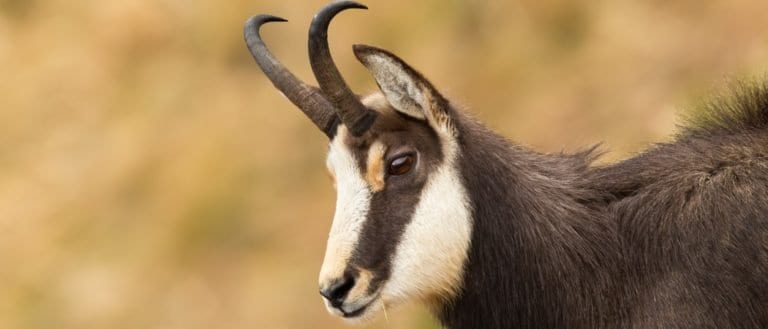
Chamois
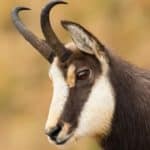
Chamois Widespread and frequently encountered in Liechtenstein's mountain forests and open alpine meadows; commonly seen at dawn/dusk on quiet slopes and ridgelines.
Red Deer
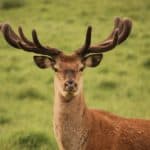
Red Deer The largest native deer; found in forested valleys and montane woods, with the best viewing during the autumn rut when stags are more active and vocal.
European Roe Deer A common and approachable species in the Rhine Valley's woodland edges, farmland mosaics, and lower forest zones-often the first wild ungulate visitors notice.
Golden Eagle
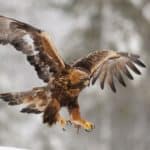
Golden Eagle A signature Alpine raptor that patrols cliffs and high valleys; sightings are most likely in open mountain terrain where soaring adults can be watched for long periods.
Bearded Vulture
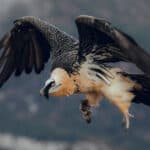
Bearded Vulture A celebrated Alpine conservation success that is occasionally observed in the region as the Alpine population expands; best chances are high, rugged terrain where it can glide along cliff faces.
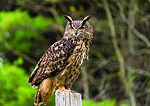
Eurasian Eagle-Owl
Eurasian Eagle-Owl Associated with rocky outcrops and forested cliffs; more often detected by calls at night than seen, but it remains one of the most emblematic "Alpine cliff" predators.
White-throated Dipper A classic species of fast-flowing streams; watch for it bobbing on rocks and diving in clear, cold watercourses descending from the mountains.
European Badger A characteristic forest-edge mammal of the lowlands and lower slopes; mostly nocturnal but sometimes seen at dusk near meadows and woodland margins.
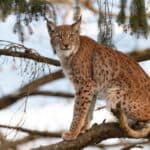
Eurasian Lynx
Eurasian Lynx Extremely elusive and typically documented via tracks/camera traps rather than direct sightings; Liechtenstein lies within the broader Alpine/Swiss recovery landscape, so occasional presence is a highlight for wildlife enthusiasts.

Endemic Species

None (no country-endemic vertebrate wildlife) Liechtenstein has no widely recognized vertebrate species endemic to the country; its wildlife is shared with adjacent Alpine and Rhine Valley habitats in Switzerland and Austria. Endemic

Notable Populations

  • No globally dominant wildlife populations are known from Liechtenstein due to its very small area; its significance is primarily regional (Alpine and Rhine Valley connectivity).
  • The Rhine Valley acts as an important movement corridor for migratory and dispersing birds, increasing seasonal diversity beyond what the country's size would suggest.
  • Liechtenstein sits within the broader Alpine recovery zone for large carnivores (notably wolf and lynx), so occasional occurrences reflect wider conservation dynamics rather than a large resident population.
Protection

Conservation

Primary Threats

  • Most settlement and transport infrastructure is concentrated in the narrow Rhine Valley, where the highest biodiversity value lowland habitats (wetlands, alluvial remnants, species-rich meadows) are also located. Past drainage and conversion of wetlands (notably valley-floor marshes) and continued land-take for housing, industry, and roads reduce and fragment remaining habitats such as the Ruggeller Riet/Schaaner Riet wetland complexes and small riparian patches.
  • The Alpine Rhine has been heavily engineered for flood control and navigation of flows, with embankments and channelization limiting natural river dynamics (side channels, gravel bars, floodplain forests). Flood-protection works, bank stabilization, and altered sediment transport constrain riparian habitat renewal and reduce spawning/juvenile habitat for riverine fish and habitat for floodplain-dependent insects and birds.
  • Dense valley-floor road networks and associated lighting, noise, and barriers disrupt movement between remaining biotopes and across the Rhine corridor. In mountain areas, trails, avalanche-control structures, and tourism infrastructure (where present) can locally fragment habitats and increase disturbance in sensitive seasons (e.g., wintering wildlife and breeding alpine birds).
  • Warming temperatures shift Alpine vegetation zones upslope, compressing cold-adapted species into diminishing high-elevation refugia and changing alpine grassland composition. Reduced snow reliability and more frequent heat/drought periods stress mountain forests, increase bark beetle risk, and can alter stream temperature and flow regimes affecting cold-water aquatic species in tributaries.
  • Nutrient inputs from intensive agriculture in the Rhine Valley (fertilizers and manure) and urban runoff can lead to eutrophication pressures in wetland reserves and small waterbodies. Road runoff (including winter de-icing salts) and legacy contaminants transported via the Rhine catchment can affect riparian soils and aquatic habitats, even when sources are partly outside Liechtenstein due to the shared basin.
  • Riparian corridors and transport routes facilitate invasive alien plants (e.g., knotweeds and other riverbank invaders common in the Alpine Rhine region) that outcompete native floodplain vegetation and complicate restoration. Invasives are especially problematic in disturbed gravel and bank habitats created by river engineering and construction activities.
  • High accessibility and concentrated recreation (hiking, biking, dog walking) near valley-floor reserves and along rivers can disturb ground-nesting birds, amphibians in wetland edges, and sensitive wildlife during breeding and wintering periods. In the mountains, off-trail activity and winter recreation can increase stress for ungulates during energetically critical seasons.
  • Hunting is generally regulated, but managing deer/chamois numbers to balance forest regeneration, agriculture, and biodiversity is a persistent issue in Alpine landscapes. Local overbrowsing can suppress forest understory and reduce regeneration of diverse native tree and shrub species, indirectly affecting forest-associated biodiversity.
  • As large carnivores (notably wolves in the wider Alpine region) disperse through the Rhine corridor, occasional livestock depredation risk increases tensions in Alpine pastures and can reduce tolerance for species recovery. Preventive measures (guarding, fencing, compensation) require coordination with neighboring jurisdictions because dispersing individuals cross borders frequently.
  • Amphibian populations in small, fragmented wetland habitats are vulnerable to disease outbreaks (such as chytrid fungi seen elsewhere in Europe) because local populations can be small and isolated. Climate stress and habitat fragmentation can exacerbate susceptibility and reduce recovery capacity after mortality events.
  • Because remaining valley-floor wetlands and dry meadows are highly fragmented, some specialist species (e.g., amphibians, invertebrates, and wet-meadow plants) may persist in small, semi-isolated pockets. Limited dispersal between these patches can increase inbreeding risk and reduce genetic diversity, especially when corridors are interrupted by roads and built-up areas.
  • Urban and industrial expansion is constrained by geography (a narrow valley), so incremental growth often occurs directly adjacent to the most productive and biodiverse lowland areas. This creates edge effects (light, pets, invasive species) and raises land prices, which can make habitat set-asides and restoration more difficult.
  • While total agricultural area is limited, intensification and consolidation in the Rhine Valley-higher stocking rates, more frequent mowing, conversion to uniform grassland-reduces structural diversity and can eliminate late-flowering resources needed by pollinators. Pressure to maximize production on scarce flat land can conflict with maintaining species-rich meadows and buffer zones around wetlands.
  • Forests cover a large share of the country and are generally managed, but climate-driven storm damage and pest outbreaks can prompt salvage logging and increased road/track use, which may simplify habitat structure if not carefully planned. Maintaining deadwood, mixed-age stands, and protective forest functions on steep slopes is a continual balancing act.
Visit

Wildlife Tourism

Liechtenstein's wildlife tourism is small-scale but rewarding, built around easy access to Alpine slopes, forests, and the Rhine Valley riparian corridor. Because the country is compact and well-connected by public buses and trail networks, wildlife viewing is typically done via hikes, bike rides, and guided nature walks rather than classic "safaris." Economically, wildlife tourism is a niche within a broader outdoor economy (hiking, skiing, culture trips), but it adds value through guided excursions, nature interpretation, and overnight stays in mountain inns-especially in shoulder seasons when visitors come for flora, birdlife, and quiet trails. Historically, wildlife watching here aligns with long-standing Alpine traditions of mountain guiding, hunting management, and conservation-focused forestry; today the emphasis is on respectful, low-impact viewing in a shared landscape of farms, villages, and protected habitats.

Best Time to Visit
  • Jan-Mar: Winter tracking and high-contrast viewing-look for chamois and red deer sign in snow, plus wintering birds along the Rhine; best on sunny, cold mornings.
  • Apr-May: Spring migration and valley awakening-songbirds and raptors increase; amphibians become active near wetlands/ponds; flowers and fresh growth draw herbivores to lower elevations.
  • Jun-Jul: Peak Alpine biodiversity-marmots are highly active and vocal; butterflies and alpine wildflowers are at their best; dawn/dusk chances for roe deer and fox at forest edges.
  • Aug-Sep: Golden late summer-excellent for raptors (including high soaring activity on clear days), continued marmot activity, and good visibility in higher terrain.
  • Oct-Nov: Rut and autumn movement-red deer rut activity (calls and movement) in surrounding alpine regions can be noticeable; birds concentrate in valley habitats; crisp air improves long-distance spotting.
  • Dec: Quiet season-short days but rewarding for tracks, calm river corridors, and occasional chamois sightings on sun-facing slopes.

Top Wildlife Experiences

  • Dawn wildlife hike above Vaduz or Triesenberg: start pre-sunrise on a marked trail to scan forest edges for roe deer, fox, and soaring raptors as thermals begin.
  • Alpine marmot-spotting walk in summer: visit higher-elevation meadows on a warm day, sit quietly near burrow areas, and listen for alarm whistles before scanning for marmots basking and feeding.
  • Chamois and ibex-style terrain spotting from panoramic ridgelines: choose a high viewpoint (accessible by steep trails) and spend an hour glassing rocky faces and sunlit slopes for agile ungulates.
  • Rhine Valley birding by bike: cycle the flat valley routes with stops at riparian vegetation and gravel bars to look for water-associated birds, wagtails, and migrating species in spring/autumn.
  • Raptor-watching session on a clear day: pick an open viewpoint where updrafts form and watch for eagles/buzzards/kites-like silhouettes circling-best late morning to afternoon.
  • Nighttime "listening walk" for owls and nocturnal mammals (guided if possible): in late spring through autumn, take a quiet evening walk along woodland edges to listen for owl calls and rustling activity.
  • Macro nature walk for alpine insects and wildflowers: in June-July, focus on butterflies, bees, and alpine blooms with a camera or guide; ideal for visitors who want wildlife beyond large mammals.
  • Winter tracking walk on snow-covered trails: learn to identify footprints and feeding signs of deer, hare, and fox; combine with a warm stop at a mountain hut for a classic Alpine day.
  • Family-friendly nature discovery loop: choose an easy interpretive trail near a village/forest edge and do a slow "spot-and-note" session-bird calls, woodpecker holes, tracks, and meadow life.
  • Photography outing timed to golden hour: target a meadow/forest boundary or a high overlook for backlit raptors and soft-lit landscapes; pack binoculars and a long lens.

Safari Types Available

  • Self-guided hiking "micro-safaris" (marked trails with wildlife spotting from viewpoints)
  • Guided walking safaris/nature walks (birding, mammals, ecology interpretation)
  • Wildlife tracking excursions in winter (tracks and sign identification)
  • Birdwatching sessions (migration-focused in spring and autumn, riparian corridor emphasis)
  • Raptor/thermal-watching from elevated viewpoints (late morning-afternoon on clear days)
  • Cycling wildlife tours in the Rhine Valley (slow travel with frequent stops)
  • Night walks (owls and nocturnal mammals; best with a local guide)
  • Wildlife photography-focused outings (golden hour and high-visibility ridge scans)
Fun Facts

Did You Know?

Liechtenstein has no natural lakes-yet one of its best-known wildlife areas is a wetland. The Ruggeller Riet exists because groundwater sits close to the surface on the Rhine plain, and it's kept "wetland-like" by active management (e.g., mowing) that prevents it from turning into shrub and forest.

You can traverse a full Alpine wildlife gradient in a very short distance: within roughly half an hour's drive you can go from Rhine Valley marshland (Ruggell area) to subalpine/alpine terrain around Malbun-meaning frog-and-reed habitats and ibex terrain can be visited in the same afternoon.

Liechtenstein's western edge is essentially one continuous habitat line: the Rhine forms the entire border with Switzerland, so the principality's most important riparian corridor is also an international boundary-wildlife movement and conservation there are inherently cross-border.

Because the country is so small, many "Liechtenstein" populations are actually shared populations: large mammals and raptors (e.g., deer, chamois, eagles) routinely range across Liechtenstein-Swiss-Austrian terrain, so monitoring and management often depend on coordination beyond the principality's borders.

Extreme "mountain-to-marsh" range for such a tiny country: Liechtenstein rises from about 429 m above sea level on the Rhine plain to 2,599 m at Grauspitz-a vertical difference of ~2,170 m packed into ~160 km², creating stacked wildlife zones from riparian to high-alpine.

Liechtenstein's biggest lowland wildlife refuge is the Ruggeller Riet: it's the country's largest wetland/nature reserve and the main stronghold for marsh and reedbed fauna in an otherwise heavily settled Rhine Valley.

Largest hoofed "cliff specialist" you can realistically meet on Liechtenstein's high ground: the Alpine ibex (Capra ibex)-the Alps' biggest wild goat-uses the steep, rocky habitats along the principality's ridgelines.

Largest raptor regularly associated with Liechtenstein's alpine skies: the golden eagle (Aquila chrysaetos), with a wingspan that can reach ~2.3 m, is a flagship predator of the high-Alpine habitat above the forest line.

Liechtenstein is one of the smallest nations in the world. Despite having an area of just 61 square miles, many different sorts of animals live in this country. Over 40 species of mammals such as red foxes and wild boars live in this nation, and over 250 species of birds like the golden eagle and European robin live in this region as well. While the animal diversity is low in some categories, like reptiles and amphibians, plenty of intriguing animals live in the region.

The National Animal of Liechtenstein

Flag of Liechtenstein vector

The Flag of Liechtenstein.

The national animal of Liechtenstein is the common kestrel, a bird that is sometimes called the sparrowhawk. This bird and its many relatives can be found throughout most of the world.

Where to Find Wild Animals in the Country

The best place to find wild animals in Liechtenstein is in preserved areas. One of the best natural areas to interact with creatures is the Ruggeller Riet Nature Reserve. This place has 220 acres of land featuring complex meadows, various plant species, and many species of migratory birds.

Zoos in Liechtenstein

One of the animal parks in Liechtenstein is Vogelparadies Birka, the Birka Bird Paradise. This area offers visitors access to a wide assortment of different birds. The park also has playgrounds, a petting zoo, and the opportunity to see waterfowl in their natural environments.

The Most Dangerous Animals in Liechtenstein

Asp viper, Vipera aspis in nature. The Asp has a broad, triangular head that almost looks like the head of a cobra.

Asp viper, Vipera aspis in nature. The Asp has a broad, triangular head that almost looks like the head of a cobra.

Liechtenstein has a few animals that can cause harm to people and other animals. Some of the most dangerous animals in Liechtenstein are:

  • Asp vipers– venomous snakes that can inflict serious bites on humans and animals
  • Red fox– small carnivores that can attack pets.
  • Gray wolf– a large carnivore that could potentially attack and kill a person. However, the population of these animals is extremely low.

The chances of encountering an animal that can kill a human in this country are very low.

Endangered Animals in Liechtenstein

Liechtenstein has a few endangered species. One of the primary motivators of animal endangerment in this country is the loss of habitat as a result of human activity. Some of the endangered animals in this country include:

  1. White-clawed crayfish
  2. Apollo Butterfly
  3. Gray Wolves
  4. Bechstein’s Bat

Reducing habitat loss and establishing protected areas are crucial for helping endangered species recover. Given the nation’s small size, though, there’s only so much the government can do to stave off a problem that extends beyond its borders.

Animals Found in Liechtenstein

6 species documented in our encyclopedia

Thank you for reading! Have some feedback for us?