N S W E
Wildlife Expeditions

Wildlife of
Palau

Palau is a wildlife standout for world-class reef diving-where thriving coral ecosystems, big pelagic encounters, and the surreal spectacle of Jellyfish Lake converge around the limestone Rock Islands.
20 Species
459 km² Land Area
Overview

About Palau

Palau's natural heritage is defined by the sea: a compact island nation in Micronesia whose clear, nutrient-rich waters support some of the Pacific's most celebrated coral reefs and fish communities. For wildlife enthusiasts, the country's appeal lies in the density and variety of marine life-vibrant hard and soft corals, immense schools of reef fish, sharks and rays cruising along drop-offs, and seasonal pelagic visitors that make even a single dive site feel like a living aquarium on an epic scale. Above water, the lush Rock Islands, mangrove-fringed bays, and forested uplands host distinctive island biodiversity, including fruit bats and an array of seabirds tied to coastal cliffs and islets.

Key ecosystems include the barrier reef and outer reef walls (renowned for strong currents that concentrate plankton and attract predators), sheltered lagoons and seagrass beds that function as nurseries, and extensive mangroves that stabilize shorelines while feeding nearby reefs with organic productivity. The iconic limestone Rock Islands create countless microhabitats-caves, channels, and protected inlets-while inland freshwater and karst landscapes support additional endemic and migratory species. One of Palau's most unusual natural features is its marine lakes, particularly the famous Jellyfish Lake, where golden jellyfish evolved in relative isolation and can be encountered in a setting unlike anywhere else.

Globally, Palau is widely recognized as a leader in ocean stewardship, setting a high bar for small-island conservation through large-scale marine protections, shark and species safeguards, and a strong culture of traditional resource management that complements modern policy. The wildlife experience is uniquely immersive and conservation-forward: visitors often encounter apex predators in healthy reef systems, explore a mosaic of habitats within short travel times, and participate in a destination where rules and community norms explicitly prioritize ecosystem integrity-making Palau as notable for its conservation ambition as for the wildlife itself.

Physical Features

Geography

Palau's wildlife is shaped by its small, fragmented island landmass and an outsized marine domain: steep volcanic uplands on Babeldaob, low limestone islands (the Rock Islands), mangrove-fringed coasts, and extensive coral reefs create sharply varied habitats over short distances. Terrestrial biodiversity is concentrated in native forests, freshwater wetlands, and limestone karst habitats, while most species richness and endemism are tied to reefs, lagoons, seagrass beds, and mangroves that function as nurseries and feeding grounds. Island isolation and limited land area constrain ranges, making habitats sensitive to coastal development, invasive species, and climate-driven sea-level rise and coral bleaching.

459 km² Land Area
One of the world's smallest countries by land area (roughly comparable to the area of Andorra; much smaller than most U.S. cities) Size Rank

Key Landscapes

  • Babeldaob (largest island) with volcanic hills/ridges and interior forests that support most terrestrial habitats
  • Rock Islands (limestone karst archipelago) with caves, cliffs, and sheltered lagoons that create specialized coastal and forest microhabitats
  • Mangrove forests around sheltered bays and estuaries (critical fish and invertebrate nurseries, bird habitat, coastal buffering)
  • Coral reef systems (barrier and fringing reefs) and outer reef slopes supporting high marine biodiversity and apex predators
  • Lagoon habitats including patch reefs and sandy channels (connectivity corridors for reef fish and turtles)
  • Seagrass meadows in shallow protected waters (foraging habitat for green turtles and other fauna)
  • Freshwater streams, small rivers, and wetlands on Babeldaob (limited but important for amphibious/insect communities and riparian birds)
  • Coastlines with sandy beaches and rocky shores (nesting/roosting areas; turtle nesting where beaches occur)

Ecoregions

  • Palau Tropical Moist Forests (terrestrial; tropical broadleaf forest on Palau's high islands, including Babeldaob)
  • Micronesia mangroves (mangrove ecological zone common across the region, important for coastal wildlife and fisheries)
  • Tropical and subtropical coral reefs (marine ecological zone encompassing Palau's reef complexes, lagoons, and reef slopes in the western Pacific)
Parks & Reserves

Protected Areas

Palau's protected area system is heavily marine-focused and is managed through a mix of national legislation and state-level protected areas. The backbone is the Protected Areas Network (PAN) (created under the PAN Act), which links state-managed conservation areas, marine protected areas, and terrestrial watershed/forest reserves under common standards and financing (supported in part by visitor "Green Fee" revenues). In addition, Palau established the Palau National Marine Sanctuary to safeguard a very large portion of its Exclusive Economic Zone, reflecting the country's conservation priority on coral reefs, pelagic ecosystems, and key spawning/aggregation sites. Many closures and resource rules are also reinforced by customary practices (for example, traditional moratoriums under customary law) alongside formal legal designations.

Protected Coverage

Terrestrial protection is modest compared with Palau's marine protections: roughly ~15-20% of Palau's land area is under some form of formal protection (state reserves, PAN sites, watershed/forest reserves), while ocean protection is exceptionally high-Palau's national marine sanctuary framework protects the large majority of its EEZ (with substantial no-take areas), complemented by numerous state marine protected areas and no-take zones.

Notable Parks & Reserves

Rock Islands Southern Lagoon

UNESCO World Heritage Site (mixed); also includes multiple state/PAN marine protected areas within the site

A globally significant limestone-island seascape with exceptionally diverse coral reefs, lagoons, and marine lakes; it is Palau's premier area for reef biodiversity, turtle habitat, and iconic dive sites. The complex habitats support high fish biomass and key ecological processes (spawning, nurseries) important for regional conservation.

Green sea turtle
Hawksbill sea turtle
Reef manta ray
Grey reef shark
Grey reef shark
Bumphead parrotfish
Napoleon wrasse
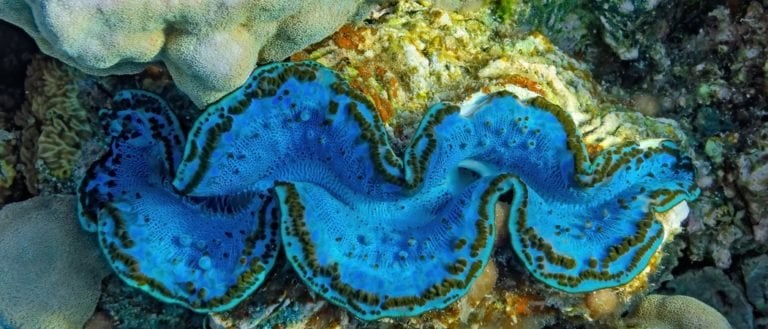
Giant clams

Palau National Marine Sanctuary (PNMS)

National Marine Sanctuary / large-scale national marine protected area

One of the world's largest national-scale marine protected area initiatives, designed to conserve pelagic and deep-water ecosystems and maintain Palau's tuna and shark populations as well as overall ocean health. Its scale is especially important for wide-ranging species that move far beyond reef boundaries.

Ngerukewid Islands Wildlife Preserve ("Seventy Islands")

Wildlife Preserve / State Protected Area (commonly managed within the PAN framework)

A landmark protected area in Micronesia, valued for seabird nesting colonies and relatively undisturbed small-island habitats, along with adjacent reefs and lagoons. It is important for maintaining breeding success of seabirds and safeguarding nearshore marine communities.

Black noddy
Brown booby
Great frigatebird
Green sea turtle
Hawksbill sea turtle
Grey reef shark
Grey reef shark

Ngardok Nature Reserve (Lake Ngardok)

Nature Reserve; Ramsar Wetland of International Importance

The largest freshwater lake in Micronesia, surrounded by forest that supports endemic birds and important watershed functions for Babeldaob. The lake-forest system is notable for native waterbirds and as a refuge for Palau's terrestrial biodiversity.

Micronesian megapode
Palau fruit dove
Palau bush warbler
White-throated ground dove
Pacific black duck

Helen Reef (Hatohobei State)

State Conservation Area / Marine Protected Area (community- and state-managed)

A remote atoll reef system with high conservation value as a nesting and foraging area for seabirds and sea turtles, and as habitat for healthy reef communities. Its isolation helps preserve relatively intact predator-prey dynamics and coral reef structure.

Green sea turtle
Hawksbill sea turtle
Red-footed booby
Great frigatebird
Grey reef shark
Grey reef shark
Giant clams

Kayangel Atoll Marine Protected Area (Kayangel State)

State Marine Protected Area (often administered through PAN-linked management)

A key atoll ecosystem protecting coral reefs, lagoon habitats, and fish spawning/nursery areas that support food security and biodiversity. The atoll is also significant for seabirds and reef megafauna sightings.

Green sea turtle
Reef manta ray
Blacktip reef shark
Blacktip reef shark
Grey reef shark
Grey reef shark
Bumphead parrotfish
Napoleon wrasse

UNESCO World Heritage Sites

  • Rock Islands Southern Lagoon (mixed natural/cultural World Heritage Site)
Animals

Wildlife

Palau's wildlife experience is defined by exceptional marine biodiversity-clear-water coral reefs, steep drop-offs, lagoons, and the limestone Rock Islands-paired with a smaller but distinctive island fauna of bats and highly endemic forest birds. While terrestrial mammals are few (mostly fruit bats), Palau is globally famous for big-animal diving (sharks, mantas, turtles) and for unique lagoon ecosystems such as the Rock Islands and the jellyfish lakes.

~10-15 species (few native terrestrial mammals; mostly bats, plus some introduced mammals) Mammals
~140-170 recorded (migrants included); ~25-35 regular breeders, with ~10+ Palau endemics in forest birds Birds
~35-50 species (geckos, skinks, snakes, sea turtles; saltwater crocodile occurs) Reptiles
0 native; ~1-2 introduced (e.g., cane toad) Amphibians

Iconic Species

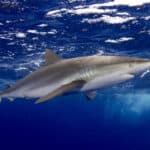
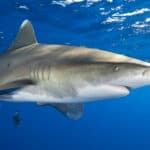
Grey Reef Shark
Grey Reef Shark A signature species of Palau's dive sites; commonly seen cruising reef edges and channels. Best encounters are often at current-swept points like Blue Corner and other outer-reef drop-offs.
Reef Manta Ray Palau is renowned for manta encounters, especially around cleaning stations and channel areas. German Channel is a classic location when conditions and season align.
Green Sea Turtle Frequently seen by snorkelers and divers on reefs and seagrass areas, and Palau supports important nesting and foraging habitat within Micronesia.
Hawksbill Turtle Often spotted along healthy coral reefs where it forages on sponges; Palau's protected waters provide key habitat for this globally Critically Endangered turtle.
Dugong
Dugong Rare and highly sought-after; Palau holds one of Micronesia's most important remaining dugong populations, associated with seagrass habitats (sightings are infrequent and prized).
Napoleon (Humphead) Wrasse An iconic large reef fish that divers associate with intact reef systems; often encountered on outer reefs and drop-offs in well-managed areas.
Bumphead Parrotfish A charismatic, very large parrotfish that can form notable groups; seen on outer reef slopes and channels, especially where fishing pressure is low.
Saltwater Crocodile Occasional/rare but emblematic of Palau's wild coastal wetlands and mangroves-most often associated with Babeldaob's estuaries and remote mangrove areas.
Golden Jellyfish (Jellyfish Lake) Famous Rock Islands phenomenon: a resident jellyfish form adapted to a predator-light marine lake environment. Viewing depends on lake conditions and access rules, which can change for conservation.

Endemic Species

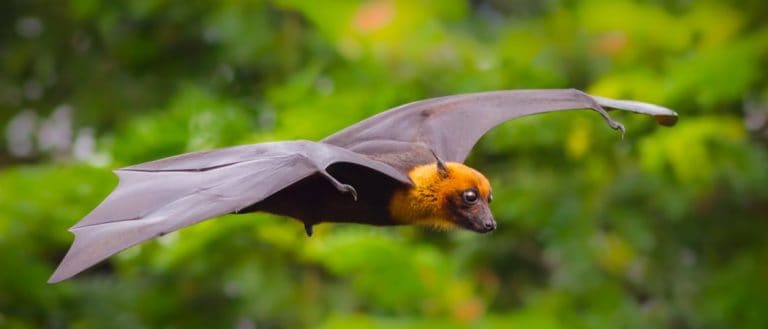
Palau Flying Fox (Palau Fruit Bat) A key native mammal and important pollinator/seed disperser; often seen flying at dusk over forests and near coastal roosting areas. Endemic
Palau Kingfisher A striking forest kingfisher endemic to Palau, associated with native woodland on Babeldaob and other suitable islands. Endemic
Palau Ground Dove A shy, forest-floor pigeon/dove endemic to Palau; valued by birders as one of the country's most distinctive endemics. Endemic
Palau Fantail Commonly encountered in forest and edge habitats; a lively endemic songbird that helps define the soundscape of Palau's woodlands. Endemic
Palau Bush-Warbler A small, skulking endemic warbler of dense vegetation and forest undergrowth; frequently detected by voice. Endemic
Palau Scops-Owl Endemic nocturnal owl; a sought-after species for visitors doing night birding on Babeldaob and other forested areas. Endemic
Palau Cicadabird A Palau endemic forest bird often found in canopy and edge habitats; part of the country's distinctive endemic bird community. Endemic

Notable Populations

  • Palau is a major stronghold for shark-based reef ecosystems in the tropical western Pacific, supported by long-running conservation measures and large no-take/open-ocean protections (Palau National Marine Sanctuary framework).
  • Regionally important nesting and foraging habitat for sea turtles (especially Green and Hawksbill) across Palau's reefs, beaches, and lagoons.
  • One of Micronesia's most important remaining dugong populations, making dugongs a flagship conservation species in Palau (though sightings are uncommon).
  • Unique marine-lake systems in the Rock Islands (including Jellyfish Lake) that have produced locally adapted wildlife forms and are managed with changing access/closure rules to protect ecological health.
Protection

Conservation

Primary Threats

  • Warming seas drive coral bleaching and reduced reef resilience; ocean acidification impairs coral calcification; stronger storms and sea-level rise increase coastal erosion and stress mangroves and low-lying infrastructure. Heat stress events threaten Palau's reef-based tourism economy and subsistence/coastal fisheries, with recovery dependent on local water quality and reduced fishing pressure.
  • Pressure on reef fish and invertebrates (including groupers, snappers, and high-value invertebrates) can occur near population centers and popular fishing grounds, especially where enforcement is difficult. Seasonal spawning aggregations and nearshore reefs are particularly vulnerable; demand from tourism and export markets can intensify localized depletion if not managed.
  • Palau has faced risks from trade in marine life and curios (e.g., certain reef species and shells), and historically from shark finning regionally. While Palau has strong protective policies, external market demand and transshipment/illegal trade in the broader region remain persistent pressures requiring monitoring and enforcement.
  • Land-based runoff from roads, construction, and poorly managed wastewater/septic systems increases sedimentation and nutrient loading, which can fuel algal growth and reduce coral health-especially near urbanized areas like Koror and in enclosed lagoons. Marine debris and plastics also accumulate on shorelines and reefs, affecting wildlife and tourism sites.
  • High visitation at popular dive/snorkel sites can cause direct physical damage (fin kicks, contact, anchor damage if unmanaged), wildlife disturbance (e.g., reef fish, turtles), and crowding impacts. Sensitive habitats in the Rock Islands and jellyfish lake environments can be degraded by trampling, sunscreen/contaminants, and repeated disturbance without strict management.
  • Coastal development (ports, causeways, seawalls, dredging, land reclamation) can alter currents and increase turbidity and sedimentation that smother corals and seagrasses. Expansion of tourism facilities and shoreline hardening to protect assets can fragment mangroves and reduce natural coastal protection.
  • Localized loss or degradation of mangroves, seagrass beds, and coastal forest occurs where shoreline development, dredging, and land clearing proceed. Even small-scale clearing on steep limestone or volcanic soils can increase erosion into lagoons, affecting reef habitats downstream.
  • Alteration of hydrology and coastal processes through dredging, channel cutting, and shoreline armoring can reduce water quality and modify sediment dynamics in lagoons and reef flats. Changes to nearshore habitats can diminish nursery areas critical for reef fish and invertebrates.
  • Island ecosystems are highly susceptible to invasive plants and animals introduced via shipping, tourism, and trade. Invasives can outcompete native flora, prey on native birds/reptiles, and disrupt coastal and forest ecosystems; biosecurity is an ongoing need due to frequent boat/air traffic.
Visit

Wildlife Tourism

Palau's wildlife tourism is overwhelmingly marine-focused-built around world-class coral reefs, the limestone Rock Islands, and a national identity centered on ocean stewardship. Diving, snorkeling, and lagoon-based excursions are a primary driver of visitor spending (operators, guides, boats, accommodations, permits/fees) and are closely tied to conservation policy (marine protected areas, seasonal/site protections, and visitor pledges/fees). Historically, Palau's rise as a top global dive destination accelerated with improved air access to Koror (the tourism hub) and the growth of professional dive/liveaboard operations; today, most wildlife viewing is accessible via short boat rides from Koror to the Rock Islands and nearby reefs. Accessibility is best for travelers comfortable with water-based activities: you'll typically combine diving/snorkeling days with kayaking, lagoon tours, and beach time; many signature sites require boat transfers, permits, and adherence to strict reef-safe practices.

Best Time to Visit
  • Practical wildlife-viewing calendar (Palau is strong year-round; conditions vary more by wind/visibility than by "big mammal" migrations):
  • Jan-Mar: Often clearer water and steadier dive conditions in many areas-excellent for reef scenes (hard corals, reef fish density), shark encounters on channels/reef edges, and manta cleaning stations when conditions align.
  • Apr-Jun: Transition period with warm water and productive reefs-great for mixed days of diving + snorkeling + kayaking; good chances for turtles and large schools on outer reefs.
  • Jul-Oct: Wetter/typhoon-risk season in the broader region (storms can affect plans); between systems, reefs can be spectacular. Expect more variable seas-plan flexible itineraries and prioritize sheltered Rock Islands lagoons on windy days.
  • Nov-Dec: Conditions often improve again; strong all-around season for diving/snorkeling with solid visibility windows and reliable lagoon tours. What to see when (high-level):
  • Year-round: Reef fish biodiversity, turtles, sharks on channels/outer reef sites, giant clams, and exceptional coral gardens.
  • Best on calmer/clearer stretches (often Jan-Mar, Nov-Dec): Long-range sites and blue-water dives for bigger pelagics and cleaner visibility.
  • Windy/rougher weeks (more common mid-year): Focus on protected lagoon snorkeling, kayaking, and land-based birding viewpoints.

Top Wildlife Experiences

  • Dive a channel for shark and schooling-fish action (timed to tidal flow), then do a second relaxed reef dive for macro life and coral gardens.
  • Snorkel a coral garden in the Rock Islands on a guided drift or gentle circuit, focusing on anemonefish, giant clams, and reef-building corals (with a reef-safe briefing).
  • Join a dedicated manta encounter trip: visit known manta areas/cleaning stations and practice slow, low-impact observation (no chasing, no blocking).
  • Kayak through the Rock Islands: paddle quiet coves and mangrove edges, stopping for snorkel sessions on shallow patch reefs and watching for seabirds overhead.
  • Take a jellyfish-lake style experience (where permitted and safe): snorkel calmly among non-stinging jellyfish and learn the ecology and conservation rules that protect these fragile lakes.
  • Do a night dive or night snorkel in a sheltered area to see hunting octopus, crustaceans, sleeping parrotfish in mucus cocoons, and bioluminescent sparkle on dark entries.
  • Join a pelagic-focused day (or liveaboard segment) targeting outer reefs for chance encounters with larger fish, schooling jacks/barracuda, and occasional oceanic surprises-weather permitting.
  • Take a responsible turtle-focused snorkel/dive session on seagrass/reef edges, emphasizing distance, no-touch etiquette, and photography best practices.
  • Birding morning on Babeldaob or coastal viewpoints: look for Micronesian endemics and seabirds, then pair it with an afternoon lagoon cruise for a full land-sea wildlife day.
  • Do a conservation-forward trip: participate in a reef-friendly operator's program (reef monitoring talk, marine protected area briefing, beach/lagoon clean-up add-on) as part of your itinerary.

Safari Types Available

  • Boat safaris (lagoon and reef wildlife cruises, island-hopping with snorkeling)
  • Scuba diving safaris (day-boat diving and multi-day liveaboards)
  • Snorkeling safaris (guided reef and lagoon circuits, drift snorkels where appropriate)
  • Kayak safaris (sea kayaking through Rock Islands lagoons and mangrove edges)
  • Night safaris (night dives/night snorkeling for nocturnal marine life)
  • Birding and nature walks (short hikes/forest edges and coastal viewpoints on larger islands)
  • Photography-focused wildlife trips (underwater photo charters, split-level lagoon days)
  • Conservation/eco-education experiences (MPA interpretation trips, citizen-science style add-ons with operators)
Fun Facts

Did You Know?

Visitors are literally asked to sign a conservation promise in their passport: the "Palau Pledge" is stamped into arriving tourists' passports and requires a signed pledge to behave responsibly toward Palau's environment and culture (introduced nationwide in 2017).

Palau is sovereign, but the U.S. handles defense: under the Compact of Free Association, Palau governs itself yet relies on the United States for military defense-and it uses the U.S. dollar as its currency.

Most of the country's land is basically one island: Babeldaob is the largest island and makes up the great majority of Palau's land area, even though the nation is famous worldwide for the smaller limestone Rock Islands and dive sites.

Conservation can be traditional law, not just modern policy: Palau has a long-standing custom where chiefs can declare a temporary ban on harvesting (like a fishing closure) to let reefs or resources recover-an Indigenous management tool still referenced in modern conservation.

Palau's anti-nuclear stance was written into its founding legal framework: Palau adopted a "nuclear-free" constitutional provision (notable globally) that shaped its political path to full independence and became a defining national policy position for decades.

One of the world's largest no-take ocean reserves: the Palau National Marine Sanctuary (created 2015) set aside ~80% of Palau's EEZ as a no-take zone-about 500,000 km² of ocean protection, among the largest fully protected marine areas on Earth.

One of the earliest (and then largest) national shark sanctuaries: Palau declared its entire EEZ a shark sanctuary in 2009 (hundreds of thousands of km²), making it one of the first countries to ban commercial shark fishing nationwide.

Unusually dense "marine-lake" hotspot: Palau's Rock Islands contain 70+ marine lakes-one of the highest concentrations of marine lakes found anywhere, each acting like a natural laboratory for evolution and endemic species.

A reef biodiversity heavyweight for its size: Palau's waters are documented with ~1,300+ reef fish species and 400+ species of hard corals-extraordinary totals for such a small nation, and a big reason divers consider it a global reef biodiversity hotspot.

A famous lake where jellyfish largely stopped stinging: Jellyfish Lake is one of the best-known places on Earth where golden jellyfish evolved greatly reduced stinging in a predator-poor marine lake environment (and historically reached populations in the millions, though numbers fluctuate).

The Republic of Palau is located in the western Pacific in Asia, and it has a wealth of animals. The country is made of over 340 islands, and the population has close relationships and deals with other countries such as the United States. Palau has over 1,500 species of fish in its various bodies of water along with hundreds of birds and a handful of mammals.

The National Animal of Palau

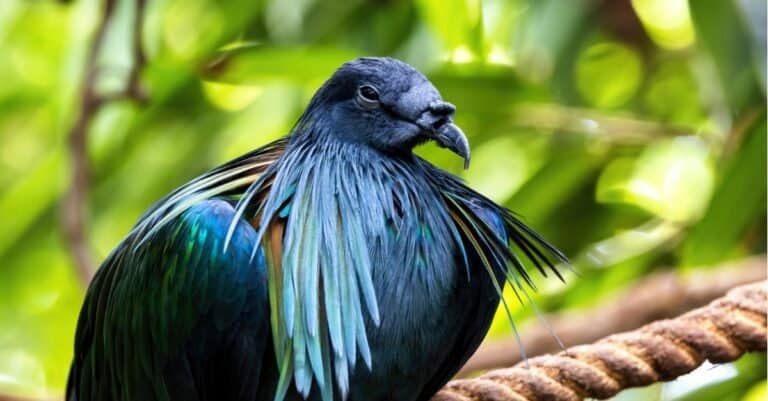
The Palau fruit dove is the national animal of Palau. This birds’ species is Ptilinopus pelewensis. This bird measures about 9 to 10 inches long and weighs about 3 ounces. This bird is naturally found on many of the islands that make up Palau, and they’re a protected species with a high population.

The Most Dangerous Animals in Palau
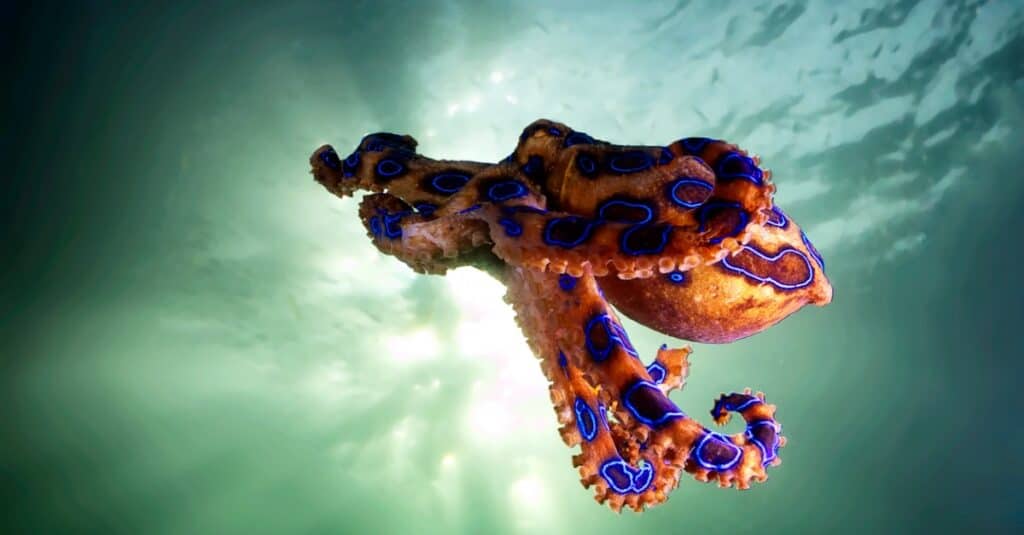
blue ringed octopus

The blue-ringed octopus can fatally envenomate humans.

Despite being a very small country, Palau is home to some very dangerous animals. The most dangerous animals in Palau include:

  • The blue-ringed octopus– a cephalopod that lives from the Sea of Japan to the southern shores of Australia. These creatures produce a powerful venom capable of killing humans and other animals.
  • Saltwater crocodile- a large reptile with an extremely powerful bite that kills roughly 1,000 people per year around the world.
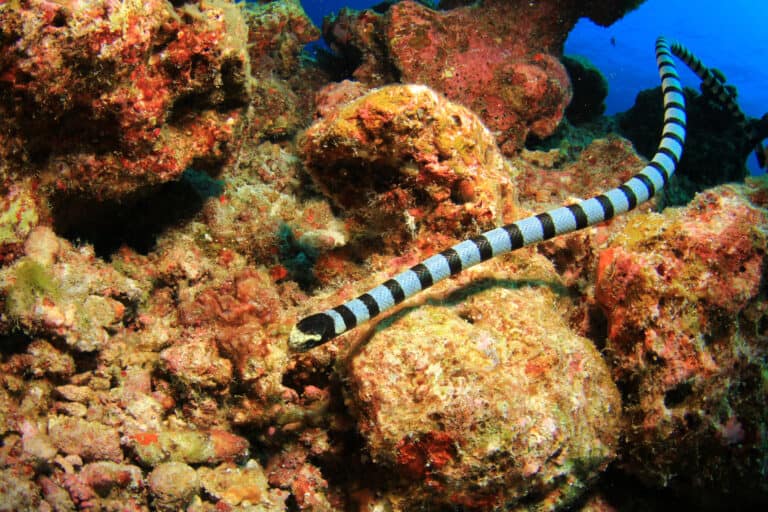
  • Yellow-lipped sea krait- a sea snake that uses a powerful neurotoxin to hunt. They spend a fair amount of time on land, and their bites can cause significant harm if not properly treated.

These are the three most dangerous animals in the country, but they’re not the only ones.

Where to Find the Top Wild Animals in the Nation
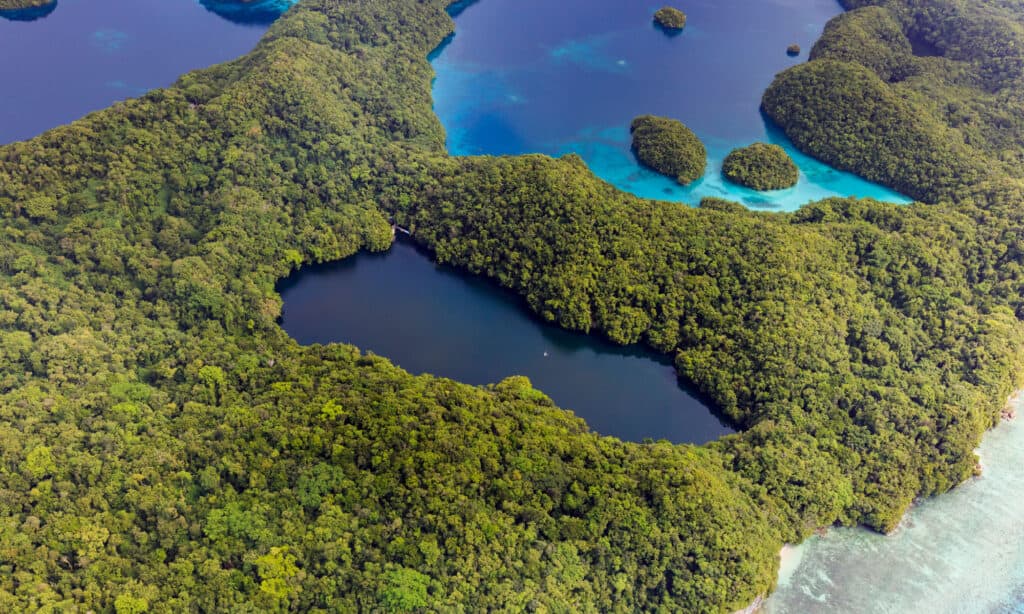
Jellyfish Lake, Palau

The Palau jellyfish lake is home to many golden jellyfish.

The best place to find the wild animals in Palau is by going to the Ngardok Nature Reserve. This area was established in 2017 and covers 4 hectares of land. The nature reserve protects over 70 species of animals. However, this is a protected area, so it may not be open to the public.

People can also find interesting sea animals at the Palau National Marine Sanctuary, a 457,000 square kilometer area focusing on protecting the local wildlife.

Zoos in the Country

While Palau has few, if any, official zoos on its many islands, it does have an aquarium. The Palau Aquarium has five tanks focusing on different marine environments to demonstrate the diversity of the animals in the region. They include mangroves, seagrass, inner reef, reef crest, and outer reef areas.

Endangered Animals in the Palau
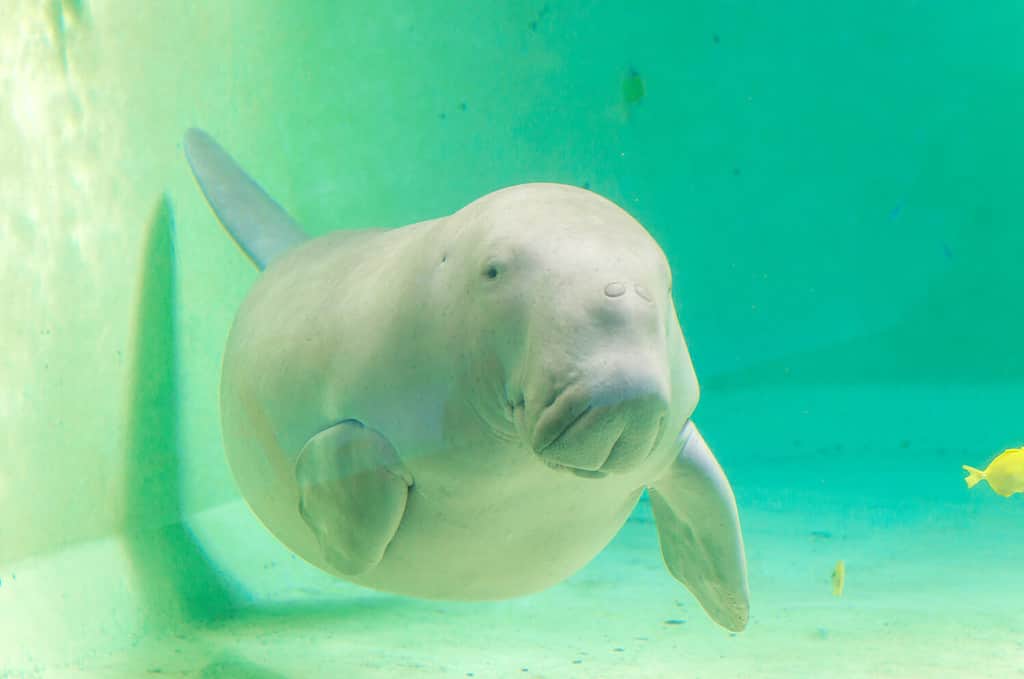
Dugong that swim in the sea..

The dugong is an endangered animal in Palau.

Several endangered animals live in Palau. They include:

Palau is home to a wide assortment of different animals. Some of them are dangerous, and some of them are even endangered. This small Pacific country has a few unique areas where a person can seek wildlife. However, it’s best to contact locals to find out what permissions an individual needs to legally visit them.

Animals Found in Palau

20 species documented in our encyclopedia

Thank you for reading! Have some feedback for us?