
Quick Take
- Texas law treats some primates very differently from others, and the gap might surprise you. See which primates are restricted →
- Even where the state says yes, your city may say no, and the penalties can be steep. Check city-level bans →
- Your 'harmless' exotic pet could be feeding a much darker industry. Learn about wildlife trafficking →
- The daily reality of living with a monkey is far messier than the social media clips suggest. See the real care demands →
The exotic pet trade is significantly increasing in the United States thanks to the popularity of showcasing them on social media apps. The international wildlife trade in the United States is a multibillion-dollar industry. While this sounds like good news for those interested in owning exotic pets, you may unknowingly be contributing to the spread of disease and the extinction of a species. With that said, you may still be wondering if you can own a monkey in Texas. Read on to find out.
Can You Have a Pet Monkey in Texas?
There is no blanket state ban on keeping or possessing non-human primates in Texas. However, while owning monkeys in Texas may be legal at the state level, this legality does not extend to all primate species, nor does this extend to all counties and municipalities.
State Laws
The state’s Dangerous Wild Animal Act (DWA) classifies baboons, gorillas, orangutans, and chimpanzees as “dangerous wild animals.” These animals are much more difficult to own in the state, requiring a certificate of registration, annual fees, a minimum of $100,000 in liability insurance, and caging requirements and standards.
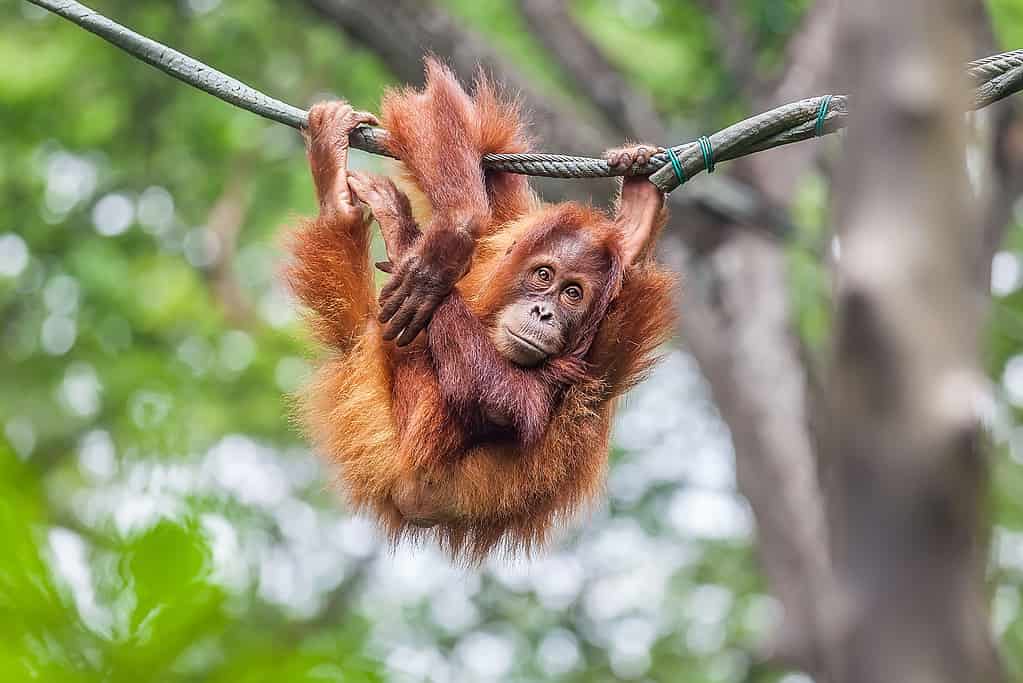
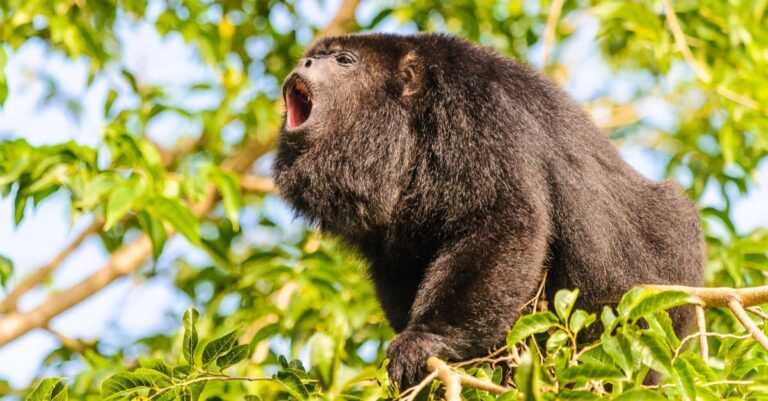
Orangutans are considered wild animals and have many restrictions for keeping or possessing them.
©molishka1988/iStock via Getty Images
Local Laws
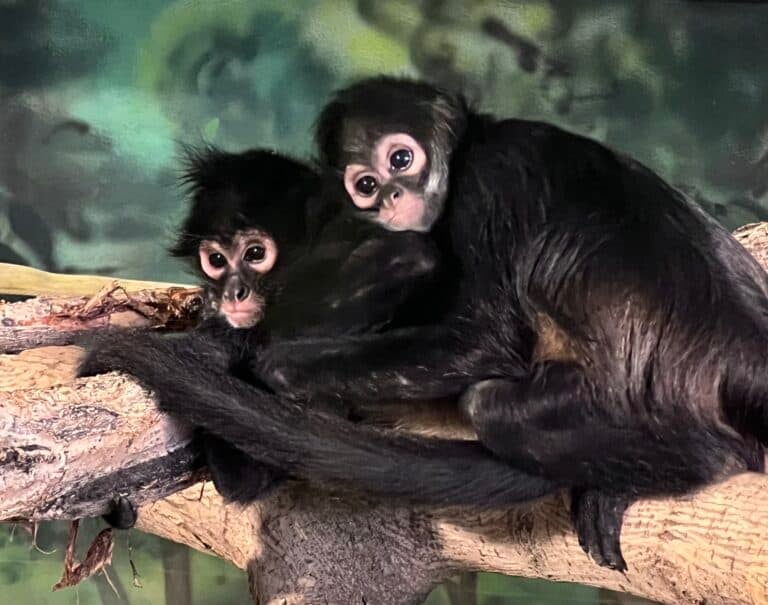
Other monkeys such as capuchins, marmosets, spider monkeys, and squirrel monkeys are not regulated in this manner at the state level. However, Texas cities and counties often regulate primate ownership more strictly than the state does. So it is important to know your local ordinances. For example, San Antonio City ordinances prohibit keeping or possessing non-human primates within city limits. Violations may result in animal seizure, as well as criminal citations.
While ownership of great apes is not prohibited in the state, cities such as Fort Worth have municipal ordinances that ban keeping or possessing great apes within city limits. There are only a few exemptions, including zoos, government entities, research facilities, and educational institutions.
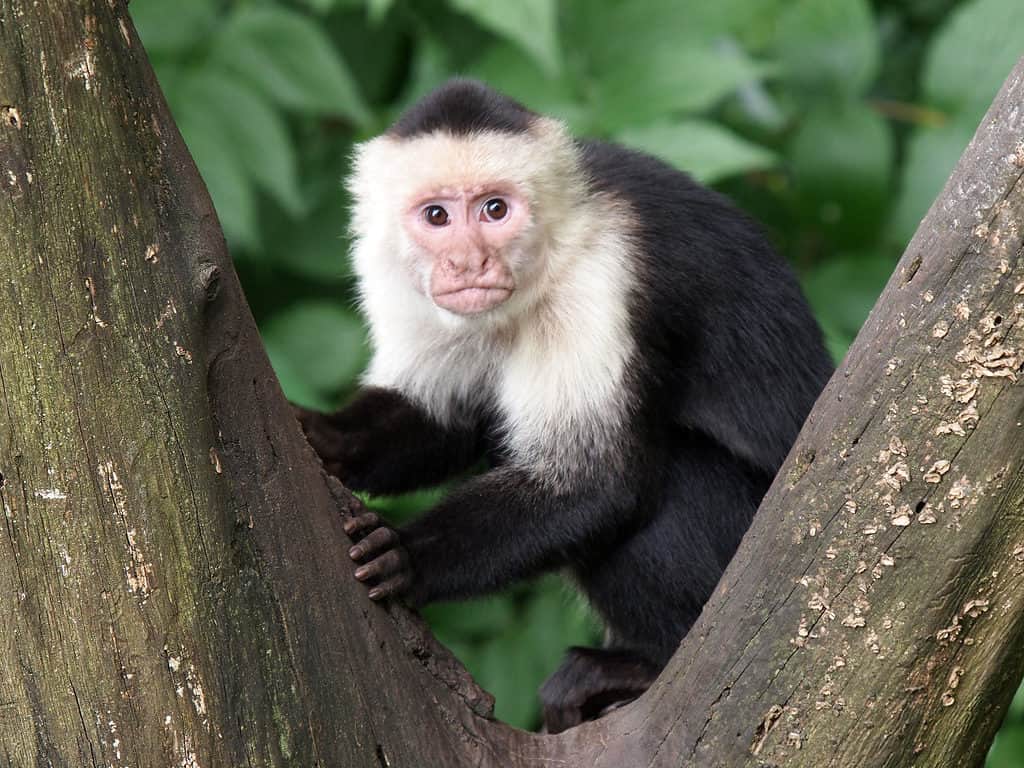
Capuchin monkeys are legal to own in Texas.
©Edwin Butter/Shutterstock.com
Should You Own a Pet Monkey?
There are many reasons why people should not own pet monkeys. The demand for pet primates drives the illegal wildlife trafficking trade and encourages the exploitation of wild populations. Many primates are stolen from their families and do not survive shipping due to stress and disease. Owning a pet monkey also normalizes keeping threatened animals as pets.
In addition to the ethical considerations around acquiring a pet monkey, monkeys also require highly specialized diets and care. Monkeys are very social and need other monkeys to thrive. If they are kept isolated from other monkeys of their species, they can develop mental health issues and even become violent. Primates can live for decades, so diaper changes every day for many years could be in your future. You could forgo the diapers, but this entails frequent, messy cleanup. Monkeys in captivity also throw their feces when they are frustrated or upset.

©Ridwan Zulfirman/Shutterstock.com
Monkeys may require large, custom enclosures and a variety of enrichment to keep them busy and happy, which can cost a great deal of money. They also need specialized veterinary care, which may be hard to find and expensive, especially if your pet becomes sick. Primates and humans can also transmit diseases to one another, and according to the University of Wisconsin’s National Primate Research Center, some of these diseases can be fatal to either the human or the animal. So, if you love monkeys, visit them at the zoo, and leave wild animals in the wild.