
Quick Take
- Several state wildlife agencies are a part of an effort known as ‘Squeal on Pigs‘, a hotline and app that allows the reporting of feral hog populations, primarily in selected affected regions.
- Reporting feral pig sightings within 24 hours is vital to prevent invasive sounders from splitting up and spreading out.
- The instinct to shoot individual hogs on sight isn’t helpful because it triggers nocturnal and secretive survival behaviors and allows them to evade capture.
- A coordinated removal of an entire sounder is the best way to stop feral populations from doubling every 4 months.
Some states are coping with an increasingly common problem: feral pigs running rampant. Feral swine are actually one of the most destructive invasive species in the United States, and are already present in at least 35 states, with their range expanding at a rate of nearly eight miles per year. The damage they cause is immense, with crops, ecosystems, livestock, and water quality suffering the most. These pigs cause an estimated $2.5 billion annually across the agricultural sector alone, with multiple states losing the battle against established populations.
Because of this influx of feral hogs, a program was developed with an indicative name: Squeal on Pigs. What is the thinking behind this program, and why does reporting feral hogs early matter so much in curbing their spread? Today, we dive into this widespread issue and what you can do if you see a wild pig in your neighborhood. Let’s learn about this problem now.
Why Feral Hogs Are So Concerning
To understand why the early reporting of feral hogs matters so much, let’s discuss what happens when even a small group of feral pigs shows up in a new habitat or neighborhood.
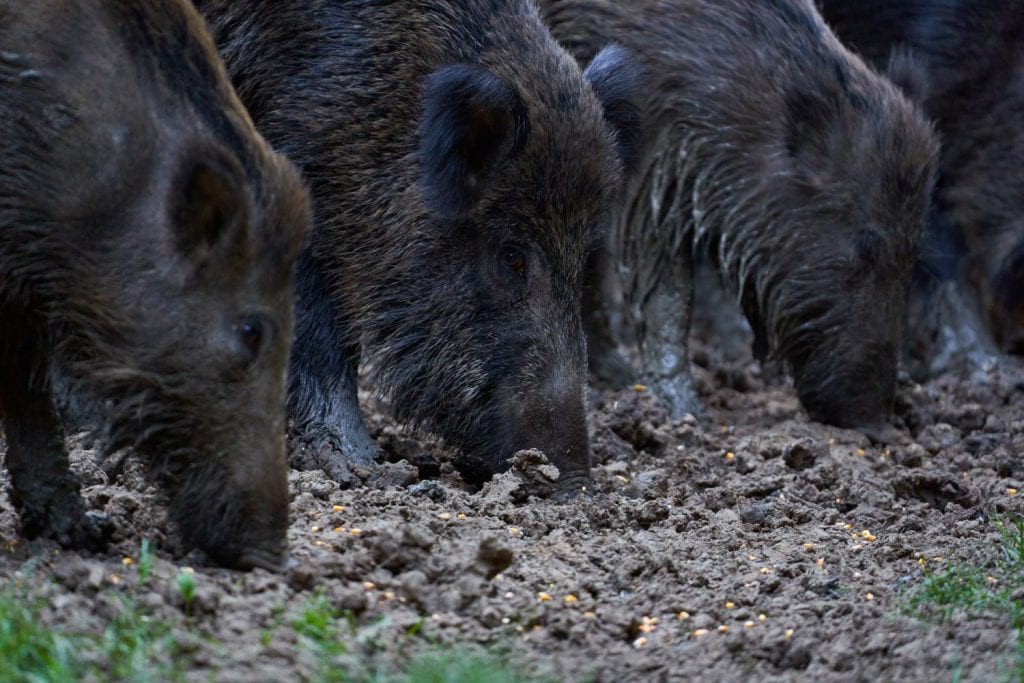
There are many reasons why feral hog populations are a concern, including the damage they cause and the diseases they spread.
©Slatan/Shutterstock.com
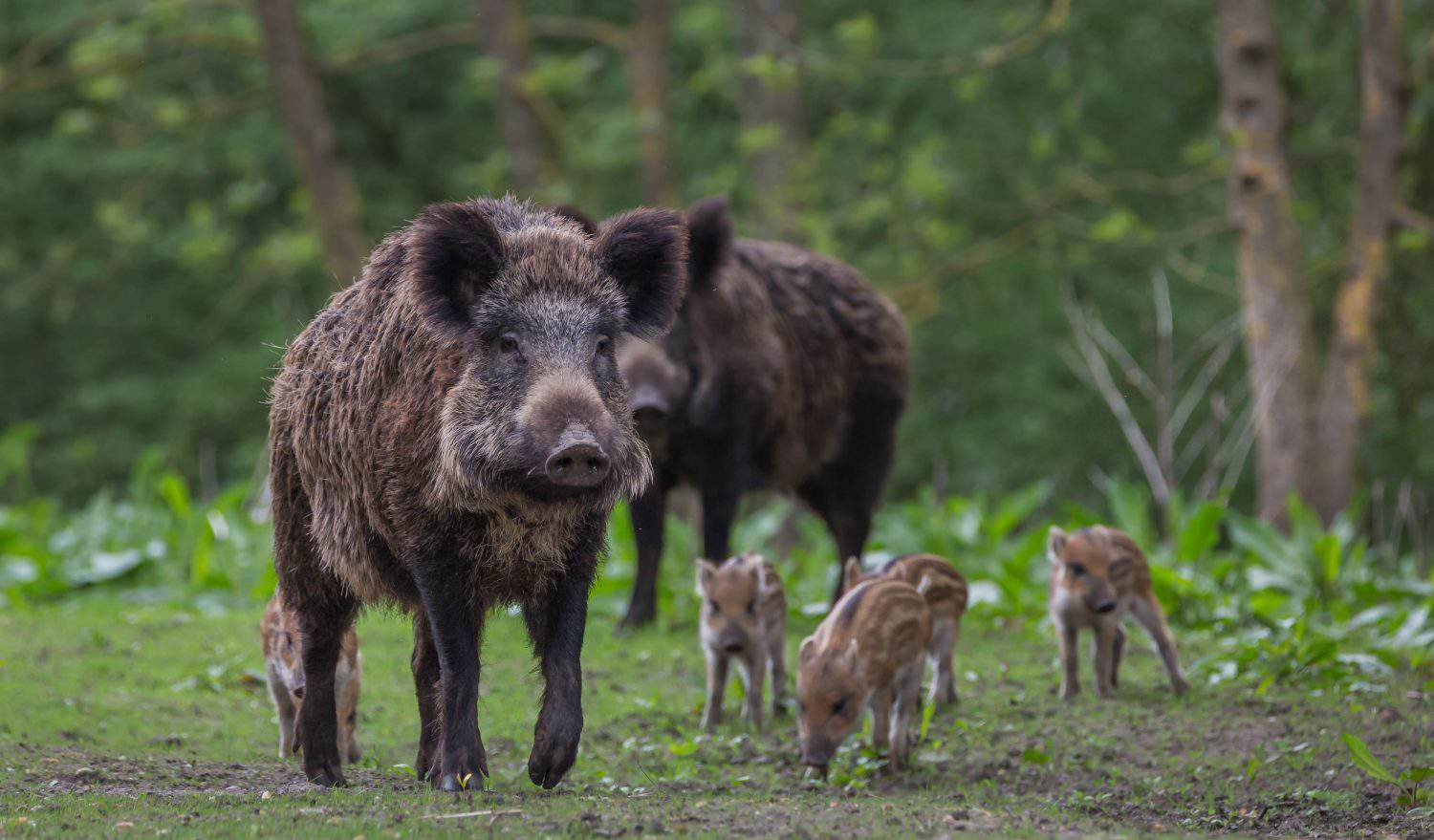
Feral swine have the highest reproductive potential of any wild ungulate species relative to body size, according to research published in the Journal of Wildlife Management. Sows can reach sexual maturity as young as six months of age, and they’re capable of producing up to two litters per year, with litters averaging five to six piglets. Under ideal conditions, a feral pig population can double in as little as four months—a staggering possibility that many states are now facing.
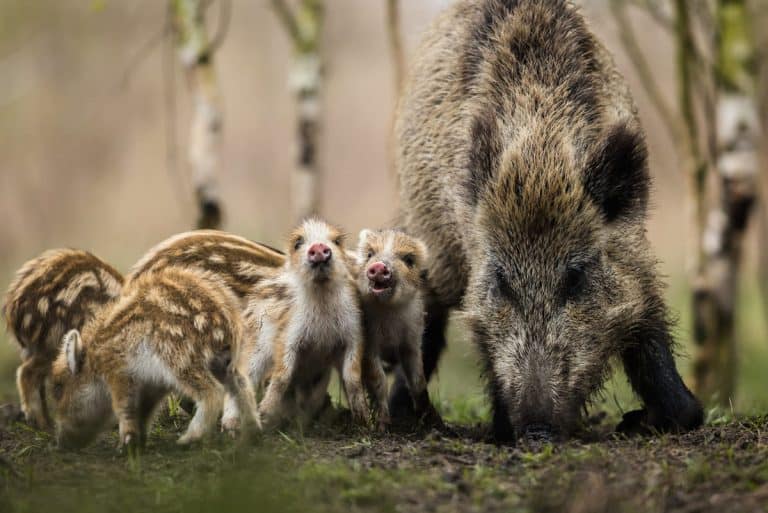
Ohio’s own Department of Natural Resources noted that, to even reduce an established population, managers must remove 60-80% of animals each and every single year. While recreational hunting helps in this task, it accounts for roughly 23% of feral pig mortality, leaving many hogs lingering in neighborhoods that can’t support them. The animals also travel in family groups called sounders, spreading into new territory after destroying their existing habitat, which makes removal even more difficult.
Casey Anderson, the assistant wildlife division chief for the North Dakota Game and Fish Department, stated why the state promotes ongoing surveillance efforts. “They often split into separate groups once their numbers reach a certain threshold. That is why it is imperative immediate action is taken.”
But what immediate action should you take if you live in an area battling feral hogs? Not every action is equal.
Is Shooting Feral Hogs the Answer?
One of the most common instincts when someone encounters a feral pig is to shoot it. This isn’t illegal, and hunting feral pigs is necessary in curbing certain populations of them. However, in many states, this instinct can actually make things significantly worse.
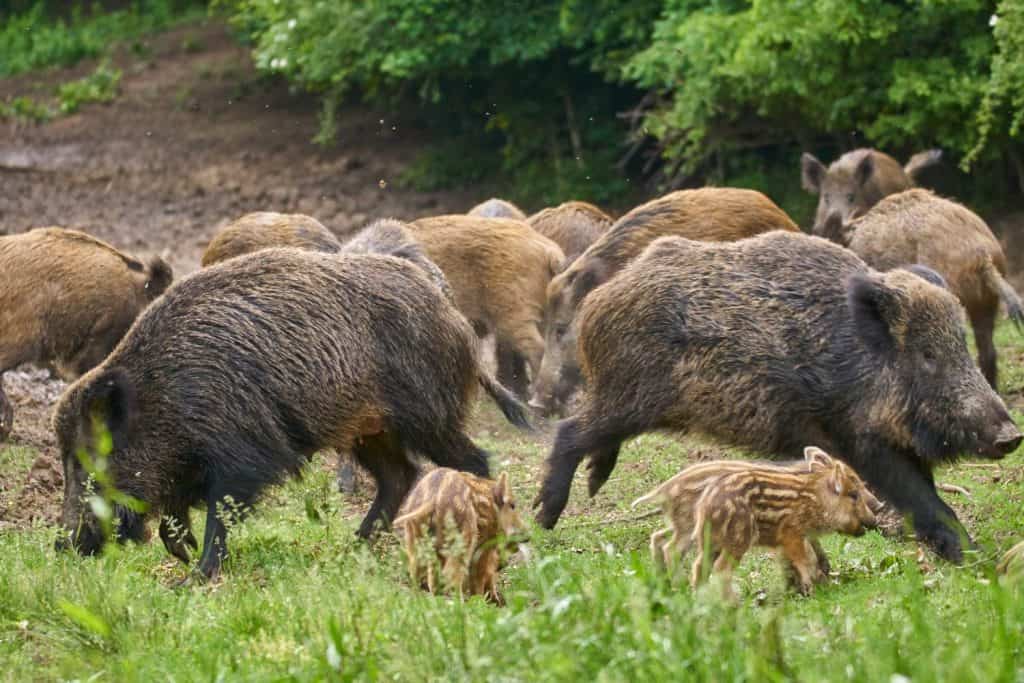
If feral pigs are spooked, they are more likely to spread out and hide, even becoming nocturnal in order to stay safe.
©Slatan/Shutterstock.com
When wild pigs are pressured or scattered, they adapt quickly and shift their behavior, becoming harder to trap. Phil Mastrangelo, the state director of USDA Wildlife Services in North Dakota, described this dynamic when discussing removal efforts in his state: “Pigs are intelligent creatures. Sensing increased threat, they can quickly shift behavior to thwart removal efforts, often becoming more nocturnal and secretive as activity increases.”
Anderson also reinforced this point in guidance directed at the state’s hunting community: “With people out in the field hunting upland game and other animals, we want to let hunters know they cannot shoot them, but instead they need to report immediately if they see feral pigs or observe signs such as rooting.”
The goal of any professional response is to capture an entire sounder in one coordinated removal effort. If allowed to scatter, individual animals that are spooked can evade trapping efforts for months on end. However, an intact, undisturbed sounder is far more manageable if agencies take care of them before they separate or continually breed.
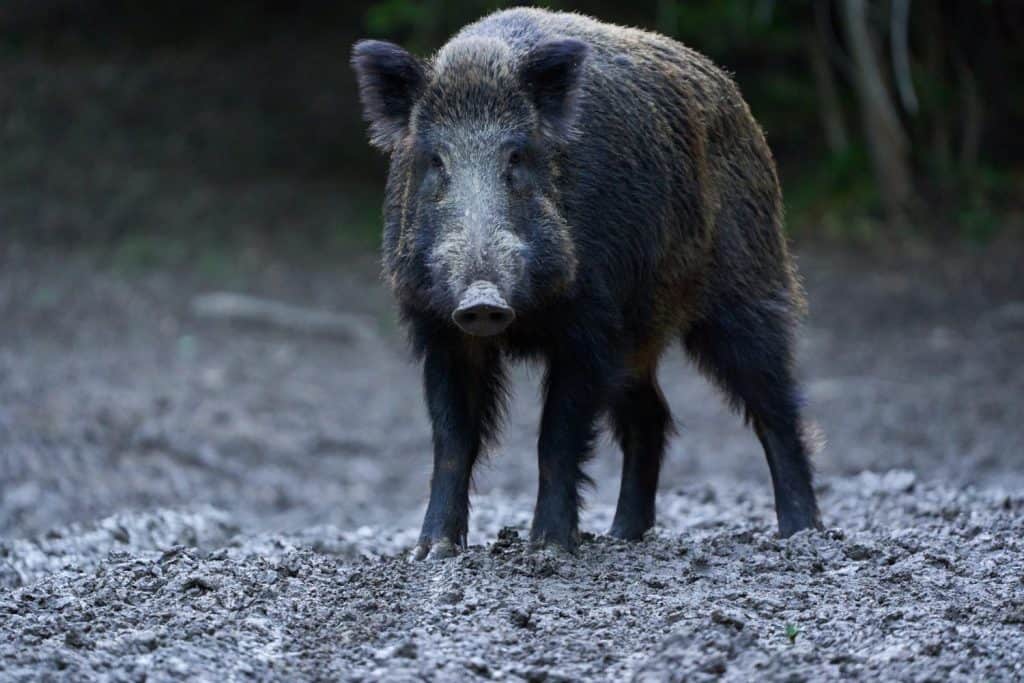
Hunting feral pigs isn’t illegal in all states, but it isn’t recommended for fixing a feral pig issue.
©Slatan/Shutterstock.com
It’s important to note that some states, including North Dakota and Ohio, prohibit the shooting of feral pigs except in specific circumstances involving direct threats to property or livestock. Even then, notifying the appropriate agency within 24 hours is required so that carcasses can be collected for disease surveillance and other legal reasons.
With this in mind, reporting is the best thing you can do to combat feral hogs. Here’s how you can be certain you’re dealing with these invasive menaces and report them accurately, and to the proper authorities.
How to Determine If There Are Feral Pigs in Your Area
The reality is that feral pigs are rarely the first thing you notice when they’re in your neighborhood. Knowing what signs to look for can help you alert authorities quickly and stop feral pigs before they take over.
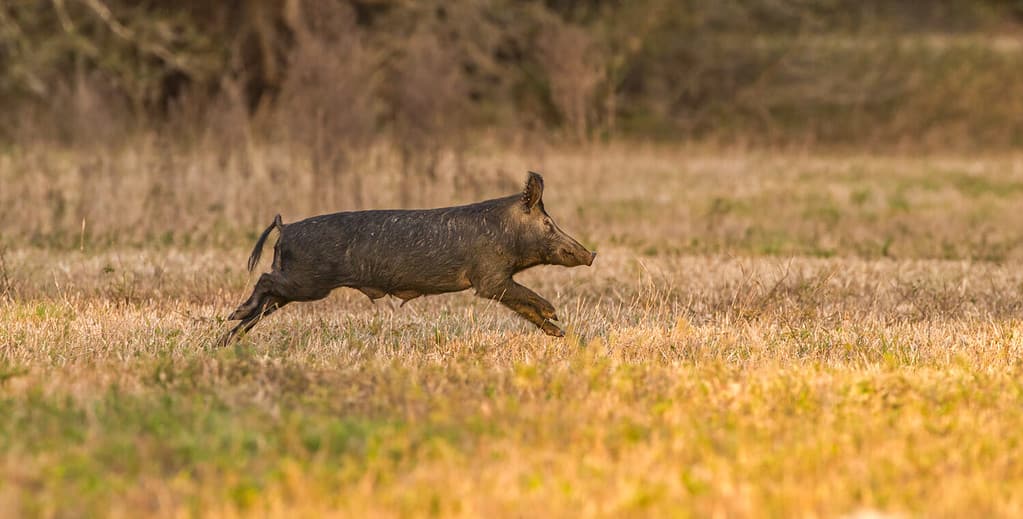
There are multiple signs you can watch for when determining feral pig presence, including rooting behaviors.
©Chase D'animulls/Shutterstock.com
The USDA APHIS Wildlife Services identifies the following as the key signs to watch for when it comes to identifying feral pigs:
- Rooting and digging. This is the most distinctive sign of feral pigs, as they use their snouts and feet to root through soil in search of food. This creates pockets of torn earth that can resemble a rototiller.
- Wallows. Pigs cool themselves by rolling in mud and standing water, creating muddy depressions known as wallows; often found near water sources.
- Rubs. After wallowing, pigs scrape the dried mud off of their skin. Keep an eye out for mud on trees or fence posts, and at pig shoulder height.
- Tracks. Feral pig tracks look like deer tracks but are rounder and wider, with the dew claws sitting wider than the toes. They also often leave evidence of rooting alongside their tracks, so look carefully.
- Scat. Feral pig droppings are similar to dog feces, but they often include partially digested items within.
What Happens When No One Reports Feral Hogs?
Multiple states are still dealing with long-standing issues involving unreported feral hog populations, including North Dakota. This state has documented feral pig incursions since 2007, managing to prevent any established, permanent populations. That track record exists only because of rapid agency response each time a sighting was reported. But not every sighting has been reported promptly.
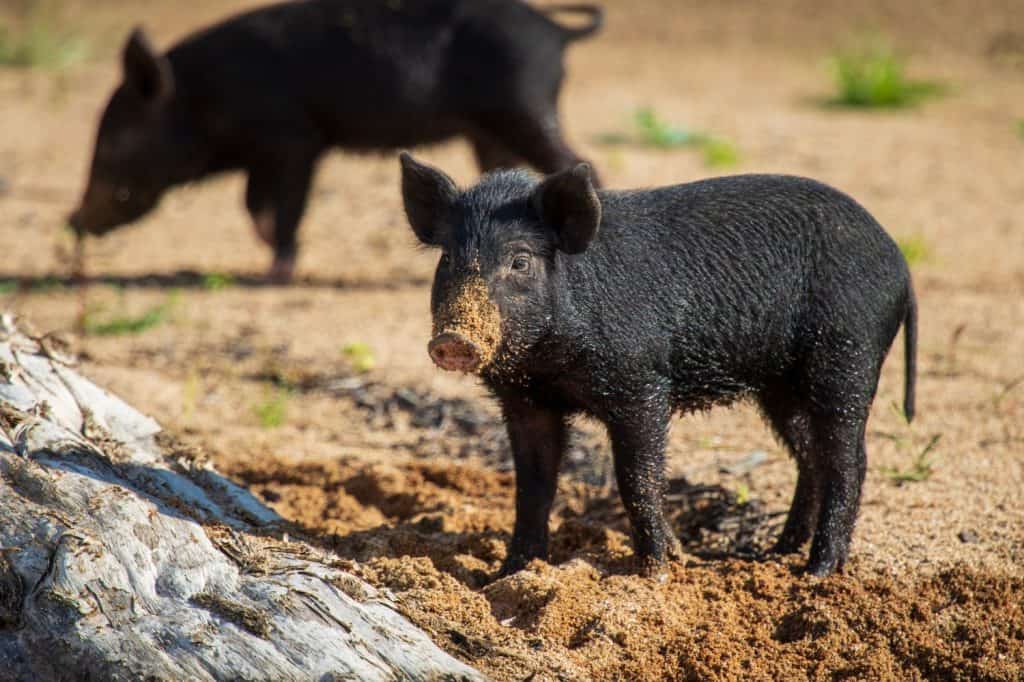
Feral pigs are extremely hardy, making them difficult to remove, especially if ignored.
©Terry Dell/Shutterstock.com
Any time lost becomes time in which a sounder continues to breed and expand its range, potentially splitting into multiple groups that require separate removal efforts. Anderson stressed that the animals’ toughness and potential for aggression make that time loss costly: “They are very hardy,” he said. “That’s why immediate action is essential.”
North Dakota’s experience is still more positive compared to states like Texas, where delayed or insufficient responses allowed populations to dig in deep—literally. Texas now has an estimated 2.5 million feral hogs, with populations present in all 254 counties, and the state has changed its tune from eradication to simple damage management, too overwhelmed to do anything else.
Who to Contact About Feral Hog Sightings
There are multiple ways to report feral hogs to the proper authorities, and understanding who to contact is a must. Here are some of the best ways to report any wild pigs in your local area.
- The Squeal on Pigs app and hotline. In certain states, such as Oregon and Montana, there’s a feral swine reporting tool available both online and as a free app called “Squeal on Pigs!”, which allows users to log a sighting with location data and details. It is the fastest way to get your report directly to wildlife professionals.
- USDA APHIS Wildlife Services by phone. This national number is 1-866-4-USDA-WS, and it connects callers to the Wildlife Services office in their state.
- Your state wildlife agency. Most states with any feral pig presence or risk have dedicated feral swine contacts within their department of natural resources or fish and wildlife agency. Contact information is typically available on the department’s website; be sure to find the specific contact number for feral hog reports.
- Your state department of agriculture. Because feral pigs carry diseases transmissible to domestic livestock, state agriculture agencies also have a direct number to call for rapid responses, and often coordinate with wildlife agencies on the removal of any pigs.
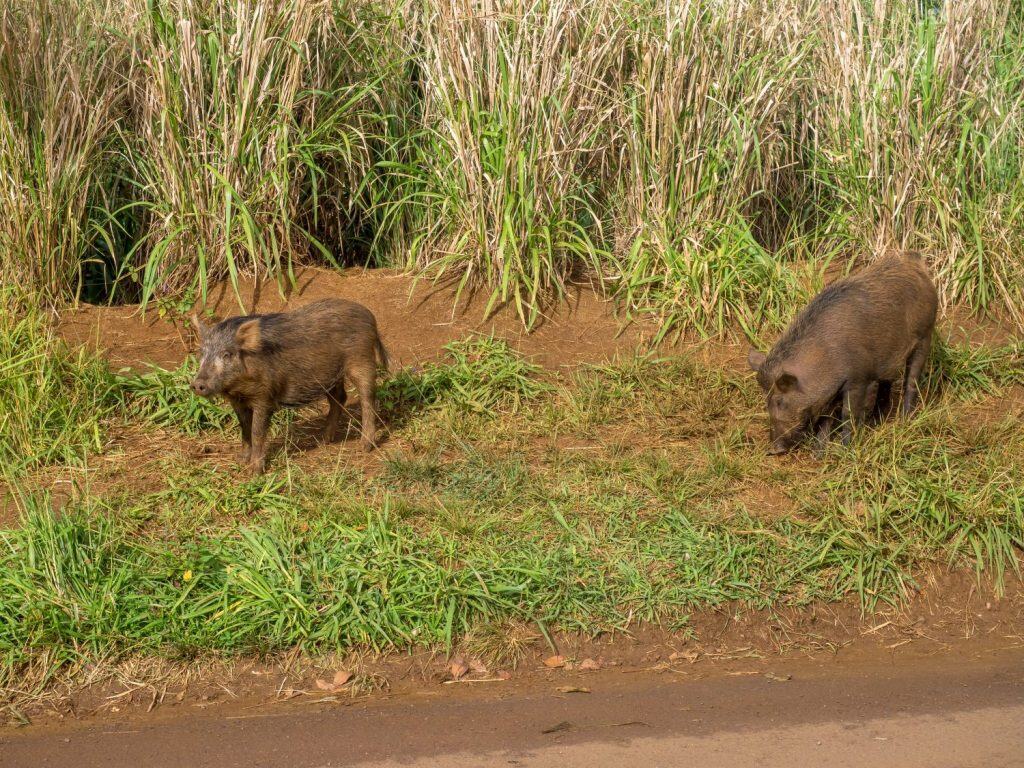
Diseases often accompany feral hogs, making them an issue for many departments.
©Jeff Whyte/Shutterstock.com
When reporting, provide as much detail as you can, especially if you took pictures. Providing the exact location or GPS coordinates (if available), the number of animals observed, whether you saw piglets or only adults, any tracks or rooting signs, and the date and time of the sighting is essential. The more information managers have, the faster they can try to corral these animals and protect an area.
Squealing On Pigs: Keeping Your Area Safe From Feral Hogs
Feral pigs are a problem on multiple levels, not just because of the destruction they cause. They have the potential to carry up to 30 viral and bacterial diseases and nearly 40 parasites, many of which are transmissible to domestic livestock, pets, wildlife, and humans.
They also degrade water quality through wallowing and defecation near water sources, prey on ground-nesting birds, compete with native wildlife for food, and destroy habitat at a scale that has been documented in over 120 U.S. National Wildlife Refuges, according to the U.S. Geological Survey. They are a true threat, with only a few states managing to curb their spread.
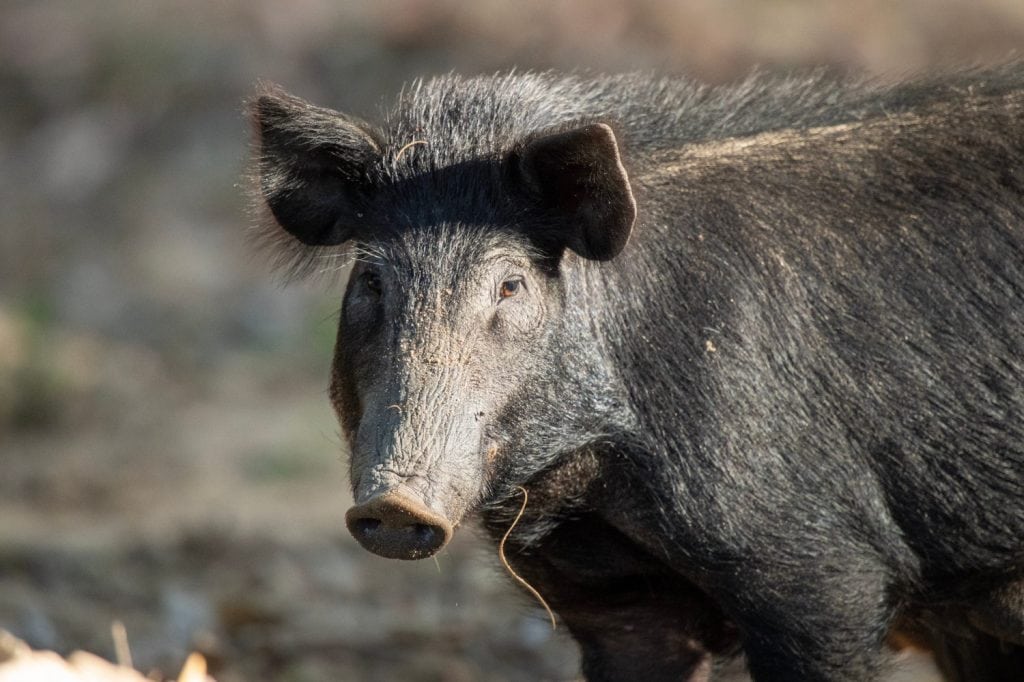
Know who to call if you believe you’ve seen a feral pig, especially if you notice any other signs.
©Terry Dell/Shutterstock.com
For example, the Oregon Invasive Species Council has framed early detection and rapid professional response times as the most effective tool available; identifying populations and eliminating them before they spread or increase is our best bet across the country. Thanks to that approach, Oregon has reduced its feral swine population to an estimated 200 to 500 animals—a number that remains manageable only because reporting has kept agencies informed as quickly as possible.
So, if you see a feral pig or the signs of one in your yard or neighborhood, always report it. Use the Squeal on Pigs app, call 1-866-4-USDA-WS, or opt to contact your state wildlife agency directly, and don’t delay. You never know how many feral hogs a single sighting might become.