
Quick Take
- Owning lions or tigers requires proof of possession dating back to 2018.
- Regulation 123-152 designates certain nonnative wildlife as restricted and sets requirements for their possession and reporting.
- Private citizens may legally own macaques in South Carolina because state law does not specifically prohibit their ownership, unlike great apes.
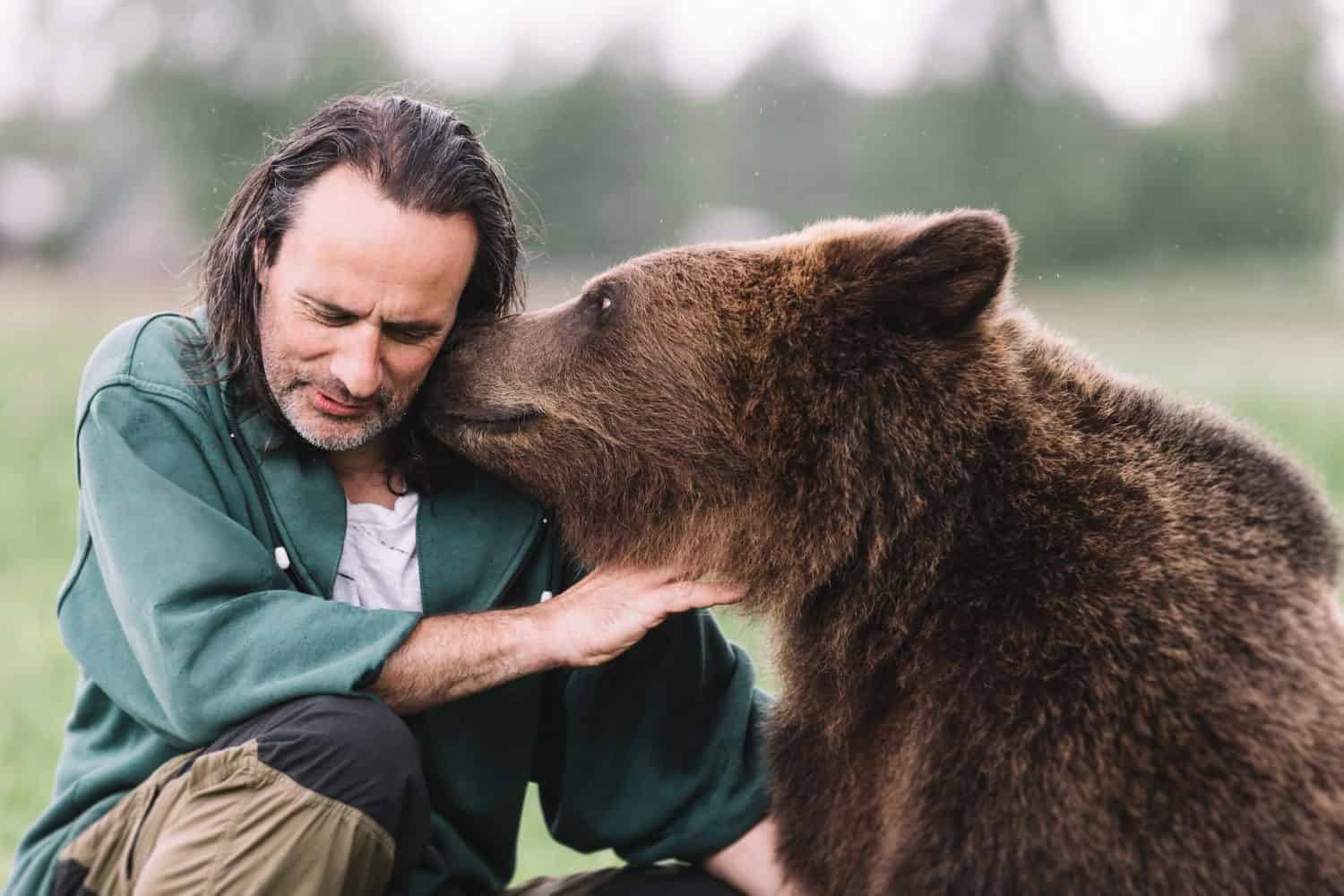
Picture this. Someone tells you they own a full-grown bear. Odds are your first thought is not “Oh, how wonderful!” It’s probably more like, “Is that even legal?” or “Who thought that was a good idea?” or just a firm internal “Nope. Nope. Nope.”
Each state has its own mix of rules and regulations related to exotic animal ownership. South Carolina considers an exotic animal to be one that is not native to the state and has not been domesticated to live safely with people over generations. Even when raised in captivity, these animals often retain wild instincts and require specialized care, secure housing, and experienced handling. Because of those risks, South Carolina treats them very differently from dogs, cats, or livestock.
At a high level, the state prohibits private ownership of the most dangerous wild animals. This includes big cats, non-native bears, and great apes. It also restricts the possession or importation of many native wildlife species and gives state and local authorities broad discretion in determining what is legal. Recent local incidents have made it clear that exotic animals can pose serious public safety concerns.
Death by Kangaroo
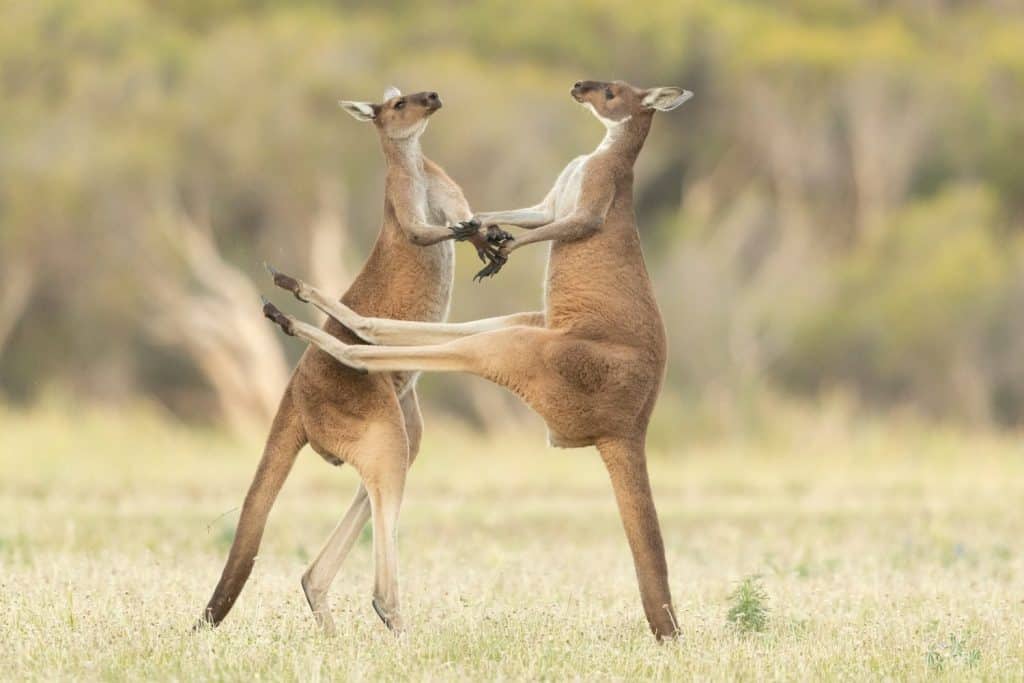
Kangaroos are large, muscular animals accustomed to fighting over mates. They can balance on their tails to get more leverage to deliver a powerful double kick with their feet.
©Lea Scaddan/Shutterstock.com
South Carolina news outlets have reported incidents that illustrate the potential dangers of exotic animal interactions. For example, in May 2025, a 52-year-old man named Eric Slate died of multiple blunt force injuries at 5 Star Farm near Loris, South Carolina. He was the brother of the farm’s owners and had entered an enclosure containing kangaroos and wallabies.
Slate reportedly roughhoused with a 4-year-old red kangaroo named Jack. Kangaroos box and kick one another in dominance displays and can deliver powerful blows. This is one of the only documented incidents in the United States of a kangaroo killing a person. This tragic event demonstrates how exotic animals can pose significant risks when interacted with outside professional contexts.
How the Law Defines Prohibited Animals
Under South Carolina Code Section 47-2-30, it is unlawful to import, possess, keep, purchase, have custody or control of, breed, or sell large wild cats, non-native bears, or great apes as pets. Exceptions are narrowly drawn for nonprofit, educational, or research facilities and require registration and fees. Animals lawfully possessed before January 1, 2018, must be registered with the South Carolina Department of Natural Resources.
This statute applies statewide and is the clearest legal prohibition on high-risk exotic mammals. There is no comparable general permit system for private exotic pet ownership in South Carolina beyond specific importation or wildlife rules. This means that having an explicit ban for certain species is especially significant.
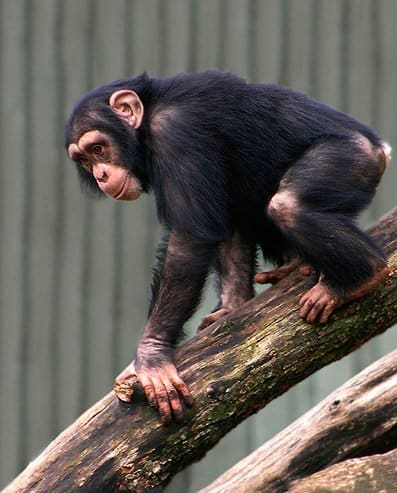
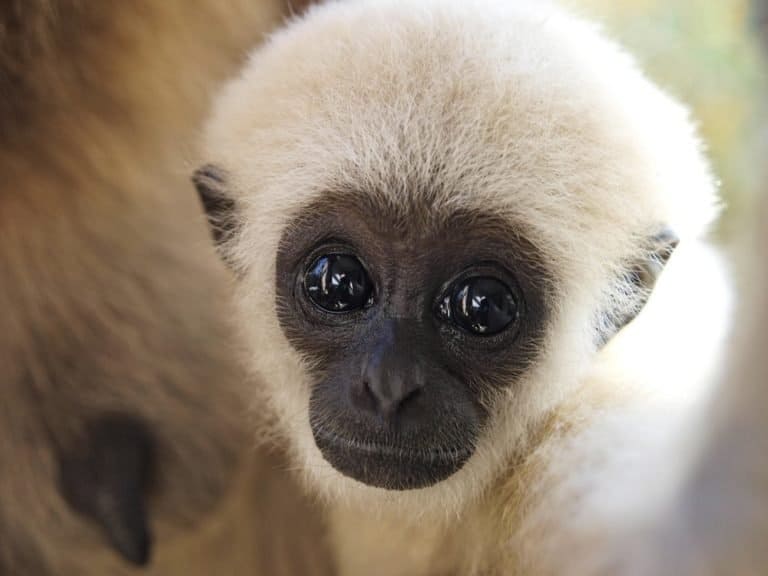
Zoos and research institutions can get special permission to keep primates and other high-risk exotic animals.
©Malene Thyssen / Creative Commons – Original
Importation and Wildlife Possession Rules
Separate from possession prohibitions, South Carolina’s Title 50 wildlife laws regulate the importation of animals for purposes other than release or conservation. It is unlawful to import, possess, or transport wildlife without a permit, including a wide range of native and non-native mammals, birds, reptiles, fish, and invertebrates, unless the wildlife was taken lawfully in its home jurisdiction and is unlikely to threaten natural resources.
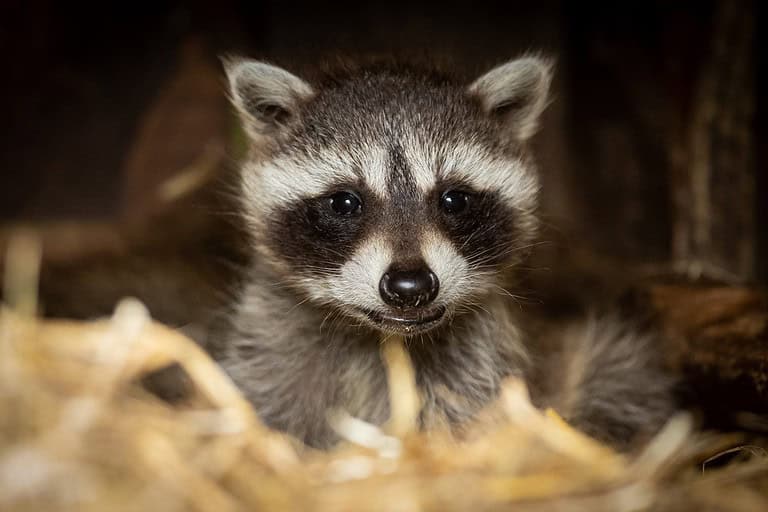
Native furbearers like raccoons, foxes, and bobcats, as well as many non-native species, are included in these wildlife importation rules. The Department of Natural Resources (SCDNR) may issue import or possession permits only after investigation and inspection.
Carnivores: Sale and Ownership Restrictions
South Carolina law also bans the sale of wild carnivores that are not typically domesticated. This category includes wild canids and other predators that are considered reservoirs of rabies. The statute prohibits these animals from being sold as pets. It also requires that if they are kept, they must not be allowed to run at large. Domesticated ferrets are exempt from these sales restrictions, but wild or hybridized carnivores are not.
Reptiles, Amphibians, and Threatened Species
South Carolina regulates threatened and endangered reptiles and amphibians under Title 50, Chapter 15. Species on the state’s threatened or endangered lists cannot be taken, possessed, transported, sold, or shipped except under scientific or conservation permits issued by SCDNR. This means that while some non-native reptiles may be kept if not otherwise restricted by import or wildlife laws, native species with conservation status are off-limits without official permits.
What Might Be Allowed
South Carolina does not provide a single, clear “approved exotic pet list.” Statutes specify certain prohibited animals but leave gaps regarding other species. South Carolina law does not specifically prohibit ownership of animals like kangaroos or certain hybrids. However, local ordinances and other regulations may restrict or ban their possession.
Regardless of species, individuals cannot legally import wildlife without proper permits, and local governments may impose stricter bans than state law. Because state statutes focus heavily on prohibition, import restriction, and native wildlife protection, the absence of a clear “legal to own” list does not imply freedom to possess exotic animals.
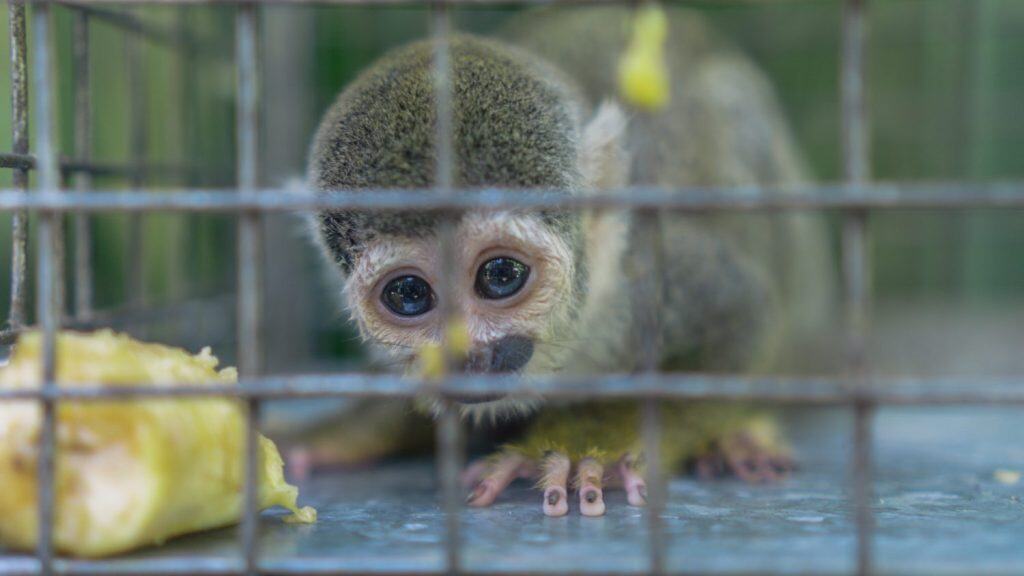
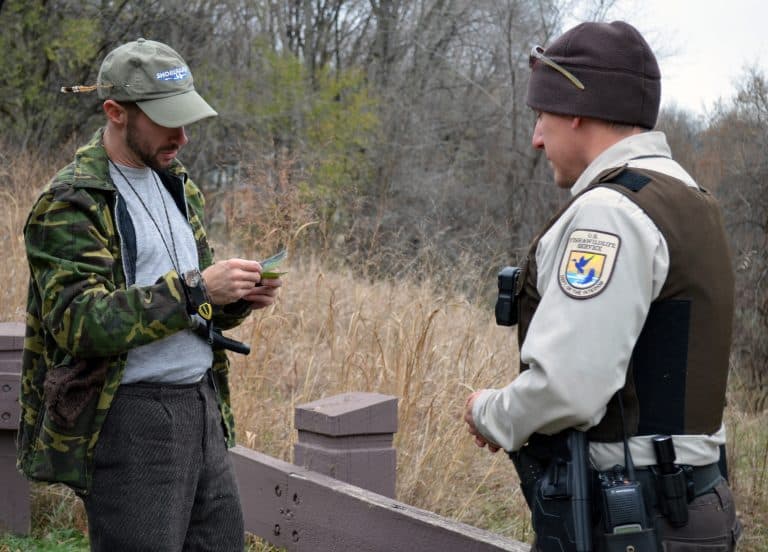
If you break the laws related to exotic animals, the animal can be seized by state agencies, and you could be subject to fines and criminal penalties.
©Andrew J. Clark/Shutterstock.com
Local Regulations Also Matter
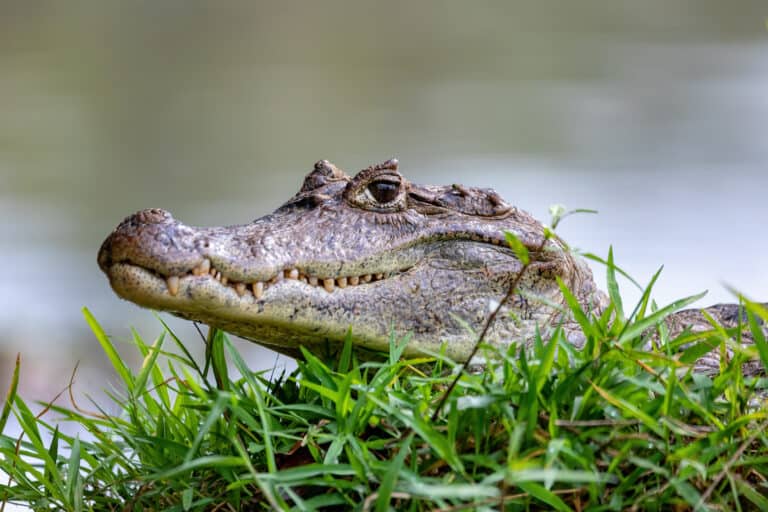
Cities and counties in South Carolina can adopt animal control ordinances that go beyond state law. For example, the City of Florence passed an ordinance banning ownership of wild and exotic animals after a 2024 incident in which a resident was bitten by venomous snakes he was keeping at home. The ban includes alligators, crocodiles, large non-domestic primates, wolves, foxes, venomous snakes, and other high-risk species, reflecting community safety concerns. This local action illustrates that even where state law is silent, municipalities can fill regulatory gaps to address perceived risks.
Disease and Public Health Considerations
South Carolina’s Department of Health and Environmental Control (SCDHEC) discourages keeping wild species as pets because they can carry diseases like rabies and other zoonoses. The absence of approved vaccinations for many wildlife species heightens these public health concerns. The state’s rabies rules also have practical effects: contact with a wild animal, even one kept as a pet, can trigger quarantine or euthanasia requirements under public health law.
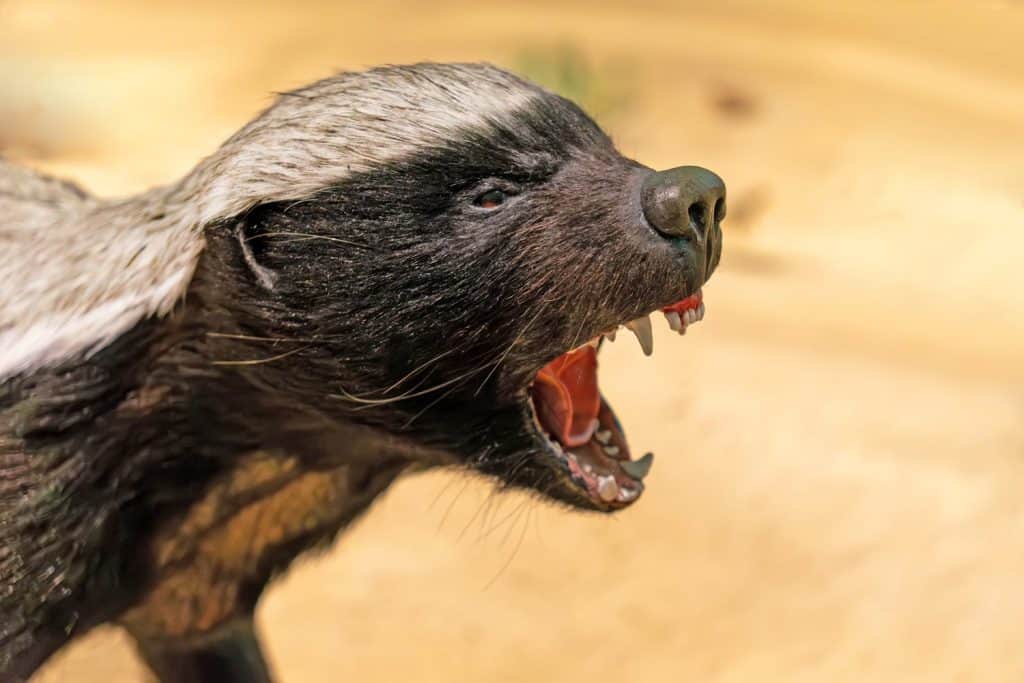
Exotic pets pose a greater risk of disease transmission, generally speaking, than conventional domestic pets.
©Melnikov Dmitriy/Shutterstock.com
Penalties and Enforcement
Violating wildlife importation restrictions, prohibited species laws, or local ordinances can result in seizure of animals, fines, and criminal charges. Because multiple agencies may be involved (SCDNR, SCDHEC, local animal control), enforcement outcomes may vary based on jurisdiction and the species involved.
How to Verify Current Rules
It’s always important to verify the current rules directly with the relevant government agencies. Anyone considering an exotic or wild animal in South Carolina should consult:
- South Carolina Code of Laws (Title 47, Chapter 2) for prohibited species provisions.
- South Carolina Department of Natural Resources (SCDNR) for import permits and wildlife rules.
- Local city or county ordinances for additional restrictions, such as Florence’s ban.
- South Carolina Department of Health and Environmental Control (SCDHEC) for disease and rabies rules.
Making a Responsible Choice
South Carolina’s exotic animal laws reflect a balance between protecting public safety, preserving native wildlife, and allowing limited, regulated interactions with wildlife in controlled contexts. For most people, owning a truly wild or exotic animal without legal authorization is both unclear under the law and inadvisable. Because the law is fragmented rather than comprehensive, verifying legality at both the state and local levels — along with understanding health and safety implications — is essential before acquiring any such animal.