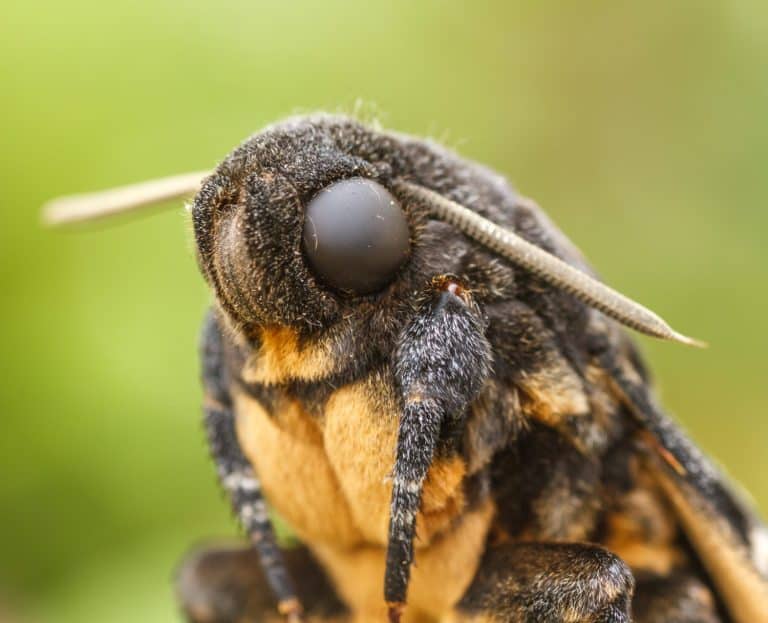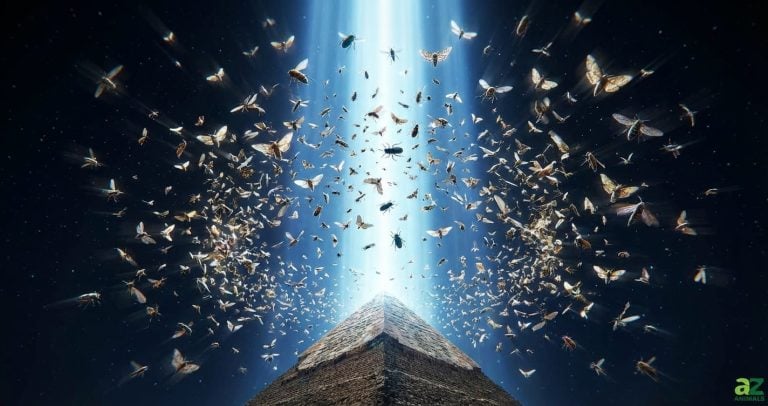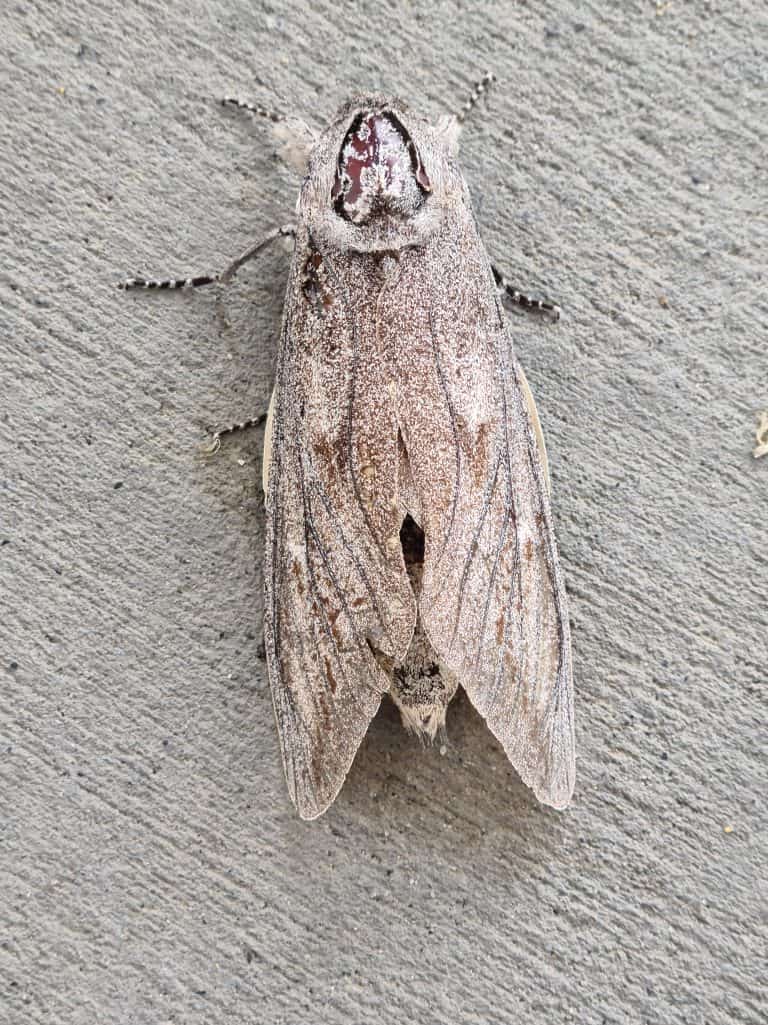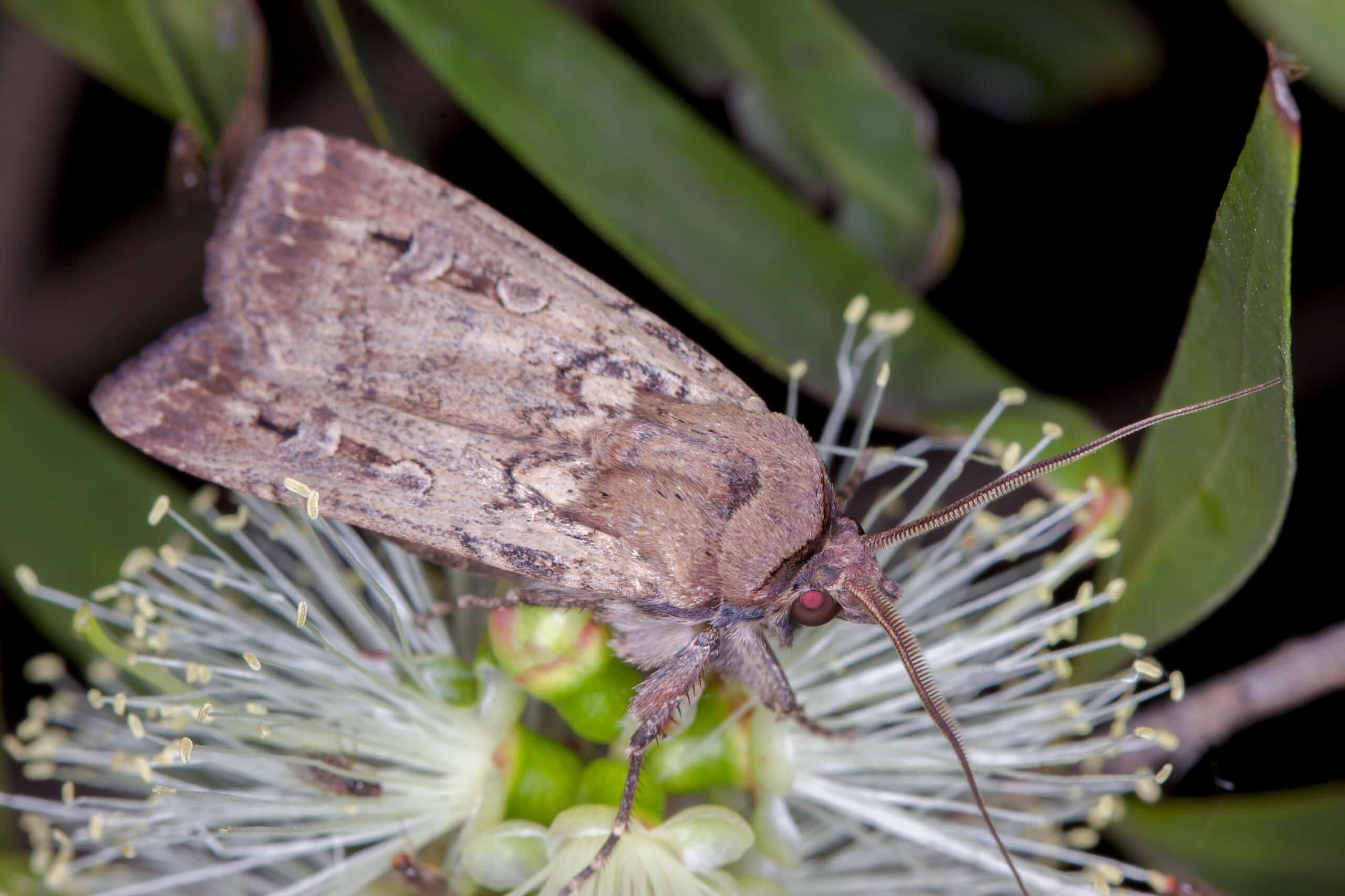

Each year, Bogong moths in Australia embark on a 620-mile journey to escape the summer heat by retreating to cool alpine caves. These nocturnal insects then return home to breed and die, completing a round-trip migration that has long puzzled scientists. A new study, however, has uncovered an astonishing secret: these moths navigate using the stars, making them the first invertebrates known to do so over such long distances.
The remarkable research, published in Nature, reveals how Bogong moths rely on celestial aspects of the night sky, alongside Earth’s magnetic field, to find their way. In lab tests, when star patterns were scrambled, the moths became disoriented. When patterns remained natural, they managed precise navigation. This is all the more stunning because these insects have very tiny brains; we’re talking smaller than a grain of rice! Scientists still don’t know which celestial features guide them, but possibilities include the Milky Way or other bright markers.
This slideshow details the science behind such an extraordinary discovery. We explore how researchers cracked the moths’ secret, what it tells us about insect intelligence, and which other animals navigate by starlight. The new finding is an awe-inspiring example of nature’s magnificent tiny travelers.
Bogong Moths: Tiny Navigators of the Night
©dhw688/Shutterstock.com
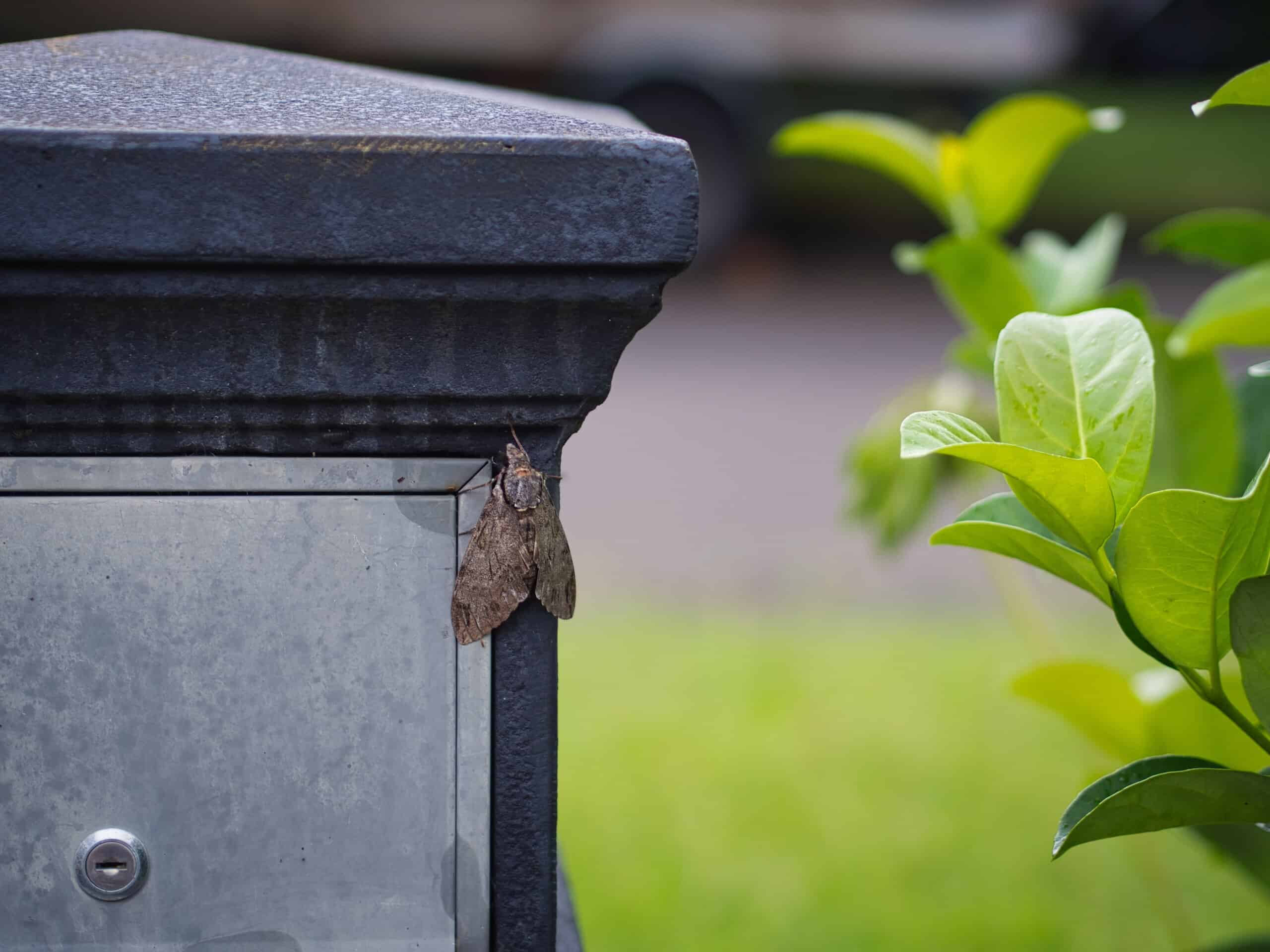
- Bogong moths migrate over 620 miles each year across Australia.
- They travel to cool alpine caves to escape summer heat and later return to breed.
- These nocturnal moths are guided not by sight or memory—but by stars.
- They’re the first known invertebrates to use celestial navigation over such distances.
Star-Guided Navigation

©lightphoto/iStock via Getty Images
- Birds are known to use starlight, but this is a first for insects.
- Scientists suspected stars played a role due to their consistent night patterns.
- The moths’ journey had long puzzled researchers—until now.
- New studies show moths use stars to find locations they’ve never visited before.
Inside the Experiment

©sripfoto/Shutterstock.com
- Researchers placed moths in a flight simulator that mimicked the real night sky.
- Earth’s magnetic field was blocked out to isolate visual cues.
- When star patterns were normal, moths flew in the correct direction.
- Scrambled stars disoriented the moths, proving they rely on celestial orientation.
How Moths Read the Sky

©Michael Ridall/Shutterstock.com
- Moth brain cells responded to specific alignments of stars in the night sky.
- Scientists don’t yet know exactly which features guide the moths.
- Possibilities include the Milky Way or bright nebulae as reference points.
- These cues are likely used in combination with Earth’s magnetic field.
Brains Smaller Than Rice, But Smart

©Brent Hofacker/Shutterstock.com
- Bogong moth brains are tiny—smaller than a grain of rice.
- Despite that, they manage a long and complex migration each year.
- It’s an impressive example of sophisticated navigation in a small package.
- Their behavior challenges assumptions about invertebrate intelligence.
Other Creatures That Follow the Stars
©Villiers Steyn/Shutterstock.com
- Birds have long used stars to migrate across continents.
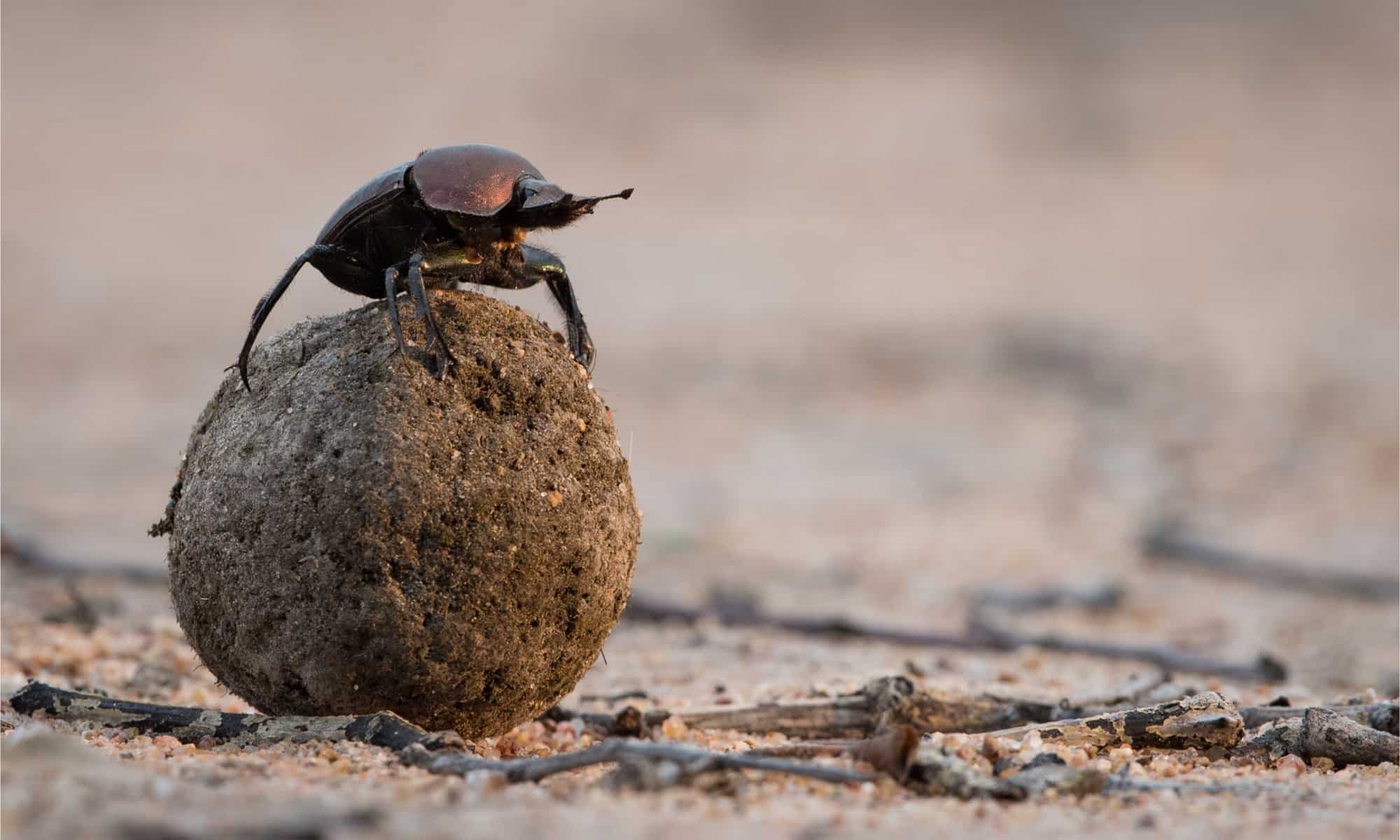
- Dung beetles use the Milky Way to roll dung in a straight line.
- Bogong moths now join this elite group of celestial navigators.
- It reveals how nature finds elegant ways to solve directional challenges.