
Quick Take
- Young birds complete migration routes they've never flown before, and scientists genuinely have no idea how they do it. Explore the navigation mystery →
- Your cat purrs when happy, but also when injured or terrified, but what is the real reason behind this familiar sound? Unpack the purring puzzle →
- Ant colonies pull off feats of engineering with zero central command, and the mechanism behind it still baffles researchers. See how colonies self-organize →
- Dogs can detect cancer before symptoms appear, but smell alone may not be the whole story. Discover how dogs detect illness →
Animals have evolved some truly bizarre behaviors, and even after decades of research and the aid of modern technology, scientists still don’t fully understand many of them. Some actions appear based on extreme intelligence or instinct while others seem almost supernatural. Scientists pour countless hours and research funds into studying these mysteries, only to end up with more questions than answers. These unexplained behaviors range from odd navigation patterns to spooky communication skills. They all remind us that nature still holds secrets.
1. Birds Navigating Thousands of Miles Without Getting Lost
©iStock.com/Imogen Warren
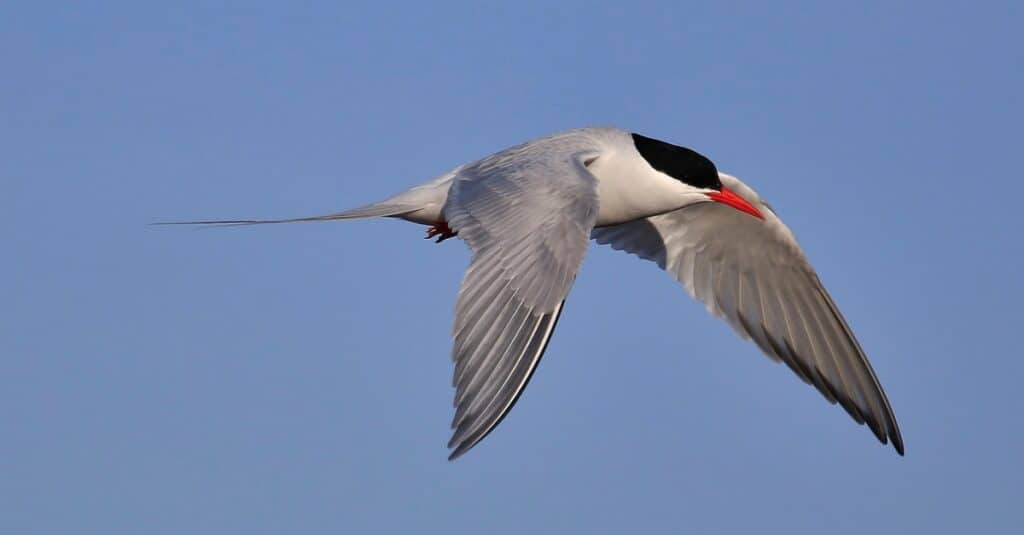
Many migratory birds travel thousands of miles each year. We often say a species goes south for the winter, but they don’t just fly in a generally southern direction. They navigate to specific locations with astonishing accuracy. Species like Arctic terns and bar-tailed godwits cross oceans and continents, as though they are using some sort of internal GPS. Scientists have explored several theories, believing birds may use Earth’s magnetic field, the stars, or even smells to guide themselves. And while it’s impressive enough for an adult bird to do this, researchers still cannot explain how young birds complete routes they have never traveled before. The precision of bird migration remains one of nature’s greatest mysteries.
2. Cats Purring

©vladans/iStock via Getty Images
Purring is one of the coolest feline abilities, but what is its purpose? We all know cats famously purr when they are happy, but scientists are especially stumped over the fact that they also purr when sick, frightened, or injured. Scientists think purring may have a self-healing effect because the vibrations occur at frequencies associated with tissue repair. Some think it is a form of self-soothing, providing cats comfort during stressful events. Even so, experts are still unsure exactly why cats developed this behavior or what it may accomplish.
3. Elephants Mourning Their Dead
©Stu Porter/Shutterstock.com
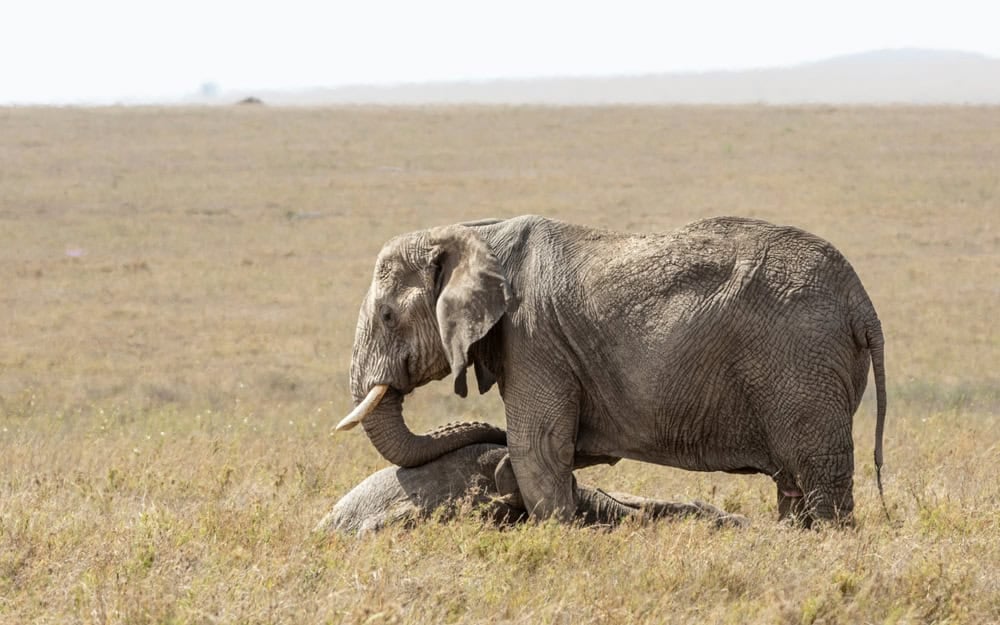
Elephants have been observed standing quietly around the bones of deceased elephants for long periods of time. They sometimes touch skulls or tusks gently with their trunks and appear visibly distressed. Scientists debate what this behavior indicates. Is it a sign of grief or a more instinctive social response? What scientists do agree on is the remarkable emotional depth shown by elephants.
4. Dolphins Seeming to Recognize Themselves
©Andrea Izzotti/Shutterstock.com
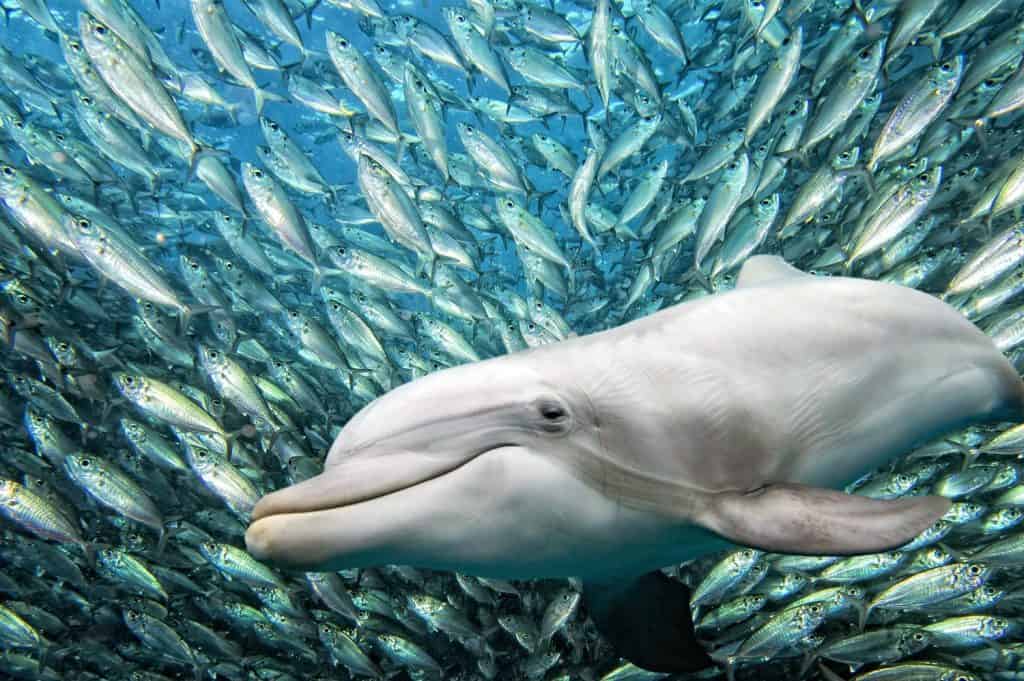
Dolphins can pass the mirror test, meaning they are capable of recognizing their own reflections. This ability, which is rare in the animal kingdom, has long been considered a sign of high intelligence and advanced self-awareness. Scientists know dolphins are extremely smart, but their full mental capabilities are difficult to measure. Amazingly, some studies suggest dolphins may have complex emotional lives similar to humans. Research into how dolphins perceive themselves is ongoing.
5. Ant Colonies Acting Collectively
©iStock.com/Cabezonication
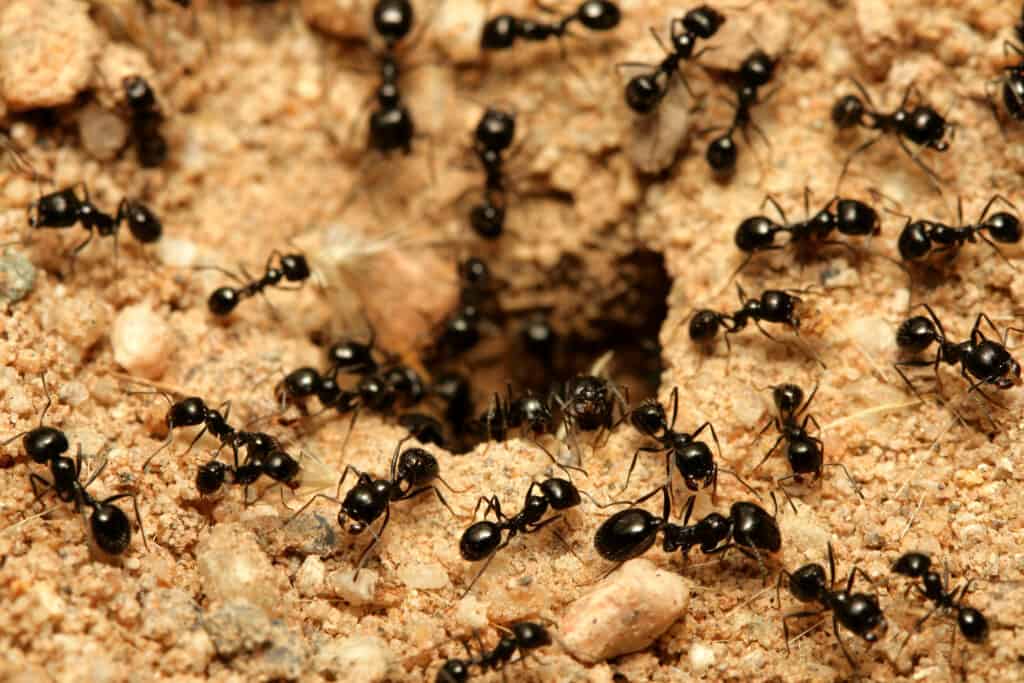
Ant colonies essentially function as one giant organism. Each ant has its own tiny brain, but they spend their entire lives working together through impressive coordination. Entire colonies can build structures, fight wars, and organize food collection. However, without any apparent central control, scientists struggle to understand how they do it. Experts describe ant colonies as “superorganisms” because they behave almost like a single living creature. Researchers still do not fully understand how such tiny insects are capable of sophisticated teamwork.
6. Dogs Knowing When Humans Are Sick

©PeopleImages/Shutterstock.com
Many dogs seem capable of sensing a variety of illnesses and medical conditions, such as seizures, low blood sugar, or even certain cancers. Scientists believe dogs do this through their heightened sense of smell. They can literally sniff out chemical changes in the human body. However, some dogs also react to emotional distress before any obvious signs appear. Could this also be based on chemical detection? Researchers are still trying to understand just how much dogs can perceive about human health and what mechanisms they use to do so. Their abilities definitely seem beyond ordinary animal instincts.
7. Whales Singing Complex Songs
©eco2drew/iStock via Getty Images
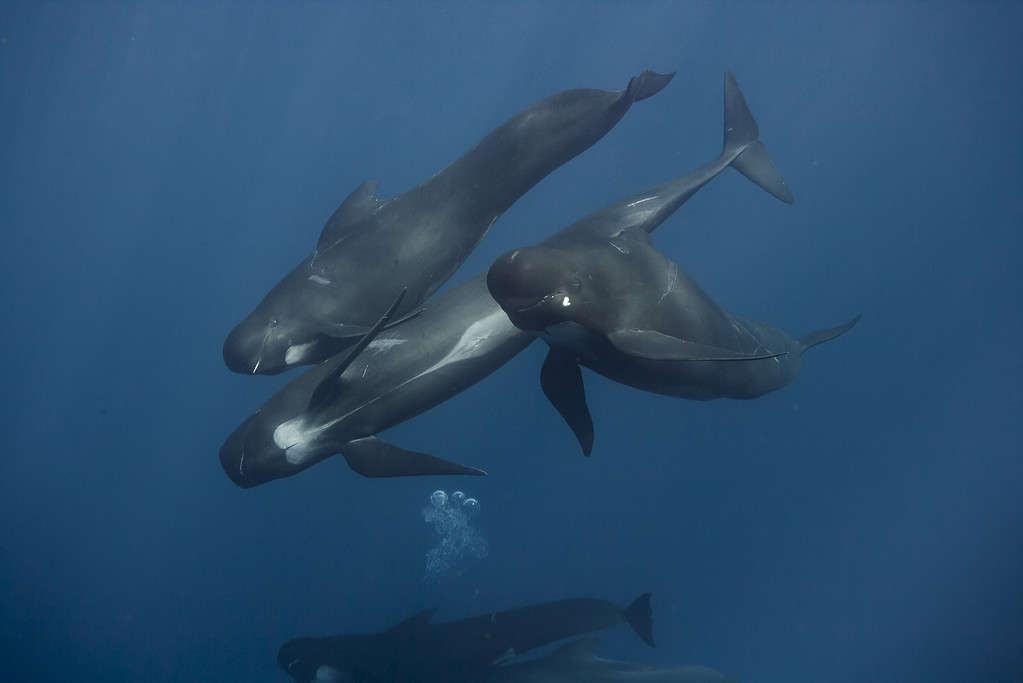
Humpback whales make elaborate songs that can last for hours and vary over time. Entire whale populations sometimes add new songs to their collective repertoire, almost like the latest musical trend spreading through the ocean. Scientists believe these beautiful sounds are connected to group communication or mating. Still, researchers cannot decode exactly what the whales are saying, though high-tech, AI-based research is currently being used to hopefully get us one step closer to understanding whale language.
8. Octopus Intelligence
©SergeUWPhoto/Shutterstock.com
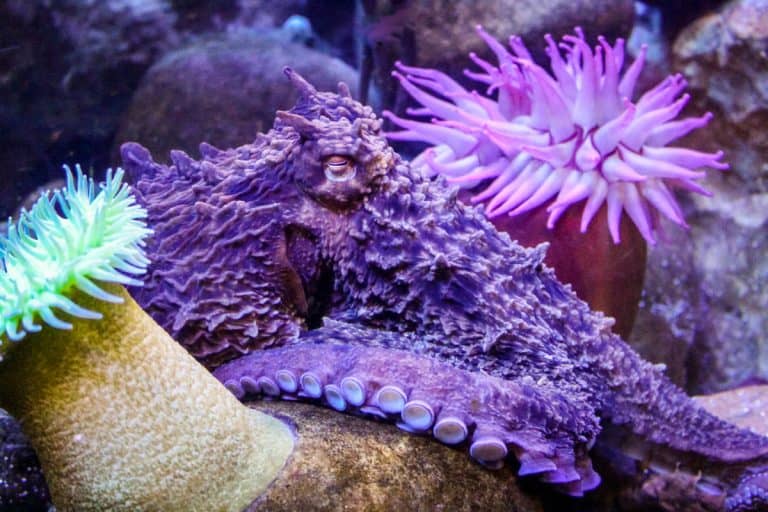
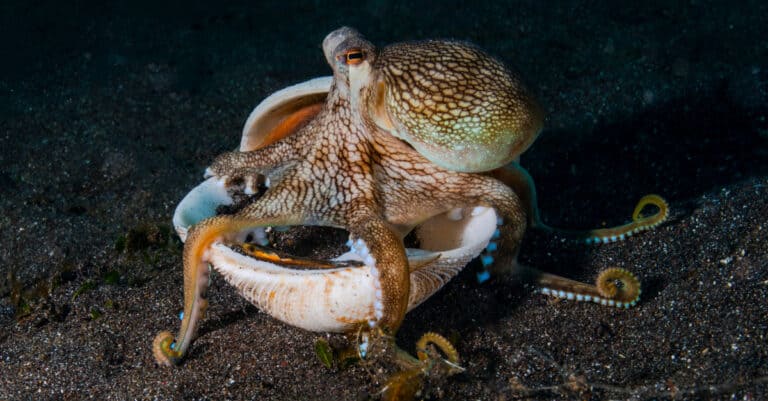
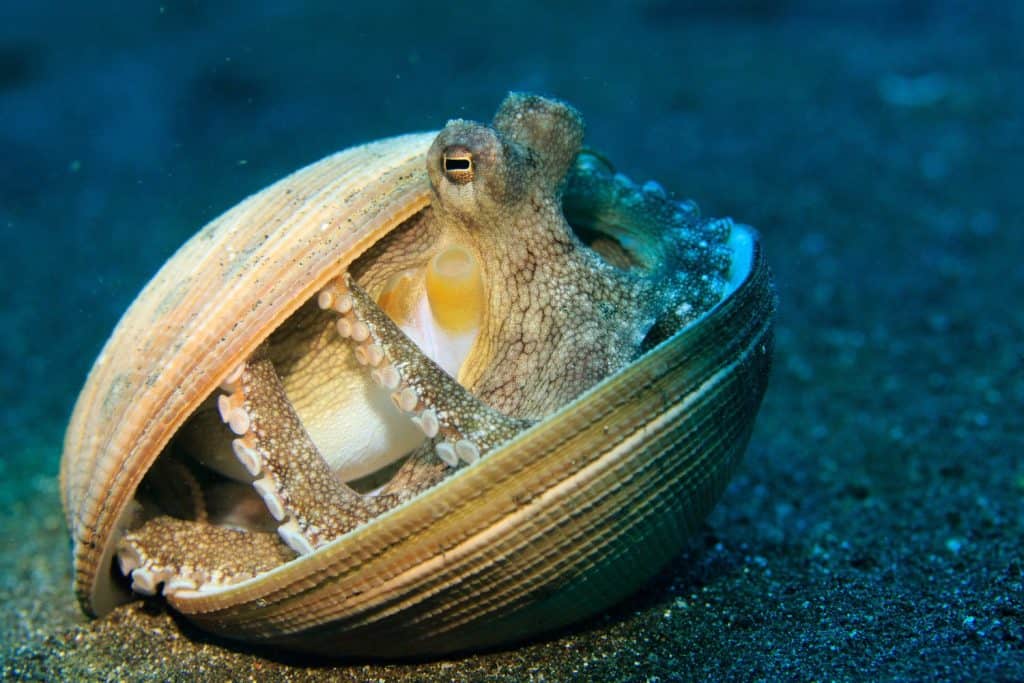
Octopuses are famous for a variety of extraordinary abilities, including escaping tanks, unscrewing lids, and solving puzzles. Their intelligence is especially remarkable as they are invertebrates and evolved separately from mammals for hundreds of millions of years. Because much of their nervous system is spread throughout their arms in the form of multiple mini-brains, scientists still debate how octopus consciousness works. The octopus mind remains one of biology’s most fascinating puzzles.
9. Sea Turtles Returning to the Exact Beach Where They Hatched
©JB Manning/Shutterstock.com
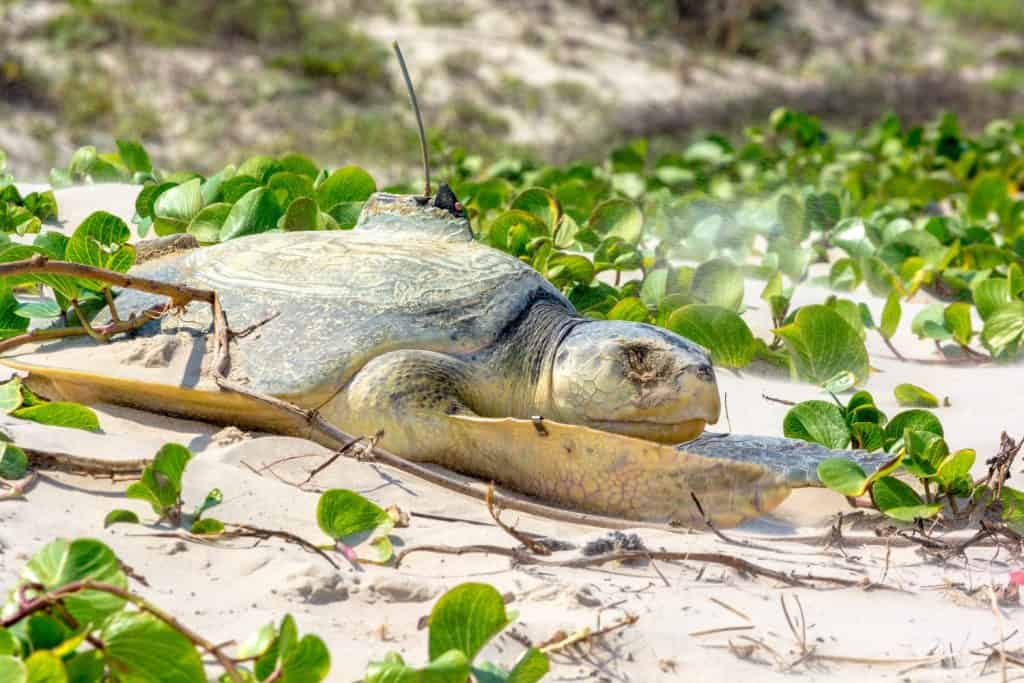
Sea turtles often return to the same beach where they were born decades earlier. Though they haven’t stepped foot (flipper) on this beach since they were infants, and have since traveled the world’s expansive oceans, they still manage to find their beach of origin. Scientists suspect turtles have the amazing ability to imprint on Earth’s magnetic field while still hatchlings. Even assuming this to be true, the precision of their navigation is still difficult to explain. Their journeys are one of the most impressive migrations in the world.
10. Fireflies Synchronizing Their Flashing

©Fer Gregory/Shutterstock.com
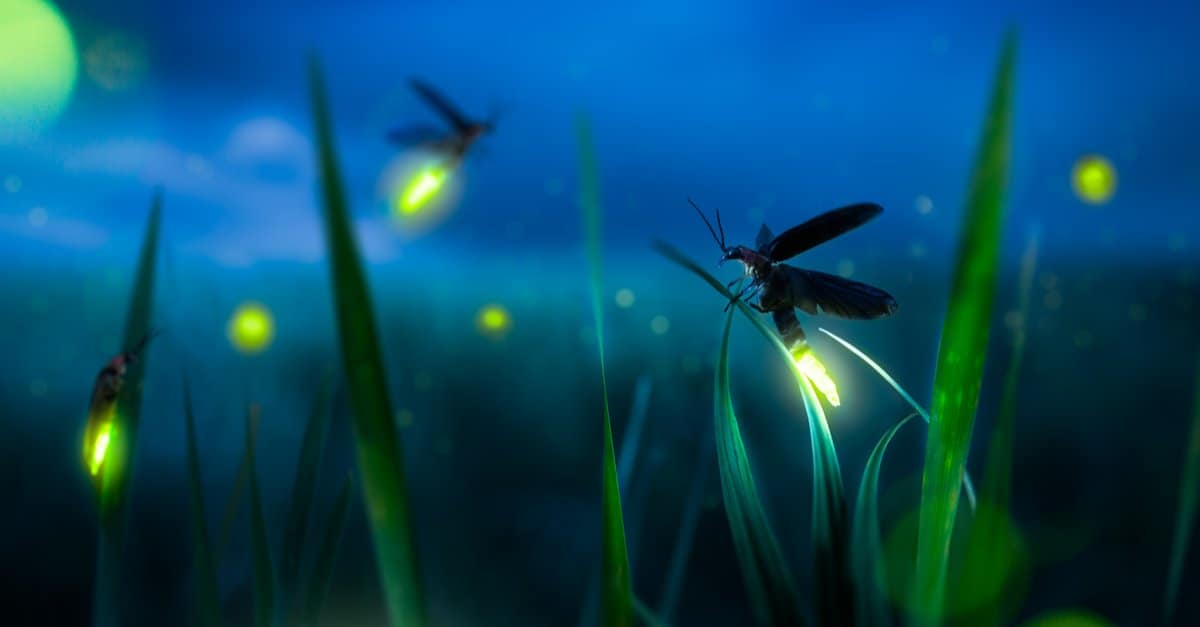
In some parts of the world, thousands of fireflies flash in unison. Entire forests can pulse rhythmically and eerily, as if controlled by some invisible power. Scientists think the unique synchronization may aid in fireflies attracting mates. Though understanding the reason behind the act is not the same as understanding how they manage to accomplish it. How can huge groups coordinate so precisely to create this magical display?