
Quick Take
- One popular mouse repellent smells great to you but may fade faster than you'd hope.
- A common pantry spice irritates mice, but only if you prepare it the right way.
- Some scents that drive mice away could put your pets in real danger.
- One old-school household remedy may do far more harm to you than to the mice.
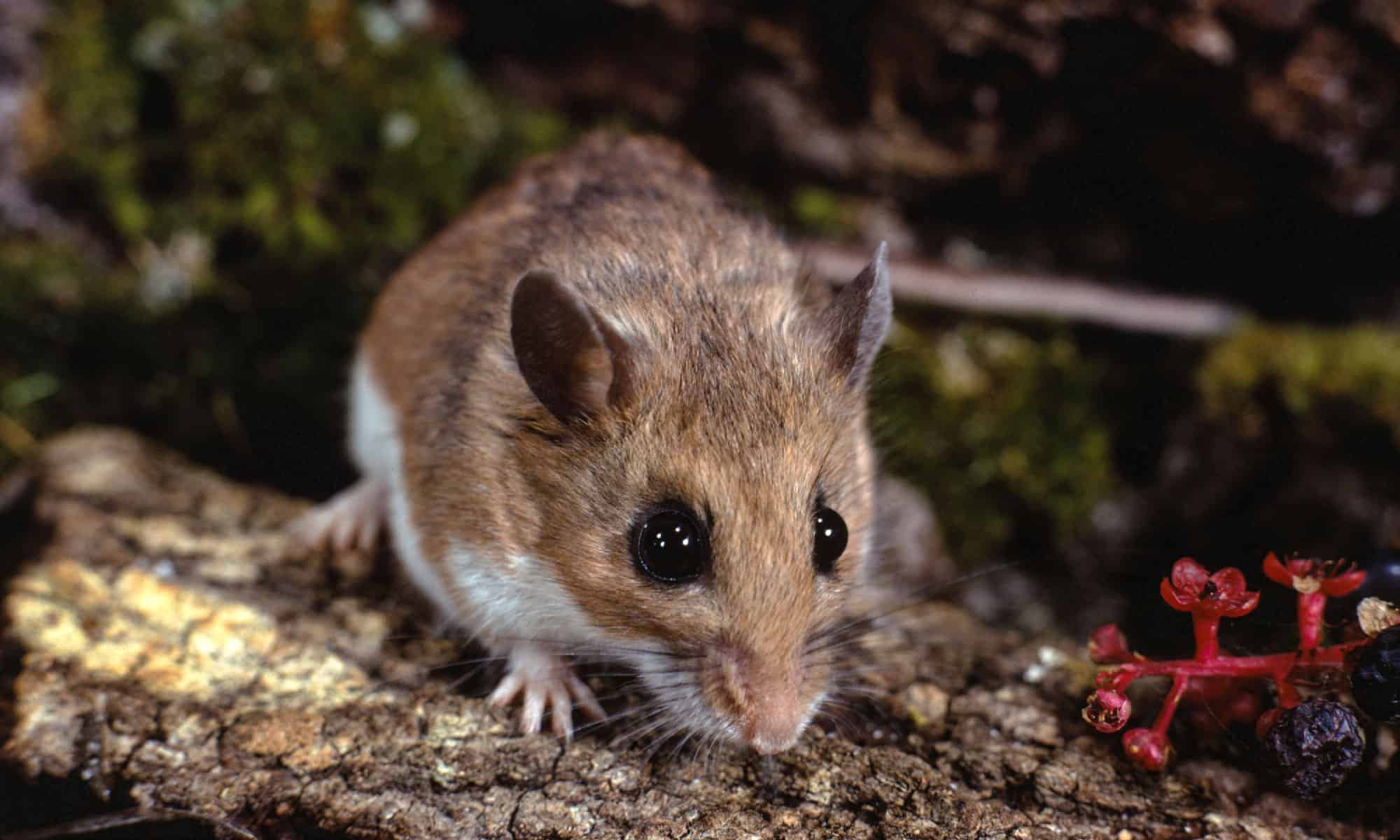
Mice are small rodents that can cause big problems. From tearing up your home and leaving their droppings everywhere to their ability to spread a variety of diseases to humans, keeping them out of your home is paramount, and knowing the smells they dislike can give you an edge. So, what smells do mice hate the most? Continue reading to discover numerous scents that mice are known to detest and how you can use them to your advantage to keep these tiny mammals out of your home.
Peppermint Oil
Peppermint oil is an essential oil used to deter mice and rats. If you’ve ever smelled it, you’ll know why that’s the case. This stuff smells great in small amounts, but it can be potent when concentrated.

People have used peppermint oil to keep mice away with some success.
©Madeleine Steinbach/Shutterstock.com
Peppermint oil is among the smells that mice hate the most, and it’s often used to keep them out of areas around homes. Saturate cotton balls with peppermint oil and place them in trouble spots. Mice may stay away for a short time, but the scent fades quickly, so the cotton balls need to be replaced often.
Commercial peppermint sprays are also available.
Cayenne Pepper
Another scent that mice don’t like is cayenne pepper, as well as many other types of pepper. Not only does cayenne pepper have a strong smell, but it can also be a skin irritant.

Cayenne pepper flakes or powder can be sprinkled around your home to deter mice.
©Thanatip S./Shutterstock.com
To use cayenne pepper as a mouse repellent, sprinkle the dry powder directly where mouse activity has been noted, at entryways, and at exit points. To make a DIY cayenne pepper spray, mix one tablespoon of powdered cayenne pepper with one quart of warm water, adding a few drops of liquid dish soap to help the solution stick to surfaces. Let the mixture steep overnight, then strain it carefully through a cheesecloth or fine-mesh sieve into a spray bottle to prevent the solid particles from clogging the nozzle. You can then spray the liquid along baseboards, entry points, and cracks where mice travel. The active compound in cayenne pepper, capsaicin, irritates the sensitive noses and mouths of mice, discouraging them from lingering.
Cinnamon
Cinnamon is a very powerful smell that can deter and irritate mice. You can’t just throw down some sticks of cinnamon, though. Instead, you need to soak cotton balls in pure cinnamon oil and place them in spots where you think mice are getting into your home.

Cinnamon oil-soaked cotton balls placed near potential mouse entry points can keep them from coming inside.
©iStock.com/Diana Taliun
Cloves
Cloves deter mice because their high concentration of eugenol emits a strong, pungent aroma that overwhelms their sensitive olfactory senses, effectively driving them away from treated areas. Whole cloves, essential oil-soaked cotton balls, or diluted clove sprays near entry points and baseboards create a natural barrier.

Mice hate the strong scent of cloves.
©DeeaF/Shutterstock.com
However, the use of cloves introduces notable hazards, particularly regarding the high toxicity of concentrated clove oil to household pets. If ingested or absorbed through the skin, eugenol can cause severe liver damage, respiratory distress, and neurological issues in cats and dogs, making this method unsafe for households with domestic animals.
Ammonia
Ammonia is often said to deter mice because its sharp, pungent odor resembles the urine of natural predators like domestic cats, though this explanation is not well supported by evidence. The sheer intensity of the vapor acts as a harsh respiratory irritant on its own. The sheer intensity of the vapor acts as a harsh respiratory irritant on its own.
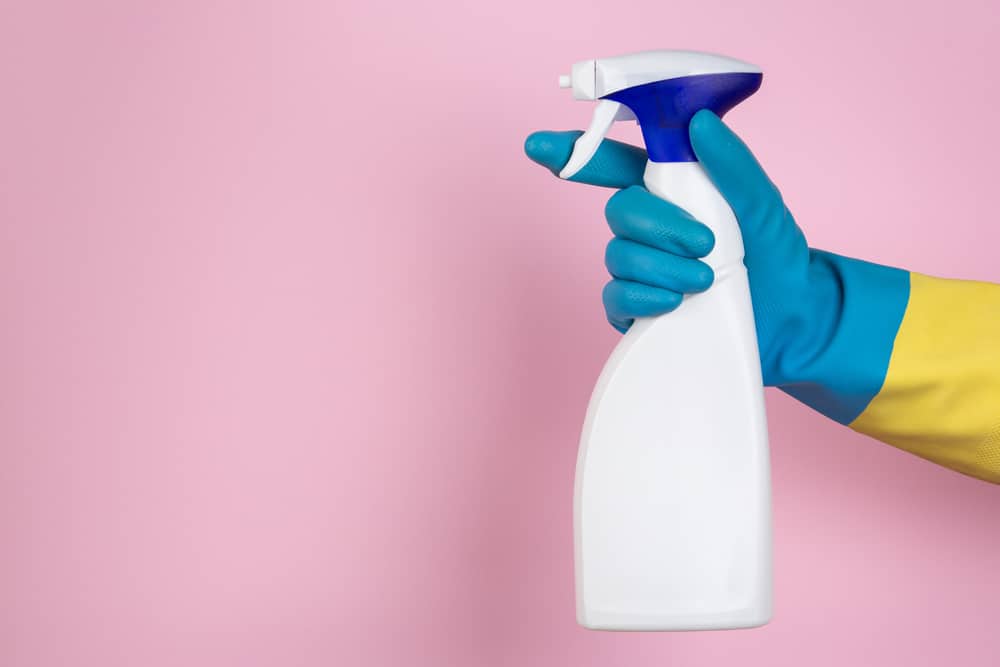
Ammonia is a potent chemical, so it must be used carefully.
©Sergio Rojo/Shutterstock.com
However, using ammonia safely presents significant practical challenges; placing open containers of the chemical in cabinets effectively repels pests but forces residents to endure the same overwhelming fumes. Furthermore, because ammonia is highly toxic, it should be avoided in households with small children or pets and, if used at all, requires extreme caution and strict containment.
Mothballs
Mothballs are largely ineffective at deterring mice and pose significant health dangers to humans and pets. They contain naphthalene or paradichlorobenzene, chemicals that produce a pungent odor. The amount of gas they release is rarely concentrated enough in open spaces to permanently drive rodents away, as mice will simply avoid the immediate area or tolerate the smell.
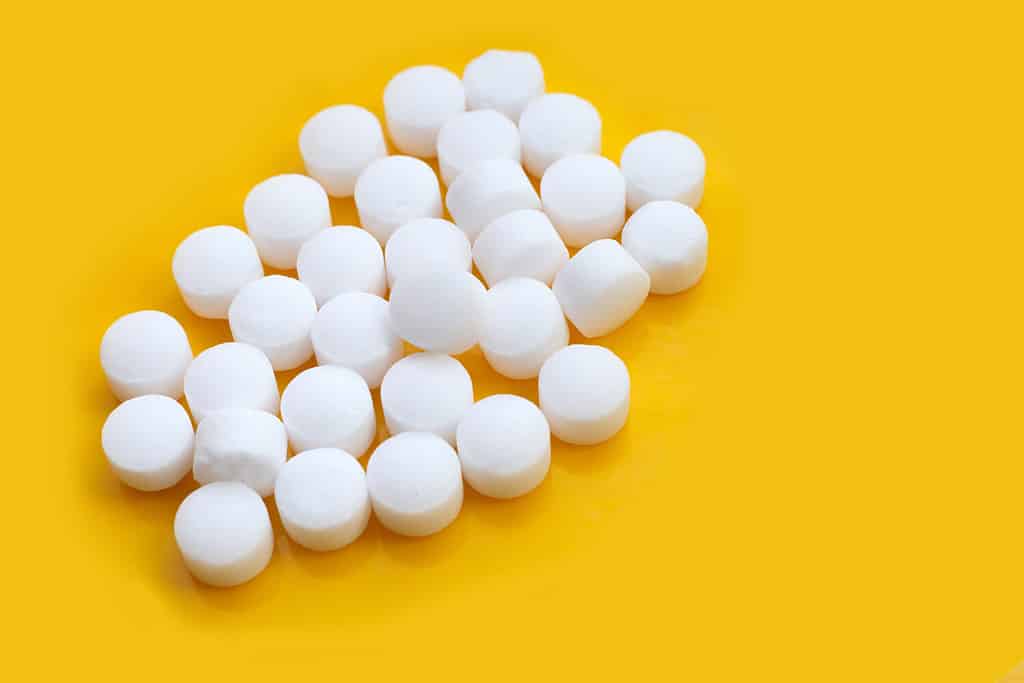
Mothballs are not an effective mouse deterrent.
©Bowonpat Sakaew/Shutterstock.com
Moreover, using mothballs as an indoor rodent repellent can contaminate indoor air. Inhaling the toxic fumes over time can cause headaches, nausea, dizziness, and respiratory irritation in humans, while accidental ingestion by curious pets or young children can lead to life-threatening poisoning, making them an unsafe trade-off for minor rodent deterrence.