
Quick Take
- Koalas smell minty because their eucalyptus-heavy diet infuses their skin and fur with aromatic plant oils like cineole, shaping scent, health, and survival.
- Their extreme dietary specialization affects digestion, behavior, energy use, and produces a consistent scent that reflects habitat and food quality.
- Koala scent varies by age and sex, with adult males producing stronger, musky odors used for communication and territory marking.
- The same plant chemistry that gives koalas their scent also deters insects, offering a biological parallel to how humans use menthol and peppermint oils as short-term repellents.
Walk through an Australian eucalyptus forest and a sharp, minty smell may drift through the air. Eucalyptus leaves release aromatic oils that spread through the forest, especially on warm days. Koalas, which spend nearly their entire lives in these trees and eat their foliage almost exclusively, absorb those same oils through constant contact and feeding. Over time, the scent transfers to their fur and skin, giving koalas a menthol-like aroma.
This smell reflects diet, health, and survival. The same chemicals that flavor eucalyptus leaves help koalas manage parasites and send signals to other koalas. Looking closely at why these adorable animals smell this way shows how food, chemistry, and habitat connect in everyday life—and suggests humans might follow their example to keep insects away by smelling minty fresh!
Eucalyptus Vapors: Strong and Dangerous
In Australia, Eucalyptus trees release large amounts of volatile organic compounds, mainly eucalyptus oil vapors. On warm days, these oils evaporate into the air and can form a visible bluish haze over forests. The vapors themselves are highly flammable. While the haze does not usually ignite on its own, it can intensify fires once ignition occurs by adding combustible gases to the air around the forest canopy. This can help fires spread faster and burn more intensely.
The bigger risk comes from how eucalyptus chemistry combines with dry conditions. Eucalyptus leaves, bark, and oils all burn readily, and shedding bark can act as firebrands that carry flames ahead of a fire front. In severe heat and low humidity, oil-rich air near the trees can contribute to explosive fire behavior, including crown fires. For this reason, eucalyptus forests are closely associated with extreme wildfire conditions in Australia, particularly during heat waves and droughts.
Given the intensity of these vapors, how do they affect koalas, who make eucalyptus their primary food source?
Eucalyptus Specialists with Extreme Diets
Koalas spend most of their lives in eucalyptus trees. Their diet is narrow and demanding. Eucalyptus leaves contain tough fibers and oils that repel most animals. Koalas solve this problem through careful selection and specialized digestion. They choose certain eucalyptus species that offer workable nutrition with manageable toxicity.

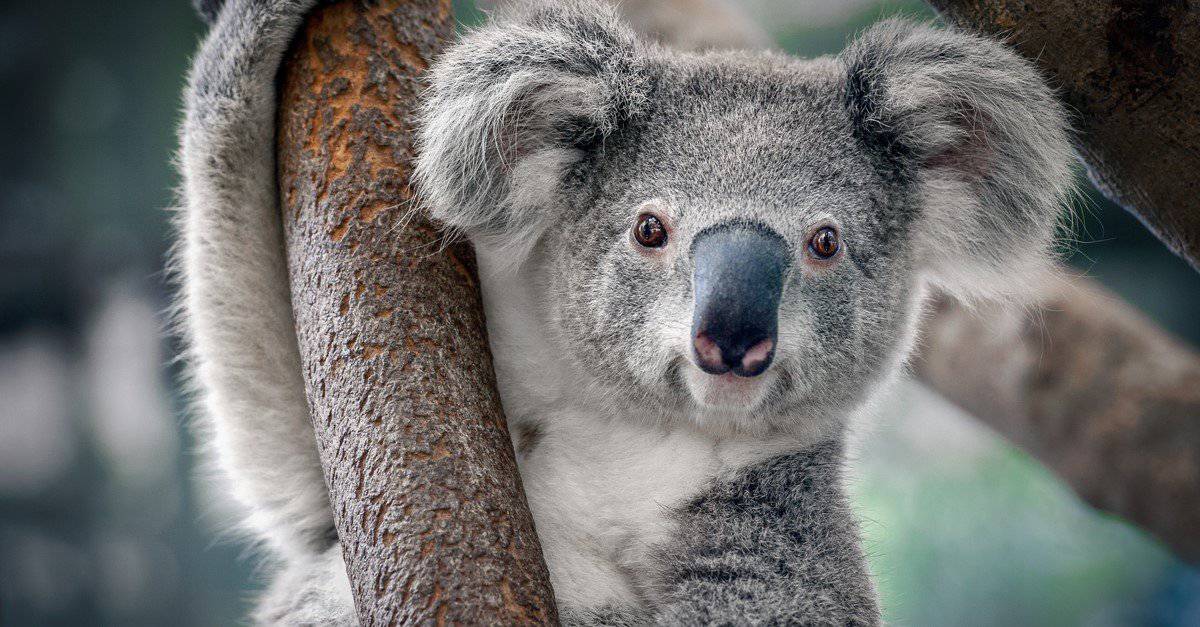
Koalas eat mostly eucalyptus leaves, and the oils from this diet influence their scent and daily survival.
©Manon van Os/Shutterstock.com
Their teeth slice and grind leaves into small pieces. Inside the body, a long cecum and specialized microbes break down fibrous material and detoxify oils. Koalas eat large quantities to meet their energy needs, then rest for long periods to conserve energy. This slow rhythm supports survival on a low-calorie diet. The oils that challenge digestion do not disappear after eating. They circulate through the body and influence skin and fur. Over time, this constant intake produces the recognizable scent people notice.
The Cough Drop Smell Explained
Eucalyptus leaves contain aromatic compounds such as cineole (eucalyptol), which has a minty, medicinal aroma similar to menthol, though it is a different compound. When koalas consume these leaves, the compounds spread beyond the digestive system. They reach the skin and fur, where they release a steady scent. Breathing eucalyptus vapors throughout the day strengthens the effect.
Young koalas and many females tend to carry a cleaner, lighter aroma. People often describe it as minty or medicinal. Males have a muskier mint odor. They grow scent glands on the chest that release strong secretions used for communication. Males rub these glands on tree trunks to mark territory. The smell carries information about identity and maturity. It can help females recognize adult males and warn rival males to keep their distance. This male scent is sharper than the familiar minty aroma.

Koala scent changes with age and sex, with adult males producing stronger odors used for communication.
©bmphotographer/Shutterstock.com
Eucalyptus Oils as Insect Deterrents
Eucalyptus oils do more than smell strong. Many insects avoid them. The compounds interfere with how insects detect hosts and navigate toward food. When koalas eat large amounts of eucalyptus, those oils coat the fur and surrounding air.
This chemical cloud may discourage fleas, ticks, and other parasites. It does not make koalas parasite-free, but it can help prevent heavy infestations. Living in eucalyptus trees reinforces the effect, since fresh leaves constantly release vapors.
Koala mothers expose young joeys to a range of eucalyptus species as they grow. They also feed fecal secretions to their babies to transfer gut microbes to them that aid in digestion of the tough leaves. This exposure teaches food selection and builds familiarity with different oil profiles. Over time, the oils shape diet choices, scent, and defense. The same chemicals that limit competitors also help protect the koala from biting insects.
Peppermint and Menthol in Human Repellents
Humans use similar plant chemistry for insect control. Peppermint oil contains menthol and related compounds. Many people apply diluted peppermint oil to skin, clothing, or household entry points. The scent disrupts insect behavior and makes treated areas less appealing.

Peppermint oil contains menthol compounds that many people use to discourage insects for short periods.
©Inga Gedrovicha/Shutterstock.com
Peppermint oil often repels mosquitoes, ants, spiders, and other pests for short periods. People tend to prefer it because it smells clean and feels gentle. It works best for brief outdoor activities rather than long exposure.
This approach mirrors the koala strategy. Strong plant scents create a chemical signal insects avoid. The difference lies in renewal. Koalas replenish oils through constant feeding. Humans must reapply oils to maintain effect. The principle stays the same, even if the delivery changes.
Why Plant-Based Repellents Fade Quickly
Essential oils evaporate fast. Menthol and similar compounds are volatile. They disperse into the air soon after application. This creates a strong initial scent that fades within hours. Heat and humidity speed up the process.
Synthetic repellents often last longer because their molecules evaporate more slowly or bind to skin. That makes them more reliable for long days outdoors. Plant-based repellents trade duration for comfort and scent.
Koalas do not face this problem. Each feeding renews the oil supply. Their environment supports constant exposure. Humans must choose between reapplication or stronger chemicals. Understanding this difference helps set realistic expectations for natural repellents.
Smell as a Signal of Koala Health
A koala’s scent can offer clues about health. Animals feeding on fresh, high-quality leaves often smell stronger and cleaner. When food quality drops or illness interferes with digestion, the scent may weaken or change.
Wildlife carers sometimes notice scent shifts during health checks. Smell joins sight and behavior as a diagnostic clue. While scent alone does not confirm illness, it can support other observations. The connection between smell and health reflects how tightly diet and survival link together.
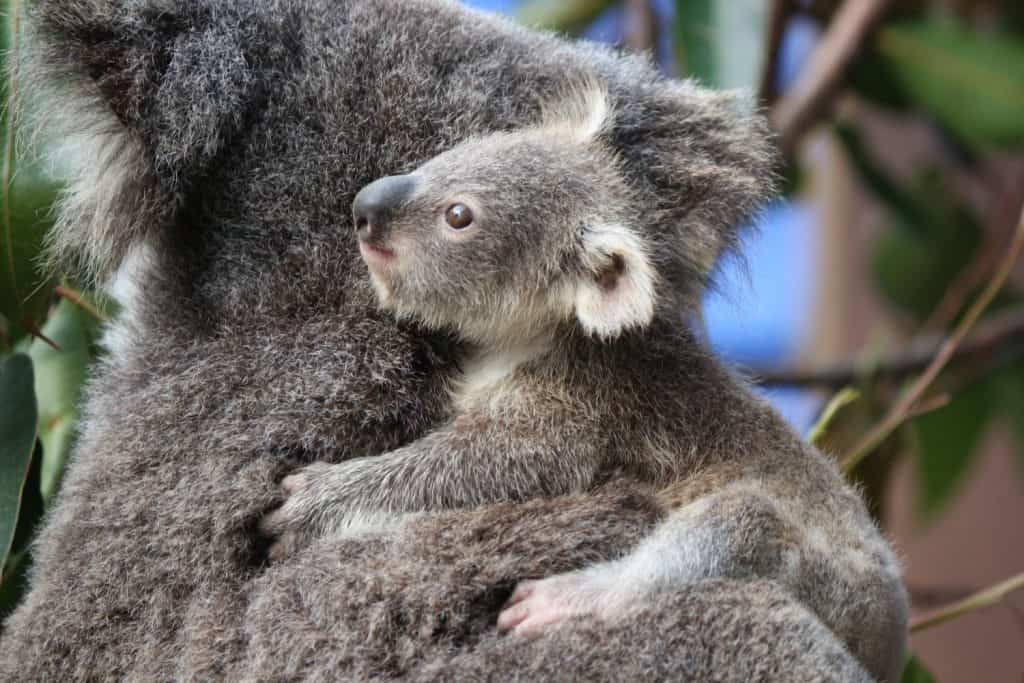
Young koalas often have softer eucalyptus scents, which can change as diet, health, and stress levels shift.
©Chaos2Light Images/Shutterstock.com
Borrowing the Koala Strategy Carefully
Humans sometimes have consumed eucalyptus leaves as part of traditional remedies but eating them in large quantities is not recommended due to potential toxicity. Using menthol as a scent topically is safer. Products that include menthol-rich oils such as peppermint or eucalyptus, paired with physical barriers like screens and protective clothing, can be a natural way to feel more comfortable when insects are annoying.
Menthol can be beneficial for humans in other ways as well, when applied as a topical cream, spray, or absorbed orally through a cough drop, but its effects depend on dose and context. It activates cold-sensitive receptors in the skin and airways, creating a cooling sensation that can ease minor pain, soothe sore throats, reduce the feeling of nasal congestion, and provide temporary relief from itching or muscle aches, and it has mild antimicrobial properties.
However, menthol does not actually open airways, and overuse can irritate skin or mucous membranes, especially in children or people with sensitivities. In moderate, targeted use, menthol is generally safe and helpful, but it works best as a short-term comfort aid rather than a treatment for underlying conditions.
What the Koala Smell Really Tells Us
Koala scent reflects complex biology. By eating eucalyptus and living among the plant’s vapors, they benefit from food, protection, and social signals. Their smell tells a story about chemistry and adaptation. People who use peppermint or eucalyptus oils tap into a similar idea. The approach relies on plant compounds that insects dislike. While the scale differs, the logic stays consistent.
Smelling like a koala is not about novelty. It is about understanding how animals use their environment to solve problems. In that sense, the familiar cough drop scent becomes a lesson in survival rather than a pleasant curiosity.