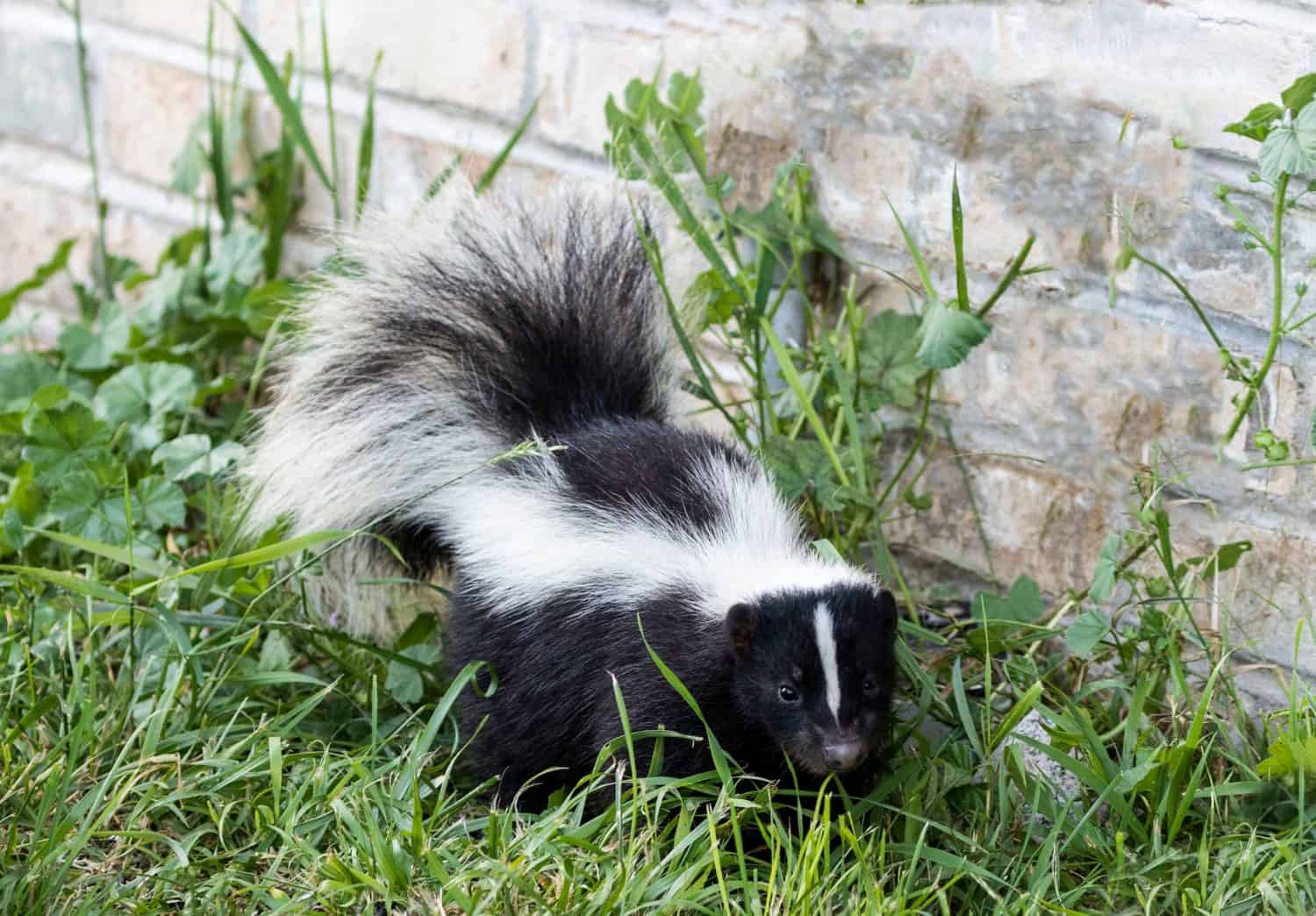

Quick Take
- The end of winter marks a mating cycle that necessitates immediate structural fortification.
- The scent and spray of skunks can cause respiratory issues, so protection is necessary.
- Motion sensor lights are a great deterrent against skunks.
As a homeowner, you need to be vigilant about keeping pests and outdoor animals at bay. It can be a costly endeavor, but it’s worth the effort. This is especially true when it comes to skunks. Once they find a place to live, they will make your home their home and cause issues around your property. The scent that skunks emit can permeate the walls of your house and cause respiratory issues, so skunk-proofing must be at the top of your list.
This guide will discuss the dangers posed by skunks and how to tell if they have taken up residence around your home this spring. Plus, there will be preventive tips to keep them at bay. This preventive maintenance is not only good for your health, but it can also help you avoid expensive wildlife removal services later in the year.
Why Skunks Come Out During the Spring Season
It’s vital that your skunk-proofing efforts begin near the end of winter because it won’t be long until the vast skunk population will start coming around. There are several reasons why you may see an uptick as the weather gets warmer. One of them is that they’ll be looking for food. Skunks don’t hibernate during the winter. Instead, they go into a state called torpor. That’s a time when they’re mostly inactive, but they live off the fat storage that they built up during the warmer seasons. At some point, their reserves will run out, and they’ll be looking to restock when it gets warmer.
One of the primary reasons why skunks are so much more common during the spring is that it’s also mating season. Female skunks only mate once per year. However, males will often mate with several different females. During this time, skunks will search widely to find mates, and that often includes going into your yard. Skunks will become increasingly active as temperatures continue to rise. The search for a mate is so crucial that many skunks will become less cautious, which increases the chance that they may brazenly wander into your yard.
After skunks mate in the spring, they’ll give birth to their litter during the summer months. Skunks have large litters with as many as seven pups at a time. To provide for their young, skunks will continue to forage for food. Then, after about two months, the young skunks will have the ability to go out and forage for themselves, and the chances of seeing them in your yard increase even more.
Skunks in Your Yard
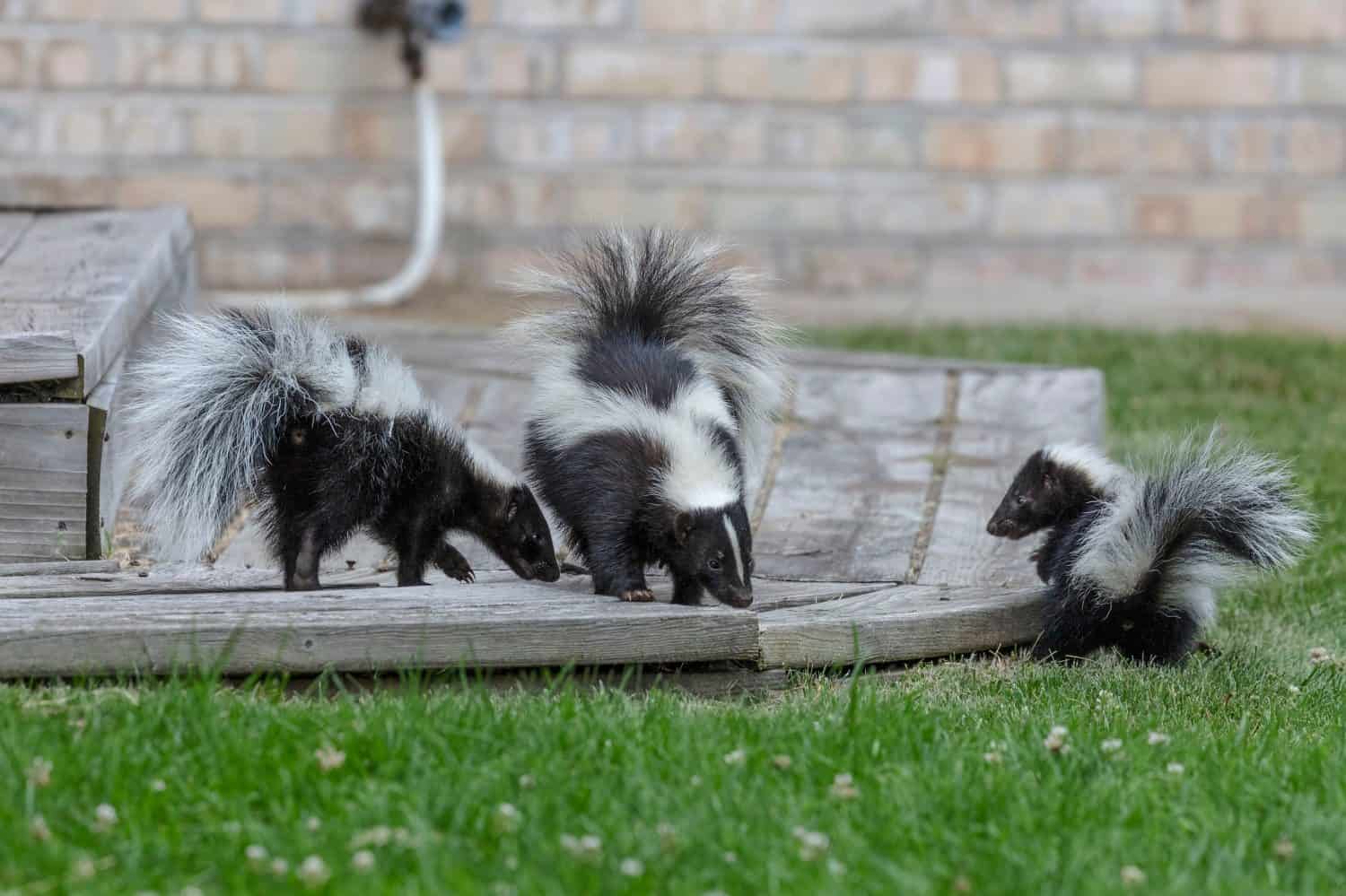
Skunks will find openings around your house to use as shelter for their dens.
©Karel Bock/Shutterstock.com
Throughout this process, skunks may try to find places to live on your property. Just like how you find shelter within your own home, skunks also want protection from predators and the elements. So, they’ll often find refuge in sheds, garages, and deck spaces. Urban areas also provide the chance for skunks to forage through trash cans for food. You may also find skunks burrowing and building their own dens under your deck. Basically, if you live in an area where skunks are common, and you have plenty of places around your home to hide, you’ll need to take proactive measures.
Signs of Skunk Activity
If you’ve recently moved to a new neighborhood and aren’t sure whether skunks are common, and you need to be skunk-proof, just look for the signs.
First and foremost is their famous odor. Skunks spray their strong-smelling liquid when they’re threatened. The scent can travel great distances, and if you smell it often, you may have skunks nearby. If skunks are living under your home, the smell may be so pungent that it clings to your home’s surfaces. The skunk’s spray can also be harmful to humans, as it contains sulfur-based compounds that can cause respiratory problems.
You may also notice skunk tracks around your property. They’re rather distinctive with five toes and obvious claw marks. The tracks may be coming from the skunk’s den, which could give you clues to the animal’s home location around your home. You may also find skunk droppings that look like those of a cat. The droppings may also be near where they’ve created their den.
If you notice various small, shallow holes around your yard, it may also be a sign of a skunk. They will dig the holes while looking for grubs or insects to eat. Finally, some skunks will burrow into the dirt to reach their den under your deck or shed. So, if you see that, you may need to investigate further.
Preventive Skunk-Proofing Measures
The good news is that even if you believe that skunks are common in your area, all is not lost. There are many skunk-proofing measures you can consider during the winter season so you’re ready when the pests come out in spring. Here are some ideas to consider:
Install Motion Sensor Lights
Skunks are primarily nocturnal animals that aren’t fond of brightness, especially sudden light. Install motion sensor lights and ensure they’re calibrated to aim downward. When the skunks start to investigate your property, and that bright light shines on, it is likely to startle the animals. If it happens often enough, the skunks will likely try to find somewhere else to call home. Motion sensor lights are a good idea for protection against human threats as well.
Keep Outdoor Food Away
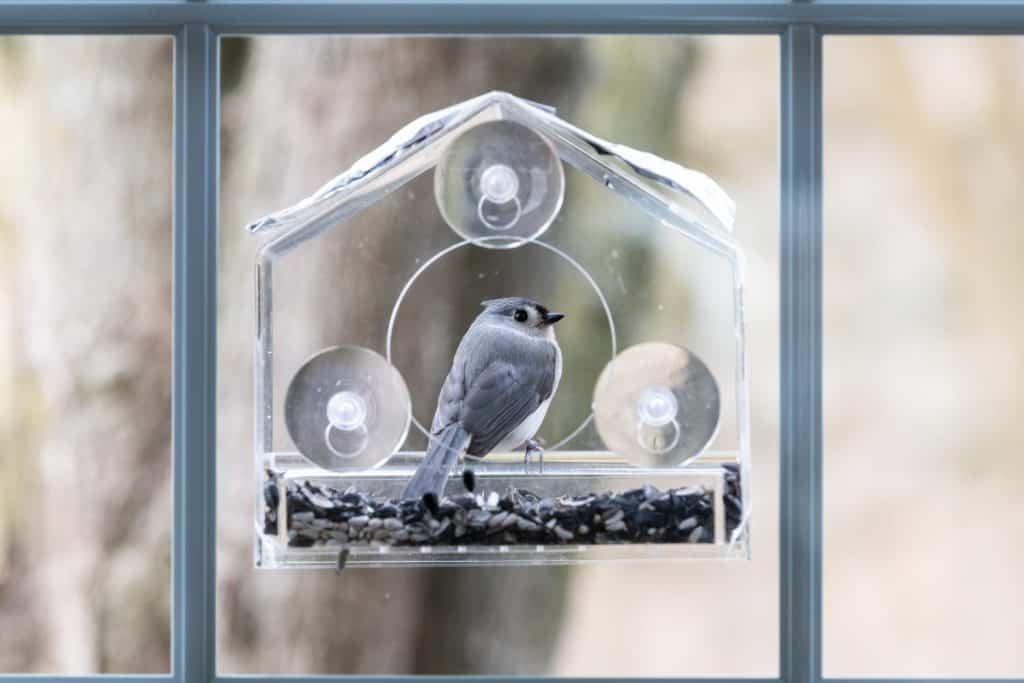
Skunks will eat bird food, so ensure your bird feeder is sturdy and not easily accessible.
©Andriy Blokhin/Shutterstock.com
When the spring season comes around, the skunks will come out looking for food. You don’t want your property to be where they come for their meals. So, eliminate any possible food sources. Start by covering your outdoor trash and recycling bins and, if possible, locking them. If you can keep them secured in the garage, that’s even better. It’s not only about keeping the food out of reach but also preventing the odor of the food in your bins from attracting skunks.
Next, you can eliminate the possibility of skunks digging up your yard in search of grubs and insects by having your yard professionally treated by a qualified lawn maintenance company, so the grubs don’t exist in the first place. A lawn company may also be able to help you install a layer of mesh chicken wire on the ground that can prevent the skunks from digging.
Finally, remove any outdoor pet food whenever possible. If you typically feed your dog or domesticated pet outside, then do so, but when they’re done eating, be sure to clean the area thoroughly. Skunks will also eat bird food. Don’t be afraid to feed the birds, but ensure that you have a sturdy bird feeder that cannot be easily knocked over or accessed by skunks. Also, eliminate any standing water, including liquid in bird feeders.
Seal Your Crawl Spaces
Once you have eliminated their food supply, the next essential skunk-proofing step is to block access to any areas of your home where skunks may want to hide and build dens. That includes crawl space, sheds, cracks in your foundation, and other areas under your house that are not blocked off.
A good first step is to close off any potential access points with boards, metal flashing, or ¼-inch hardware cloth. When installing the products, ensure all connections are secure and flush to the wall. Try to install a wood, mesh, or other barrier buried 2 feet deep so the skunks can’t burrow under it.
This process will also keep smaller creatures, such as mice and other rodents, out of your space. If you know that you have a rodent problem, get that situation fixed as well. Skunks will often eat small rodents, and you don’t want an infestation providing more food to attract them. While you’re walking the perimeter of your home, consider any wood or rock piles, as skunks may try to take residence in these areas as well.
Add Offensive Scents
Skunks like to produce foul-smelling scents, but there are some odors that they cannot stand themselves. Lemon and orange peels are known to keep skunks at bay. As will Cayenne pepper. Many experts recommend using capsaicin, the ingredient found in hot peppers. It’s a natural remedy available in liquid or granular form that you can spray around your yard.
There are also safer and more humane professional skunk deterrents you can try. Many of these products incorporate peppermint oil, cinnamon oil, and mothballs. You can spray or place the products around your home and property, and skunks likely won’t go through the trouble to make your house their home.
Add Special Plants To Your Yard
The final step of your skunk-proofing plan is to add lovely flowers and plants that also happen to be a bit offensive to skunks. For instance, the strong, musky odor of the Crown Imperial plant repels skunks and looks lovely in a garden. Daffodils are another great choice. They contain toxic alkaloids that skunks tend to avoid.
Skunks are also hesitant to get around prickly plants, so consider adding stinging nettle, holly, or Oregon grape plants to create a natural barrier in your yard. The same principle goes for thorny hedges and roses. Create a lovely perimeter, and skunks will often avoid your yard for an easier target.
In the end, while skunks do have their place in the animal kingdom, you don’t need them in your yard or under your house. Employ these proven skunk-proofing steps in your home, and you’ll be ready when spring arrives.