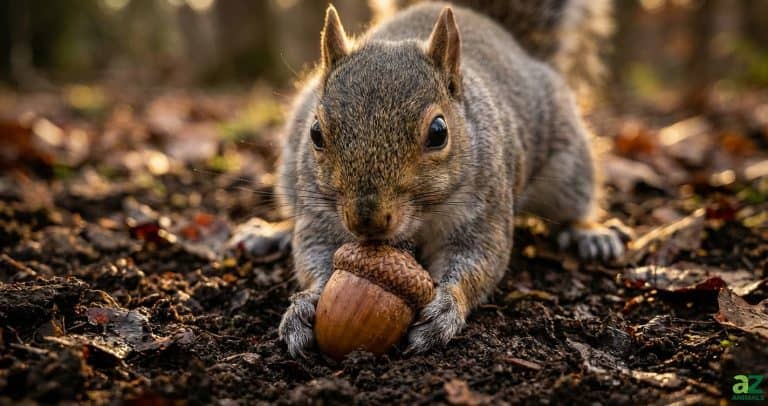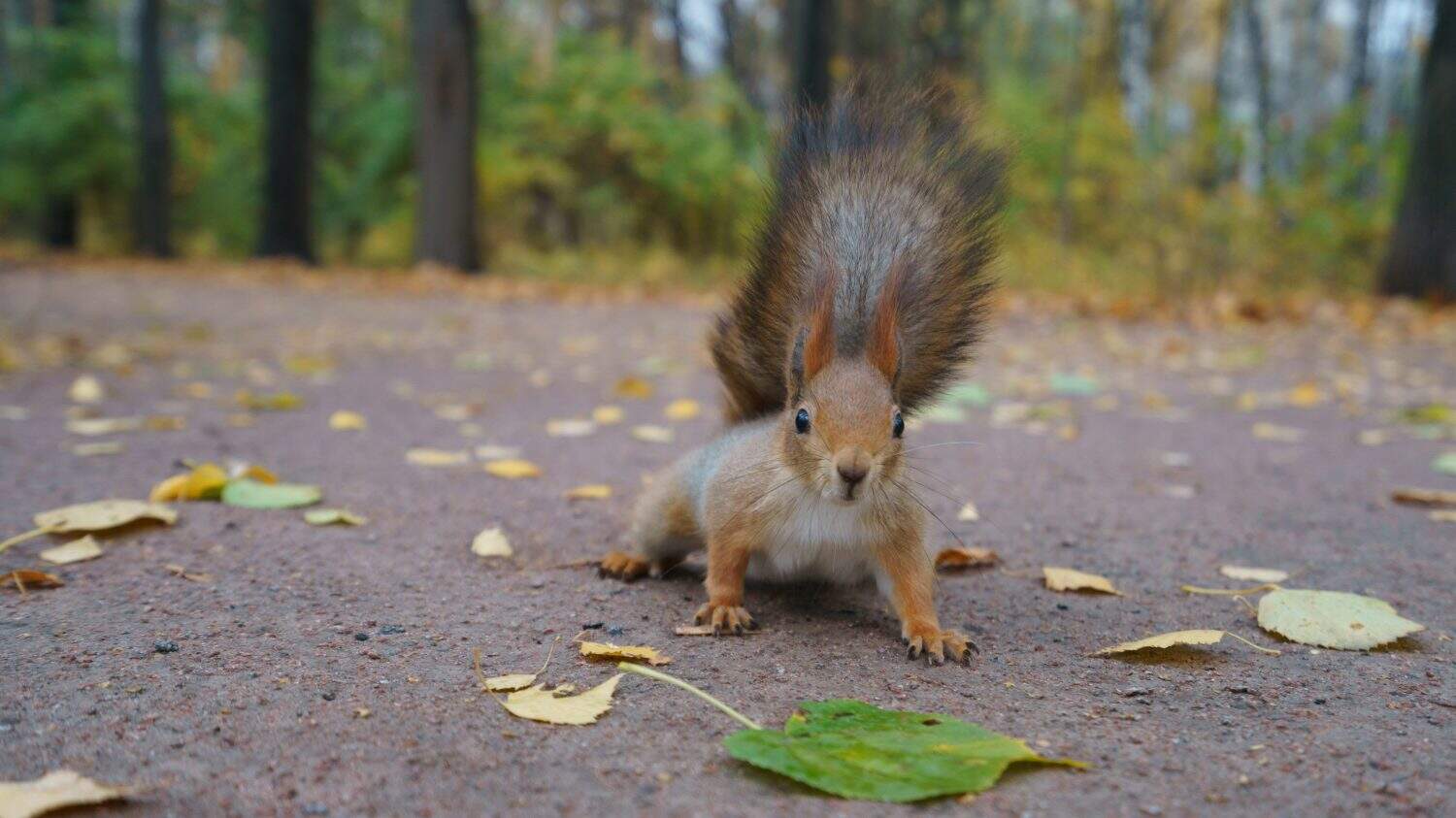

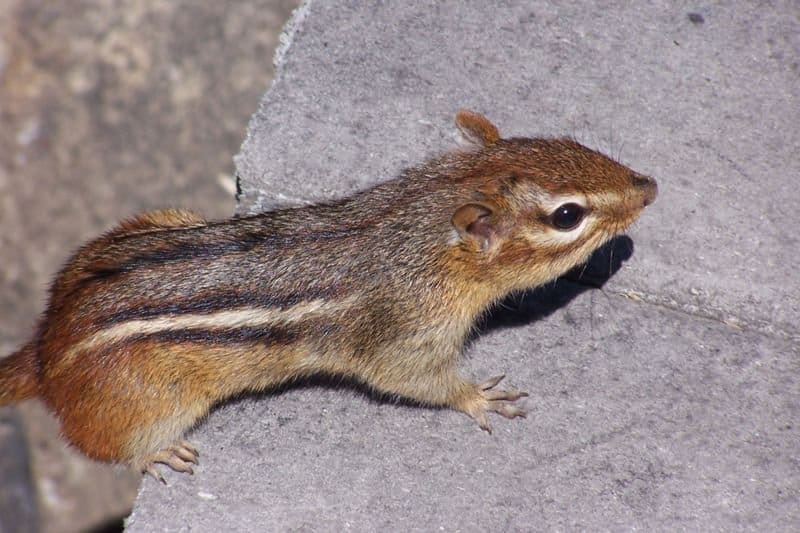
Squirrels and chipmunks are small, energetic rodents commonly found across North America. These adorable critters are known for their quick movements, bushy tails, and habit of gathering and storing nuts. Squirrels typically live in trees or wooded areas, where they spring between branches or dart across neighborhoods. Alternatively, chipmunks prefer ground burrows and are easily recognized by the distinctive stripes on their backs. Both animals play an important role in ecosystems by dispersing seeds and helping aerate the soil. They’ve become familiar parts of suburban and rural settings alike.
Despite their charm, squirrels and chipmunks can also become significant nuisances when they move too close to human homes. They can chew through siding, attic insulation, wiring, and roofing materials. Though they engage in such behaviors for the innocent purpose of building nests, their antics can cause costly damage or even fire hazards. In yards, they often dig up gardens and steal birdseed. They may even chow down on produce frustrating homeowners who struggle to grow and protect their plants. Their persistence natures make them difficult to deter once they establish themselves in an area.
Fortunately, there are simple ways to protect your yard, starting with scent. Certain smells send squirrels and chipmunks running. Keep reading to find out the top 11 scents these mischievous critters can’t stand!
Why These Critters Cause Problems
©AndiW, Public domain, via Wikimedia Commons - Original / License
Squirrels and chipmunks can be a significant problem in your yard due to their destructive behaviors. These small rodents are known for digging holes in lawns and gardens as they search for food or bury their nuts, which can ruin the appearance and health of your yard. They also have a habit of gnawing on tree bark, which can damage or even kill young trees and shrubs. Squirrels and chipmunks can invade bird feeders, consuming seeds meant for birds and scaring them away.
Why These Critters Cause Problems

©Frozenmost/iStock via Getty Images
Additionally, they may find their way into attics or sheds, where they can cause further damage by chewing on insulation, wires, and wood structures. Their presence can attract other pests, and their burrowing can undermine the foundations of buildings or patios. Overall, these critters can create a lot of hassle and require effective measures to manage and keep them at bay.
List of 11 Undesirable Scents
©gardendata/ via Getty Images
There is no definitive list of scents that squirrels and chipmunks dislike. Individual animals can have different preferences and sensitivities. However, the following scents commonly act as natural deterrents for rodents:
Methods
©rawf8/Shutterstock.com
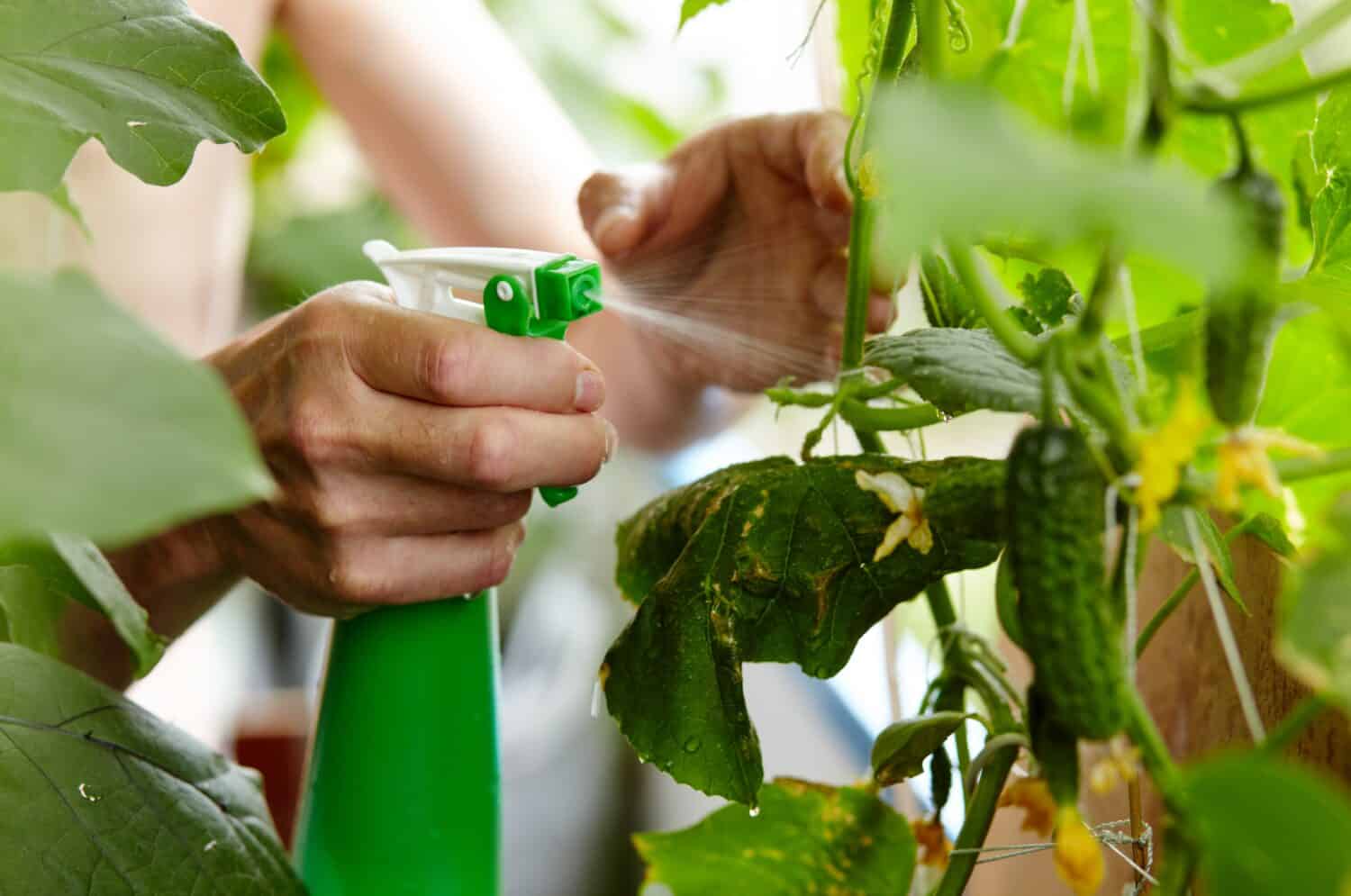
Scents can be used in various forms, such as sprays, sachets, and oils, to create a barrier or mask the scent of attractive food sources. There are a few different ways to employ scents as deterrents for squirrels and chipmunks in your yard and garden. If you’re feeling overwhelmed and overrun by these common yard pests, try the upcoming suggestions.
Predator Urine
©Andrii Salomatin/Shutterstock.com
Predator urine is available at garden centers and farm co-ops. Apply the scent around the perimeter of your garden or on the plants that you wish to protect.
Peppermint

©Tatevosian Yana/Shutterstock.com
Peppermint oil has a strong scent that discourages squirrels and chipmunks. Soak cotton balls in peppermint oil and place them around the garden or near the plants you want to protect. Alternatively, you can spray a mixture of water and peppermint oil on the plants or around the perimeter of the garden.
Cayenne pepper
©iStock.com/Amarita
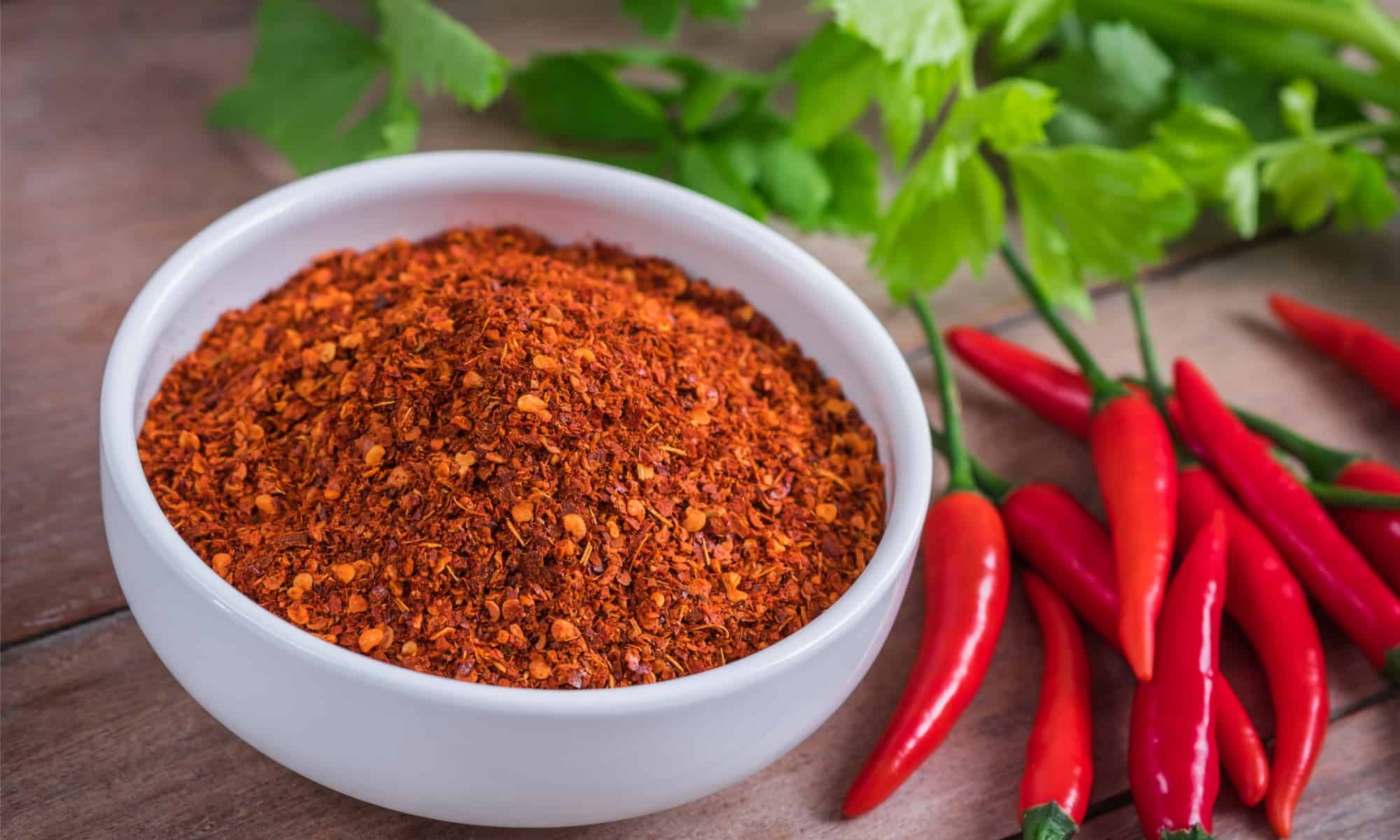
Cayenne pepper has a strong spicy scent that can be unpleasant for squirrels and chipmunks. You can sprinkle cayenne pepper powder around the plants or mix it with water to create a spray. Apply the spray directly to the plant’s leaves.
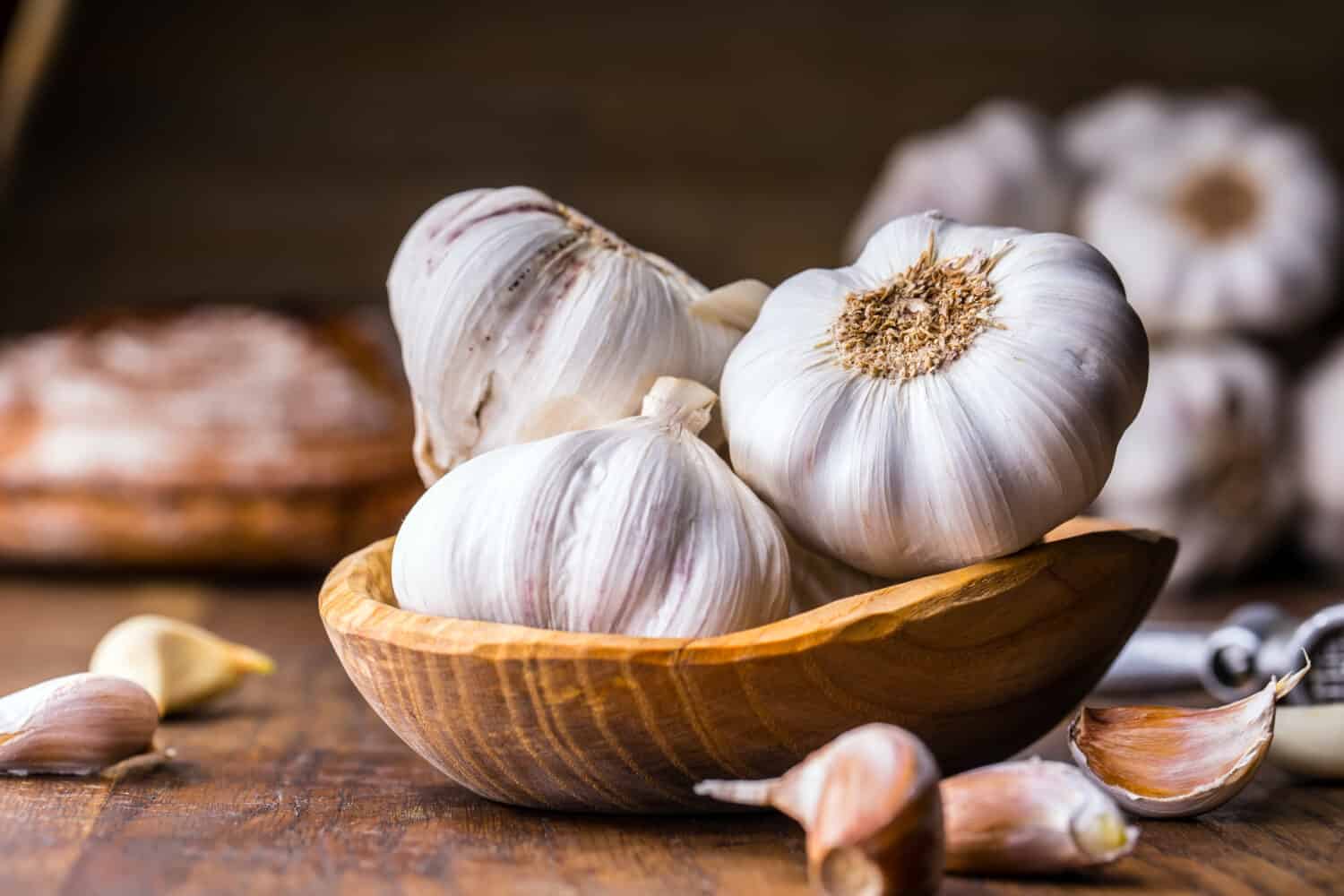
Garlic
©Marian Weyo/Shutterstock.com
Crushed garlic cloves or garlic oil emit a strong scent that inhibits squirrels and chipmunks. Mix garlic oil with water and spray it around the garden or near the plants you want to protect.
Eucalyptus

©RutySoft/Shutterstock.com
Eucalyptus oil has a strong scent that can be used to keep squirrels and chipmunks at bay. Soak cotton balls in eucalyptus oil and place them around the garden or near the plants you want to protect.
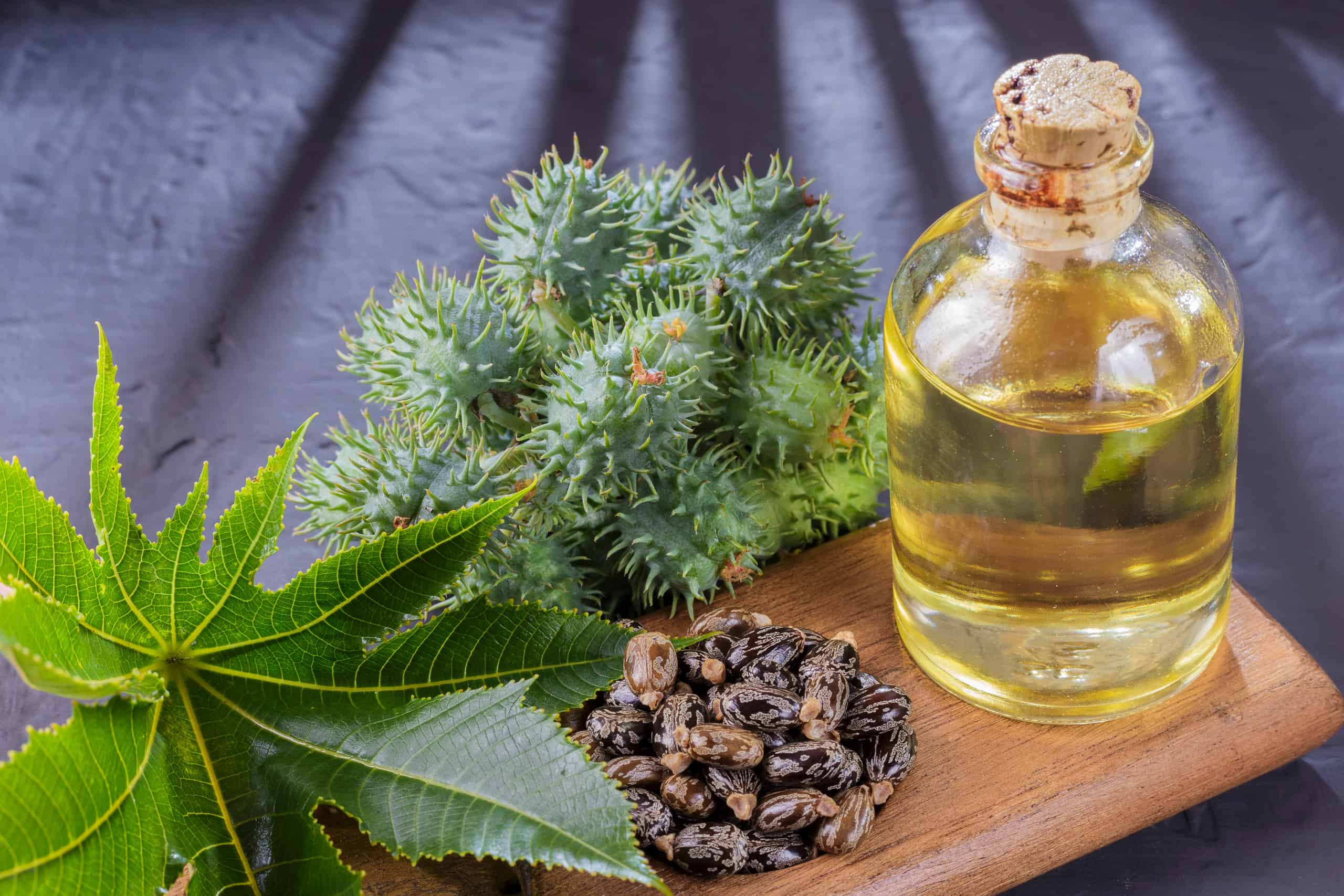
Castor Oil
©Alexander Ruiz Acevedo/Shutterstock.com
Castor oil has a strong smell that can be unpleasant for squirrels and chipmunks. Mix castor oil with water and spray it around the garden or near the plants you want to protect.
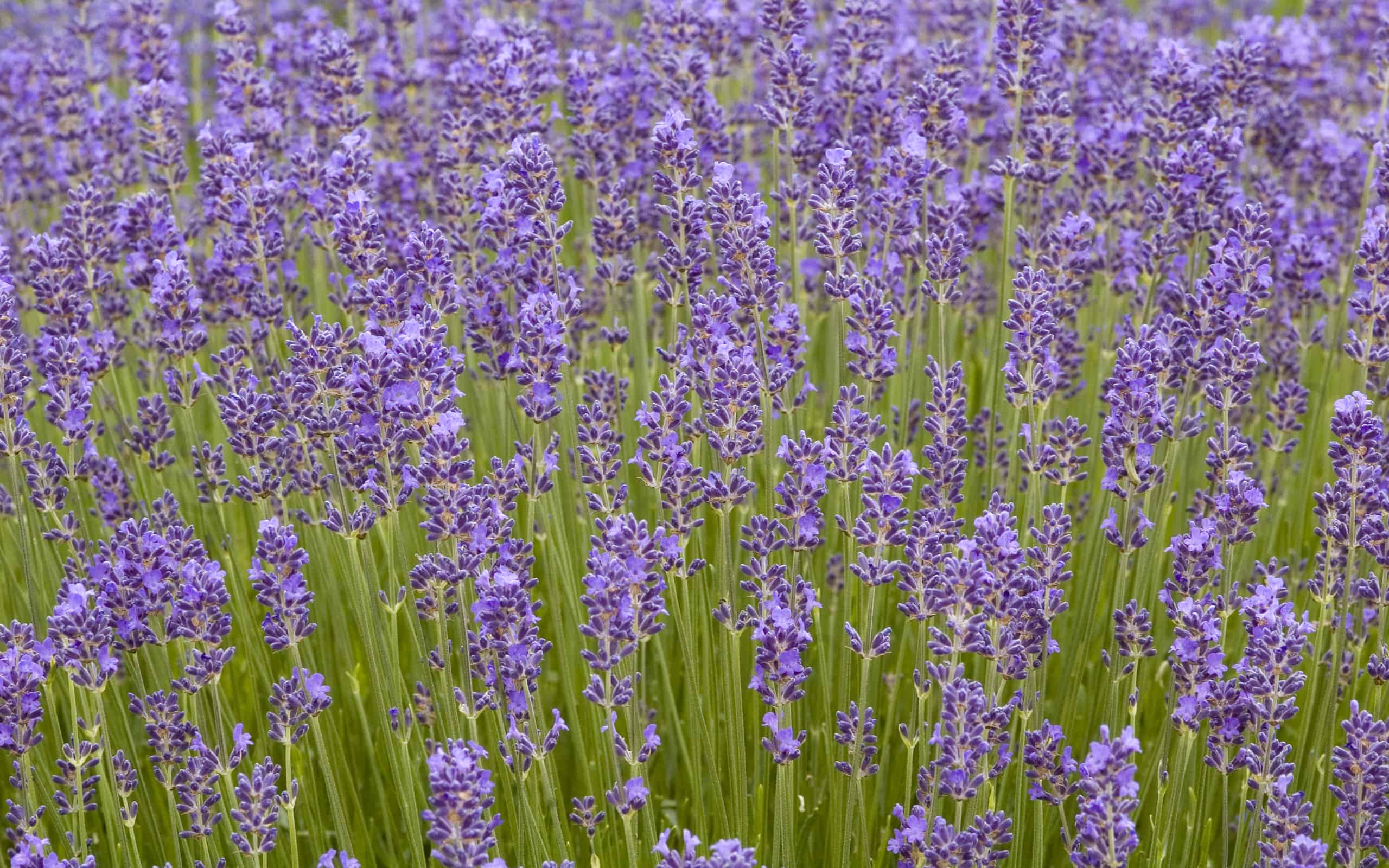
Lavender

©botamochi/iStock via Getty Images
Lavender oil has a pleasant smell for humans but can be unpleasant for squirrels and chipmunks. Soak cotton balls in lavender oil and place them around the garden or near the plants you want to protect.
Rosemary

©S847/ via Getty Images
Rosemary has a distinctive scent strong enough to hamper squirrels and chipmunks. Make sachets from crushed fresh rosemary leaves or mix rosemary oil with water to create a spray.
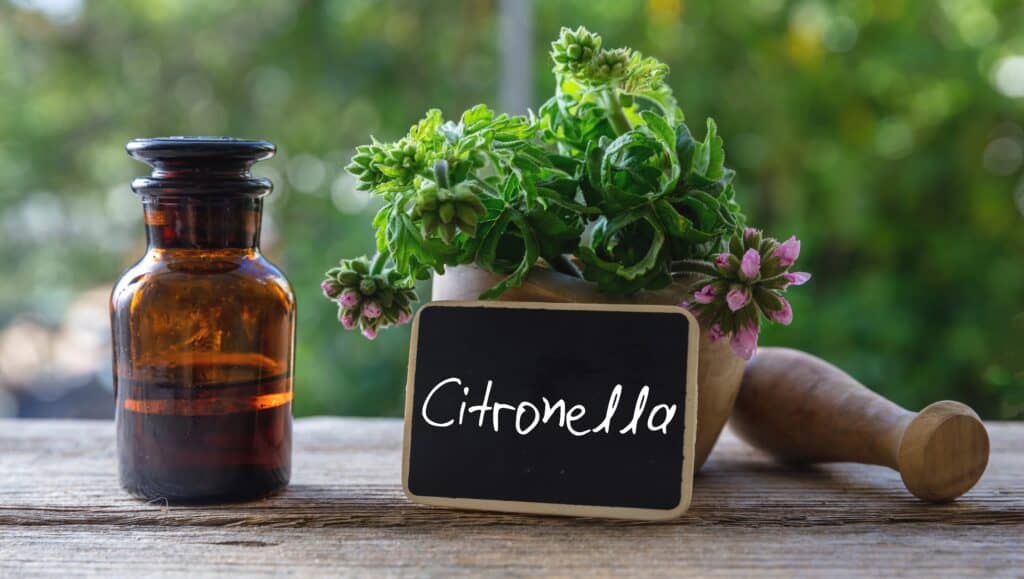
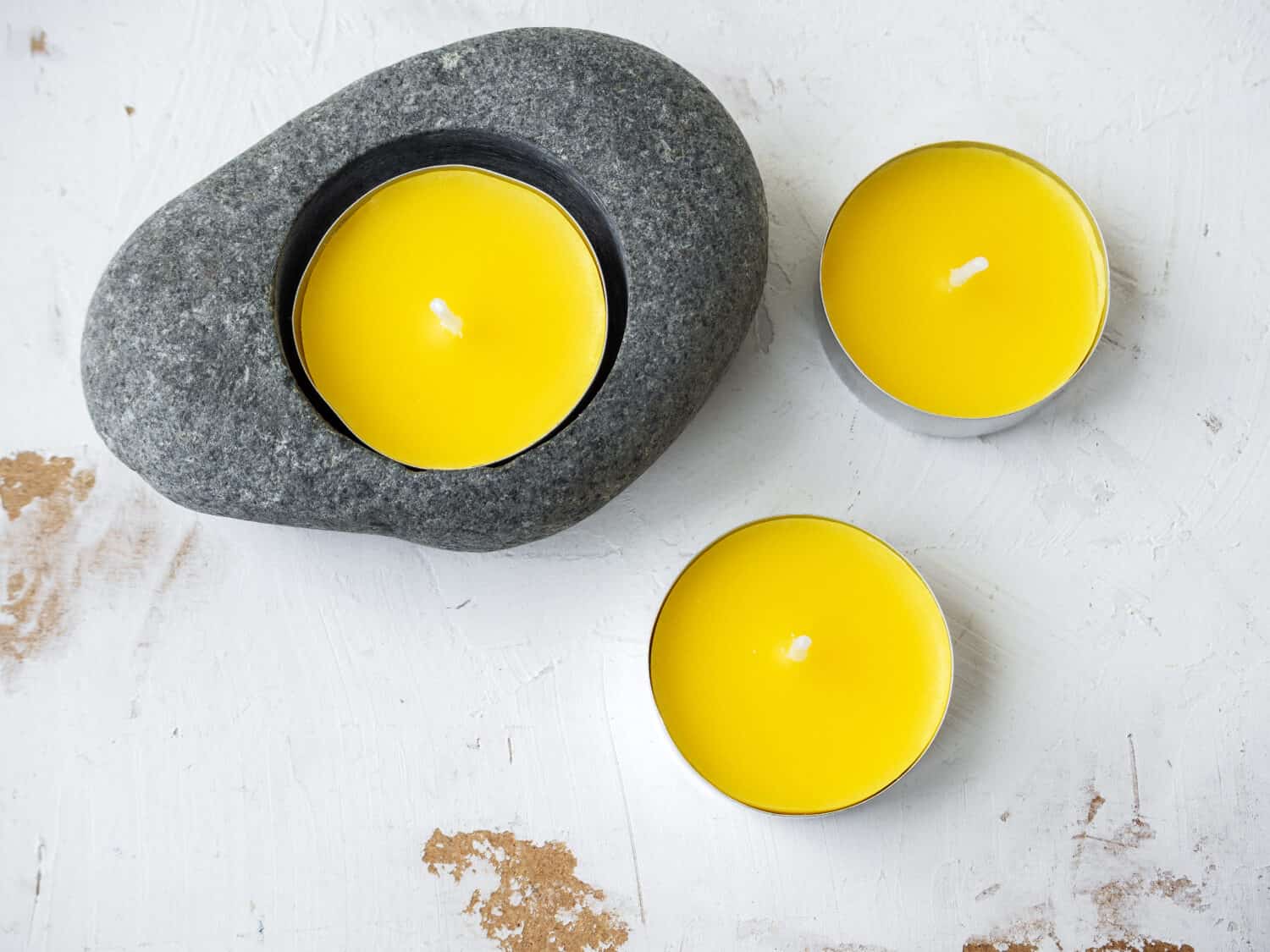
Citronella
©Ana Belen Garcia Sanchez/Shutterstock.com
Citronella oil has a strong scent that often dissuades squirrels and chipmunks. Soak cotton balls in citronella oil and place them around the garden or near the plants you want to protect.
Lemon

©Africa Studio/Shutterstock.com
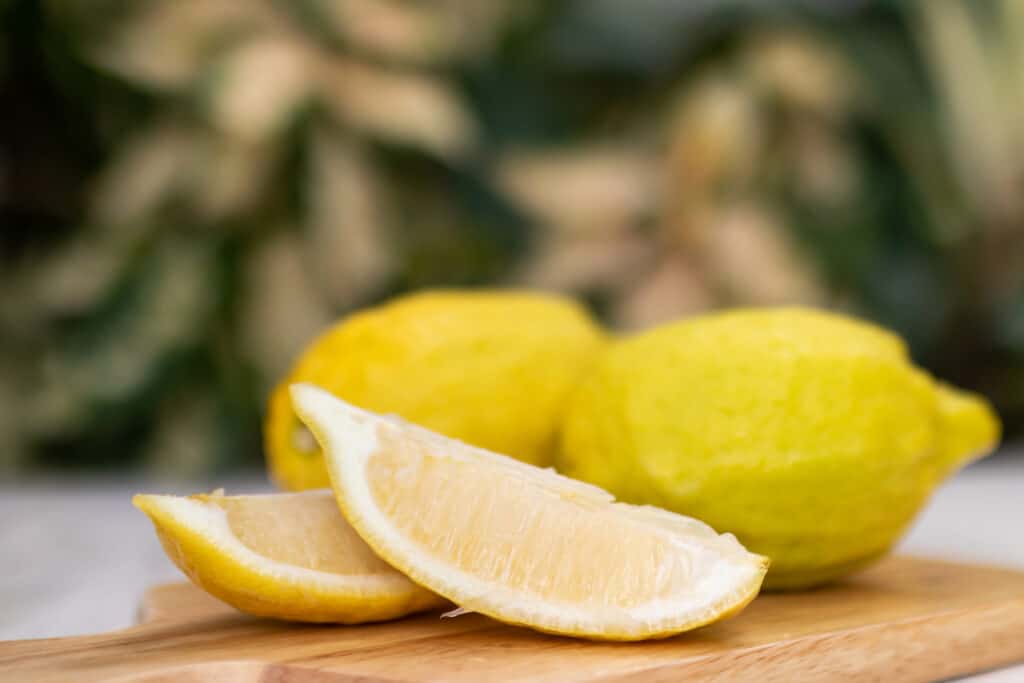
Lemon juice or lemon essential oil can be used to create a strong scent that discourages squirrels and chipmunks. Mix lemon juice or oil with water and spray it around the garden or near the plants you want to protect.
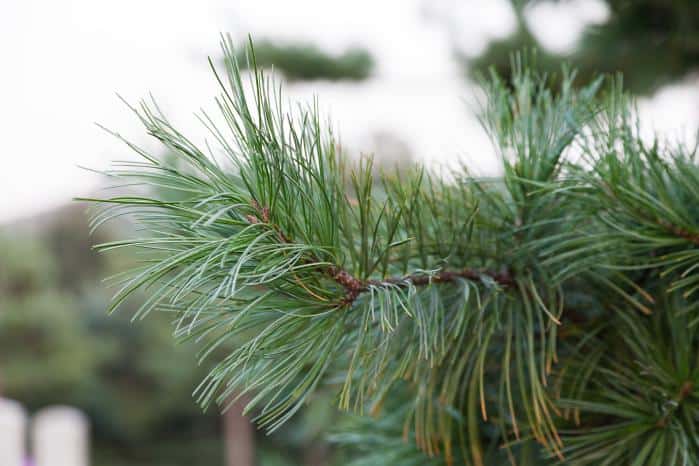
Pine
©National Institute of Korean Language/CC BY-SA 2.0 KR/ - Original / License
Pine needles and pine essential oil have a strong scent that deters squirrels and chipmunks. Spread pine needles around the plants or mix pine oil with water to create a spray.
Other Solutions
©iStock.com/PJjaruwan
Whether you’re planting types of plants that squirrels and chipmunks find offensive or using natural sprays or essential oils with scents that these animals find unpleasant, it’s important to note that while scents can be effective in discouraging these animals, they are not foolproof solutions. If you’re dealing with a serious infestation, it may be necessary to employ additional measures such as physical barriers or traps. While these natural scents may help deter rodents, they may not be effective in all situations, and other methods may be required to manage rodent populations effectively.
Other Solutions (Cont.)
©victorass88/iStock / Getty Images Plus via Getty Images
When dealing with persistent critters, it’s crucial to remember that a multi-faceted approach often yields the best results. In addition to using scents, consider integrating other strategies such as maintaining a tidy yard, securing trash bins, and removing bird feeders that attract squirrels and chipmunks. Installing physical barriers like mesh or netting around vulnerable plants can provide an extra layer of protection.
Regularly rotating deterrents and combining methods can prevent the animals from becoming accustomed to a single approach. By using a combination of these techniques, you can better safeguard your yard and garden, ensuring that your hard work in cultivating a beautiful outdoor space does not go to waste.