
Quick Take
- What your bug zapper is actually killing at night isn't the pest you're targeting, and once people learn the answer, they're tearing them down for good. See what's actually dying →
- Mosquitoes use a hunting mechanism that has nothing to do with light, so the zapper humming in your backyard is completely invisible to the one insect you actually want dead. Why mosquitoes ignore zappers →
- Blue light does not repel insects. It recruits them, and not selectively. How blue light backfires →
Bug zappers have long been touted as one of the most effective and affordable forms of pest control. In reality, most of them have a success rate of less than 5% at killing mosquitoes. You might be wondering what that bug zapper is killing when you hear it going off at all hours of the night. The answer is sadder than you think, and it’s one that’s now encouraging people to take down their own blue-light zappers.
Studies show that these devices are more effective at killing beneficial insects. While our target is those pesky bloodsuckers, bug zappers unintentionally take the lives of crucial pollinators. They also target insects that prey on mosquitoes, which is not only ineffective but also damaging to our backyard ecosystems.
What Bug Zappers Kill Instead of Mosquitoes
While most bug zappers are marketed with a nearly 100% guarantee of killing backyard mosquitoes, this is far from true. The theory behind zappers is that blue light attracts flying insects. This is true of many nocturnal insects, but not of mosquitoes. Therefore, the second the light comes on, the pests you’re looking to kill are wholly uninterested.
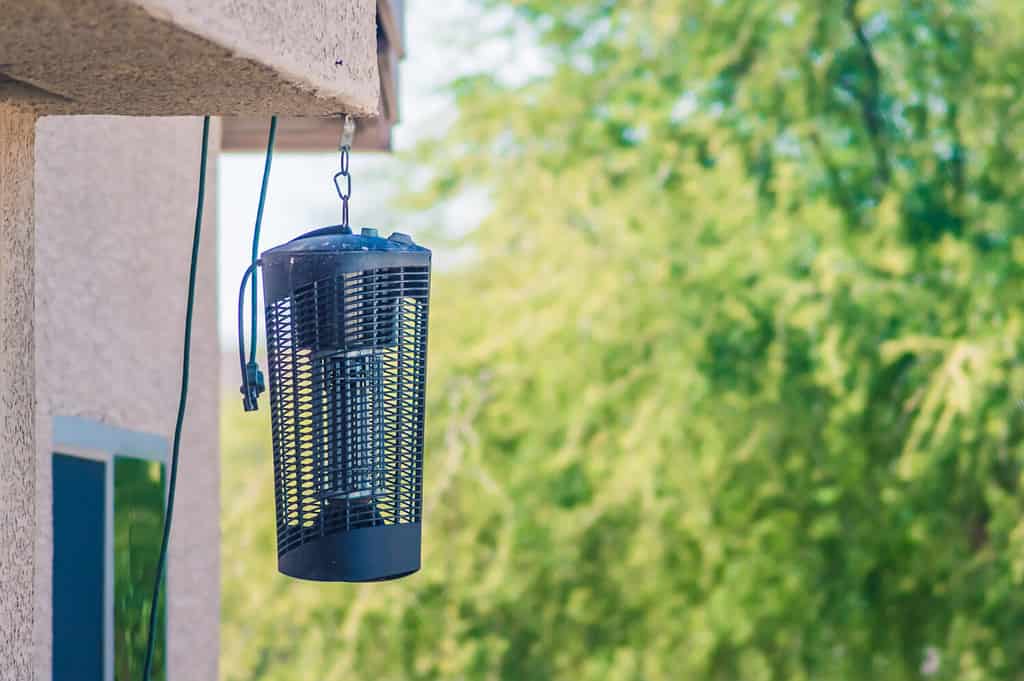
Bug zappers have been around since 1934, but that pop you hear isn’t always a pest.
©GreatSnapz/Shutterstock.com
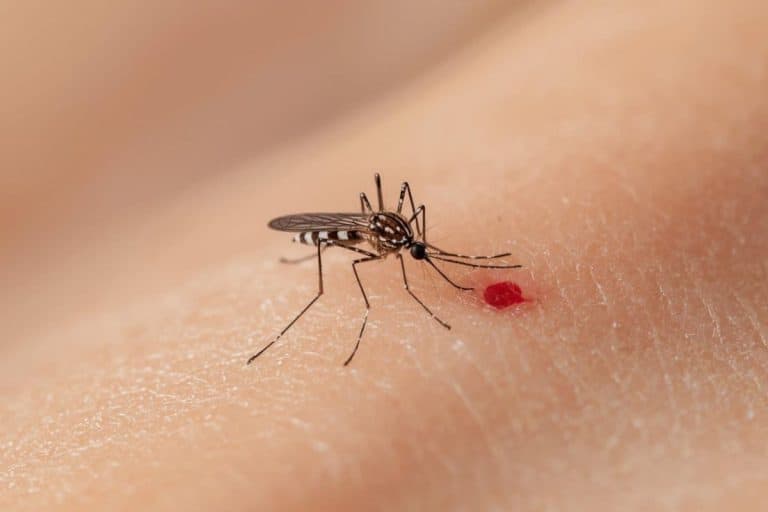
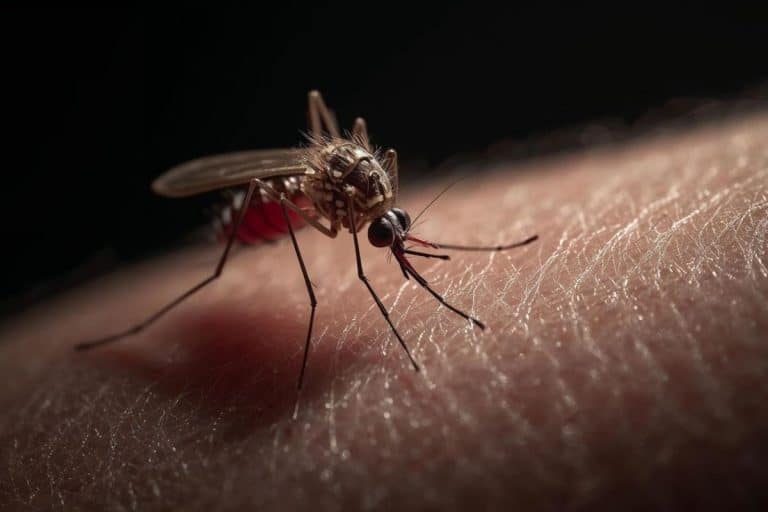
The only mosquitoes that bite are females, and they’re not drawn in by light sources. They hunt by tracking CO2 and body heat, which draw them to humans regardless of brightness. They’re also attracted to sweat, which is why so many mosquitoes show up on hot summer days. Because of this, our breath becomes a direct line to our locations.
It’s believed that mosquitoes can target a human up to 150 feet away. This directly contradicts the efficacy of a blue light zapper, which is barely visible from that distance. As they hone in, our body odor, lactic acid content, and uric acid help them to lock in on a potential target zone. So, unless a bug zapper advertises any of these things, it’s highly unlikely to attract mosquitoes. However, it does attract other insects, and they’re not the type you want to kill.
Bug Zappers Actually Attract More Bugs
Rather than solving the problem, blue light can exacerbate the pest problem. As the day slowly transitions to night, flying insects adjust to see in the dark. As nocturnal and crepuscular (active during dawn and dusk) insects come out, they’re immediately drawn to bright light sources. This is why we often see so many moths and gnats fluttering around porch lights and floodlights. In areas that are heavily populated with nocturnal insects, they can even be seen flying against windows on the other side of a bright room.
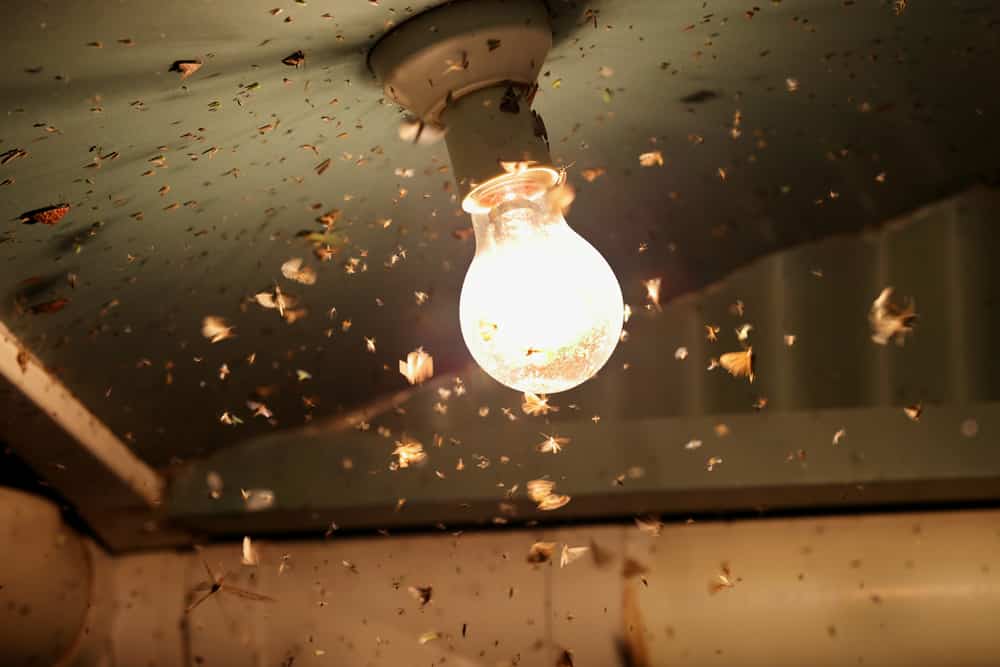
Mosquitoes aren’t attracted to light, but beneficial pollinators are.
©Ken Griffiths/Shutterstock.com
Blue light attracts these insects in the same way. Rather than luring in mosquitoes to kill, bug zappers lure in every insect that’s drawn to light sources. Therefore, what’s marketed as a product used to kill one type of insect, specifically, suddenly becomes a beacon for all manner of flying insects. This can be more of a nuisance in states where large insects like June bugs or cicadas are common. Rather than having an effective pest control method, your backyard turns into a war zone. And tragically, the weapon responsible doesn’t discern between beneficial insects.
Pollinators Often Pay for Our Pest Control
Studies on bug zappers have been ongoing since the 1990s. In one study, entomologists counted the bugs from a zapper that ran consistently for ten weeks. A sobering total of 13,789 insects were found, and only 31 of them were mosquitoes and biting flies. The kicker? None of them was a female mosquito. The other insects were either beneficial or posed no threat to humans.
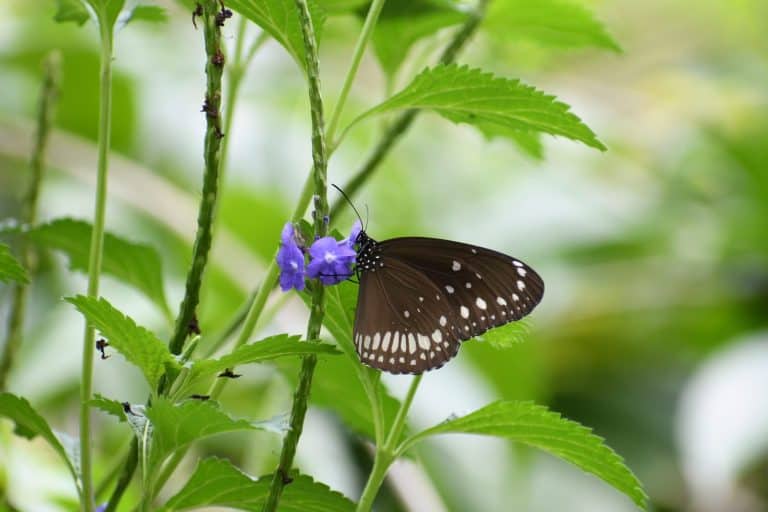
Moths are one of the first insects to be drawn into the allure of the blue light bug zapper. These essential pollinators do work nocturnal work that is rarely seen by humans. They pollinate night-blooming flowers and also consume smaller pests, keeping the food chain balanced. Depending on the region, butterflies can also be an unfortunate victim of bug zappers.
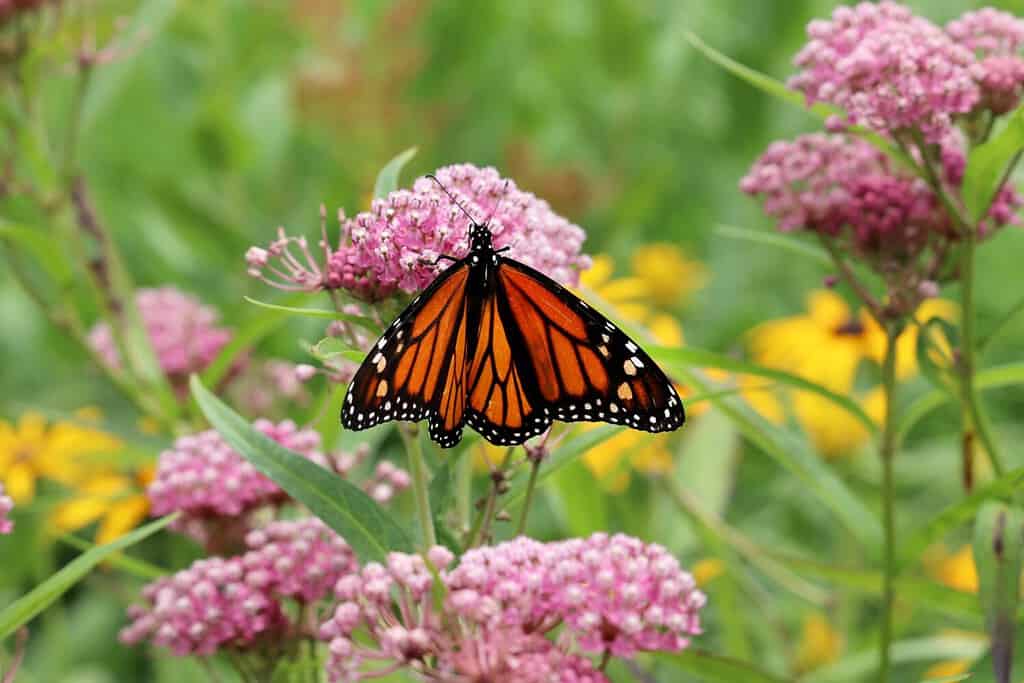
Butterflies are often a victim of blue light bug zappers, especially at dusk.
©Nancy J. Ondra/Shutterstock.com
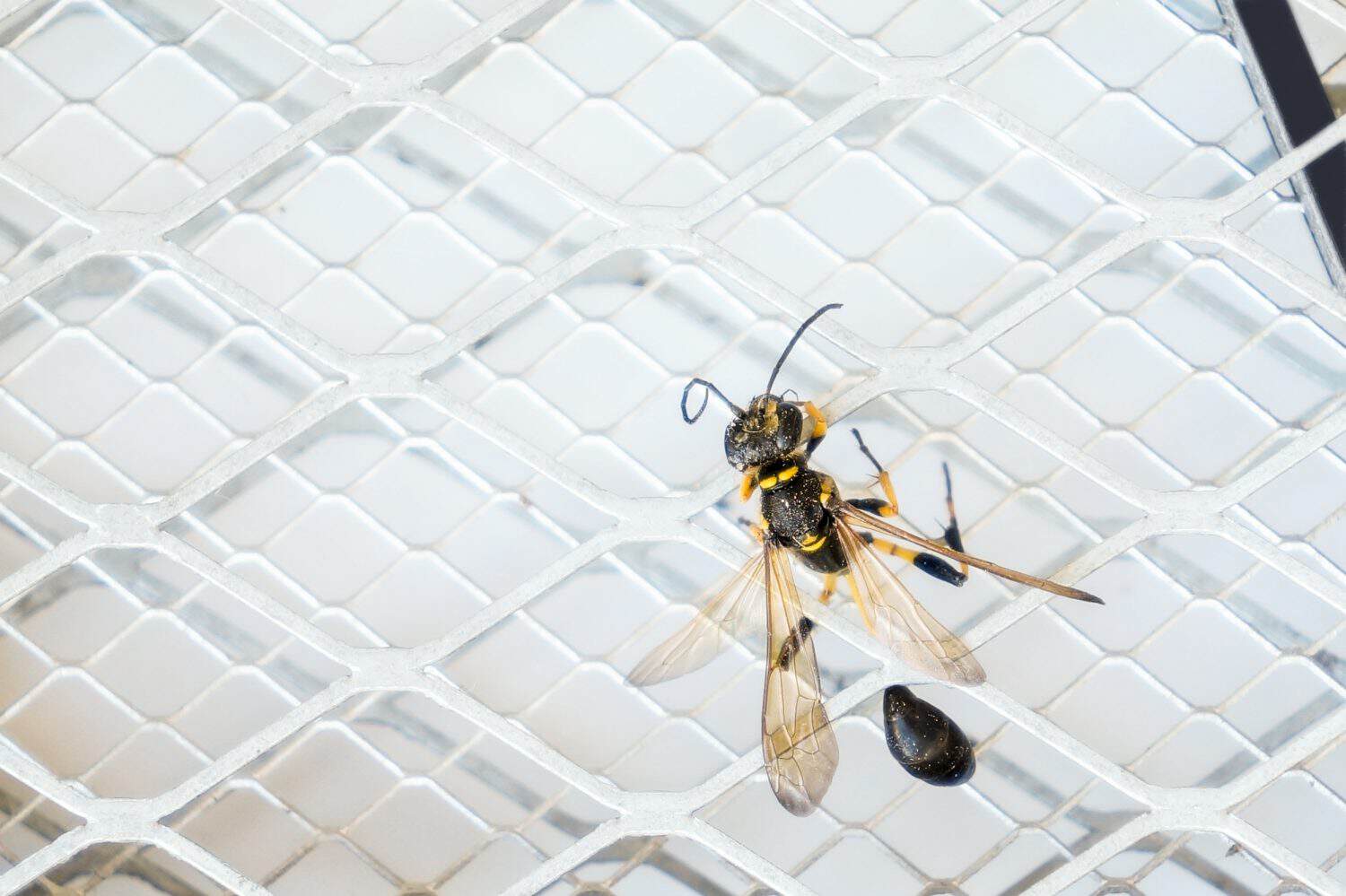
Bees are another sad victim of bug zappers. As some wild bee species are among the world’s most important pollinators, many are threatened or endangered, underscoring the danger posed by blue light bug zappers. Many bees are active at dawn and dusk and are attracted to blue light. And even though some argue otherwise, wasps are also on the list of beneficial insects. They may be unintentional pollinators, but they still help spread pollen. They also consume many of the “pests” that bug zappers target, including flies, gnats, and other biting insects.
Safe Alternatives That Actually Work
When it comes to repelling mosquitoes, the eco-friendly route is always best. Luckily, there are plenty of products out there that are effective, safe for long-term use, and don’t harm beneficial pollinators. Some options that are proven effective include:
- Essential oils: These can be mixed with a carrier oil for topical use. Oils such as citrus, lemongrass, clove, patchouli, peppermint, and eucalyptus are strong deterrents against mosquitoes, which are sensitive to smell. They’re an all-natural bug spray, but smell far better than traditional sprays.
- Use a fan: Not surprisingly, the constant airflow produced by fans keeps mosquitoes from flying too close. It also disperses CO2 emitted by your body and dilutes body odors.
- Bacillus Thuringiensis subspecies Israelensis: Also known as BTI or mosquito dunks, this substance is naturally occurring in soil and can be used in standing water. It’s lethal to mosquitoes and black fly larvae, making it a two-in-one pest-control measure. According to Buddha Bee Apiary, this should be used sparingly, so keep it out of the reach of children and pets.
- Plant mosquito-deterring plants: Lemongrass, basil, and catnip are all herbs that mosquitoes avoid.
- Use netting around porches and decks: This keeps mosquitoes and pollinators out, creating a practically bug-free zone with minimal effort and no toxic chemicals.
Other tips include dumping standing water, preventing damp areas from accumulating around your yard, and keeping a garden full of pollinator-friendly flowers or herbs. We often think about how to exterminate mosquitoes, but by planting a garden, you can help bees and butterflies while also encouraging insects that prey on bloodsuckers.