
With multiple types of cat litter on the market and a multitude of different litter box types, knowing just what is best for cats can become confusing. Even the most well-intentioned cat owner can second-guess themselves about what their cat needs to stay clean and healthy.
The fact of the matter is that litter boxes are dirty and can become full of germs if not properly cared for. Whether cat owners want to admit it or not, the dirty truth about litter boxes is that there are a few significant things most cat owners get wrong. Fortunately, with a few easy tweaks, the litter box no longer has to be a source of stress for cats, making both felines and cat owners alike happier.
Scooping Daily Is A Necessity
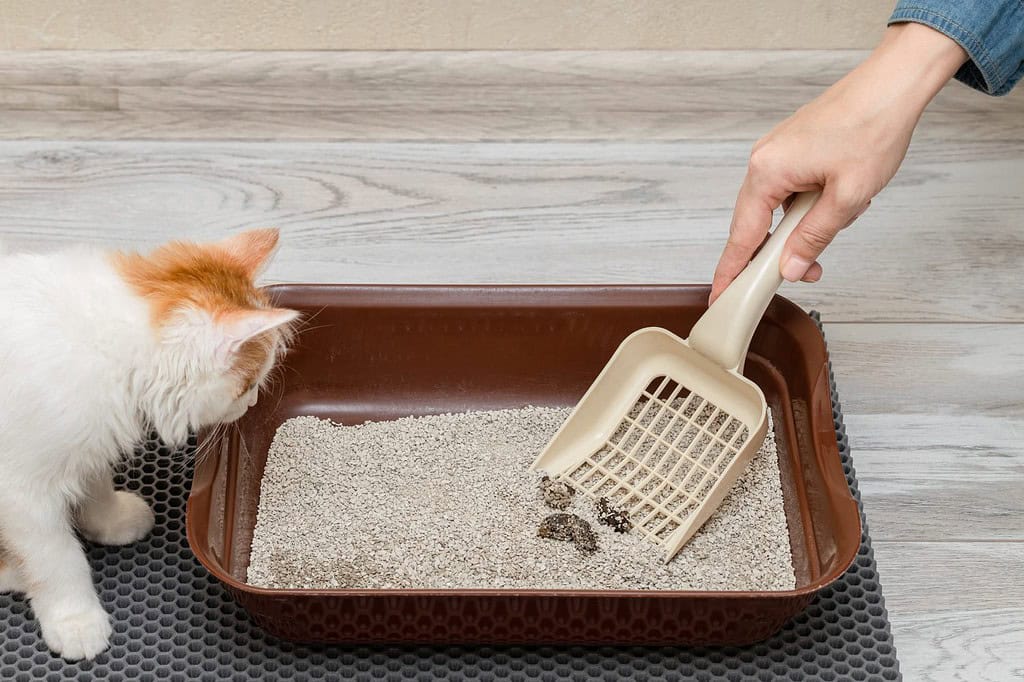
Cat litter boxes need to be cleaned daily to keep cats healthy.
©Oleg Opryshko/Shutterstock.com
Depending on the type of cat litter used, some owners may believe daily scooping is unnecessary because the litter appears to absorb all waste. As a result, they may wait until waste is clearly visible before cleaning the box. According to cat veterinary specialist Bethany Heafner, this practice unintentionally makes waste elimination stressful for cats.
“Cats are naturally clean animals, and this comes straight from their wild instincts. In nature, cats bury their waste to avoid attracting predators and to keep stronger cats from tracking them,” Heafner explains to A-Z Animals. “A dirty litter box feels unsafe and stressful to them, which leads many cats to hold their urine, avoid the box, or look for cleaner places around the home.”
Heafner, who practices in North Carolina, goes on to say, “Scooping daily maintains the clean, safe environment their instincts expect and helps protect the health of everyone in the household.”
The More Litter Boxes, the Better
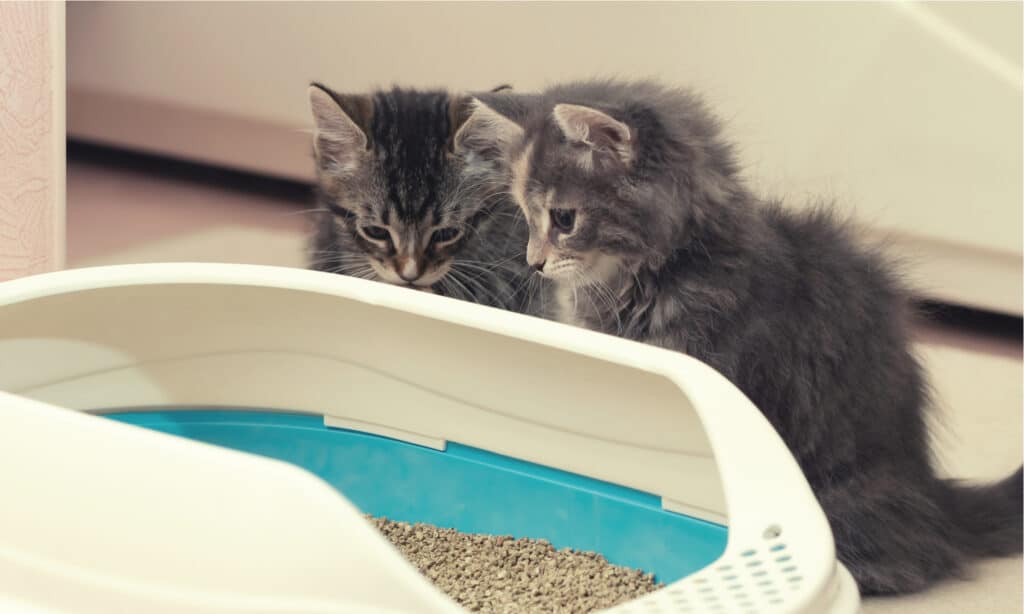
The rule of thumb is “one box per cat, plus one extra” for how many litter boxes to have in a home.
©galsand/Shutterstock.com
Cats are smaller than most dogs, making them an ideal pet for smaller living spaces. But just because cats are small does not mean multiple cats will do well with a single litter box. In fact, the more litter boxes in a home, the better it is for cats’ physical and mental health.
“The rule of ‘one box per cat, plus one extra’ is based on how cats naturally use territory,” Heafner tells A-Z Animals. “Even in friendly multi-cat homes, cats prefer multiple elimination sites so they never have to compete, feel crowded, or risk being ambushed. In the wild, a cat would never rely on a single bathroom spot because it would concentrate their scent and make them vulnerable.”
“When homes have fewer litter boxes than needed, tension builds, resource guarding appears, and cats begin seeking safer places to go, like beds or carpet,” Heafner goes on to say. “Extra boxes spread out the territory and dramatically reduce stress-related behavior problems.”
Cat owners should pay attention not only to the number of litter boxes but also to their size. Smaller litter boxes can lead to more significant problems for cats.
Even in friendly multi-cat homes, cats prefer multiple elimination sites so they never have to compete, feel crowded, or risk being ambushed.
Bethany Heafner, cat veterinary specialist
Is There a “Right-Sized” Litter Box for Cats?
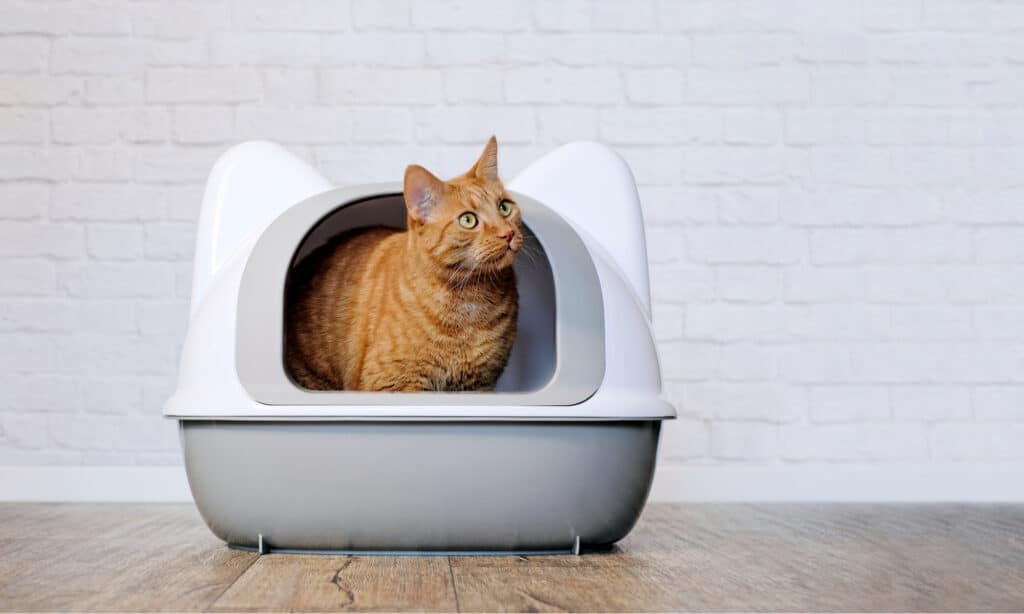
Larger, open cat litter boxes are the best and healthiest options for cats.
©Lightspruch/Shutterstock.com
There are a variety of litter box sizes, ranging from smaller and shallower to larger and high-backed. While kittens can use almost any size litter box, adult cats require a box that is appropriately sized for their needs. Many cat owners overlook this, which can create more work and issues over time.
“Most widely available litter boxes are too small for the average cat, let alone multi-cat homes or larger breeds,” Heafner states. “Cats need space to turn, dig, and choose a clean area, just as they would outdoors when covering their waste. A box should ideally be about one and a half times the length of the cat’s body, so they do not feel cramped or risk overshooting the box.”
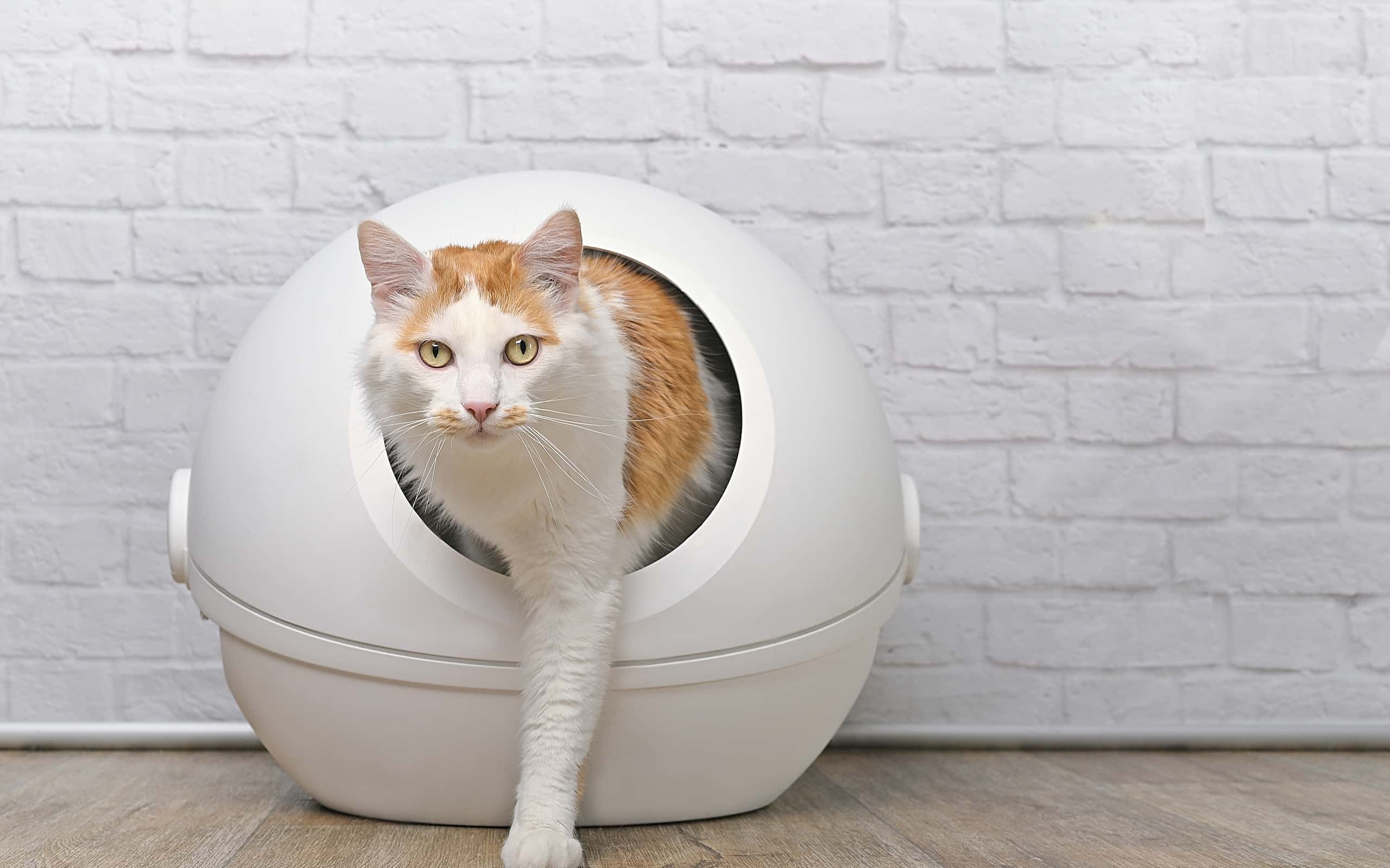
But what about the enclosed litter boxes? These are popular in many homes, as cat owners do not have to see the contents of the litter box, and they are more attractive than open boxes. According to Heafner, these types of boxes not only “trap odors,” making the litter box an unattractive place for cats to eliminate waste, but also “make some cats feel confined.” Consequently, the larger the box that cat owners can provide for their cats, the happier the cats will be to use the litter box.
How Long Does Litter Last?
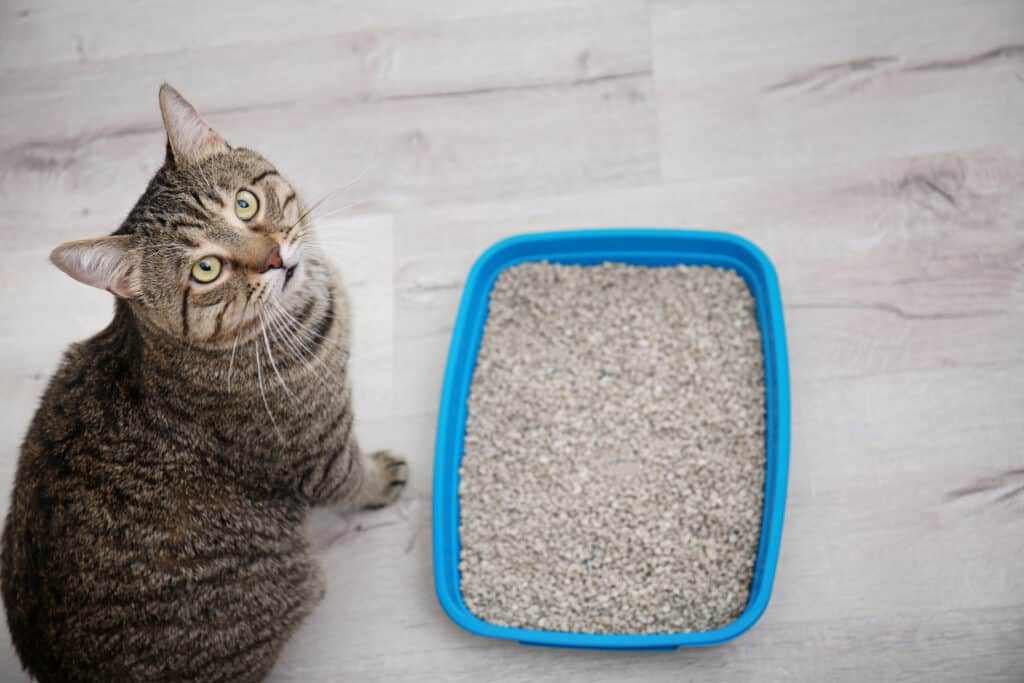
Cat litter should be changed every one to two weeks for optimal cat health.
©New Africa/Shutterstock.com
Depending on the litter used, the recommended time to completely change the litter can range from one week to one month. In many instances, according to Heafner, this can be far too long to go between changing cat litter. When this happens, germs and bacteria build up, creating an unhealthy environment for cats.
“Even with daily scooping, over time, urine and fecal residue build up in the litter, causing a breeding ground for bacteria and ammonia,” Heafner explains to A-Z Animals. “Replacing all the litter every one to two weeks, depending on the number of cats using the box. This helps reset the environment to something fresh and healthy.”
Furthermore, Heafner recommends using a “diluted bleach mixture” or an “enzymatic cleaner” when emptying the litter box, so any lingering odors that might be off-putting to cats are removed before adding fresh litter.
Cats Will Hold Urine If Litter Boxes Are Dirty
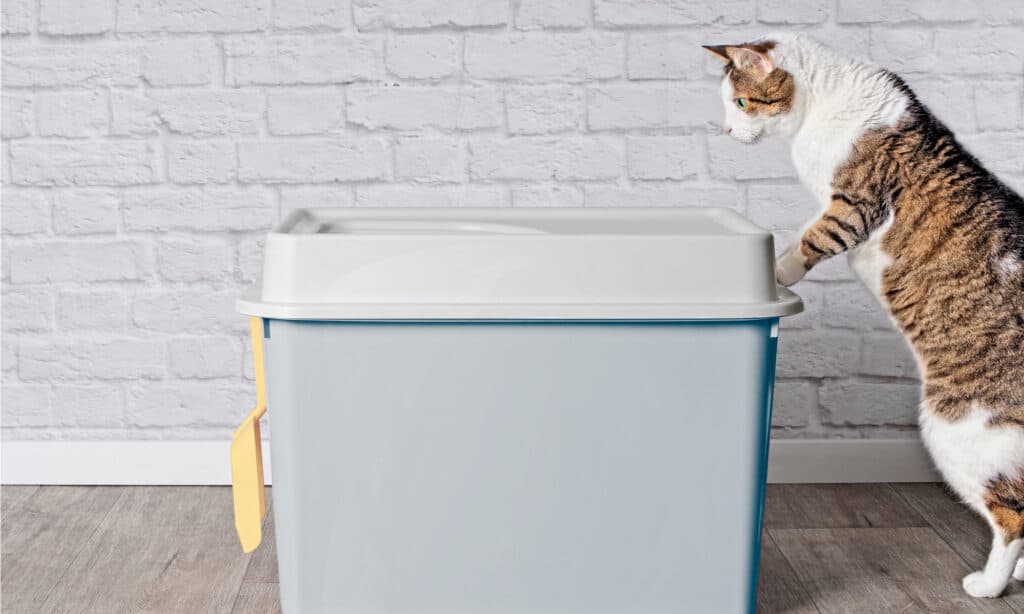
Cats will hold their waste if litter boxes are too dirty, which can lead to a variety of health issues.
©Lightspruch/Shutterstock.com
Having a dirty litter box not only causes odors that cat owners can smell, but also poses health risks to cats. This occurs when the litter boxes are too soiled to use, forcing cats to hold their waste, which can lead to life-threatening conditions.
“When a box is left dirty, it becomes a deterrent; they begin to hold their urine or make repeated, stressful attempts to go,” Heafner says. “This pattern often triggers bladder inflammation (feline idiopathic cystitis), urinary tract infections, and constipation.”
Heafner continues, “Male cats are particularly susceptible because their urethra is longer and more narrow. When irritated, it swells shut, causing a life-threatening blockage. Female cats are slightly more prone to UTIs due to anatomy, but both sexes suffer equally when stress and poor hygiene irritate the bladder.”
Both the cleanliness of the litter box and the type of litter used can deter cats from using the box.
How to Choose a Cat Litter
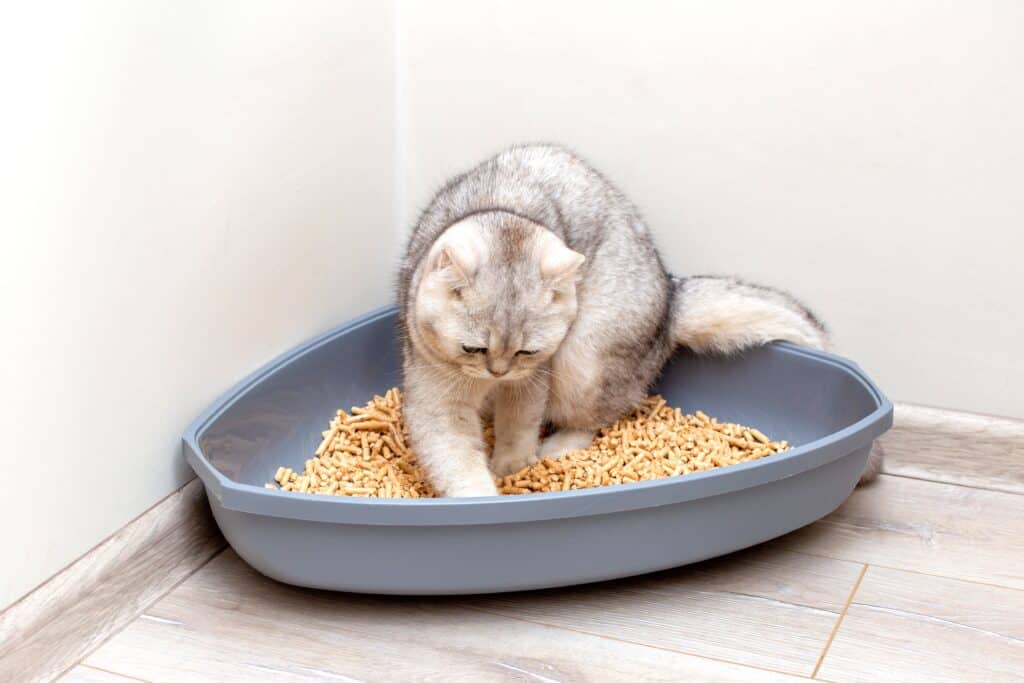
Always use the litter a cat prefers rather than following cat litter trends.
©Natasha Zakharova/Shutterstock.com
For a long time, clay cat litters were the standard litter that was offered to cat owners. The only difference was whether they wanted the litter scented or not. Today, there are a variety of litters on the market, making it difficult for cat owners to know just what is best for their beloved felines.
Some of the most popular cat litters on the market today include:
- Clumping clay litter
- Non-clumping clay litter
- Silica gel litter
- Recycled paper litter
- Pine litter
- Wheat litter
- Grass litter
- Corn litter
- Walnut shell litter
- Tofu litter
With all of these options (and celebrity endorsements behind some), making an informed decision can be overwhelming. The best choice, according to Heafner, boils down to what a cat likes the best.
“The best litter is always the one your cat feels comfortable using, and this ties closely to their instinct to eliminate on soft, fine, sand-like material,” Heafner states. “Most cats prefer fine-grained clumping clay because it feels the most natural under their paws and allows them to dig and cover effectively.”
“Crystal litter is popular with owners because it absorbs moisture well and can reveal changes in urine color, but its crunchy and sharp texture can bother some cats,” Heafner continues. “Plant-based litters vary widely, and strong scents can be off-putting.”
Additionally, some of the plant-based litters can grow mold, which can add an extra layer of health issues for cats when using the litter box.
While cat litter trends can be tempting to follow, Heafner says cats want what is closest to the great outdoors under their feet, not something being sold via a flashy ad campaign.
“Ultimately, cats tend to choose substrates that resemble the loose soil or sand they would use in the wild,” Heafner says, “so litter texture matters far more to them than trends.”
The bottom line is that if cat owners want their cats to use the litter box successfully, there needs to be enough, appropriately sized litter boxes in the home, the litter needs to be cleaned at least once daily, if not more, and the litter needs to be changed out regularly. When this does not happen, cats can become very sick and even face massive health issues.
While litter boxes may not be the most attractive household item, they are essential for your cat’s health and well-being. Choose a litter box and litter that minimize stress and feel comfortable for your cat. Their health depends on it.