
Quick Take
- One common kitchen scent actually irritates rats' eyes and nasal passages, though a catch exists that makes it a messy trade-off. See the trade-off →
- Not all forms of the same repellent work equally. One delivery method is nearly useless against rats while another drives them away. Candle vs. oil explained →
- A 2014 scientific study confirmed that only one of these 12 scents actually works, which means the others vary in how proven they really are. See the 2014 study →
- Black pepper does more than just smell bad to rats. It targets a specific survival mechanism that makes them flee the area entirely. How it disrupts rats →
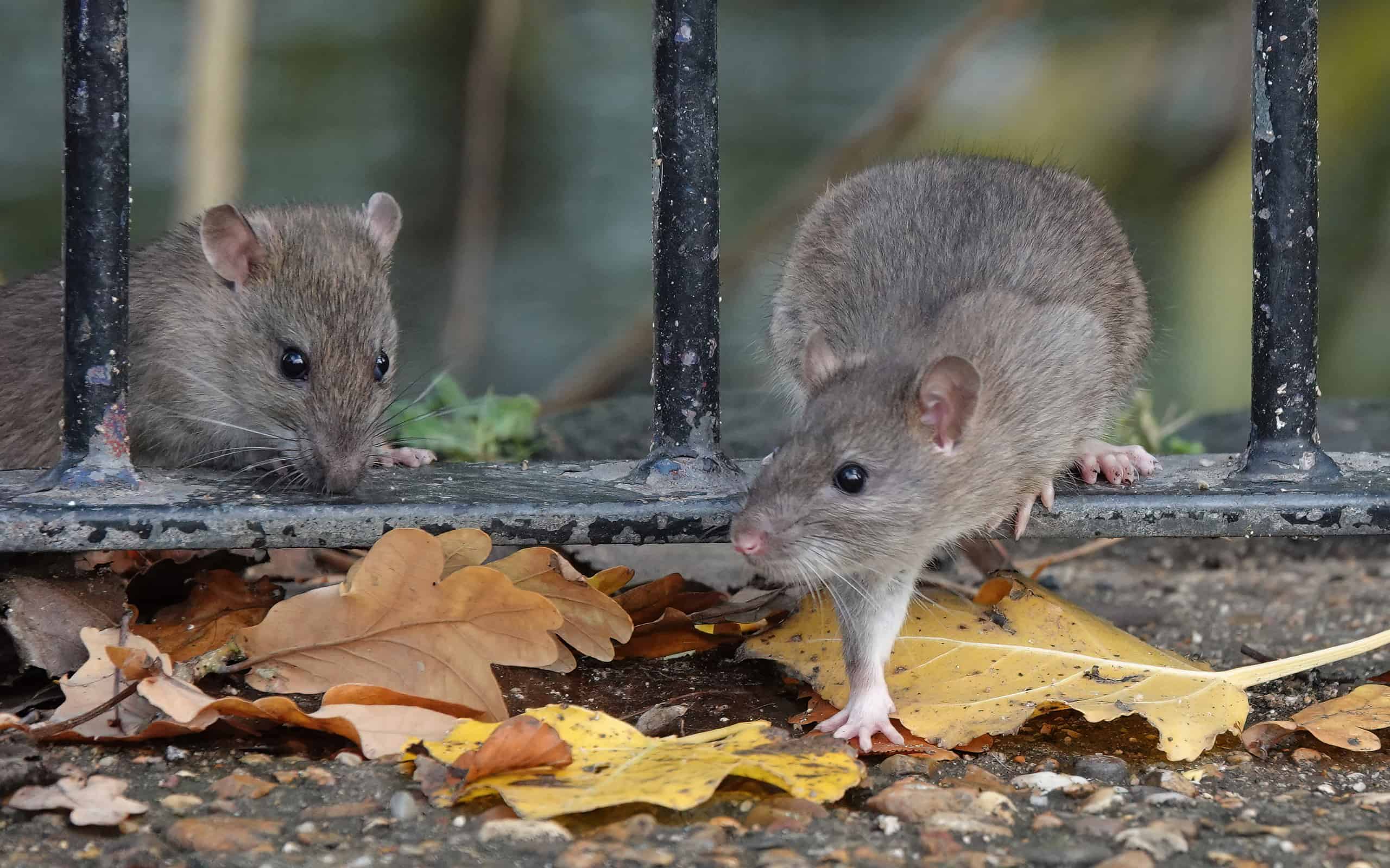
Rats can be a nuisance when they invade your home, seeking shelter and food. In place of inhumane traps, strong scents can be an effective solution to combat minor rat infestations around your house. These scents can be used in areas around the home where rats are likely to nest, helping keep them away. Rats have a heightened sense of smell, so many scents that seem mild to us can be overwhelming to them. This ultimately makes certain aromas great rat repellents. Whether you are a homeowner looking to keep rats away or you own a pet rat and want to avoid offending them, continue reading to learn about 12 natural smells rats hate the most.
Peppermint
The invigorating smell of peppermint oil might be pleasant for you, but rats dislike it. The more potent the peppermint oil, the more it will irritate a rat’s nasal passages. Peppermint oil is a great natural repellent for rats and, when used appropriately, can help keep rats away from certain parts of your home.

Peppermint essential oil naturally helps to repel rats, since the smell is overpowering for them.
©iStock.com/Rawf8
It’s recommended to use pure peppermint oil that hasn’t been diluted. Soak cotton balls in the oil and leave them in nooks and crannies that rats may frequent.
Garlic
Many rats despise the smell and taste of garlic, including the plant itself. This means that you can use garlic cloves to repel rats. However, garlic is more potent when the cloves have been broken up to release its strong, lingering smell. Keep in mind that if you do use garlic to repel rats, you may also have to smell the garlic, depending on where you place it.
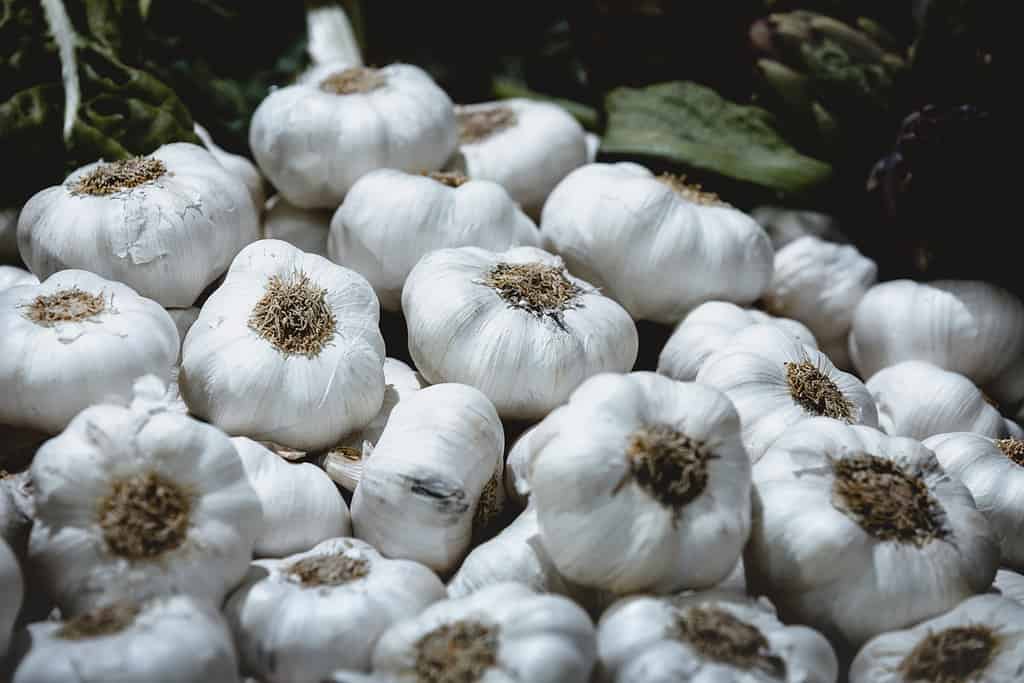
Crushed garlic cloves can be used to repel rats in constricted areas.
©Carl.Salisbury/Shutterstock.com
Clove Oil
Rats hate the strong smell of clove oil, making it an effective repellent. Clove oil is a great chemical-free solution that helps keep rats out of your home. You can either soak cotton balls in clove oil and leave them in small spaces, or you can crush up the dried flower buds to release the strong smell.
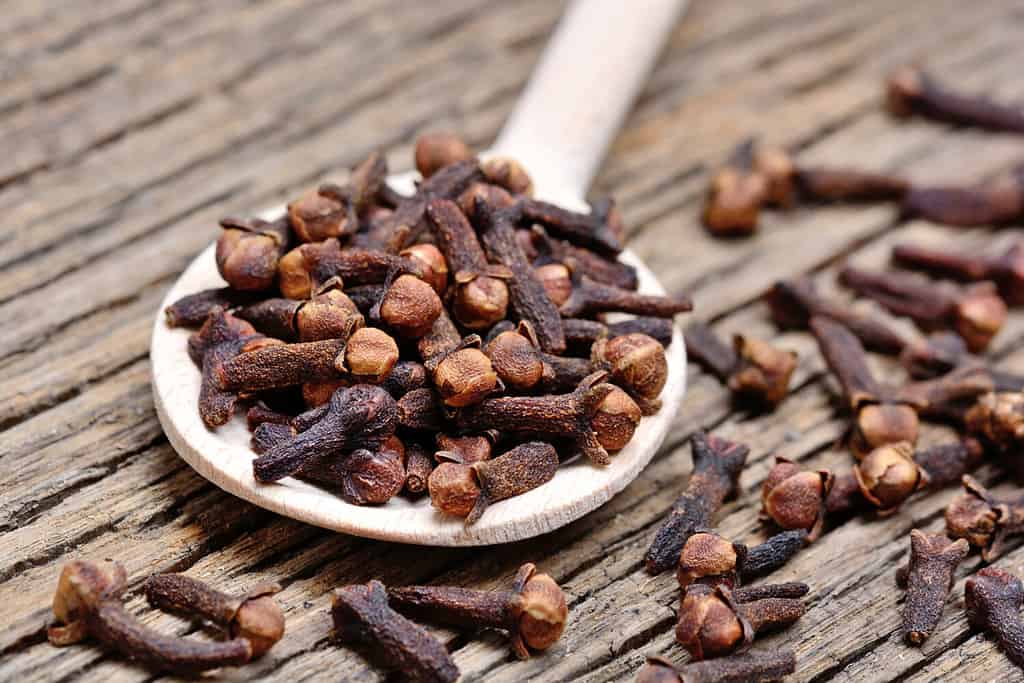
The smell of cloves’ dried flower buds or oil is hated by rats
©DeeaF/Shutterstock.com
Cayenne Pepper
Both the taste and smell of cayenne pepper (or any chili pepper) irritate rats. Most rats will avoid anything containing capsaicin, which is what gives peppers their heat. Cayenne can be used as a natural rat repellent, especially in its powder form, since it can cause a burning sensation when inhaled or ingested. Cayenne pepper, including powder form, is easily acquired at many grocery stores.

Rats do not like the smell of cayenne pepper or any chili powder.
©Thanatip S./Shutterstock.com
Citronella
Rats generally hate citronella, which is often used to control mosquitoes and other insects. Burning citronella candles doesn’t seem to do much in terms of repelling rats, but the spray or oil form may keep them away. The strong citronella smell is overwhelming to a rat’s heightened sense of smell, so they will try to avoid it.
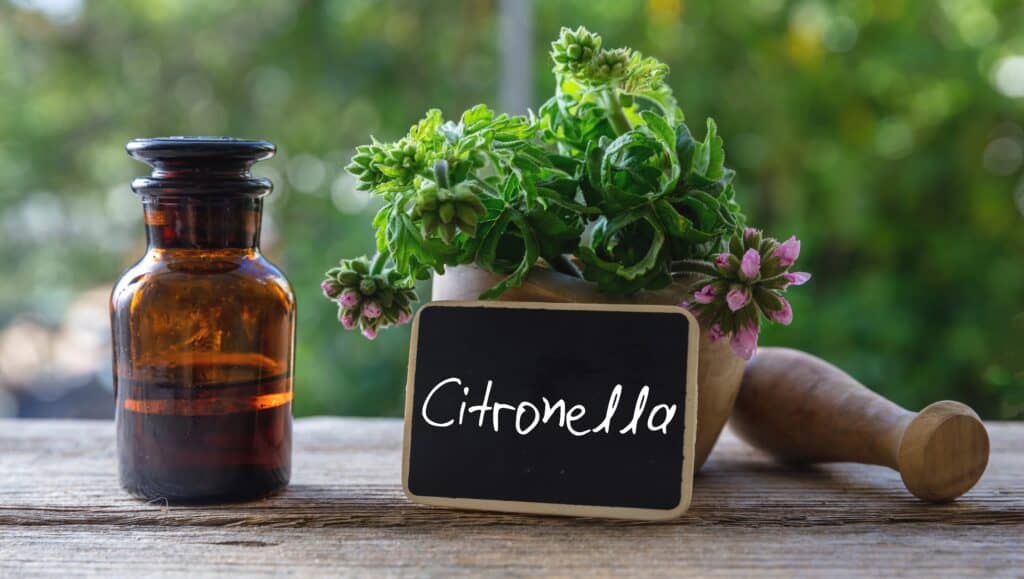
Mosquitoes and insects aren’t the only ones who hate the smell of citronella. Rats avoid citronella as well.
©rawf8/Shutterstock.com
Citrus Oil
Rats dislike strong citrus smells and tastes. This includes the smell of lemons, grapefruit, and oranges in essential oil form. Rats will try to avoid entering areas with an overpowering citrus scent.

The citrus scent of lemons and limes not only refreshes the home but can be used to repel rats.
©Viktory Panchenko/Shutterstock.com
The smell of lemon or orange juice may not be as overwhelming to a rat’s keen senses, which is why essential citrus oils are a better option. Pure, concentrated citrus oils work well at naturally repelling rats, and they smell much better than some of the other natural rat repellents.
Vinegar
The strong smell of white vinegar is irritating to a rat’s senses. Use it in a concentrated form since diluted vinegar will not work as well. If you want to repel rats with vinegar, soak cotton balls in vinegar and place them around the house. The smell will dissipate as the cotton balls dry out, necessitating re-saturation of the cotton balls periodically.
Vinegar has multiple uses, including its ability to repel rats.
©focal point/Shutterstock.com
Eucalyptus Oil
Many strong-smelling essential oils, including eucalyptus oil, are hated by rats. Although they may smell pleasant to us, they are entirely too strong for rats to handle. A study from 2014 (Singla, Thind, and Mahal) found eucalyptus oil to be effective at repelling both male and female rats.

Although some humans appreciate the benefits of eucalyptus aromatherapy, rats are not fans of the fragrant eucalyptus plant and its oils.
©iStock.com/Marina Denisenko
Eucalyptus essential oils work best when they contain high concentrations of eucalyptol. Dipping cotton balls in eucalyptus oil and placing them around the home can help keep rodents outside where they belong.
Raw Onions
The pungent smell of raw onions and their juice is gross to rats. It can even cause irritation to their nasal passages and eyes. This is mainly because onions contain syn-propanethial S-oxide that is released when the onion is sliced open.

When sliced, onions can have a repelling effect on rats.
©Africa Studio/Shutterstock.com
Of course, humans have a similar reaction to syn-propanethial S-oxide, rendering raw onion a less-than-perfect rat repellent.
Black Pepper
Anyone who’s accidentally snuck their nose in a container of black pepper knows it can make you sneeze. Black pepper is particularly irritating to a rat’s nasal passages, and large amounts of black pepper can act as a repellent to rats. A rat is unlikely to stay in an area with an irritating smell because it disrupts their ability to sniff out edible foods.

The smell of pepper is an irritant to a rat’s acute sense of smell.
©Tolikoff Photography/Shutterstock.com
Lavender Oil
Lavender is another essential oil that can be used to repel rats due to its overpowering smell. The strong aroma from concentrated lavender oil is enough to stop any rat from nesting or approaching certain parts of your home. You can use lavender oil to naturally repel rats by placing soaked cotton balls in small areas where rats are likely to roam.

The relaxing smell of lavender essential oils is hated by rats.
©iStock.com/Olivka888
While it is known that lavender oils may repel rats if the scent is strong enough, more evidence is still needed to determine how lavender oils affect rats and their behavior. What we do know is that rats seem to hate strong lavender smells.
Sage
Sage is a perennial subshrub that rats hate. However, this herb might not be consistently effective as a repellent, even though rats generally avoid areas smelling of sage. Both green and white sage are disliked by rats, so you could place crushed leaves or sage oil in small crevices and cracks to potentially repel them.

Anecdotal evidence suggests that the smell given off by both white and green sage may not be appealing to rats, although there have been no studies to prove this.
©iStock.com/creativeneko