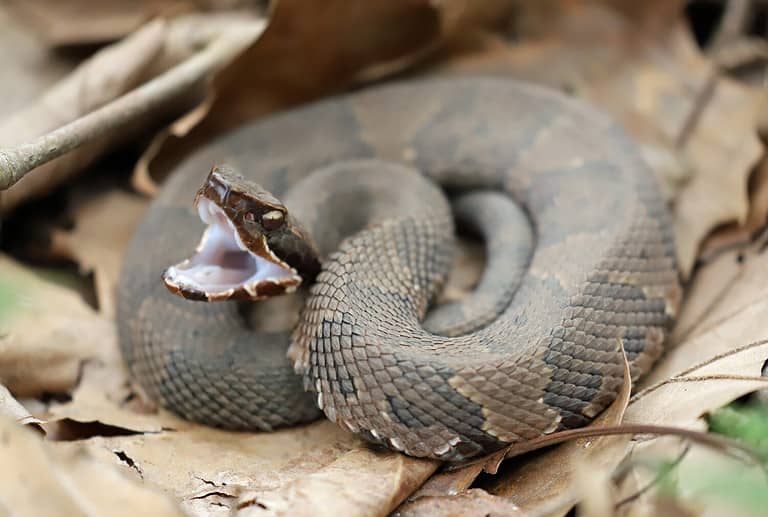

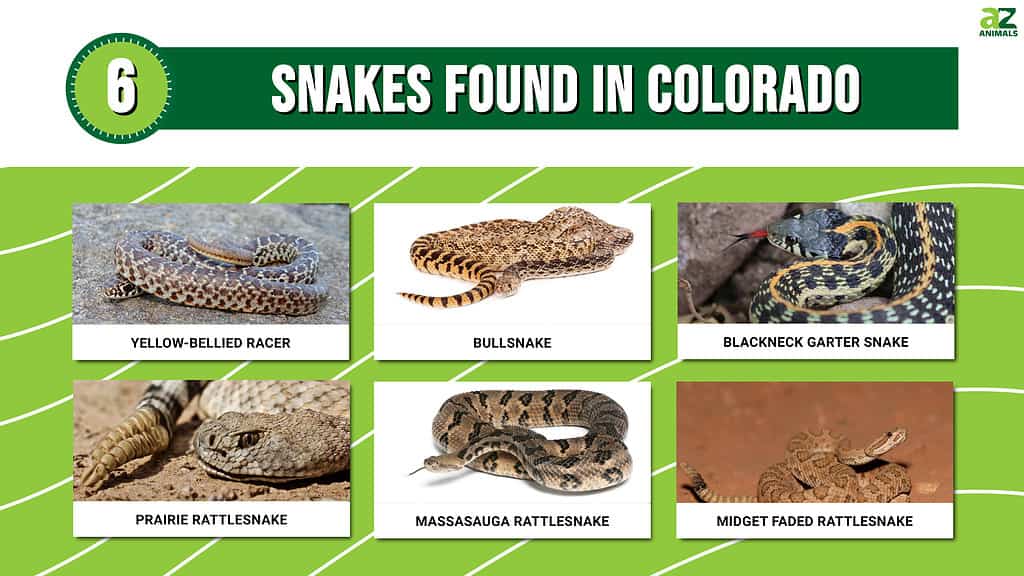
Colorado is a popular tourist destination in the central United States. It is home to a wide range of environments, from forests to deserts to snowy mountain peaks. So naturally, the large size and habitat variety of the Centennial State allow many kinds of animals to thrive. This also means that a variety of snakes inhabit the state as well. This shouldn’t be surprising; while we may think of mountains when we think of Colorado, much of the state is covered in desert and shrubland. There’s no need to panic, however. Even though Colorado is home to about 30 species of snakes, only 3 of them are venomous. They are also easy to identify and avoid since they’re not nearly as aggressive as some stories would have you believe.
With this list, we hope to put some of Colorado’s most notable snakes on display for the world to appreciate, as well as list tips on how to avoid a venomous snakebite in the wild areas of the state. If you’re at all interested in snakes or Colorado wildlife, read on!
Yellow-Bellied Racer
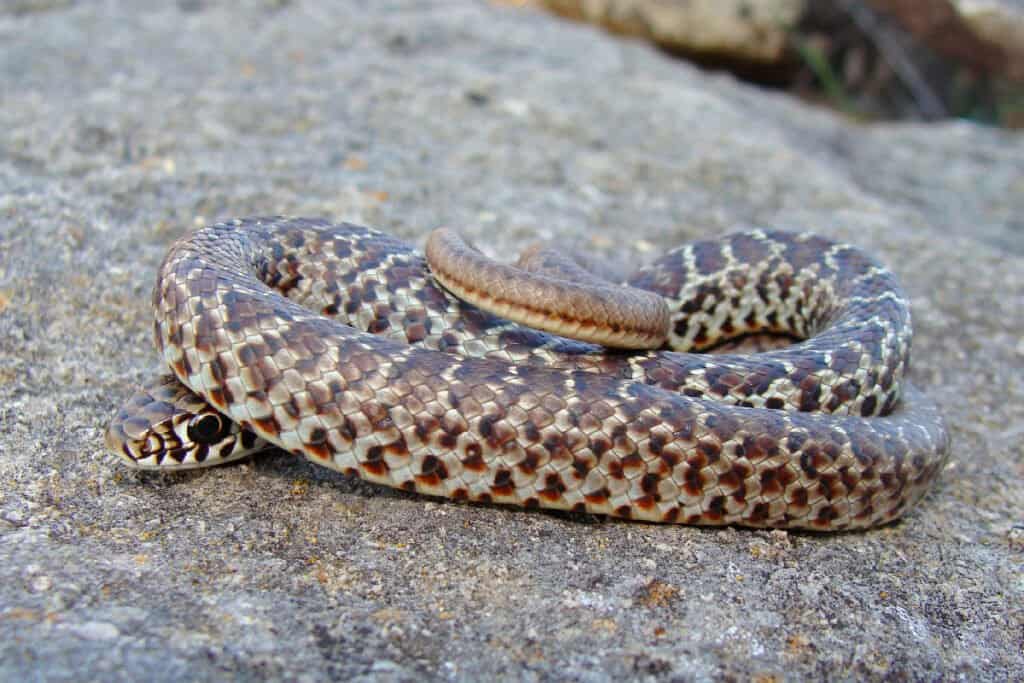
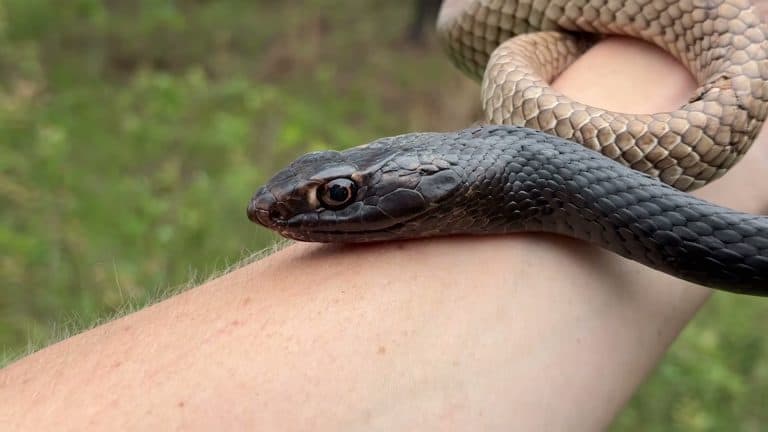
The yellow-bellied racer is not venomous.
©Matt Jeppson/Shutterstock.com
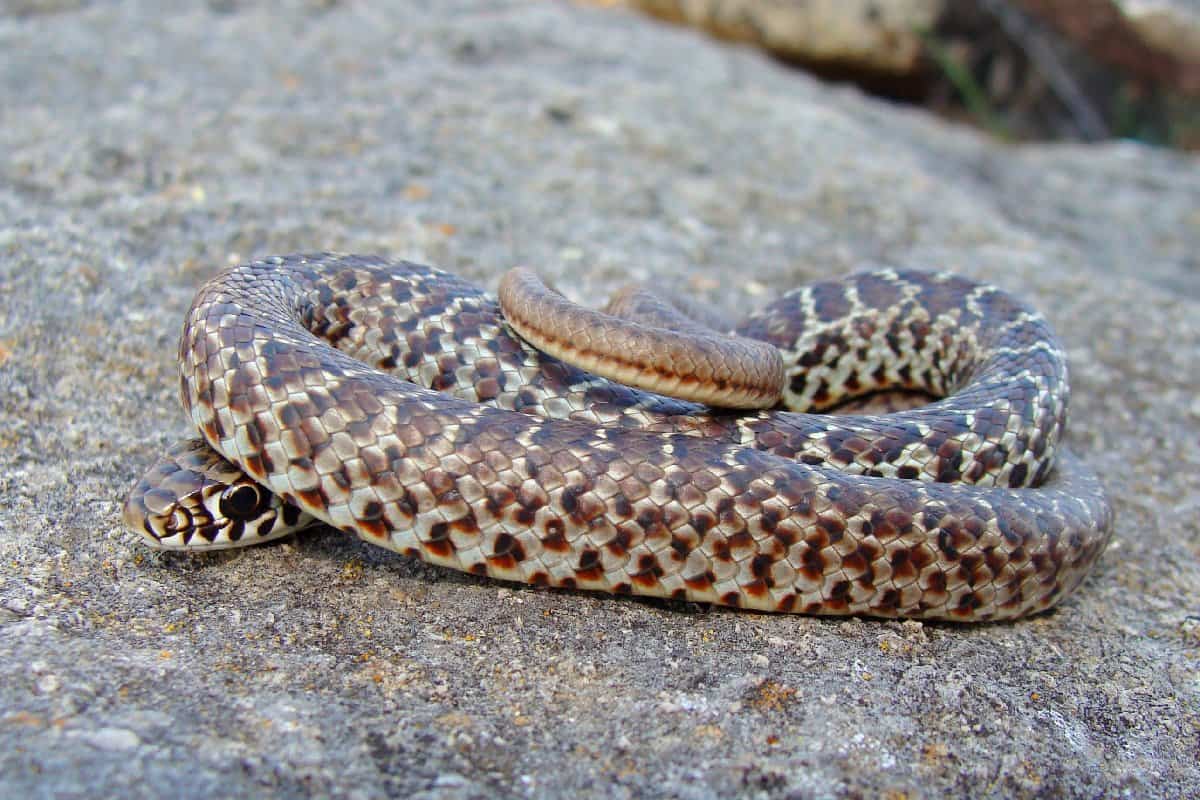
The yellow-bellied racer is one of Colorado’s most common snakes. You may see it in most grasslands, meadows, and even mountain environments, especially those with some water and lots of sunshine. They are easy to identify, with blue-gray or brown bodies, and a signature yellow belly that earns them their name. They are fairly long snakes and can reach up to 55 inches. Yellow-bellied racers prey on a wide range of animals, including small mammals, birds and their eggs, insects, lizards, frogs, turtles, and even other snakes.
Yellow-bellied racers are nonvenomous snakes, so if you see one in the wild, you have nothing to worry about. That being said, despite being legal to own, it still makes a poor pet because of its wild nature; it will never get used to being handled. As a racer snake, this species is known for its speed and agility, so taking it out of its tank would be asking for it to get lost in the house!
Bullsnake
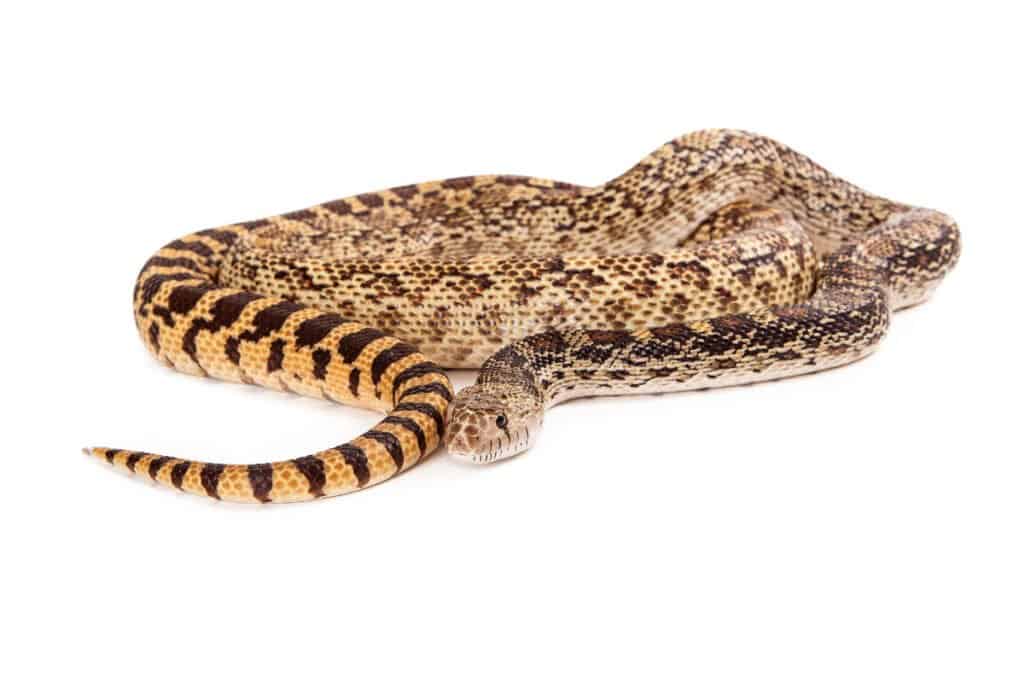
The bullsnake is one of the largest snakes in Colorado.
©Susan Schmitz/Shutterstock.com
The bullsnake is one of the largest snakes in Colorado. While they typically grow to be four to six feet long, some have been reported to be as large as 90 inches. Despite being non-venomous, bullsnakes can be quite aggressive if they are threatened, often rearing up and lunging violently at the threat while attempting to retreat. They also have a habit of vibrating their tail in the leaf litter, which can sound like the rattle of a rattlesnake. Despite this, bullsnakes are quite beneficial to have around as they prey on a variety of different animals, including rodents. Bullsnakes are typically found in open grasslands, prairies, and meadows.
Common Garter Snake
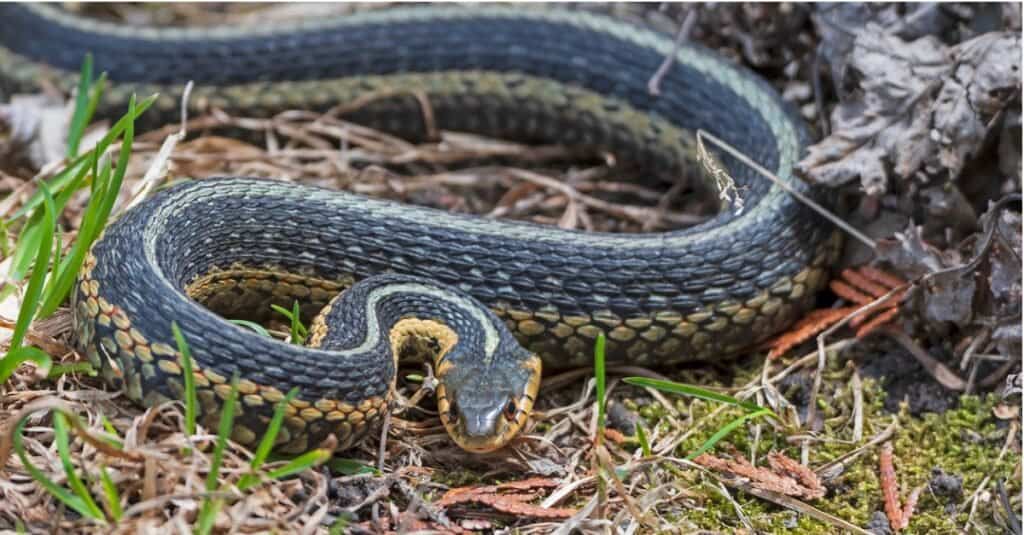
All garter snakes have keeled scales, which means they have a ridge down the center.
©iStock.com/Wildnerdpix
Colorado is home to four different species of garter snake, all of which are harmless to humans. One of these is the common garter snake, which reaches a maximum length of four feet. Common garter snakes can be a variety of colors, including black, brown, blue, and green. They also typically have long, thin stripes running along their bodies. Common garter snakes can be found along the eastern base of the Front Range. They are good swimmers and are often found close to water, where they prey on a variety of fish, toads, and rodents. Despite not being venomous to humans, these snakes are mildly venomous to their prey as they produce a venom-like substance in their saliva, which they chew into their prey to subdue them.
Prairie Rattlesnake
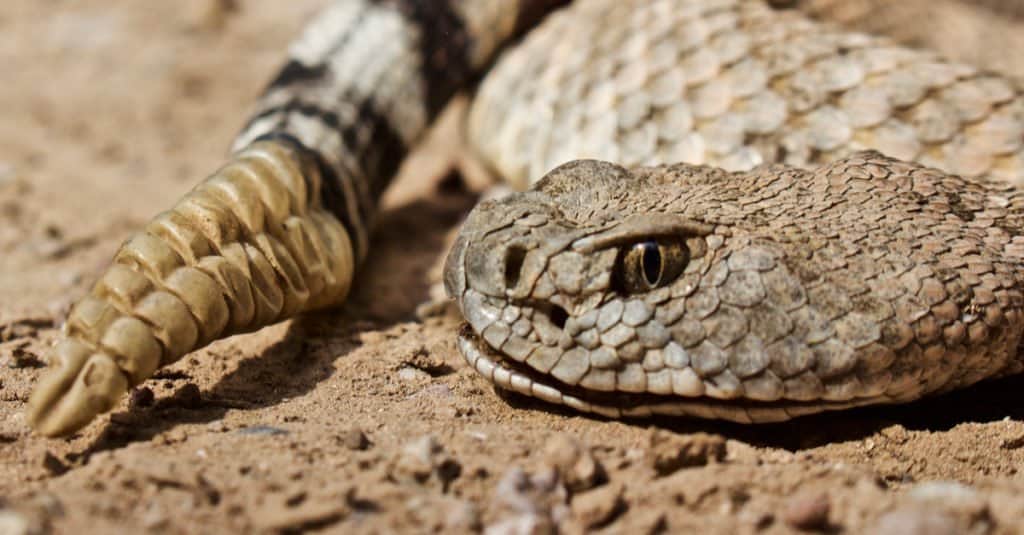
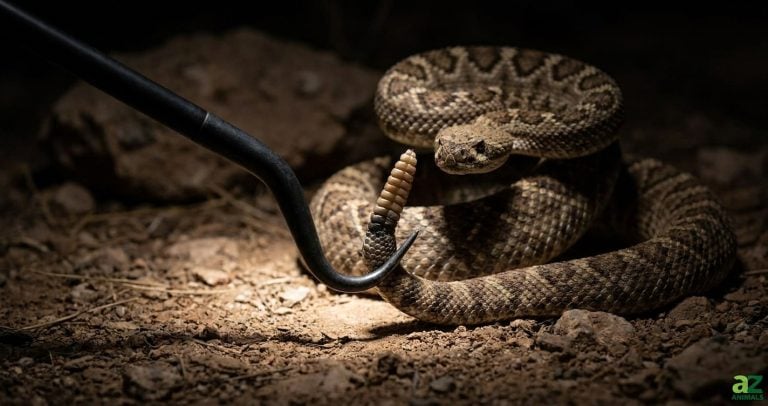
The prairie rattlesnake is one of three venomous snakes in Colorado.
©DMartin09/Shutterstock.com
The first of the three venomous snakes in Colorado is the prairie rattlesnake. At four feet in length, the prairie rattlesnake is also the largest of Colorado’s three rattlesnakes. These snakes are extremely common, except at the highest elevations. They typically inhabit grasslands and shrublands where there is plenty of cover to hide from predators and sneak up on prey. They are most often sighted in the state’s foothills, eastern grasslands, and near the Colorado River. Despite their large size, they prefer to primarily eat small mammals. Also, despite being venomous, prairie rattlesnakes are not naturally aggressive and typically only strike in self-defense if they are threatened or cornered. Nevertheless, a bite from this snake can cause severe injury and permanent damage, requiring medical treatment, which can be costly.
Massasauga Rattlesnake
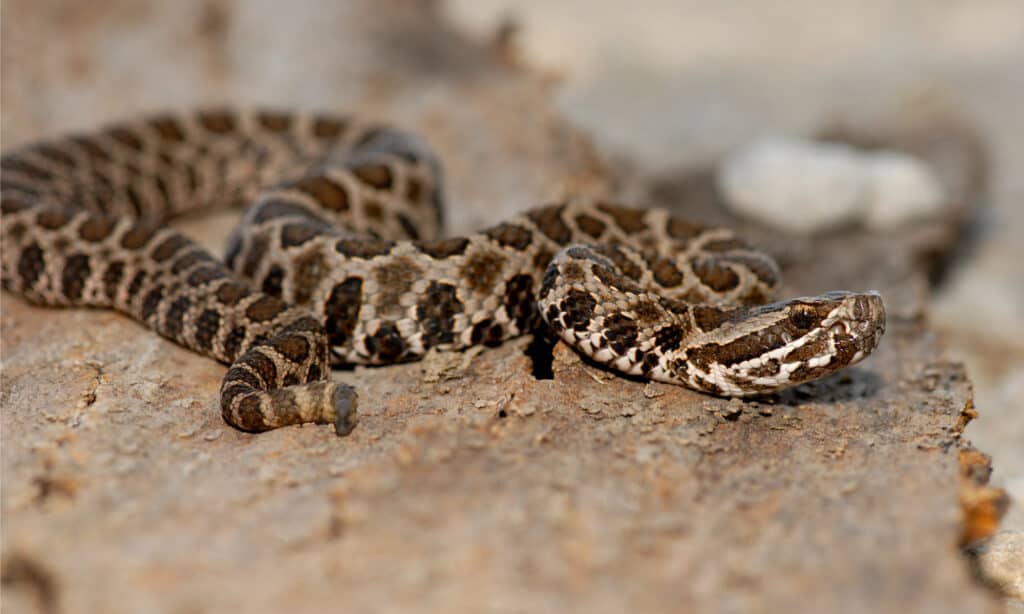
Massasauga rattlesnakes are typically found in sandy areas in Colorado.
©iStock.com/Shoemcfly
There are two types of massasauga in Colorado: the western massasauga and the desert massasauga. Even though they are similar in most ways, most of the state’s massasaugas are of the western variety. These snakes are far less widespread than the prairie rattlers, residing only in the dry areas of southeastern Colorado. They prefer sandy environments, sometimes being found in dry grasslands.
The western massasauga can grow up to three feet long and has a light or tan-brown appearance with dark brown blotches. They typically prey on frogs, lizards, and small snakes. Massasaugas have incredibly potent venom, but their relatively low venom yield means that they are not as dangerous as other rattlesnake species. However, bites from these snakes can still cause severe injury, permanent damage, and extremely high medical costs, particularly to children and pets, so it’s important to watch where you walk and seek medical treatment immediately if you are bitten.
Midget Faded Rattlesnake
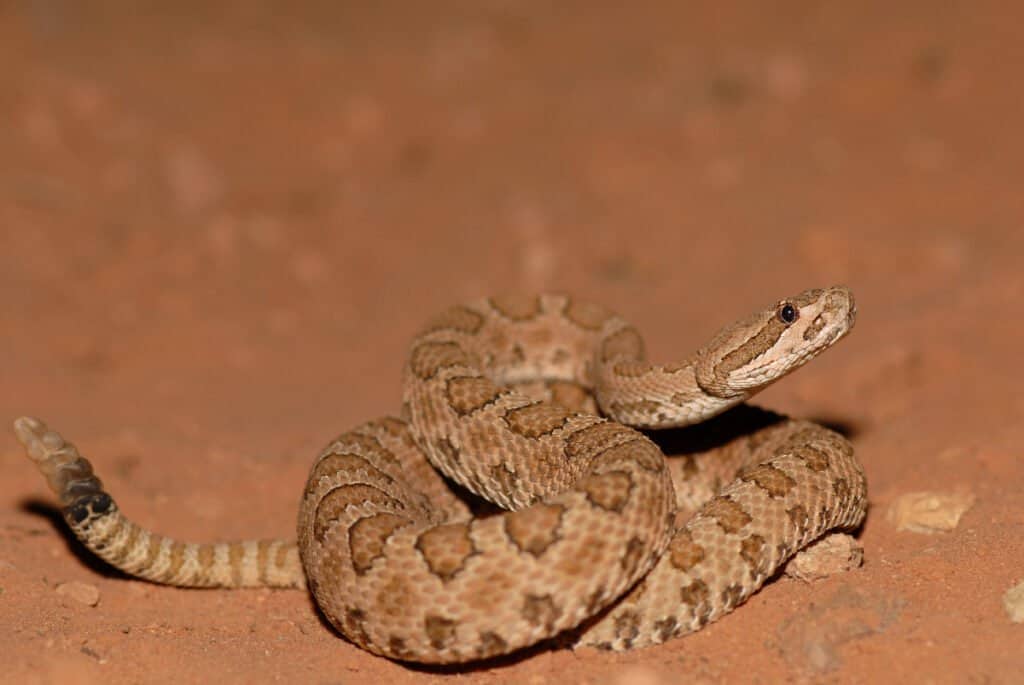
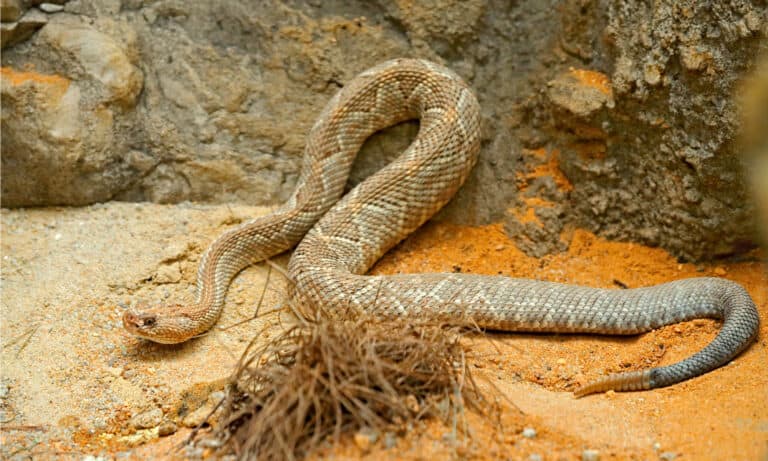
The midget faded rattlesnake is known for its faded color pattern.
©Rusty Dodson/Shutterstock.com
The midget faded rattlesnake is around 20 to 30 inches long and has a pale brown appearance with darker brown blotches. However, their color pattern fades as they age, meaning that juveniles usually have the most distinctive markings. Midget faded rattlesnakes live in a variety of habitats in Colorado, including sandhills, shrubland, and woodlands. However, they are quite rare and are mostly found in Mesa, Delta, and Garfield counties. They have particularly potent venom, but bites from these snakes are rare as these snakes are not aggressive. However, they will defend themselves. They prey mainly on small mammals and birds.
The Snakes of the Centennial State
The dry environments of Colorado are home to some incredible wildlife, including many snakes that we were unable to cover. While fatal snake bites are relatively rare in the U.S., rattlesnake bites are serious medical emergencies that can cause severe injury, permanent damage, and significant financial burden.
Out of about 30 species of snakes in the state, only three are venomous, and one has a declining population. Also, these rattlesnakes are on the smaller side, and even the large ones can never hope to swallow a human being, so they try to avoid confrontation. On top of that, they are even prey for some of the nonvenomous snakes.
As long as you see these snakes for the wild animals that they are and give them the space they need, we can coexist with these reptiles and allow them to flourish. We hope that, with a proper understanding of Colorado’s snakes, we can learn to appreciate all of its wildlife. So don’t let fear of these snakes stop you from enjoying one of the most beautiful states in the nation.