
Quick Take
- Wisconsin is home to two venomous snake species, both of which inhabit its most snake-infested rivers.
- Most snake species in these regions are harmless and tend to flee from humans.
- Door County rivers include habitats such as estuaries that protect and shelter many snake species.
- The Mississippi River is a hotspot of snake activity, particularly near Pepin Lake.
If you were to guess which state is home to the most snake-infested waters, chances are, it’d be somewhere in the Deep South. With its reputation for timber rattlers, water moccasins, and copperheads, it’s not surprising. What is shocking is the fact that some of the most snake-infested waterways in the country are found not in the South, but in Wisconsin.
The Midwest sees its fair share of reptiles, and snakes are typically found in fields and rural farmlands. However, the Mississippi River and rivers throughout Door County are where you’re most likely to encounter many of the state’s slithering species. These two regions are among the most snake-populated in Wisconsin, thanks to ecosystems that support thriving snake populations.
The Famous Snakes of Door County
Door County is home to 15 waterways, the largest of which is the Mink River. It serves as an estuary for much of the state’s aquatic life, making it a prime hunting ground for snakes. The surrounding land is mostly untouched, allowing snake populations to thrive and grow. With nutrient-rich waters feeding their prey, it’s not surprising that this is a snake hotspot. While kayakers and canoeists occasionally visit, humans are not a food source for these snakes and are generally ignored.
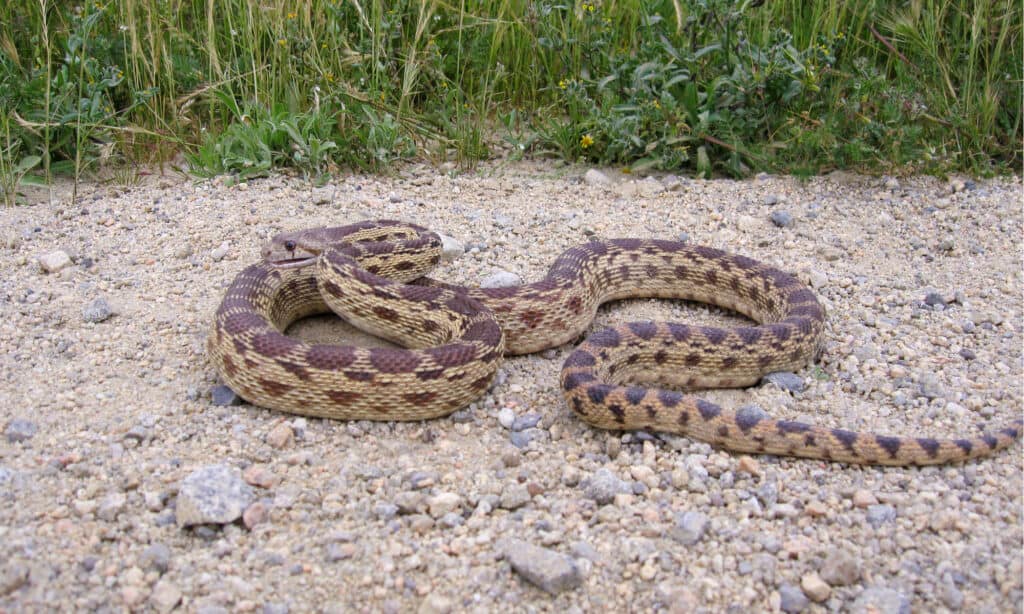
Gophersnakes are generally harmless and tend to flee to avoid confrontation.
©rawaccess/Shutterstock.com
What is especially notable about this and other rivers in Door County is that they are home to an endangered snake species. The eastern ribbon snake is rarely seen, as it lives in bogs and other low-lying water basins. This makes Door County rivers an ideal environment for the eastern ribbon snake, which prefers to remain hidden in shallow water. As a result, Door County’s waterways also serve as protective ecosystems for endangered species. Other species, including the central ratsnake, eastern massasauga, gophersnake, North American racer, eastern hog-nosed snake, prairie ring-necked snake, and timber rattlesnake, also call Door County home.
The Snake Inhabitants of the Mississippi River
The section of the Mississippi River near Lake Pepin is particularly appealing to snakes. Its diverse landscape offers variety, from grassy areas to shaded rock crevices. This has created a unique snake biome, with multiple species coexisting in the same ecosystem. This coexistence is possible because each species occupies a different habitat and has a distinct diet. Each species also uses a different hunting method, further reducing competition.
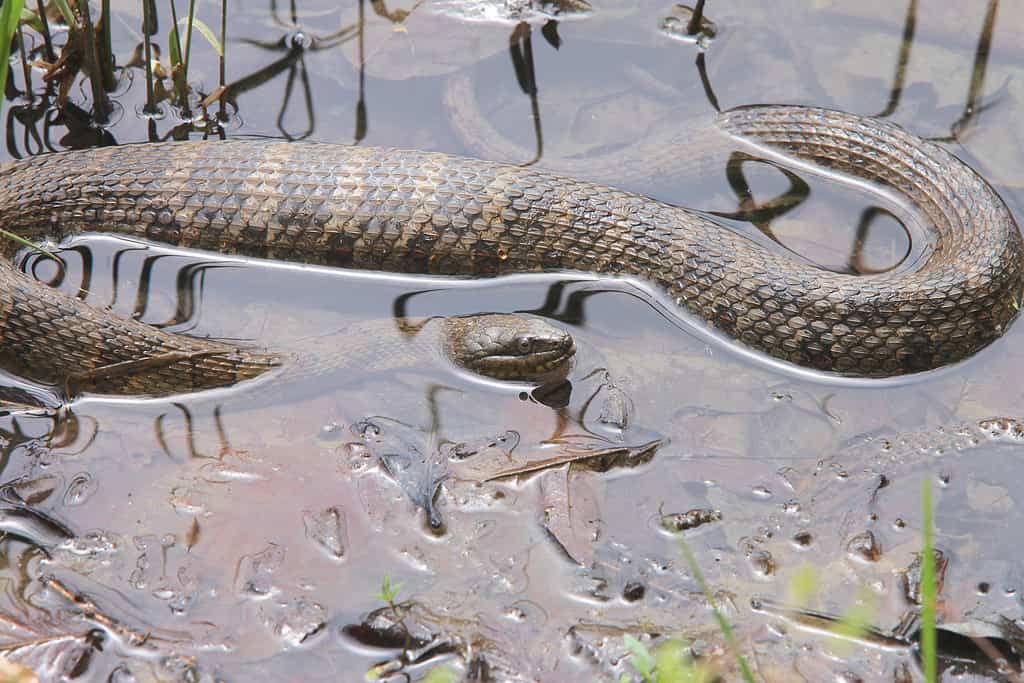
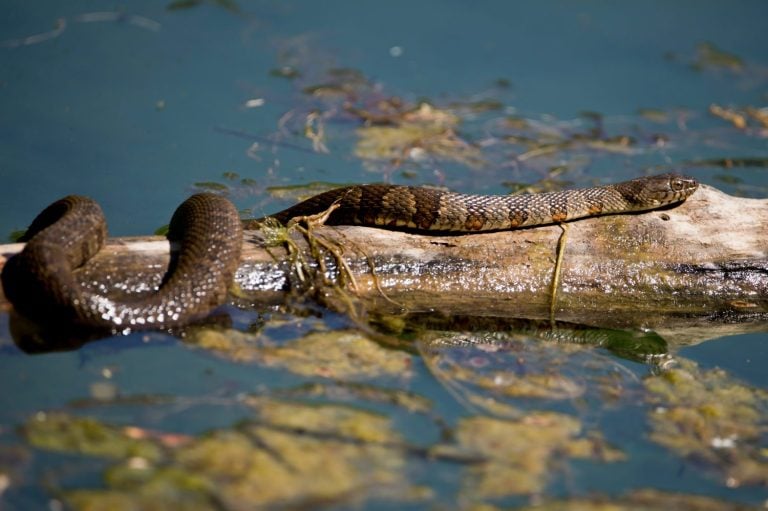
Northern watersnakes lie near shallow river shores awaiting prey.
©iStock.com/NajaShots
Species that call this river home include the northern watersnake, timber rattlesnake, eastern massasauga, bullsnake, eastern hognose, northern redbelly, western foxsnake, and eastern and plains garter snakes. Some of these, such as the northern watersnake, are found in the grassy areas just above the river waterline. Others, like the eastern massasauga, prefer the shallow wetlands along the river.
What Does “Snake Infested” Actually Mean?
Despite its connotations, “snake-infested” doesn’t necessarily imply a problem. These regions are home to native snake species, which happen to congregate where they thrive. Wisconsin is known for a variety of snake populations, including many that are water- or near-water-dwelling. It is natural for these snake species to inhabit the state’s most nutrient-rich waters. Here, they find shelter, abundant food, safety, and places to hibernate undisturbed through the winter.
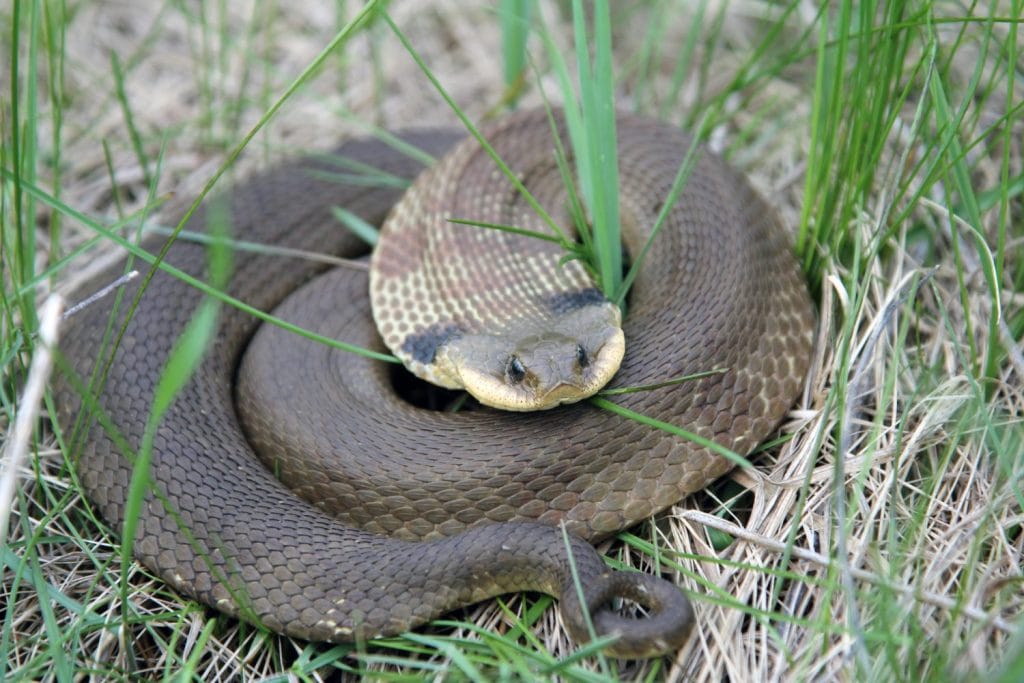
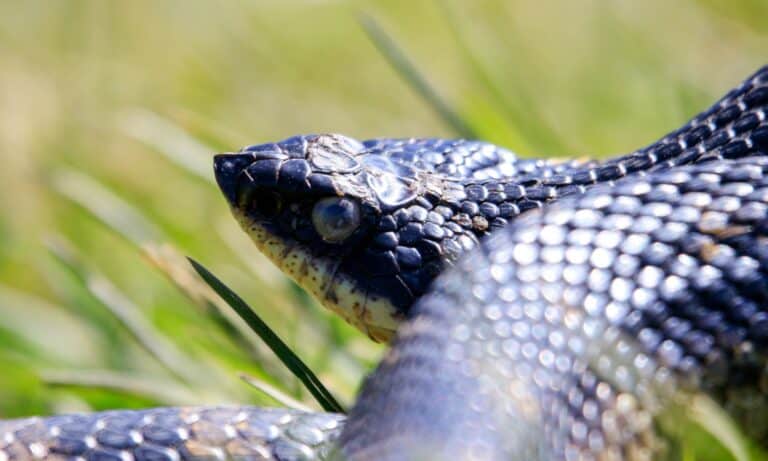
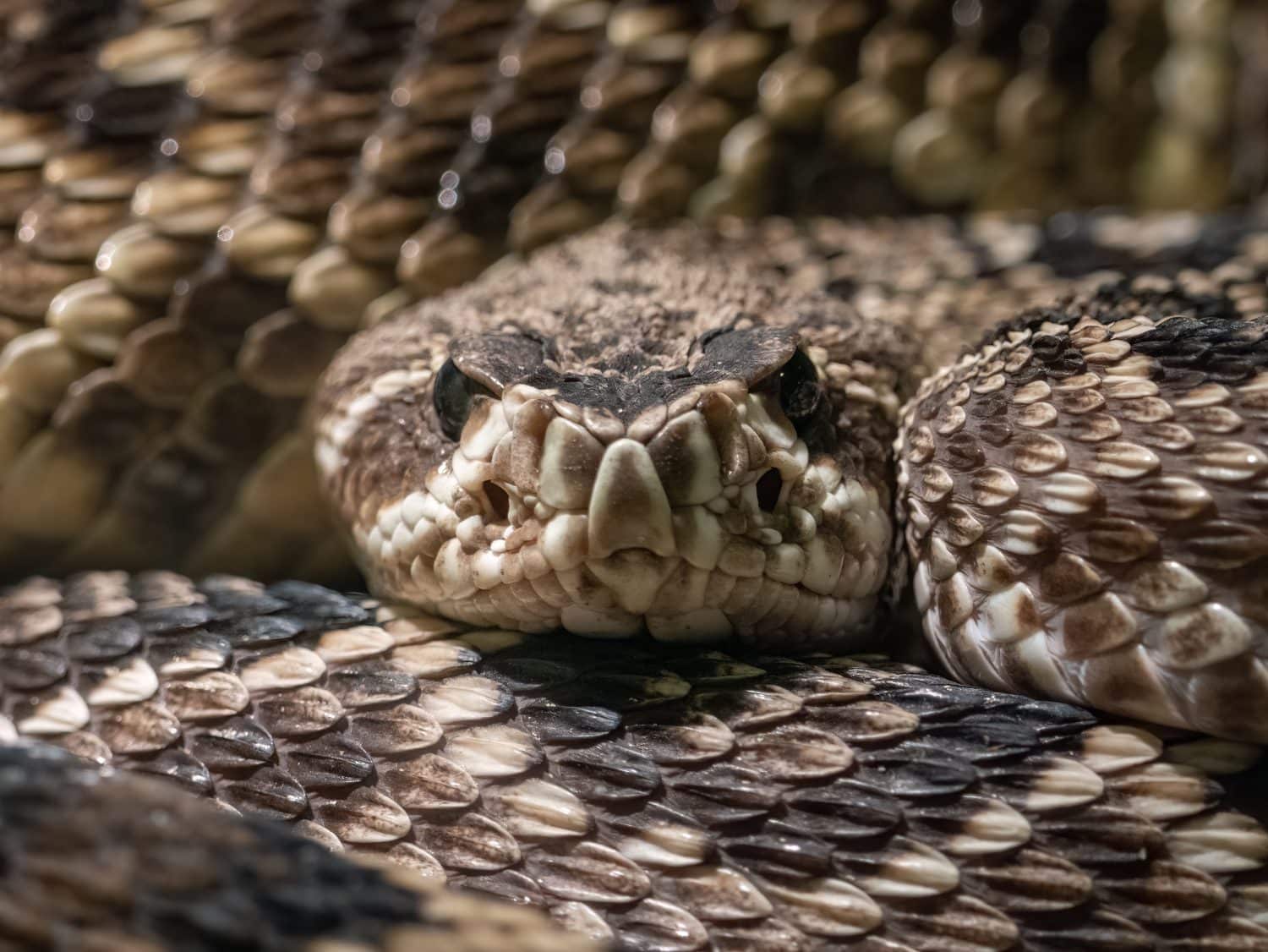
The eastern hognose is recognizable by its unusually flat head, but it is an elusive species.
©Wxchsr/Shutterstock.com
Therefore, the term “snake-infested” can also be thought of as “snake habitat.” While Door County waterways and the Mississippi River see plenty of snake species, they are not taking over Wisconsin’s plains. Additionally, none of these snakes are invasive, and their populations are stable. In this context, ‘snake-infested’ simply means that these waters have higher snake populations than many other regions in the country. And that’s a good sign of the rivers’ ecosystems.
Are Door County Rivers and the Mississippi Safe?
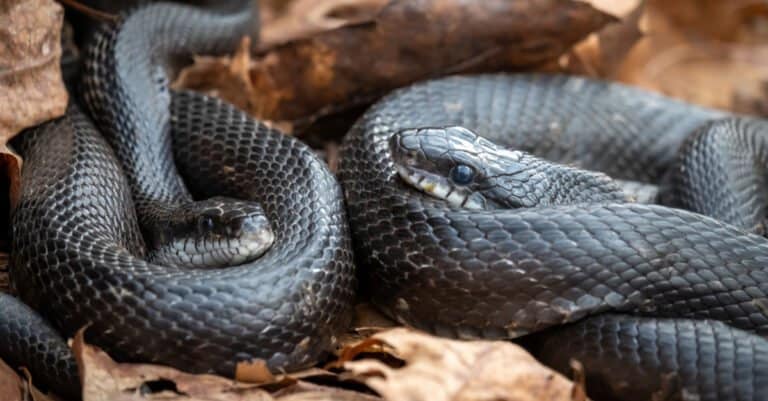
In short, these snakes are more likely to flee from humans than to confront them. They are masterful escape artists—especially the northern watersnake and the central ratsnake. These species are well-equipped to slither away before you even realize they are nearby. In most cases, a snake will not make its presence known unless it feels extremely threatened. Therefore, most snakes do not pose a threat to humans who are swimming or hiking near these waterways.
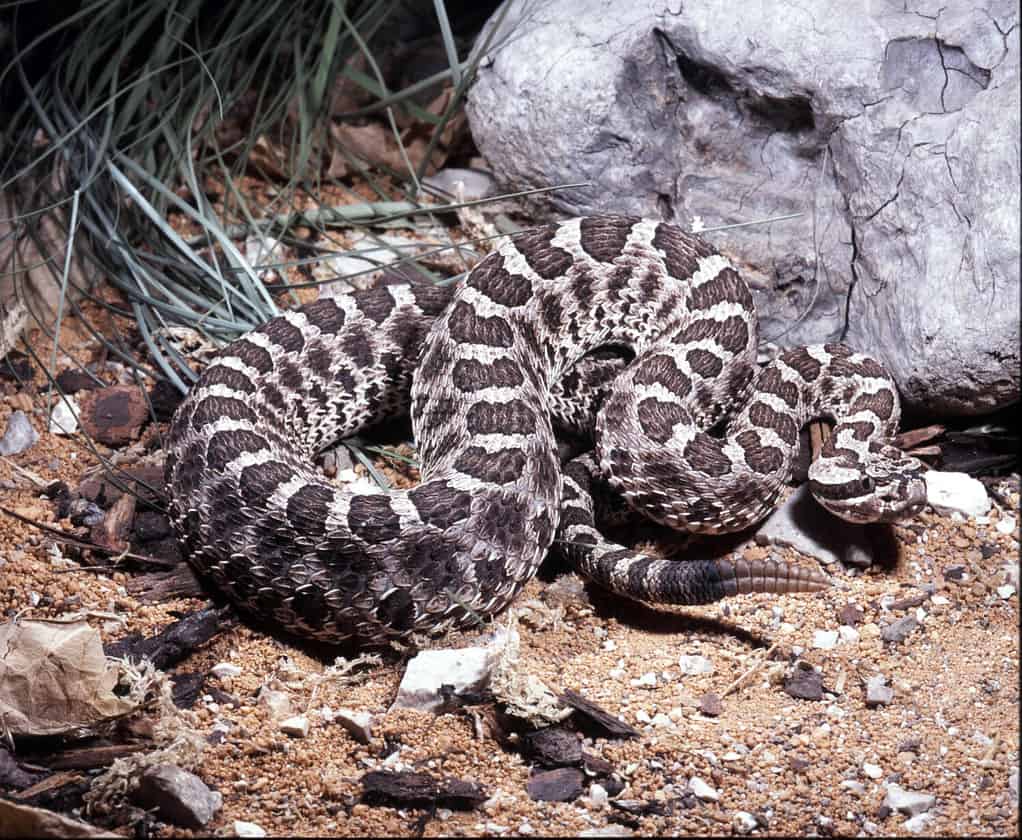
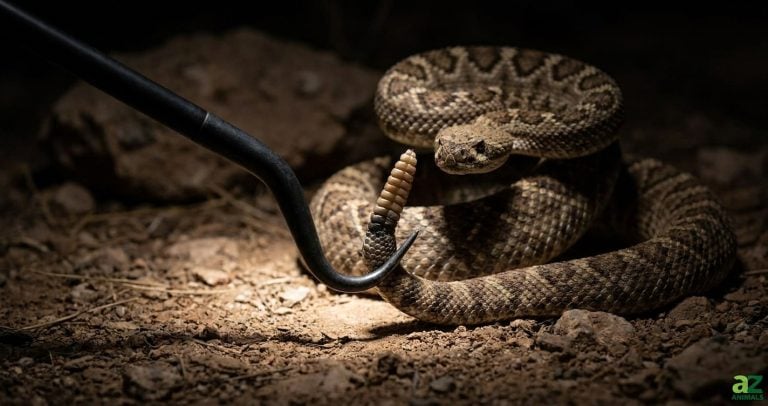
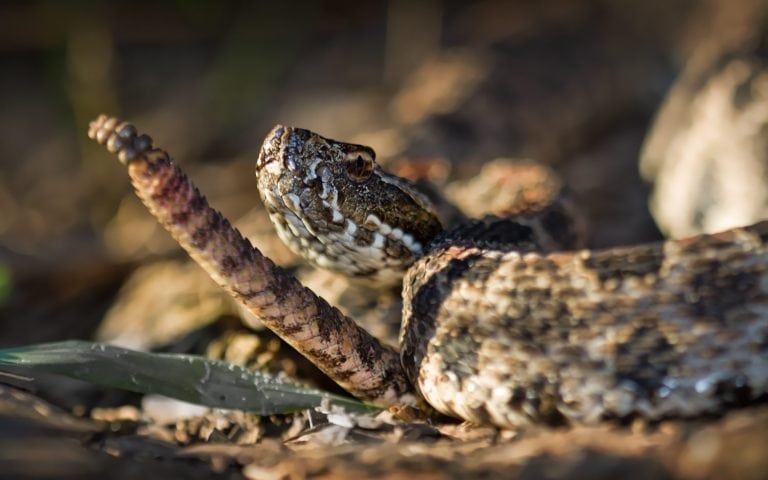
The eastern massasauga is one of two venomous snake species in Wisconsin.
©Vladislav T. Jirousek/Shutterstock.com
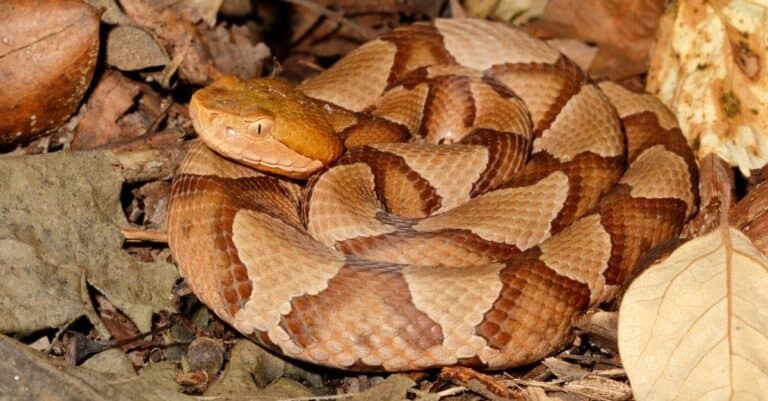
The only exceptions are the timber rattlesnake and the eastern massasauga. The timber rattlesnake inhabits parts of the Mississippi River region, while the eastern massasauga is extremely rare and found only in limited wetland habitats within the state. As pit vipers, these snakes can strike in milliseconds and inject venom that requires immediate medical attention. The timber rattlesnake is recognizable by its brown, yellow, or black pattern and, of course, its signature rattle. The eastern massasauga is identifiable by its alternating color bands. It is important to note that the eastern massasauga is an endangered species, and both of these snakes are generally shy. Bites are rare and happen roughly every four years in Wisconsin.