
Quick Take
- The rattlesnake-free states list most sources publish is wrong, leaving off one state that actually belongs on it. See the full state list →
- A dead rattlesnake can still put you in the emergency room, and the CDC has issued a specific warning about this danger. Dead snake dangers explained →
- The bite first-aid most people would instinctively try is on the official 'do not do' list. See what not to do →
- Two states on the rattlesnake-free list once had thriving populations, and the reason they're gone isn't what you'd expect. How rattlesnakes disappeared →
The unmistakable buzz of a rattlesnake can change the mood of a hike in seconds. These venomous pit vipers occupy an enormous range of American habitats, from desert washes and rocky canyons to forests, wetlands, and open grasslands. Yet established wild rattlesnake populations are absent from only five states: Alaska, Hawaii, Maine, Rhode Island, and Delaware. That distinction refers to self-sustaining populations in nature, not an escaped captive that might turn up almost anywhere. Before exploring those five exceptions, here is what makes rattlesnakes so successful, how they behave, and what to do if an encounter becomes a medical emergency.
What Makes a Rattlesnake a Rattlesnake?

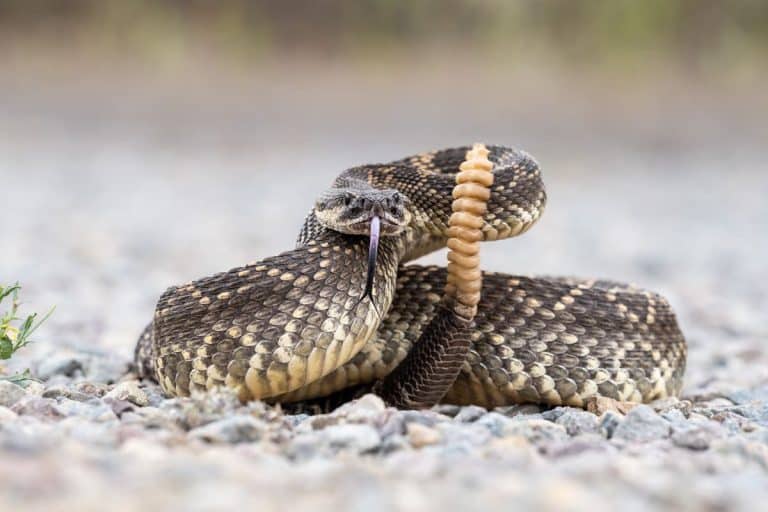
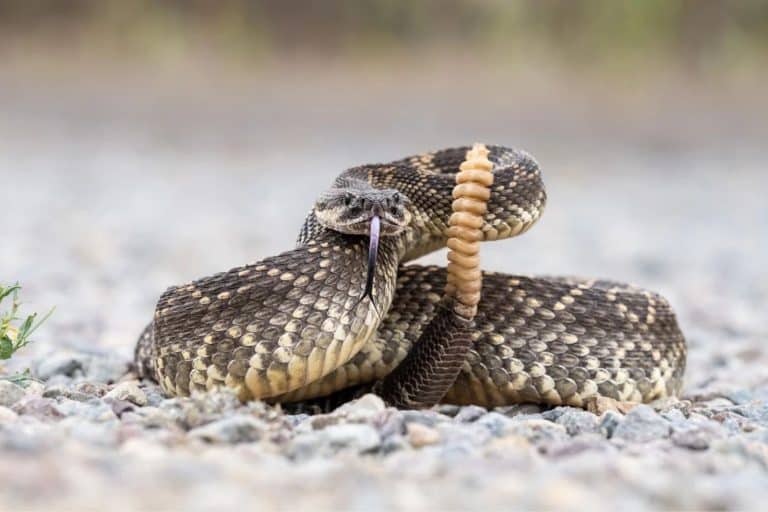
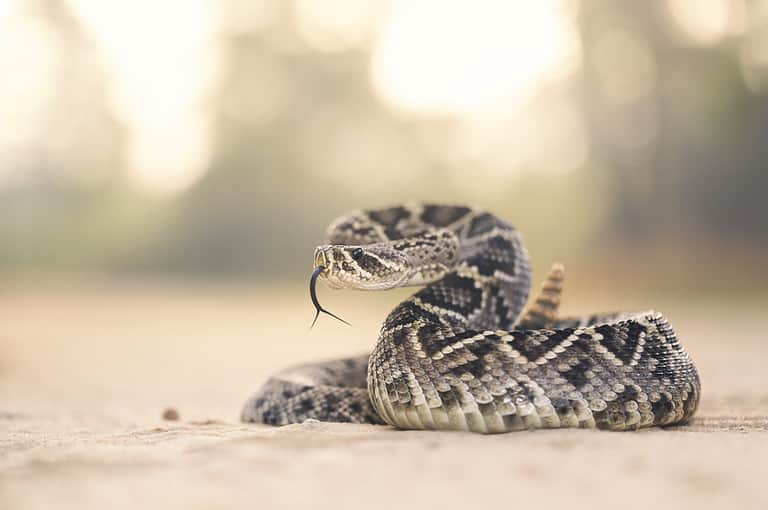
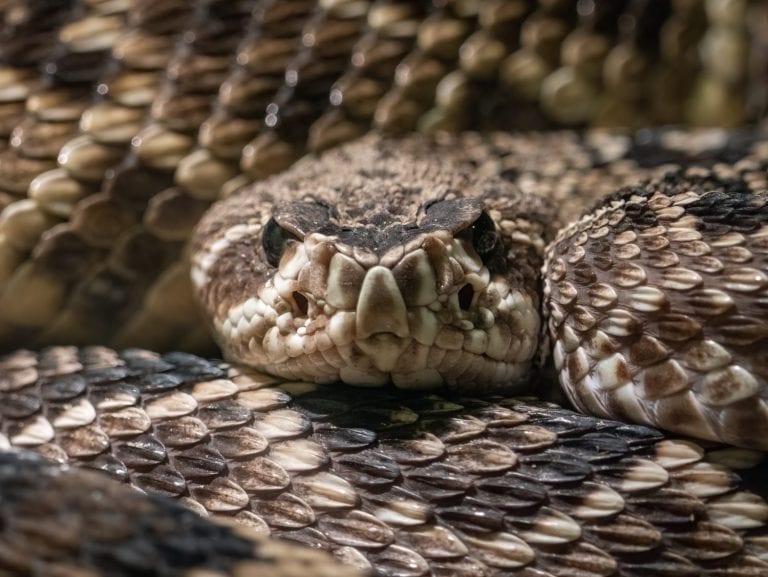
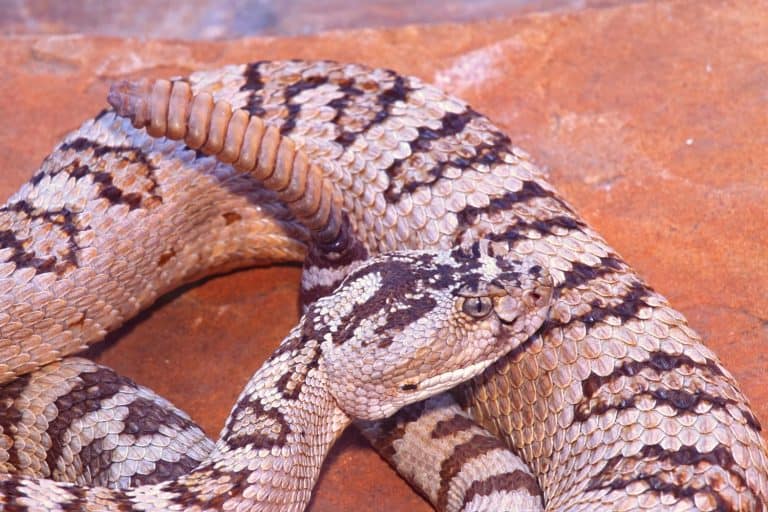
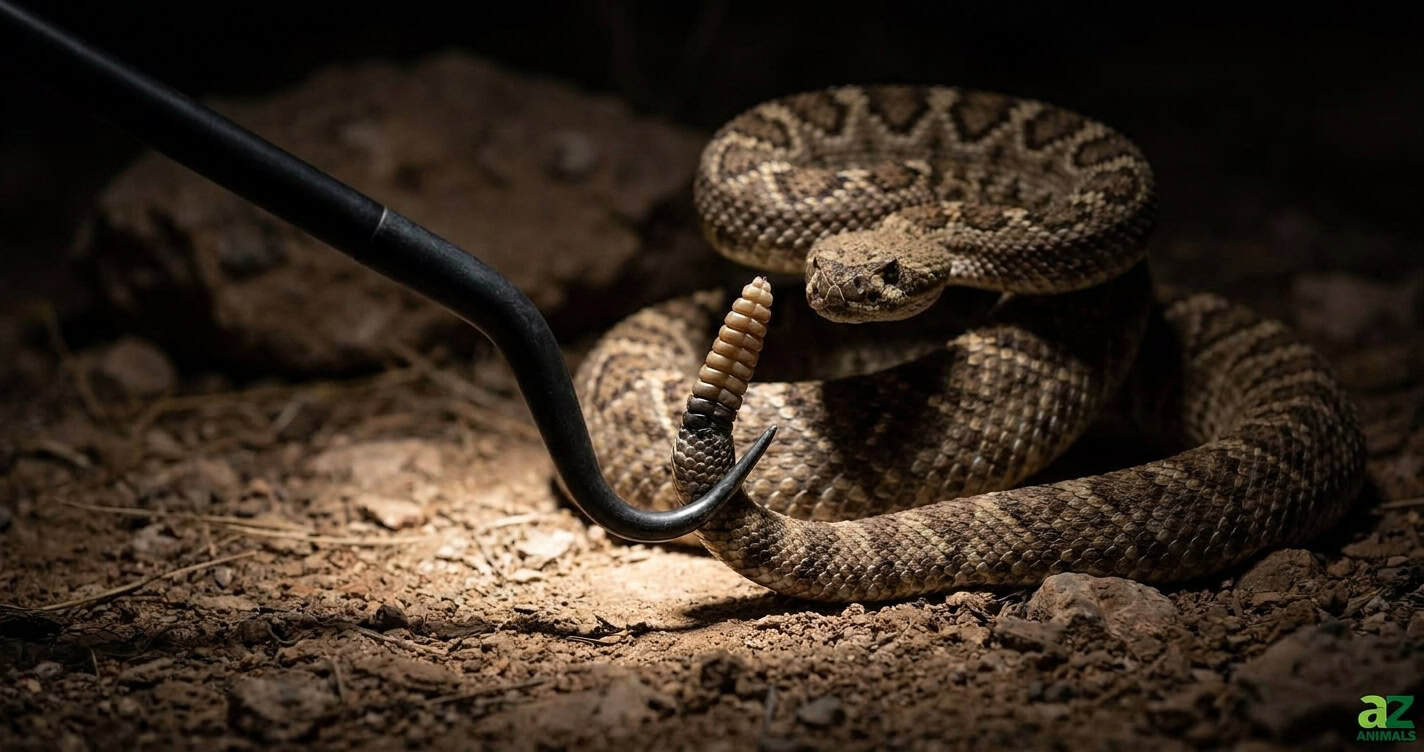
Rattlesnakes are venomous pit vipers belonging to the genera Crotalus and Sistrurus. Their trademark rattle consists of hollow, interlocking keratin segments that vibrate against one another when specialized tail muscles contract. A new segment generally forms when the snake sheds, but old pieces can break off and young snakes shed more often, so counting segments does not reveal age. Size and color vary dramatically by species. Small pygmy rattlesnakes may be under two feet long, while a large eastern diamondback can exceed seven feet. Diamonds, bands, blotches, and muted earth tones help many species disappear against their surroundings.
Where Rattlesnakes Live in North America
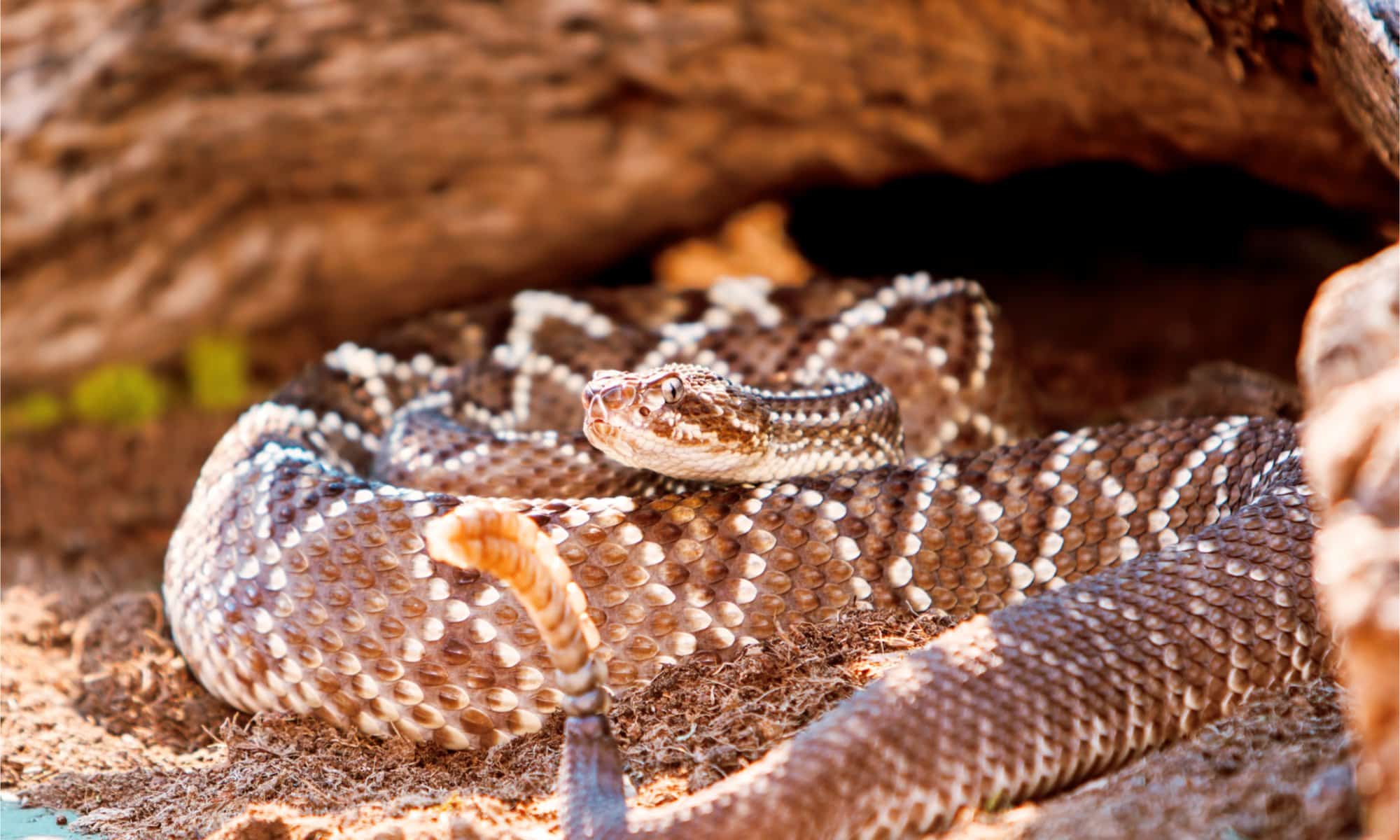
Rattlesnakes are native to the Americas, with species ranging from southern Canada through the United States and Mexico into Central and South America. The greatest diversity occurs in Mexico and the American Southwest, but calling them desert animals tells only part of the story. Different species occupy pine forests, hardwood ridges, prairies, coastal scrub, wetlands, beaches, and high mountain slopes. Most need a combination of shelter, suitable temperatures, and reliable prey rather than one particular landscape. Rock crevices, burrows, leaf litter, and fallen logs provide cover, while open patches offer basking sites. Rattlesnakes can also swim when crossing rivers, lakes, or flooded terrain.
How Rattlesnakes Handle Heat and Cold
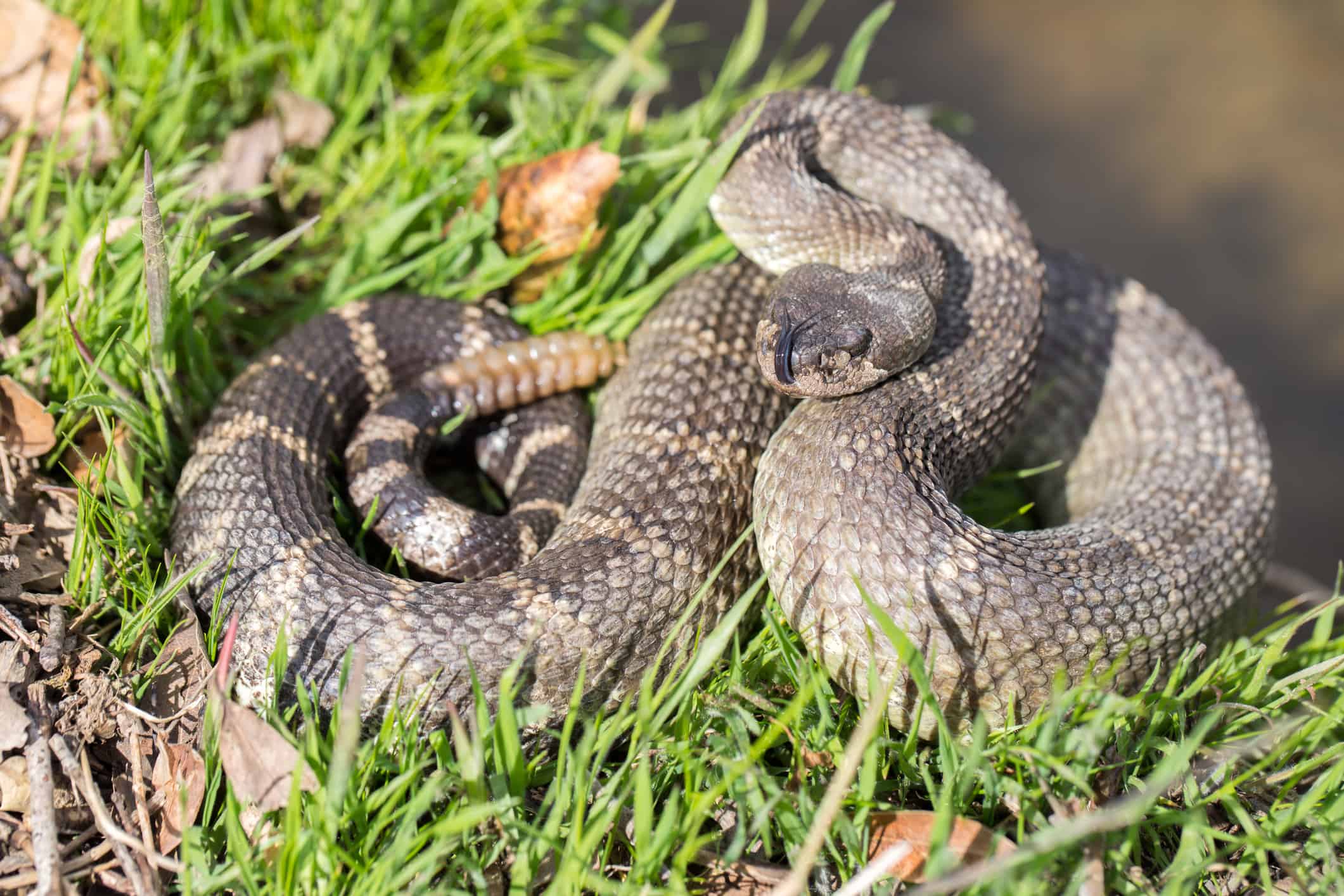
As ectotherms, rattlesnakes rely on their surroundings to regulate body temperature. They may bask on cool mornings, retreat beneath rocks or into burrows during intense midday heat, and become more active around dusk or after dark in hot climates. In colder regions, they spend winter in brumation, a period of greatly reduced activity that resembles hibernation but is specific to reptiles. Some species gather in communal dens inside deep fissures or rocky slopes, occasionally alongside other snake species. Individuals may return to the same den year after year. In warmer parts of the country, winter activity can continue whenever temperatures become suitable, so no single season guarantees a rattlesnake-free trail.
What Rattlesnakes Do When Threatened
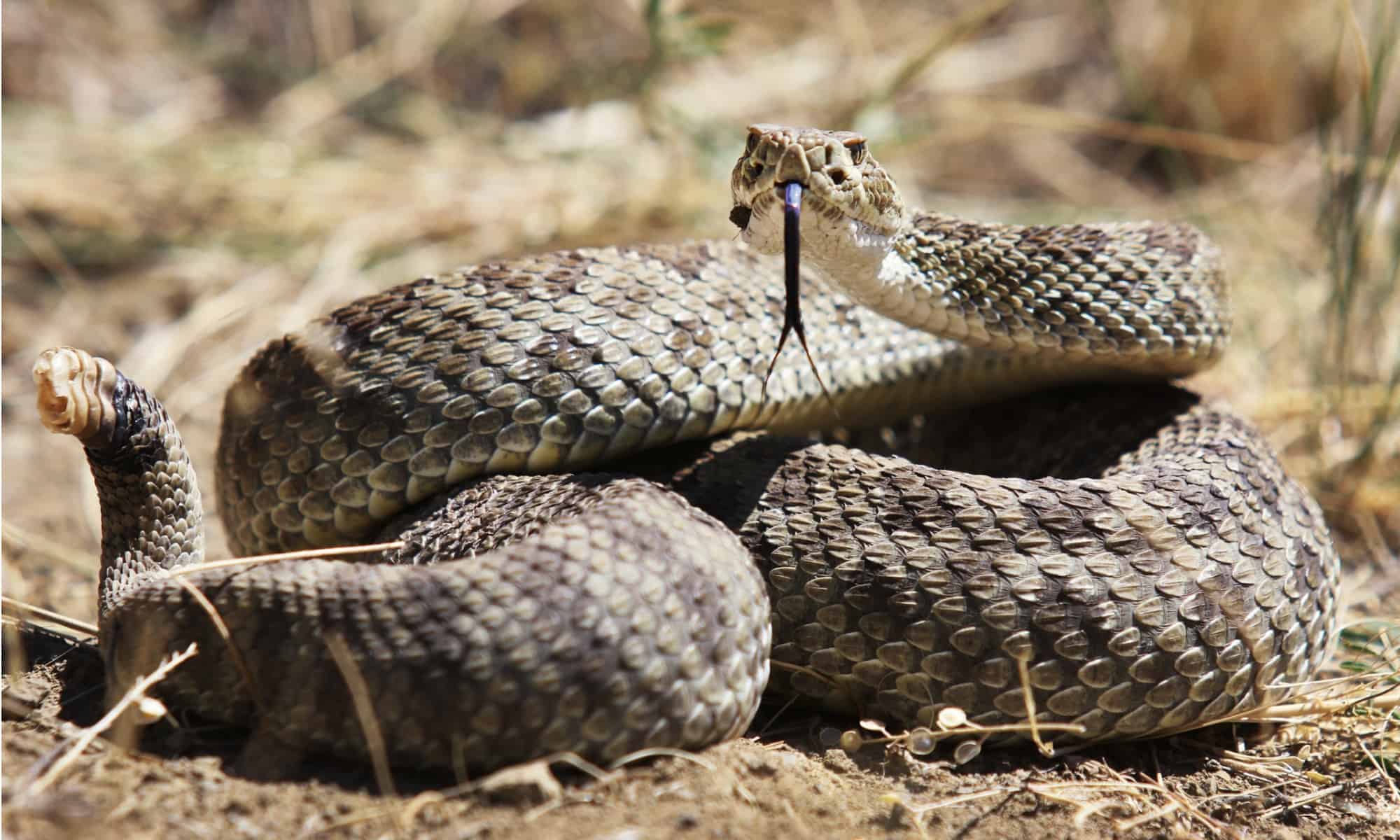
Rattlesnakes do not stalk people, and most would rather remain hidden or escape than risk a confrontation with an animal far larger than themselves. If one feels cornered, it may freeze, coil, lift its head, rattle, or strike in self-defense. The warning is helpful, but it is not guaranteed. A surprised snake may strike without rattling, and a damaged or newly formed rattle may make little sound. Another persistent myth is that a rattlesnake must be coiled before it can bite. It can strike from a coiled or stretched position, and the CDC warns that some can reach one-third or more of their body length. The safest response is to stop, locate the snake, and slowly create plenty of distance.
What Rattlesnakes Hunt
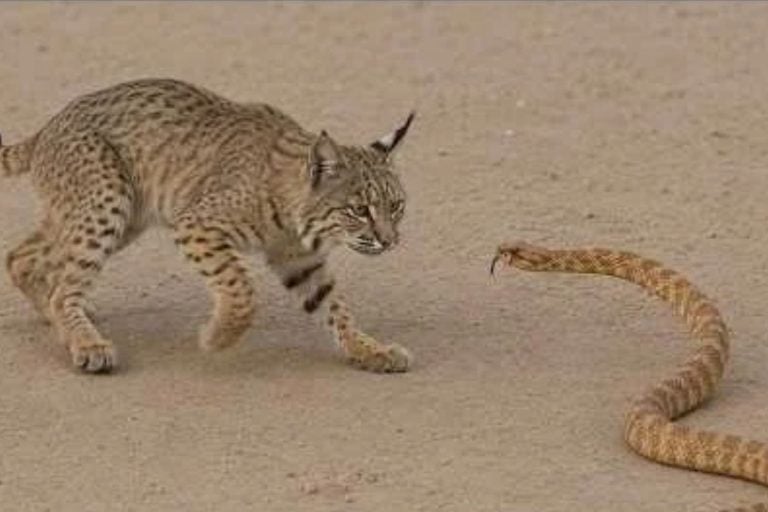
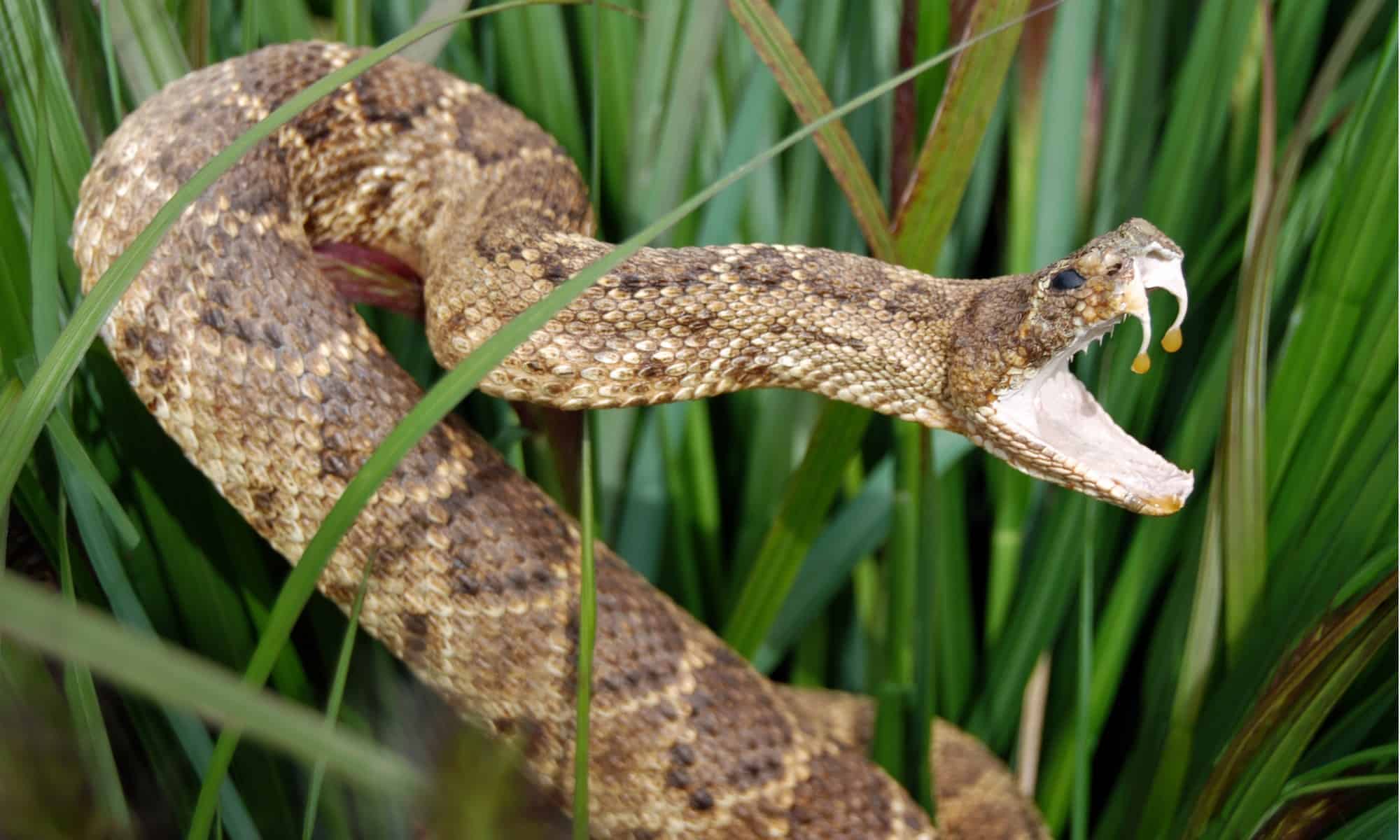
Most adult rattlesnakes feed heavily on rodents and other small mammals, including mice, rats, voles, chipmunks, and rabbits. Birds, lizards, frogs, and other snakes may also appear on the menu, while younger individuals of some species consume more insects and small reptiles. Many rattlesnakes hunt by ambush, remaining still until prey enters striking range. Hollow, hinged fangs deliver venom that helps immobilize the animal and begins breaking down tissue. A snake may release dangerous prey after the strike and follow its chemical trail before swallowing it whole. By limiting rodent populations while also feeding hawks, mammals, and other predators, rattlesnakes perform an important ecological role.
How Rattlesnakes Track Their Prey
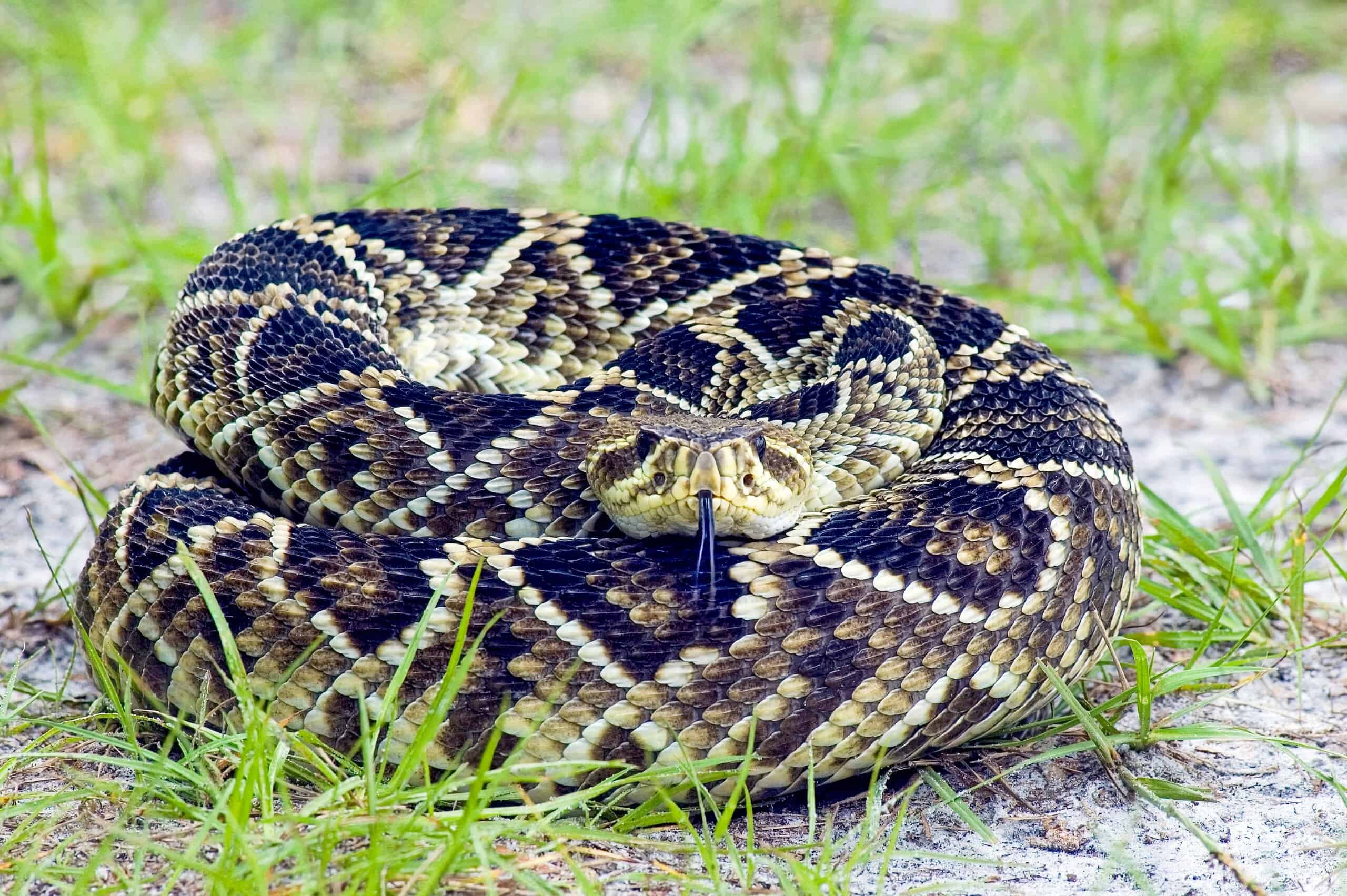
Rattlesnakes combine several senses when hunting. The facial pit between each eye and nostril detects infrared radiation, allowing the snake to distinguish warm prey from cooler surroundings, even in darkness. This ability does not create ordinary vision, but it provides directional information that can guide a precise strike. The frequently flicked tongue performs a different job by collecting chemical particles from the air and ground. Those particles are delivered to the vomeronasal, or Jacobson’s, organ in the roof of the mouth, helping the snake identify and follow prey. Feeding frequency varies with species, age, meal size, season, and temperature, so the old claim that every adult eats once every two weeks is far too rigid.
Why Every Rattlesnake Bite Is an Emergency
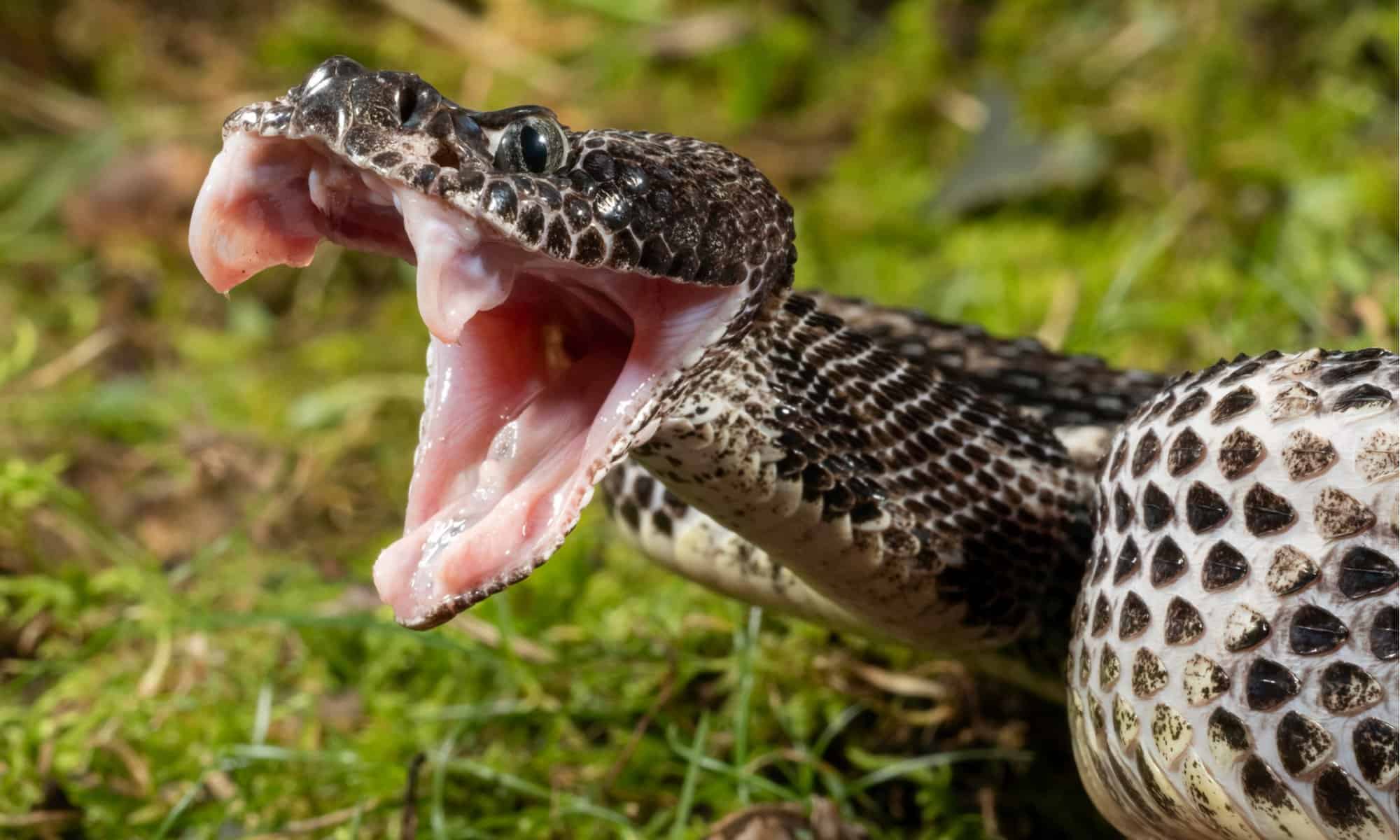
Rattlesnakes are venomous, not poisonous, and a defensive bite can cause severe pain, swelling, bruising, bleeding problems, tissue injury, weakness, nausea, or trouble breathing. The CDC estimates that venomous snakes bite roughly 7,000 to 8,000 people in the United States each year and about five die, largely because rapid medical care and antivenom are available. That low death toll should not be mistaken for a harmless injury, since permanent damage can occur. Some bites inject no venom and are called dry bites, but there is no safe way to determine that outside a medical setting. Severity also cannot be predicted simply from the snake’s length, making the old 3.3-foot rule dangerously misleading.
What to Do After a Rattlesnake Bite
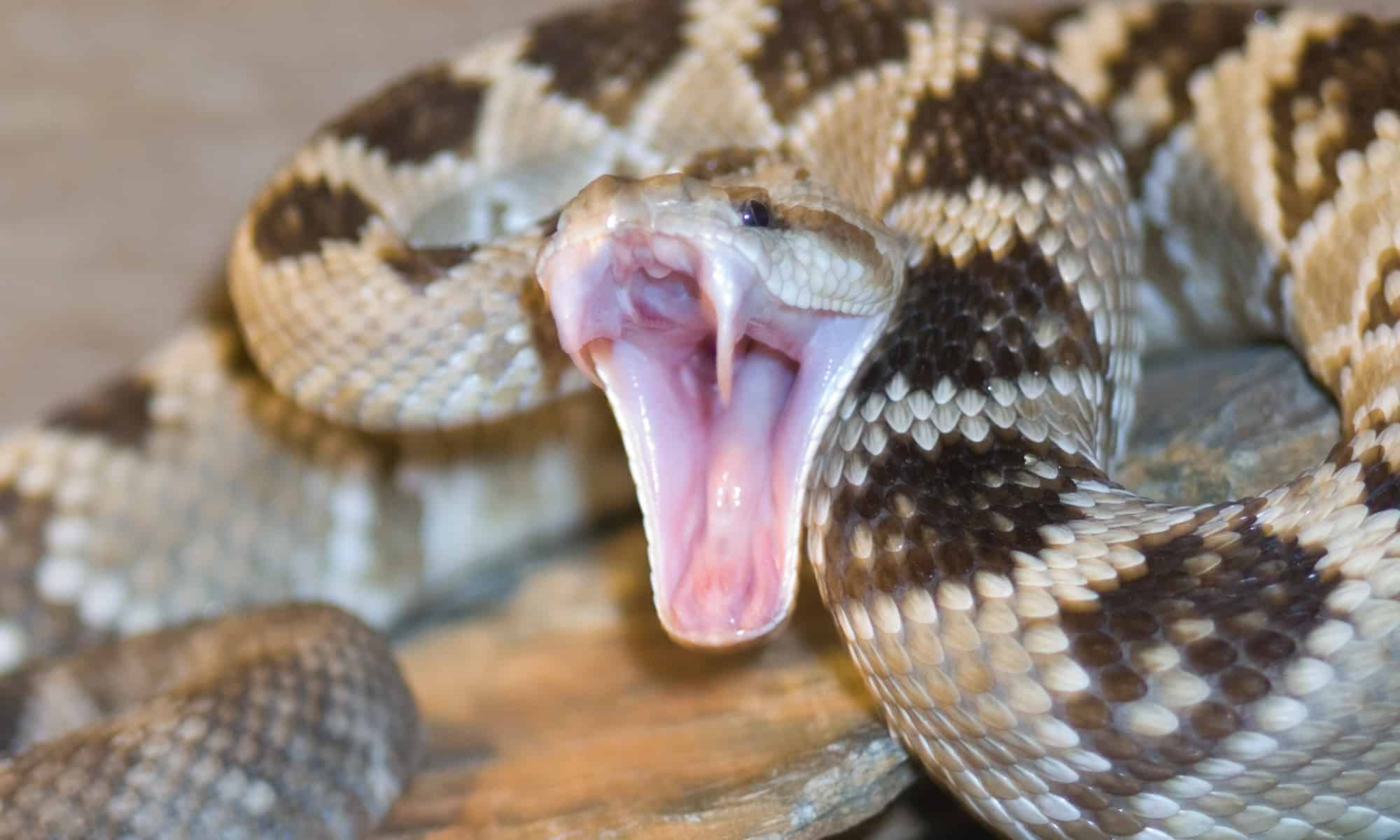
Call 911 or reach emergency medical care immediately after a suspected rattlesnake bite, even if symptoms have not appeared. Do not drive yourself. Stay as calm and still as possible, remove rings or watches before swelling begins, and keep the bitten limb in a neutral, comfortable position. If it can be done without approaching the animal, a photograph from a safe distance may help with identification. Never try to catch, kill, or transport the snake. Do not cut the wound, suck out venom, apply ice, use a tourniquet, deliver an electric shock, or rely on a commercial extraction device. Clinicians will monitor the injury and decide whether antivenom and other treatment are needed.
How to Avoid a Rattlesnake Encounter
Awareness prevents many bites. Wear boots and long pants in rattlesnake habitat, stay on established paths when possible, and use a light after dark. Never place a hand where you cannot see it, especially inside rock gaps, brush piles, hollow logs, or stacks of firewood. Step onto a fallen log and inspect the far side before stepping down rather than blindly swinging a leg over it. Rattlesnakes may be especially active during warm weather and around dawn or dusk, although local climate and species change that pattern. If you spot one, do not crowd it for a photograph or attempt to move it. Back away slowly and give the snake an open route to leave on its own.
Protecting Dogs in Rattlesnake Country

Dogs face added risk because they investigate unfamiliar movement and scents with their noses. In rattlesnake country, keep dogs leashed, prevent them from exploring dense brush, rock piles, or holes, and avoid letting them roam ahead where you cannot see the trail. If a dog may have been bitten, treat it as a veterinary emergency and call the nearest clinic while arranging immediate transport. Carry the dog when practical to limit exertion, but do not endanger yourself by approaching the snake. Do not cut or suck the wound, apply ice, or use a tourniquet. Swelling, puncture marks, weakness, collapse, or sudden pain can occur, but the absence of obvious fang marks does not safely rule out a bite.
Why You Should Never Handle a Dead Rattlesnake
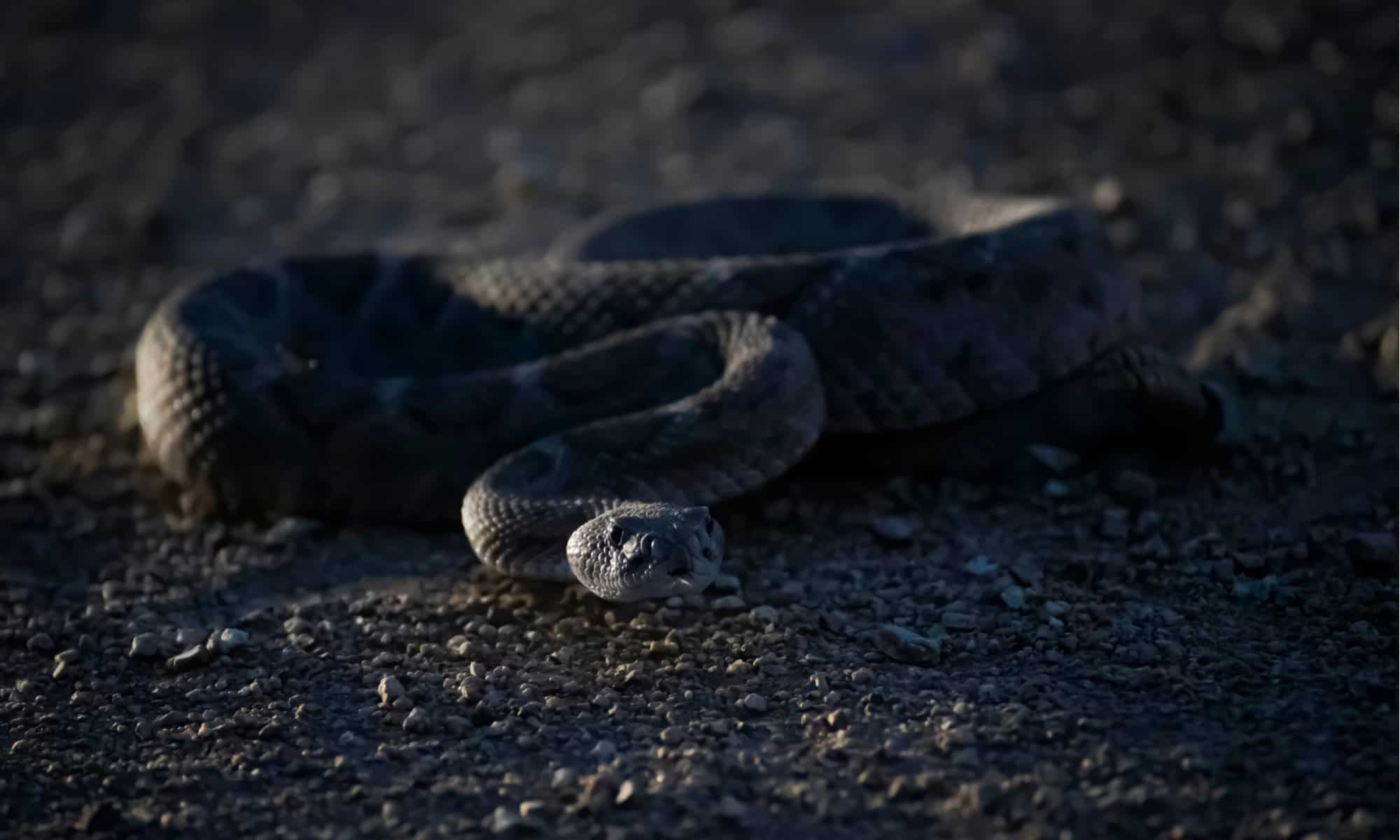
A dead rattlesnake is not safe to touch. Reflex activity can continue after death, and the head may still bite and inject venom when contacted. The CDC specifically warns people never to handle a venomous snake, including a dead animal or a severed head. This is another reason not to kill a snake for identification after a bite. A distant photograph is safer, and medical professionals can treat suspected pit viper envenomation without having the animal in the emergency room. If a rattlesnake must be removed from a home or heavily used area, contact animal control or a trained wildlife professional. Local laws may also protect certain rattlesnake species, making capture or killing illegal without authorization.
The Five States Without Wild Rattlesnake Populations
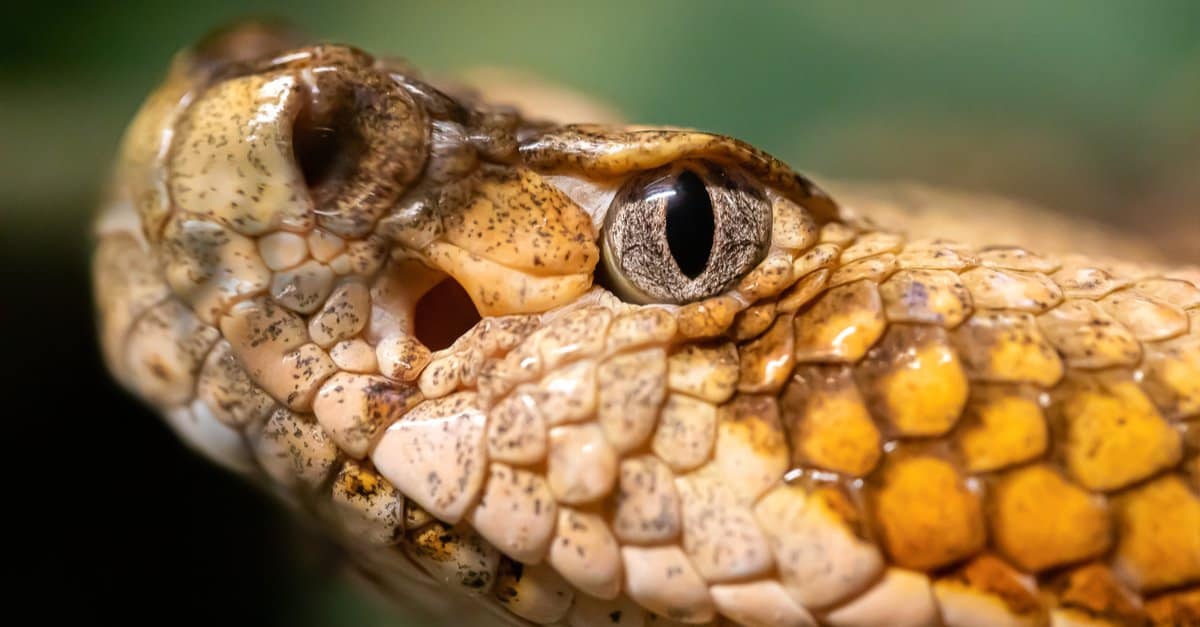
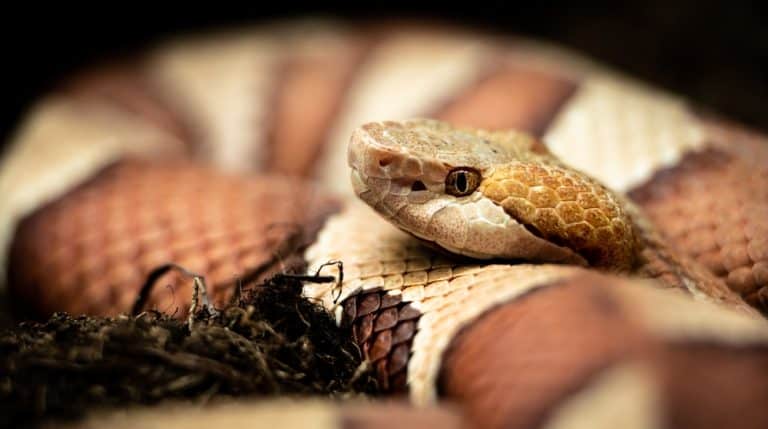
Based on current state wildlife inventories, Alaska, Hawaii, Maine, Rhode Island, and Delaware have no recognized, self-sustaining wild rattlesnake populations. That makes five states, not four as older versions of this list have claimed. The wording matters because Maine and Rhode Island once supported timber rattlesnakes, while Hawaii has an introduced blind snake and occasionally receives a sea snake washed ashore. Delaware also has a venomous native snake, but it is the eastern copperhead rather than a rattlesnake. An escaped or illegally kept rattlesnake could theoretically appear outside its natural range, so this list describes established populations rather than promising that an isolated individual could never be found.
Alaska
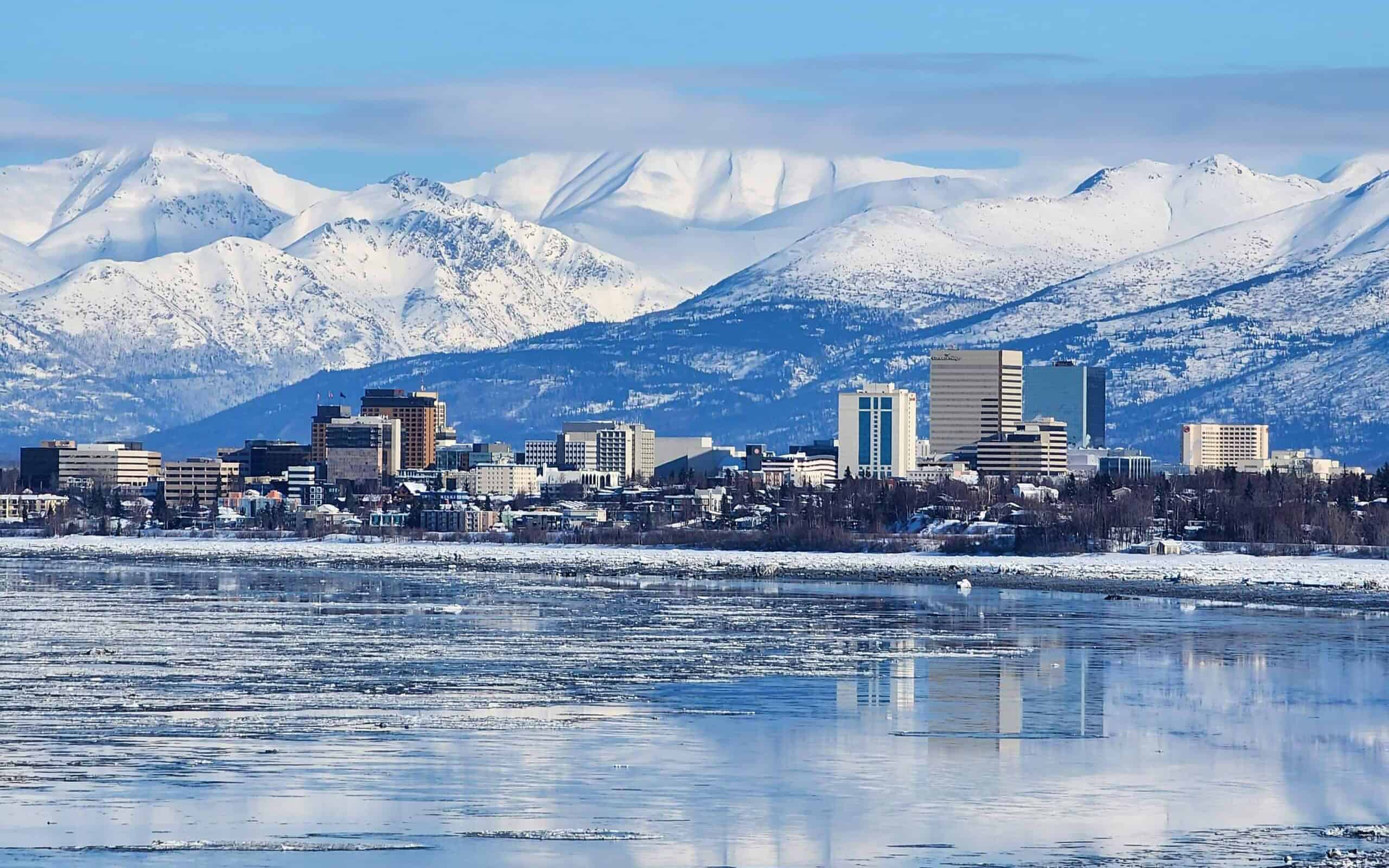
Alaska is the clearest case on the list. The Alaska Department of Fish and Game reports that the state has no snakes, lizards, or freshwater turtles, with rare visiting sea turtles representing its only reptiles. Long, cold winters sharply limit the opportunities for land reptiles to remain active, feed, reproduce, and reach suitable shelter, while Alaska’s geography has also made natural colonization difficult. That means there are no native rattlesnakes and no established population of any snake species. As anywhere, a captive reptile could potentially escape, but that would be an isolated human introduction rather than part of Alaska’s fauna. Hikers still have plenty of other wildlife precautions to consider, especially bears and moose.
Hawaii

Hawaii has no native land snakes and no established rattlesnake population, largely because the islands developed in extreme isolation from the mainland habitats where rattlesnakes evolved. However, describing Hawaii as completely snake-free is inaccurate. The tiny, nonvenomous Brahminy blind snake was introduced and is now established, and illegal pet snakes are occasionally intercepted or surrendered. Highly venomous yellow-bellied sea snakes can also wash ashore after being carried by winds or currents. Hawaii officials documented one on the Big Island in February 2025 and warned people not to touch it. None of those exceptions is a rattlesnake, and strict import rules are intended to prevent harmful snakes from becoming established.
Maine

Maine has several native snake species, but none currently living in the state is venomous. Timber rattlesnakes once occupied parts of southern Maine, so the species is best described as extirpated there rather than extinct. Extirpated means a species has disappeared from a particular area while surviving elsewhere. The Maine Department of Inland Fisheries and Wildlife says the timber rattlesnake was last seen in the state around 1860, following heavy persecution by early settlers. Modern reports often involve harmless species that have been misidentified, especially milksnakes and other patterned snakes. Maine’s cooler climate helps limit rattlesnake habitat, but history shows that climate alone did not always keep the species out.
Rhode Island
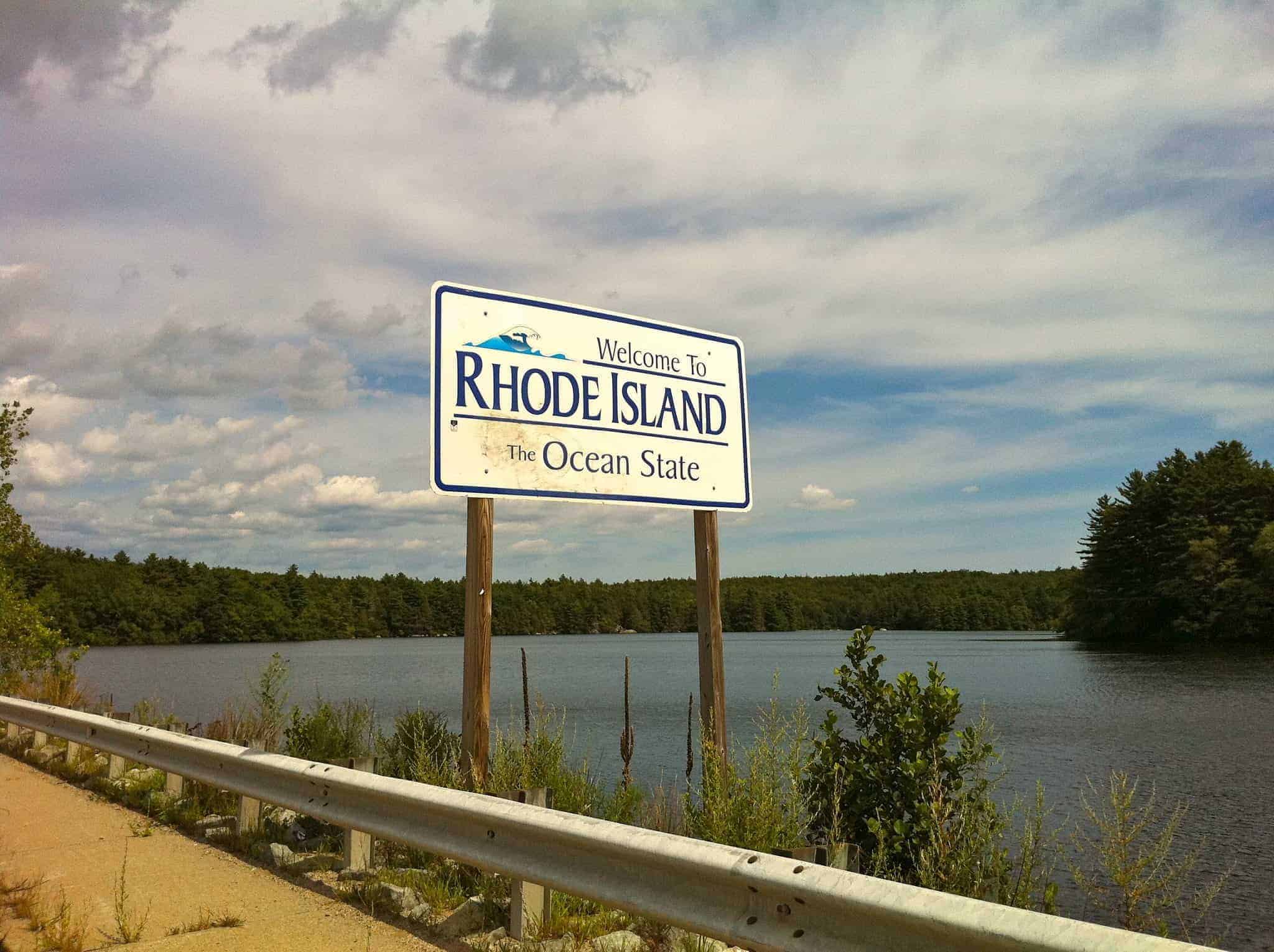
Rhode Island has no current wild population of rattlesnakes or any other venomous snake. According to the Rhode Island Department of Environmental Management, timber rattlesnakes once occurred in the state but disappeared nearly 50 years ago. Nearby states still support small timber rattlesnake populations, yet Rhode Island officials note that those populations do not occur close to its border. Copperheads live elsewhere in southern New England but have never been documented as a native Rhode Island species. The state still has several harmless snakes, and some can vibrate their tails in dry leaves, creating a rattling sound that leads to false alarms. Any unfamiliar snake is safest when observed from a respectful distance.
Delaware
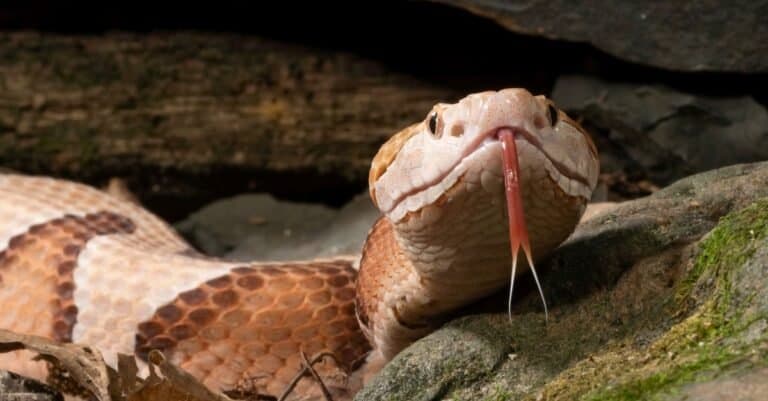
Delaware is the state most often omitted from rattlesnake-free lists, but current information from the Delaware Department of Natural Resources and Environmental Control supports its inclusion. DNREC recognizes 19 snake species in the state and identifies the eastern copperhead as the only venomous one. No rattlesnake is included in the state’s current snake inventory. Copperheads have a limited Delaware distribution, especially in southern Sussex County and near Wilmington, so being free of rattlesnakes does not mean being free of venomous snakes. Harmless eastern rat snakes and black racers may also vibrate their tails when frightened, and contact with dry leaves can produce a buzz that sounds surprisingly similar to a rattle.