
Quick Take
- Copperheads bite far more people than rattlesnakes every year, yet rattlesnakes kill far more people. The reason why reveals something counterintuitive about which snake is actually more dangerous. See why copperheads bite more →
- Most copperhead bites happen in a very specific way that is almost entirely preventable. How most bites happen →
- Standard first-aid instincts are almost universally reached for, yet they can actively make a copperhead bite worse, not better. Avoid these harmful remedies →
- Copperheads are thriving in a habitat type most people would never expect a venomous snake to colonize, and there is a good chance one is closer to your home than you think. Where copperheads are thriving →
Copperheads are the sneaky neighbors of the snake world. They quietly live in woodpiles, rocky hillsides, and the edges of suburban yards across much of the eastern United States. Because they blend in so well and often freeze instead of fleeing, they end up biting more Americans each year than any other species of venomous snake. Most of those bites are not deadly, but they are painful and frightening. They are also completely avoidable with a little knowledge.
Meet the Copperhead (Agkistrodon contortrix)
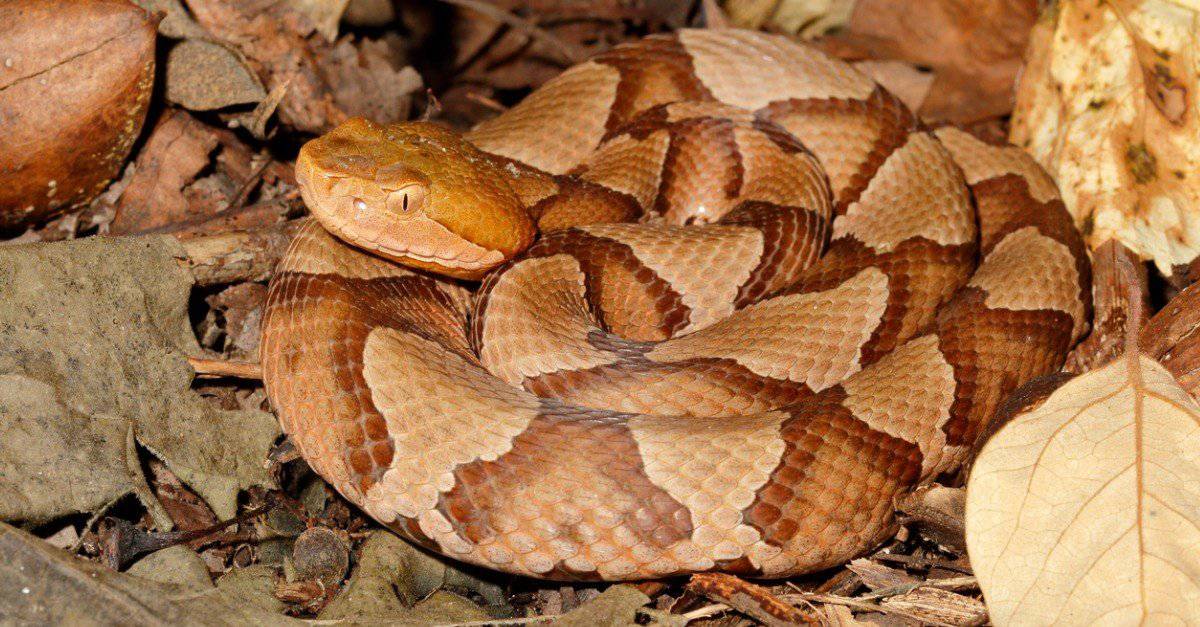
Copperheads are medium‑sized pit vipers. They are usually between about 2 and 3 feet long, with thick bodies and a distinct, triangular, copper-colored heads. Their bodies show hourglass‑shaped bands of tan, brown, and reddish tones. This pattern almost disappears against fallen leaves or forest soil. Like rattlesnakes, they have heat‑sensing pits between the eyes and nostrils that help them detect warm‑blooded prey at night. Because their venom is generally less potent than that of rattlesnakes, they cause fewer deaths than rattlesnakes do, even though they bite more people.
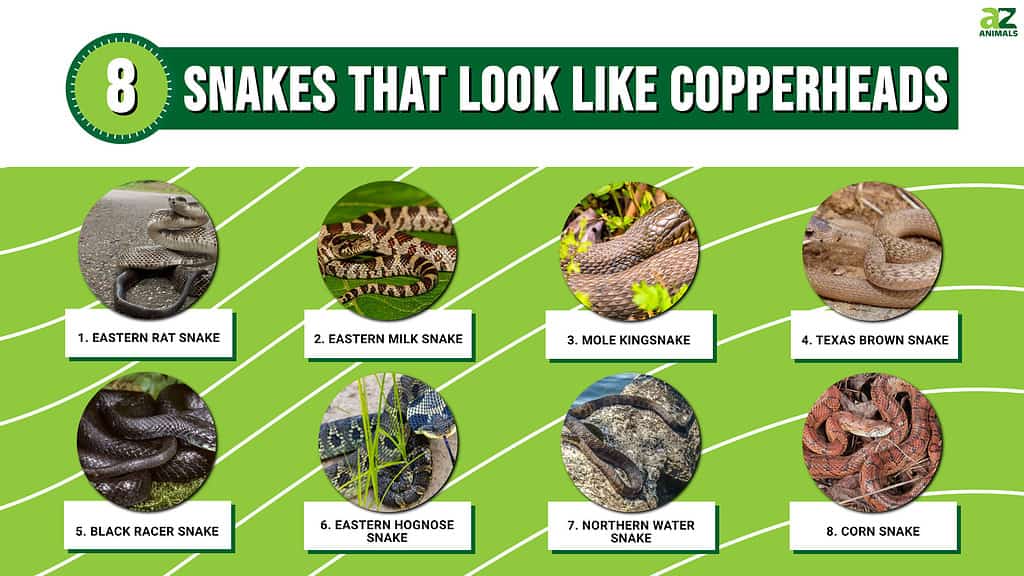
Where Copperheads Live in the U.S.
Copperheads have one of the broadest ranges of any American venomous snake, which is a big reason they account for so many bites. They occur in about 25 states, stretching from southern New York down through the Appalachians. Their range continues across much of the Midwest and south to eastern Texas and the Florida Panhandle. Within that range, they thrive in mixed forests, scrubby hillsides, rocky outcrops, river bluffs, and swamp edges. They often choose places with plenty of leaf litter or fallen logs for cover. They also adapt surprisingly well to human‑dominated landscapes, showing up on the edges of suburbs, near old building foundations, and around brush piles and stone walls.
Landscapes and Hiding Spots
Even within a forest or field, copperheads have favorite micro‑habitats. They tend to rest under logs, within rock piles, beside fallen branches, and around brush or trash that creates shade and shelter. On southern coastal plains and along river systems, they may sit near swamp edges or low, wet woods where thick vegetation hides them from predators and people. They are also found in woodpiles, lumber stacks, and in yards under landscaping timbers. They may lurk along the edges of old sheds or barns, as long as cover and prey are nearby.
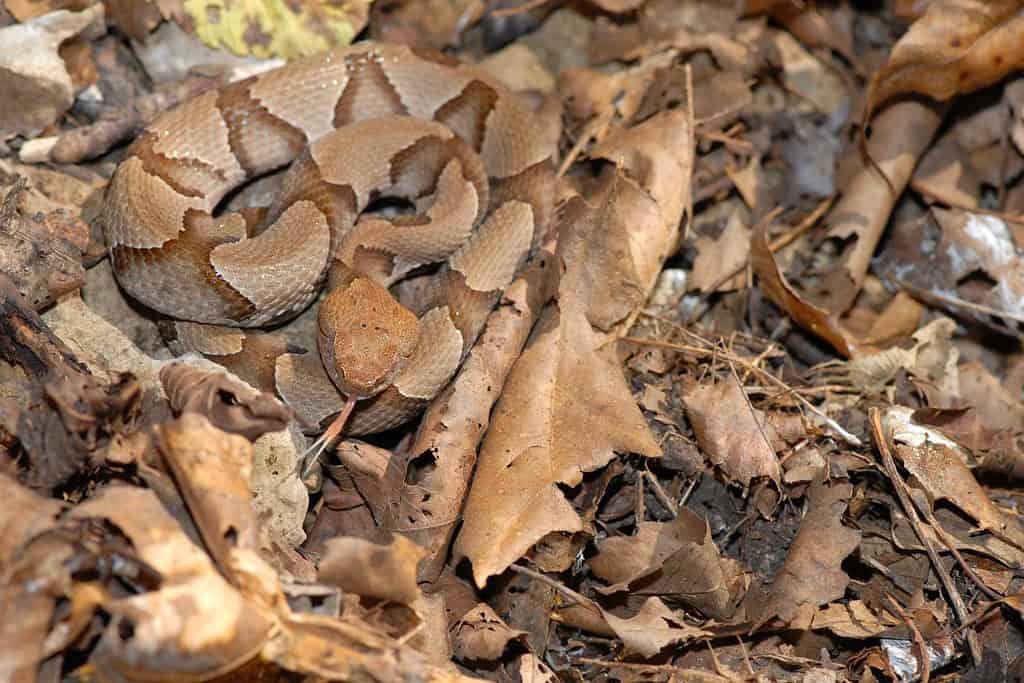
Copperheads can be well-camouflaged in leaf litter near homes.
©Rusty Dodson/Shutterstock.com
Why Copperheads Bite So Many People
Every year in the United States, an estimated 7,000 to 8,000 people are bitten by venomous snakes. Most years, copperheads make up around 3,000 of those bites in many analyses. That means copperheads are responsible for roughly a third or more of all venomous snakebites nationally. The good news is that only a tiny fraction of copperhead bites is fatal. Still, any bite can lead to severe pain, swelling, and tissue damage. All venomous bites need quick medical attention.
Bites most often happen when someone accidentally steps on or walks too close to a well-camouflaged snake. They can also result from people attempting to kill, pick up, or move a copperhead.
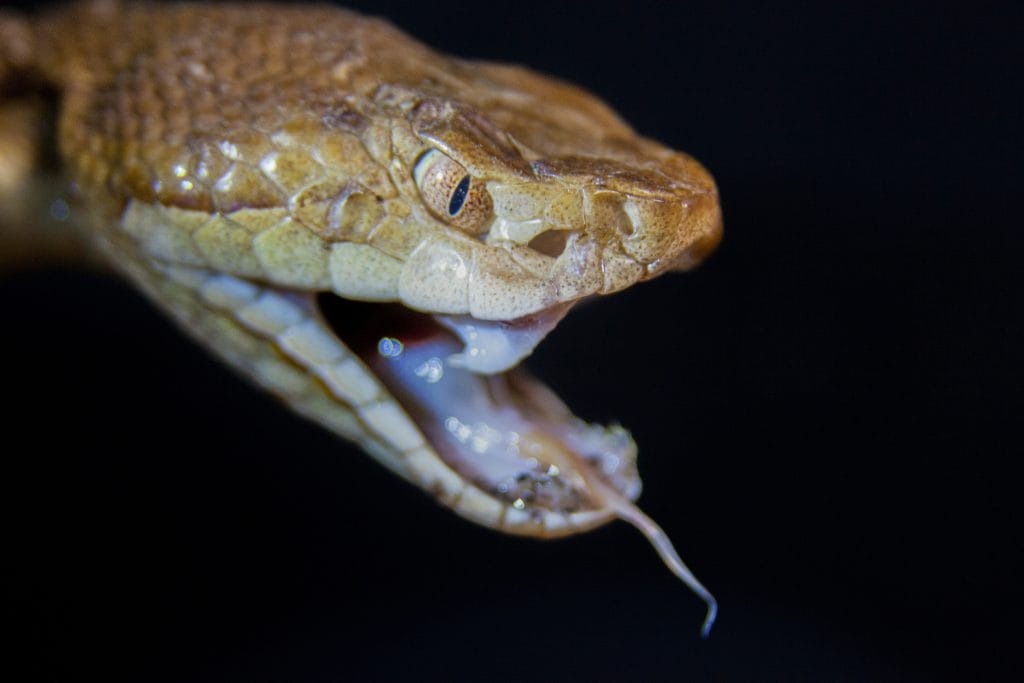
Copperheads are responsible for a major portion of venomous snake bites in the United States.
©BonnieMarquette/Shutterstock.com
When Copperheads Are Most Active
Copperheads are primarily warm‑weather snakes, and their activity patterns shift with the seasons. In spring and fall, they are often active during the day, especially on sunny afternoons when they can bask near rocks or logs to warm up. As summer heat builds, they become more crepuscular and nocturnal. They move mostly at dusk, at night, or right after rainstorms when temperatures are cooler. Many bites occur from late spring through early fall, when more people are hiking, camping, gardening, and spending evenings outdoors. In colder areas, copperheads gather in communal dens over winter. They may be seen basking near den sites on the first warm days of spring.
What a Copperhead Bite Feels Like
You’ll know it if a copperhead bites you. Victims typically feel a sharp, immediate pain, followed by swelling, redness, and intense throbbing around the bite site. The affected limb may become stiff and bruised. Some people experience nausea, sweating, or a metallic taste. In many cases, the swelling spreads over several hours and can limit movement for days while tissues recover. Even when the bite is not life‑threatening, most patients describe the pain as severe. It is often bad enough to require medical care and sometimes strong pain medication.
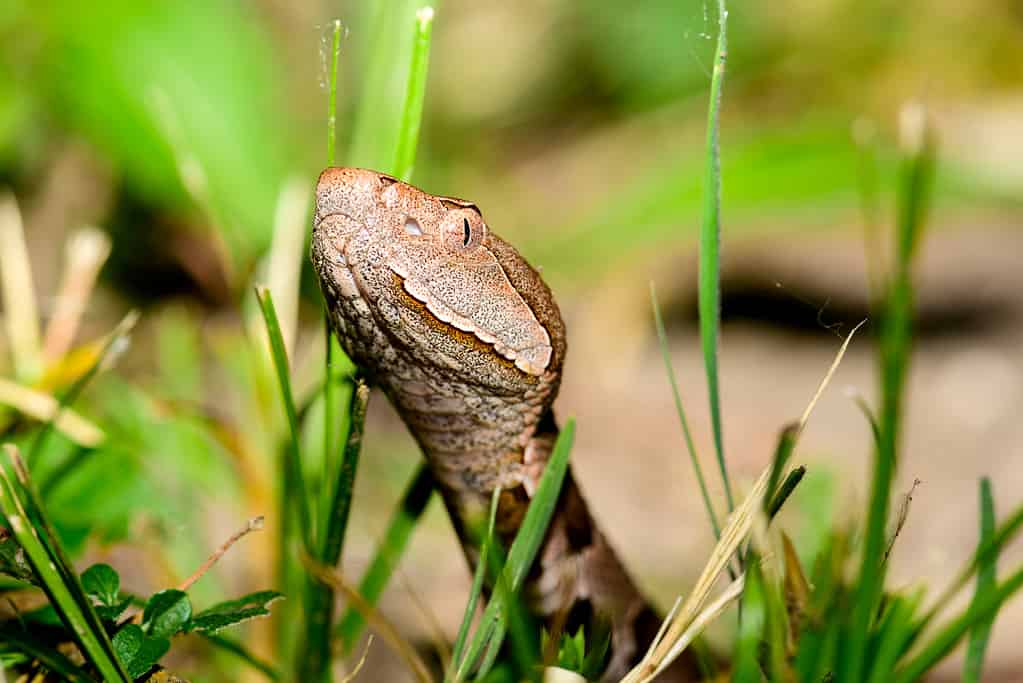
Copperheads aren’t particularly aggressive, but they will defend themselves if someone gets too close.
©iStock.com/JWJarrett
Can a Copperhead Bite Kill You?
While copperheads bite more people than any other U.S. snake, deaths from their bites are very uncommon. Most fatal U.S. snakebites involve rattlesnakes instead. Between 1989 and 2018, researchers identified just a handful of deaths directly linked to copperhead bites. During the same period, they recorded dozens attributed to rattlesnakes. Good emergency medicine, the relatively mild potency of copperhead venom, and the availability of antivenom all help keep the fatality rate low.
How Doctors Treat Copperhead Bites
Modern treatment for copperhead bites focuses on pain control, monitoring for complications, and using antivenom when needed. In the emergency room, doctors typically clean the wound and check vital signs. They also mark the edges of swelling to see how quickly it spreads. Patients may receive intravenous pain medications and blood tests to watch for clotting problems or muscle damage. When symptoms are moderate or severe, or the victim is especially vulnerable due to age or other medical conditions, physicians often administer several vials of antivenom through an IV. This helps neutralize venom proteins and limit further tissue damage.
First Aid: What to Do If You’re Bitten
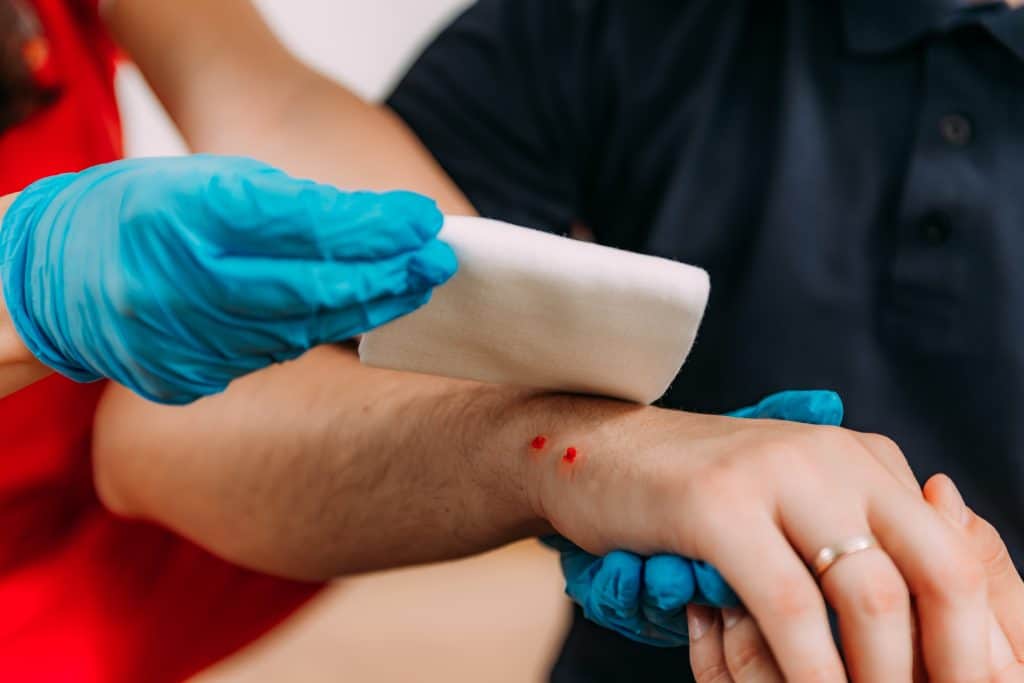
Prompt medical attention is imperative if you’ve been bitten by a copperhead.
©Microgen/Shutterstock.com
If a snake bites you and you think it might be a copperhead, if you or a bystander can quickly snap a picture of it without getting close, do so. This will aid hospital personnel in identifying the species and making decisions about treatment. Call 911 and get to the hospital as quickly and safely as possible.
While waiting for help, experts recommend staying calm and limiting movement of the bitten limb. Remove rings or tight jewelry before swelling starts and gently wash the area with soap and water if available. Keep the affected extremity elevated to reduce tissue injury. Cover it with a clean, dry dressing, and avoid unnecessary walking and excitement. Remain as calm as possible to slow your heartbeat.
Equally important are the things you should not do. Health agencies specifically warn against cutting the wound or trying to suck out venom. This can spread venom via small cuts and thin tissues in the mouth. They also discourage applying ice or using tourniquets, as these can worsen tissue damage. And don’t use alcohol or over‑the‑counter pain relievers like aspirin and certain anti‑inflammatory drugs before doctors evaluate you.
How to Avoid a Copperhead Bite
Avoiding copperhead bites is very achievable with a few simple habits. Outdoor safety guidelines from public‑health agencies emphasize wearing closed‑toe shoes or boots and long pants when hiking or working in areas where venomous snakes may live. Staying on established trails, stepping on logs instead of over them, and using a flashlight at night all reduce the chances of accidentally stepping right on a hidden snake. Around homes, keep grass trimmed and clear brush and woodpiles away from play areas. Wear thick work gloves and carefully check before moving rocks or debris so you do not surprise a resting snake.
Respect the Snake!
In the end, copperheads bite more people in the United States than any other snake largely because they are common and well‑camouflaged. They are also willing to sit tight when danger approaches. Their venom can deliver days of pain and weeks of recovery, though deaths are rare when victims receive modern medical care quickly. By paying attention to where we walk, resisting the urge to handle wild snakes, and knowing what to do in an emergency, we can greatly reduce the risk of a dangerous encounter. Understanding these quiet predators turns fear into informed respect so that we can still enjoy time outdoors in copperhead country. That shift makes the woods, fields, and riverbanks safer for both people and snakes.