
Quick Take
- A sheet of scrap metal beats hours of searching for snakes. See how tin flipping works →
- Finding four kingsnakes inches apart looks like luck, but their reason for being there has nothing to do with the shelter. Why four kingsnakes gathered →
- After biting the handler, the kingsnake did something so specific that scientists gave it its own name. See the defensive behavior →
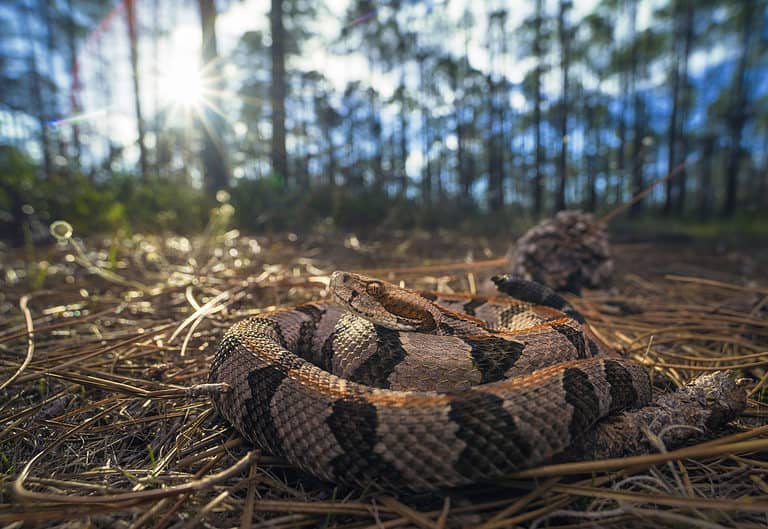
- Georgia's canebrake rattlesnakes have long been treated as a distinct snake, but genetics says otherwise. Canebrake rattlesnake details →
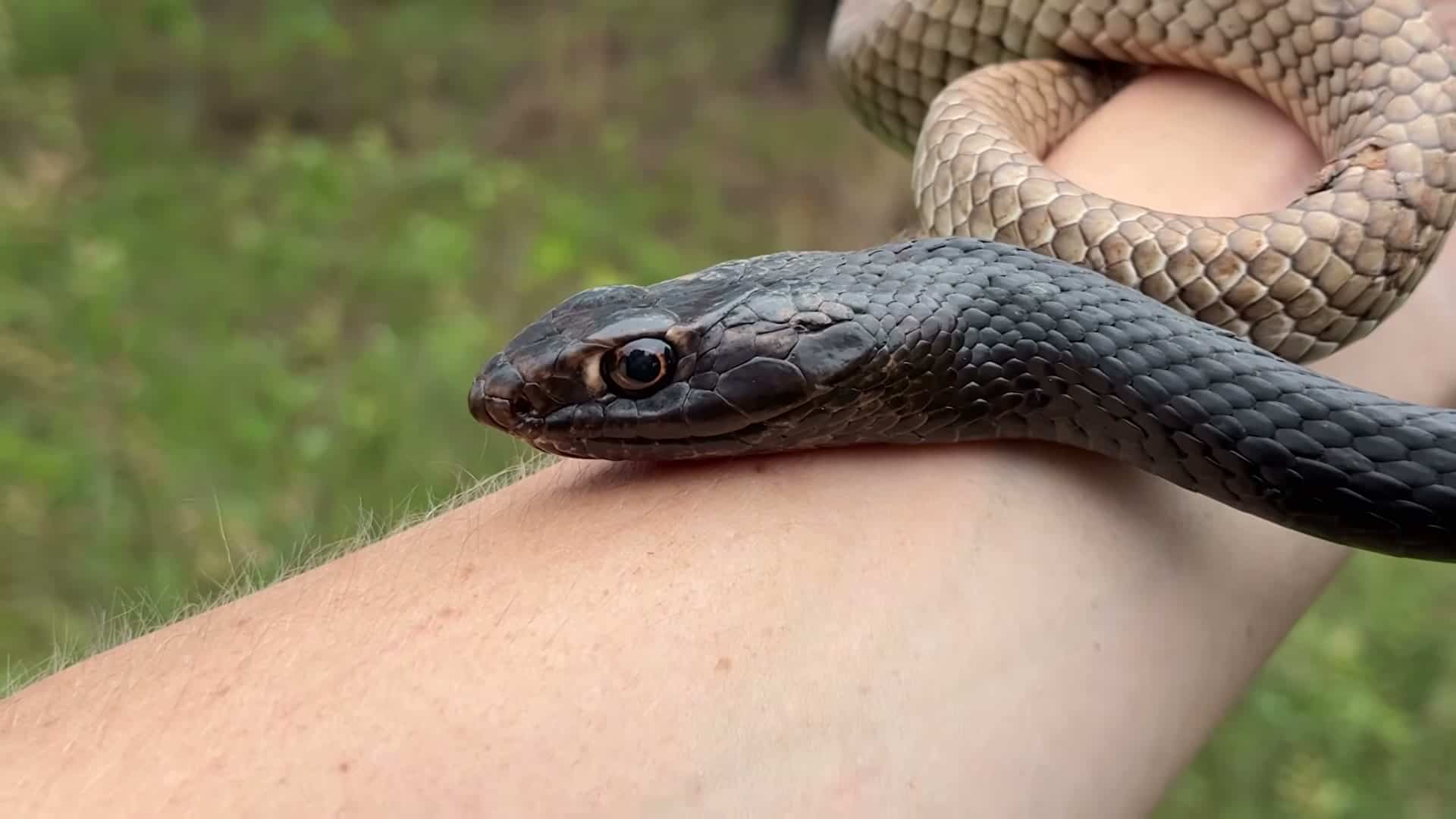
A cool, cloudy May morning in the flatwoods and old fields of southern Georgia turned out to be the kind of day reptile lovers dream about. By checking a series of metal tin sheets laid out on the ground, the team in this video found an incredible variety of wildlife, including coachwhips, black racers, gray rat snakes, red-bellied snakes, timber rattlesnakes, and four Eastern kingsnakes. Seeing so many animals packed under these artificial shelters gives us a great look at how snakes actually move through and use their environment.
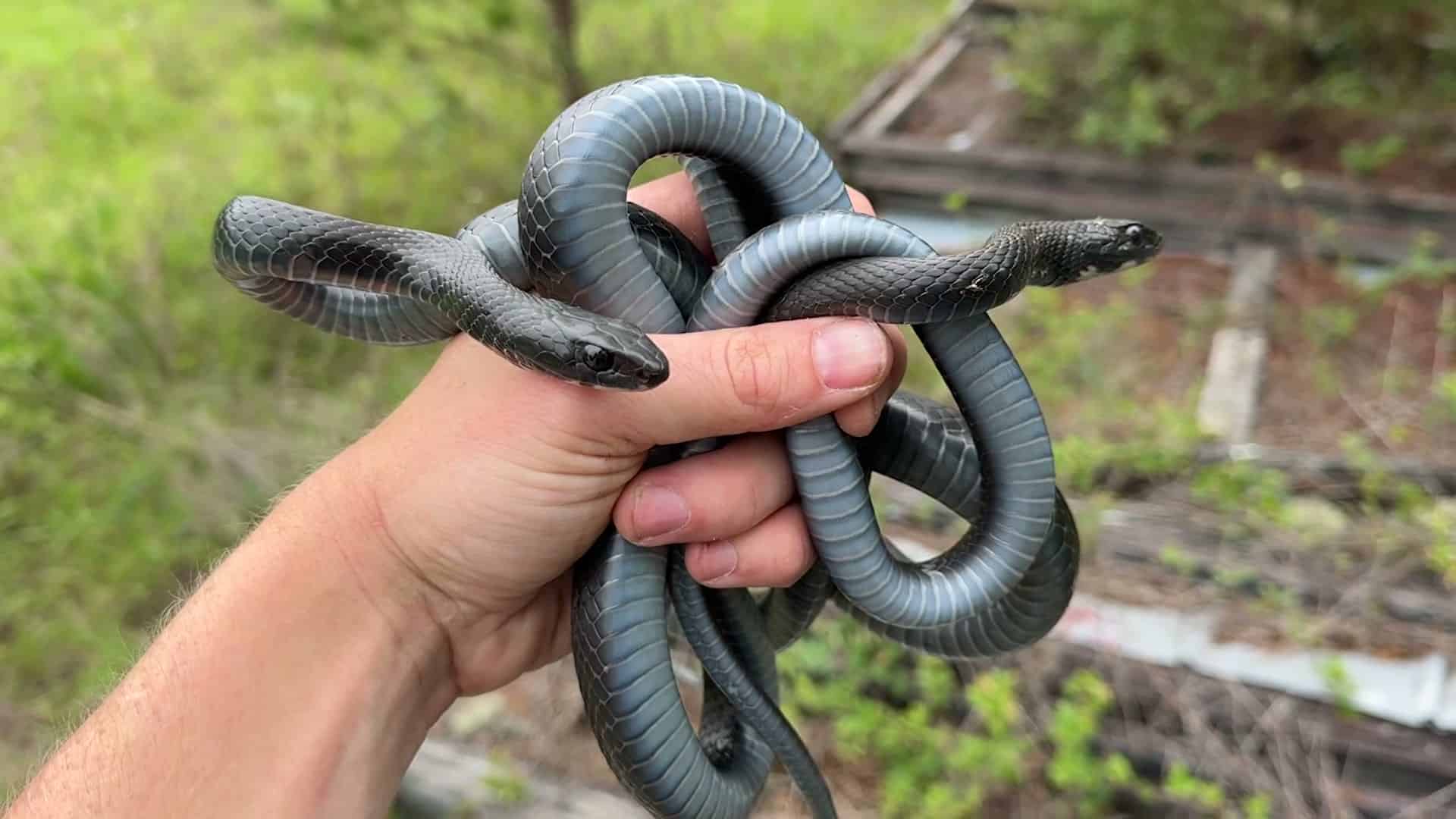
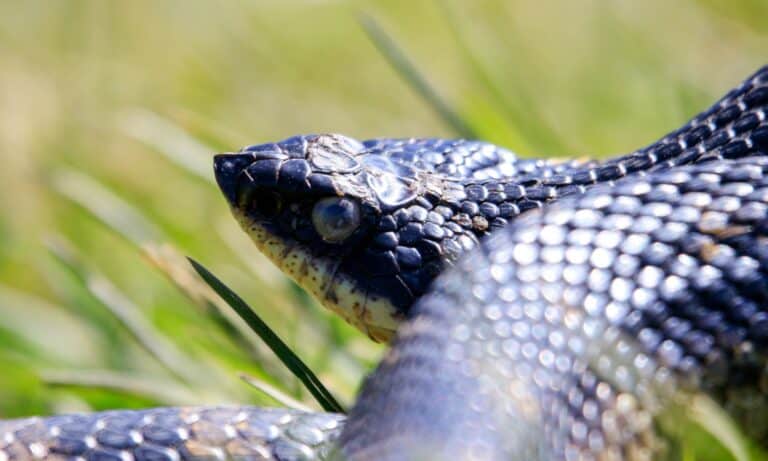
Black racers were just one snake species uncovered on this tin-flipping outing.
©NKFherping via YouTube — used under fair use – Original / License
Why “Tin Flipping” Works
“Tin flipping” is a popular method for finding snakes because reptiles are cold-blooded. This means they cannot generate their own body heat and must rely on their surroundings to stay warm. A sheet of metal lying on the bare ground acts like a solar heater; it warms up quickly in the spring sun while keeping the area humid and protecting the snakes from predators. On cloudy mornings when temperatures are in the 60s and 70s Fahrenheit, snakes will stay tucked under this warm cover rather than basking out in the open. Research has long shown that checking these artificial shelters is far more effective for finding hidden snakes than just walking around looking for them.
Fast Hunters and Spring Romance
The coachwhips seen throughout the day are built for speed and open country. Unlike many other snakes, they hunt during the day using their large eyes to spot prey. Their long, whip-like bodies help them actively chase down lizards, small mammals, and other snakes across sandy habitats. Finding a coachwhip under a piece of tin is actually a bit unusual because they are normally on the move, but the cool, cloudy weather forced them to seek shelter.
Finding Eastern racers in pairs highlights the fact that springtime is breeding season. To find mates, male snakes follow scented chemical trails left behind in the soil and in the shed skin of females. Seeing two sleek, freshly shed racers sharing a single piece of tin is a clear sign of a springtime matchup.
The Star of the Show: Eastern Kingsnakes
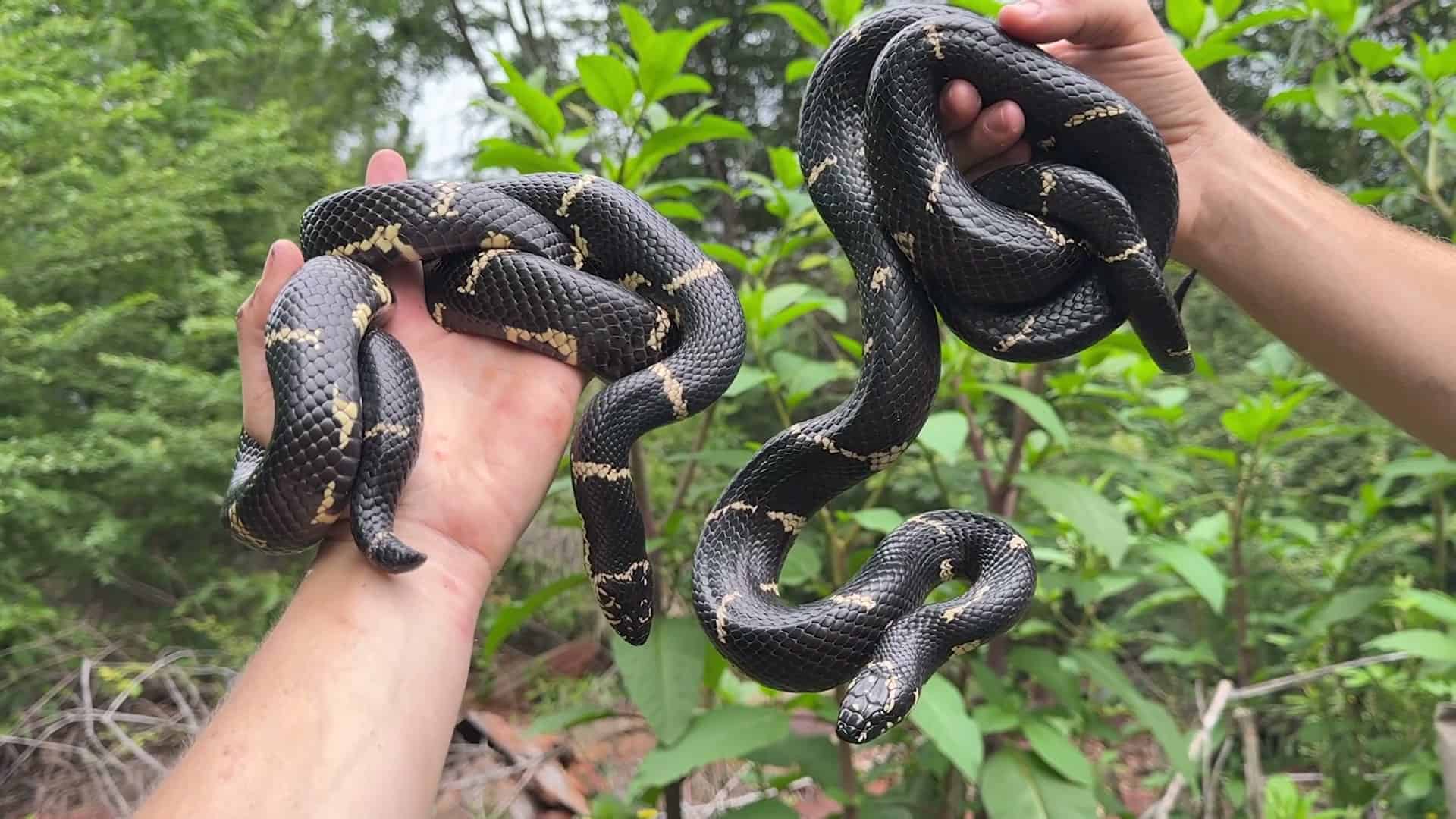
An impressive look at some kingsnakes
©NKFherping via YouTube — used under fair use – Original / License
The highlight of the day was finding four Eastern kingsnakes at a single spot, with three of them just inches apart. Kingsnakes are famous for eating other snakes (including venomous ones) thanks to a natural immunity they have against North American pit viper venom, though this immunity does not extend to all venomous snakes. Despite this fierce reputation, when they gather in groups under cover during the spring, it is usually for breeding.
The video shows a male and a female together. When found, the male rolled into a tight defensive ball and tucked his head underneath his body loops. This “balling” behavior is a common way for these snakes to protect themselves; it hides their vulnerable head and creates a solid, hard-to-swallow shape for predators.
The handler also got a quick bite from the male before it balled up. A bite from an adult kingsnake is essentially harmless to humans, resulting in nothing more than minor scratches. After biting, the snake dipped its head and stayed completely still. Scientists call this “tonic immobility,” or thanatosis. While it looks like the snake is playing dead, it is actually just a survival strategy to stop moving entirely so a nearby threat loses interest.
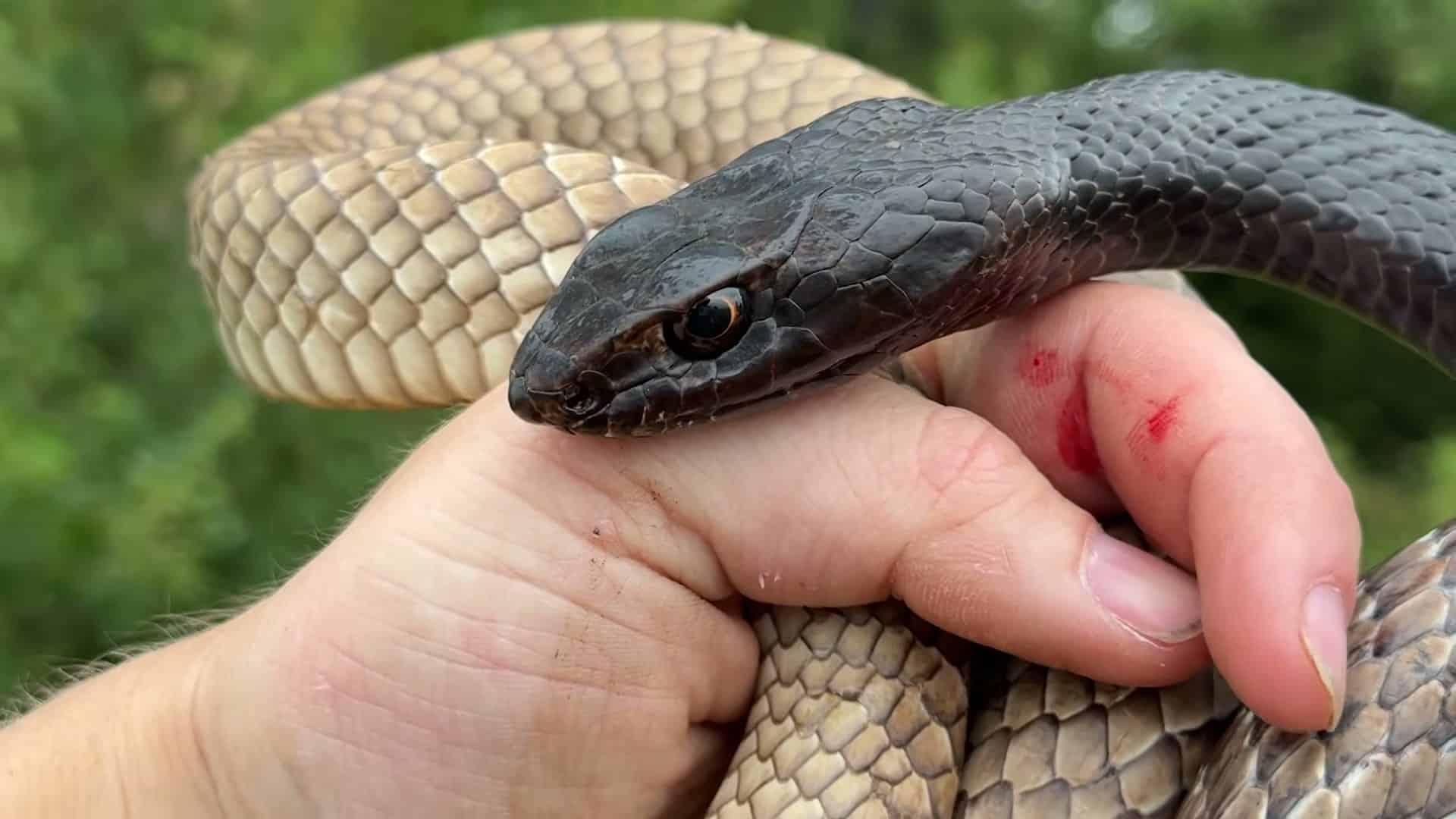
The snake bite is visible in this close-up view.
©NKFherping via YouTube — used under fair use – Original / License
Rattlesnakes and Smaller Finds
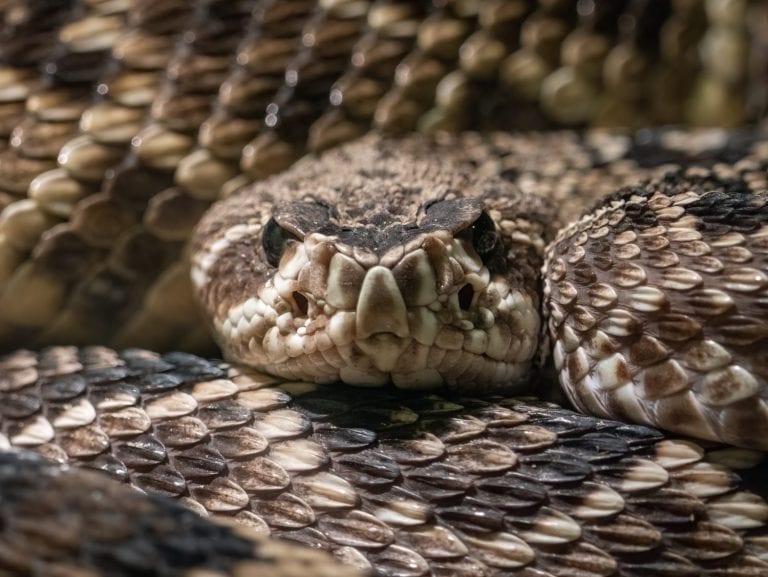
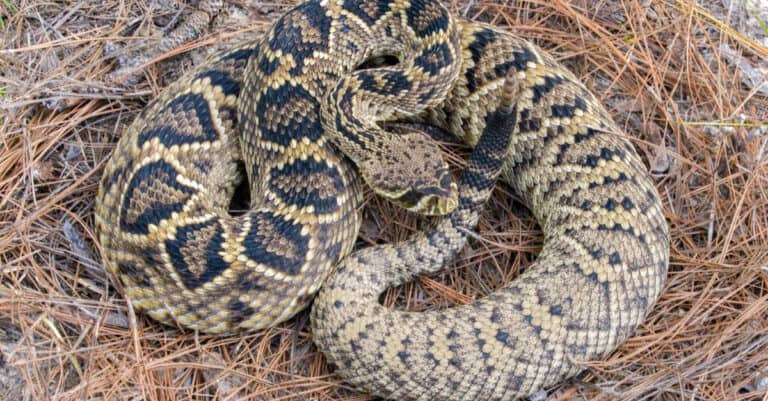
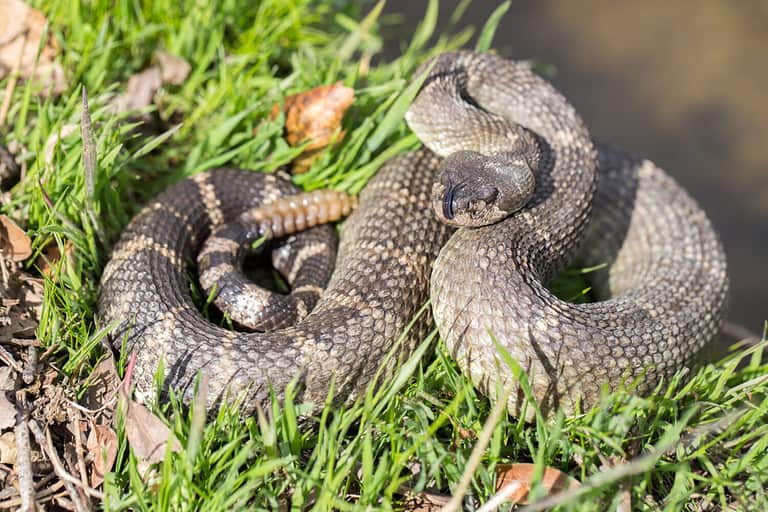
The team also spotted timber rattlesnakes, including two resting together. In the southern coastal lowlands, these rattlesnakes are sometimes called “canebrakes” because they have a lighter body color and a rusty stripe down their backs. However, genetic testing has proven they are the exact same species as the darker timber rattlesnakes found further north. Sadly, these rattlesnakes are declining across much of the country due to habitat loss and human hunting, making them a protected species of concern in several states.
A few smaller discoveries rounded out the day:
- Red-bellied snakes are tiny, secretive snakes that specialize in eating slugs amidst fallen leaves. They are quite rare in this part of Georgia, so finding two in one day was a major highlight.
- Gray rat snakes, when handled, release a foul-smelling liquid from scent glands near the tail. This strong musk is a standard defense mechanism used to scare off curious predators like raccoons or foxes.
A Note on Reptile Etiquette
The video highlights an important rule for wildlife enthusiasts: responsible tin flipping means putting every piece of metal back exactly how you found it and keeping handling time to a minimum. These small under-tin environments can take years to naturally establish their resident snake communities. By photographing the animals quickly and returning them safely to their shelters, these habitats stay healthy and productive for years to come.