
When it comes to innovation, nature often gets there first. For millions of years, plants and animals have been adapting, optimizing, and surviving through elegant solutions to life’s toughest challenges. Engineers, scientists, and designers have taken note—turning to the natural world for inspiration in everything from transportation to medical devices. This process, known as biomimicry, has led to some of the most efficient, sustainable, and surprising advances in modern technology. Here are some remarkable examples where humans looked to nature—and built something better because of it.
1. Velcro — Inspired by Burrs
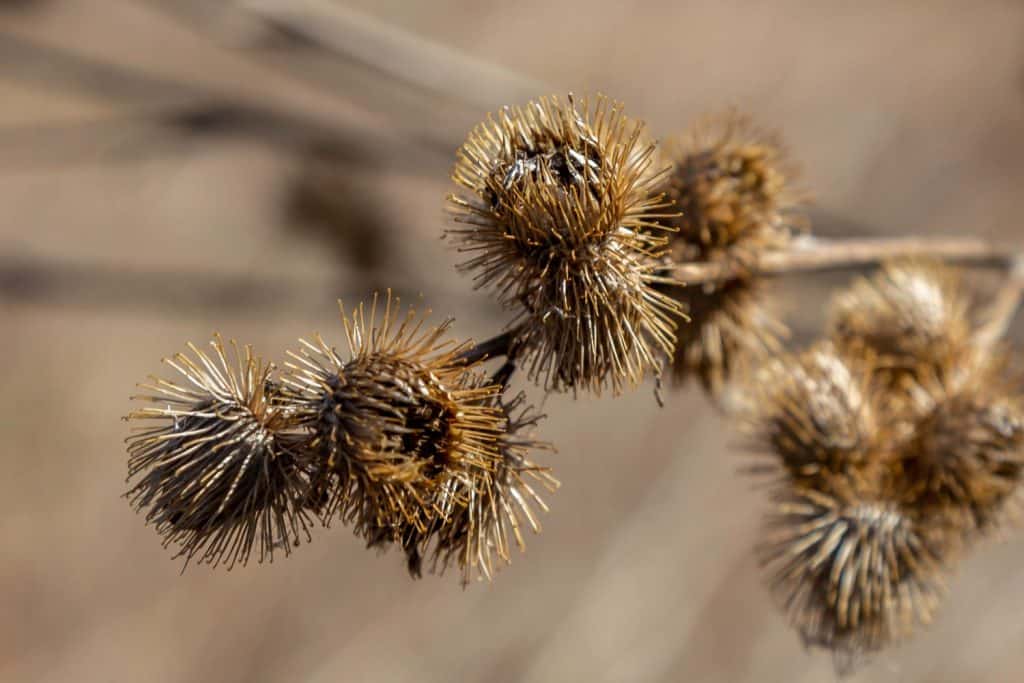
Velcro was modeled after ultra-clingy burrs.
©David McIntosh/Shutterstock.com
Burrs are small seeds or seed cases with tiny hooks or teeth that allow them to stick to fur, fabric, or feathers and be transported elsewhere to grow. They’re produced by plants like burdock. Swiss engineer George de Mestral created Velcro after noticing how burrs stuck to his dog’s fur. By mimicking the burr’s tiny hooks, he developed the now-familiar hook-and-loop fastener.
2. Bullet Trains — Modeled on the Kingfisher’s Beak
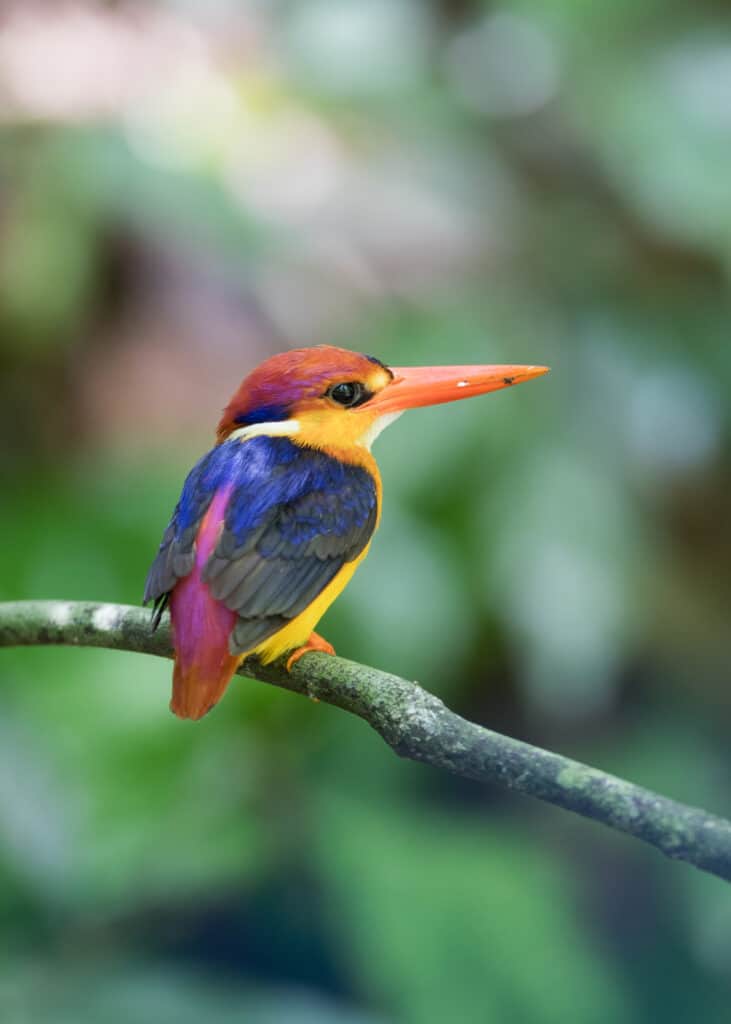
Adult Oriental dwarf kingfisher (Ceyx erithaca), also known as black-backed kingfisher or three-toed kingfisher.
©iStock.com/thipwan
Japan’s Shinkansen trains once produced loud sonic booms when exiting tunnels. Engineers solved this by reshaping the train’s nose after the kingfisher’s beak—built for silent, splash-free dives. The redesign reduced noise while increasing speed and efficiency.
3. Gecko-Inspired Adhesives
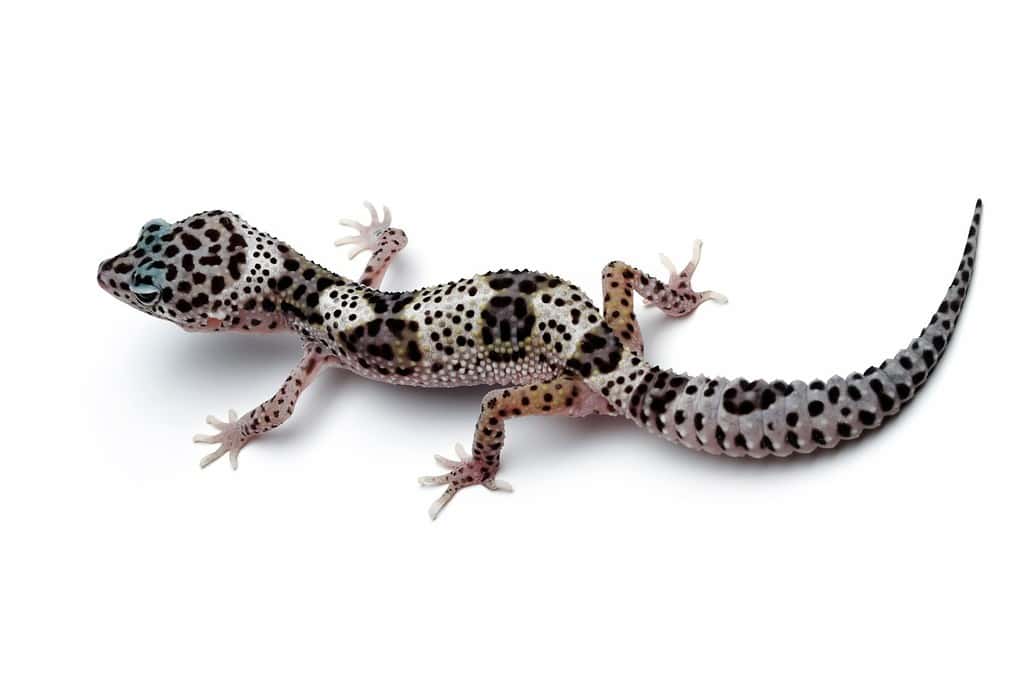
Geckos use their clinging ability to hunt and to elude predators.
©Agus_Gatam/Shutterstock.com
Geckos cling to walls using millions of microscopic hairs (setae) on their feet. Scientists replicated this structure to develop powerful adhesives for robotics, wearable tech, and medical devices—strong, reusable, and residue-free.
4. Self-Cleaning Surfaces — The Lotus Effect

Lotuses in bloom.
©iStock.com/Marina Denisenko
Lotus leaves stay clean thanks to microscopic textures that repel water and dirt. This discovery led to the creation of self-cleaning paints, windows, fabrics, and solar panels that reduce grime buildup and cut down on maintenance.
5. Bird-Safe Glass — Mimicking Spider Webs
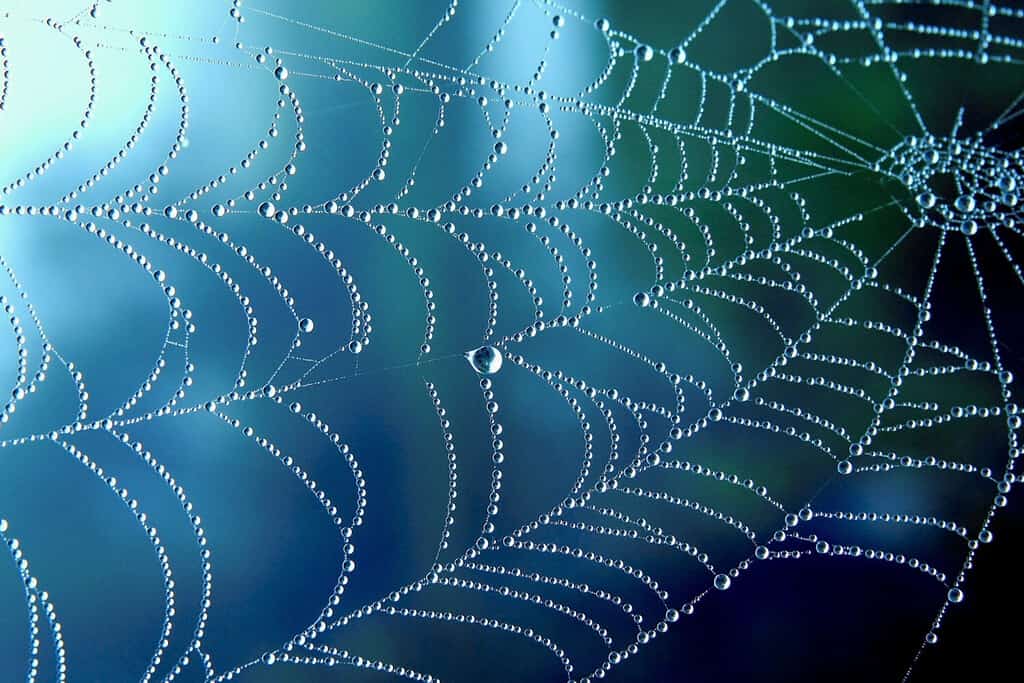
Birds are able to detect UV light reflected from spiderwebs to avoid collisions.
©SakSa/Shutterstock.com
Spider webs reflect ultraviolet (UV) light, which many birds can see but humans cannot. This natural feature acts like a warning sign, helping birds avoid flying into the webs and damaging them. Drawing from this principle, architects and conservationists have developed glass with UV-reflective patterns to reduce bird strikes. The technology is now being used in office buildings, transit stations, and even residential homes to create bird-friendly structures without compromising design.
6. Termite Mounds — Passive Cooling in Architecture
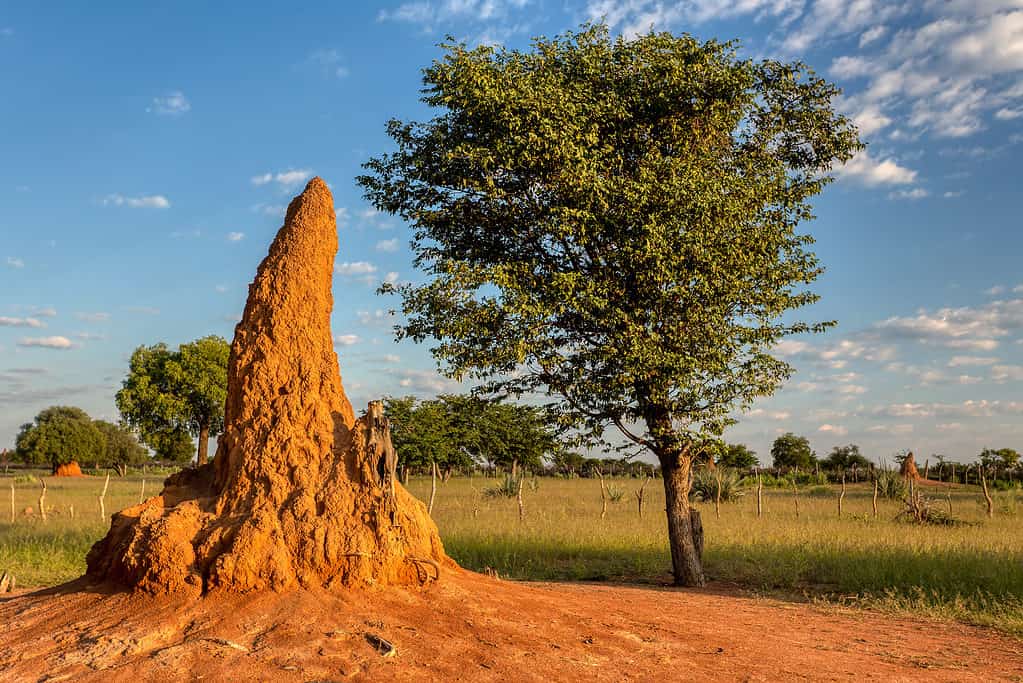
A large termite mound in Namibia.
©Artush/Shutterstock.com
Despite blazing heat, termite mounds stay cool due to natural ventilation tunnels. Architects have applied this design in buildings like Zimbabwe’s Eastgate Centre, which maintains comfortable temperatures with minimal energy use.
7. Humpback Whales — Improved Wind Turbines
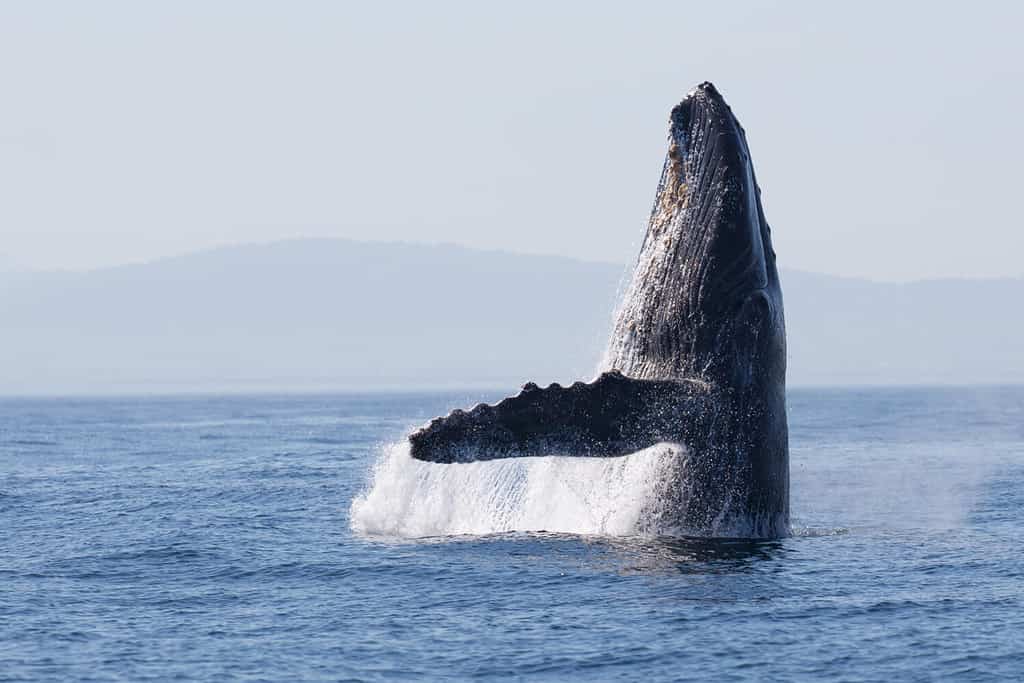
The bumps on humpback whale fins are called tubercles.
©Tory Kallman/Shutterstock.com
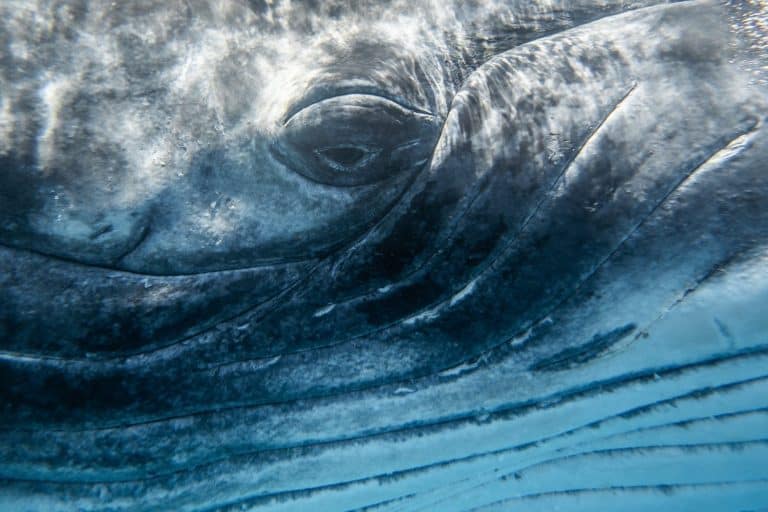
The bumps, or tubercles, on the leading edges of humpback whale fins play a critical role in improving their lift and agility in the water. These ridges disrupt airflow in a way that reduces drag and delays stall, allowing the whales to execute tight turns and precise movements despite their massive size. Inspired by this natural adaptation, engineers have applied similar designs to wind turbines and fan blades. The result is improved airflow control, making the blades not only quieter but also up to 20% more efficient in converting wind or air movement into energy.
8. Solar Panels — Leaf-Inspired Efficiency
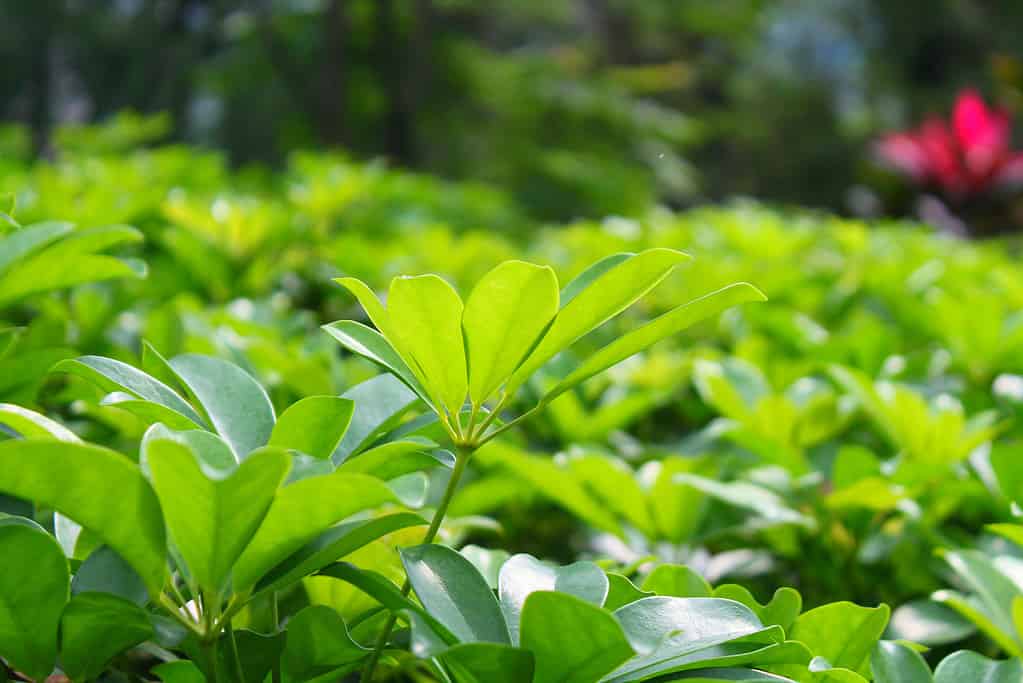
Schefflera Arboricola bush in the sunlight
©Lisalyc/iStock via Getty Images
Plants use angled leaf structures to maximize sunlight absorption. Solar panels now mimic these designs—tilting with the sun or unfolding like leaves—to capture more energy throughout the day.
9. Sharkskin — Drag-Reducing Swimsuits and Surfaces
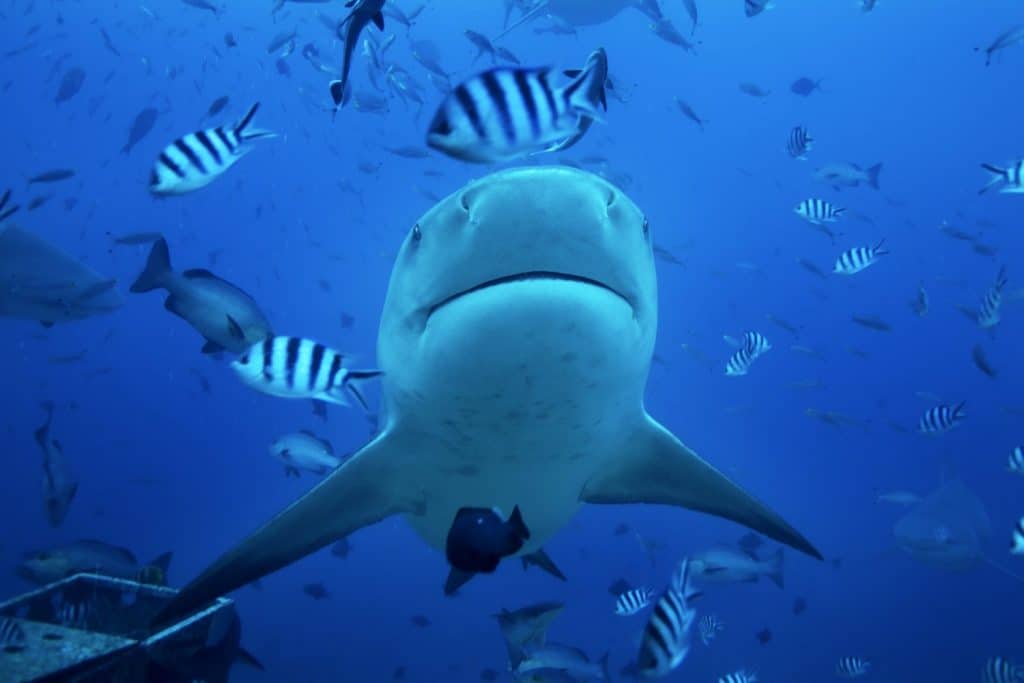
Sharkskin is highly adapted to the marine environment.
©Martin Prochazkacz/Shutterstock.com
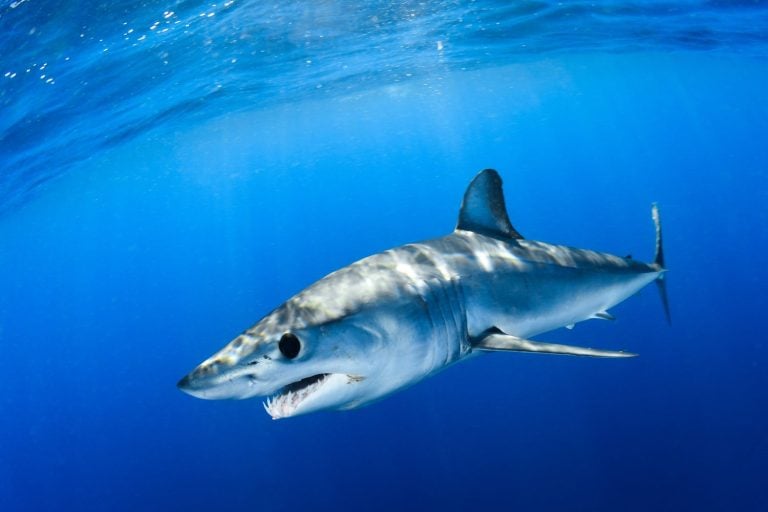
Shark skin’s ridged scales, called dermal denticles, reduce drag by channeling water more efficiently along the body, and they also naturally repel bacteria by preventing microbial buildup. This unique texture has inspired the design of faster, more hydrodynamic swimsuits used in competitive swimming, as well as anti-fouling coatings that prevent marine organisms from attaching to ship hulls—improving fuel efficiency and reducing maintenance. Additionally, the same principle has been applied to create antimicrobial surfaces for hospitals, public restrooms, and medical equipment, helping to lower the risk of bacterial transmission in high-contact environments.
10. Slime Mold — Smarter Networks
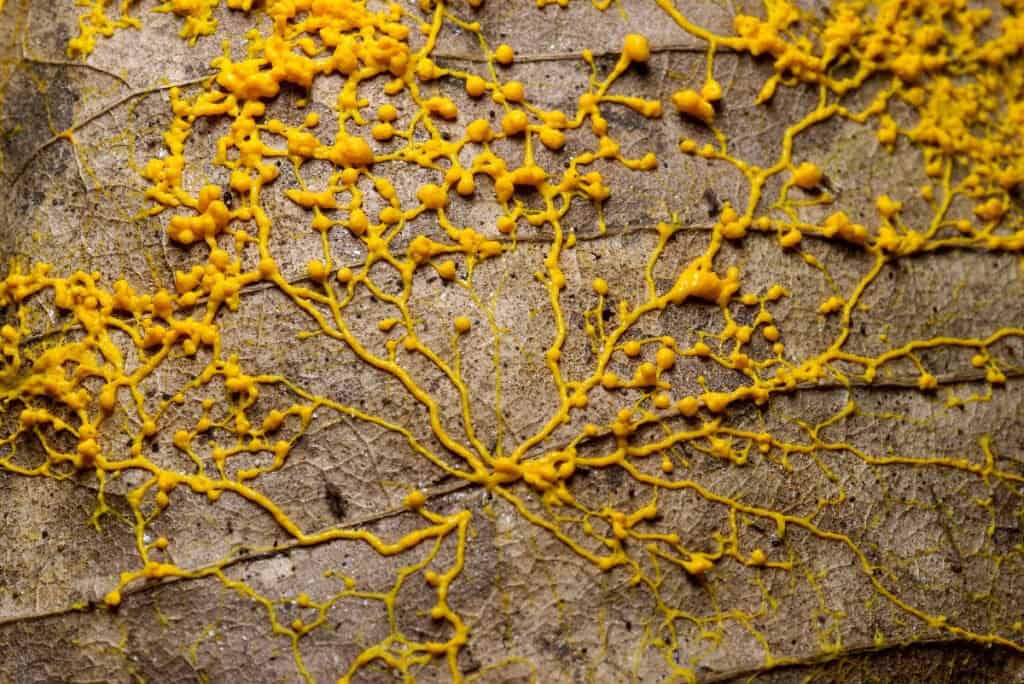
Plasmodial slime molds are large organisms that can merge with one another.
©yamaoyaji/Shutterstock.com
Slime mold creates highly efficient networks when foraging for food, often finding the shortest and most resource-effective paths between points. Its unique problem-solving behavior has inspired smarter designs for traffic systems, railway networks, and urban planning around the world, offering low-cost, nature-based models for improving infrastructure efficiency.
11. Dolphins and Bats — Birth of Sonar and Ultrasound
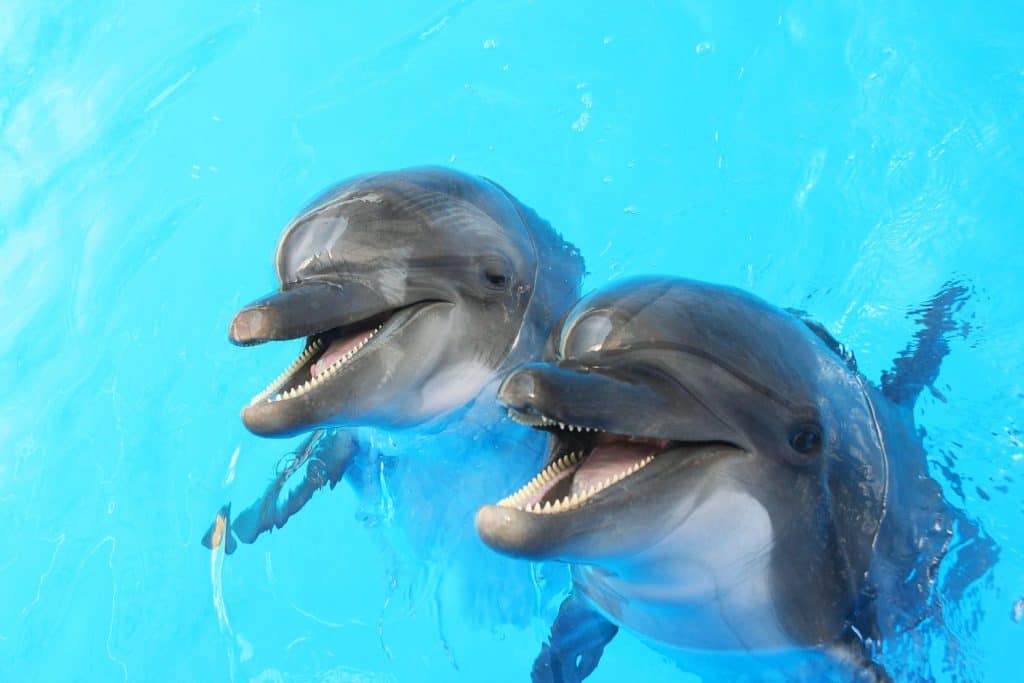
Dolphins use advanced means of communication that humans can access only with technology.
©Elena Larina/Shutterstock.com
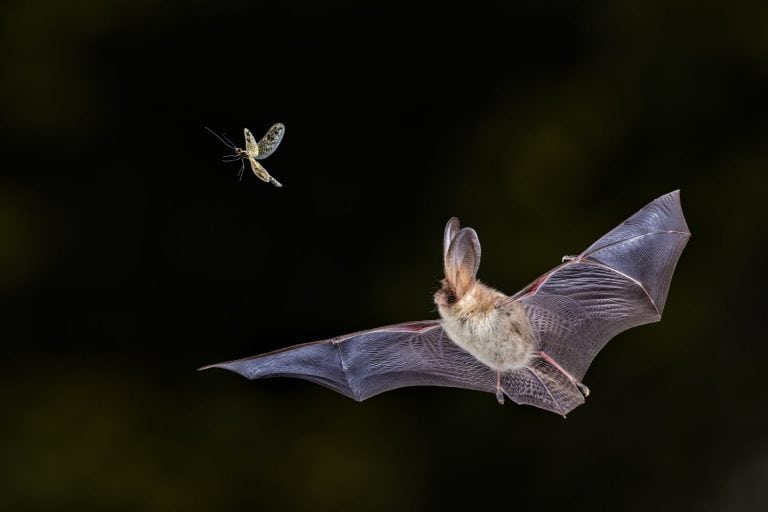
Bats and dolphins use echolocation to navigate and hunt, emitting high-frequency sounds and interpreting the returning echoes to map their surroundings with remarkable precision. This biological sonar inspired the development of underwater sonar systems used in submarines, ships, and ocean exploration, as well as medical ultrasound imaging, which allows doctors to visualize organs, tissues, and even unborn babies without invasive procedures.
12. Beavers — Better Wetsuits
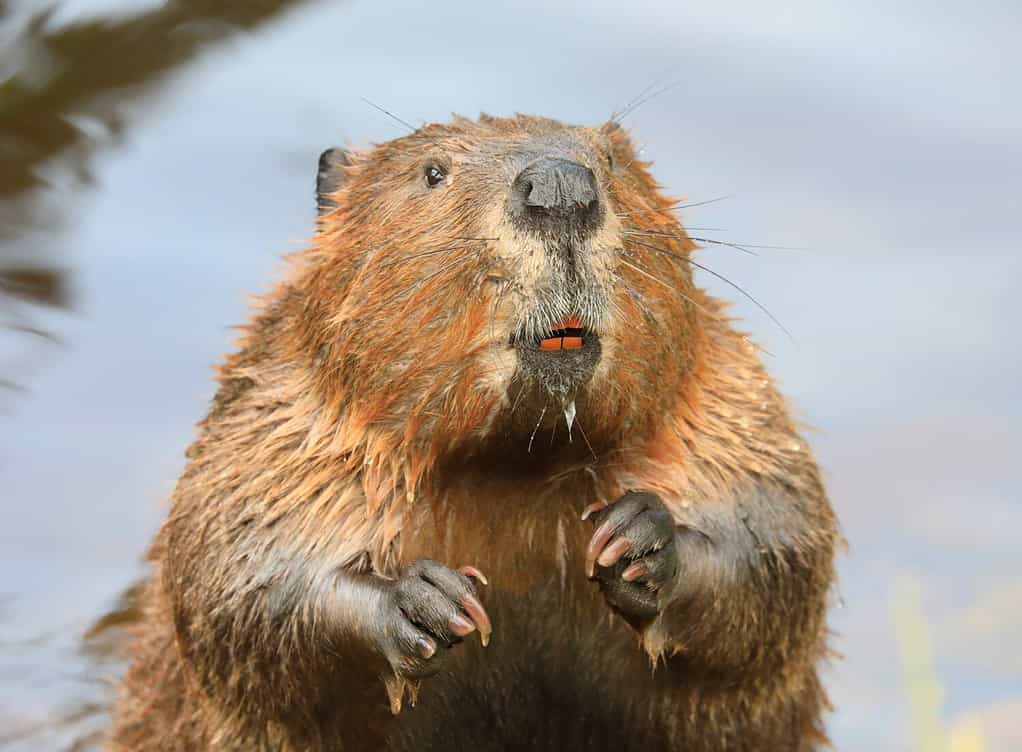
Beavers spend most of their time in water, so they need insulating coats.
©Vlad G/Shutterstock.com
Beavers stay warm in cold water thanks to their dense fur, which traps insulating layers of air close to the skin, preventing heat loss even in freezing conditions. Scientists applied this concept to modern wetsuit design by creating materials with microscopic, air-trapping structures that mimic beaver fur. This innovation allows wetsuits to provide excellent insulation without the added bulk of traditional neoprene, improving mobility and comfort for divers, surfers, and cold-water swimmers.
13. Swarm Intelligence — From Ants to Drones
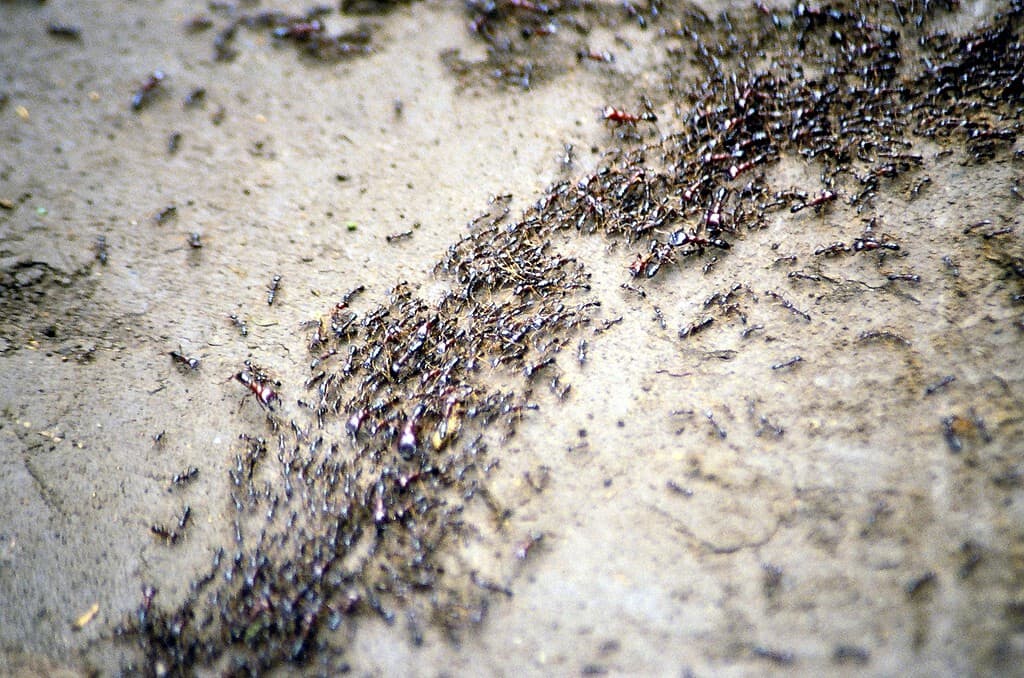
A swarm of driver ants.
Ant colonies and bird flocks operate with remarkable efficiency despite having no centralized leadership, relying instead on simple local interactions and shared signals to coordinate complex group behavior. This decentralized intelligence has inspired the development of swarm robotics and distributed algorithms that allow fleets of drones to work together autonomously, as well as systems for managing internet traffic, warehouse automation, and global supply chain logistics. These nature-inspired models offer greater adaptability, scalability, and resilience in dynamic environments.
14. Animal-Inspired Robots
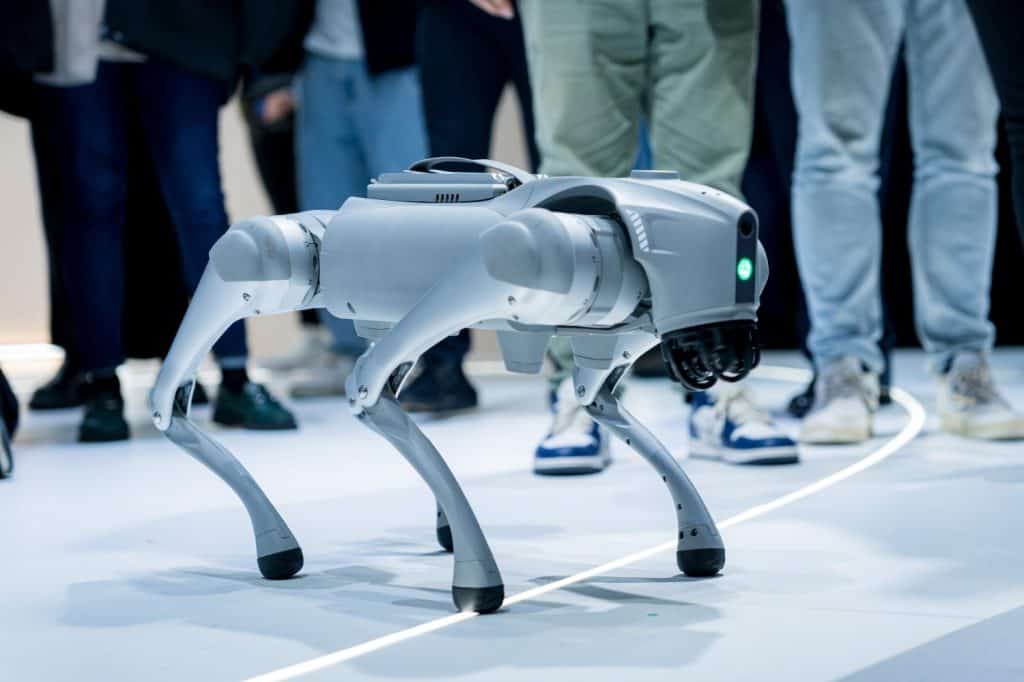
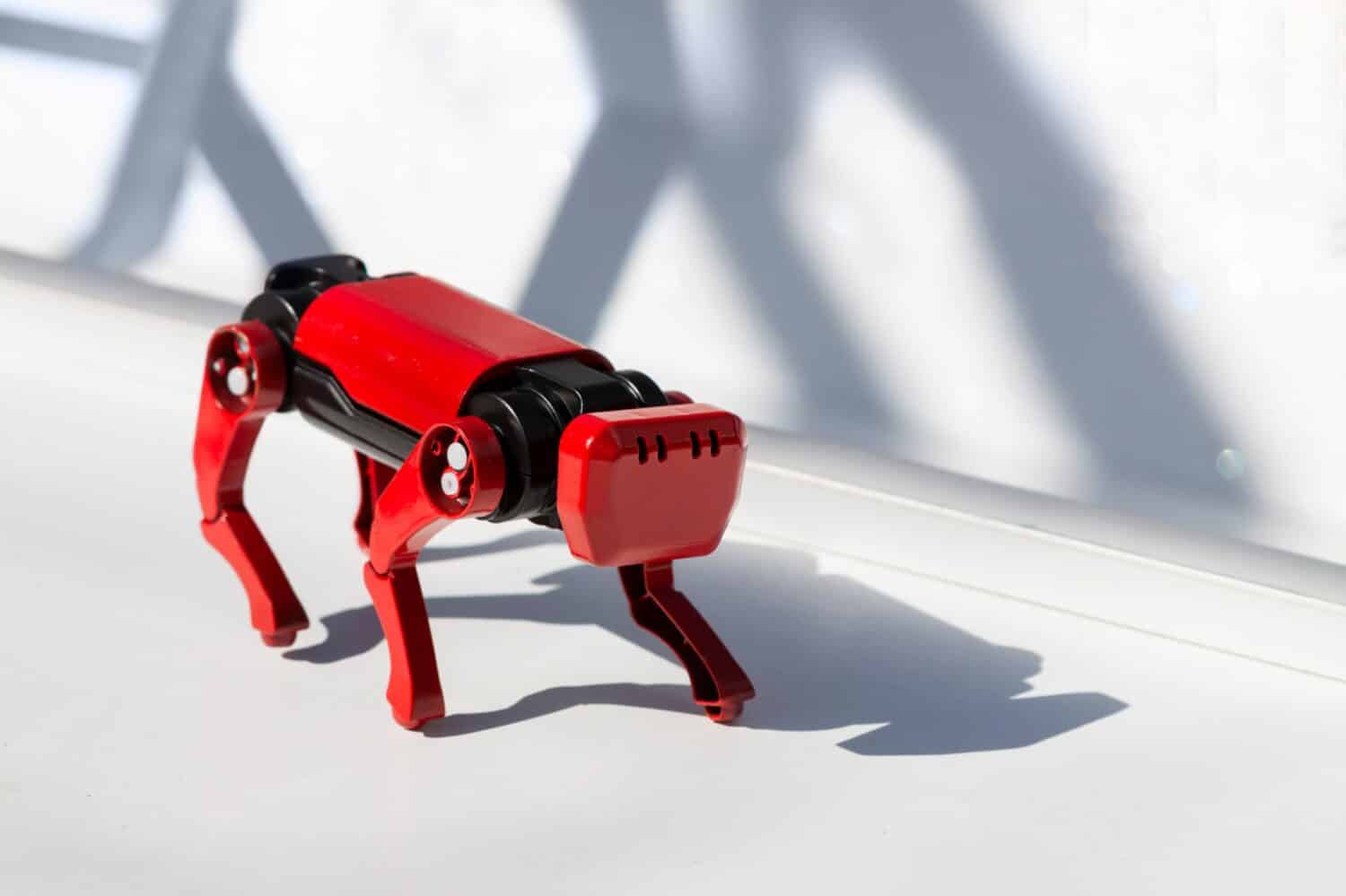
A dog-inspired robot at a technology trade show.
©davide bonaldo/Shutterstock.com
Robotics draws inspiration from the strengths of countless creatures. Nature’s designs help robots operate effectively in complex environments—from disaster zones to deep-sea missions and even outer space.
- Dogs & Mammals: Four-legged robots like Boston Dynamics’ Spot use animal-like movement for balance and agility.
- Fish & Cephalopods: Soft-bodied aquatic robots inspired by jellyfish, eels, and octopuses excel in underwater exploration.
- Insects & Arthropods: Robots modeled on spiders, snakes, and cockroaches navigate tight spaces and unstable ground.
- Birds & Bats: Drones with flapping or morphing wings mimic flying animals for more efficient, nimble flight.
Nature — Earth’s Greatest Engineer

The bodies of humans themselves inspire some of the most advanced technology we’re working on today.
©Yuganov Konstantin/Shutterstock.com
From the microscopic to the massive, nature continues to spark practical, eco-friendly innovations that shape the way we live, work, and solve complex challenges. Biomimicry isn’t just about copying nature—it’s about learning from billions of years of trial and error, then turning that wisdom into powerful, modern inventions. And we’re only just beginning to scratch the surface of what’s possible.
One of the most profound sources of inspiration? The human body itself. From the flexibility of our joints to the self-healing capacity of our skin and the efficiency of our circulatory system, our own biology has led to breakthroughs in robotics, prosthetics, medicine, and design. As technology advances, scientists and engineers are increasingly looking inward—drawing from the systems that sustain and move us—to build tools, machines, and materials that are more adaptive, intuitive, and alive. Nature isn’t just around us. It is us.