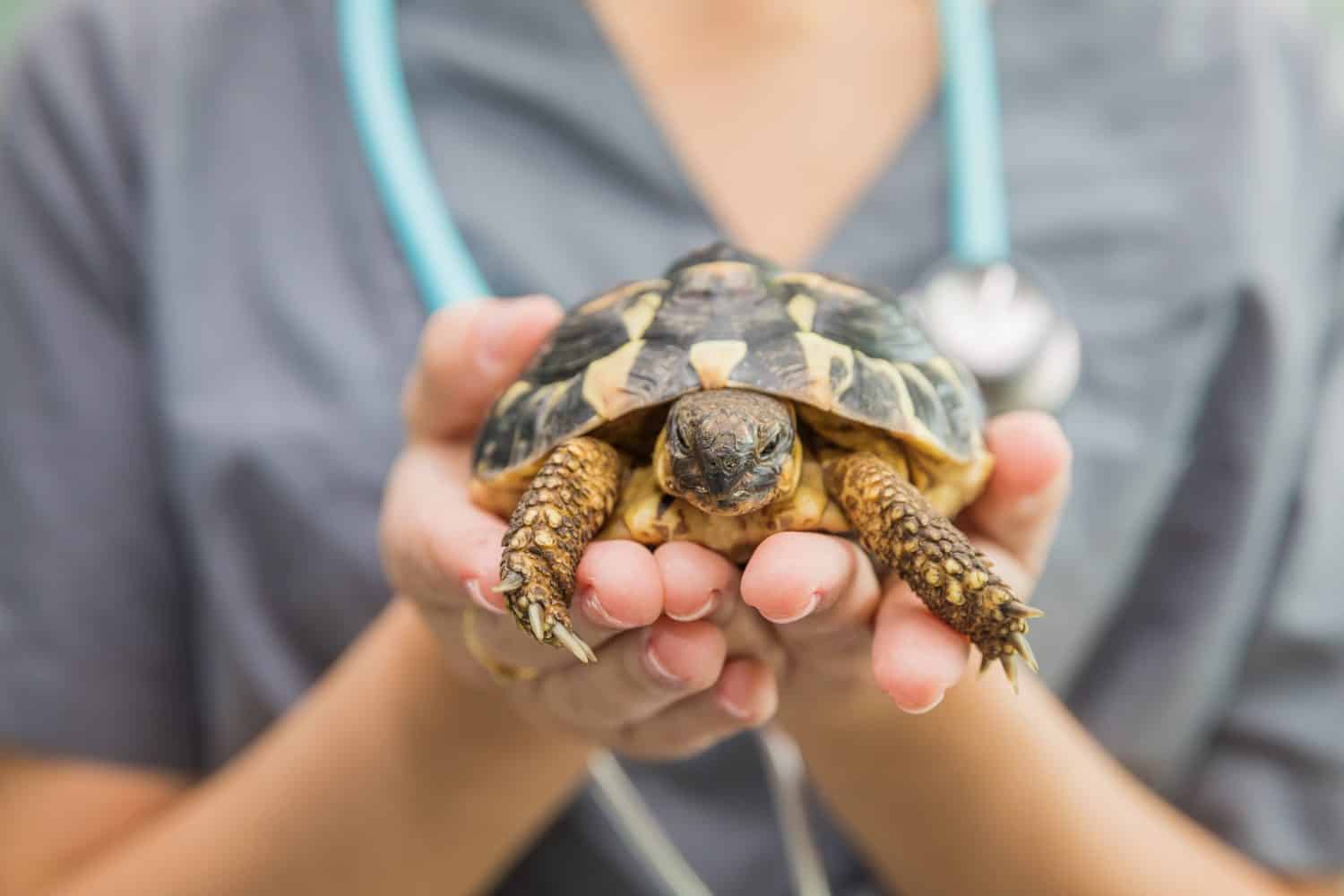

Turtles may seem pretty sturdy thanks to their hard shells, but they are still mortal creatures, capable of getting sick, being injured, or suffering from disease. They have a built-in defense mechanism, but turtles can’t dodge every danger. That’s why it can be helpful to learn four general ways to know that your pet turtle is sick.
These general categories—behavioral changes, appetite changes, respiratory problems, and physical symptoms—account for a wide variety of possible ailments and deficiencies. Turtles are hardy creatures, but they hide illness better than most. As such, let’s learn several key ways to know if your pet turtle is sick and in need of professional medical help.
Behavioral Changes
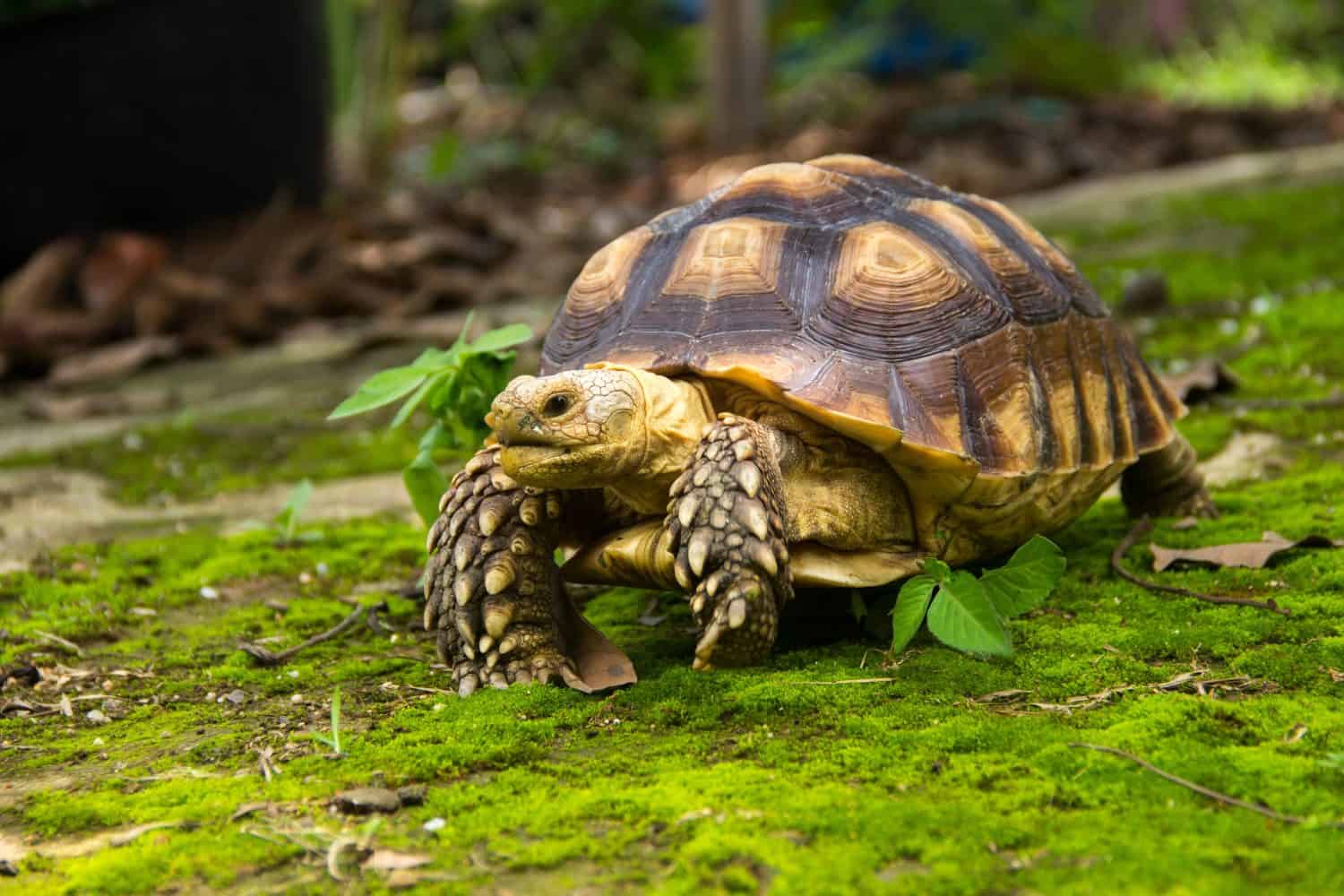
Several behavioral changes in your pet turtle can suggest they are sick.
©cmmedia99/Shutterstock.com
There are several key behavioral changes that suggest your pet turtle is getting sick. Usually, these changes have to do with its quality of movement, how much you see it out and about, or if it is struggling to swim. It’s important to note, however, that not all behavioral changes are signs your turtle is sick.
Breeding season brings behavioral changes to turtles. Sometimes, they become either uncharacteristically aggressive or reclusive during this time of year. Luckily, such changes are usually temporary and settle down when the season ends.
Sluggishness
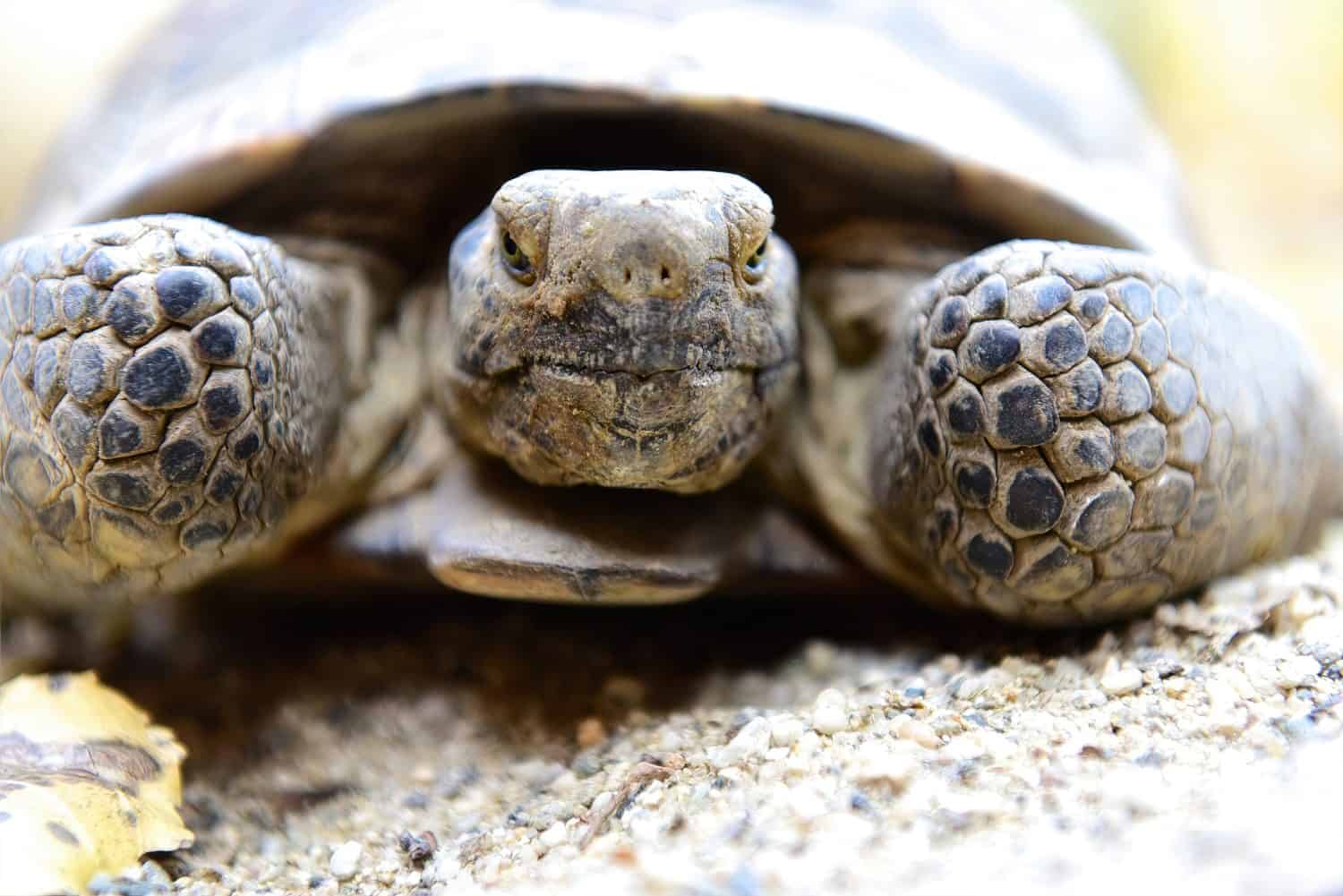
Turtles have pretty set schedules, so any deviation is a sign that something is wrong with them.
©Martens Coyotes/Shutterstock.com
Watch your pet turtle for a couple of days, or even just a few hours, and you’ll quickly realize that it has a set routine. Turtles tend to follow a schedule and rarely deviate from their normal activities of walking around, swimming, eating, drinking, and sleeping. That’s why watching its behavior is an easy way to know if there’s something wrong with your turtle or if it is sick.
If your turtle suddenly becomes much more sluggish or lethargic than usual, this could be a sign of illness. Turtles aren’t known for their high speeds, but still, you’ll probably notice when your pet turtle is moving less than usual or spending extended periods of time in a resting mode. This may be a sign that your turtle is ill, or more specifically, experiencing low water temperatures. Since turtles have to rely on external heat sources for metabolism regulation, make sure the basking area of their cage is hot enough. Typically, turtle care guides recommend between 85-90 degrees Fahrenheit.
Hiding or Difficulty Moving
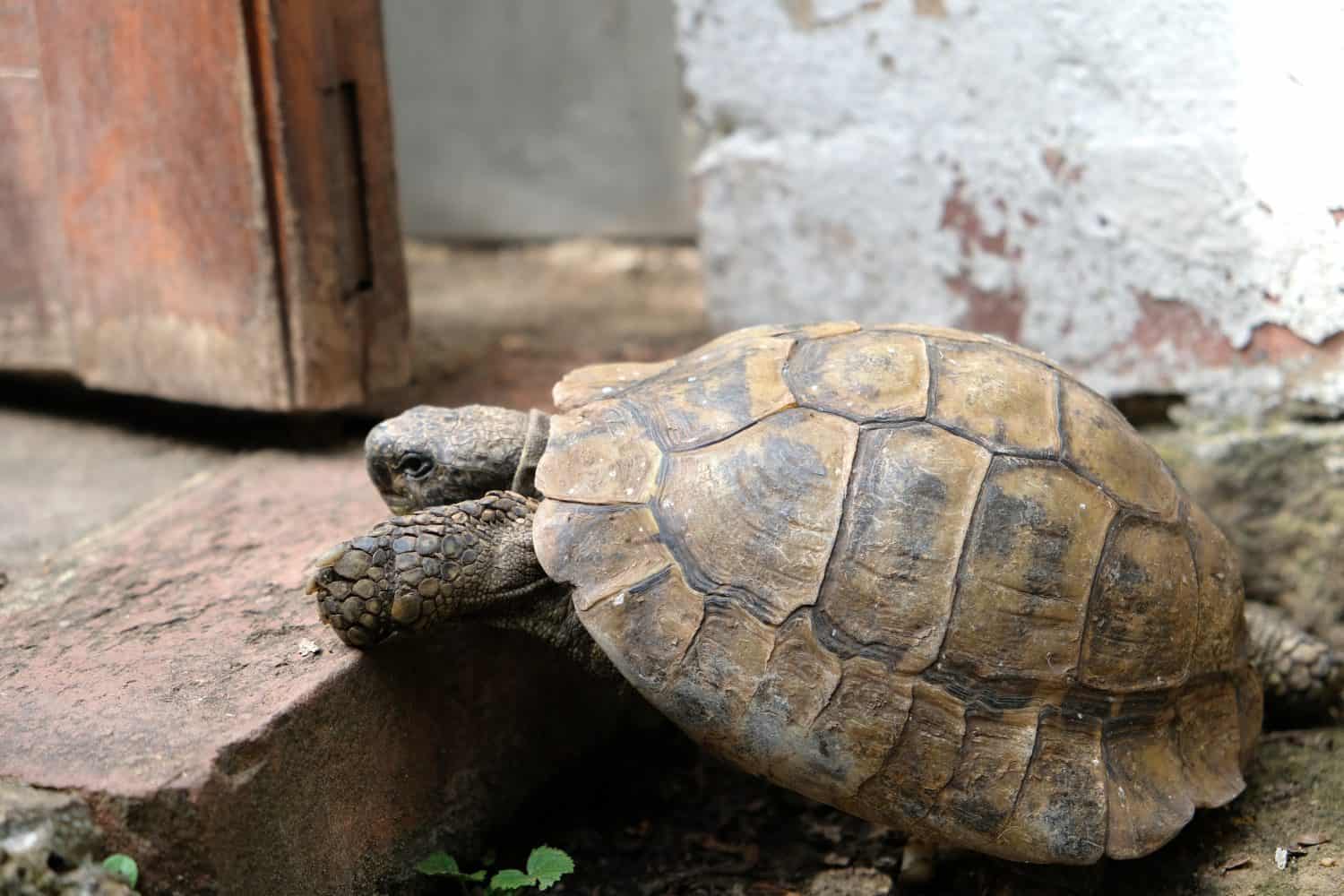
Turtles may be slow, but too much sluggishness means something is wrong.
©Lois GoBe/Shutterstock.com
It’s hard to argue that turtles love hide and seek. They literally have their own hiding spot attached to their body in the form of a shell. When the going gets scary, turtles disappear into their shells or into a nice, hidden corner of their enclosure. That said, if your pet turtle is hiding more than usual, there’s probably something wrong. Turtles hide to an excessive degree when they are experiencing pain or discomfort of some kind. The thing about reptiles is that they are quite good at hiding their illnesses. In the wild, hiding while sick keeps them out of unnecessary danger. If you notice your turtle is hiding much more than usual, it may be a sign of illness and could require a visit to the vet or a consultation with a medical professional.
Moving/Swimming Issues
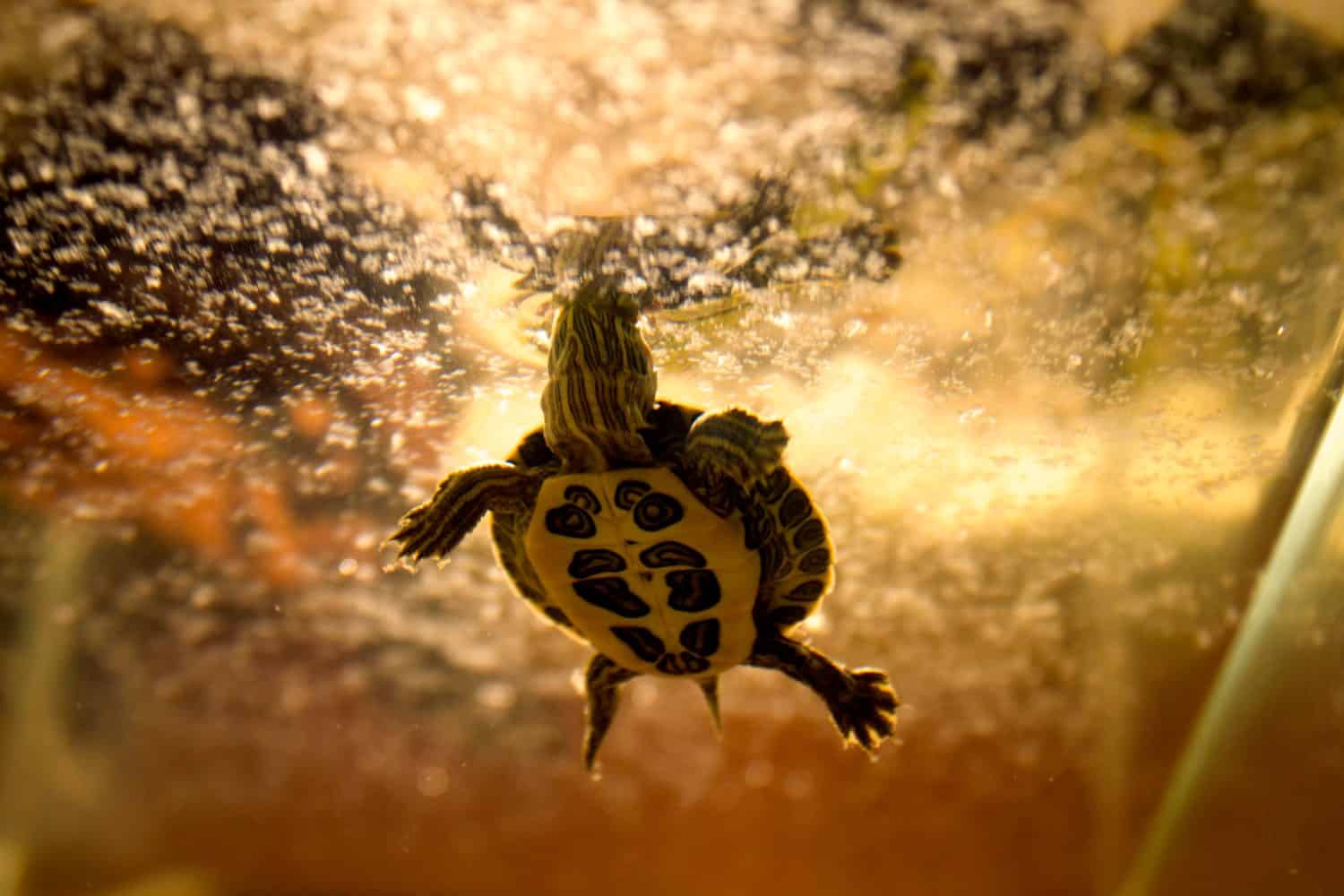
Turtles are good swimmers, so trouble in the water is a concerning sign.
©Aram Shahinyan/Shutterstock.com
If your turtle is struggling to swim or move around its enclosure, it might be sick in some way. Trouble with maintaining balance on land or water is usually a sign that the turtle is suffering. Even if its balance is relatively fine, struggling to move may point to deeper issues. Certain vitamin deficiencies or infections can affect your pet turtle’s balance and make moving around difficult. Another possible cause of mobility issues is an injury to your pet turtle’s spine. As with any behavioral change, any sudden shift should be observed and, if concerning, should lead to a visit to the veterinarian.
Changes in Appetite
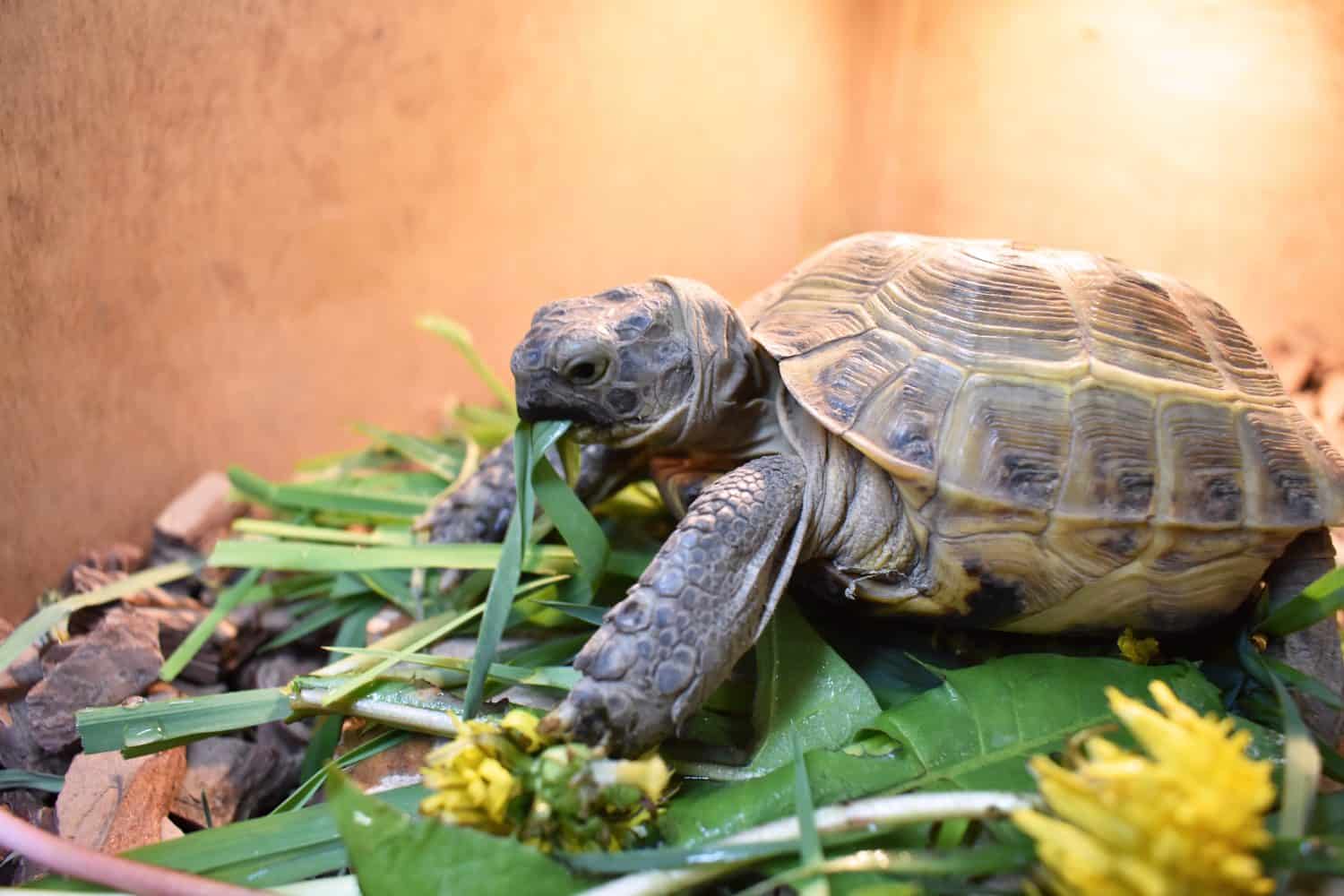
Turtles eat regularly and happily when they are healthy.
©Anastasiia Tainikova/Shutterstock.com
Another easy way to know if your turtle is sick is if it has any changes in its appetite. A healthy turtle will eat regularly, often with a certain eagerness. When a turtle suddenly stops eating or eschews its favorite food, there is probably something wrong.
The first likely culprit of turtle appetite changes is digestion. Parasites in its gut can cause appetite issues, but so can constipation or impaction. If your pet turtle has eaten something that isn’t food, however, this can also block it up and prevent it from continuing to eat regularly. As a result, your turtle may temporarily stop eating. Too much handling, loud noises, or moving to a new habitat can stress your pet turtle out so much that they go on the defensive. As a result, your turtle may temporarily stop eating.
If stressors or digestion issues are not present, another common reason for turtle appetite changes has to do with nutritional problems. If your pet turtle isn’t getting enough essential vitamins, particularly vitamin A and calcium, it may develop irregular feeding behavior. These vitamins are very important; without them, turtles can develop growth issues and weak shells.
Respiratory Issues
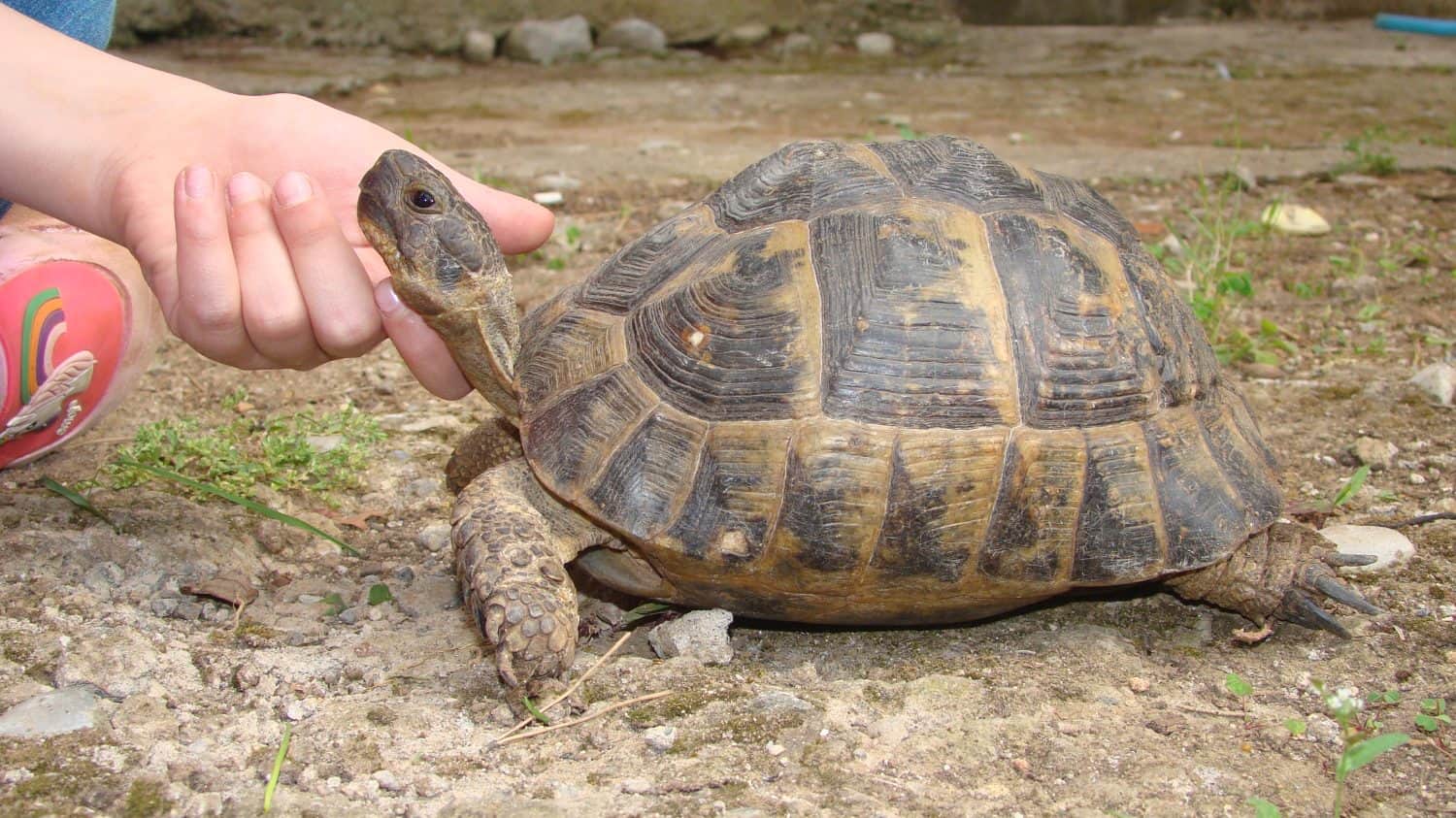
Turtles can’t cough well or produce internal heat, so they get respiratory problems more easily than mammals.
©Dr.MYM/Shutterstock.com
Unfortunately, reptiles like turtles are particularly vulnerable to respiratory problems. They are good at disguising problems; however, true respiratory issues will be hard to spot at first. However, turtles can’t really cough, so any respiratory problem they develop tends to worsen over time. Symptoms of a worsening respiratory issue in your pet turtle will probably take the form of wheezing, bubbles coming out of its nose, coughing, or mouth breathing. Turtles can’t produce their own heat, so they won’t show signs of fever or increased temperature like mammals.
If you suspect your pet turtle is suffering from respiratory problems, check its basking area to make sure the spot is warm enough. Too much cold will weaken your pet turtle’s immune system and bring respiratory sickness. The most frequent cause of respiratory issues in pet turtles is infection.
Less commonly, respiratory problems can result from stress or malnutrition. A lack of nutrients, severe stress, or insufficient ultraviolet B radiation can also affect its respiratory system. Another thing to watch out for is hygiene. Filthy water will increase the chance of your turtle developing a bacterial infection, leading to a respiratory issue.
Physical Changes
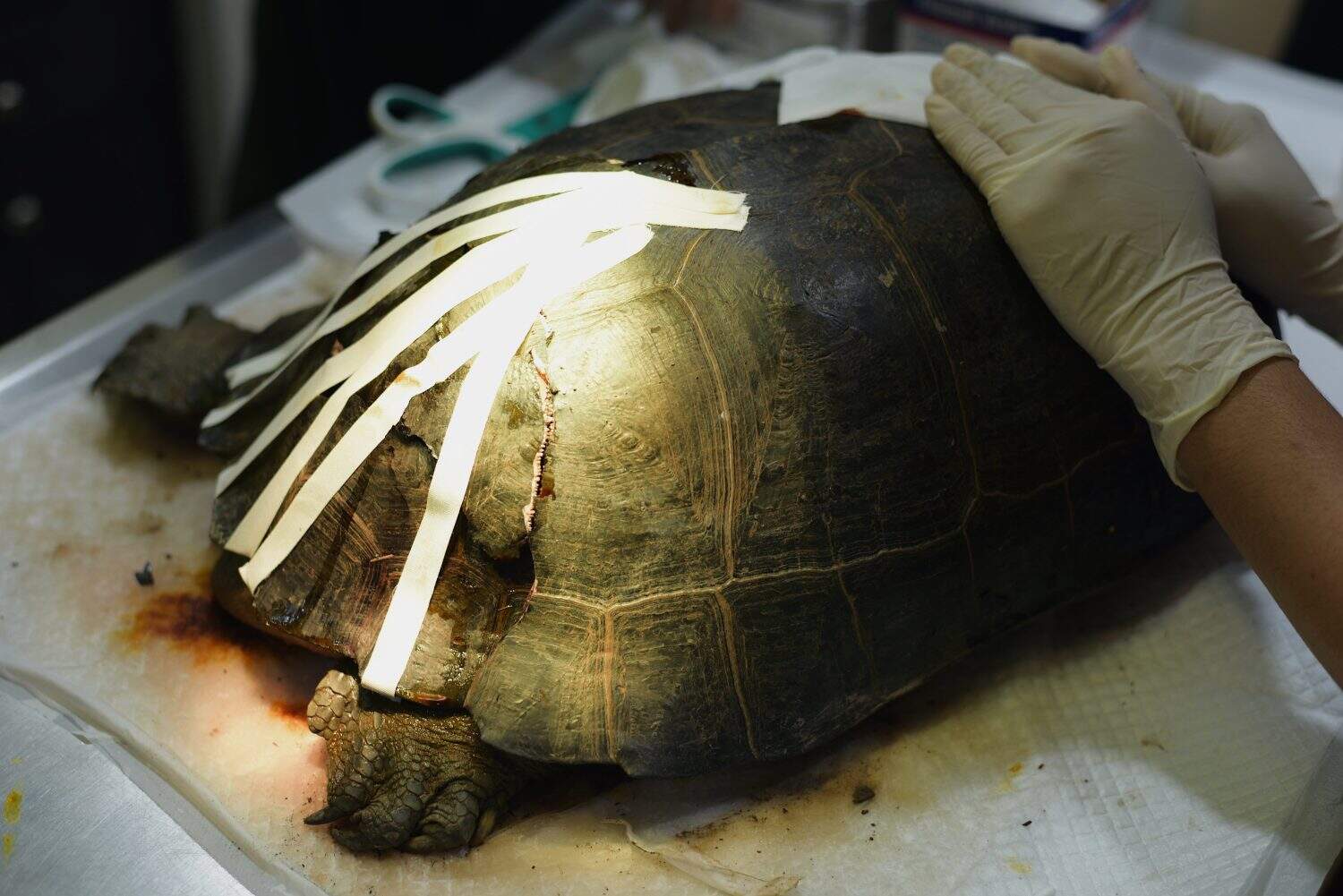
Pet turtles will exhibit some key physical changes when sick, including swollen eyes, shell deterioration, and skin sores.
©Thapyuda Tansungnern/Shutterstock.com
If your pet turtle is very sick, you will likely notice physical changes. While it can be difficult to diagnose infections in reptiles, physical symptoms are often easier to spot.
Swollen Eyes/Mouth
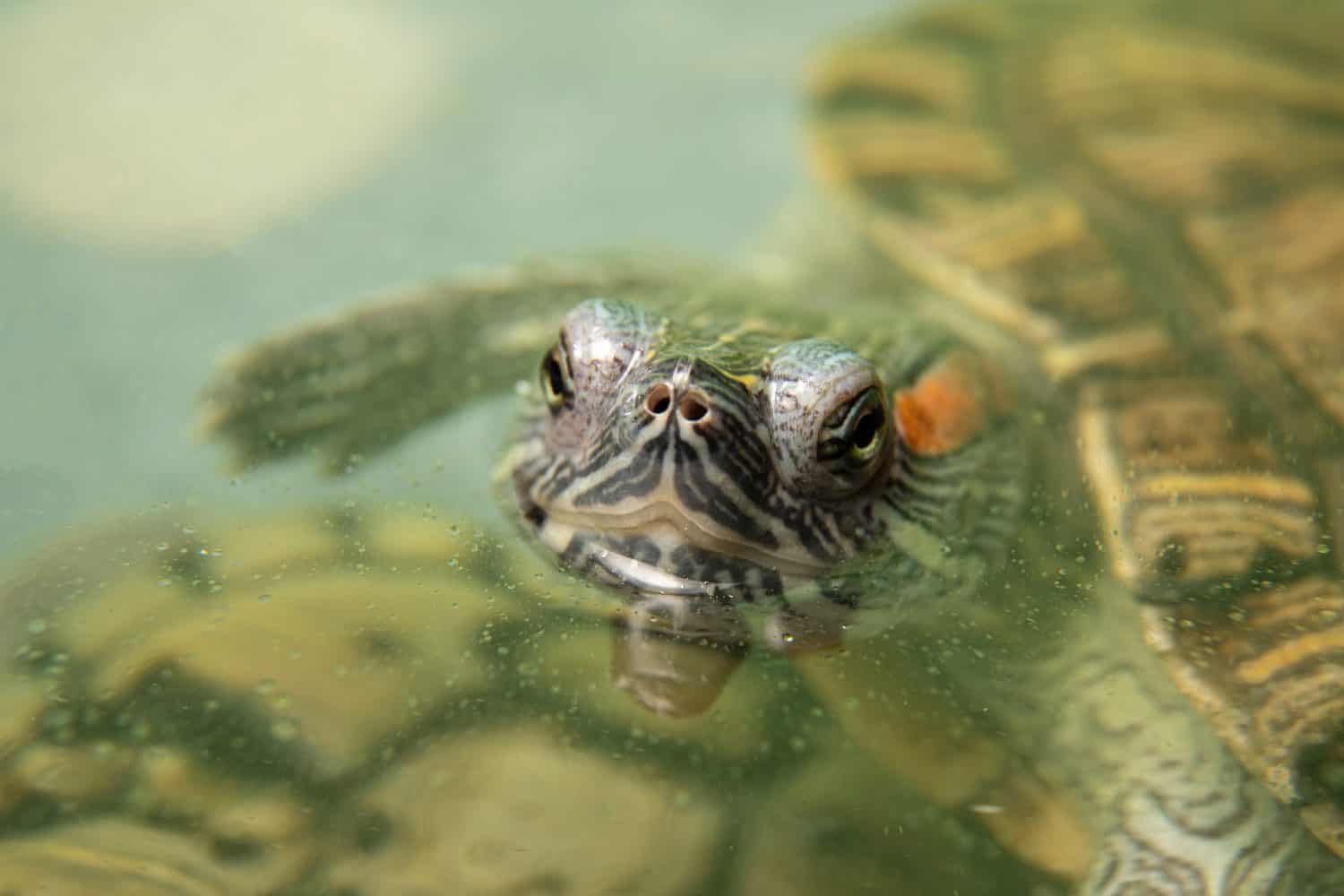
Turtles can develop swollen eyes due to vitamin A deficiency, but this symptom can also result from bacterial infections, poor water quality, or trauma.
©BetterPhoto/Shutterstock.com
If your pet turtle suddenly develops swollen eyes or swelling around the head, that’s a clear sign that something is wrong. This physical symptom is often caused by vitamin A deficiency, but bacterial infections and poor water quality are also common causes. It also leads to a condition called hypovitaminosis A. That’s why it’s important to feed your turtles more than just meat and iceberg lettuce. Without vitamin A, the top layer of a turtle’s skin undergoes negative changes.
Shell Changes
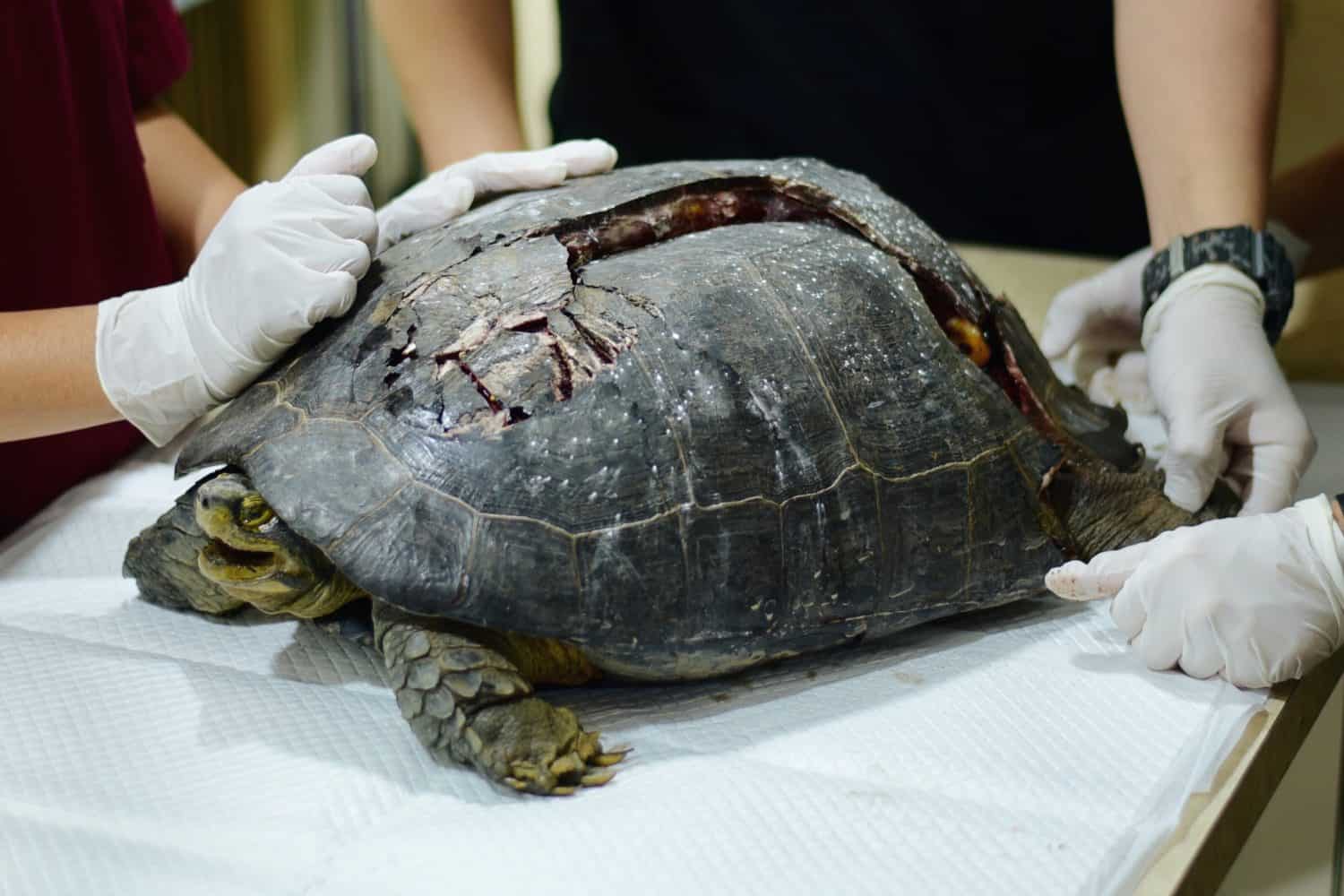
Broken or deformed shells are commonly caused by metabolic bone disease, which results from improper diet and lighting, as well as by infections or trauma.
©Thapyuda Tansungnern/Shutterstock.com
Another key indicator that something is wrong is if you notice changes or deterioration in your pet turtle’s shell. If your pet’s shell is infected, it may start to pit, deteriorate, or even expose the bone underneath. While parasites and fungus are the usual culprits for shell damage, metabolic bone disease, caused by a lack of calcium and phosphorus, can also produce pitting or deformation of a turtle’s shell.
Skin Sores
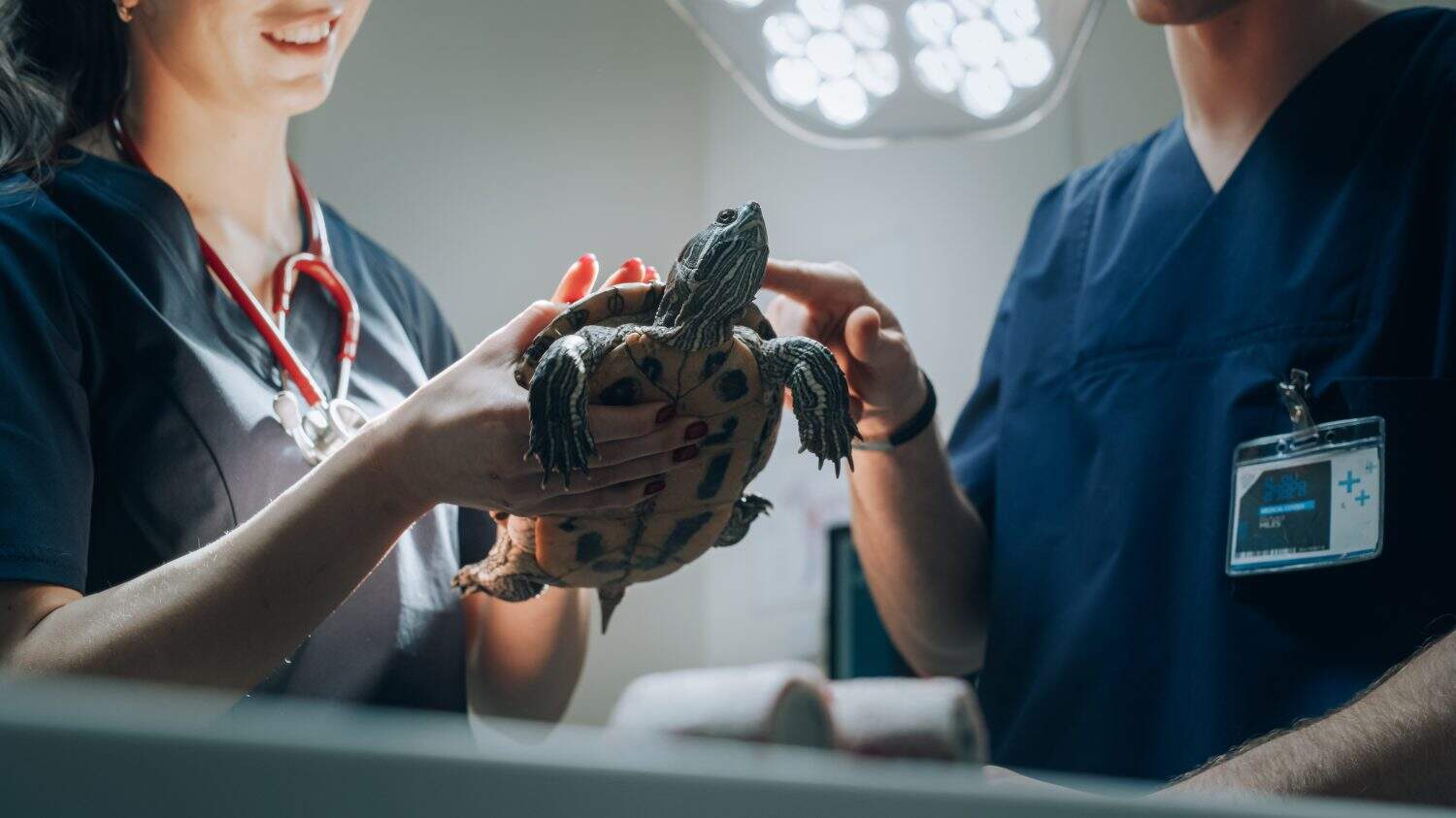
Poor quality water and bacterial infections can produce sores on a turtle’s skin.
©Gorodenkoff/Shutterstock.com
When turtles are plagued with infections or exposed continuously to water of poor quality, they can develop skin lesions. If you notice strange sores or abscesses on your pet turtle’s skin, be sure to thoroughly clean its enclosure, replace its water, and, if necessary, call a veterinarian.
an.