
Quick Take
- Something as simple as the way your dog walks could be quietly signaling a brain problem, yet most owners never notice it. See the stride findings →
- Researchers zeroed in on one specific part of a dog's stride, and it's probably not the part you'd guess. Discover the specific measurement →
- The age at which vets now recommend starting dementia screening might shock you, and your dog could already be past it. Check the screening age →
- There's no cure for canine dementia, but the things that actually slow it down aren't what most owners try first. See what actually helps →
Have you noticed a difference in the way your older dog walks? If so, it could be a warning sign of upcoming cognitive decline, according to a new study by North Carolina State University published in the Frontiers in Veterinary Science journal in June 2026.
The study observed 88 senior and geriatric pet dogs, measuring their gait and stride length while they walked on a leash. The dogs underwent a series of physical, neurological, and orthopedic exams, along with mobility assessments, hearing tests, blood work, and cognitive function tests to identify signs of Canine Cognitive Dysfunction Syndrome (CCDS), which is similar to dementia in humans.
Surprisingly, researchers found a connection between shorter stride length in the dogs’ front limbs and cognitive decline.
What Did Researchers Discover?
After studying 88 dogs with an average age of 12 years, the researchers found that cognitive decline, as reported by the dogs’ owners, was associated with a shorter stride length in the front legs. The dogs were also given the Canine Dementia Scale (CADES) test, and researchers found that higher CADES scores were directly related to shorter stride length.
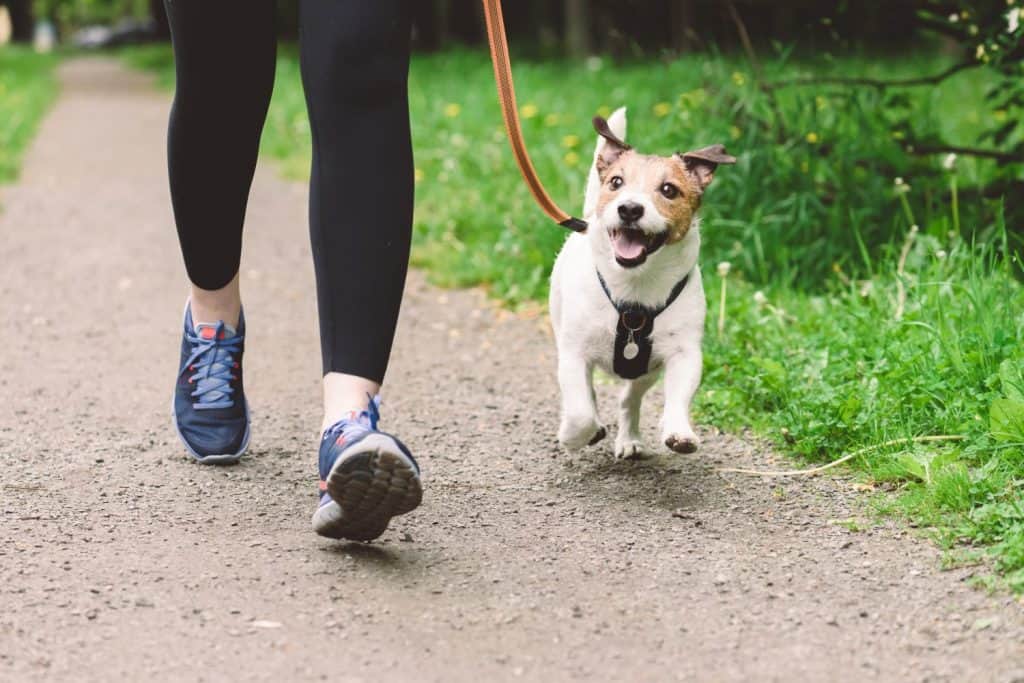
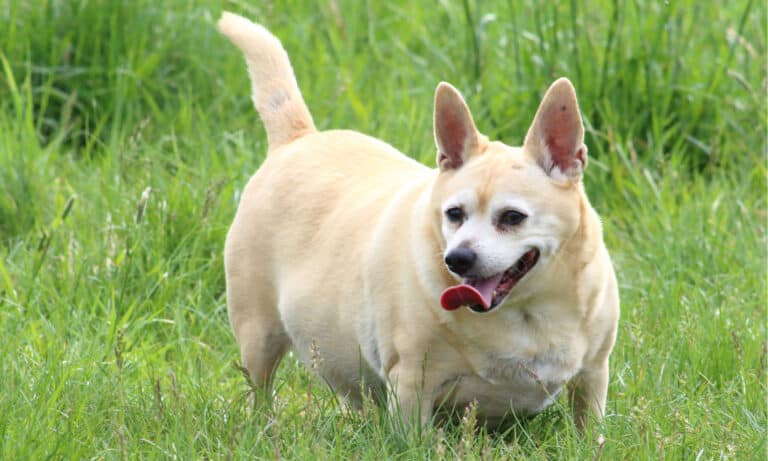
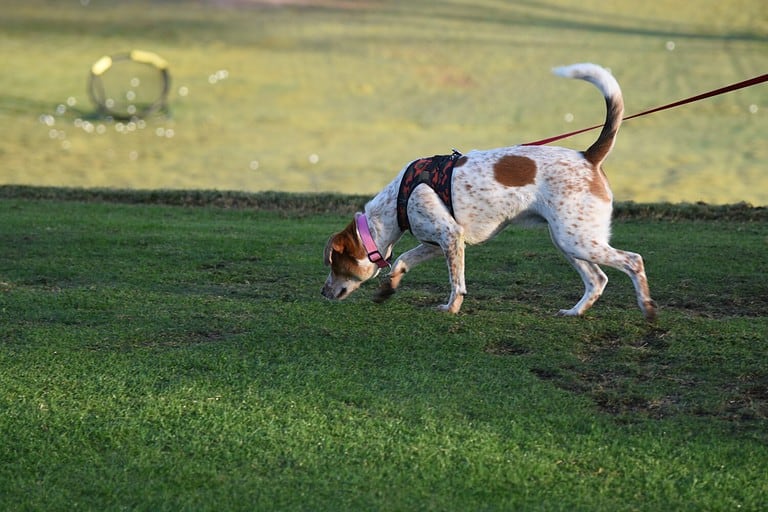
A dog’s stride length has been connected to signs of dementia.
©alexei_tm/Shutterstock.com
“Thoracic [front] limb movement is likely under more cortical influence than pelvic [rear] limbs and may be more sensitive to alterations in visual or spatial awareness than pelvic limb movement,” Dr. Natasha Olby, professor of neurology at North Carolina State University’s College of Veterinary Medicine and study author, said in a statement.
Is This a Dementia Test?
Although this research could help provide more information about the onset of dementia in dogs — and could open the door for further studies to predict dementia earlier — it is not a standalone test for CCDS.
“We know that in humans, changes in stride length have been linked to cognitive impairment and dementia,” Dr. Olby said. “That relationship hasn’t been investigated in dogs, so we created this study to examine the problem.”
This study could possibly offer a clue for diagnosing dementia alongside cognitive testing, owner questionnaires, pain assessments, and long-term monitoring.
“Our results show that cognitive decline does have a small effect on stride length and this could serve as an early indicator of functional decline in aging dogs,” Dr. Olby said. “It could also serve as a useful marker of an individual dog’s overall health trajectory when it is monitored over time.”
A study in the Journal of the American Veterinary Medical Association in April 2026, led by Dr. Olby and conducted by the CCDS Working Group, created new diagnostic standards for determining CCDS in dogs. The researchers determined that approximately 60 percent of dogs aged 15 and up showed signs of CCDS, and 20 percent of those had severe signs.
The researchers proposed three severity stages of CCDS, based on how well the dog can function. They also recommend two diagnostic levels: the first based on a dog’s history, tests, and lab work, and the second including a brain MRI.
“Veterinarians now have some direction as to diagnosing this disease,” Dr. Olby said in a statement. “No. 1: They monitor for it as dogs age with simple screening questions. No. 2: When a veterinarian suspects CCDS, they now have a flow chart of simple steps to follow to make sure that they have identified comorbidities that they could treat easily.”
The group recommended consistent behavioral screening exams for dogs starting at age 7.
What Should Those Who Own Senior Dogs Do?
If you have an older dog, you don’t need to start measuring the size of their steps. Instead, if you are concerned, discuss this with your veterinarian and watch for other signs of dementia in your dog.
Signs of dementia may be subtle and become more obvious over time. These include:
- Increasing separation anxiety
- Having accidents in the house
- Experiencing phobias
- Walking at night and/or having disrupted sleep cycles
- Excessive barking for no discernible reason
- Disorientation or getting lost in familiar spaces
- Changing how they interact with people and other animals
Unfortunately, if your dog has dementia, there is no cure. But you can improve their quality of life by sticking with habits and routines to help them manage the signs of dementia. These include blocking off stairs and other unsafe areas in the house, providing access to quiet rooms or crates where your dog can be alone, and maintaining a consistent daily feeding and walking routine.
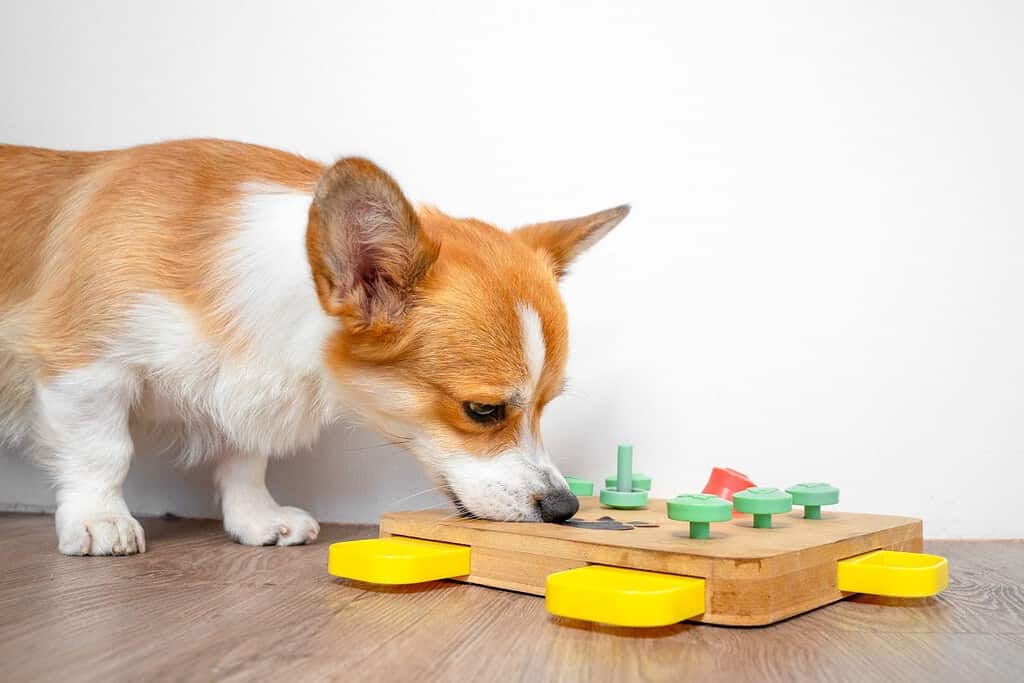
Brain stimulation is important to help slow the signs of dementia.
©Masarik/Shutterstock.com
In addition to these measures, you could consider one of several available medications that may help support your dog’s brain. These include selegiline, which is FDA-approved for canine cognitive dysfunction and may slow oxidative damage. In some countries, propentofylline is used to help with blood circulation, though it is not currently approved in the United States. Supplements, such as SAMe, vitamin E, and ginkgo biloba, may also provide some benefit, but should be discussed with your veterinarian. You can also add nutrients to their diet, such as antioxidants and fish oils.
Providing food puzzles and other toys that offer mental stimulation can also help slow the progression of dementia in your dog. Other options include taking your dog on new walking routes or even introducing them to a new puppy to help reinvigorate them. Of course, you need to continue taking them to their veterinarian for checkups.