
Quick Take
- The foaming-mouth image from movies is misleading. Some rabid animals display the exact opposite behavior, and mistaking it for harmless is dangerous. See the opposite symptoms →
- A wild animal approaching you calmly may actually be a bigger red flag than one acting aggressively. Spot the calm animal warning →
- Health officials say there's one immediate step after a bite that can significantly reduce your risk, but most people skip it. Learn the first critical step →
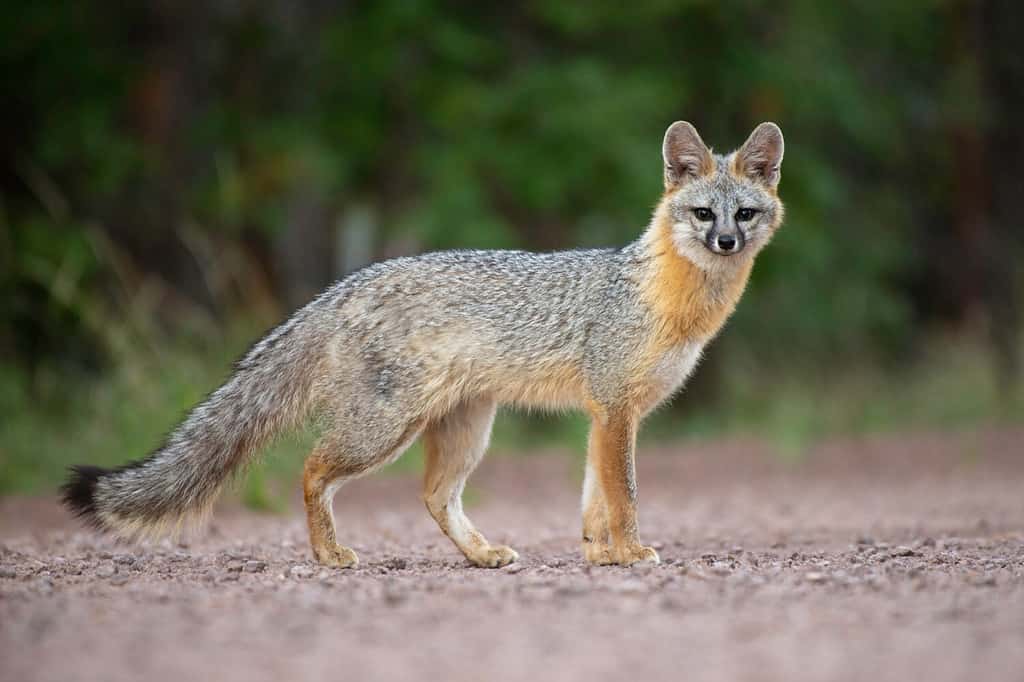
Just recently, several wild foxes were discovered living in Baltimore’s Roland Park. It was believed that the foxes had rabies. Upon discovering the issue, public officials immediately began warning the public and enacting a plan to remove the foxes before it was too late.
Rabies is a deadly viral disease that can affect both humans and pets. The startling discovery of multiple rabid foxes in a public park reminded us of the importance of educating the public on how to spot rabies in an animal and what to do if you’re bitten by a wild animal.
In this guide, we’ll tell you everything you need to know to enjoy the great outdoors with comfort and confidence.
What is Rabies?
Rabies is a viral disease that attacks the nervous system of mammals. It’s spread primarily through saliva, most often when an infected animal bites another animal or person. In some cases, saliva can enter through an open wound or by contact with the eyes, nose, or mouth.
The rabies virus is most commonly associated with the following animals:
- Bats
- Raccoons
- Skunks
- Foxes
- Coyotes
- Unvaccinated dogs and cats
That said, the virus has the potential to affect mammals across the board, so many different species can be infected. Different regions have different rabies “reservoirs.” For instance, in some areas, raccoons are the primary carriers. In others, bats or foxes are more common sources of infection. Central Texas, for example, periodically sees rabid foxes and other wildlife.
Know the Warning Signs
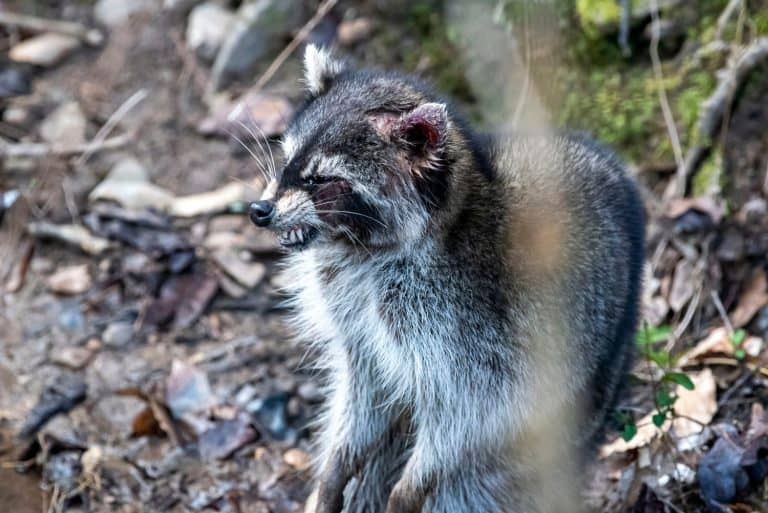
It’s not always easy to know that an animal is rabid. Movies and stories have created the misconception that every animal with rabies will be foaming at the mouth and acting violently, but that’s not always the case. In reality, rabies can cause a wide variety of symptoms, and some infected animals may not look obviously sick at first. While certain warning signs are common, there is no way to confirm rabies simply by observing an animal. With that said, there are some visual red flags.
Unusual Aggression or Boldness
Though aggressive behavior doesn’t necessarily mean that an animal is rabid, it’s wise to keep your distance from animals acting violent in any way. Likewise, unusually bold behavior can be a sign of rabidity. Rabid dogs and cats may be more difficult to access in this way, as they are already accustomed to humans. However, wild animals generally avoid humans. If a fox, raccoon, skunk, or other wild animal approaches without provocation or appears unusually fearless, it may be a sign that the animal is rabid. Any wild mammal walking toward you in daylight, showing no hesitancy when approached, or appearing indifferent to loud noises and movement, may be a sign that something is wrong. So, keep your distance. If an animal charges or otherwise hurts you, seek medical care to ensure that you’re in the clear.
Disorientation and Confusion
The rabies virus attacks the brain, which often leads to bizarre neurological symptoms. An infected animal may appear:
- Confused
- Staggering
- Dizzy
- Unable to walk normally
- Lost in familiar surroundings
For example, researchers studying rabies in foxes have noted that infected animals often lose their normal sense of direction and may move erratically rather than following their usual territorial patterns. If you spot a wild animal walking in circles or randomly stumbling into objects, consider it a warning sign.
Excessive Drooling
One of the classic rabies symptoms that movies often get right is excessive salivation. As the virus progresses, infected animals may have difficulty swallowing. Saliva accumulates around the mouth, creating the appearance of drooling or foaming. If you see a wild animal that’s excessively drooling, keep your distance. But also keep in mind that some animals drool more than others, so it’s not a guaranteed sign of rabidity.
Paralysis or Weakness
While some rabid animals can become aggressive, others may have an opposite reaction and develop what is known as “dumb” or paralytic rabies. These animals may appear lethargic, weak, or partially paralyzed. You may see symptoms such as:
- Dragging legs
- Inability to stand
- Head drooping
- Difficulty moving
- Extreme weakness
An animal suffering from paralytic rabies may seem sick or injured rather than dangerous. But it can still transmit the virus, so don’t approach.
Self-Injury or Strange Behaviors
Finally, you may be able to tell that an animal is rabid if it is exhibiting odd behavior or repeatedly biting itself. People have also seen rabid animals chewing rocks or sticks, attacking imaginary threats, and repeatedly crashing into fences or walls. If you experience this in the wild, stay away. If it’s happening near your home, contact animal control.
What to Do If You’re Bitten
Even if you don’t know for sure that an animal is rabid, it’s still essential that you know what to do once you’re bitten. Seeking immediate medical treatment is essential. Once the virus reaches the brain and symptoms begin, rabies cannot be treated or cured, and the disease is almost always fatal. (Symptoms of rabies in humans can include fever, headache, fatigue, confusion, agitation, hallucinations, difficulty swallowing, fear of water, and paralysis). If a wild animal bites you, scratches you, or gets saliva into an open wound, do the following:
Step 1: Wash the Wound Thoroughly
Immediately wash the area with soap and running water for at least 15 minutes if possible. This simple step can significantly reduce the amount of virus present at the wound site. Health officials consistently recommend immediate washing after any suspicious bite or scratch.
Step 2: Seek Medical Care Right Away
A doctor or emergency department can evaluate the exposure and determine whether rabies treatment is necessary. Even if the bite seems minor, see a doctor.
Step 3: Report the Incident
Whether you’re bitten or not, it’s essential that you report the incident or the sighting of a rabid animal. You can contact animal control, the local health department, or another wildlife authority.
When you call, provide as many details as possible. Try to recall:
- The animal species
- Its behavior
- The location of the incident
- Whether the animal was captured
- The type of contact that occurred
These details help public health officials assess your risk and take the proper next steps. Try to keep an eye on the animal so you can report its location to the authorities. By providing as much information as you can, you’ll be doing the community a great service.
The Bottom Line
In the end, the safest approach to avoiding rabies is simple: never handle wild animals, keep pets vaccinated, report suspicious wildlife to local authorities, and seek immediate medical attention after any potentially rabies-related bite or exposure. Rabies is one of the deadliest diseases known, but it is also one of the most preventable, so educate the people you love.