
Quick Take
- Donkeys are quietly helping the world meet a surprising number of UN Sustainable Development Goals, though the connection isn't what you'd expect. See their global impact →
- A donkey can survive conditions that would sideline most working animals, and the biology behind this ability is incredible. Explore the biology →
- Despite sustaining entire communities, donkeys are denied rights that most working animals take for granted, and the reason why reveals an uncomfortable truth. Uncover the uncomfortable truth →
- Animal welfare groups fighting for donkeys aren't trying to stop people from using them. Their actual goal is far more nuanced. See the nuanced goal →
There are an estimated 42 million to 44 million working donkeys globally. Despite this massive workforce, the role donkeys play in communities is often overlooked. Donkeys are the unsung laborers that sustain millions of lives, but these hardworking mammals are taken for granted. Though they have tons of responsibility on their backs (at times, literally), donkeys are relegated to the lowest of working animals and rarely celebrated for all that they do.
May 8th is World Donkey Day. This day was created in 2018 in order to bring awareness to the “intelligence, endurance, and emotional sensitivity” of donkeys. It is a day to also expose the neglect donkeys receive, the poor living conditions they endure, and how overworked they are, in some cases, to the point of death.
Given the importance of donkeys in communities worldwide, let’s pay them the respect they deserve. Not only on World Donkey Day, but every day.
Vital Roles Donkeys Play in Global Communities
Donkeys have played a vital role in the economies of communities around the world for thousands of years. In the United States alone, donkeys have been instrumental in labor related to plowing for planting crops, transporting goods, hauling gold during the gold rush, and even supporting the military during the Civil War.
Today, donkeys continue to aid rural and underdeveloped countries. Without them, some of the very same work done decades ago in the U.S., such as plowing and transportation of goods, would not be possible. Their jobs only scratch the surface of the importance donkey’s play in communities. If these powerful animals were not a part of the equation, some communities would cease to exist.
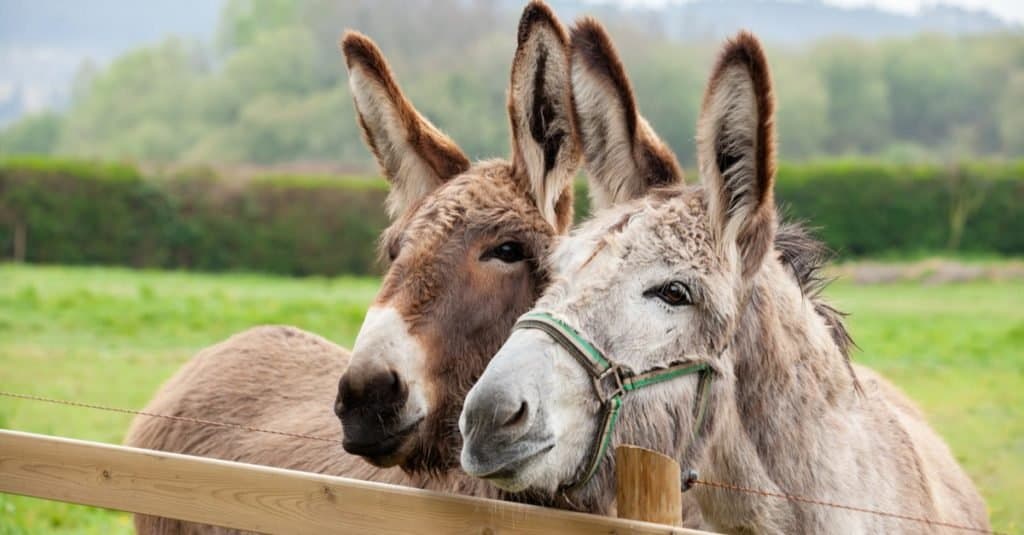
Without donkeys, some global communities would not survive.
©vvvita/Shutterstock.com
Some of the ways working donkeys positively influence global communities include:
- Transportation of goods
- Transportation of people
- Cornerstone of agricultural work
- Capable of working in harsh conditions
- Reliable source of water transport
- Affordable labor
- Afford women economic independence being the stewards of donkeys
- Bring rural communities together to buy and sell goods, decreasing isolation
For many communities, donkeys help them raise 30% to 60% of income for families.
Additionally, donkeys directly help societies achieve the UN’s Sustainable Development Goals. In total, there are 17 goals created by the UN in 2015 to end world hunger, increase economic growth, promote education, and more. Of those, six have been reached thanks to donkeys, including lower levels of poverty, zero hunger, gender equality, good health and overall well-being, clean water/sanitation, and climate action (meaning having a stockpile of goods for when disasters strike).
Without working donkeys, communities that are able to sustain themselves alone may not survive. It is only due to the strength and reliable nature of donkeys that they do.
Donkeys Are Resilient and Adaptable Animals
Donkeys play a significant role in global communities due to their resilience and adaptability across diverse landscapes, environments, and tasks. Rural communities can sustain themselves by using donkeys as cost-effective labor, a practice that has been employed in some areas for thousands of years.
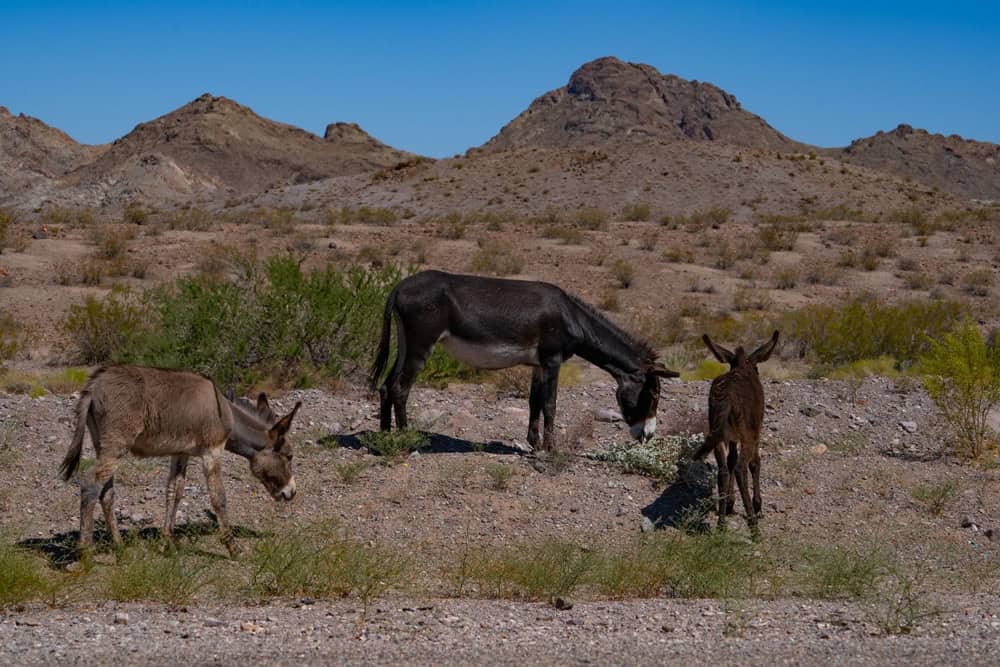
Donkeys are adaptable to most environments, making them reliable working animals for many communities worldwide.
©Geoff Wiltshire/Shutterstock.com
Some of the ways that donkeys have proven themselves as resilient and adaptable animals include:
- Donkeys can carry 20% to 30% of their body weight
- Shape of hooves make donkeys sure-footed on rocky terrain
- Donkeys can lose 30% of their body water without negative health effects
- Donkeys’ bodies are designed to rehydrate quickly
- Large ears help to regulate body temperature
- Donkeys can endure long journeys with limited resources, capable of consuming vegetation other animals cannot
Given how much work donkeys can do, even with limited resources, they should be seen as a commodity. Unfortunately, donkeys are given no rights at all in some instances. Instead, they are forced to work until they can no longer do so physically. Then they are discarded without a second thought.
Why Do Donkeys Lack the Same Rights as Other Working Animals?
Unfortunately, working animals in general do not receive the same rights as prized animals or those that are seen as family members. Oftentimes, donkeys fall low on the hierarchy of working animals. Consequently, they are viewed as expendable and endure far worse working conditions and treatment.
According to the World Organization for Animal Health, there are Five Freedoms that animals under human care are entitled to. Those Freedoms include:
- Freedom from thirst or hunger
- Freedom from discomfort
- Freedom from injury, pain, or disease
- Freedom to express behavior normal to the animal
- Freedom from stress or fear
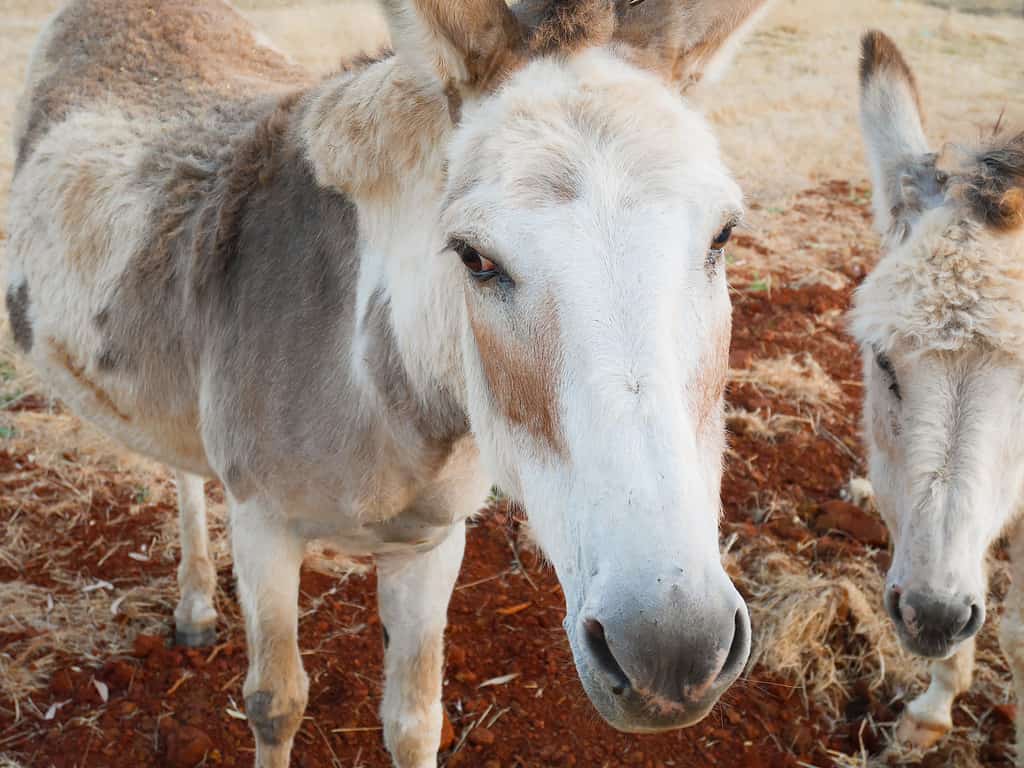
Donkeys often do not receive the same rights as other working animals.
©p_saranya/ via Getty Images
More often than not, donkeys are not afforded these basic rights in low-income or rural communities. They are valuable in terms of labor and transport, yet their plight is rarely considered.
Because donkeys are not exotic or endangered, they are not thought of as needing to be saved. Instead, they slip through the cracks, enduring a life of backbreaking work and inhumane conditions.
Donkeys Are Often Prone to Abuse
Given their status as one of the lowest classes of working animals, donkeys are prone to abuse. The abuse can come in many forms, all of which culminate in a shorter lifespan for donkeys. This is a sad existence for these poor animals, who are not only smart but also socially intelligent, known for “prioritizing self-preservation” to survive.
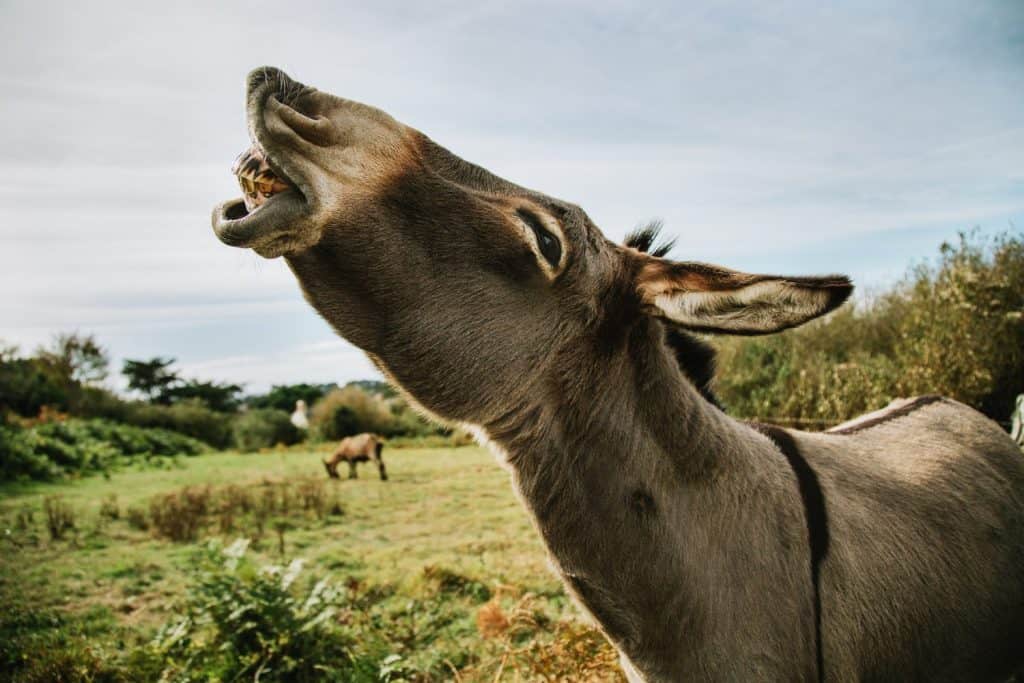
Donkeys are often the recipients of abuse, given their low ranking when it comes to working animals.
©Creative bee Maja/Shutterstock.com
The different types of abuse common among working donkeys include:
- Physical abuse
- Neglect
- Being overworked
- Exploitation via the tourism industry
It is not uncommon for donkeys to be forced to work harder and carry more than their bodies can physically handle. When they protest due to exhaustion, being “beaten or stabbed” are the tactics used to make them carry on. This, combined with inadequate food, water, veterinary care, or rest, takes a toll on donkeys mentally and physically. Eventually, working donkeys that become a liability rather than a tool for profit are often left on the side of the road to starve.
How Are Animal Welfare Groups Changing Working Conditions for Donkeys?
Raising awareness for the plight of working donkeys is a tireless endeavor. Thankfully, there are animal rights organizations worldwide that are fighting to do just that. The goal of each welfare group is the same, which is to change the widespread perception of donkeys. They should be seen as the sensitive, emotional animals they are.
Animal rights groups understand that working donkeys are important to economies internationally. For some communities, working donkeys are crucial to agriculture, transportation, and tourism. This is why these organizations are not trying to end the use of donkeys for working purposes. Instead, they want the donkeys to live a life free from pain and suffering.
To achieve this goal, organizations dedicated to donkey rescue are doing the following:
- Educating populations about what donkey exploitation and abuse is
- Creating policy reform to end donkey cruelty
- Training working donkey owners and local veterinarians as to proper care required by donkeys
- Stopping the illegal donkey trade
- Reforming transportation requirements for donkeys to ensure safe travel
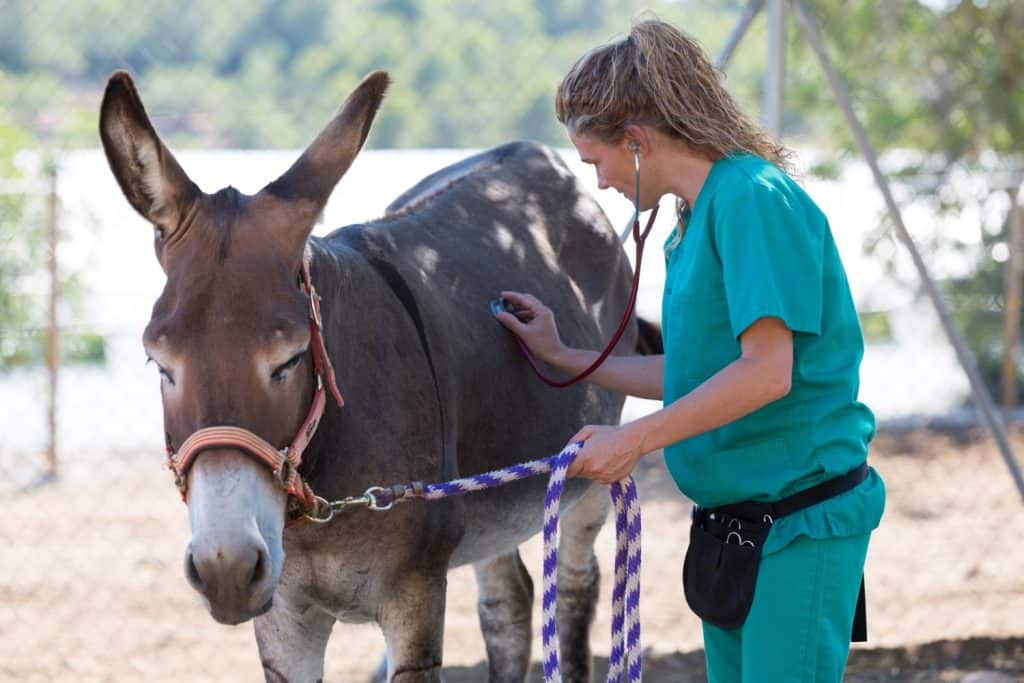
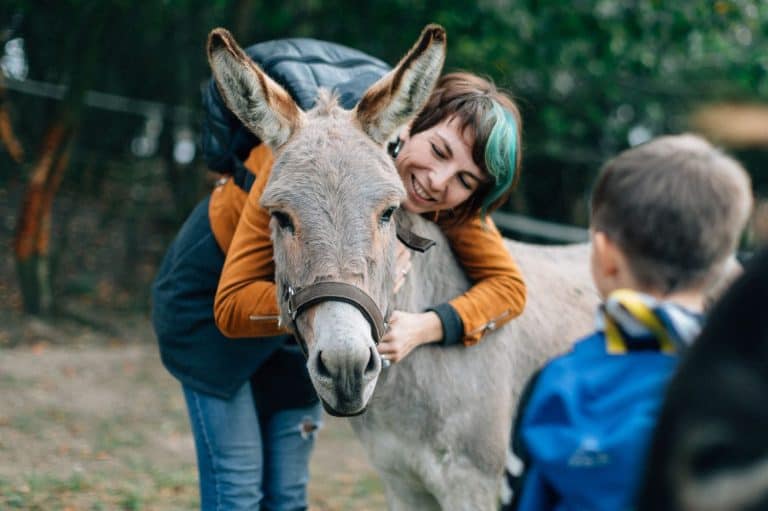
Donkey welfare groups worldwide are not only rescuing donkeys but also educating communities as to the proper care the animals should receive.
©135pixels/Shutterstock.com
Some of the best-known organizations dedicated to not only rescuing donkeys, but also educating about their needs, include:
- Society for the Protection of Animals Abused by Neglect (SPANA)
- Peaceful Valley Donkey Rescue (PVDR)
- Donkey Sanctuary Africa
- The Donkey Sanctuary
There are far more rescues and organizations dedicated to donkey welfare. For those who would like to help, donating to a reputable organization is a wonderful way to do so. To help on a more local level, raising awareness of the conditions in which many working donkeys live and work can help, as can advocating for policy change.
By finally putting a spotlight on the conditions donkeys are forced to endure, global change can occur. Implementing change is not only beneficial to donkeys but also to those who rely on them for commerce. The longer a donkey remains healthy, the longer it can work. Donkeys should be viewed as an investment rather than a means to an end. Once this is achieved, working donkeys may finally receive the rights they desperately deserve.