
Quick Take
- An interim report by CMS states 49% of protected migratory populations are declining.
- Migratory bird populations have been hit hardest since the State of the World’s Migratory Species of 2024 was released.
- The biggest threats to migratory animal populations are overexploitation and habitat loss and fragmentation.
- CMS was created in 1979 by the United Nations to protect migratory animal populations and their habitats internationally.
Animals are going extinct at an alarming rate. With nearly 200 species of animals and insects disappearing daily, organizations have been working for years to slow this decline. One of the hardest hit groups is migrating wild animals. With nearly half of protected migratory populations declining and numbers worsening rapidly, a call to action has been raised in recent years to facilitate change. Unfortunately, a new report shows that not nearly enough is being done to save this population, and without intervention, many species will perish.
Interim CMS COP15 Report Shows Protected Migratory Populations Are Declining
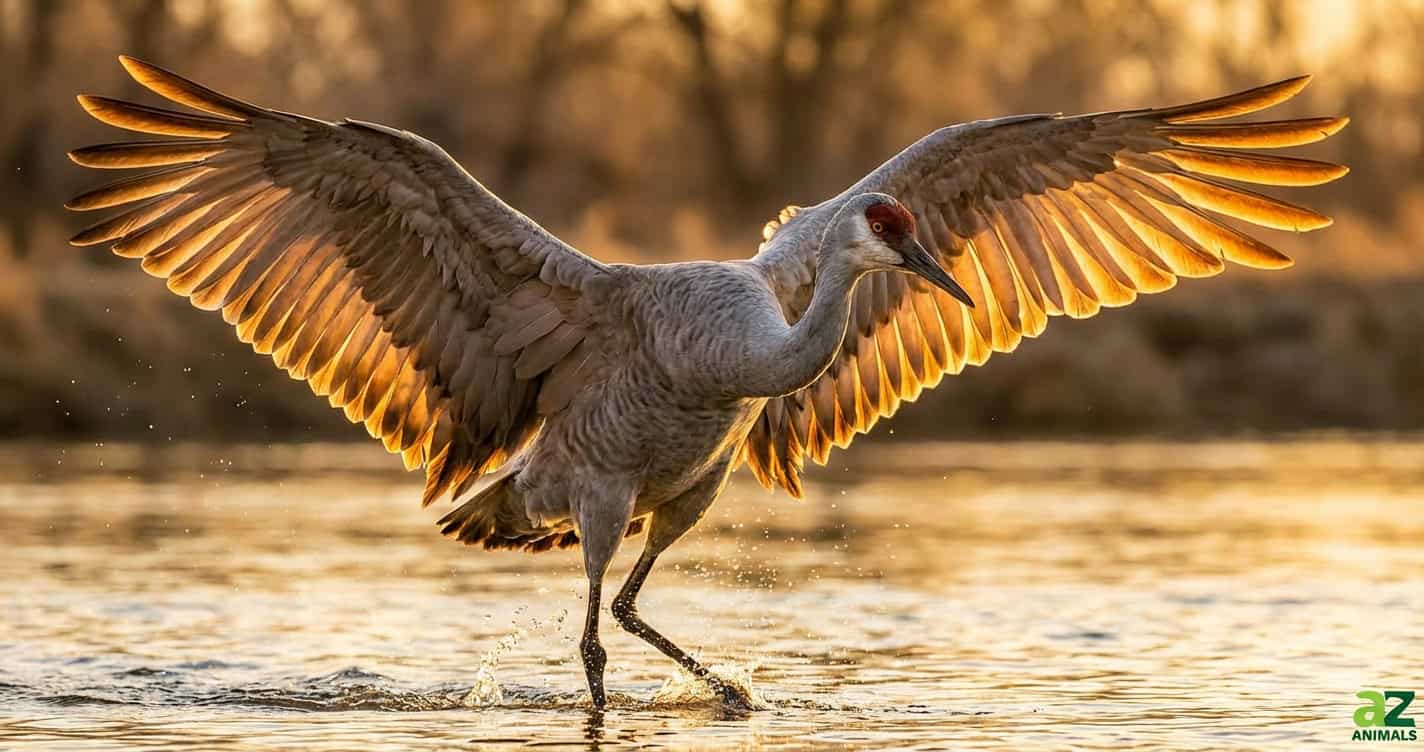
Migratory animal populations are declining. While migratory birds are some of the hardest hit, terrestrial and aquatic animals are suffering as well.
According to an interim report by the Convention on the Conservation of Migratory Species of Wild Animals, migratory animal populations are in a worse state than they were just two years ago. When the initial State of the World’s Migratory Species of 2024 was released, it noted that 44% of the migratory species protected under the treaty were in decline. Additionally, 22% of those species faced a very real risk of extinction. These numbers were of great concern, prompting calls for global action.

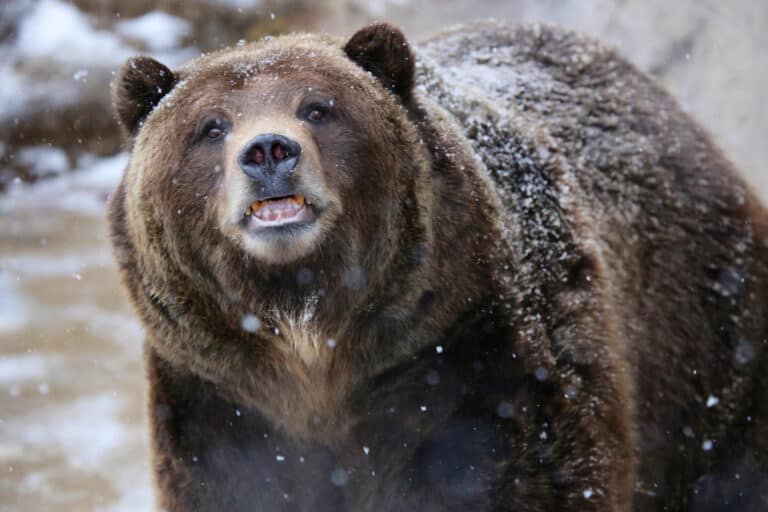
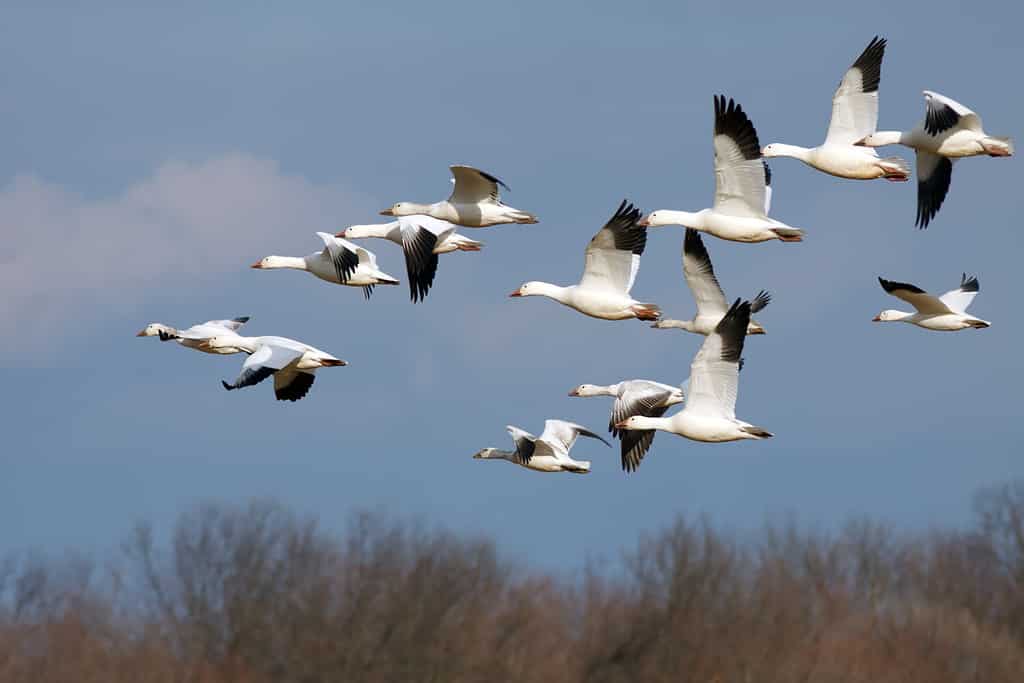
Migratory animal populations have declined in the past two years, despite ongoing international efforts to save them.
©David Grimes/Shutterstock.com
Since that time, CMS has reported that the statistics have only worsened. There has been a 5% increase in the number of protected migratory species in decline, bringing the total to 49% of the population, and a 2% increase in the number of species facing extinction.
These findings and more will be presented at the CMS COP15 meeting in late March 2026, where the goal is to develop aggressive solutions to combat population loss among migratory wild animals before it is too late.
What CMS Is
A number of bodies report on the status of animal populations around the world. One of those organizations is the Conference of Parties (COP), which meets every three years to discuss the status of migratory wild animals, relevant trends, and whether any of the animals need to be updated in the CMS Appendices.
The COP is the governing body of the Convention on the Conservation of Migratory Species of Wild Animals (CMS). CMS is an “international treaty under the United Nations focused on conserving migratory wild animals and their habitats globally.” It was founded in 1979. Some refer to it as the Bonn Convention, given that it was established in Bonn, Germany.
CMS was created in 1979 by the United Nations to conserve both migrating animals and their habitats.
©Delmas Lehman/Shutterstock.com
The goal of CMS is to bring together international bodies to share and support one another’s research regarding migratory animals. Scientific Council members are comprised of scientific experts agreed upon by members of the COP. These council members provide new and developing information.
Since its founding, CMS has been instrumental in protecting migrating wildlife. From seven binding agreements to nearly 20 MOUs and five initiatives, they’ve seen success in conserving migratory animals over more than 45 years.
Any member of the United Nations is eligible to be a part of CMS. Those who were members in 2024 were privy to the first State of the World’s Migratory Species Report, which painted an eye-opening picture of how many animals were in each of the Appendices (Appendix I: Endangered species requiring strict protection and Appendix II: Species needing international cooperation), the state of migratory animals, and the steps needed for species to survive.
Why Migratory Populations are Important to the Health of the Planet
Some assume the only true migratory animals are birds. However, migratory species are terrestrial, avian, and aquatic animals. Every part of the planet benefits from these animals, which is why their survival is essential to Earth’s overall health.
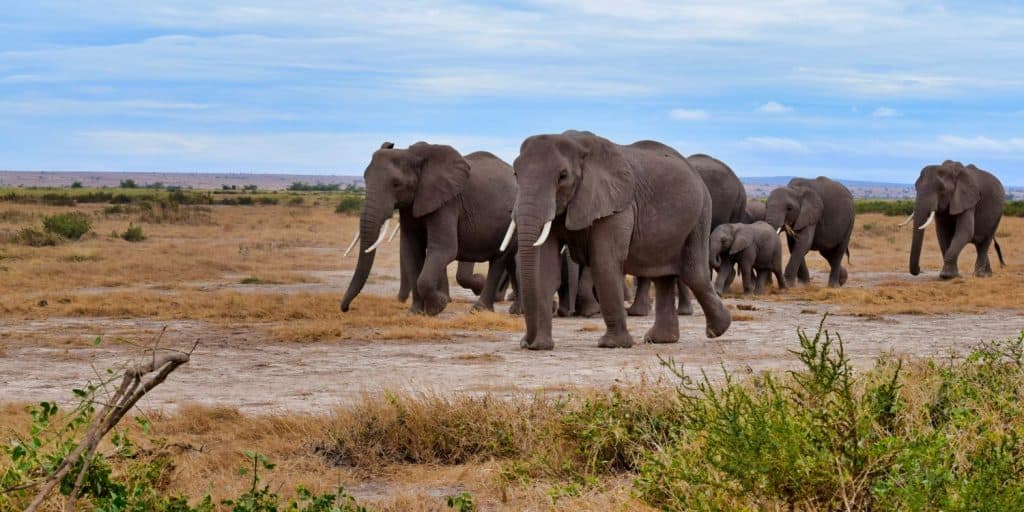
Without migratory wild animals, the overall health of the planet and all living things would suffer.
©NAEPHOTO/Shutterstock.com
Migratory wild animals positively affect the ecosystems they live in. Some of the contributions they make to those ecosystems include:
- Pollinating plants
- Controlling pest populations
- Carbon storing
- Nutrient transportation
- Increasing biodiversity
If migratory wild animals were to disappear, there would be a profound effect on the ecosystems they live in. Plants would wither and die. Animal species that depend on migratory animals would slowly disappear. Insects would increase to the point of mayhem. Food production and water management would be negatively affected, causing widespread human suffering. There is no positive outcome if migratory wild animals cease to exist.
This is why CMS was formed. It brings together an international community for the purpose of saving animals that do not recognize national borders. Only by working as one entity can humans save migratory animals from walking the path to extinction.
What Are the Biggest Threats to Migratory Populations?
The status of Earth’s health hangs in the balance. While people are feeling the effects of climate change, extreme weather events, pollution, and rising sea levels, migratory animals are not only dealing with these issues but also much more.
According to CMS Executive Secretary Amy Fraenkel, there are two massive threats migratory animals are currently facing: habitat loss/fragmentation and overexploitation. Fraenkel states that action must be taken now, before it is too late for these animals.
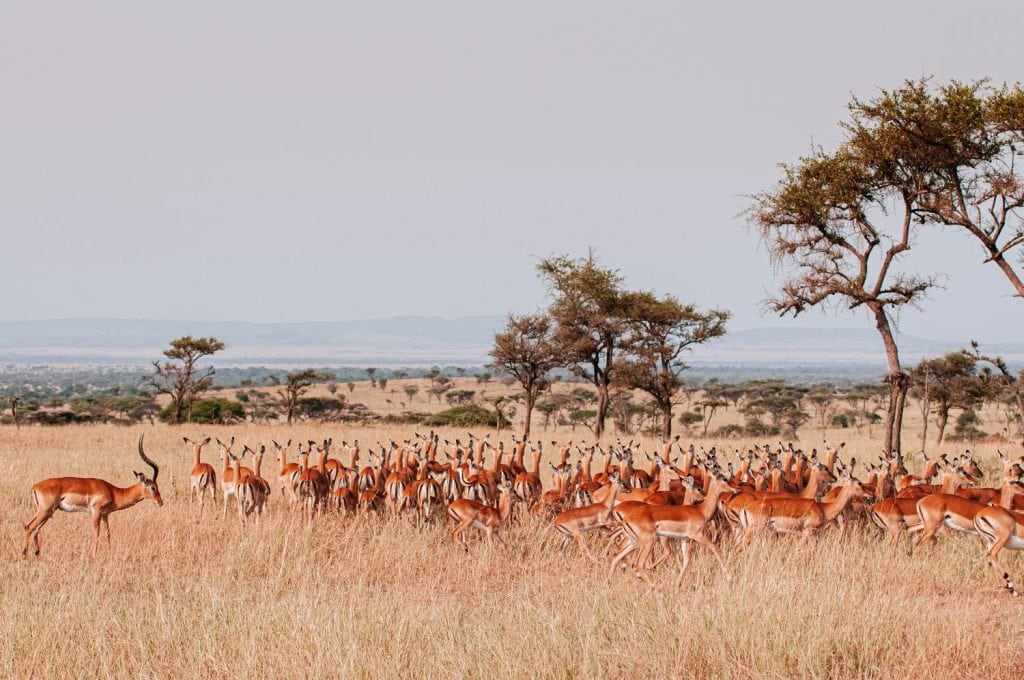
Migratory animals’ biggest threats are overexploitation and habitat loss and fragmentation.
©PixHound/Shutterstock.com
“The first global report was a wake-up call,” Fraenkel explains in a press release. “This interim update shows that the alarm is still sounding. Some species are responding to concerted conservation action, but too many continue to face mounting pressures across their migratory routes. We must respond to this evidence with coordinated and effective international action.”
The decline that has been noted since CMS COP14 is in no way small. Worse still, inaction will only lead to more migratory animals paying the price for devastation and destruction of their migratory territories at the hands of humans.
Amount of Decline in Migratory Populations Over Two Years
The report that revealed nearly half of the populations of protected migratory species have declined since the State of the World’s Migratory Species 2024, and that 24% of those species face extinction, is deeply concerning. These are not the only findings noted in the interim report, however. Combined data paints a very clear picture of what the future for migratory animals will look like if change is not made and made soon.
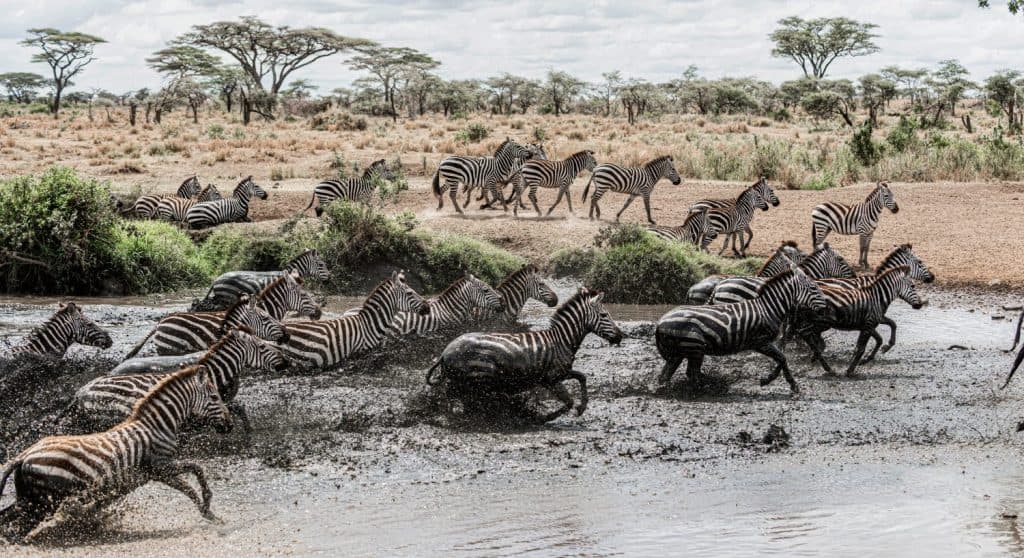
Not only have populations decreased, according to the interim report, but Key Biodiversity Areas are not protected.
©Eric Isselee/Shutterstock.com
The findings of the interim report noted, as to the state of migratory wild animals, include:
- 26 species listed by CMS have been moved to “higher extinction risk categories”
- 47% of the Key Biodiversity Areas identified by CMS are not protected
- Populations of the majority of the migratory animals are facing population decline
With each passing year, the journey for migratory animals becomes just a bit harder. Eventually, without change, the historical migration paths will be impassable. When this happens, migratory wild animals will be tasked with adapting to a new normal or becoming extinct, as so many others have in more recent years.
Have There Been Positive Findings Since CMS’s 2024 Baseline Report Was Presented?
While much of the news in the interim report was bleak, there were some positive points worth highlighting. Due to conservation progress, some migratory wild animals have been saved. If this foundation can be built upon, there may be hope for a brighter future for migratory animals.
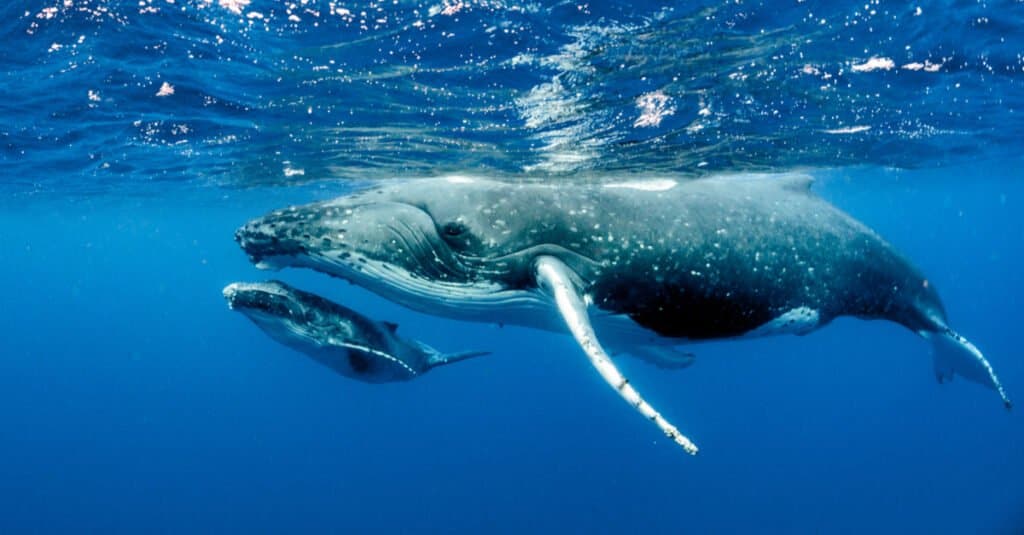
The interim report notes that six major marine migratory paths have been identified over the past two years, which will help conserve marine animals.
©Imagine Earth Photography/Shutterstock.com
Three main developments have been noted since COP14. Those developments include:
- Six major marine migratory paths were identified. This identification helps CMS make better decisions on conserving migratory animals.
- Migratory corridors and habitats were identified, leading to those areas being protected or listed as needing protection.
- Despite the interim report noting declines in some migratory species, others have recovered significantly since COP14, thanks to international support and coordination.
If successes like these can continue, all is not lost for migratory wild animals. But it will require continued effort internationally to make this happen.
Why the Interim Report is Being Submitted Now
The interim report was submitted in early March 2026 to give attendees of CMS COP15 an opportunity to review the data ahead of the Convention.

The interim report was presented now so that attendees of CMS COP15 have an opportunity to review it and develop solutions to save migratory animals.
©Dotted Yeti/Shutterstock.com
CMS COP15 is convening in Campo Grande, Brazil, from March 23 to 29. The report lays out what has failed since the baseline population stats were presented at CMS COP14, what needs to be done to remedy the losses since the last Convention, and steps to be taken in the coming years to ensure the survival of migratory wild animals.
The goal is to see significant improvement ahead of CMS COP16 in 2029. At that Convention, a full report will be presented, which will provide a broader picture of the state of migratory animals and whether any of the warnings presented in the interim report have been addressed. If there is no significant change by 2029, the failures that have caused a decline in migratory wildlife will only continue to worsen, to the detriment of the planet and all who live on it.