
Quick Take
- Reaching for your cat during a stressful moment might be doing something unexpected to your mood, and the effect may not be what you'd hope for. See what cats do →
- Science has long assumed pets act as a stress shield, but a new study reveals that picture is far more complicated than anyone believed. See the study findings →
- Dog owners who turn to their pets for stress relief may be surprised by what the data actually shows happens in those moments. Check the dog data →
- Cats and dogs affect your emotions through completely different mechanisms, yet researchers found something unexpected when comparing their impact. Explore the comparison →
Cats and dogs have been our loyal companions for thousands of years. Our ancestors initially used them for rodent control, hunting, guarding, and many other purposes. These days, the psychological bonds we form with our pets are more important. Most of us think that we derive some benefit to our psychological well-being from being with our pets. This is the so-called ‘pet effect.’ However, demonstrating the positive effects of human-animal interactions in research studies has proven notoriously difficult. Some studies have even reported that pets can have a negative impact on mental health. The effect an animal has on a person likely depends on the type of interaction and the characteristics of both the owner and the animal. Now, a new study has confirmed that while interacting with pets boosts positive emotions, it does not directly buffer or eliminate the effects of stress in the moment, as previously thought.
Investigating the Effects of Human-Animal Interaction
A study of 188 dog and cat owners, comprising individuals between 19 and 79 years of age, was conducted to test whether interactions with dogs and cats differ in their associations with momentary positive and negative affect. This research was carried out by a team from the Netherlands. The study also investigated whether these associations were moderated by stress.
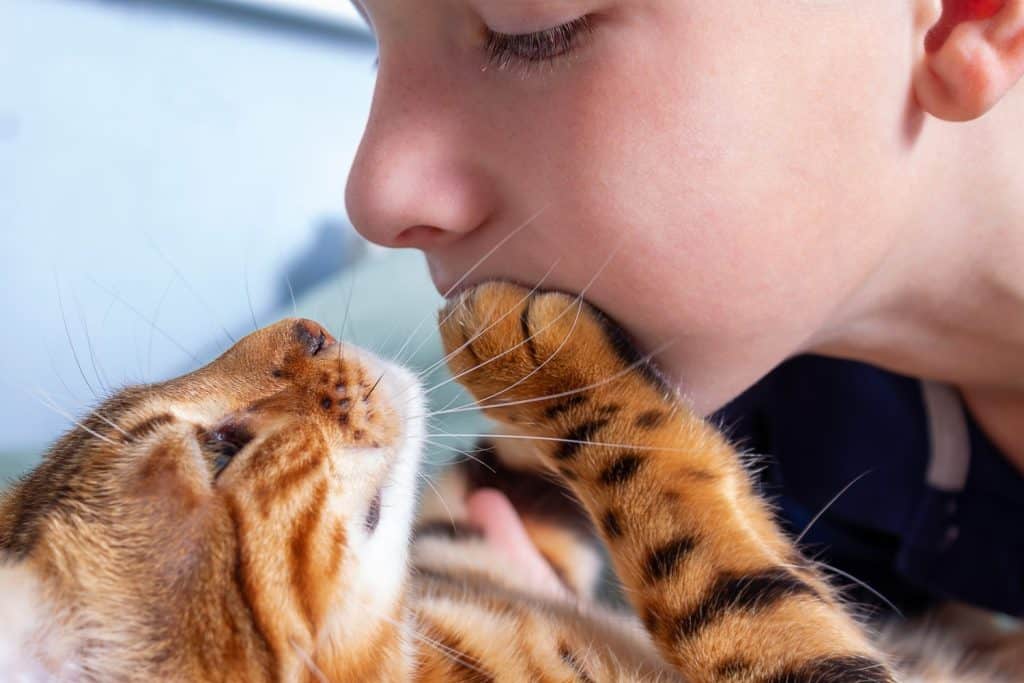
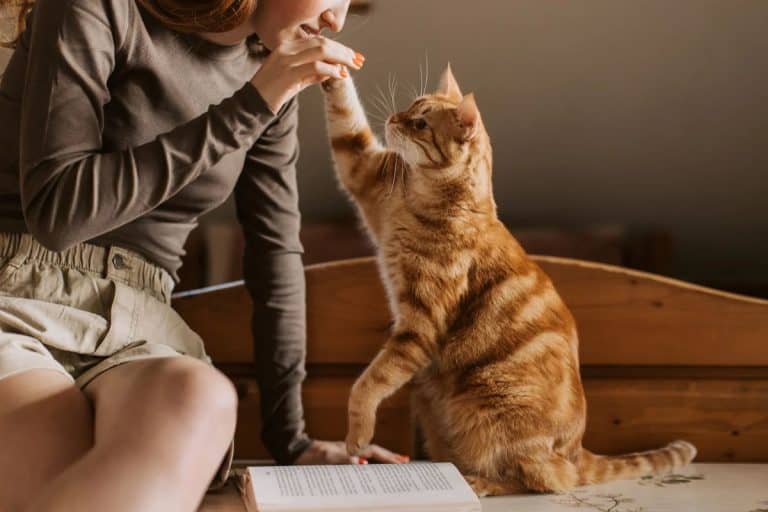
Researchers have investigated whether pets are stress buffers.
©antibydni/Shutterstock.com
The participants were asked to record their moods, stress, and interactions with their pets up to 10 times a day over five days. Pet interactions were scored on a 7-point scale (1 = not at all, 7 = very much), with higher scores indicating more interaction. They did this using an app, and the data (8,000 real-time reports) were analyzed by the researchers.
What Did the Study on Pets and Stress Find?
Overall, the study found that interacting with both cats and dogs resulted in positive emotions. When interaction levels were high, owners experienced more positive emotions (such as cheerfulness, satisfaction, happiness, and enthusiasm) and fewer negative emotions (such as insecurity, loneliness, anxiety, irritation, sadness, and guilt). This effect was observed regardless of whether other humans were present or the age and gender of the pet owners.
However, when stressed owners interacted with their pets, it did not shield them from the negative effects of stress on their mood. Therefore, the positive effects of having a pet are not about stress buffering. It’s possible that interacting with a pet makes people feel more connected and less alone, but this has not been confirmed by research.
Cat Owners and Stress
Importantly, the study also found that higher levels of interaction with cats were associated with a stronger link between stress and negative emotions in owners! So, interacting with your cat when you are stressed may make you feel those emotions more intensely. This may be because interactions with cats are more passive and less demanding than those with dogs. Interacting with a cat may be a more emotional experience than, for example, struggling to walk a large dog.
This supports the theory that there are multiple mechanisms at play when it comes to the effects of human-animal interactions. There is no simple answer that fits all situations.
What About Dogs?
The stressed dog owners in this study did not experience more intense negative emotions when interacting with their dogs. However, their mood did not improve either. This finding differs from the common belief that dogs always relieve stress through direct interaction, though other research still supports the general stress-reducing benefits of having a dog.

Both dogs and cats affect mental well-being positively.
©Prostock-studio/Shutterstock.com
Also, this does not mean that dogs make better pets than cats. The choice between a dog and a cat depends on the owner’s personality and preferences. The participants in the study identified as either ‘dog people’ or ‘cat people,’ and this may explain why there was so little difference in the findings for the two types of pets.
Why Does This Matter?
This significant study demonstrates that pets play an important role in momentary emotional well-being in our daily lives. Importantly, this is equally true for cats and dogs, even though dogs are traditionally seen as having a stronger emotional bond with their owners due to more frequent interaction. Dogs may enhance emotional well-being through active social engagement and responsiveness, while cats may do so through passive companionship and consistent presence. Importantly, this study found that neither was more effective than the other. It underscores the emotional relevance of companion animals in our everyday lives.
However, stress-buffering does not appear to be the main mechanism through which our pets make us feel better. Direct interaction with a pet may not always alleviate stress in the moment, though other research suggests pets can help reduce stress differently. It’s important to remember that this study focused specifically on moments of interaction with the companion animal. Having a pet in the home may still help buffer stress levels even when you are not directly interacting with them. Ultimately, this shows that our relationships with our pets are complicated, and further research will be needed to understand them in detail.