
Quick Take
- The popular method for converting cat years to human years is fundamentally wrong, and the real comparison reveals a surprising overlap that changes everything. See why formulas fail →
- Most animals never reach the biological equivalent of old age, but one common household pet does. Scientists are now using it to crack one of medicine's hardest problems. Discover cats as aging models →
- Your cat's aging brain shares something with yours that scientists didn't expect, a similarity showing up in specific brain structures. Explore shared brain changes →
- Pet cat owners are already funding a breakthrough in aging research without knowing it. Here is how. See how pet data helps science →
Humans are living longer than ever before. The U.S. life expectancy for 2026 is 79.54 years, thanks to improvements in controlling childhood infectious diseases, housing, hygiene, and nutrition. Advances in treatments for heart disease and stroke have also helped a lot. However, reaching old age creates its own problems. We now have conditions such as cognitive decline, brain atrophy, and a range of geriatric diseases to cope with. Is this a uniquely human experience? Do animals not live long enough to experience age-related disease, or do they share similar brain aging patterns to humans? A new study has indicated that your pet cat ages in a similar way to you!
Pet Cats Aging
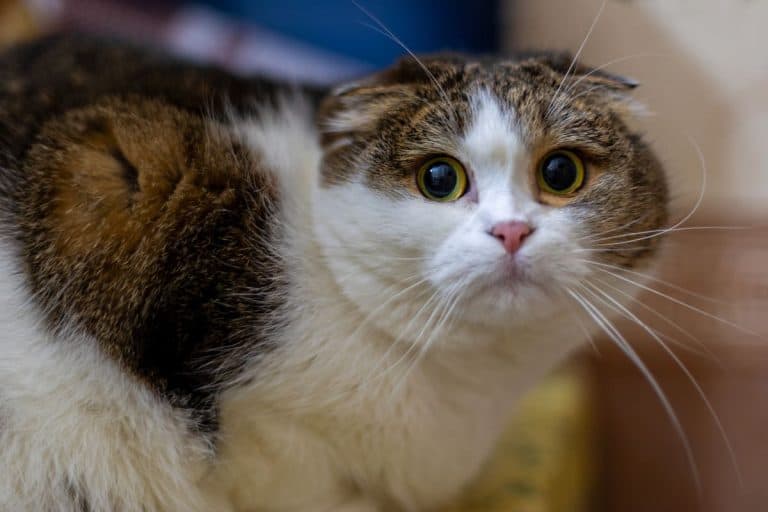
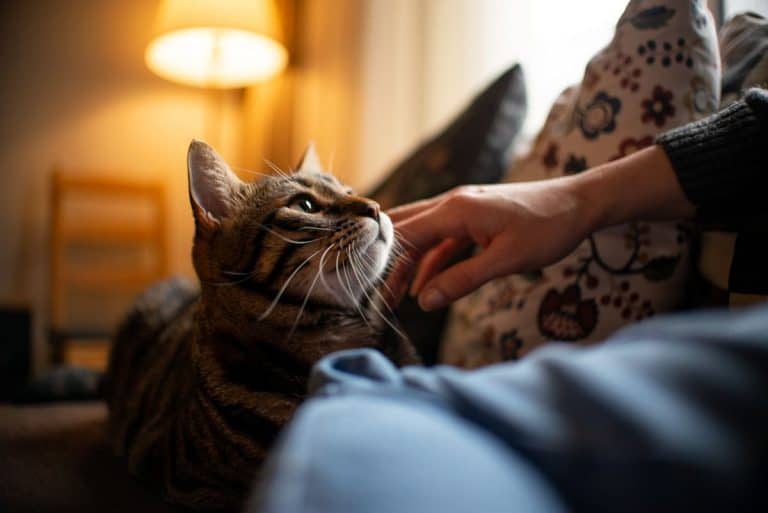
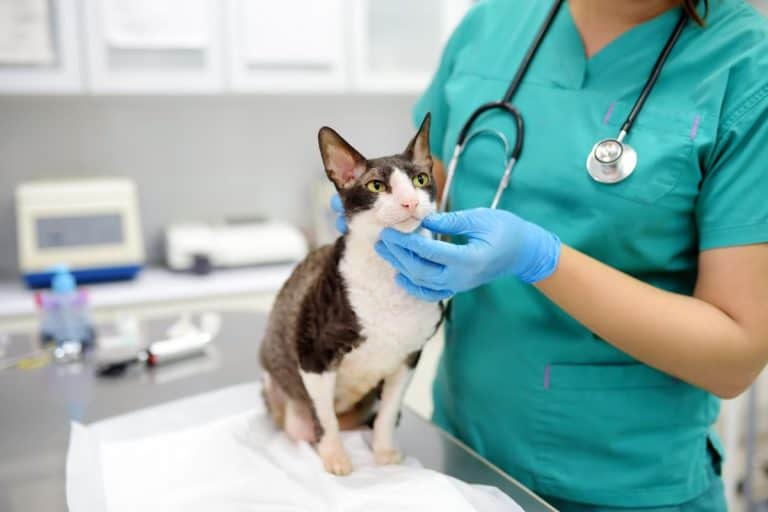
It’s important to bear in mind that aging is not a disease. It is a natural process that brings with it many complex physical changes. This is as true for cats as it is for humans. Older cats have impaired immune systems that cannot fight off disease as effectively. Elderly cats have brain changes that may result in them wandering, meowing excessively, and becoming disoriented. Older cats also suffer from degenerative joint diseases and kidney problems. They are also at greater risk of dehydration.
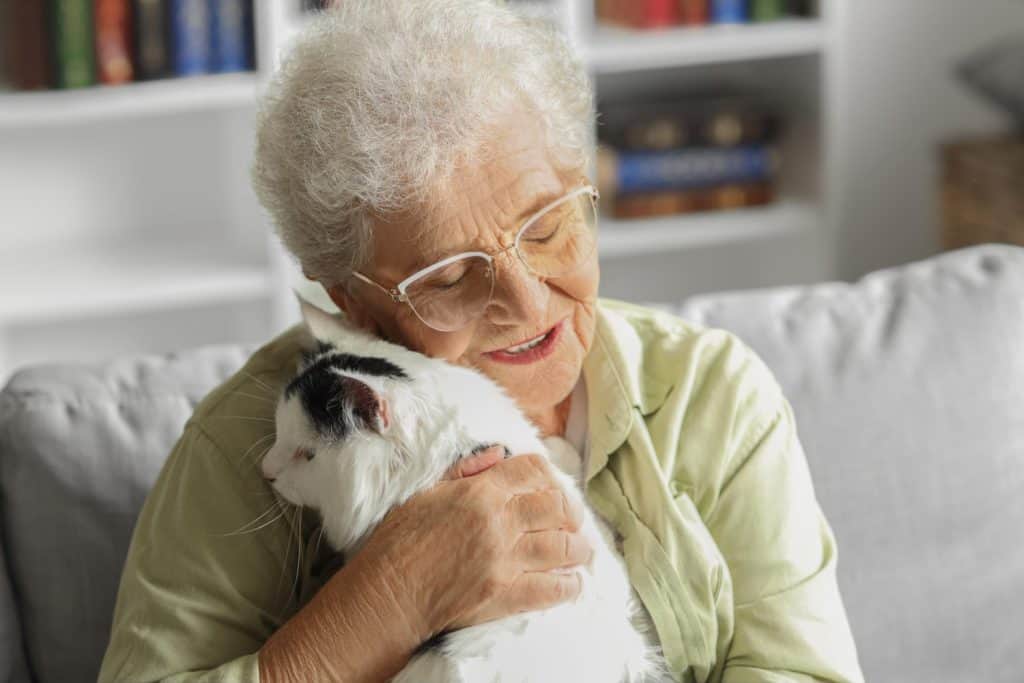
Older cats suffer from age-related conditions.
©Pixel-Shot/Shutterstock.com
Looking after an older cat is a responsibility and a privilege. They may need additional help with claw trimming, grooming, and using the litter box. You may need to work harder to encourage them to eat and drink, and they may require more frequent trips to the vet for health checks. However, older cats are also valuable for scientists studying the aging process.
How Was Aging in Cat Brains Studied?
Scientists from the University of Bath in the UK, Auburn College of Veterinary Medicine in the US, and École Nationale Vétérinaire de Toulouse in France studied 3,754 data points in humans, cats, and other mammals. These included age-related changes in brain structure (using MRI), blood chemistry profiles, and records of disease onset and progression. The study also compared behavioral milestones such as eye opening and the onset of playful behavior.
Comparing Cats With Humans
We know that both humans and cats can develop age-related neurodegenerative changes later in life. This study found that cats and humans share similar age-related changes in brain structure, as demonstrated by structural changes such as overall shrinkage and ventricular expansion.
Interestingly, both cats and humans age at different rates at different life stages. Cats were strikingly similar to humans in that their aging patterns in later life closely matched those of humans. In particular, some structures increased with age (e.g., subarachnoid volume), while others decreased (e.g., interthalamic adhesion).
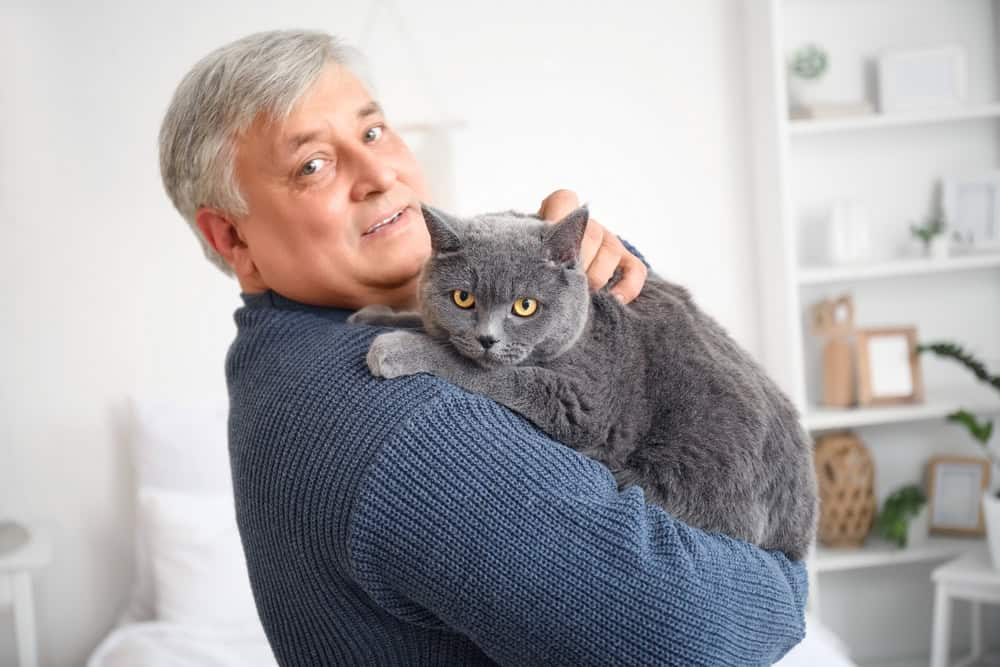
Cats and humans share similar age-related changes in brain structure.
©Pixel-Shot/Shutterstock.com
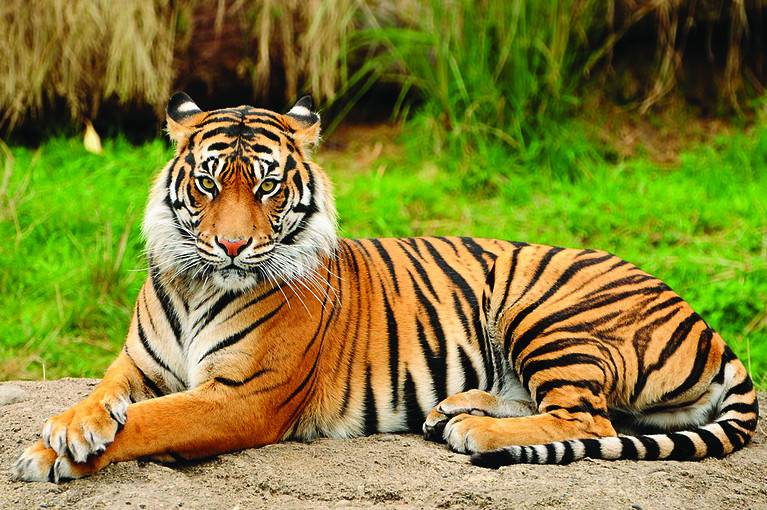
It’s significant to note that not all animals ever reach the equivalent of old age, but domestic cats do. Furthermore, the pace of development in domestic cats was not significantly different from that of wildcats.
Aging Follows a Complex Trajectory
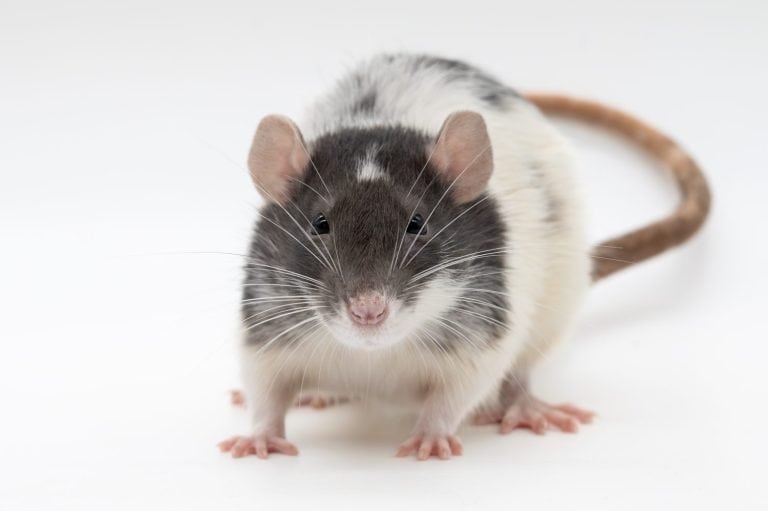
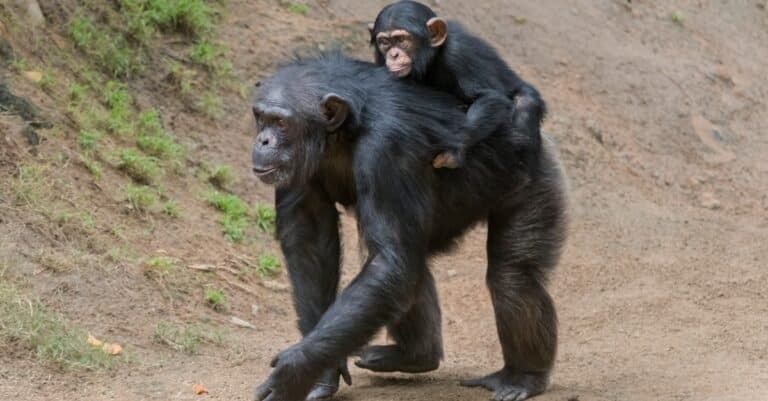
Aging is not a straightforward concept! For example, the study showed that postnatal development is relatively prolonged in humans and chimpanzees when you compare them with cats and mice. Humans and chimps take longer to reach adulthood. Chimpanzees in their 40s corresponded to humans in their 40s, but chimps rarely live beyond that age in the wild. Similarly, a mouse aged 1.5 years corresponds to a 48-year-old human. However, mice rarely live past two years. In contrast, cats often live into their teens. The study found that these senior cats corresponded to humans in their 80s. This demonstrates that simply multiplying a species’ age by a factor is not an accurate way to compare ages across species.
Why the Findings About Cat Aging Are So Important
This study clearly showed that humans and cats share age-related changes in brain structure. We already know that cats and humans suffer from a range of age-related traits such as cataracts and degenerative joint diseases. Within the brain, older cats and humans have cerebral cortex plaques and tangles. But why is this important?
Pet cats are ideal subjects for studies on the aging process. The challenge with studying older animals is that researchers must keep them in the laboratory for years before they reach old age. Many pet cats, however, live to a ripe old age with their humans. Additionally, pet cat owners often request diagnostic tests (such as MRIs) for their older pets, providing a wealth of data for research.
Thanks to this study, we know that pet cats age similarly to humans and develop health challenges that mirror those seen in people. This means that cats can be used as a useful model to study age-related disease in people. Hopefully, this research will eventually lead to effective treatments for many age-related conditions in both cats and humans.