
Quick Take
- While hundreds of other ancient species went extinct, this creature survived, and the biological quirk that saved it is exactly what eventually gave spiders their fangs. Discover how it survived →
- Its body looked nothing like any modern spider, yet researchers say it's responsible for more than 100,000 species alive today. That contradiction is precisely what makes the fossil so significant. Explore Urokodia's descendants →
- Scientists already suspected spiders descended from aquatic creatures, but the 'how' had been missing from the fossil record for over half a billion years until this find. Find the missing link →
If you have arachnophobia, you’re not alone. It turns out you might share a fear that spans approximately 518 million years. Scientists have finally discovered the earliest known evidence of arachnids thanks to a fossil that was determined to be equally ancient.
Within the fossil, researchers from Yunnan University and the University of Leicester found Urokodia aequalis. This 2- to 3-centimeter, shrimp-like creature is believed to have borne the first fangs the world saw. It’s hard to believe that spiders, mites, ticks, and even scorpions evolved from Urokodia, but the evidence is undeniable. This bizarre, prehistoric marine animal may have paved the way for the creatures responsible for what is considered the world’s most common fear, affecting up to 15% of people.
Continue reading
When Everything Else Died Out, Chelicerates Survived
Chelicerates, which include invertebrates such as spiders, scorpions, and ticks, are an excellent example of evolution. Researchers inspecting the fossil of Urokodia noticed that it had specialized gills on its legs. This allowed the creature to breathe underwater, making it partially aquatic. While the extent of its time underwater remains uncertain, scientists can confirm that it was a marine organism.
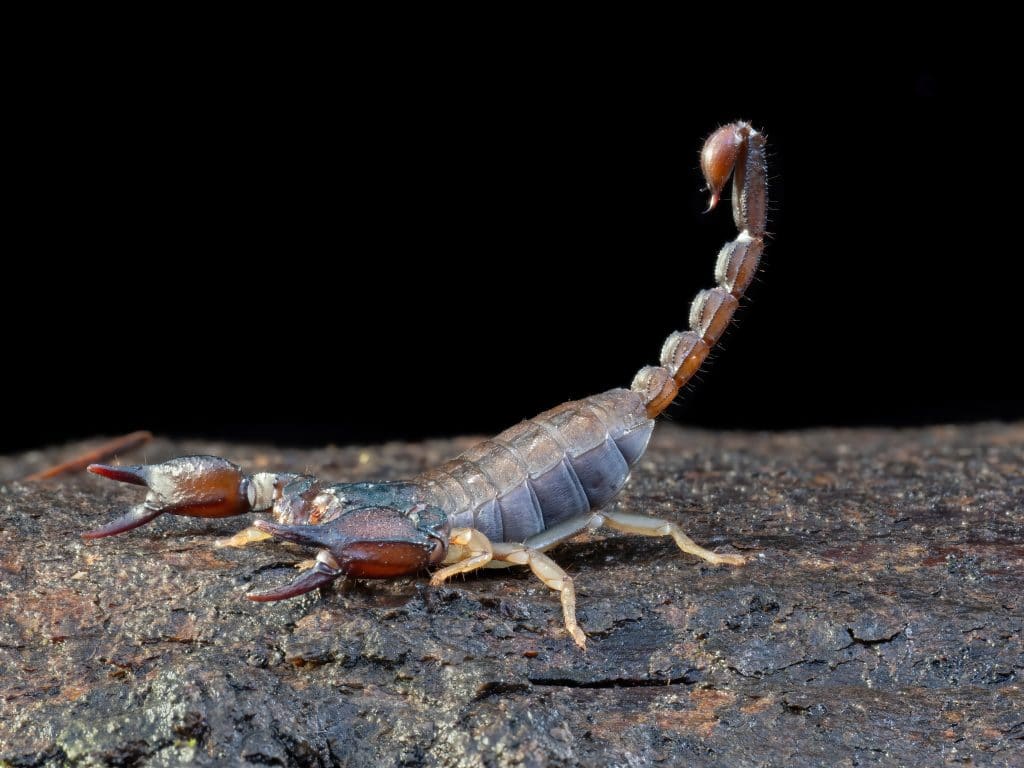
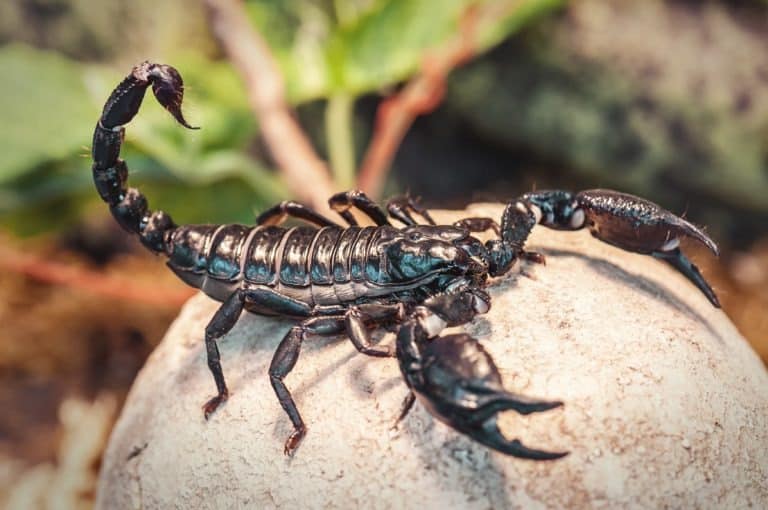
Scorpions are chelicerates and are also believed to have evolved from aquatic ancestors.
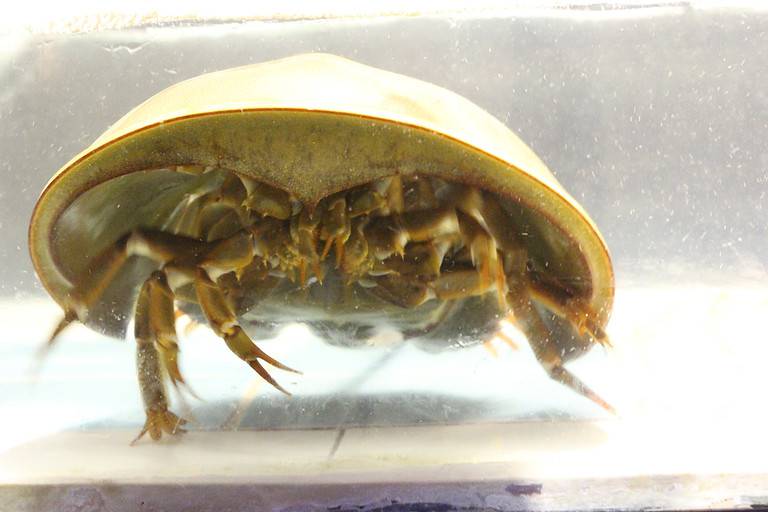
This adaptation is commonly found in horseshoe crabs, but Urokodia‘s evolution goes beyond that. It continually survived natural disasters that threatened most species, allowing it to evolve over time. Descendants of early chelicerate relatives, such as Urokodia, are believed to have eventually adapted to terrestrial environments. Researchers believe this is when it began evolving into the arachnids we know today. Adaptations to life on land gave Urokodia significant advantages as it evolved over millions of years.
Along with eight legs used to scale walls, boost agility, and hang from webs, Urokodia also maintained one feature that made it so efficient 518 million years ago. Pincers, also a trademark of Chelicerates, gave scientists a clue to their evolution. Now, scientists believe they’ve finally found the link that gave arachnids their infamous fangs.
Urokodia Could Be Responsible For More Than 100,000 Chelicerate Species
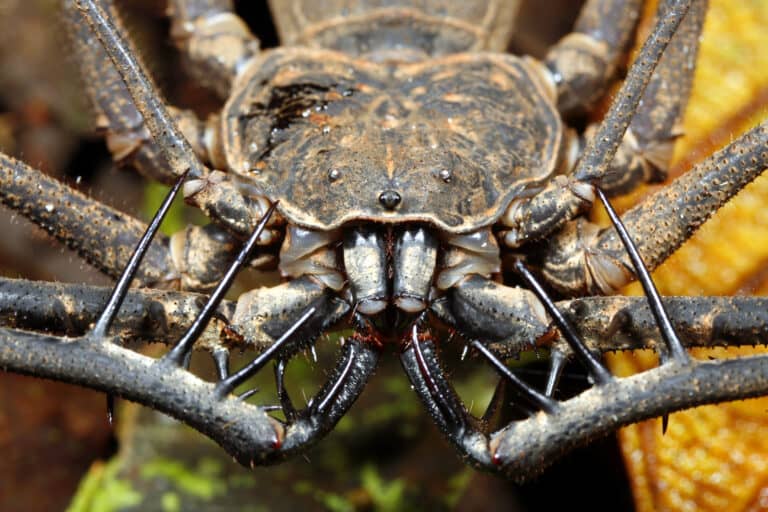
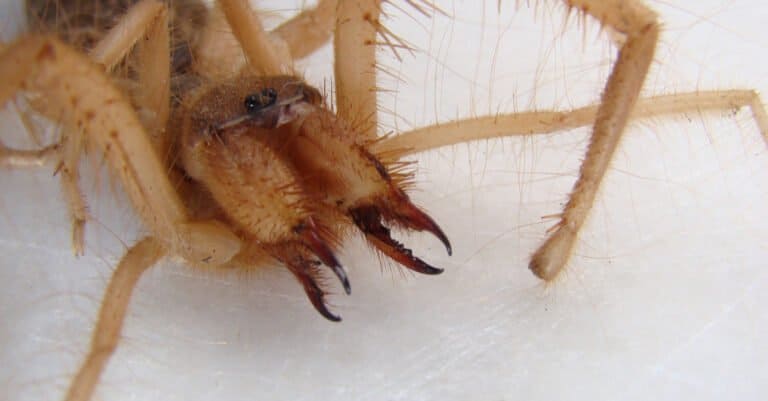
Besides pincers, chelicerates are classified by their jointed bodies and hard exoskeletons. As their name implies, chelicerae, which are their pincers, are characteristic of every chelicerate species. In spiders, chelicerae can come in the form of fangs that hold prey in place, act as a defensive weapon, or inject venom. In many other species, such as ticks, chelicerae are used to anchor themselves in prey. For scorpions, chelicerae are actual pincers, which hold prey in place while scorpions sting with their tails.
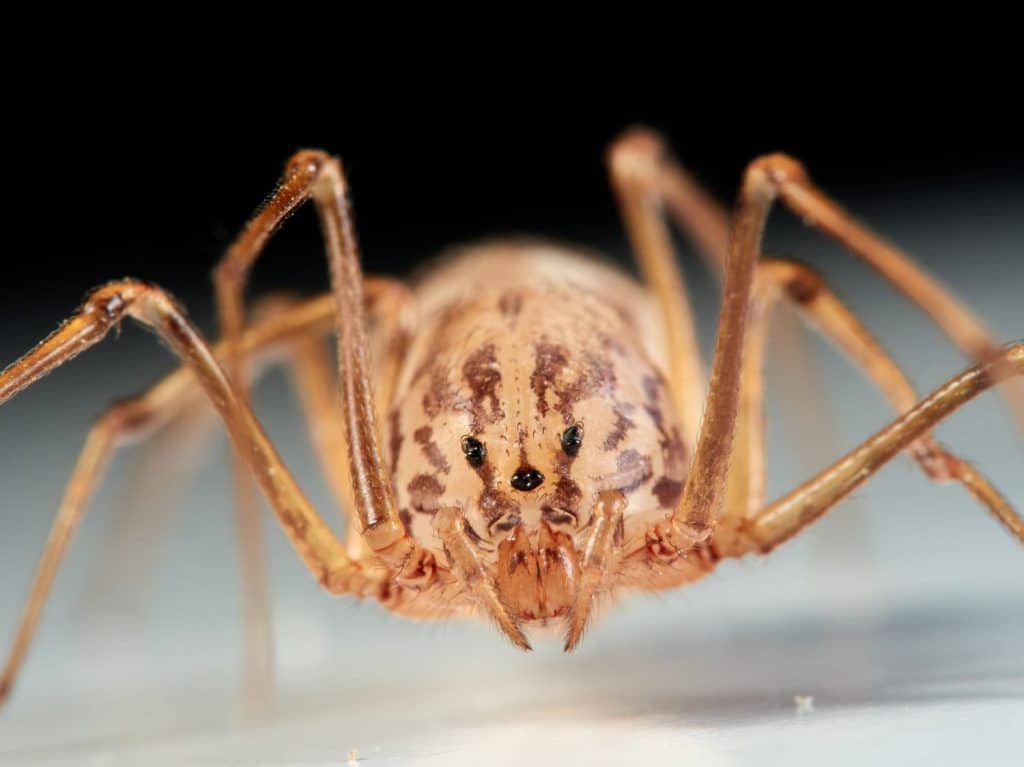
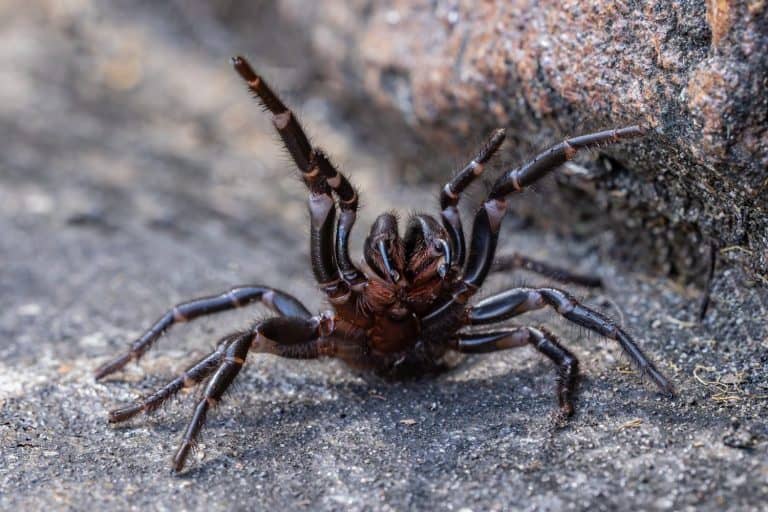
Spiders share the same fangs and pincer anatomy as Urokodia.
©Macronatura.es/Shutterstock.com
The Urokodia fossils found at the Chengjiang fossil site in Yunnan Province, southern China, indicate that pincers grew just behind the creature’s eyes. This is the earliest known documentation of pincers in any chelicerates. Interestingly, researchers found that Urokodia had a soft body, which is drastically different from the hard exteriors of today’s chelicerates. It’s believed this was part of the evolution toward terrestrial life. However, Urokodia‘s soft body remained mummified within its fossil, allowing researchers to examine it in depth.
Professor Mark Williams from the University of Leicester School of Geography, Geology and the Environment, co-author of the study published in Nature, revealed the significance of this finding. “Urokodia was part of an ancient ecosystem of over 200 different types of animals living in the seas over 500 million years ago. These spectacularly preserved fossils provide real insights into how life was evolving on our planet at the very dawn of animals,” he said.
Connections Between Urokodia and Spiders Pave the Way For Better Understanding
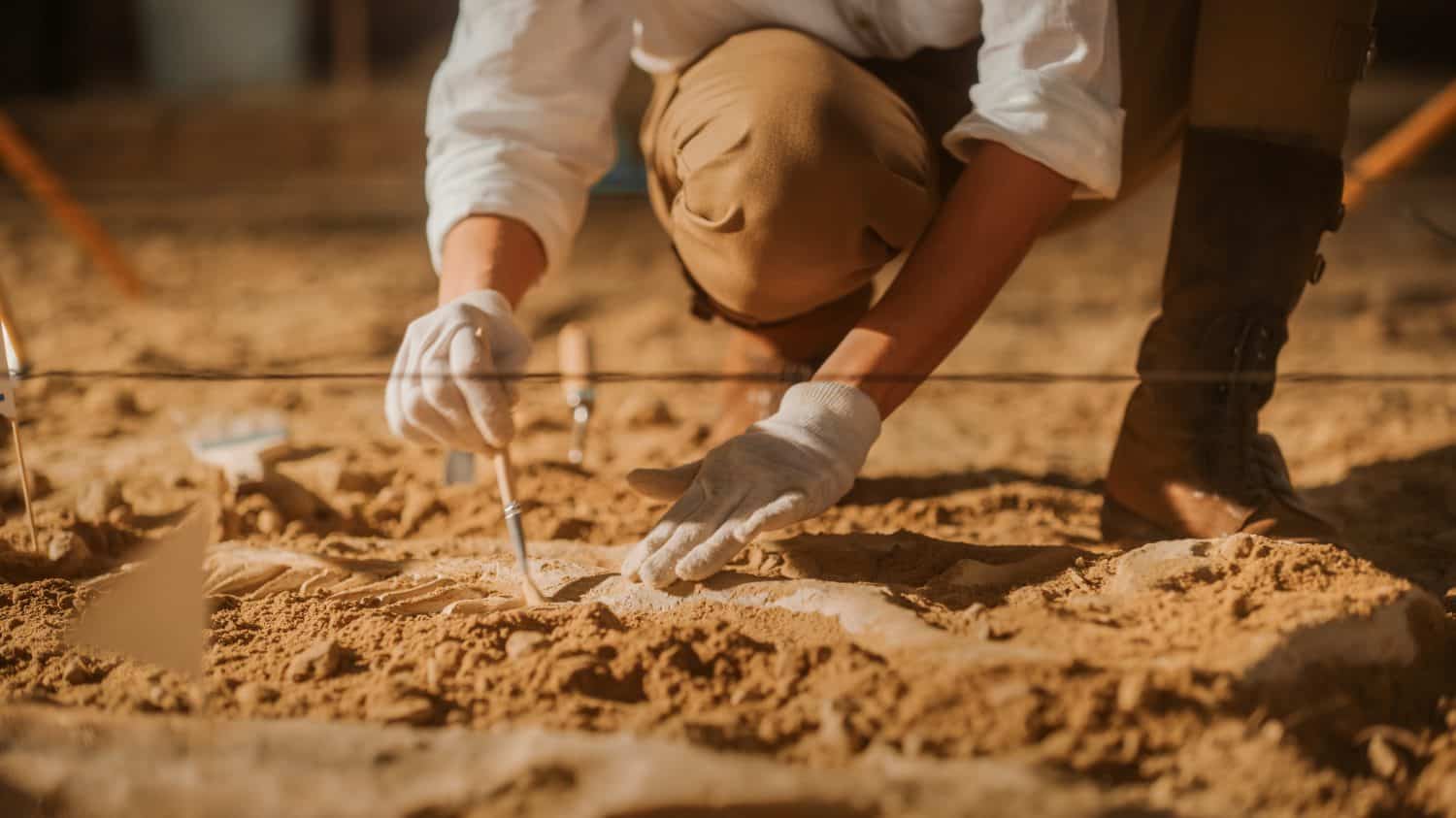
Professor Liu of Yunnan University, who led the study, said that researchers used X-ray tomography to discover Urokodia‘s pincers. The discovery of these limbs paved the way for the connection to today’s arachnids. And now, scientists hope that this will only encourage education surrounding the species.
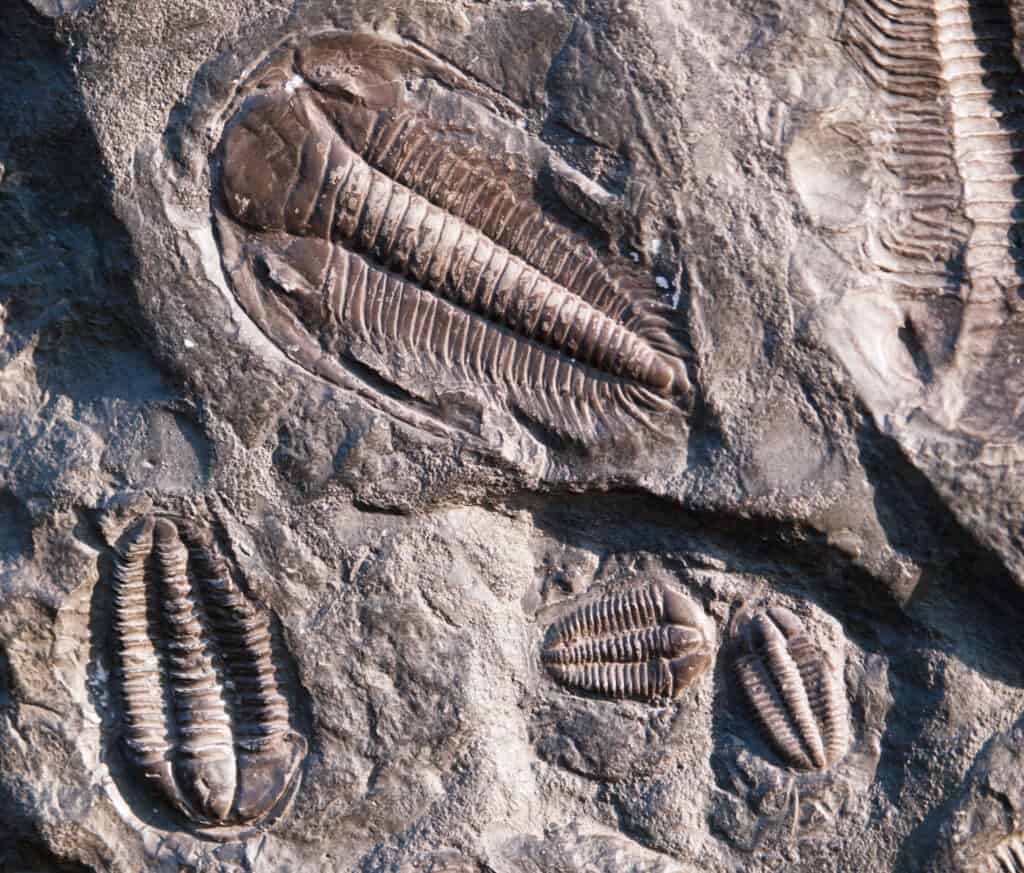
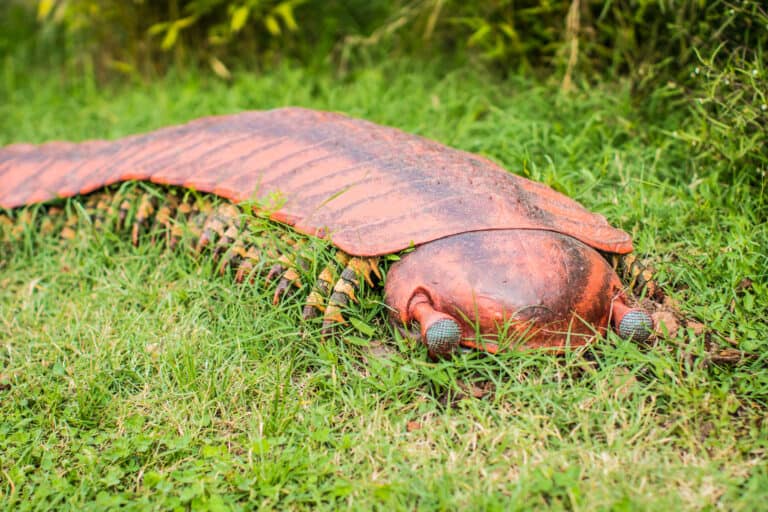
Aquatic fossils provide much-needed data to fill gaps in the history of many terrestrial species.
©scigelova/Shutterstock.com
For many, learning where an animal came from and how it evolved can lessen some of the stigma surrounding it. The fear of chelicerates, especially spiders, is all too common. But this new discovery sheds light on an ancient marine arthropod that lived over 500 million years ago, helping us understand the evolutionary history of thousands of species.
While the fangs of spiders may look more menacing than Urokodia‘s pincer-like appendages, there’s no denying the similarities. There was evidence supporting that spiders evolved from an aquatic species related to horseshoe crabs and sea scorpions, but the details of how this transition occurred were unclear. For researchers, this fills a 518-million-year gap in the record for a species that was previously a mystery.