
Quick Take
- A 380-million-year-old predator frozen in Antarctic rock may finally close the gap scientists have chased for decades, yet its most revealing secret isn't its bones. Explore the Devonian era →
- The fish had a feature inside its skull that no other member of its family preserved, a discovery that changes what we thought we knew about how animals first breathed air. See the skull discovery →
- The imaging technique researchers used did more than reveal the fossil's structure. It unlocked behavioral clues scientists never expected to find in a rock. See the imaging breakthrough →
Since time immemorial, humankind has wondered about its lineage: where it came from and how it got here. Modern science has provided incredible insights into our past as a species, but not without leaving some serious gaps in the evolutionary record. While some hypotheses point to deep-sea vents as the source of life on Earth, the path from there to how creatures became land-dwelling animals remains unclear. Until now, that is. Researchers at Flinders University in South Australia recently learned more about a 380-million-year-old Antarctic fish that may hold the secrets to the transition from water to land.
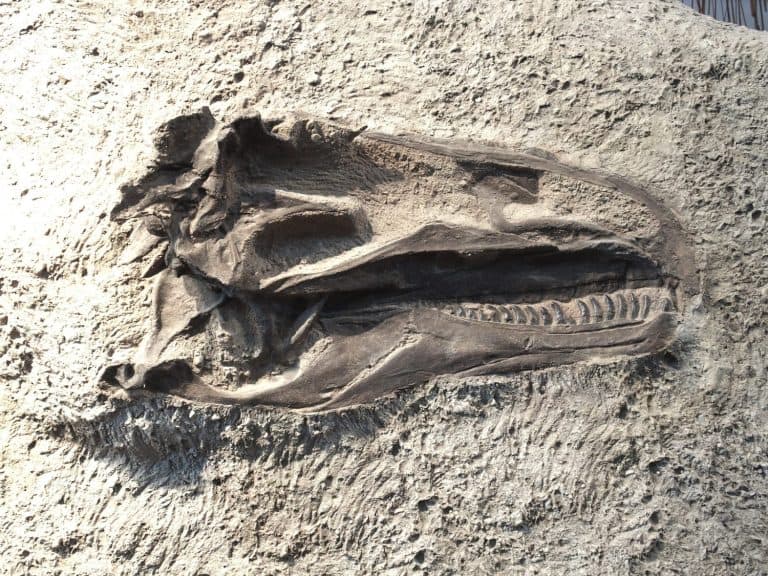
The researchers found the fossil of Koharalepis jarviki deep in the Aztec Siltstone formation at Mount Crean in the Transantarctic Mountains of Antarctica. A large, predatory fish, Koharalepis jarviki, featured skull openings and a light-sensitive organ. These attributes make it a serious contender for that missing link between water and land-dwelling animals. Let’s learn more about this fascinating, ancient creature and how innovative imaging techniques helped scientists unlock several clues about the origin of land-dwelling life.
Devonian Denizens
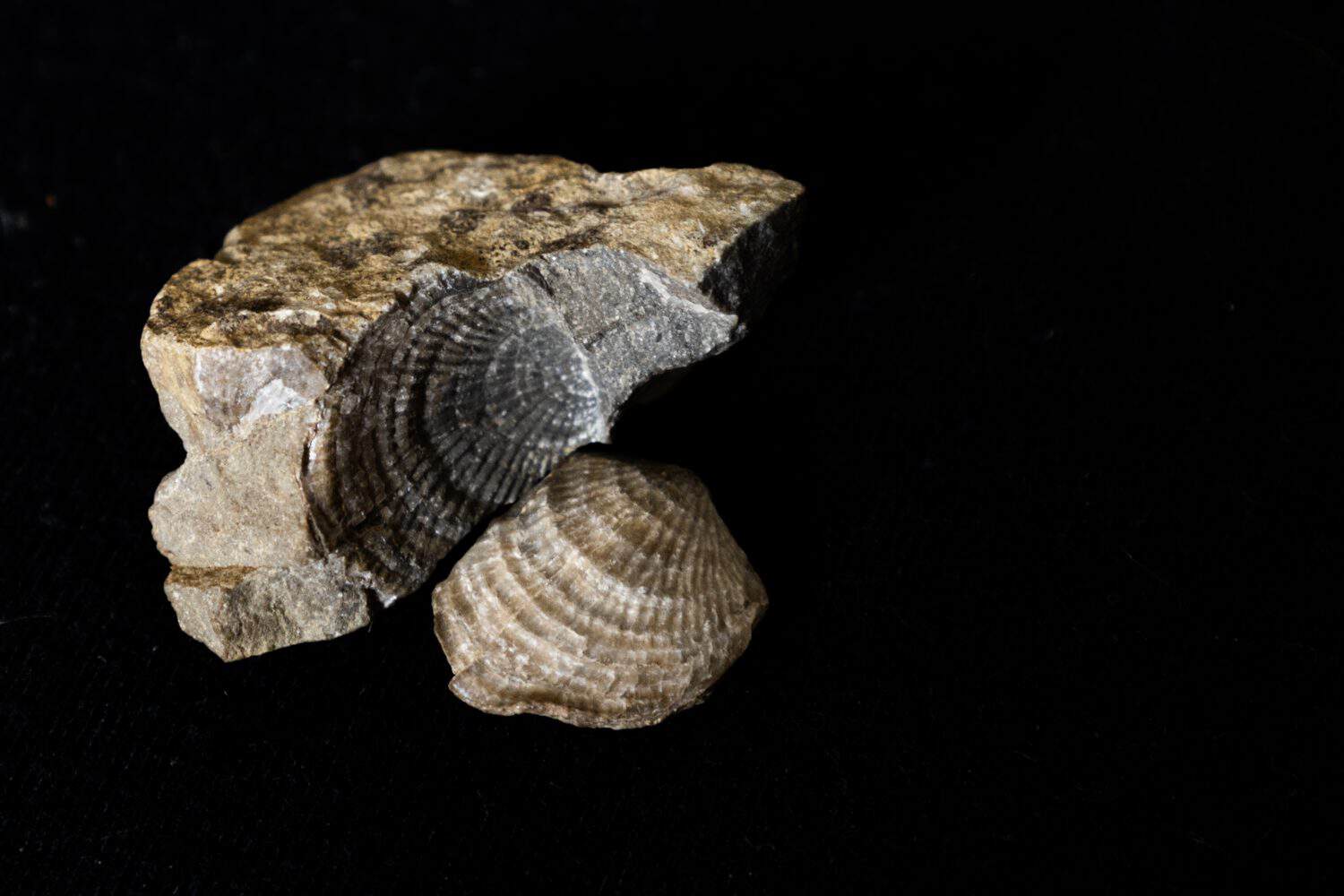
Called the Age of Fishes, the Devonian Age featured an explosion in jawed fish diversity, as well as trilobites and coral reef systems.
©Marieke Peche/Shutterstock.com
The Devonian age occurred nearly 400 million years ago. The Earth looked different then, with modern-day landmasses consolidated into fewer masses, leaving much of the planet covered by water. It was also the first age with significant evolutionary radiation of life on land. Plants began to spread across these huddled landmasses, with the first vascular, seed-bearing plants appearing near the end of the age.
Though primitive trees staked their claim, the Devonian Age is truly considered the Age of Fishes. That’s because jawed fish started appearing everywhere, rapidly increasing in diversity. Prehistoric fish called placoderms appeared, as did primitive sharks. Along came trilobites, ammonites, and reef systems. Other fish appeared as well—those that possessed anatomical structures necessary for the evolution of four-legged land animals.
Some of these fish belonged to the Canowindrids family, a group found in East Gondwana, an ancient landmass that later split into Australia and Antarctica. While scientists knew these fish were ancestors of the first four-legged land animals, they did not have a complete picture of how these fish made the evolutionary transition from aquatic to air-breathing life, let alone how they developed the necessary attributes to live on land. Enter Koharalepis jarviki, a large, predatory fish, and the only specimen of its kind ever found.
The Missing Link
The new study, published in Frontiers in Ecology and Evolution, details the team from Flinders University’s remarkable findings regarding the fish’s physiological attributes. The fish fossil, discovered in Antarctica’s Lashly Mountains region and first described in 1992 with help from fellow Flinders professor John Long, is the only known specimen of Koharalepis jarviki.
According to the study’s lead author, Corinne Mensforth, a PhD candidate from the Flinders Palaeontology Lab, the fossil featured all its internal skull bones. In an interview with Science Daily, she said, “We chose to focus on Koharalepis as it is the only fossil in the entire family to preserve the internal bones of the skull, which gives us valuable insights into its braincase and neuroanatomy.”
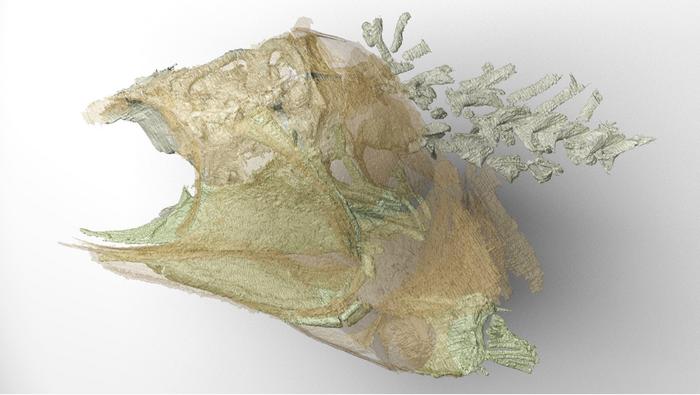
To study the fish, the team used advanced neutron imaging technology. This yielded some fascinating results. For one, the fish’s brain structure resembled that of fishes found later in the evolutionary transition from water to land. The researchers also found features that helped the fish live near the water’s edge. As Mensforth explained to Science Daily, “We also found adaptations to life near the surface of the water, including openings in the top of the skull for additional air intake and an organ within the brain that detects light and circadian rhythms.”
Ancient Insights
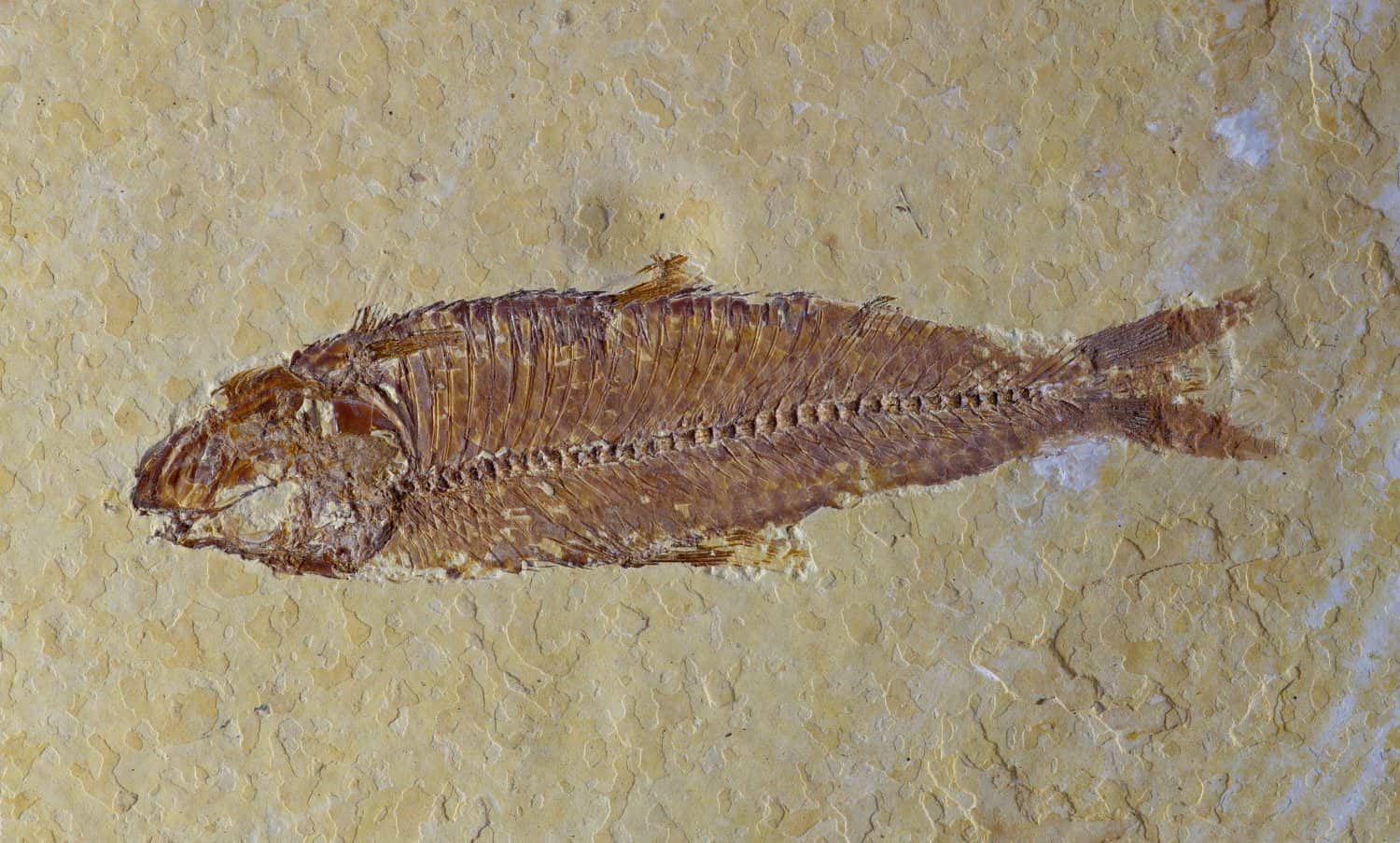
Thanks to advanced imaging technology, scientists have found a crucial piece in the evolutionary puzzle.
©catf/Shutterstock.com
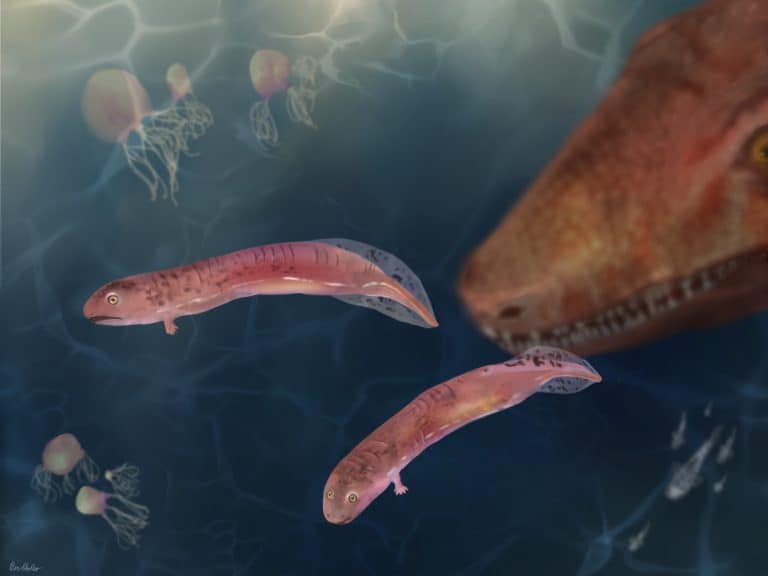
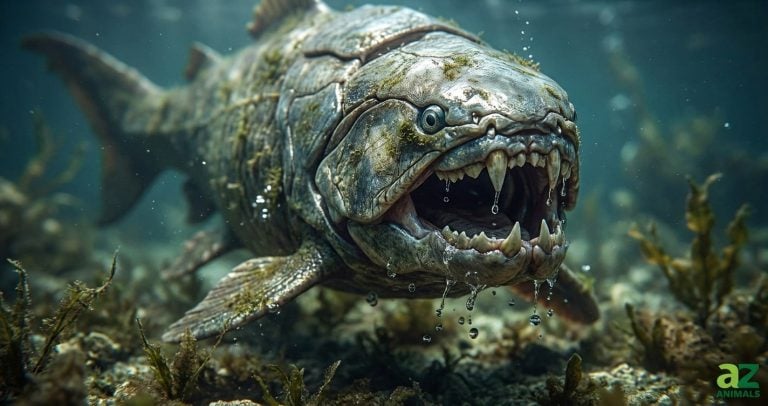
The preserved skull of the Koharalepis helped researchers understand its physiological adaptations. Modern imaging techniques also allowed researchers to study the fossil’s internal structure without damaging it. However, the study also provided insight into how the fish might have behaved in its Devonian environment. The fish grew to about one meter in length. As an ambush predator, it hunted smaller creatures.
However, because it had small eyes, researchers believe Koharalepis likely relied on other senses to efficiently locate and capture prey. As Professor John Long explained to Science Daily, all these details paint a fuller picture of one of our oldest ancestors. He said, “This has enabled us to understand some of the behavior, adaptations, and relationships of Koharalepis to its environment and to the other tetrapod-like fishes — and how fish first left the water to live on land approximately 385 million years ago.”
Scientific progress and understanding inch forward one discovery at a time. Thanks to modern innovations, scientists at Flinders University have discovered an important chapter in the evolutionary story of how aquatic creatures became land-dwelling life forms.