
During your road trip across the country, don’t forget to plan a few days at gorgeous Custer State Park. Located in South Dakota, the state’s largest state park is renowned for its abundance of natural beauty, featuring rock formations, lakes, and emerald forests. Many animals call the park home, and if you visit at the right time, you can see a variety of them. To help you achieve that, we’ve created this list of animals you might see in Custer State Park. There are many species that you can observe, from bison and elk to mountain lions and bighorn sheep, and it’s quite spectacular.
While you watch the animals, you’ll find much to do during your visit. There’s a reason why Custer State Park has millions of visitors coming year after year. Plan your stay accordingly, and you can also enjoy scenic drives, safari jeep tours, countless hiking trails, lakes for canoeing and swimming, and more. The state park is also home to many different lodges and campsites, so you can enjoy your visit in your own way. If you’re planning on visiting soon, here are some animals you can expect to see.
Bison
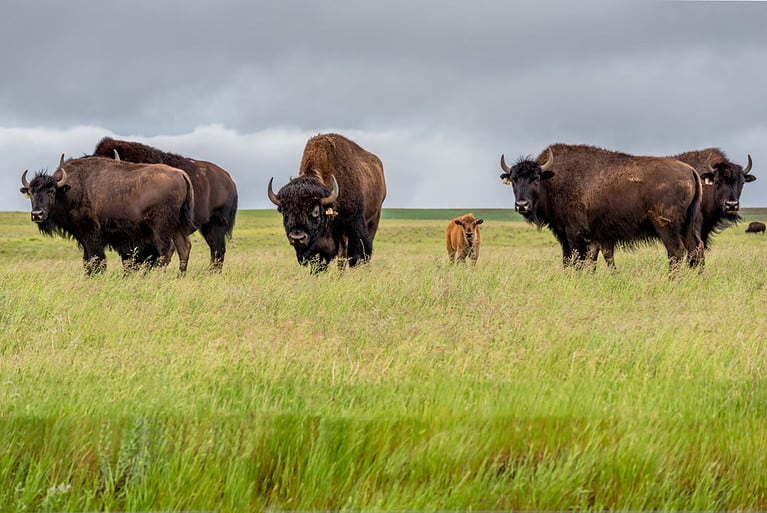
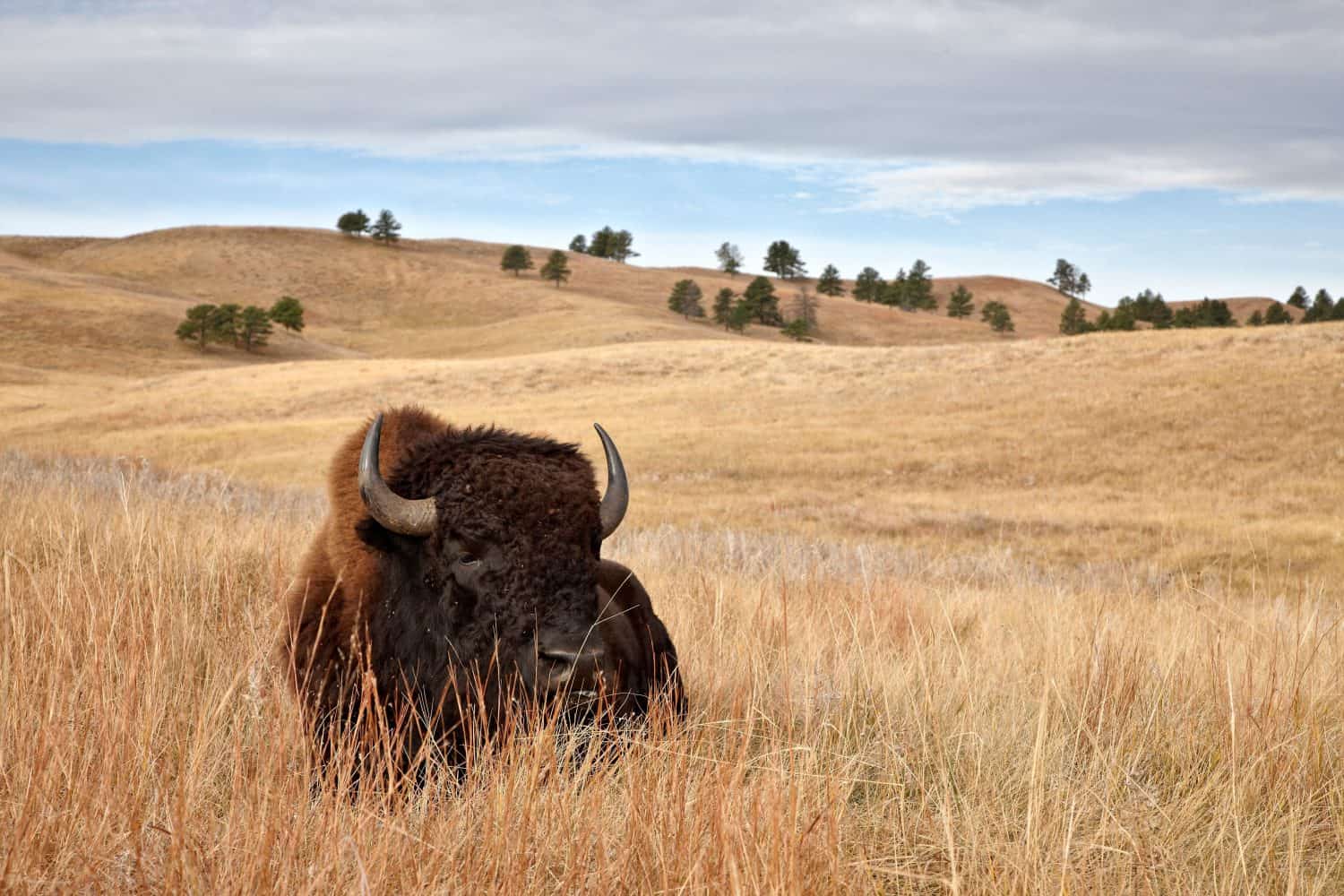
Undoubtedly, one of the most exciting animals you’ll see in Custer State Park is the majestic bison. With over 1,400 bison walking around the park, your chances of catching one are great, but be careful. Bison can grow to over 2,000 pounds and measure up to six feet tall. In fact, they’re considered to be among the largest terrestrial mammals in the country.
You’re most likely to come across bison by traveling down Wildlife Loop Road. It’s an 18-mile drive lined with grasslands and hills dotted with gorgeous pine trees. While you’re driving down the road, you can stop by the Bison Center and Buffalo Corrals, where your chances of a sighting are vastly improved. Try visiting during the morning or evening, when bison are more likely to be out grazing.
Coyotes
Coyotes are among the most likely animals you’ll see in Custer State Park, and that’s because they roam around many of the rural and urban parts of the park. If you spot them, you may see coyotes roaming alone, in pairs, or in larger packs, so be cautious. Their diet mostly consists of small mammals, so there’s not much to worry about. Still, caution is advised.
Coyote populations can fluctuate significantly, so there’s no guarantee how many will be in the area at any given time. For your best chance of spotting one, head down Wildlife Loop Road during the hours of dusk and dawn. You’re most likely to see one in the open grasslands and prairie areas. You may be able to spot one by listening for its familiar howls.
Bighorn Sheep
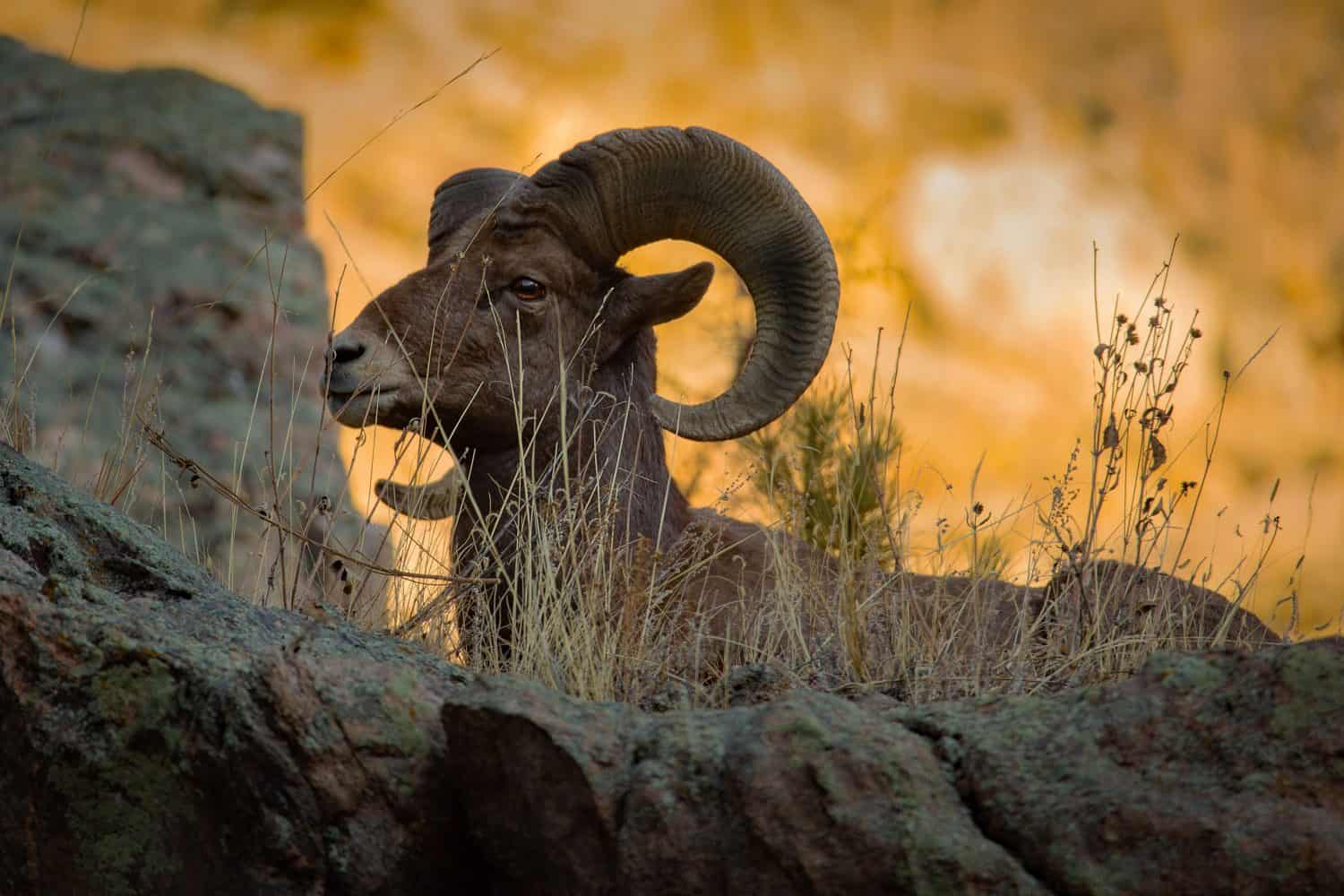
If you’re lucky, head out during dawn or dusk, and you may see a majestic bighorn sheep.
©Wirestock Creators/Shutterstock.com
Bighorn sheep are among the most majestic animals you’ll see in Custer State Park. A new herd of bighorn sheep was introduced to the park back in 1922, and you can now reap the rewards of those efforts. You can’t miss this species. Both males and females have horns, but the males’ horns are much larger and more prominently curved than those of the females. As of 2020, there are just over 60 bighorn sheep in the park. Your best chance of spotting them is by visiting the Grace Coolidge Natural Area and French Creek sections of the park. Since there are so few bighorn sheep in the park, sightings may be less common than with some of the other animals on this list. Bighorn sheep are primarily active during the day, especially in the early morning or late afternoon.
Mountain Lions
Though it may be daunting to encounter a mountain lion, it would certainly be quite an addition to your scrapbook, and you can see them at Custer State Park. While they may seem intimidating, remember that mountain lions are rather reclusive around humans, so if you spot one and observe it from a distance, you’ll be safe. This reclusiveness is so extreme that it’s hard to determine exactly how many are living in the park. However, it’s estimated that there are about 275 mountain lions in the Black Hills region of the state, which includes Custer State Park.
If you have any chance of spotting a mountain lion, you’d likely need to look within the rocky canyons or mountainous terrain of the park. However, even in these areas, mountain lions blend in well with the scenery. Still, you never know what you might find.
Elk
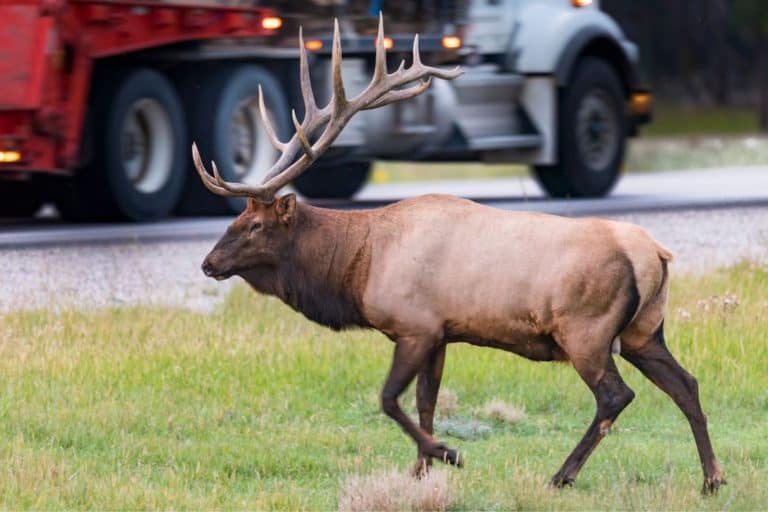
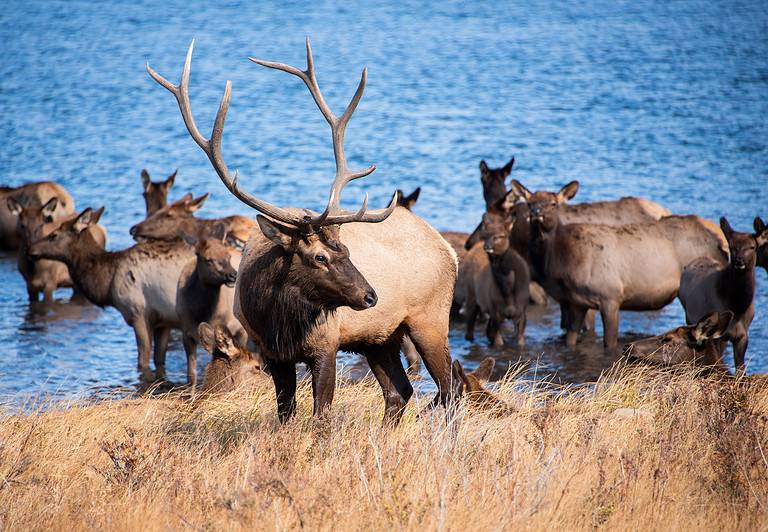
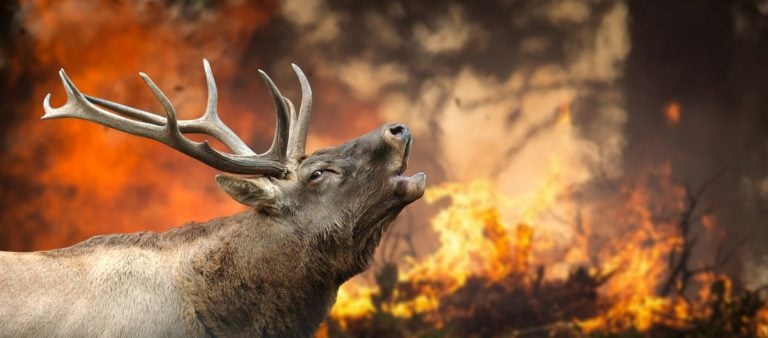
Another shy animal found in Custer State Park is the majestic elk. They’re reclusive and are generally afraid of humans. As the second-largest species in the deer family, they are quite a sight to see, but keep your distance so as not to startle them. Because elk also tend to keep out of sight, it’s hard to estimate exactly how many are in the park. However, it’s estimated that there are over 6,000 of them in the Black Hills region, which includes Custer State Park.
Your best chance of spotting an elk is during the early morning or early evening hours when they may come out to eat or move from place to place. If you’re traveling by car, take a trip down Wildlife Loop Road. Consider bringing binoculars or a camera with a telephoto lens to help you spot elk among the trees.
Mountain Goats
Mountain goats were introduced to the Black Hills region of South Dakota in 1923. The species is notable for its size and the slender horns found on both males and females. You’re most likely to see mountain goats in the hills of the Needles and Black Elk Peak sections of Custer State Park, and in nearby areas such as Mount Rushmore. You’ll likely see them feeding on grass, moss, and ferns, generally keeping to themselves. Currently, it’s estimated that there are about 200 mountain goats in the area. Bring your binoculars because the goats can climb quite high into the mountains.
Pronghorns
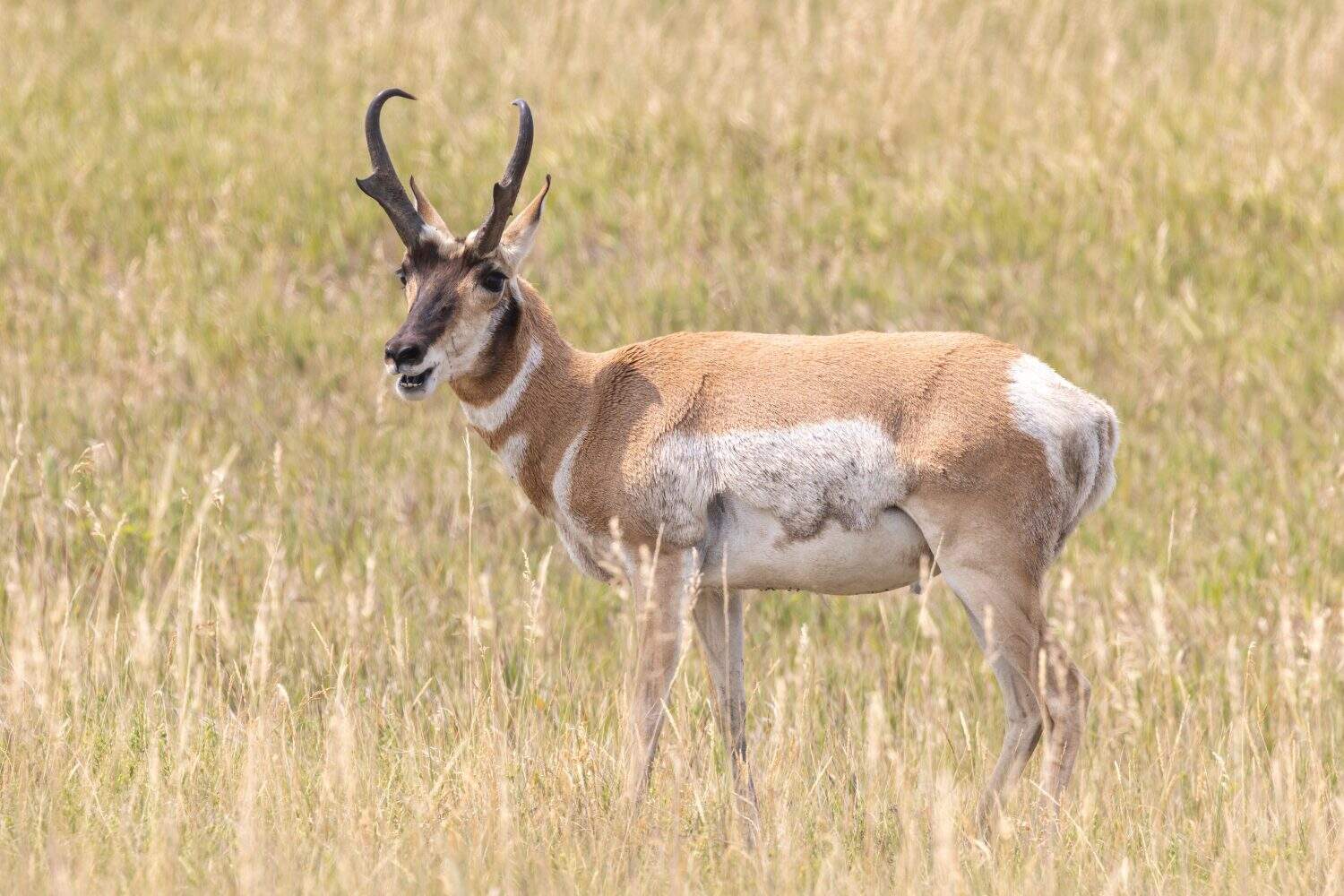
The quick pronghorns can run up to 60 miles per hour, so have your camera ready.
©GarrettSmith/Shutterstock.com
Pronghorns are often mistaken for antelope due to their similar appearance. These animals are known for their large size and the elongated horns of the males. You can find this animal exploring the many grasslands of the park along Wildlife Loop Road. However, you’ll need to be quick because the pronghorn is one of the fastest land animals in North America, often reaching speeds of 60 miles per hour. These majestic creatures are less common than some of the other animals on this list. As of 2025, there are only about 123 of them in the park. However, the state of South Dakota has several plans in place to try to increase their numbers.
Burros
As of 2024, there are 12 burros in Custer State Park. However, this species of donkey is not native to the area. Many years ago, burros were brought to the area to escort visitors to the top of Black Elk Peak. The rides were discontinued a number of years ago, and the burros were released into the park so they could live the rest of their lives freely. You can find the burros as you drive along Wildlife Loop Road. You won’t have to look hard to spot one, as the burros are famous for approaching stopped cars in search of food.
Prairie Dogs
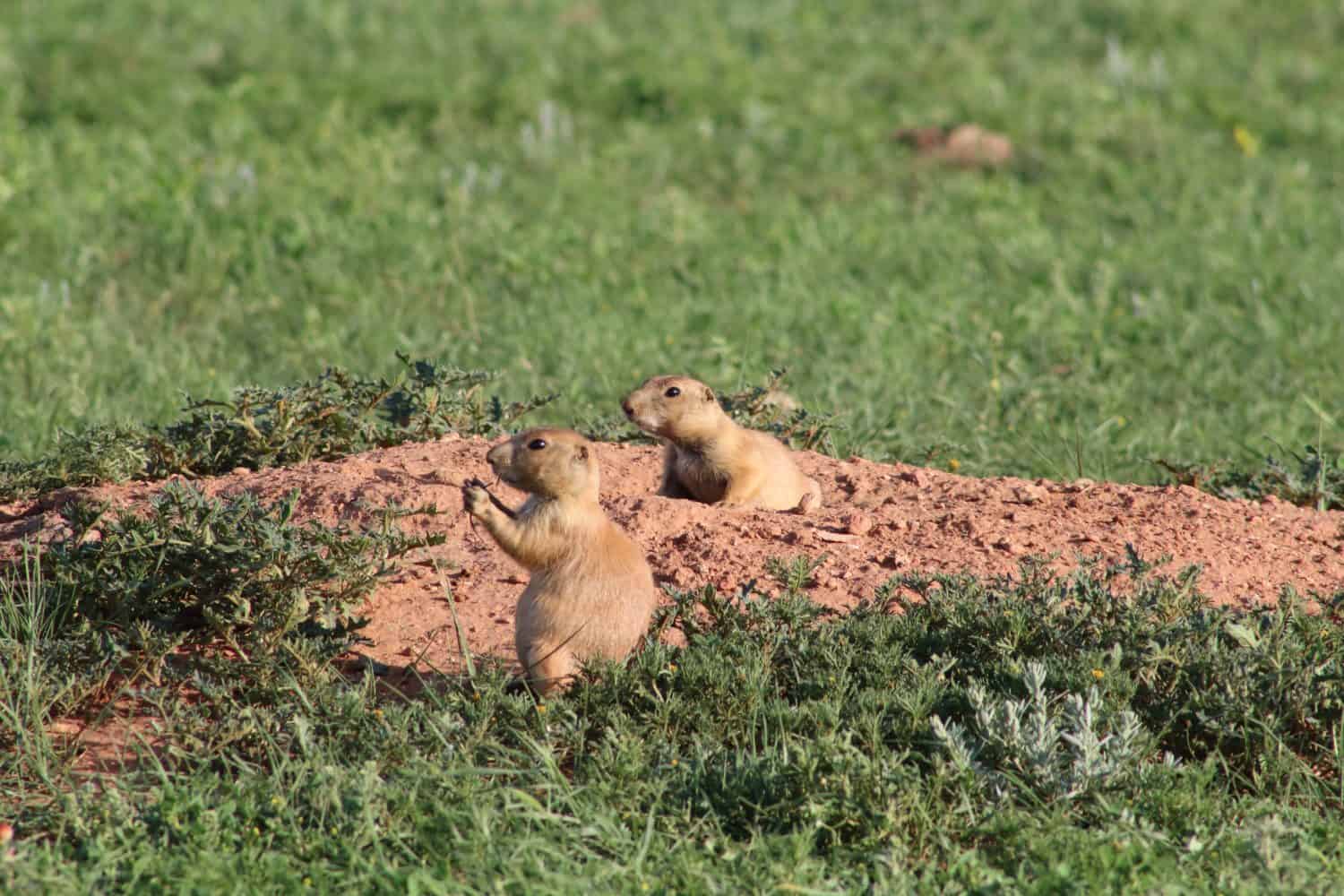
Drive down Wildlife Loop Road and you’ll see many of the animals on this list, including prairie dogs!
©Tiffany VanBoxtel/Shutterstock.com
If you’ve never seen a prairie dog before, then you’re in luck. They are one of the more popular animals you’ll see in Custer State Park. Specifically, you’ll find the black-tailed prairie dog, which is also famous for its bark-like calls. You’re most likely to see prairie dogs by exploring the dry, upland prairie of the park or by traveling along Wildlife Loop Road. The exact number of prairie dogs in the park is unknown, but they are more numerous than many of the other animals on this list, so have your camera ready.
While-Tailed Deer
Head to the timberlands area of Custer State Park to find white-tailed deer hiding amongst the trees. More specifically, you can see them when driving along Wildlife Loop Road and by traveling the French Creek Trail. As the name suggests, you can distinguish this species from other deer by the white fur under its tail. Deer are very skittish, so you’ll need to catch them quickly. By the time you do, they may already be running away. It’s unknown exactly how many white-tailed deer are in the park, but more than 14 adult bucks were spotted in 2024.
Mule Deer
You’ll also have the chance to see mule deer during your visit to Custer State Park. This deer is notable for its large mule-like ears. Unlike other deer, this species has a black-tipped tail. If a mule deer spots you and runs away, you’ll notice that it seems to hop as if on powerful springs. It’s quite a sight to see. You’re most likely to see mule deer along Wildlife Loop Road and in the forests. Look for them during the dusk and dawn hours when they’re most active. It’s estimated that there are thousands of deer in the area, so you have a good chance of spotting one.
Birds
Finally, depending on the location and time of year, you can see numerous species of birds flying around Custer State Park. If you travel along Wildlife Loop Road, you’re likely to see many different birds, including hawks, eagles, sparrows, and more. According to online bird-watching lists, many visitors have also seen mountain bluebirds, orioles, rock doves, ducks, and more.