
Quick Take
- More than 1,000 grizzly bears now occupy the Greater Yellowstone Ecosystem territory.
- Black bears don’t typically share territory with grizzlies, but are found throughout the entire state of Wyoming.
- Grizzlies are more aggressive when protecting cubs or searching for food following a long hibernation.
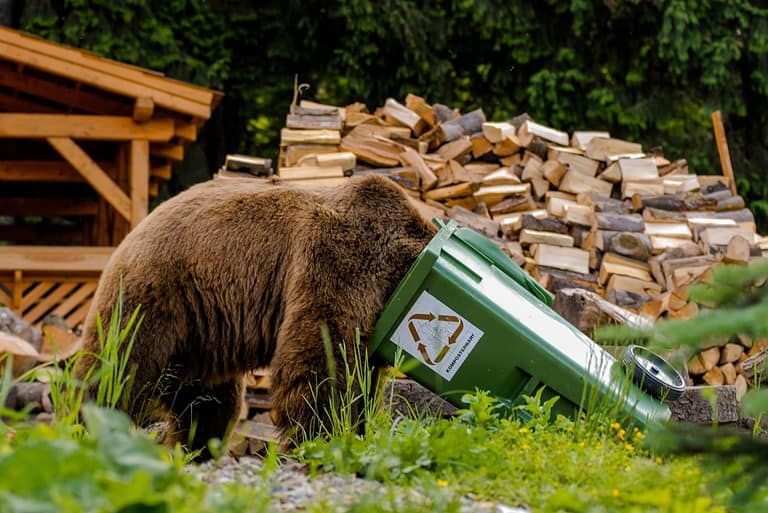
- Black bears have been spotted in suburban areas and are known to go after bird feeders and garbage cans.
Bears are waking from their long hibernation, and Wyoming officials are warning locals to be bear-aware. The first Yellowstone grizzly was spotted on March 9, prompting speculation about the early risers. While this grizzly was preoccupied chowing down on a bison carcass, many more are on the hunt for easy meals. Finding food is the first priority for bears after hibernation, which is why Wyoming is a spring hotspot for both grizzlies and black bears. Here’s where you’re likely to find them, how to stay safe, and why they’re the apex predators of the West.
Grizzly Bears Rule Northwest Wyoming
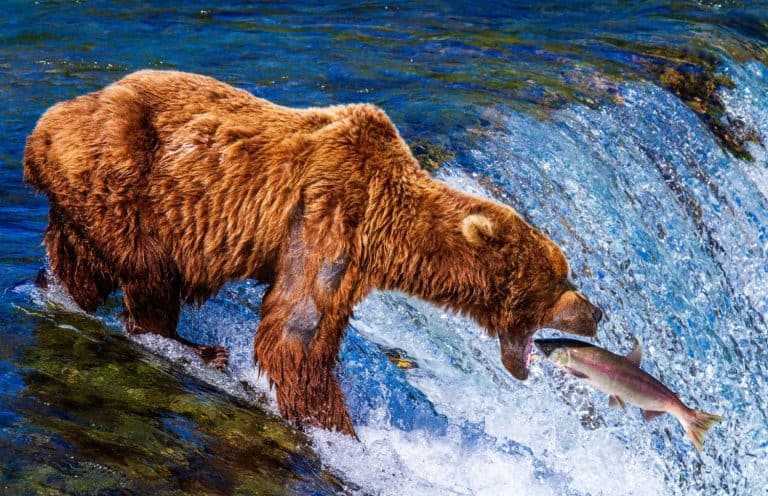
Wyoming’s national parks have a reputation for their wilderness. This includes the grizzlies that traverse the territory, primarily throughout northwestern Yellowstone and Grand Teton National Forest and Park. They prefer the dense woodlands of each, and tend to stay near rivers and streams. But even though this is where grizzly populations are most dense, it doesn’t mean they stay within the park limits. In recent years, grizzlies have also been found in the southern reaches of the Wind River Range.
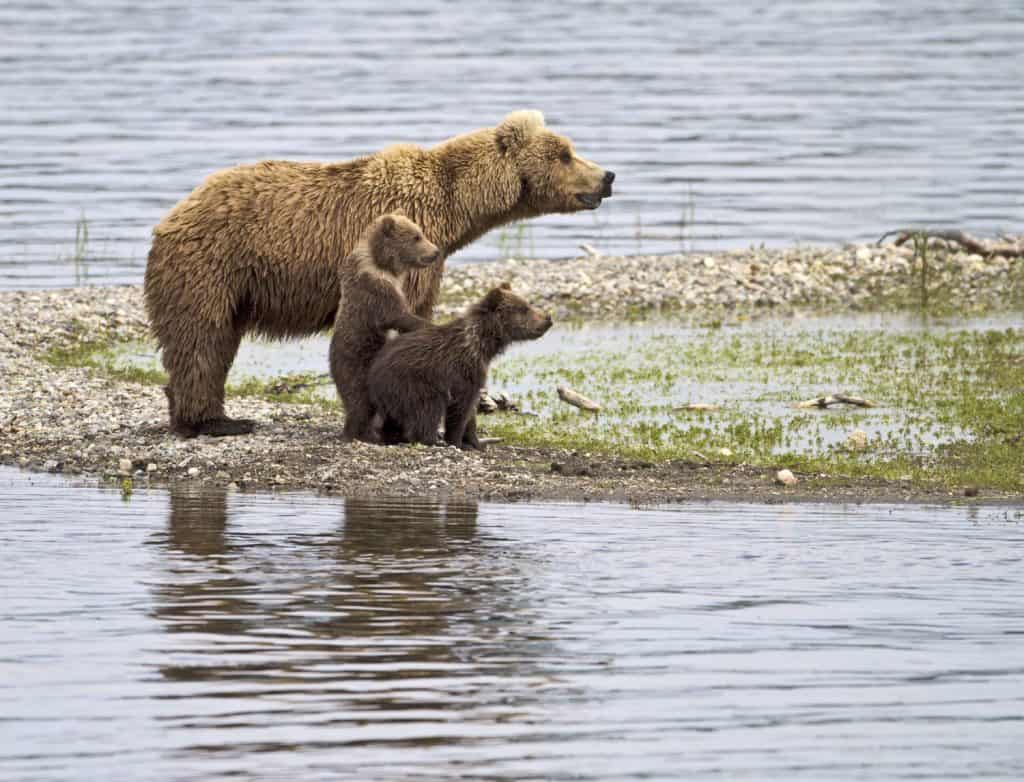
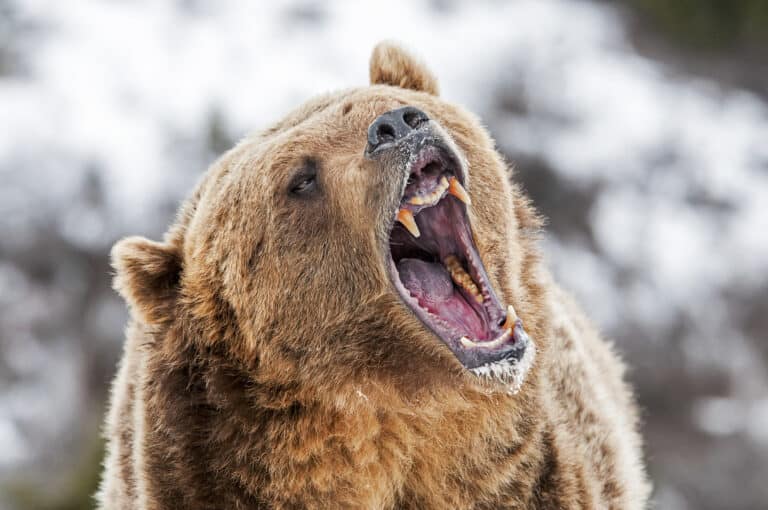
Grizzly sows are more aggressive when defending their cubs.
©Richard Seeley/Shutterstock.com
Grizzlies are currently listed as a Threatened species, and have expanded into some new areas, though the overall Yellowstone grizzly range has recently contracted by about 4%. While this is good news for the species, it also means that human-animal conflicts have become more common. Grizzlies have been spotted in towns throughout Northwestern Wyoming, specifically those just outside of the national parks. Jackson, Jackson Hole, and Teton Village often see frequent sightings throughout spring and summer.
Black Bears Live Throughout All of Wyoming
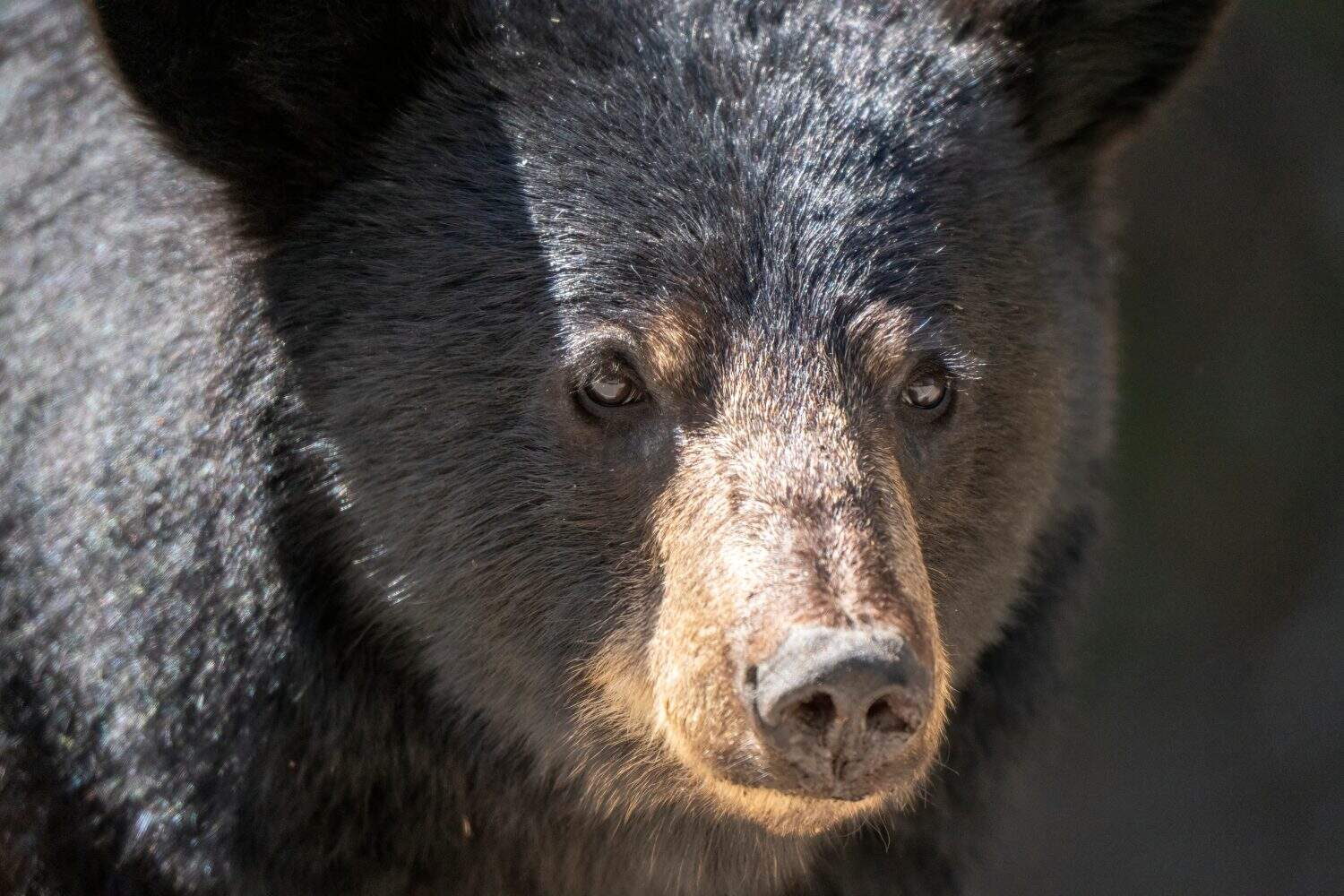
Alternatively, black bears are found throughout Wyoming. They’re slightly more adaptable in their habitat and find ways to survive in national park forests and even in urban areas. This has caused something of a headache for Wyoming locals, who need to be wary of things like garbage cans and crawl spaces. While Grand Teton and Yellowstone still have the highest concentrations of both bear species, black bears are also commonly found along the Grays River and Snake River, at lower densities in the Medicine Bow National Forest, and throughout the Bighorn Mountains.
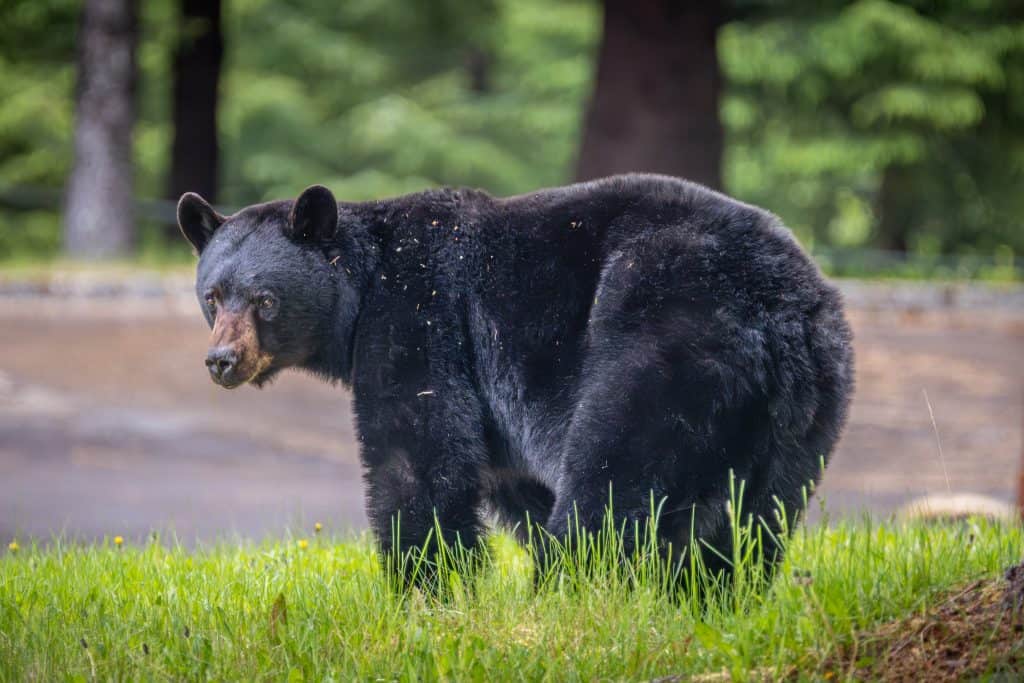
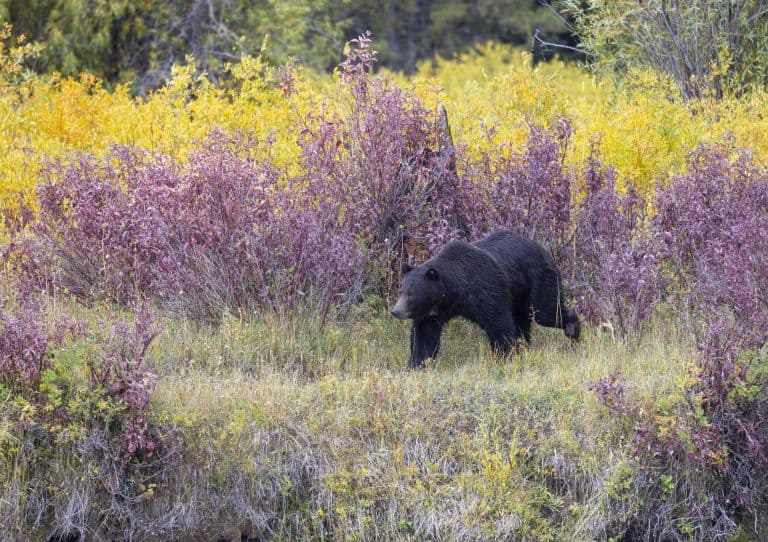
Black bears are found throughout Wyoming’s national parks and in suburban neighborhoods.
©Freaktography/Shutterstock.com
Since black bears can also inhabit higher altitudes, they’ve been seen at elevations of 7,000 feet and above. They typically avoid sharing territory with grizzlies, which is why they’re commonly seen on the outskirts of northwestern Wyoming. This means they skirt the fringe, extending down into the southern and southeastern regions of the state. However, it’s also important to note that black bears often show up where food is available. This means rural homes, urban centers, and farms, especially those near forested areas.
Where Grizzly Bear Encounters Are Most Likely
When it comes to grizzly bears, encounters are more likely to happen in national parks. Bears are creatures of habit, and grizzlies tend to remain in territory they’re familiar with. Grand Teton and Northwestern Yellowstone offer shelter, safe places to raise their cubs, and an abundance of food. This is also where grizzlies create their dens for the winter, and they rarely stray far from them.
Grizzlies are most likely to be spotted during dawn and dusk when they’re the most active. Open meadows and valleys in both national parks are popular places for them to forage and hunt. In Yellowstone, this includes:
- Lamar Valley
- Dunraven Pass
- Mount Washburn
- East Entrance, or Sylvan Pass
- Roosevelt Area
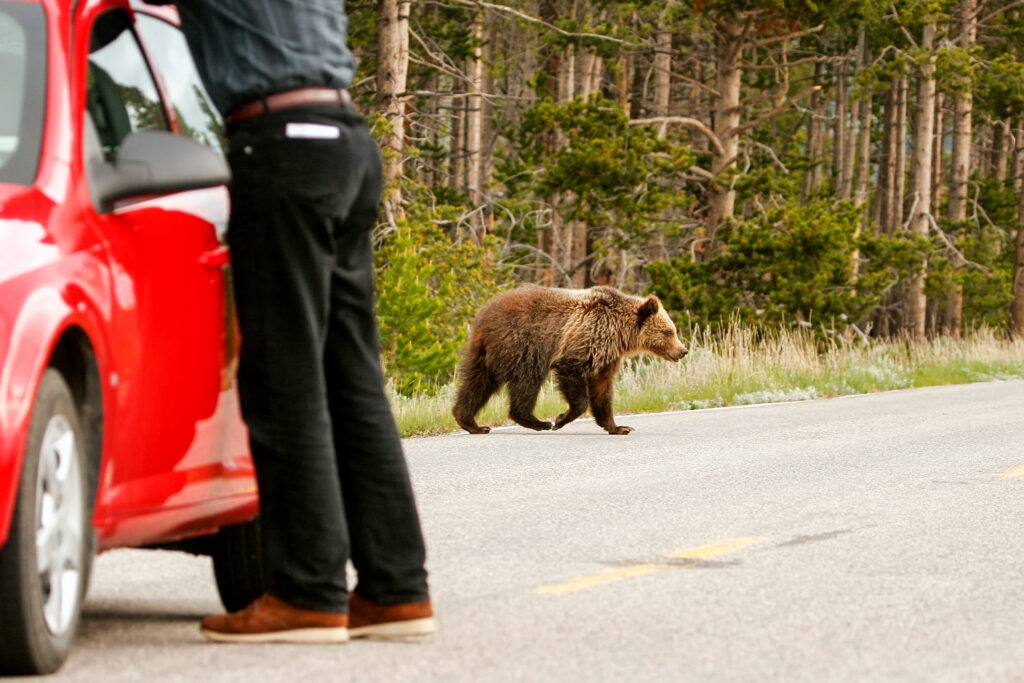
Grizzlies can be seen crossing roadways throughout Yellowstone, especially during the spring and summer months.
©Don Mammoser/Shutterstock.com
Of these, the Roosevelt Area has garnered the nickname the “Bearmuda Triangle” for its frequent bear sightings. The higher elevation locations, such as Dunraven Pass and Mount Washburn, are more likely to have sightings during the summer.
In Grand Teton, grizzlies are more widely dispersed, so sightings throughout the park are relatively common. Grizzly hotspots include:
- Near Jackson Lake Lodge
- Pilgrim Creek Road
- Willow Flats
- Colter Bay
- Oxbow Bend
- Jenny Lake
- Moose-Wilson Road
Since fishing is a popular sport and pastime in Grand Teton, visitors to the area’s rivers and lakes should be wary. Grizzlies regularly frequent Jenny Lake in the early morning and Oxbow Bend during the fall while storing calories for the winter. Moose-Wilson Road is a high-traffic area and a popular spot for both grizzly and black bear watching.
Where Black Bear Encounters Are Most Likely
Black bears are more unpredictable in encounters. Years of foraging through open trash cans and raiding bird feeders have lessened their fear of humans. In Yellowstone, they are typically found throughout the park. They prefer woodlands to open fields, and are also found in the “Bearmuda Triangle” of the Roosevelt Area. They also frequent Lamar and Hayden Valleys to forage, as well as the Becheler region. During the fall, they’ve been spotted at Dunraven Pass, along with grizzlies, to forage for pine nuts.
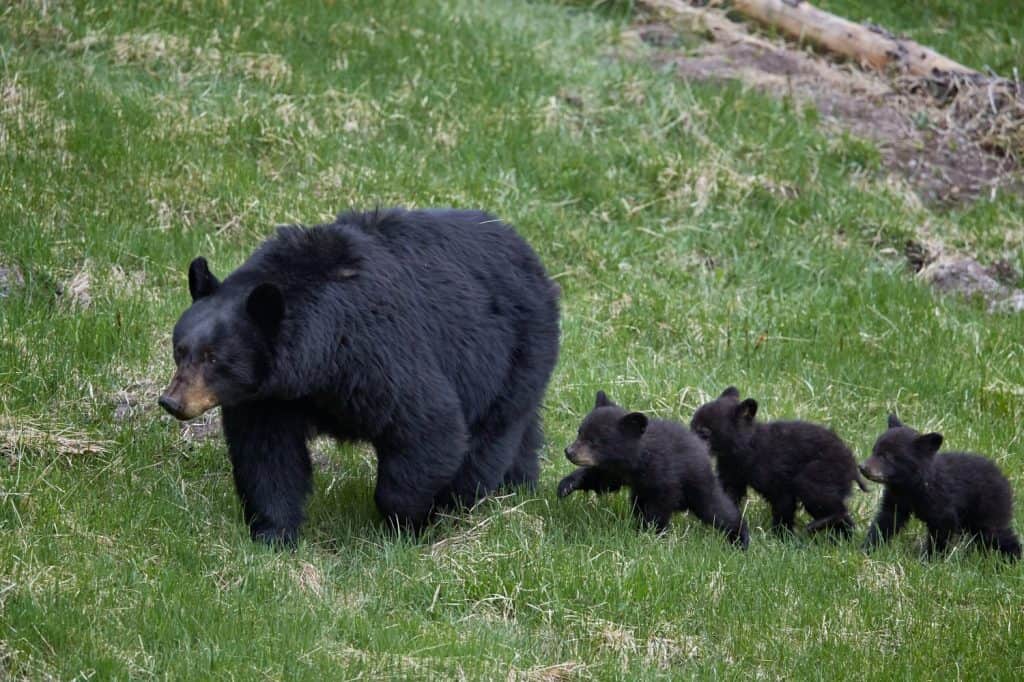
Black bears are found throughout the state, but are typically less aggressive than grizzlies.
©Robert Harding Video/Shutterstock.com
In Grand Teton, it’s safe to assume that if a territory isn’t inhabited by a grizzly, then it’s likely traversed by a black bear. Some areas overlap, such as Jenny Lake, Moose-Wilson Road, and the Lodge area. However, black bears are also seen in Cascade Canyon and Death Canyon, where hikers frequently report sightings on hiking trails. Occasionally, black bears can also be found in Willow Flats, depending on the time of the year.
How to Stay Safe in Bear Country
Of the two, grizzly bears are more aggressive than black bears. The Wyoming Game and Fish Department plays a major role in monitoring the population, not only to assess it but also to warn people about potential encounters. In Wyoming, officials encourage locals, visitors, and hikers to be “bear wise.” This means knowing how to act when you come face-to-face with a bear. If the bear is defensive, which includes charging, jaw clicking, or growling:
- Do not threaten the bear and avoid direct eye contact or aggressive body language.
- Never run from the bear as it triggers its predatory chase instincts.
- Use bear spray if you have it on you.
- If the bear attacks, drop to the ground, and cover the back of your head and neck with your hands.
- Do not fight back; bears typically move on if they believe their prey is no longer a threat.
If the bear shows predatory behavior, such as huffing, bluff-charging, or intimidation (i.e., standing on its hind legs):
- Make yourself look as large as you can, and use sticks or hiking poles to appear intimidating.
- Stand your ground and be aggressive by yelling and throwing rocks or sticks.
- Use a loud, but firm voice when yelling at the bear.
- If it attacks, follow the same steps: lie on the ground and cover your head and neck with your hands.
Bear attacks are extremely rare. More often than not, a bear will bluff or run away if it encounters a human. Males are more aggressive immediately following hibernation, while sows are more aggressive when they’re protecting cubs. The chance of being severely injured by a bear is 1 in 2.1 million, while fatalities are even rarer — there have only been 180 fatal attacks since 1784.