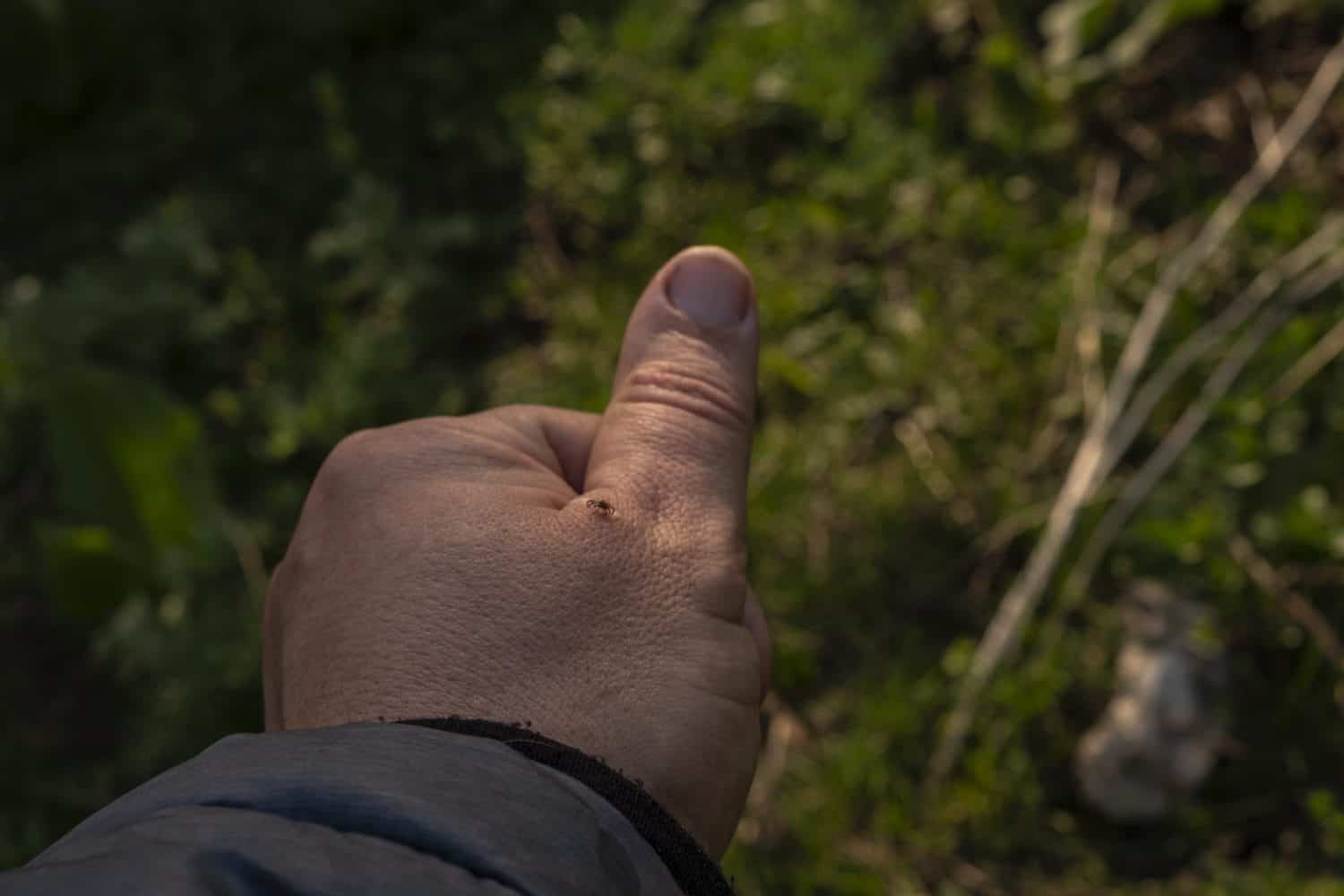

Quick Take
- Some tick-borne diseases mimic the flu so convincingly that most people dismiss the warning signs until the illness escalates. See flu-like warning signs →
- Removing a tick immediately does not guarantee you are in the clear, and the reason behind this should change how you respond after every outdoor trip. Understand infection risk →
- One tick-borne virus starts with mild headache and ends with seizures, and certain groups face a far higher risk without knowing it. See who's most at risk →
It’s nice when parents encourage their kids to get outside and enjoy nature from time to time. It’s a chance for fresh air, activity, and a mental health reboot. However, not every leisure activity is without risks, especially if you live in an area with ticks. While most tick bites are harmless, it’s beneficial to be cautious of tick-borne illness and know what to do if someone in your family is affected.
Some ticks carry bacteria, viruses, or parasites that can cause potentially serious infections. Knowing what symptoms to watch for and when to call a doctor can make a major difference in treatment and recovery. In this guide, we’ll tell you more about how to identify tick-borne risks, what to do in the immediate aftermath, and when you should contact a doctor.
How Tick-Bourne Illness Spreads
Ticks have always posed a threat to hikers and outdoor enthusiasts who don’t know the risks. However, health officials believe the risks are increasing year by year due to expanding tick populations, climate change, and growing suburban development near wooded habitats, among other factors. Ticks can be found in forests, grasslands, parks, hiking trails, and even residential yards. They won’t attack you. Instead, they wait on vegetation and attach themselves to passing animals or people.
This behavior is common among ticks because they feed on blood. During feeding, infected ticks can transfer disease-causing organisms into a person’s bloodstream. If you have been bitten by a tick, it’s not guaranteed that you’ll get a disease. There are many factors at play, including:
- The species of tick
- Whether the tick carries a disease
- How long the tick remains attached
- The specific illness involved
Checking for and removing ticks promptly can reduce the risk of some infections, though it’s not a sure thing. That’s why regular tick checks should be done frequently when spending time in the wilderness.
Understanding Common Tick-Borne Diseases

Note that not every tick-borne illness is created equal, but they should all be taken very seriously. Certain diseases can cause serious illness, so you need to know the signs and know what to do if you’re in a tick-related incident. Here are some potential tick-carrying diseases:
Lyme Disease
Lyme disease is the most widely known tick-borne illness in North America. It is caused by bacteria transmitted through the bite of infected black-legged ticks, often called deer ticks. Early symptoms to look out for include fever, chills, headache, fatigue, muscle aches, joint pain, and swollen lymph nodes.
The most noticeable sign of this infection is a rash that gradually expands outward from the bite site, which may look a bit like a bull’s-eye. If left untreated, Lyme disease can spread to affect your joints, nervous system, and, potentially, the heart, so medical attention is necessary.
Rocky Mountain Spotted Fever
Despite its name, Rocky Mountain spotted fever occurs throughout many parts of the United States. This bacterial disease can become severe and even life-threatening if treatment is delayed. Symptoms of this illness can include high fever, severe headache, muscle pain, nausea, vomiting, and abdominal pain. This illness also eventually leads to a rash. However, it won’t be immediately visible, which makes completing a general tick check after every outdoor adventure especially important.
Ehrlichiosis
Ehrlichiosis is another bacterial, tick-borne illness spread by certain tick species. Symptoms often resemble those of the flu and may include fever, chills, headache, muscle aches, fatigue, and nausea. Some people will develop a rash, while others will not. Like with the flu, symptoms can be mild at first, and the illness can escalate.
Anaplasmosis
Anaplasmosis shares many similarities with ehrlichiosis, which again presents early on as a mild flu but worsens over time. You’re also likely to experience a fever, chills, headache, fatigue, and loss of appetite. The final result will differ for everyone. Some people experience only mild illness, while others develop severe complications requiring hospitalization.
Babesiosis
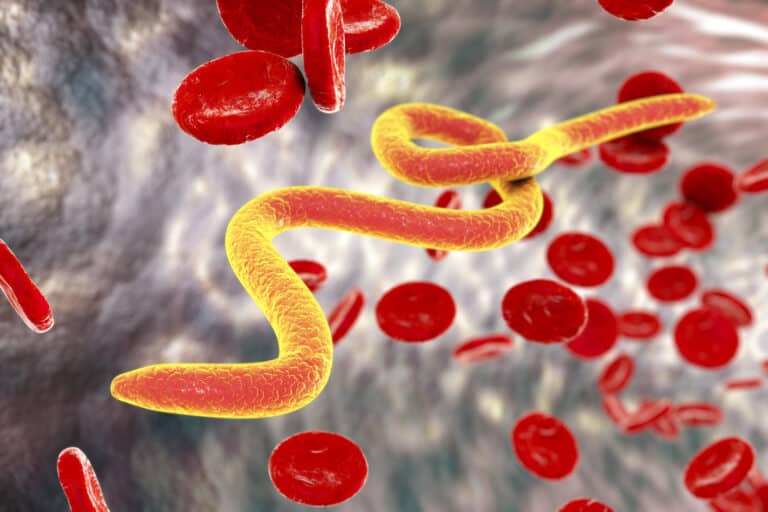
Babesiosis is caused by a microscopic parasite rather than bacteria, and the parasite infects red blood cells, much like malaria. As a result, you may experience fever, chills, sweats, fatigue, and anemia. Some people may get infected without symptoms, but others are more susceptible. This disease is particularly harmful to older adults, people with weakened immune systems, and folks without a spleen. If you fit these categories, and you’re feeling ill after coming into contact with a tick, see a doctor.
Powassan Virus Disease
One of the rarer diseases on our list, Powassan Virus Disease may not present itself every time, but in some cases it can be serious. Mild symptoms can include fever, headache, vomiting, and weakness. But things can get worse, especially in severe cases, where the virus can affect the brain and nervous system, resulting in serious symptoms, including confusion, seizures, memory problems, and difficulty speaking.
When To Take Action
Many people want to know when it’s essential to see a doctor and when they can allow the symptoms of a tick-borne illness to go away on their own. As a rule, if you know you live in an area with ticks and you are often out in the wilderness, consider going to the doctor if you feel ill after an outdoor adventure.
Some tick-borne illnesses can become dangerous if treatment is delayed. It’s not rare that someone could experience heart inflammation, chronic joint pain, organ damage, and other severe complications. Early medical attention always improves outcomes. With that said, there are certain symptoms that should never be ignored, including:
Fever – A fever lasting days after a tick bite should require attention because even a low-grade fever may signal an infection.
Expanding Rash – A growing rash around the bite site is one of the most important warning signs. Any unusual rash deserves medical attention.
Severe Headache – A persistent or intense headache following a tick bite can indicate several tick-borne illnesses.
Muscle or Joint Pain – Body aches that seem out of proportion to a typical cold may be a warning sign.
Extreme Fatigue – Feeling unusually exhausted after a recent tick bite should not be ignored. Many tick-borne illnesses cause profound fatigue.
Shortness of Breath or Chest Pain – Though uncommon, some tick-borne illnesses can affect the heart. If you experience pain, see a doctor.
Neurological Symptoms – Prolonged confusion, difficulty speaking, facial drooping, loss of coordination, and seizures all require immediate medical help.
Preventing Tick Bites
Of course, the best way to avoid any symptoms is to prevent tick bites in the first place. When you go out in the wilderness, wear protective clothing, including long sleeves and long pants. Also, tuck your pants into your socks when you hike. Finally, wear light colored clothing because it can make ticks easier to spot.
When you hike, use an EPA-approved insect repellent to significantly reduce tick bites. Always stay on trails as you walk and never go off into bushes or tall grass. Finally, during your outdoor excursions or after short walks, check all family members and pets for ticks. When you get inside, take a shower.
Stay Safe Outdoors
This guide should not deter you from going outside, but when you enjoy the great outdoors, do so with caution. With a little vigilance and knowledge, families can continue enjoying hiking trails, parks, campsites, and backyard adventures while keeping tick-borne illness risks firmly under control.