
Quick Take
- On March 4, 2026, Ecuador’s Ministry of Environment and Energy (MAE) officially recognized the Llanganates-Yasuní Altitudinal Connectivity Corridor as a special conservation area.
- This is the second wildlife corridor recognized by the Ecuador government in less than one year.
- Wildlife corridors help animals safely travel from one wilderness area to another.
- Ecuador designed this latest wildlife corridor with cooperation from NGOs, conservation groups, and private landowners.
For the second time in less than a year, Ecuador has recognized a wildlife connectivity corridor in the country. On March 4, 2026, Ecuador’s Ministry of Environment and Energy (MAE) officially recognized the Llanganates-Yasuní Altitudinal Connectivity Corridor as a special conservation area. The designation was made through Ministerial Agreement MAATE-2025-0065-A.
The newly designated wildlife corridor connects the Llanganates National Park in the Eastern Cordillera of the Andes with the Amazonian rain forests of the Yasuní Biosphere Reserve. It also recognizes the importance of biodiversity conservation and sustainable land management in Ecuador’s Andean-Amazonian region.
This formal recognition follows the 2025 designation of the Cuyabeno-Yasuní Connectivity Corridor, linking the Cuyabeno Wildlife Production Reserve to Yasuní National Park. That recognition was formalized by Ecuador’s National Environmental Authority.
What Are Wildlife Corridors?
A wildlife corridor is a pathway that connects two separated and isolated animal habitats.
As more and more roads, highways, and fences are built that criss-cross large wildlife habitats, one of the unfortunate outcomes is that areas within the larger habitat get boxed in.
The wildlife that lives there ends up unable to roam freely and without additional risks beyond the manmade borders. Wildlife corridors can be natural or manmade.
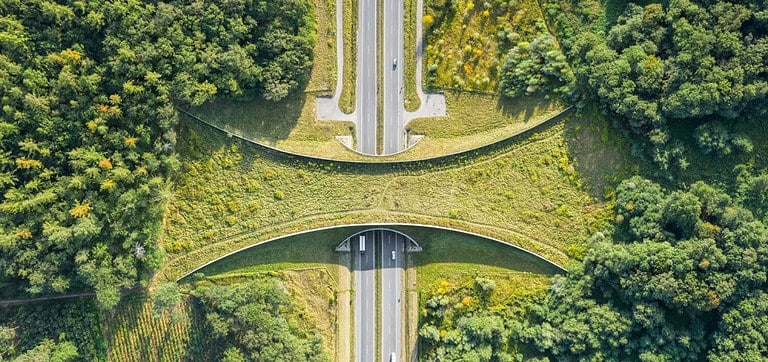
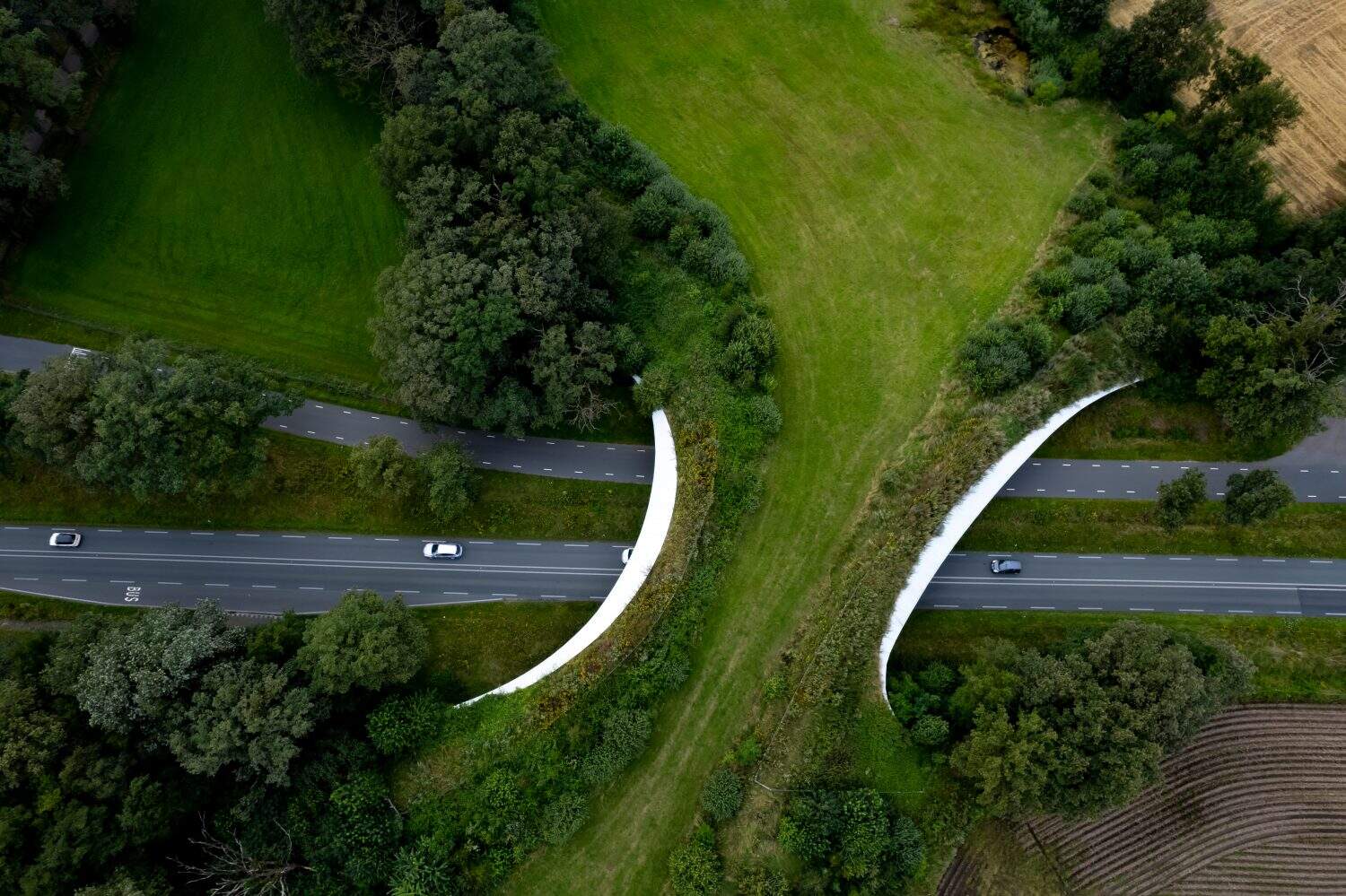
An example of a manmade wildlife corridor is the natural, grass-covered overpass built above a busy freeway. It gives wildlife a safe option to get from one side of the busy roadway to the other while minimizing risk.
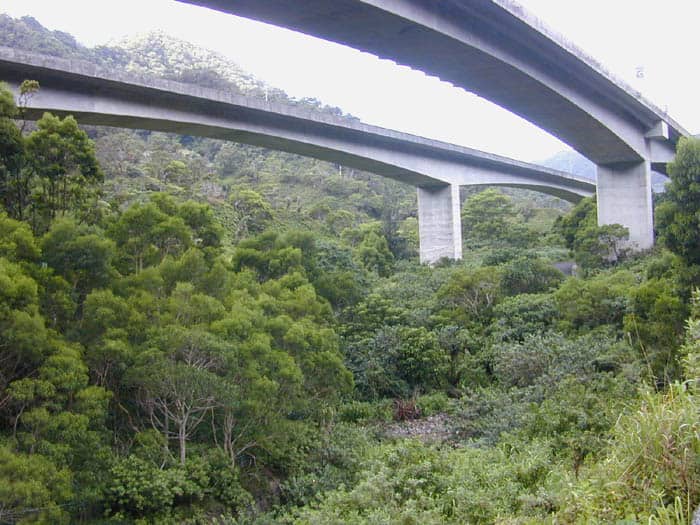
Wildlife corridors often run over or under busy highways.
©Marshman at English Wikipedia / Eric Guinther, CC BY-SA 3.0 / http://creativecommons.org/licenses/by-sa/3.0/ – Original / License
Natural wildlife corridors take things a step further. It incorporates land-management strategies that protect nature while allowing sustainable development and human occupation. The goal is to protect wildlife’s ability to transit across natural lands without a total prohibition on development.
In the case of the Llanganates-Yasuní Altitudinal Connectivity Corridor, it involves protecting natural forests currently located outside either of the already protected national parks. One way they are protecting those natural spaces is to prohibit certain development, like new farms moving onto forest land. large-scale industrial projects like open-pit mines, and the construction of new roads.
Why Are They So Important?
There are many reasons why wildlife corridors are important.
Wildlife corridors promote healthy wildlife biodiversity. When animals are trapped in a small area, they have access to a very limited breeding population. This leads to inbreeding and genetic issues. Wildlife corridors allow animals from different areas to mix, preventing these problems.
These corridors help reduce the number of vehicle-animal collisions by more than 80 percent, keeping both people and animals safer. When ecosystems are naturally connected, it also helps keep prey populations, like rodents and deer, in check, since predators can roam freely. This helps reduce the spread of Lyme disease and Chronic Wasting Disease that many prey populations carry and transmit.
Wildlife corridors, especially ones like the Llanganates-Yasuní Altitudinal Connectivity Corridor, provide an escape route for animals facing the impacts of climate change. Whether it is migration to cooler elevations or closer to abundant water sources, wildlife corridors provide the necessary access.
How Are They Implemented?
How a wildlife corridor is implemented depends a lot on where it is and what purpose it serves.
The most common corridors are the kind you see bridging wildlife areas across busy roadways. These take the cooperative efforts of governmental authorities within a specific area to build and maintain these specific structures.
For larger projects, like the Llanganates-Yasuní Altitudinal Connectivity Corridor, a collaborative approach is required that involves governments, non-governmental organizations (NGO), conservation groups, and private landowners.
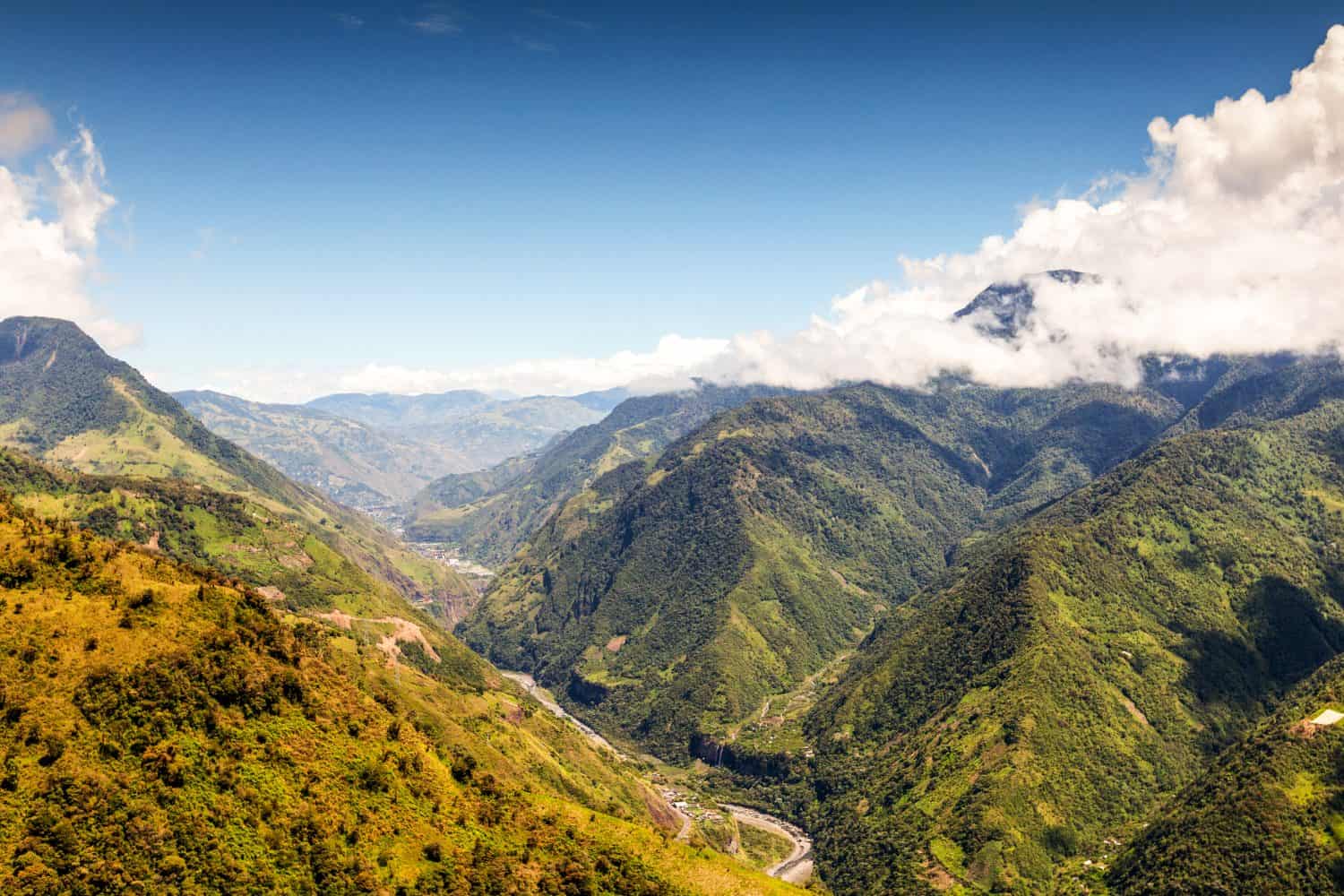
The newest wildlife corridor in Ecuador connects Llanganates National Park’s mountainous terrain with the lowland jungles of the Yasuní Biosphere Reserve.
©Ammit Jack/Shutterstock.com
This wildlife corridor was not a physical construction project, like a highway overpass might be. Instead, it was a legal and administrative process to connect individual pieces of land to create a “green bridge” that allowed for free wildlife movement between two national parks–the Llanganates high in the mountains and the Yasuní in the lower-elevation rainforests.
The Ecuadorian government recognized that there were already many people living on the lands that would be impacted by this green bridge. To respect those people’s rights to live and work, the government labeled the impacted lands as a Special Conservation Area. This meant that the people already there could keep farming, but with some restrictions, such as not clear-cutting forests or shooting wildlife that transits through the area.
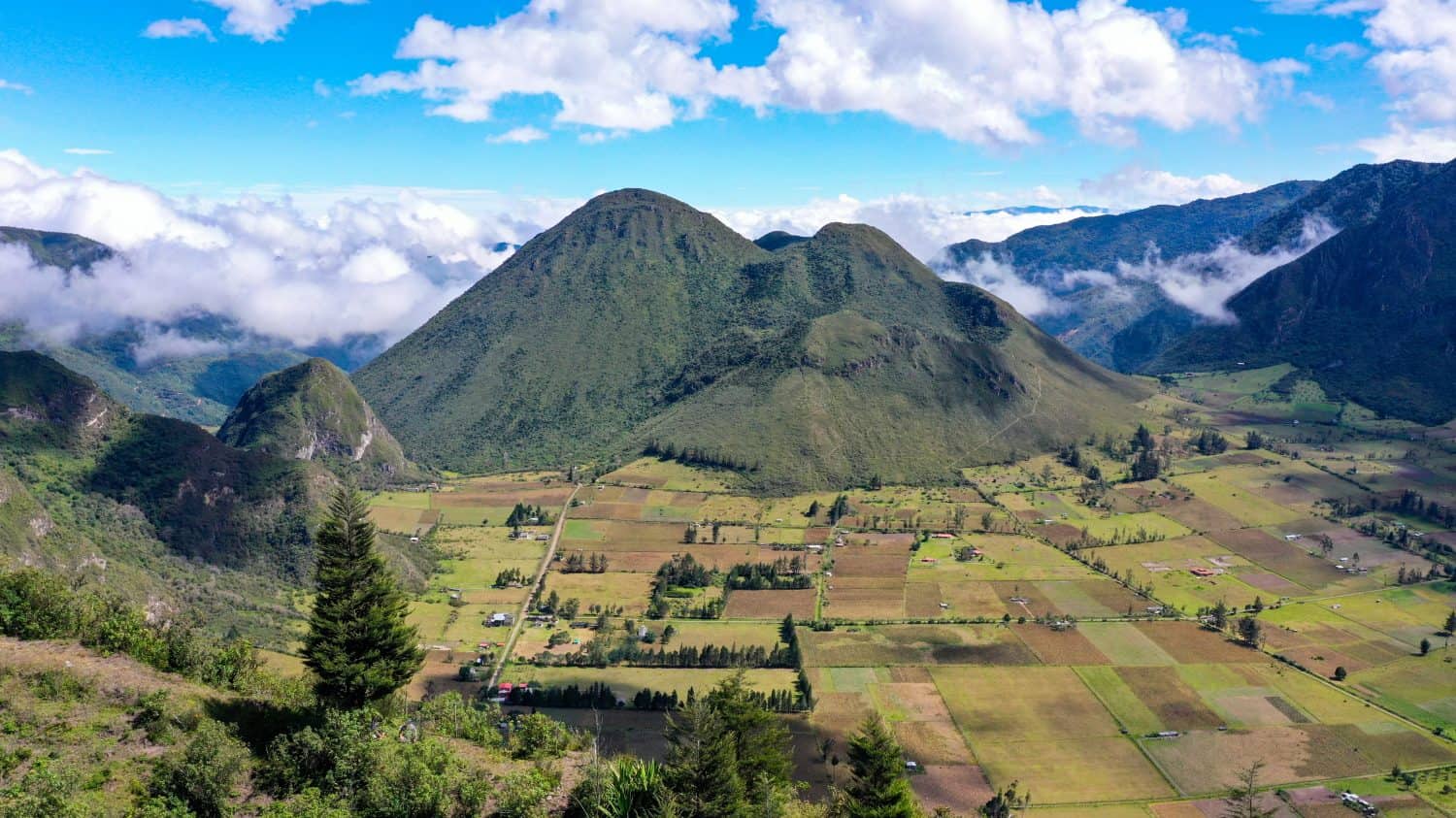
Protections were granted for people already living in the wildlife corridor, allowing them to continue farming with some restrictions.
©The Circus Balloon/Shutterstock.com
The team developing the wildlife corridor selected the lands by creating heat maps showing where wildlife most often traveled. They fitted GPS collars on animals and set up motion-sensor cameras to determine natural paths. They also considered the ease of movement for individual species. Combining all this data, they mapped out corridor boundaries that covered the easiest paths for animals to travel between the mountains and the jungle.
What Makes a Wildlife Corridor Effective?
Designing an effective wildlife corridor takes more than guesswork. An effective wildlife corridor has to appeal to the animals that will use it. This includes:
- An uninterrupted connection between two valuable wildlife areas, like the two national parks in Ecuador. There shouldn’t be any gaps where wildlife has to figure out how to make it to the next protected area.
- A width and location that appeals to wildlife. The best corridors offer a wide expanse of quiet, dark habitats in the middle of the area that helps transiting animals feel safe.
- Amenities the wildlife needs. There should be access to natural food and water, plus places for animals to rest and sleep securely. Animals shouldn’t view a corridor as a place where they need to run for their lives to get through.
- Paths away from human existence. Wildlife should be protected, as much as possible, from human interactions or development.
- Safety along busy areas. This is where highway overpasses/underpasses come in. Even the most thoughtfully designed wildlife corridors eventually come up against manmade developments, like highways. Providing ways for animals to safely cross is essential to corridor success.