Known for their fun-loving and goofy nature, there are many things to love about the endearing Boston Terrier. Affectionate and energetic, these compact little dogs make exceptional family pets. However, that isn’t to say that owning a Boston Terrier is right for everyone. There are some downsides to this American-bred pet. Read on to discover the eight most common complaints about Boston Terriers.
1. Breathing Problems
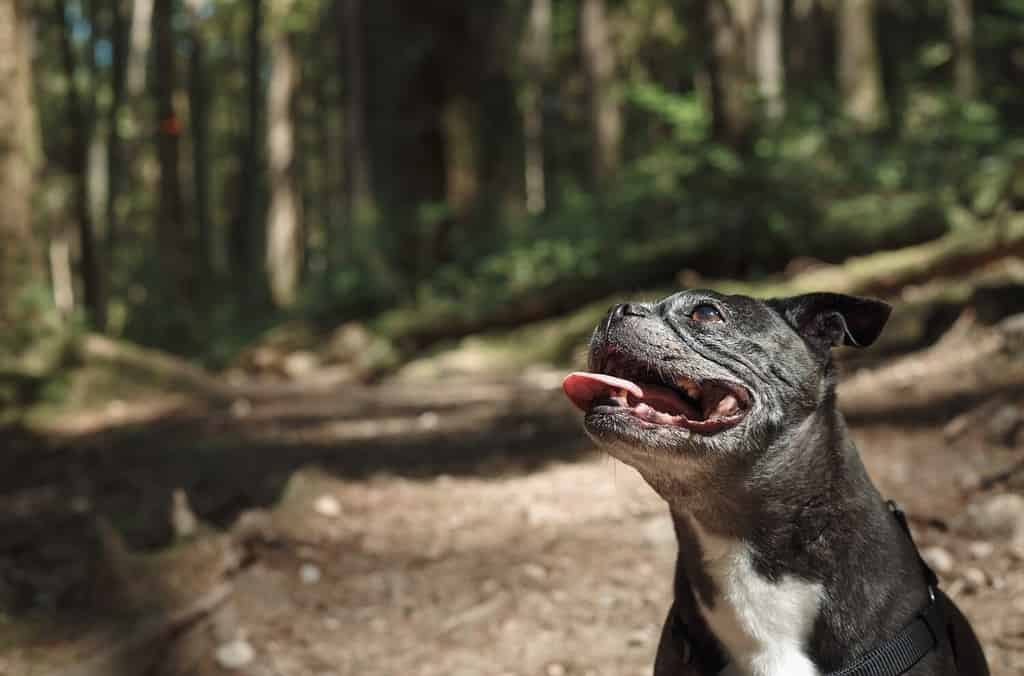
Boston Terriers are a brachycephalic breed and can suffer from breathing problems.
©sophiecat/Shutterstock.com
One common complaint about Boston Terriers is their tendency to suffer from breathing problems. They are a brachycephalic breed, meaning they have flat faces. Other brachycephalic dogs include pugs, bulldogs, and boxers. Although the smushed, wrinkly faces may be adorable, they can cause considerable health issues for the dog.
Brachycephalic dogs have smaller skull bones than those of other breeds. This causes upper airway abnormalities leading to Brachycephalic Obstructive Airway Syndrome (BOAS). These dogs suffer from breathing problems and are known for their characteristically loud snuffling, snorting, and snoring.
To protect your Boston Terrier, or other short-faced dog, use a harness for walks rather than a collar. Collars can pull on their larynx, restricting their breathing. It’s also good to keep your Boston Terrier at a healthy weight. Obesity can make breathing problems worse.
2. Other Health Issues

Boston Terriers are known to suffer from several common health issues.
©bubutu/Shutterstock.com
Aside from breathing issues, Boston Terriers are known to suffer from other common health issues, including:
- Patellar Luxation (slipped knee cap)
- Eye Injuries (cataracts, corneal ulcers, dry eye, glaucoma)
- Hemivertebrae (improperly shaped vertebrae in the spinal column)
- Skin Allergies
- Heart Disease
- Epilepsy
- Deafness
You can help your Boston Terrier avoid eye injuries by not letting him stick his head out of the car window, as many injuries occur this way. If you notice a problem with your dog’s eye, get him to the veterinarian immediately. You can also keep your Boston Terrier as healthy as possible by ensuring he gets exercise, good quality food, and maintains a healthy weight.
3. Stubborn Personalities
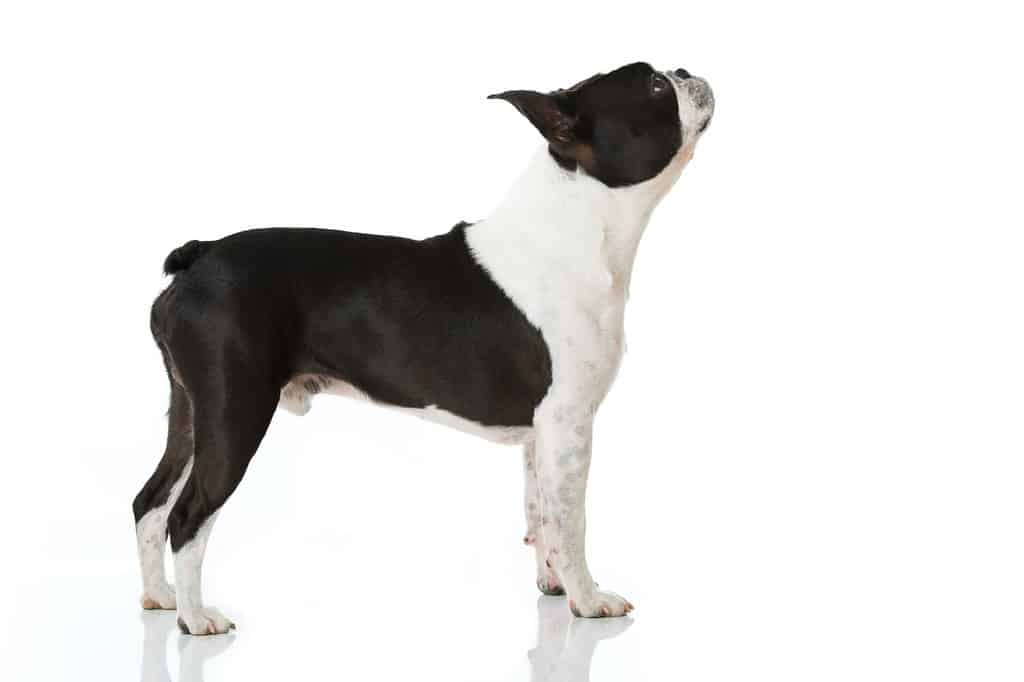
Boston Terriers are known to be highly intelligent, yet somewhat stubborn.
©Dora Zett/Shutterstock.com
Another common complaint of this fun-loving and intelligent breed is its reputation for stubbornness. Although the breed is known as the “American Gentlemen,” Boston Terriers have a stubborn streak. Perhaps due to their intelligence, combined with their clownish personalities, these dogs may not readily obey their owners. Dog trainers recommend starting training early for Boston Terrier puppies.
4. Slow to Housebreak
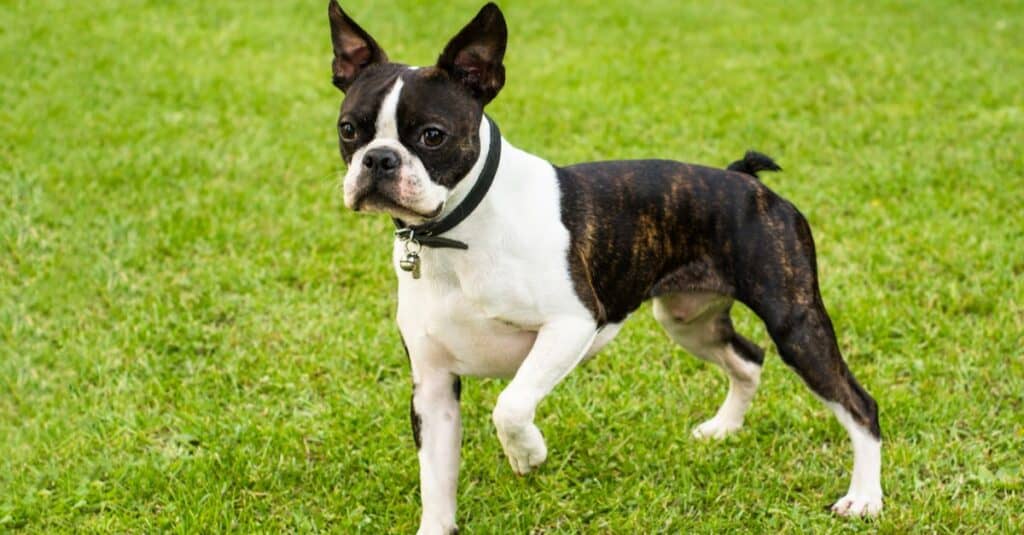
Boston Terriers may be slow to housebreak.
©Lenka_N/Shutterstock.com
Perhaps due to the issue we just discussed of stubbornness, Boston Terriers are notoriously slow to housebreak. To help with this common complaint, dog experts recommend remaining patient and consistent when house training your dog. Be sure to take your puppy out after meals, playing, or napping, and offer lots of praise for going outside.
5. Allergies (Food and Skin)
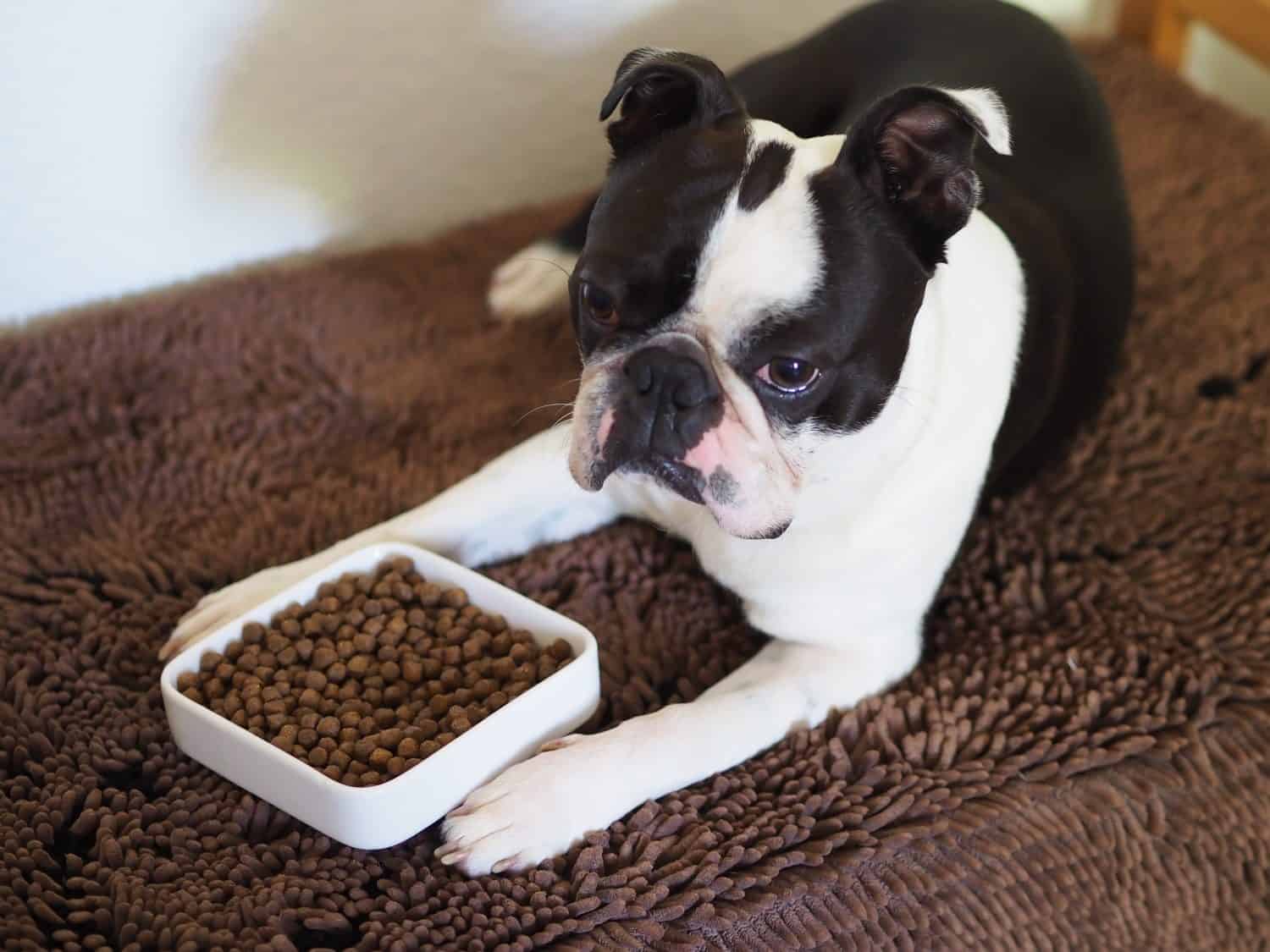
It’s important to feed your Boston Terrier high-quality food.
©Jaja Fekiacova/Shutterstock.com
Boston Terriers are prone to both food intolerances and skin allergies. Food allergies can appear as either gut issues (vomiting and diarrhea) or itchy skin. Corn, soy, and gluten are common culprits of these allergies. Owners can work with their vets to determine the best diet for their pups when they suffer from food allergy symptoms.
6. Gassiness
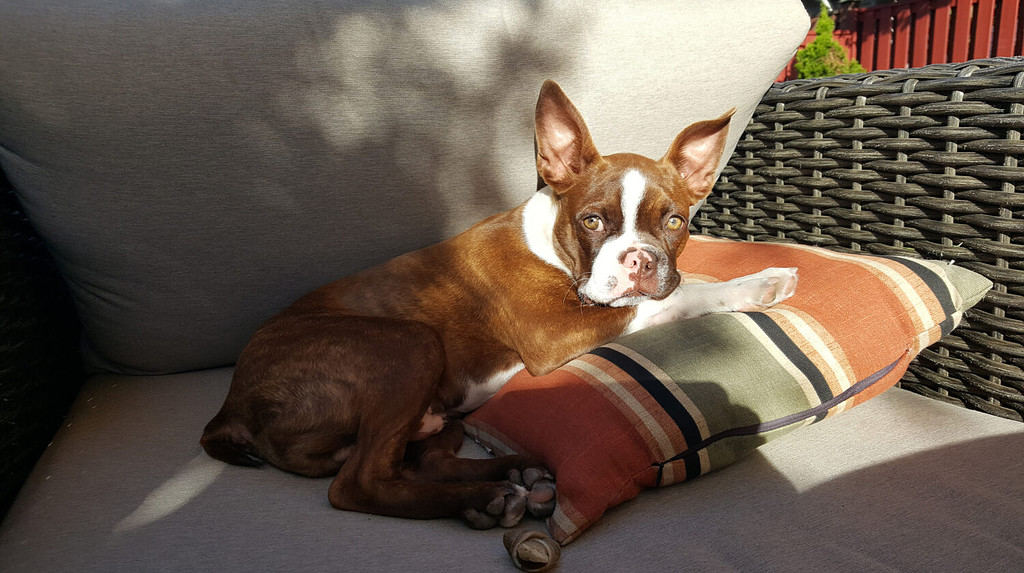
Boston Terriers tend to experience excessive flatulence.
©Mark Stephen Spiteri/Shutterstock.com
Due to their short noses, and sensitive stomachs, Boston Terriers can be rather gassy. However, feeding your pup a well-balanced, high-quality diet should help with this problem. You may need some patience experimenting with which food ingredients agree with your dog’s digestive system, and which create more flatulence.
7. Can’t Tolerate Extreme Temperatures
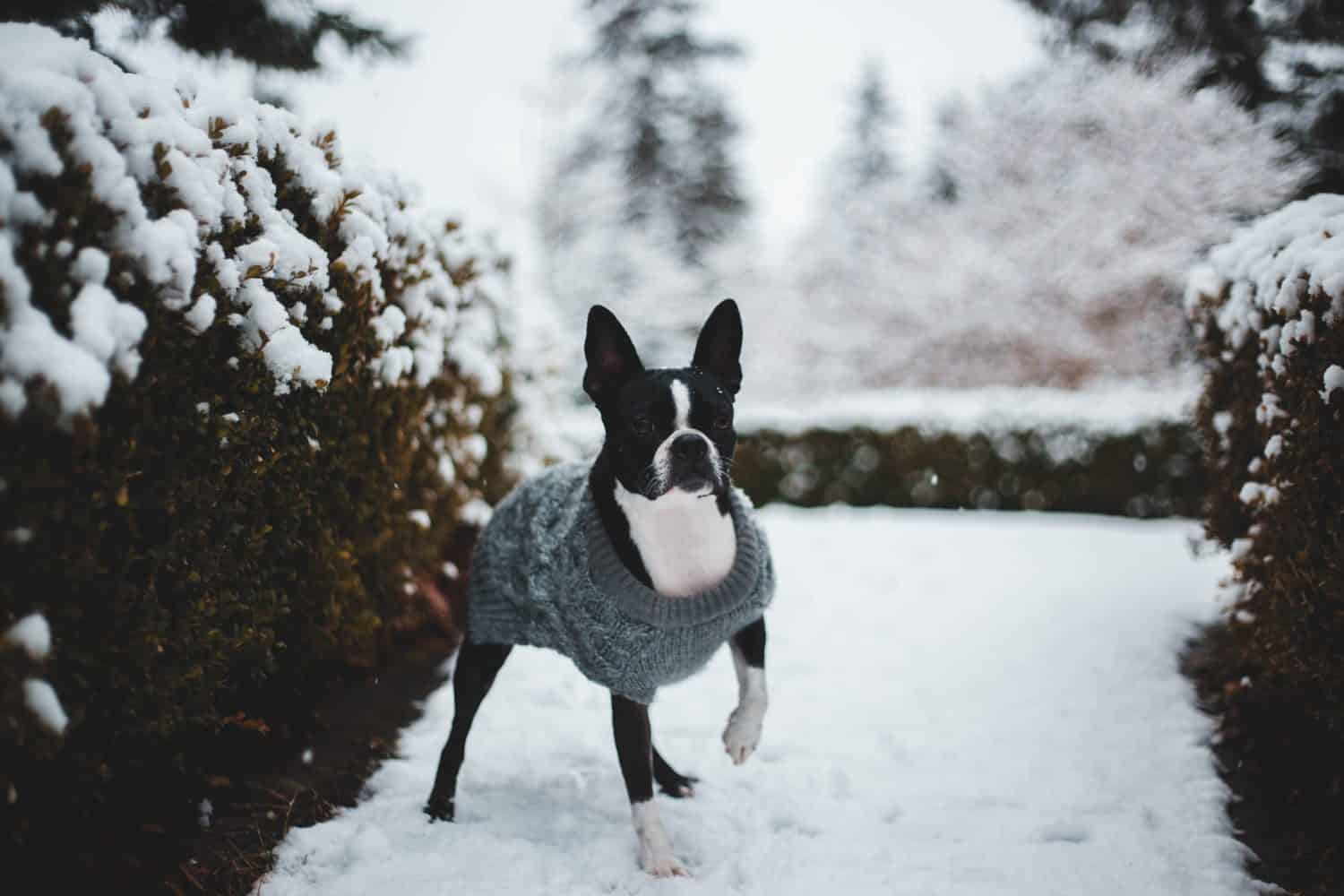
Boston Terriers should not be kept outside for long during extreme heat or cold.
©Introspective Design/Shutterstock.com
Because of their short noses, breathing issues, and short coats of fur, these little bundles of energy can’t tolerate hot or cold weather. Hot weather will leave them panting and struggling to breathe, and they don’t have thick enough fur coats to keep them warm in the winter. You can help your Boston Terrier by walking them in the morning or evening during summer when temperatures are hot. Also, consider `bringing portable water bowls on your walks. In the winter, these little dogs may need sweaters, coats, or boots to protect their paws.
8. Velcro Dogs
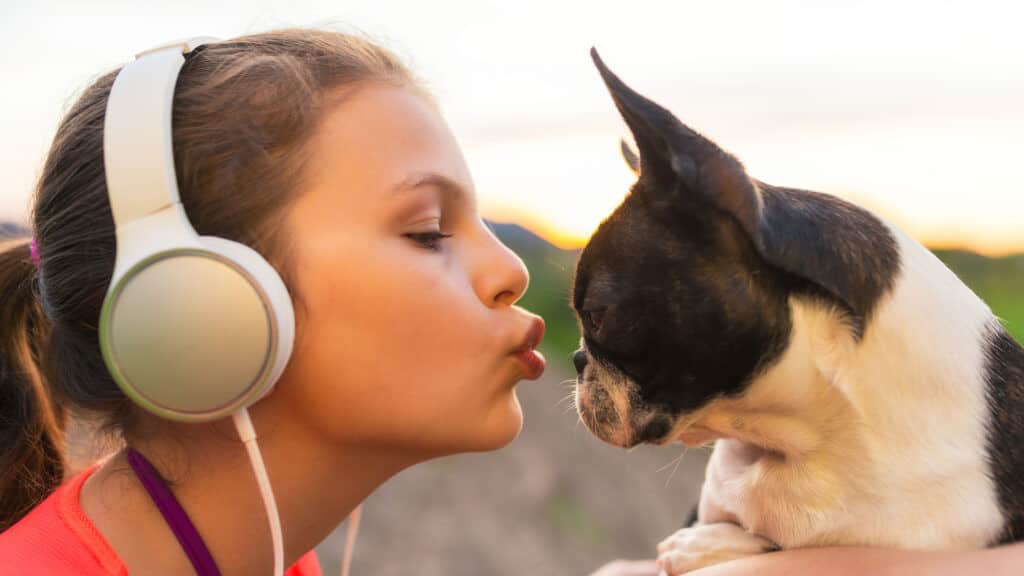
Extremely loyal and loving, a Boston Terrier may shadow his owner at all times.
©iStock.com/Wojciech Kozielczyk
This last common complaint of Boston Terriers may be a positive or a negative depending on your lifestyle. Although Boston Terriers can tolerate being left alone during the day, when you arrive home they tend to stick like glue. Also known as velcro dogs, this type of dog follows their person around like a shadow. Boston Terriers are prone to deep love and loyalty for their owners, and they want to be nearby at all times.
Summary of 8 Common Complaints About Boston Terriers
| Number | Complaint |
|---|---|
| 1 | Breathing Problems |
| 2 | Other Health Issues |
| 3 | Stubborn Personalities |
| 4 | Slow to Housebreak |
| 5 | Allergies (Food and Skin) |
| 6 | Gassiness |
| 7 | Can’t Tolerate Extreme Temperatures |
| 8 | Velcro Dogs |