
Canine lymphoma is the most commonly diagnosed cancer in dogs. This is why November 7th has been designated as National Canine Lymphoma Awareness Day. This day was created in 2015 by Terry Simmons, a dog agility trainer, whose dog was diagnosed with lymphoma. At the time, there was very little information about lymphoma. Simmons wanted to change this, and now a day exists to educate dog owners about the signs and symptoms of lymphoma, as well as why early detection is so important.
We spoke with a veterinarian to answer some of the most common questions dog owners have when their pets receive this diagnosis.
What Is Canine Lymphoma?

Canine lymphoma is a cancer that can attack multiple major body systems.
©DenzelMedia/Shutterstock.com
Canine lymphoma is a group of cancers that attack the lymph nodes and the lymphatic system. In total, 30 types of cancer are included in lymphoma diagnoses. Depending on the specific cancer, life expectancy and aggressiveness vary.
The major categories of lymphoma are broken into the following:
| Type of Lymphoma | Description |
| Multicentric lymphoma | The majority of the cases. Lymph nodes are affected, and because there is no pain in the lymph nodes, early detection of the cancer is difficult to do. |
| Alimentary lymphoma | Lymphoma affects the intestines. Makes up approximately 10% of the lymphoma cases. |
| Mediastinal lymphoma | The majority of the cases. Lymph nodes are affected, and because there is no pain to the lymph nodes, early detection of the cancer is difficult to do. |
| Extranodal lymphoma | Skin is affected by the lymphoma, with multiple raised lesions being the first sign of the cancer. |
| B-cell lymphoma | The thymus (located in the upper chest) is affected by the lymphoma. |
| T-cell lymphoma | A minority of lymphoma cases are categorized as T-cell lymphoma. It is also the type with the poorest survival outcomes. T-cell lymphoma affects the skin, GI tract, liver, spleen, intestines, kidneys, and bone marrow. |
Lymphoma is one of the most common cancers dogs develop, according to Dr. Michael Salkin, DVM, a veterinarian with 53 years of experience with canine, feline, avian, rodent, and rabbit medicine and surgery. However, the number of canines diagnosed with lymphoma is smaller than most would imagine.
“For the most common (multicentric/arising in many areas of the body) lymphoma, there is an incidence of 24 to 114 cases (pick your study) per 100,000 dogs,” Dr. Salkin explains to A-Z Animals.
Put into percentages for all types of lymphoma, that equates to seven to 24% of cancer cases diagnosed.
It can be challenging to diagnose dogs early on with lymphoma because there are no symptoms until the cancer begins to spread. However, there are several tell-tale signs that a dog is battling cancer, which should not be ignored.
Signs That Dogs Have Canine Lymphoma

Not eating, weight loss, vomiting, difficulty breathing, and fever are just some of the symptoms dogs have who have developed lymphoma.
©MVolodymyr/Shutterstock.com
For each type of lymphoma, dogs may have different signs and symptoms. However, according to Dr. Salkin, some general symptoms are the same across the board. Therefore, if a dog experiences these for any period of time, a visit to a vet is warranted.
“Generalized lymphadenopathy (enlargement of lymph nodes), and nonspecific signs such as anorexia, weight loss, vomiting, diarrhea, dyspnea (difficulty breathing), fever, or polyuria (increased volume of urine) are the chief complaints,” Dr. Salkin tells A-Z Animals.
For the latter, polyuria goes hand in hand with increased thirst, leading to greater water consumption.
While these signs could be indicative of other health issues, they are all signs of something wrong with a dog’s health. This is why not only are regular checkups recommended for dogs, but also not letting symptoms persist for long without treatment, as it will only make the situation worse, not better, for the affected dogs.
Dogs at Higher Risk for Lymphoma
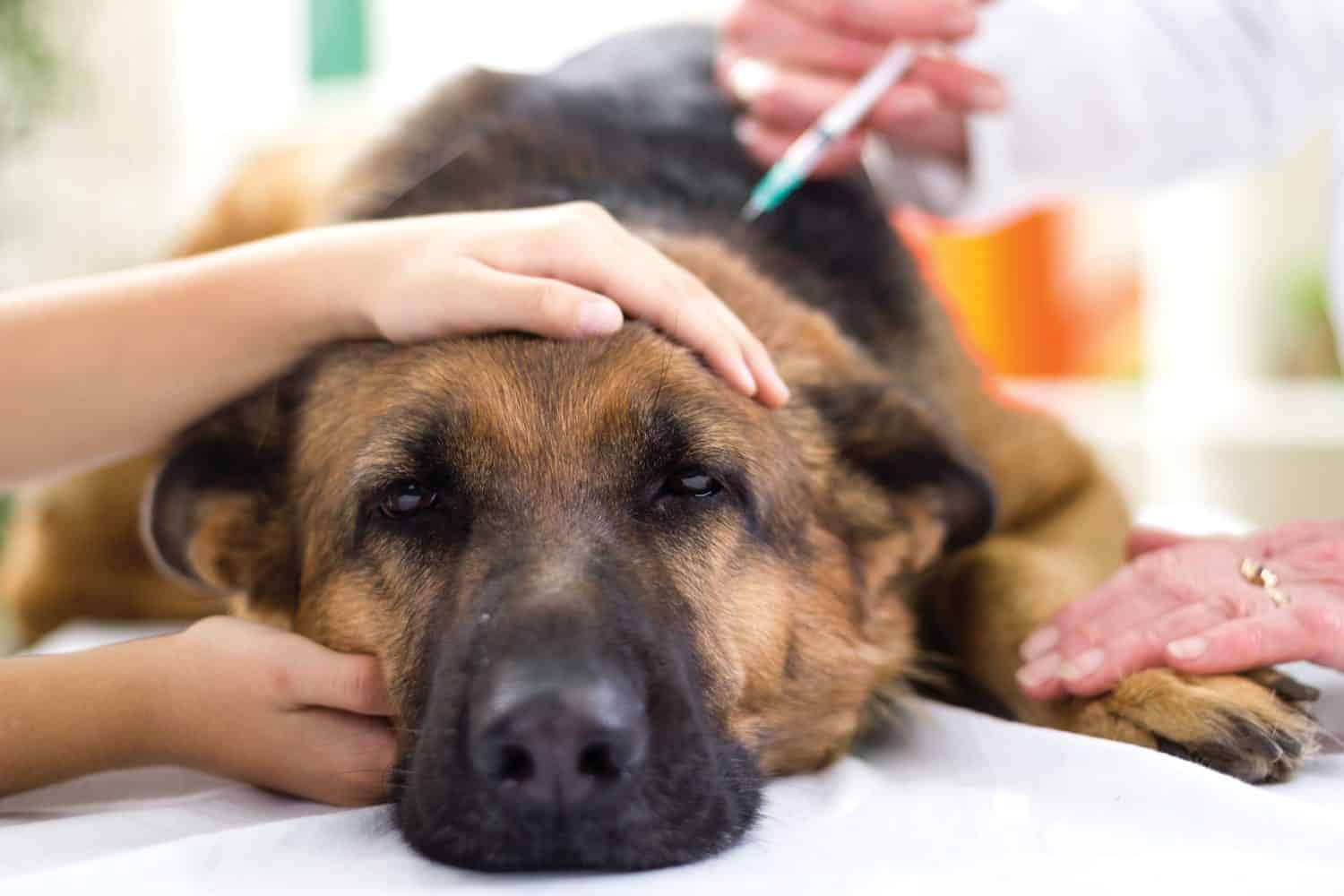
German shepherds are one breed of dog that has a higher odds of developing lymphoma.
©VP Photo Studio/Shutterstock.com
Believe it or not, some dogs are more prone to developing canine lymphoma than others. By having the knowledge of which breeds are the most likely to be affected by the cancer, the signs and symptoms may be more easily discovered, and treatment can begin earlier for the best possible outcome for the dogs.
According to Dr. Salkin, the breeds of dogs that are most likely to be diagnosed with canine lymphoma include:
- Golden retrievers
- Boxers
- Cocker spaniels
- Rottweilers
- Scottish terriers
- Basset hounds
- German shepherds
Given that some of these dogs are among the most popular breeds in the United States, the unfortunate truth is that canine lymphoma may afflict a beloved furry family member of many. But there are treatments and medical advances that not only extend but also improve dogs’ quality of life after a lymphoma diagnosis.
Treatments and New Advances to Fight Canine Lymphoma
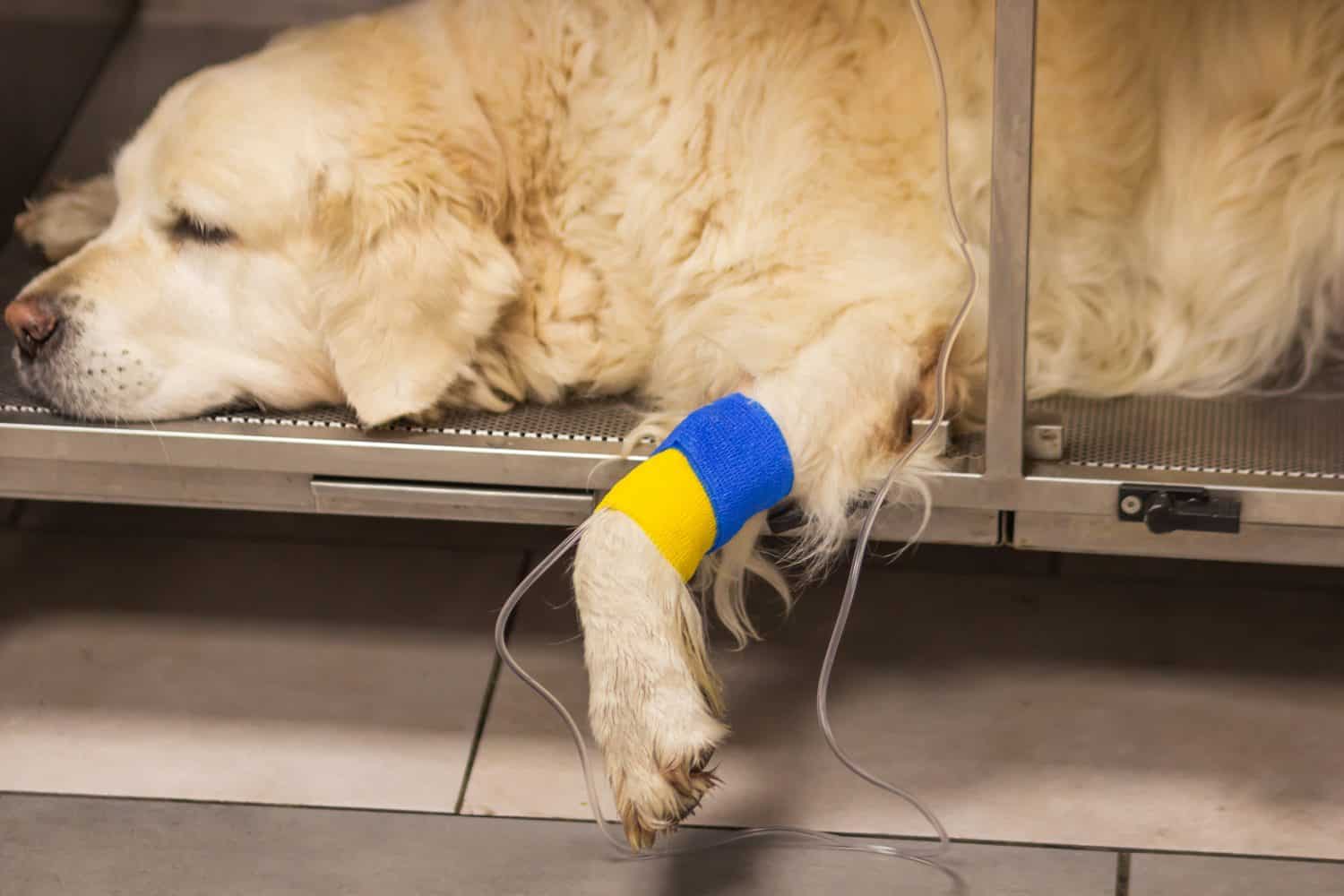
Chemotherapy is the most common and effective treatment for dogs with lymphoma.
©Kseniia Titova/Shutterstock.com
With lymphoma being the most common type of cancer that dogs are diagnosed with, there are standard therapies recommended to battle the cancer. There have been advances in the veterinary field that can extend dogs’ lives without causing their quality of life to suffer, or, in some instances, put dogs into remission.
“Chemotherapy remains the standard of care, but the chemotherapeutic drugs vary from case to case,” Dr. Salkin explains to A-Z Animals. “Ongoing studies have utilized newer markers that we can identify in our lymphoma patients. That, then, directs more specific chemotherapy.”
Dr. Salkin continues, saying, “Half-body radiation therapy and bone marrow transplantation are less commonly used treatment modalities.” With that said, however, they are utilized if the lymphoma case calls for these treatments.
When treatments are administered to dogs, some respond better than others. Knowing which dogs respond best can help dog owners make informed choices about treatment and have realistic expectations for their fur babies’ outcomes.
Treatment Response and Average Life Expectancy
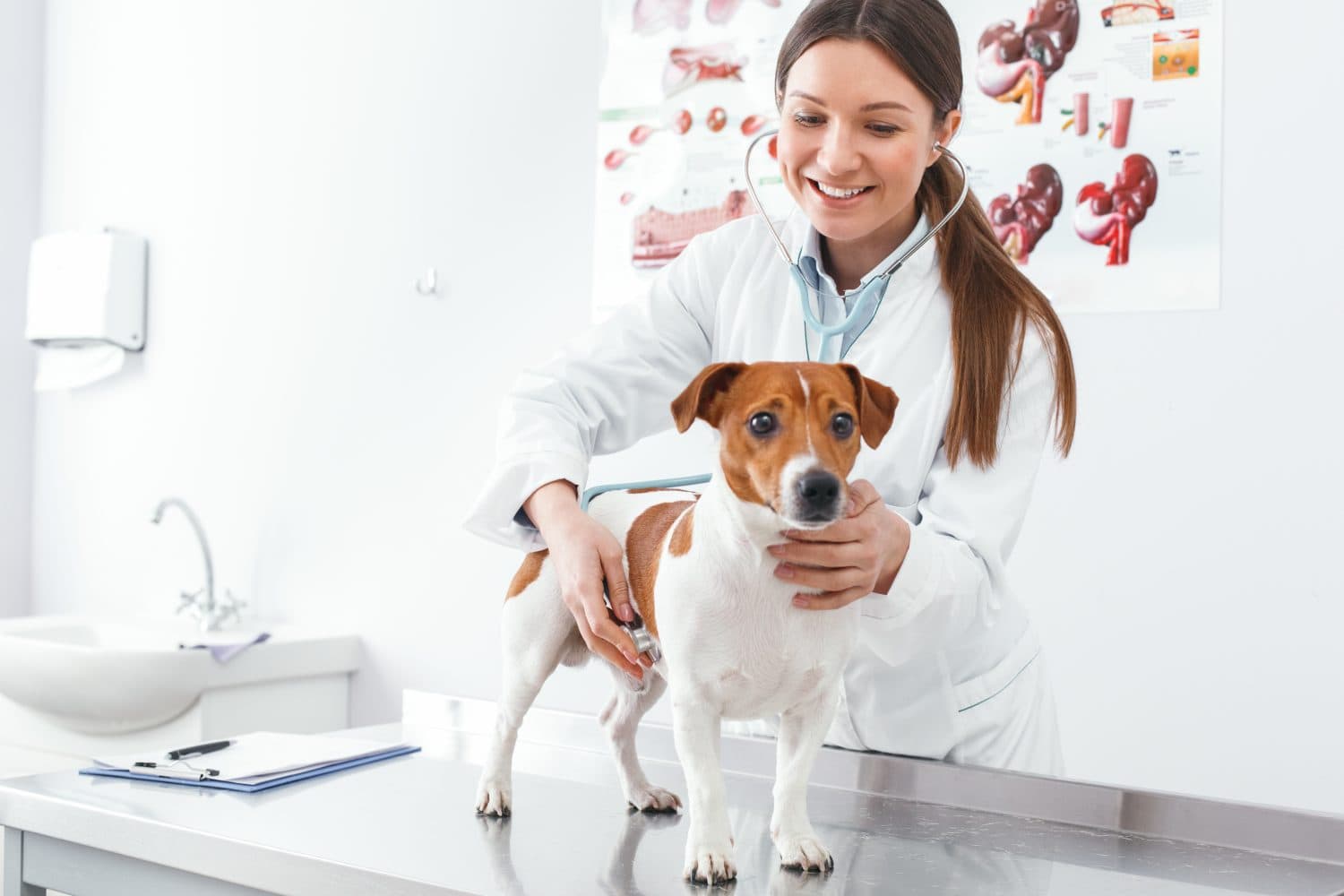
Small dogs whose major body systems have not been affected by lymphoma have the best chance of survival.
©Viktoriia Hnatiuk/Shutterstock.com
Receiving a diagnosis of lymphoma is something that no dog owner wants. Once the diagnosis is given, however, there will be a life expectancy given based on a multitude of factors outside of the type of lymphoma affecting the dog.
“There are many factors that may help predict an individual’s response to treatment,” Dr. Salkin says. Some of those factors include:
- Prognosis is better for females than for males
- Better for small dogs than large dogs
- Histologic grade of the lymphoma
- Where the lymphoma is in the body
- Numerous serum makers, including hypercalcemia
In summary, small female dogs with B-cell lymphoma that has not invaded a major organ will fare better than large male dogs with T-cell lymphoma that has spread to major body systems.
“Average survival time from diagnosis ranges from 6-11 months with wide variability,” Dr. Salkin says.
What Owners Can Do to Decrease the Odds of Developing Lymphoma

Dogs that are in industrial areas and exposed to toxins have shown higher rates of lymphoma than dogs that have access to green areas and no toxin exposure.
©Olya_m/Shutterstock.com
Given that lymphoma is the most common type of cancer dogs will be diagnosed with, pet owners want to know if there is anything they can do to decrease the chances their dogs will develop it. Dr. Salkin says that there are no confirmed ways to decrease the odds of developing lymphoma, but there are some associations with toxins that have increased the probability of cancer in dogs.
“There’s a reported association with 2.4-D herbicide, electromagnetic radiation exposure, residing in industrial areas, and use of paints or solvents used by caretakers,” Dr. Salkin explains to A-Z Animals. In addition to those toxins, Dr. Salkin says, hazardous waste emissions and secondhand smoke also increase the odds of dogs developing lymphoma.
Therefore, just as with people, the best way to keep dogs from developing cancer is to avoid hazardous materials whenever possible. Even in more industrial areas, giving dogs access to green spaces to play, explore, and breathe fresh air can benefit their health, even if it does not completely eliminate the risk of lymphoma.
There are many factors that may help predict an individual’s response to treatment.
Dr. Michael Salkin, DVM
What to Do When Treatment Is Not Working

If dogs are not responding to treatment, it may be time to say goodbye.
©SvetikovaV/Shutterstock.com
Unfortunately, not all dogs will respond to treatment, and their health will decline. When this happens, Dr. Salkin says dog owners will have to make some difficult decisions about the future of their beloved pet.
“When it’s apparent that my patient’s quality of life isn’t acceptable to my patient or caretaker, it’s time to consider having the final kindness performed,” Dr. Salkin explains.
Lymphoma can affect dogs of any age. However, it is most common in middle-aged dogs aged six to nine years. Cancer often shortens the lifespan of dogs, making it more difficult to say goodbye to a furry friend than if they lived a long life full of adventure. The best thing dog owners can do when this time comes is to be with their pet so he or she is not alone.
While it is hard to be there when the final breath is taken, the last thing dog owners want is their family dog being scared in their final moments. Instead, allowing them to leave the world peacefully, free from pain, is the greatest gift dog owners can give to their pets, who have brought so much love and joy to their lives.