
Quick Take
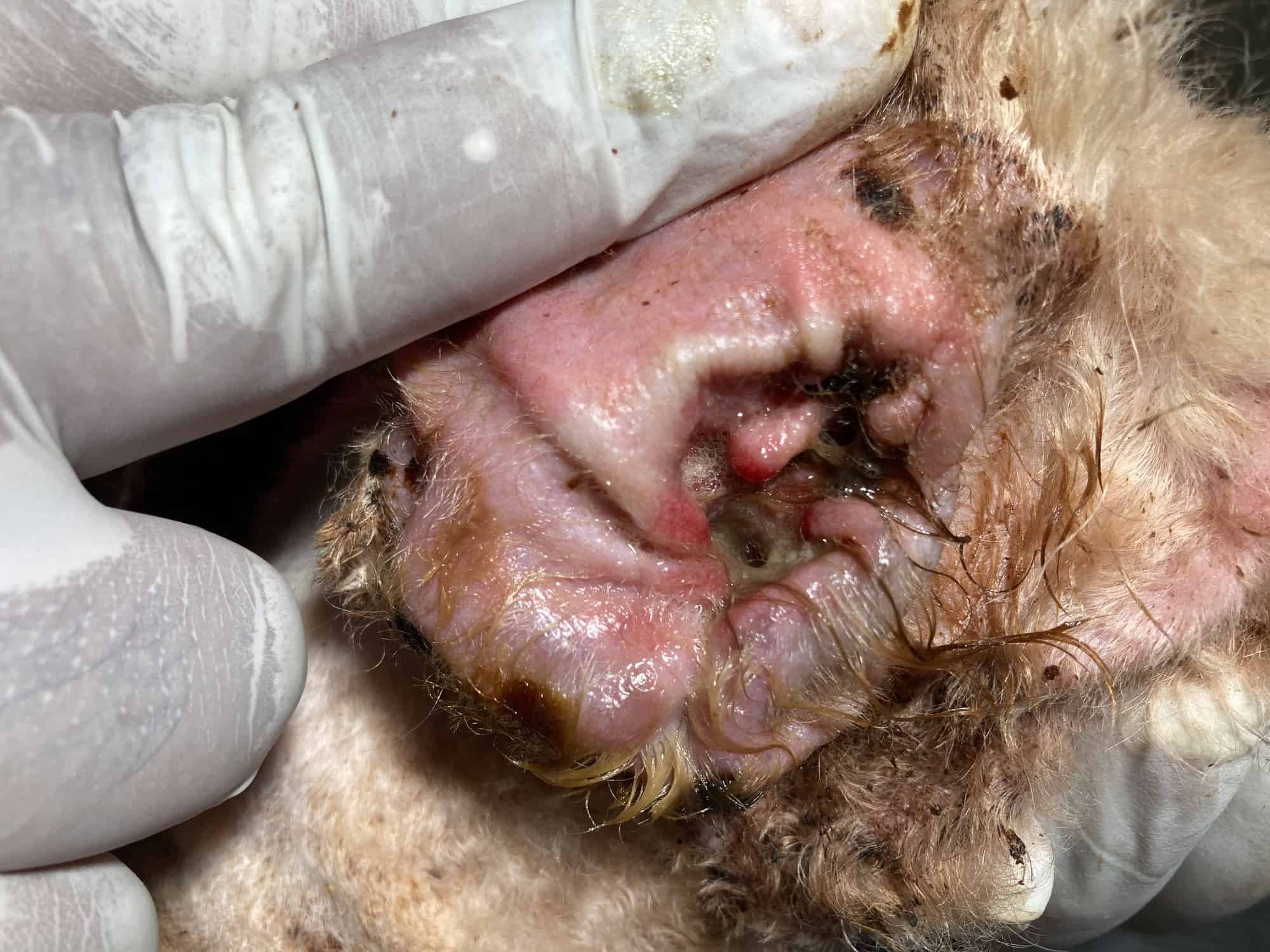
- Most canine ear infections affect the ear canal (otitis externa) and are caused by bacteria or yeast in a warm, moist environment.
- Pendulous ears increase infection risk; a 2021 UK study found basset hounds most likely, while chihuahuas and border collies were less affected.
- Prevention relies on keeping ears dry and ventilated, managing allergies and ear mites, and avoiding home remedies that irritate the canal.
Have you noticed your dog is shaking their head or itching their ear excessively? This may be a sign of an ear infection; sadly, it is a common ailment in our four-legged friends. In fact, a study of the UK pet dog population showed that 7.3 percent—or about one in 14—of them will get an ear infection each year. Here we will look at what causes canine ear infections, the risk factors that make them more likely, and the breeds of dogs most often afflicted. We will also provide some tips on how to prevent them, the truth about at-home treatments, as well as advice on when you should see your vet.
Dog Ear Structure and Function
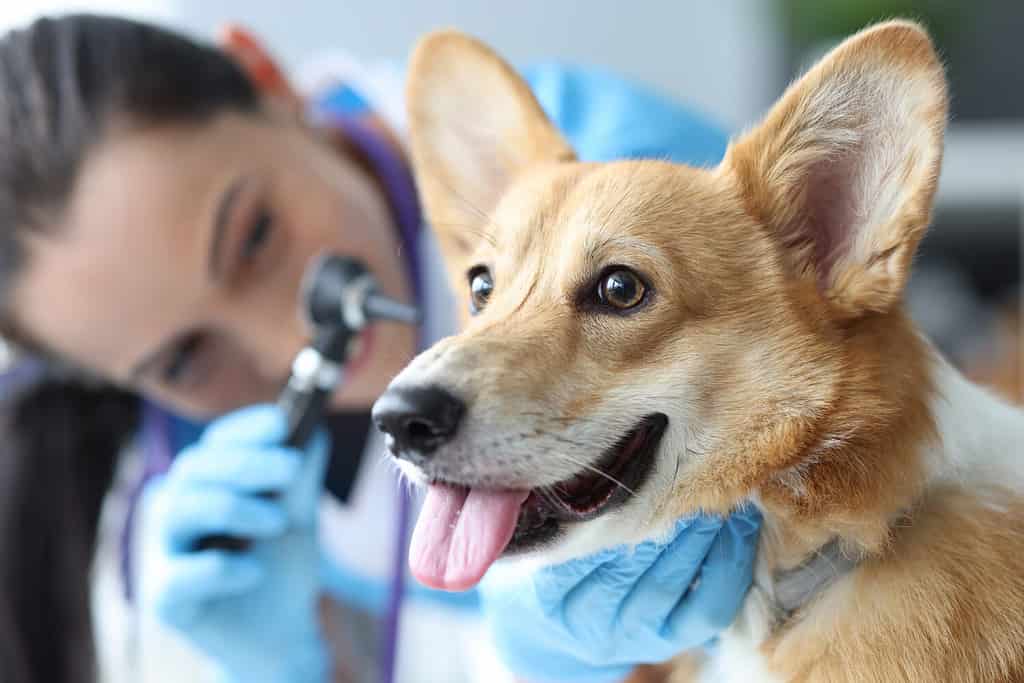
Dog ears are not easy to examine.
©megaflopp/Shutterstock.com
Dogs have very sensitive hearing and can hear around four times better than humans. Let’s start by looking at the structure of the canine ear. The flap that you can see is called the pinna. These can be upright like those of a German shepherd or pendulous (floppy) like a spaniel. They are made up of cartilage, skin, and hair. Their purpose is to capture the vibrations in the air that make up sound waves. Then, they funnel them toward the ear canal. Dog pinnae are mobile and can move independently of each other.
The tube leading from the outer ear to the middle ear is called the ear canal. In dogs, the ear canal is much longer than in humans and makes an almost 90-degree bend as it goes deeper into the ear, making it very difficult to examine. A thin membrane called the eardrum separates the outer and middle ear. The middle ear is an air-filled chamber containing three tiny bones and muscles. Finally, the inner ear contains the cochlea, which is the spiral-shaped organ that senses sound.
What Causes Ear Infections in Dogs?
The most common part of the ear to become infected is the ear canal. An infection here is called otitis externa. The cells lining the ear canal become inflamed, and this can be acute or chronic. In chronic infections, there can be an increase in cerumen (wax) production, and this alters the humidity and pH of the canal, making a secondary infection more likely.
Many otitis media cases are caused by bacteria, especially Staphylococcus spp., but other bacterial species, such as Streptococcus and Pseudomonas, can also be to blame. A yeast species called Malassezia also commonly causes ear infections in dogs. The ear canal is an ideal environment for these microorganisms to thrive. It is warm, moist, and has a plentiful supply of nutrients for them. The bent shape of a dog’s ear canal also makes it easier for moisture and dirt to get stuck.
Which Breeds Have the Most Ear Infections?
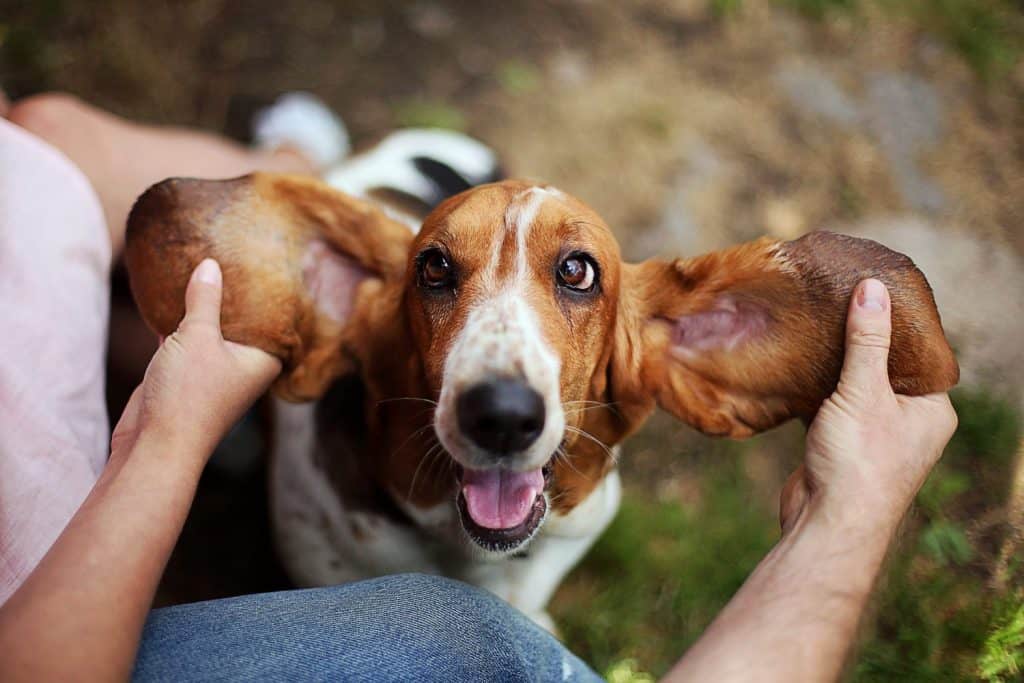
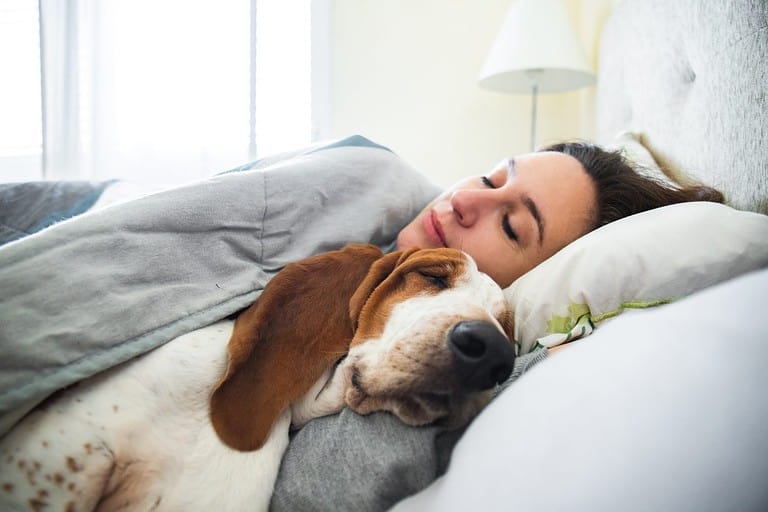
Basset Hounds have very pendulous ears.
©Siberian spring/Shutterstock.com
Vets and dog owners know that those breeds with droopy (pendulous) ears are more likely to get an ear infection. This makes perfect biological sense. The ear flops down over the opening to the ear canal, allowing moisture and dirt containing potential pathogens to accumulate.
A UK study published in 2021 supported these observations. The study showed that the breed most likely to have an ear infection was the basset hound. It was followed by the Chinese shar pei, labradoodle, beagle, and golden retriever. The breeds that were least likely to have one were the Chihuahua, Border Collie, Yorkshire Terrier, and Jack Russell Terrier. Unsurprisingly, breeds with pendulous ears had 1.76 times the odds of developing an ear infection, and breeds with V-shaped drop ear carriage (including Golden Retrievers) had 1.84 times the odds.
Other Predisposing Factors
In addition to breed, there are some other factors that make a dog more likely to have an ear infection. Some of these, such as regular swimming, are related to lifestyle. Others include how hairy the ears are and if the dog has excessive wax production.
A few conditions can predispose dogs to ear infections by altering the normal microflora within the canal. These include foreign bodies in the ear (which should always be checked for if you suspect an ear infection), parasites such as ear mites, and immune-mediated disorders.
The Role of Allergies
Many dogs with chronic or recurrent ear infections actually have an allergy.
Allergies often cause red and itchy ears in dogs, and as the natural defenses of the skin are compromised, infections can set in. These can spread into the ear canal. Your vet will work with you to figure out what your dog is allergic to. It can be something in the environment, such as pollen or something in their diet.
Preventing Ear Infections in Dogs
The best way to prevent ear infections in dogs is to remove or at least limit the factors that cause them. Start by addressing any underlying issues that could predispose your dog to an ear infection. Checking for allergies and ear mites is a typical example.
Then, your aim should be to keep your dog’s ear canal as dry and well-ventilated as possible and to prevent dirt from accumulating. When the ear canals are wet, the lining is softened and more likely to support an infection. Your vet can advise the best way to do this for your dog.
Some owners successfully remove moisture from their dog’s ear by using over-the-counter drying agents, which contain products such as isopropyl alcohol or aluminum acetate. Sometimes a cerumenolytic cleanser is used first, or just the one product may do both jobs. Some even have antibacterial properties. If your dog loves to throw themselves in rivers and lakes, you may need to do this after every walk.
For some dogs, it is necessary to clip or pluck hair from inside the pinna and around the ear canal. The aim of this is to improve ventilation and make the ear canal less humid. However, you should only do this if you are directed to do so by a vet. Hair removal can cause inflammation, and a vet must advise you on whether it is needed and on how to do it correctly.
When Should You See a Vet?
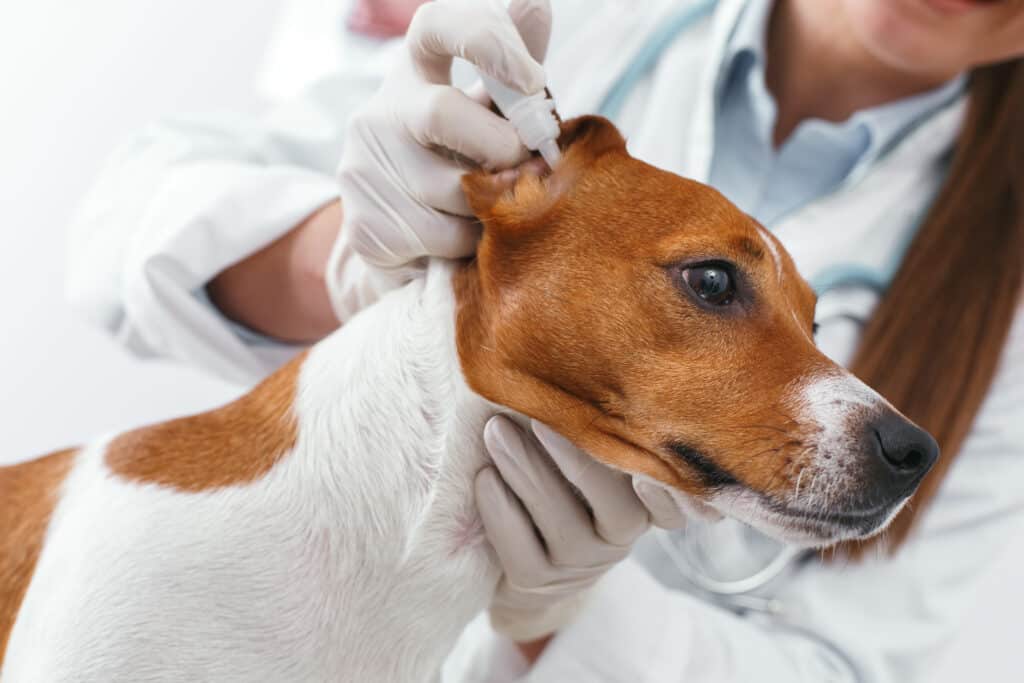
See your vet if you think your dog’s ear is infected.
©Viktoriia Hnatiuk/Shutterstock.com
You should always see a vet if you suspect that your dog has an ear infection. This is because there could be an underlying cause that needs to be investigated and treated. Allergies are a typical example. Also, depending on the severity, your dog may need pain relief to make them more comfortable. Some dogs need to have their ears examined and cleaned under general anesthesia. Your dog may need oral medication, but often, topical ear medication containing a combination of antibiotics, antifungal drugs, and glucocorticoids is sufficient.
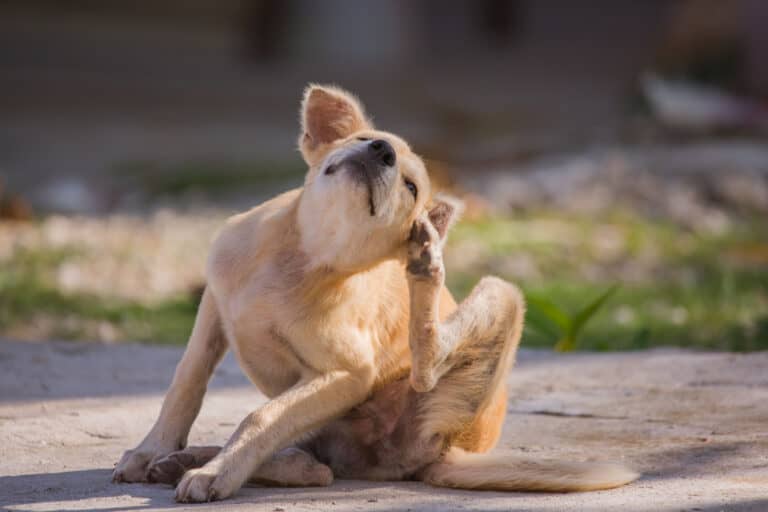
The main signs to look out for are head shaking and scratching around the ear area. You may also notice an abnormal odor, red and/or scaly skin, and an increase in discharge. One or both ears may be affected.
Caution with Home Remedies
Home remedies such as diluted vinegar will irritate the area and make the condition worse. They cause the lining of the ear canal to swell and increase glandular secretions that make bacteria and yeast even more likely to grow! Propylene glycol does the same thing and should not be used.
It can take several weeks for the infection to clear up, but most dogs make a complete recovery. After treatment, keep a close eye on your dog’s ears for any future changes, such as unusual temperature, increased moisture, abnormal smell, or a change in color.