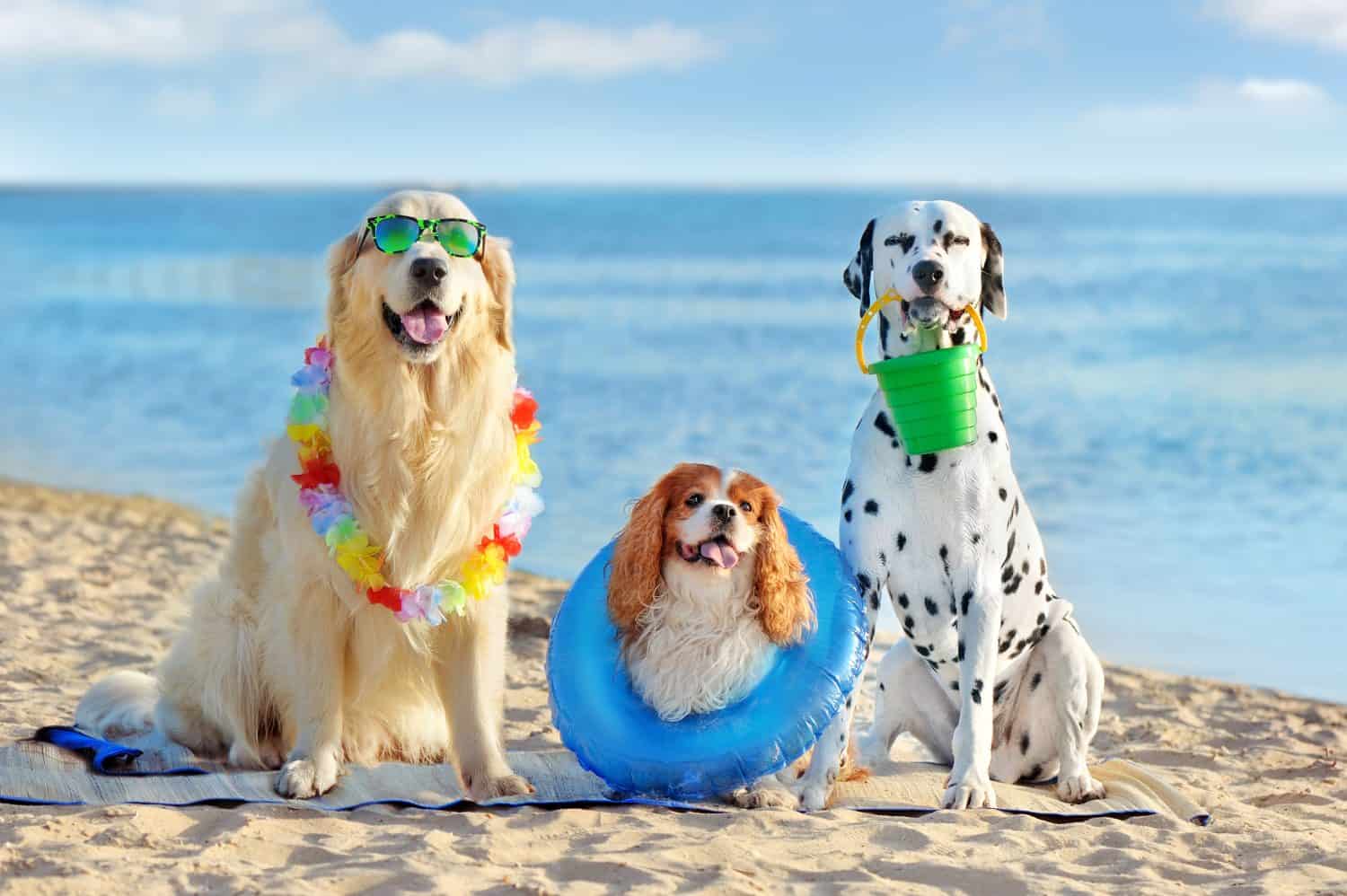

It’s the summer time and the weather is fine, but only up to a point. Those hot August nights are great for spending time with the family and watching the sunset, but the high summer temperatures can pose a serious risk for your household pets. Be it heat stroke, tick bites, or trauma from nearby firework shows, pets can suffer serious injury during the summer without proper protection.
This doesn’t mean that your furry companions can’t soak up the sun like you plan to; it’s just that their safety during these blazing months requires extra observation and precaution. That’s why we’ve put together a comprehensive list of tips, covering everything from tick bites to beach days, to keep your household pets safe and satisfied during the scorching summer months.
Temperature
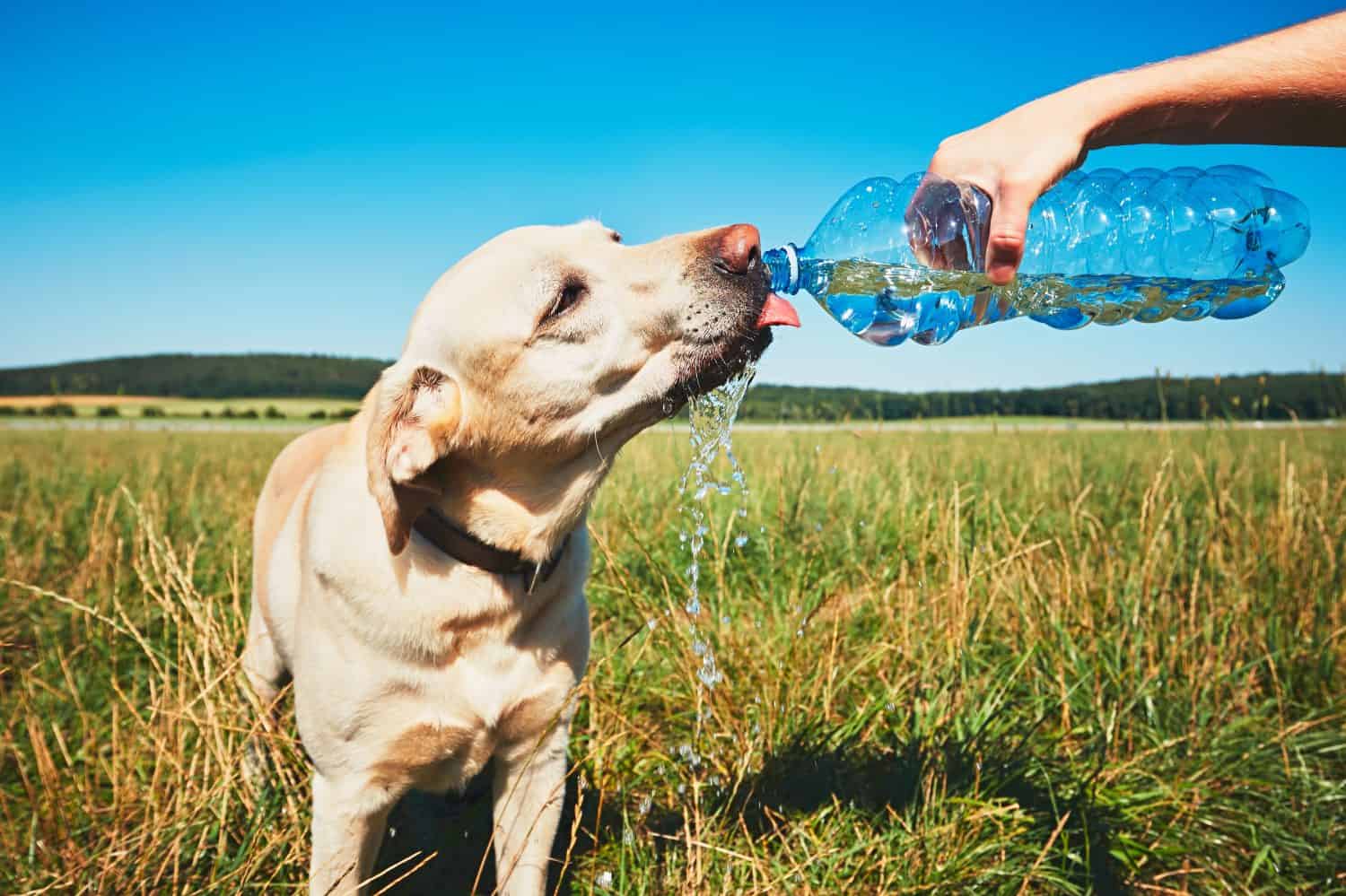
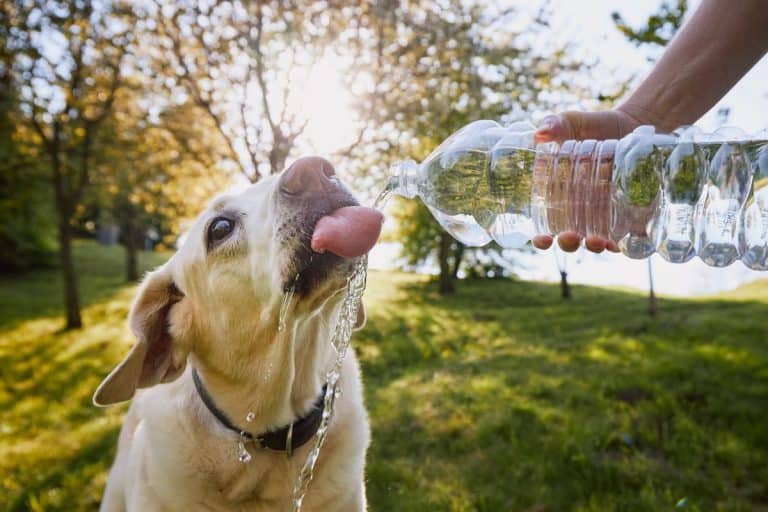
When the summer sun is blazing, keeping fresh, cool water on hand for your pets is a must.
©Jaromir Chalabala/Shutterstock.com
Most household pets can handle temperate climate conditions with ease. When the summer rolls around, however, it brings hot temperatures with it. As a rule of thumb, temperatures above 80 degrees Fahrenheit can become unsafe for many pets, especially during extended periods or with high humidity. Always monitor your pet closely and limit outdoor activity during hot weather. Plus, if you have older pets, avoid prolonged outdoor activity when temperatures are between 70 and 80 degrees.
- 70° F and Below: Most household pets can safely enjoy these temperatures, but be mindful of humidity.
- 70-80°F: Pets are generally safe in this temperature range, but they shouldn’t be exposed to these temperatures for extended periods. Exercise caution when taking long walks with your pet or having them outside for too long. This is especially true for older pets.
- 80 – 90° F: This temperature range is more of a danger zone. Avoid any extended time outside. If your pet needs to use the bathroom, keep them contained to short leash walks. For safety, most household pet activity should remain indoors. If they are outside for longer periods, keep water available.
- 90 – 100° F: Household pets should be kept inside as a rule. If bathroom needs persist, take them outside just long enough for them to do their business before promptly bringing them back inside.
- 100° F and Above: Avoid the outdoors completely. This temperature range can be seriously life-threatening to household pets.
Overheating
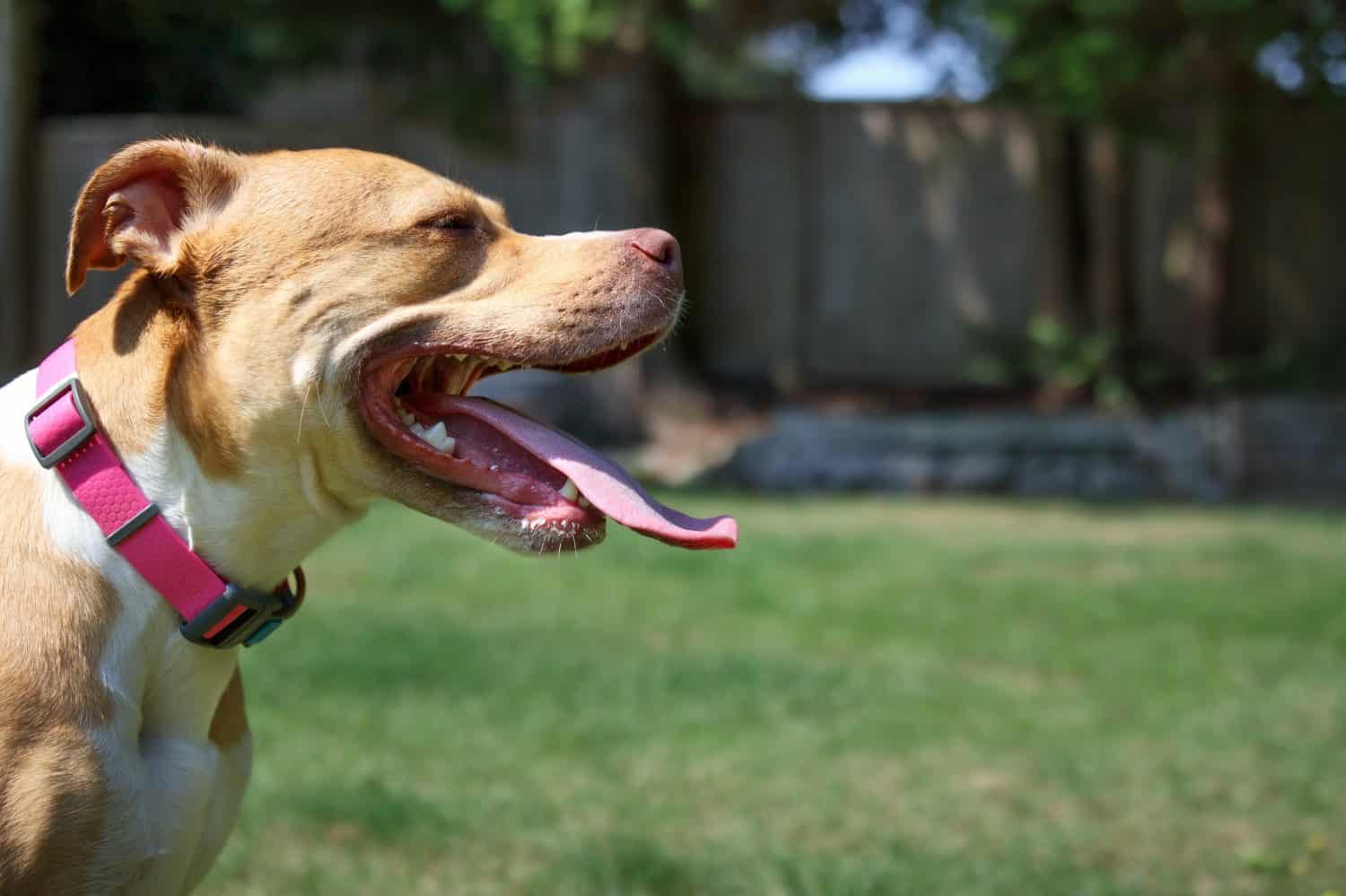
Symptoms of overheating in household pets range from mild fatigue to serious seizures and vomiting.
©sophiecat/Shutterstock.com
If your pet has been outside too long in blazing hot temperatures, they run the risk of overheating or heat stroke. Some common symptoms of overheating in pets include difficulty breathing, excessive panting, noticeably increased heart rate, increased breathing rate, drooling, and weakness.
If your pet’s overheating is severe, it might result in fatigue, stupor, or collapse. Serious overheating in pets has symptoms that include bloody diarrhea, vomiting, and seizures. These symptoms are often concurrent with body temperatures over 104 degrees. If you suspect that your pet is suffering from overheating or heat stroke, immediately put them in cool water and seek emergency veterinary help.
No matter where you are in the summer, keep fresh, cool water on hand for your pets. The heat can cause serious dehydration. Whether inside or outside, fresh water should be available for your pets at all times.
Avoiding the Heat
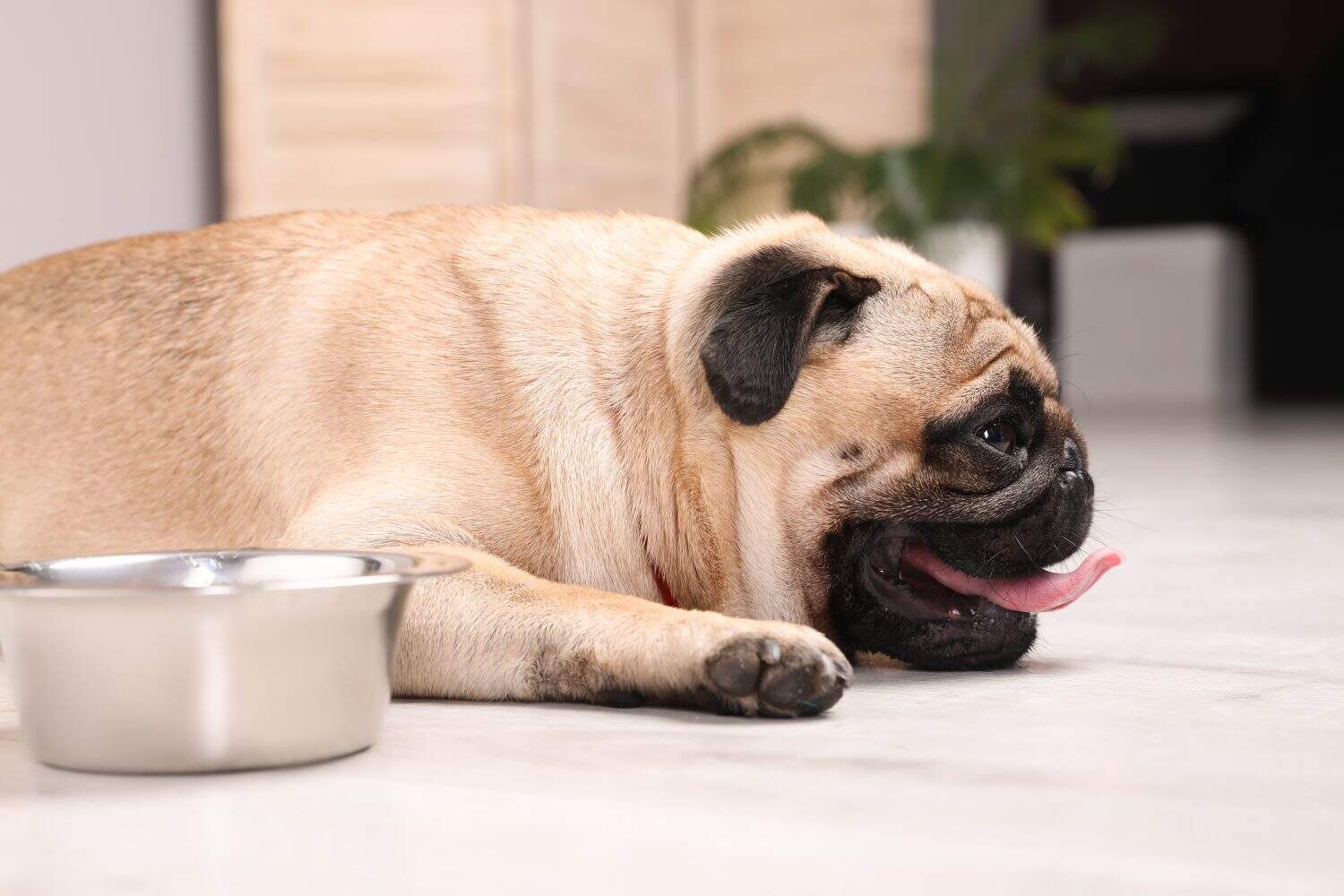
Pets with flat faces are more susceptible to heatstroke and overheating because they can’t pant efficiently.
©New Africa/Shutterstock.com
If you’re worried that your household pet won’t fare well with summer heat, don’t worry. There are some helpful measures you can take to prevent illness or injury.
- Parked Cars: The one thing you should never do is leave your pet unattended in a parked vehicle. Even if it’s 80° F outside, the inside of stationary vehicles can heat up to over 120° F in a matter of minutes. Keeping a pet in a parked car with the window rolled down won’t cut it. Pets can get heat stroke and even die in these conditions remarkably quickly. Keeping pets in parked cars is so dangerous that at least 31 US states have laws prohibiting leaving animals unattended in vehicles under dangerous conditions.
- Flat Faces: Pets with naturally flat faces or snouts are more likely to suffer from overheating or heat stroke because their physiology prevents them from panting effectively. Along with older and overweight pets, keep your flat-faced companions in air-conditioned rooms during hot summer days.
- Cool Rooms: When the sun is blazing, take steps to keep your house cool. Keep the air-conditioner running, if possible. Also, ensure all windows and doors are closed to keep in the cool air. If any of your windows have screens, make sure they are closed so pets don’t escape into the intolerable temperatures.
Preventative Measures
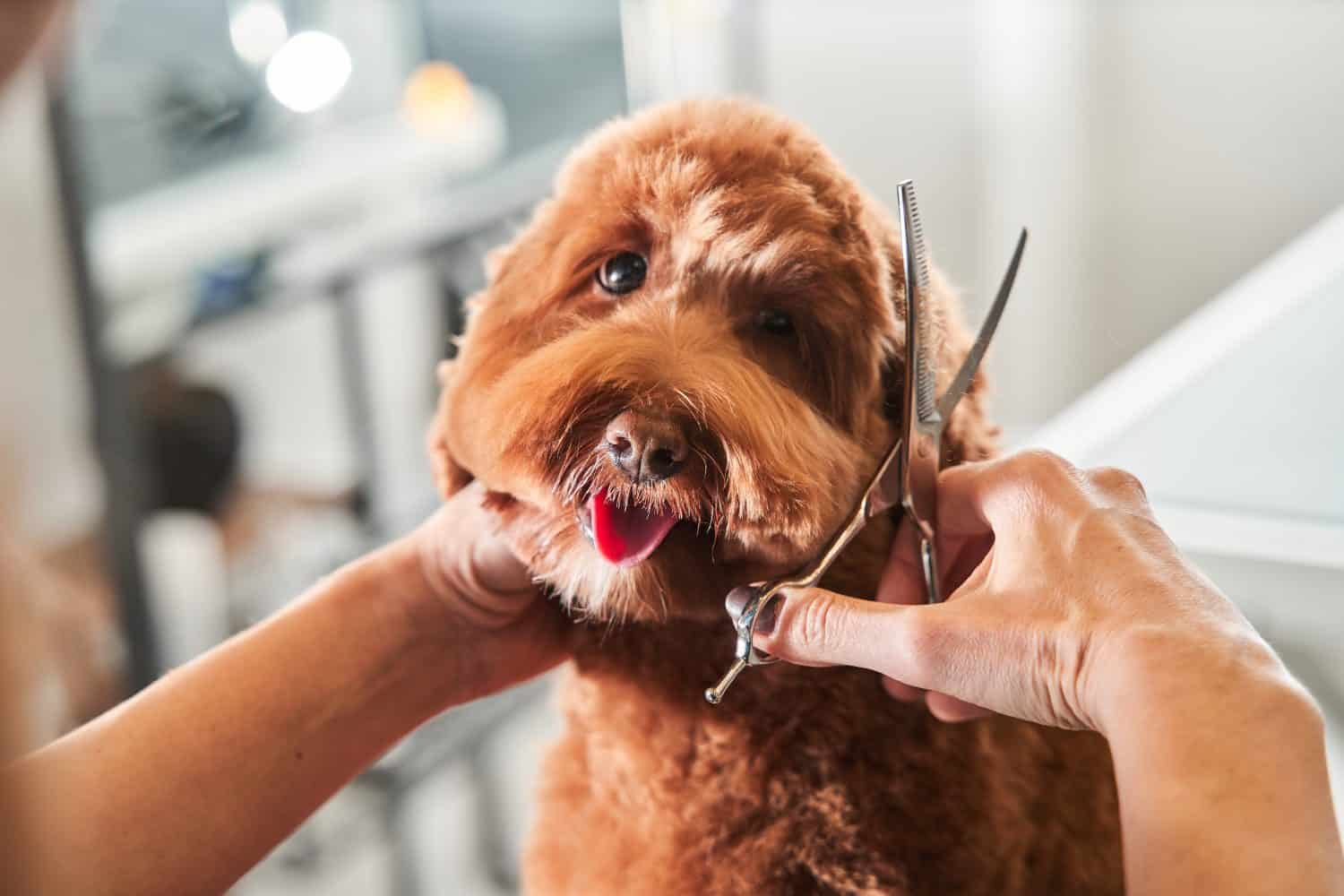
Cutting your pet’s hair can help them handle the heat in the summer. Be sure not to cut too much hair, however, as it might result in sunburns or heatstroke.
©Olena Yakobchuk/Shutterstock.com
It’s important to keep your pets out of the heat, but there are several other preventative measures you can take to ensure your pet stays safe through the summer.
- Hot Asphalt: Sometimes, the summer gets so hot that you can fry an egg on the sidewalk. When it’s this hot, you are probably avoiding the outdoors. Even so, keep your pet’s delicate paws off hot asphalt. Not only can it burn their paw pads, but it can also quickly raise their body temperature to an unsafe degree.
- Haircuts: If your pet has luscious locks, it might help them fare the summer heat if you give them a haircut. Excessively long hair will make high temperatures all the more intolerable. That said, don’t cut off too much hair, as it also protects them from overheating and sunburn. With cats, brushing their long hair will usually help them handle the heat to some degree. If you want to be extra careful, apply sunscreen or insect repellent to their coats. Just make sure it’s specifically labeled for animal use.
Home and Garden

Your furry companion may love frolicking in the garden, but there’s a long list of plants that are toxic or even deadly to household pets.
©fantom_rd/Shutterstock.com
The heat is one thing, but there are other things you should be mindful of as the summer months progress. Home is a sanctuary, but dangers can be lurking in your garden.
- Plant Parenting: You may have spent hours getting your garden looking spectacular, but not all the plants in your plot are safe for pets. It doesn’t matter if said plants are ornamental, garden, or exotic varieties; some of them are seriously unsafe for pets. There are so many plants that are unsafe or even deadly to pets that they can’t all be listed here. Even non-toxic plants can give your pets an upset stomach if eaten to excess.
- Herbicides and Pesticides: Certain chemicals may kill unwelcome plants or weeds, but they can also cause serious harm to your pets. Be sure to read the labels on your herbicides and pesticides and follow directions to ensure safety for your pets. In the summer, fertilizer exposure can hurt pets. While it’s not usually life-threatening, it can cause illness, so it should be used with caution. Other summer-adjacent products like citronella candles, insect coils, and tiki torches should be kept away from pets.
- Pool Safety: The summer is the perfect time to hang around the pool, but it can be dangerous for unsupervised pets. If you are spending time around any body of water, keep a watchful eye on your pets, especially if they take a swim. When it comes to pools, rinse your dog off afterwards to remove chlorine from their fur.
Fleas and Ticks

Fleas are the most common parasite targeting household pets, but ticks are more dangerous.
©newsony/Shutterstock.com
The soaring summer temperatures bring out parasitic insects like fleas and ticks. Here is some background info on these unwelcome critters, along with helpful tips to keep your pets from being bitten and to keep them safe if they end up with some unwelcome bites.
Fleas
Fleas include over 2,500 varieties of parasitic insects in the Siphonaptera order.
©Chutima Chaochaiya/Shutterstock.com
Flea is the umbrella term for over 2,500 insects in the order Siphonaptera. They are also the most common external parasite that targets household pets such as dogs and cats. While they only live for a year, they can produce millions of offspring in that time. Symptoms of fleas are similar for both dogs and cats. They include excessive scratching, welts, and hair loss. If untreated, flea infections can result in health problems like anemia and intestinal parasites.
- There aren’t many preventative measures for fleas except avoiding areas where they often reside.
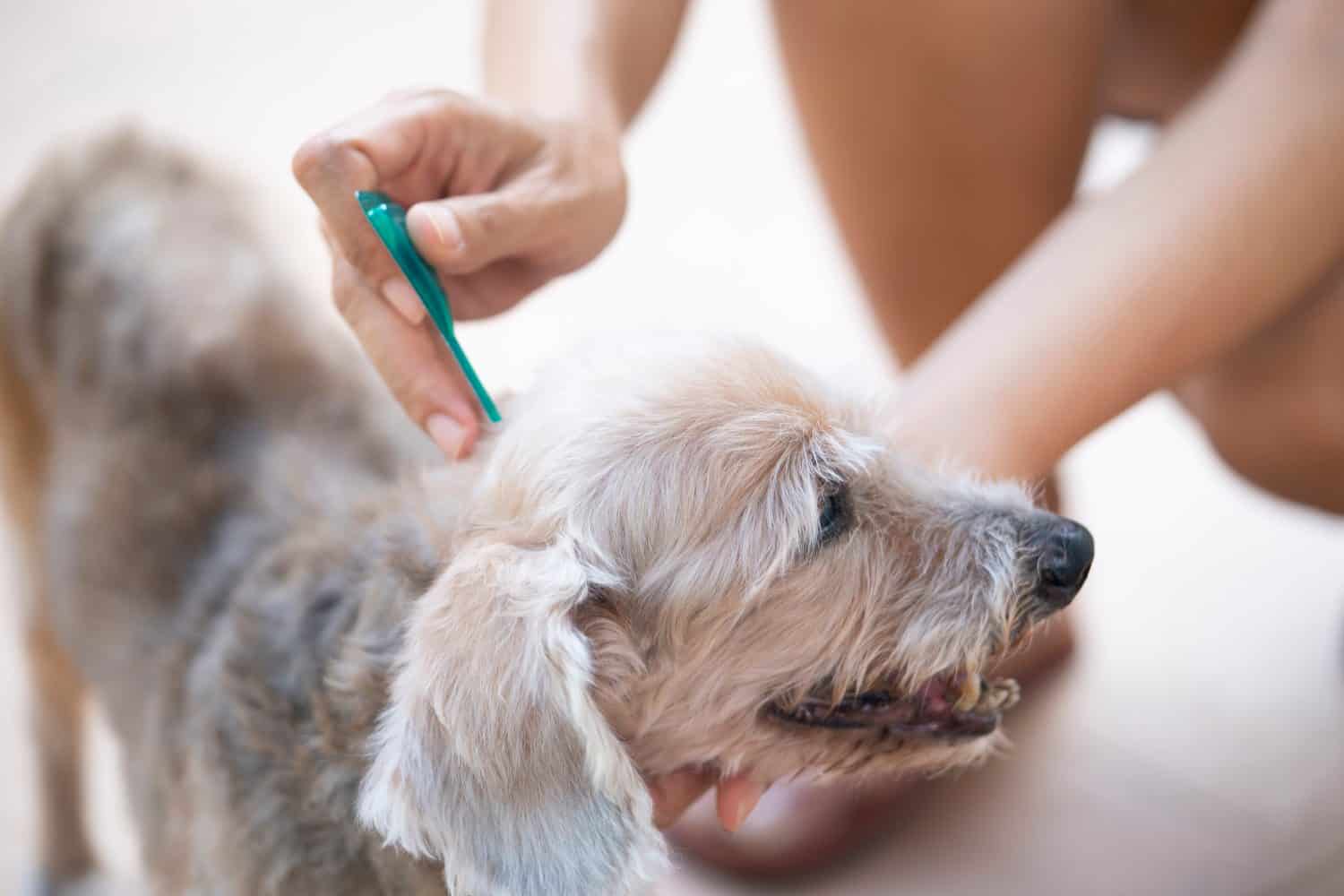
- If you suspect your pet has fleas, get some topical treatment like shampoo, spray, or powder to get them off your pet’s fur.
- Thoroughly clean your house, including all rugs, bedding, and upholstery. Severe infestations may require spraying or fogging, which means everyone has to temporarily leave the house.
- If your pet seems to get more fleas every time they go outside, consider using lawn treatments to reduce the number of fleas in your yard.
- Fleas can’t be eliminated overnight. Exercise patience and attend to your pet’s infestation consistently to get rid of their flea problem. They often hide in dark and moist areas, so be sure to keep your house free of organic debris.
- When in doubt, contact a veterinary professional.
Ticks

©Sarah2/Shutterstock.com
When the summer comes, so do the ticks, which are tiny little parasites that feed on mammal blood. They become active during the late spring and summer, but come out in force in areas with warm climates. Ticks are generally less common than fleas, but they can be more dangerous because they transmit diseases such as Lyme disease.
They can also cause blood loss, anemia, skin irritation, infection, and tick paralysis. For dogs, specifically, ticks can transmit deadly diseases like Cytauxzoonosis and Anaplasmosis (dog tick fever). Here are some tips to keep your household pets free from ticks:
- Avoid Tall Grass: Ticks thrive in tall grass. It’s the perfect place for them to hang out and grab onto a passing mammal. If you’re taking your pet for a nature walk, avoid tall grass as much as possible.
- Yard Maintenance: Ticks thrive in hot climates and can easily lie in wait in your yard. Be sure to keep your lawn and yard well-maintained. This includes clearing shrubbery or tall grass near your house.
- Check Your Pets: If your pet is bitten by a tick, it will likely be around their neck or head. After outdoor activities, check these areas for ticks once you get home. Also, look under your pet’s limbs and around their ears. Any spot that emits warmth is a potential tick danger zone.
- Prevention and Treatment: Before the summer arrives, talk to your vet about vaccinating your pet or buying them anti-tick ointments. If your pet is bitten, get them to a veterinary professional if you suspect disease transmission. Luckily, many anti-tick treatments also work on fleas.
Sun and Sand

The beach is fun for pets, but full of hidden dangers.
©rebeccaashworthearle/Shutterstock.com
There’s no better time to soak up the beach sun than summertime. It’s a relaxing, even therapeutic activity, but it’s not without its dangers. Household pets, especially dogs, love frolicking on the beach. If you’re bringing your pooch along to lie in the sand, however, keep these safety tips in mind:
- Beach Permits: Local ordinances and rules vary, so not every beach allows dogs or pets. You should also consult lifeguards about daily conditions. The last thing you want is for your pet to be stung by a jellyfish or acquire sea lice.
- Salt Water: When it’s hot on the beach, pets are tempted to take big gulps of cool ocean water. It’s salt water, however, so be sure your pet doesn’t drink too much of it. All that salt can make them sick. Furthermore, the salt and minerals in sea water can damage a dog’s coat. To ensure their fur stays clean and healthy, wash them off with fresh water once your beach day is over. As always, bring plenty of fresh, cool water so your pet can stay hydrated. If they want to swim, monitor their activity carefully.
- Sunburn: There’s not much escape from the sun’s heat while on the beach. That’s why it’s important to limit your pet’s sun exposure, especially in the mid-afternoon when the sun is highest in the sky. For extra safety, apply pet-safe sunscreen to your companion’s ears and nose at least thirty minutes before setting up your beach blankets.
- Exercise: Household pets like dogs love nothing more than running down the beach. That’s all well and good, but it’s important to be mindful of your pet’s physical condition. If you have an elderly pet, limit their running on the sand. It’s strenuous and can easily lead to a pulled tendon or ligament.
Other Safety Tips

Firework shows can be fun for people, but seriously traumatizing for pets.
©Billion Photos/Shutterstock.com
Summer brings barbecues and fireworks, but these activities can be dangerous to pets. Here are some additional tips to keep your furry companions safe during summer parties and dinners:
- Food and Drink: The sun may be dangerous, but some of the biggest dangers to pets during the summertime come from your food and drinks. You may be tempted to share some of your BBQ plate with your pooch, but certain food items are toxic to pets. If you’re enjoying a cool beer on a hot day, ensure your pet doesn’t drink any. If spilled, clean up the alcohol before pets have a chance to drink from the puddle.
- Fireworks: With summer comes explosions, which are exhilarating for humans but utterly frightening for pets. It’s important to keep your pets far away from lit fireworks because they can result in severe burns. On a day like the Fourth of July, exploding fireworks throughout the neighborhood can give your pets severe trauma. That’s why it’s important to find a quiet, contained, and sheltered place to keep them when Roman candles are shooting through the sky.