
Quick Take
- If you've spotted a bird sitting still with its mouth wide open, your first instinct is probably wrong about what's happening to it. See gular fluttering explained →
- Butterflies swarming a muddy puddle in July's peak heat aren't doing what you'd expect, and the real reason behind it is stranger than thirst. Discover puddling behavior →
- Squirrels sprawled flat on the pavement look alarming, but there's a surprisingly clever physics principle behind that ridiculous pose. How splooting cools animals →
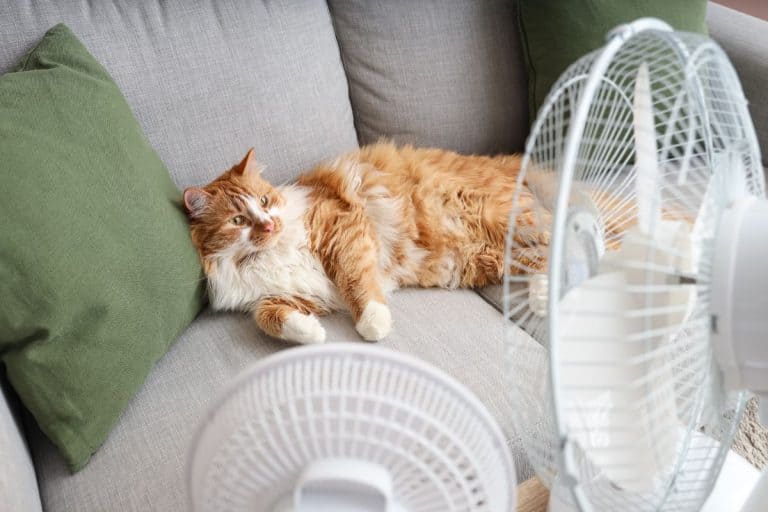
Depending on where you live, you’re likely to be of the opinion that when July comes around, it’s about as hot and unbearable as it can get. You likely try everything possible to beat the heat, from surrounding yourself with fans to playing water games. That said, it’s not only humans who feel the heat. The animals that you’re likely to see during this season also have their cooling strategies. Some of these tactics, such as a dog panting, are likely recognizable, but other ways that wildlife beats the July heatwave may surprise you.
Some animals stay cool by employing other tactics that you’ve likely never imagined. Once you learn how some of these creatures beat the heat, you’re unlikely to think of them the same way again.
Staying Cool Is Essential
Like humans, every animal has an optimal body temperature. If that temperature rises too high, important proteins begin to break down, organs become stressed, and dehydration can quickly become life-threatening. However, unlike people, animals are mostly stuck outside, and they can’t turn to an air conditioner for help.
Instead, typically, wildlife beats the July heatwave with four primary strategies:
- Staying cool by changing their behavior.
- Finding cooler places to spend the day.
- Losing heat through specialized body structures.
- Reducing activity until temperatures become safer.
The exact strategy depends on the species, where it lives, and how its body is built.
Panting: Nature’s Built-In Cooling System
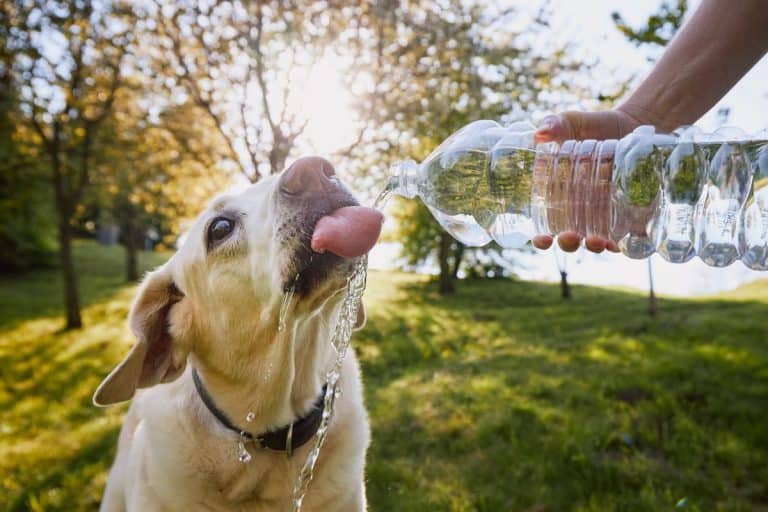
Perhaps one of the best-known ways that many species beat the heat is by panting. In fact, if you ask random people how they believe wildlife beats the July heatwave, this is what they might bring up. When mammals pant, they rapidly move air across moist tissues inside the mouth, tongue, and upper respiratory tract. As moisture evaporates, it carries heat away from the body, much like sweat evaporating from human skin.
Dogs are most famous for panting because they possess very few sweat glands. Instead, evaporation through the mouth does most of the cooling work. Many species, including coyotes, foxes, wolves, bobcats, rabbits, and deer, cool down through panting.
Some birds also pant to stay cool. Instead, in their case, it’s known as “gular fluttering.” Instead of breathing rapidly, they vibrate the thin skin in their throat incredibly fast while holding their mouths open. This creates airflow that cools the body with less energy than full panting.
Herons, cormorants, owls, and many songbirds can all be seen resting with open mouths during especially hot afternoons. So, if you have ever looked at a bird and wondered if it was sick. It likely was not. Instead, it was just cooling itself.
Squirrels Sploot
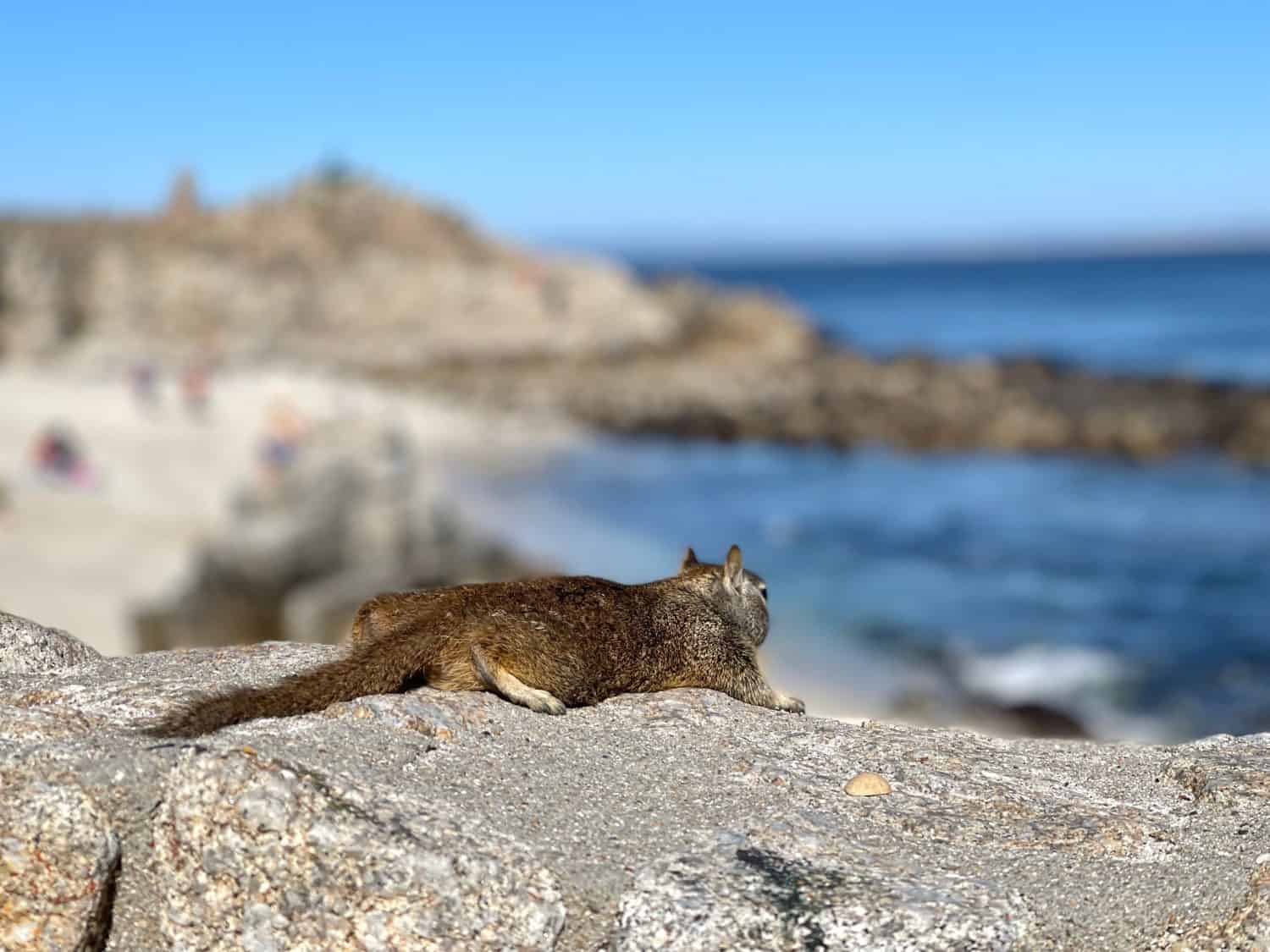
If you’ve ever watched funny animal videos, you’ve likely seen squirrels splooting. It’s one of the more humorous ways that wildlife beats the July heatwave, but it can be very effective. The term refers to an animal lying completely flat on its stomach with its legs stretched out behind or beside its body.
Concrete sidewalks, shaded rocks, patios, and even cool tree branches can remain significantly cooler than the surrounding air. By pressing their bellies and limbs against these cooler surfaces, animals transfer body heat directly into the ground. Think of it like placing a cold compress against your forehead.
This behavior becomes even more interesting when you realize that squirrels are not the only animals that do this. Other splooting animals include:
- Chipmunks
- Rabbits
- Ground squirrels
- Marmots
- Beavers
- Bears
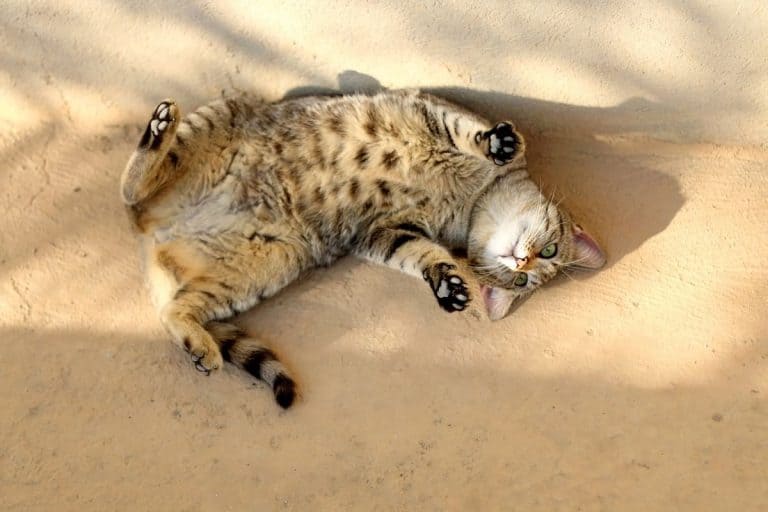
- Some domestic cats and dogs
Wildlife experts say seeing squirrels sprawled across a sidewalk isn’t cause for alarm. They’re simply taking advantage of basic physics.
Butterflies Love Mud
You may have been on a nature hike when you spotted a cluster of butterflies gathering around a muddy puddle. It likely left you scratching your head. Especially in July when you’d expect butterflies to be hanging around flowers where they can get that tasty nectar.
The answer to this riddle is a butterfly behavior called puddling. Butterflies, especially males, gather on damp soil, mud, wet sand, stream banks, or even animal tracks filled with rainwater to drink moisture rich in dissolved minerals. The minerals they’re particularly interested in are sodium, calcium, magnesium, and nitrogen. The nectar in flowers contains sugar but relatively few other minerals.
While they’re getting the minerals they need, the butterflies also rest on damp soil in order to cool down and prevent dehydration. It’s not uncommon to see dozens to hundreds of butterflies in one muddy location during the hottest days. Common puddling butterflies include swallowtails, sulfurs, whites, admirals, skippers, and hairstreaks.
Mammals Change Their Schedules
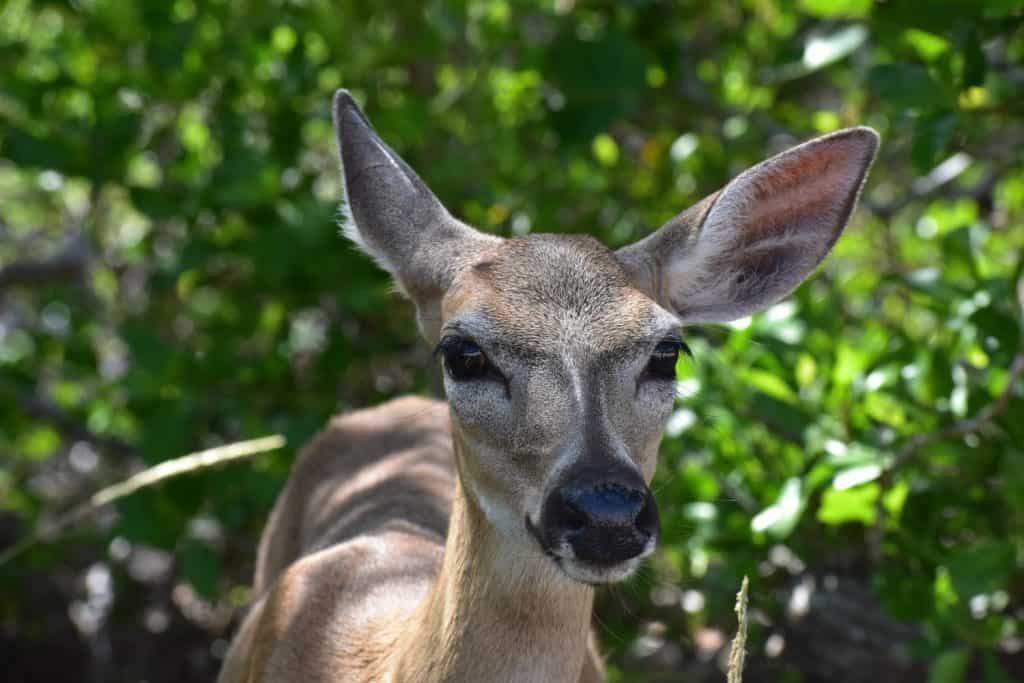
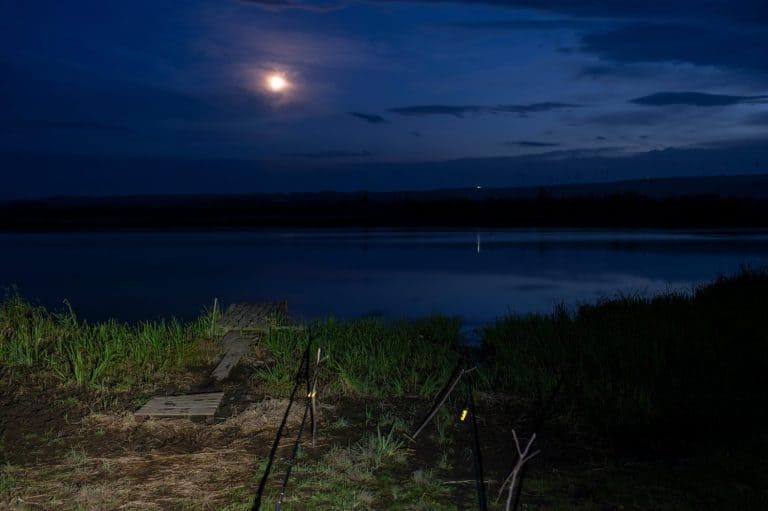
If you’ve noticed more raccoons, foxes, opossums, or deer coming out after sunset during July, you’re not imagining things. Many mammals shift their schedules during heatwaves, essentially becoming more nocturnal. Even in July, nighttime temperatures can be 20 degrees cooler than the afternoon highs, reducing the risk of overheating.
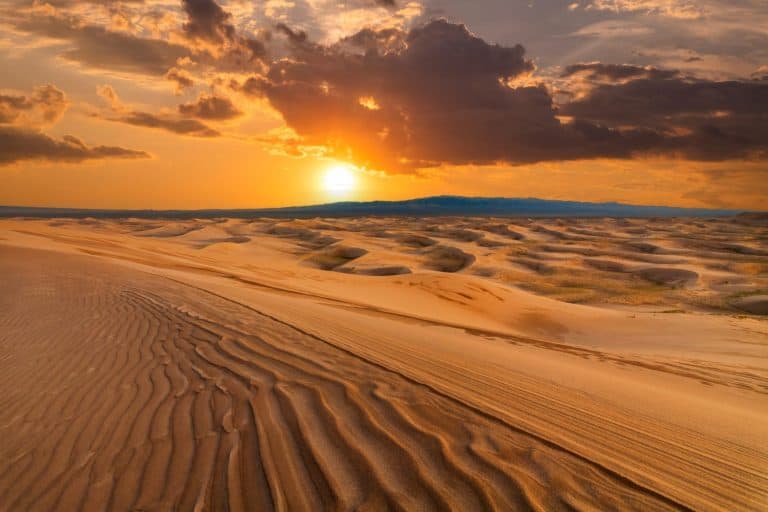
By resting through the hottest part of the day and becoming active after dark, wildlife can continue feeding while avoiding dangerous conditions. This strategy is particularly common in desert environments but becomes more widespread during summer heatwaves almost everywhere.
Reptiles Will Seek Coverage
There’s a common misconception that reptiles enjoy endless sunshine because they’re cold-blooded. However, reptiles rely on external temperatures to regulate their body temperature. When the temperatures get too hot, they can become overheated just as easily as mammals.
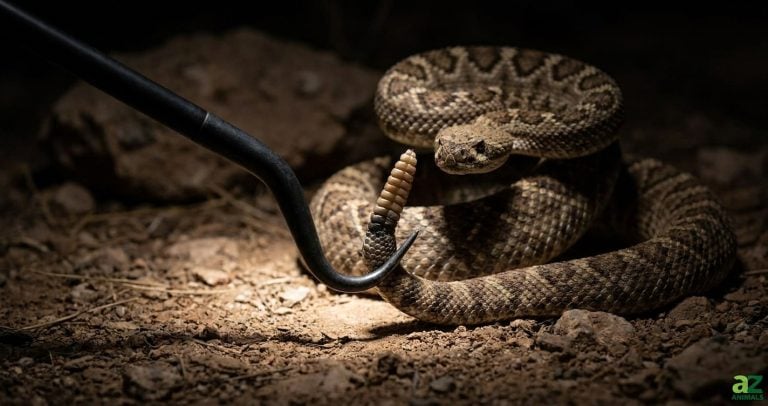
As a result, snakes, turtles, and lizards often seek shelter beneath logs, rocks, burrows, leaf litter, and dense vegetation. Some species will spend much of the afternoon hidden before emerging again in the evening. Many turtles remain submerged in ponds during the hottest hours, surfacing only briefly to breathe.
Amphibians Take a Break
Amphibians like frogs, salamanders, and toads have permeable skin that loses moisture rapidly, so for them, July heat can be especially dangerous. While some amphibians burrow deep into the soil or hide beneath logs to beat the heat, others enter a state called estivation. This stage is similar to bear hibernation, but it occurs during extended periods of extreme heat or drought.
During estivation, the amphibian’s metabolism slows dramatically, so they conserve both water and energy until conditions improve. This remarkable adaptation allows some amphibians to survive weeks—or even months—without significant rainfall.
Insects Change Their Routines
Although most insects are quite small, it’s still possible that these creatures can overheat. Many species avoid flying during the hottest hours because their flight muscles generate additional heat. Bees often begin foraging shortly after sunrise and return to the hive before afternoon temperatures peak. Honey bees even cool their colonies by collecting water and spreading it inside the hive while other workers fan their wings.
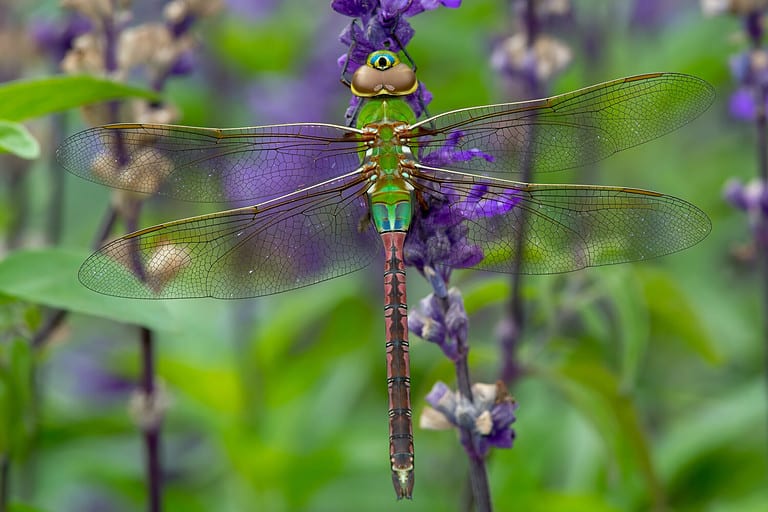
Many ant species will also alter their daily schedules to avoid the hottest temperatures. Some, like desert ants, who can tolerate astonishing temperatures, will carefully time their foraging trips to avoid excessive exposure. If you ever see dragonflies patrolling above ponds in the summer, it’s often because these areas provide cooler air and abundant water, helping them reduce heat stress.which
Mother Nature Beats the Heat in Remarkable Ways
As you can see, wildlife beats the July heatwave in many different miraculous ways. When you go on your nature hikes, watch the animals you see and witness what they do when the sun is beating down. You’re likely to be amazed.