
Quick Take
- The rescue worked almost too well, and the island's moose are paying for it.
- One relocated wolf had other plans the moment winter froze the lake.
- The moose are vanishing, yet the forest they ravaged still hasn't bounced back.
- The wolves' return changed what the island's foxes eat, and the reason involves people.
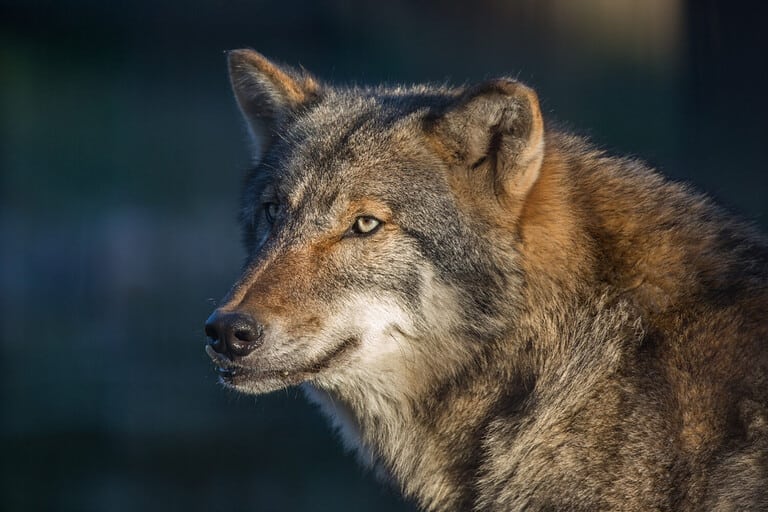
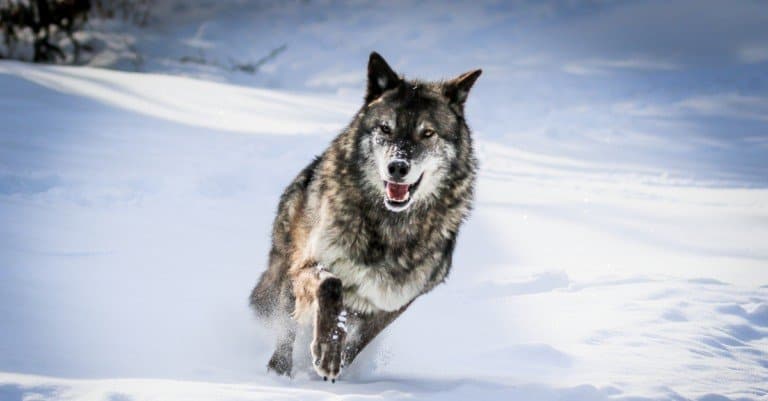
Isle Royale National Park in Lake Superior now has about 37 wolves, the most since the late 1970s, Michigan Technological University reported from its 2026 Winter Study. The same survey estimated about 524 moose, down 75% from a high of about 2,000 in 2019.
A decade ago, the island had two wolves left. The National Park Service moved 19 wolves there in 2018 and 2019 to keep the population from going extinct.
How did the island get down to two wolves?
Michigan Tech says the population dwindled because of inbreeding depression. The Associated Press reported that researchers believe inbreeding lowered pup survival.
Isle Royale is a 134,000-acre roadless park in far western Lake Superior, the AP reported. This winter an ice bridge linked it to the mainland from the end of January to mid-February, according to Michigan Tech.
“Even though it only lasted two weeks, the extensive ice bridge was a welcome reminder of the conditions that prevailed in the 1970s, when mainland wolves had greater access to the island,” said Rolf Peterson, a Michigan Tech researcher who co-led the survey, in the university’s report.
How did the Park Service bring in new wolves?
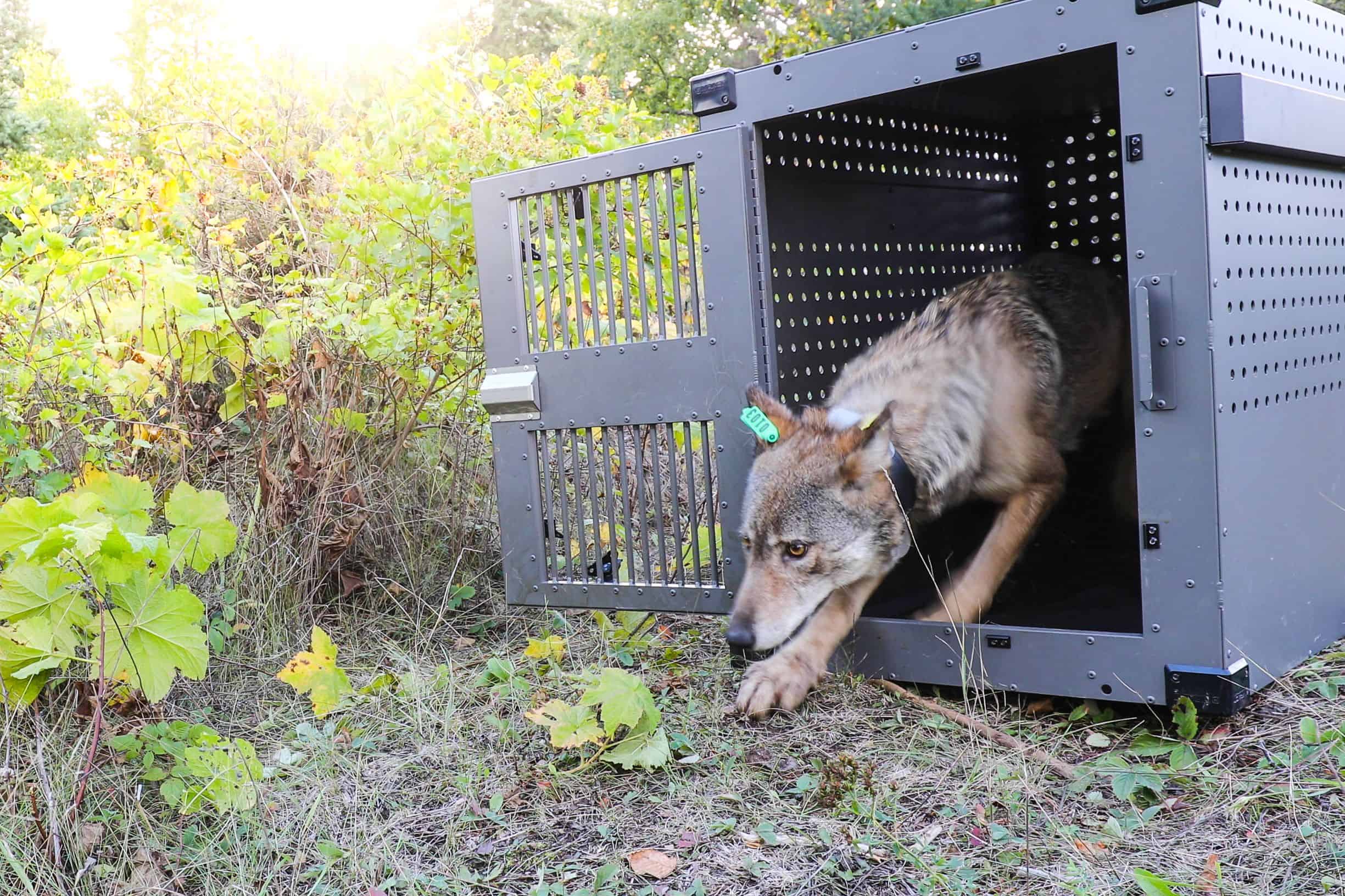
The Park Service says four wolves came from Minnesota’s Grand Portage Indian Reservation in fall 2018, 11 from Ontario in winter 2019, and four from Michigan’s western Upper Peninsula in fall 2019. Crews caught them with foothold traps in Minnesota and Michigan and with net guns from helicopters in Ontario.
Veterinarians inspected each wolf, according to the Park Service. Healthy ones got a GPS collar and ear tags, then traveled to the island by boat or plane.
One left. On Jan. 31, 2019, a relocated female crossed an ice bridge to the mainland, heading toward the area near Grand Portage where she had been captured, the Park Service wrote.
Why did the moose fall so fast?
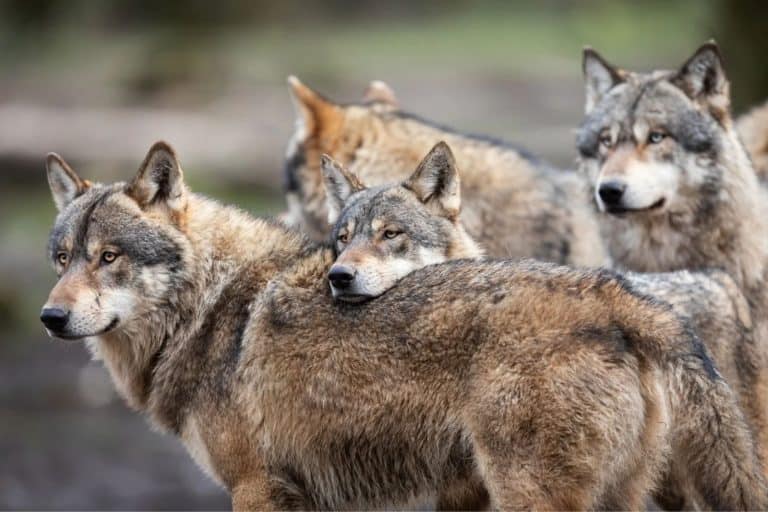
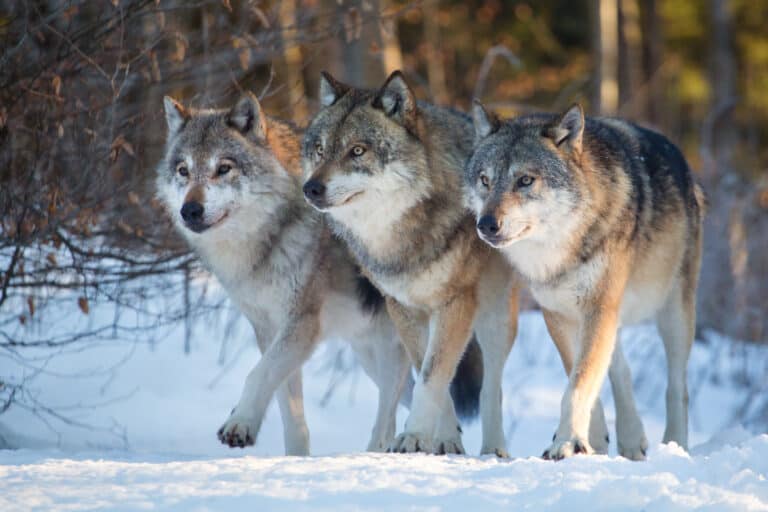
Moose are the wolves’ primary prey on Isle Royale, and Michigan Tech researchers call wolf predation a major cause of moose deaths there. The wolves now live in three packs of 10 to 13 animals each, and all three raised pups last year.
The researchers calculated that wolves killed about 24% of the island’s moose over the past year, close to the highest predation rate ever observed.
For the first time in 68 years, the winter team saw no calves during the moose count, Michigan Tech reported. Sarah Hoy, a Michigan Tech researcher who co-led the survey, pointed to high wolf predation as the likely cause.
“In the past year, I have only seen one moose calf,” Hoy said in the university’s report.
What had the moose done to the forest?
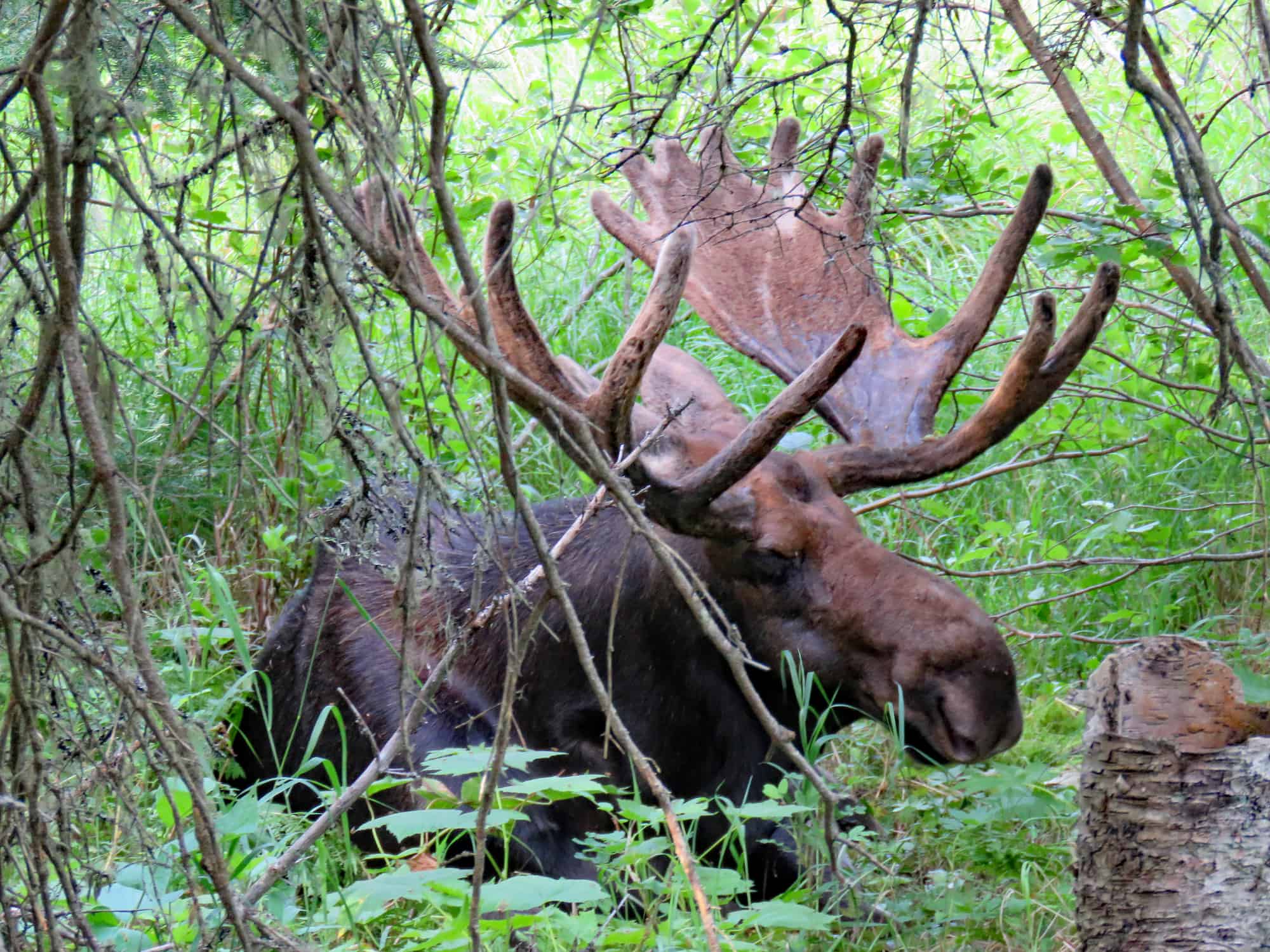
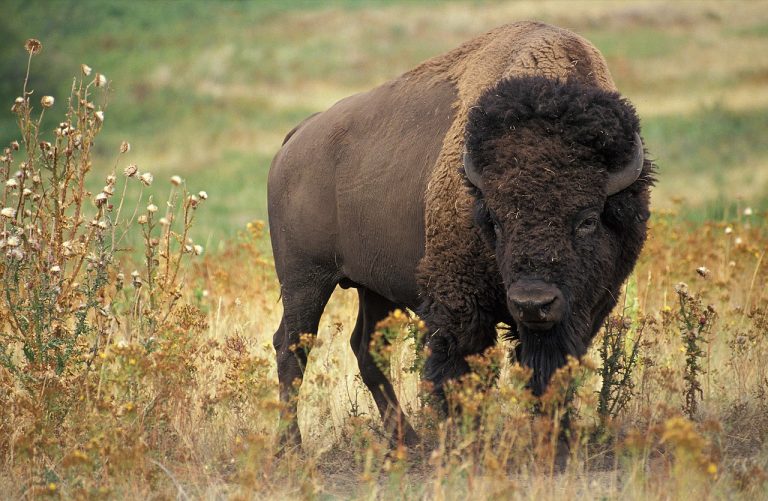
A bull moose rests in the brush on Isle Royale. ©46travels/Getty Images
©46travels/iStock via Getty Images
Balsam fir makes up 50% of a moose’s winter diet on the island, according to Michigan Tech. Moose browsed the island’s fir saplings heavily from 2018 to 2021. That damage to fir and other trees was a major factor in the Park Service’s decision to restore the wolves.
The trees have yet to recover, even with far fewer moose. Young balsam firs grew about 1 inch on average over the year, the least the researchers have ever measured. In years with light browsing, they typically grow about 8 inches.
What changed for the island’s foxes?
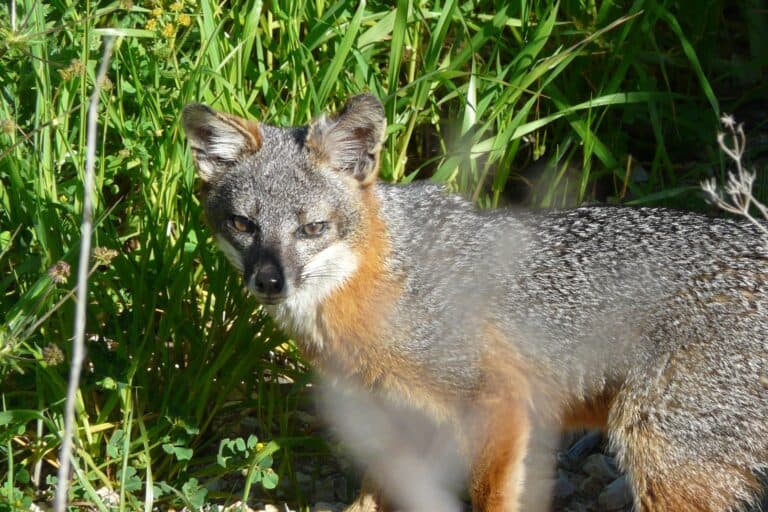
A large carnivore can change how smaller, subordinate carnivores forage and what prey they choose, according to a 2024 study in the Journal of Mammalogy. Its authors analyzed more than 600 scats from 63 red foxes and 20 American martens on Isle Royale, before and after the wolves returned.
Before the wolves, individual foxes mostly ate berries and small prey. Afterward, their diet shifted to berries, human foods, and large carrion. The authors wrote that returning wolves supply carrion and also drive other carnivores to eat more human food.
Marten diets changed little, so foxes and martens now eat more of the same things.
What comes next?
All three packs appear likely to produce pups again this spring, Michigan Tech reported. Its researchers return to the island in late April for summer fieldwork. They will keep monitoring whether the packs can maintain their balance in an ecosystem where their primary prey is nearing historic lows.