
Quick Take
- When given 11 unrelated wolves to choose from, two siblings still paired up, and their choice may now define the fate of the entire island population. See the sibling pairing →
- Researchers rescued Isle Royale's wolves from the same genetic trap that wiped them out before, yet scientists are still worried. Why? See why scientists worry →
- The wolves are rebounding, but something else on the island is quietly collapsing, and the two trends are directly connected. See the moose collapse →
- Rising temperatures are blocking the one natural fix that kept Isle Royale's wolves genetically healthy for decades.
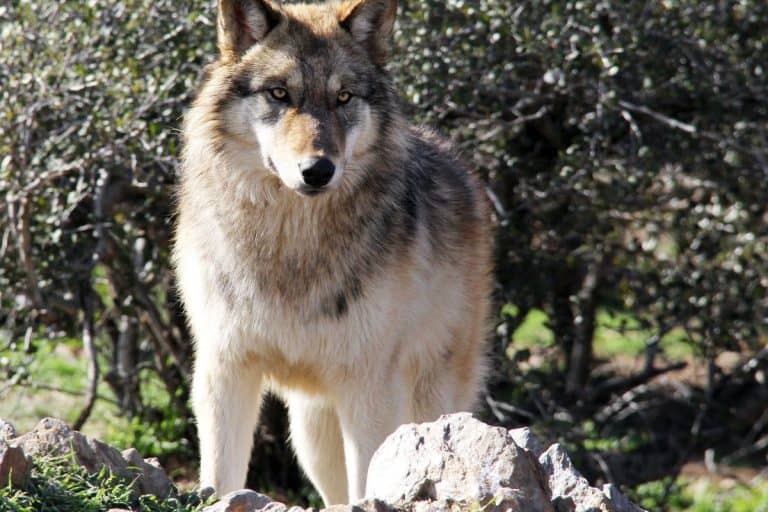
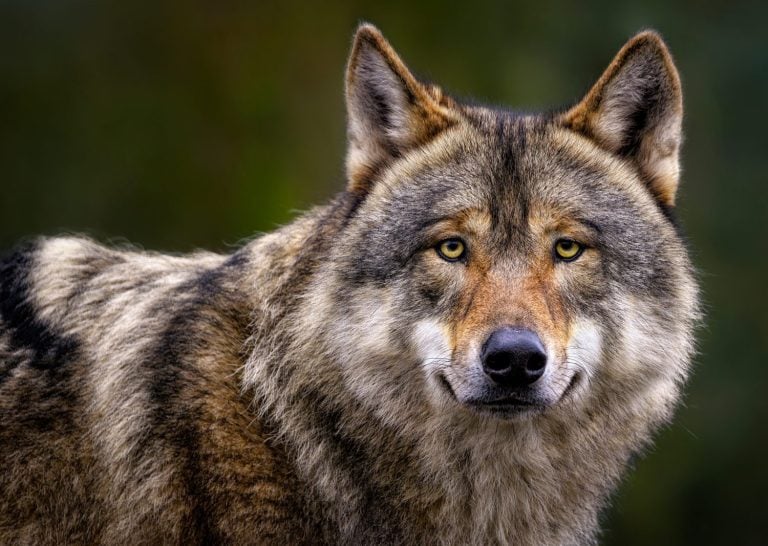
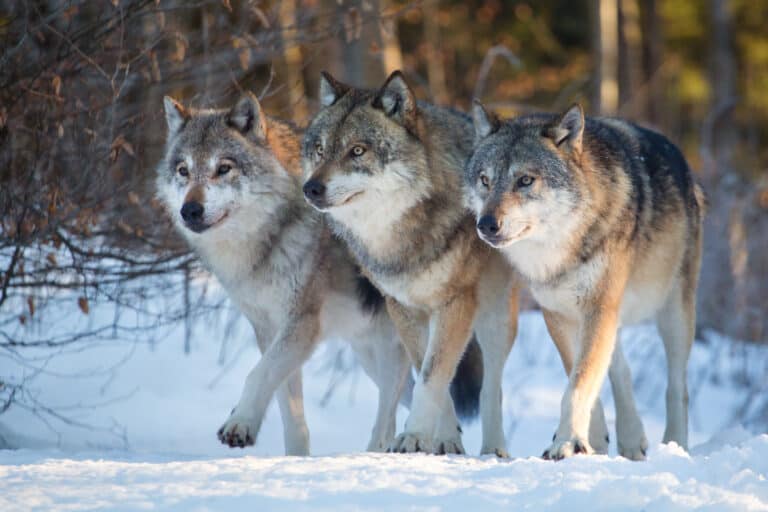
In 2016, Isle Royale National Park had just one breeding pair of wolves left, and they were inbred and had stopped producing pups. Between 2018 and 2019, park officials and researchers brought in 19 wolves captured in Minnesota, Michigan’s Upper Peninsula and two locations in Ontario, hoping to rebuild a population that was headed for extinction on the Lake Superior island.
Five years later, a peer-reviewed study in the journal Conservation Science and Practice finds the gamble largely paid off. The relocated wolves and their descendants have more than an 80 percent chance of surviving the next 20 years, according to the Associated Press.
A Pack Built On Inbreeding
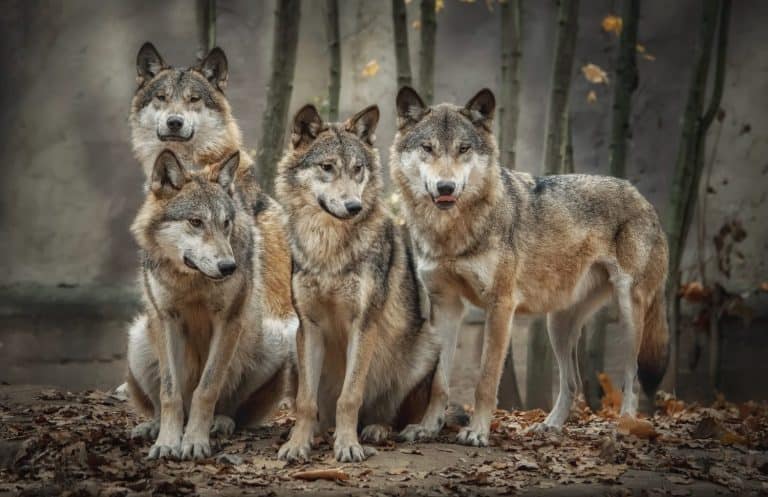
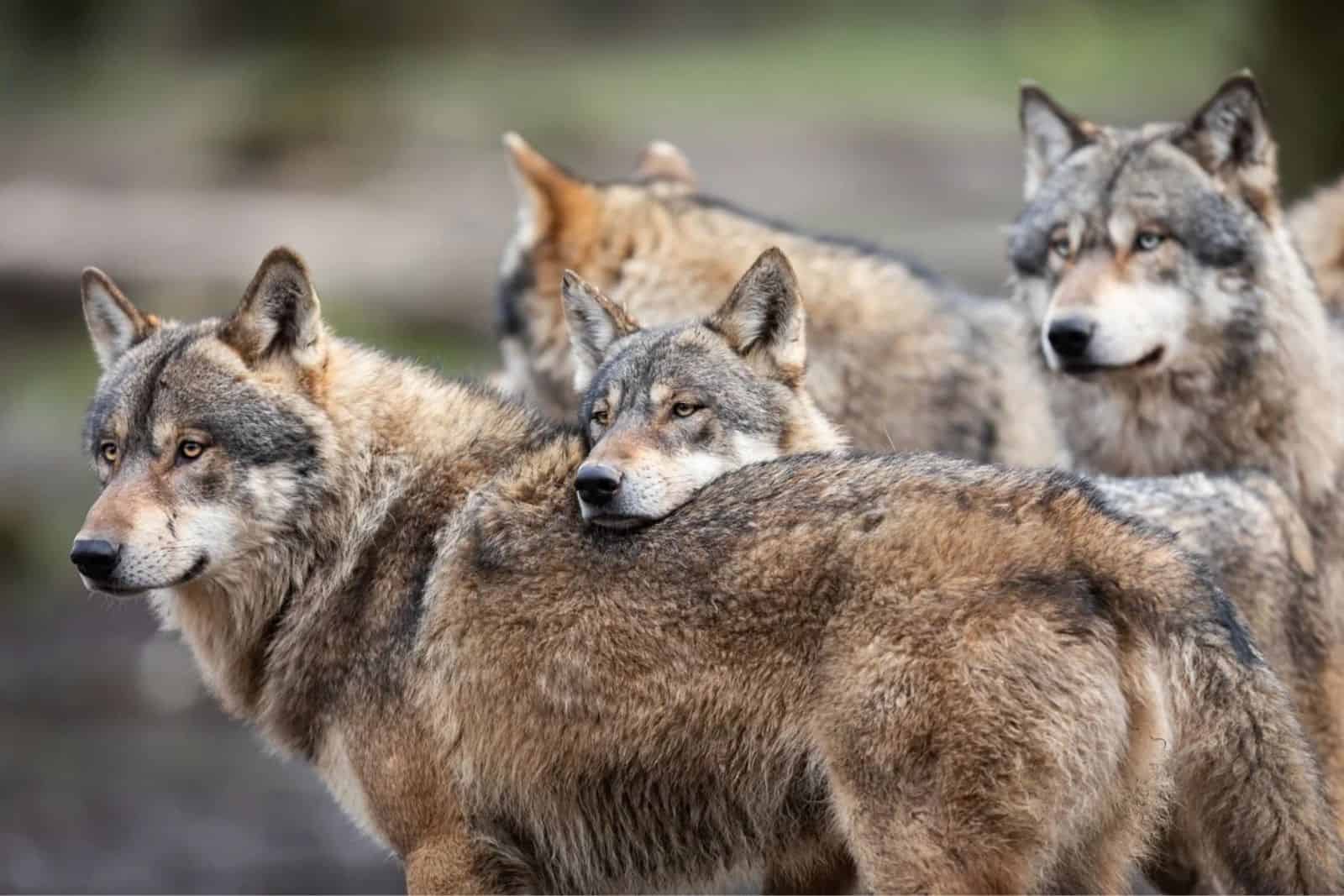
The survival odds come with a catch. Two of the released wolves, siblings originally from Michipicoten Island, paired up and founded one of the island’s three packs, even though 11 unrelated wolves were also available as potential mates. That pair went on to have at least 12 pups, and by the end of the study researchers believed nearly every pup born on the island during the experiment was related to that pair, to their siblings, or to their parents.
Inbreeding of that kind can lead to smaller body size, weaker immune function, physical abnormalities and lower fertility over time, and researchers say it likely contributed to the original wolf population’s collapse in the first place. Rising temperatures have made the problem harder to fix naturally, since the ice bridges that once let wolves cross to and from the mainland to refresh the gene pool now form far less often.
Why Researchers Are Still Cautiously Optimistic
Despite that risk, the numbers on the ground look encouraging. A separate count led by Michigan Technological University estimated 37 wolves on Isle Royale as of last winter, up from about 27 when the five-year study period ended in 2023. “The wolf numbers suggest that the population is doing OK,” said Sarah Hoy, a Michigan Tech researcher involved in tracking the island’s wildlife, while cautioning that “inbreeding and inbreeding depression are still an important concern.”
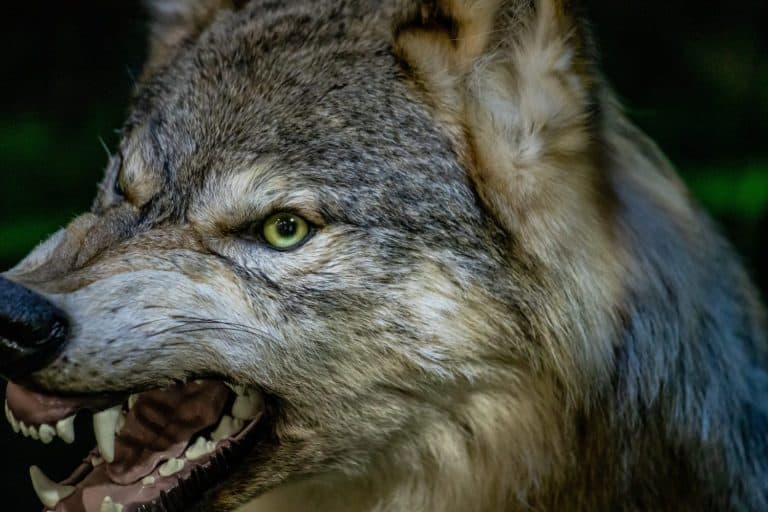
Isle Royale National Park biologist Mark Romanski said the growing pack has created a newer problem: wolves wandering into campgrounds. One wolf entered campsites and tents on the island this past summer, prompting new food-storage rules and some site closures. Romanski called visitor behavior around the animals an important management issue going forward, Michigan Public reported.
A Moose Herd Under Pressure
The wolves’ main prey has not fared as well. Isle Royale’s moose population has fallen roughly 75 percent, from about 2,000 animals in 2019 to 524 this past winter, and no moose calves were counted in winter 2026. Researchers point to a shortage of balsam fir saplings, a key winter food source that has not recovered from years of heavy browsing, as a major factor alongside wolf predation.
Hoy said watching both the moose and the forest struggle has been difficult to witness, though not unexpected given how dependent the island’s ecosystem is on a balance between predator and prey. For now, researchers are treating the wolves’ rebound as a genuine success story, just one that still needs close watching.