
Quick Take
- You can't spot an infected bird by looking at it. The reason is stranger than you'd think.
- Kissing is only one habit on the CDC's list, and some of the others will surprise even careful owners.
- Washing your eggs sounds responsible. Find out why it may backfire.
- A year-long outbreak sickened over a thousand people across nearly every state. What did the patients have in common?
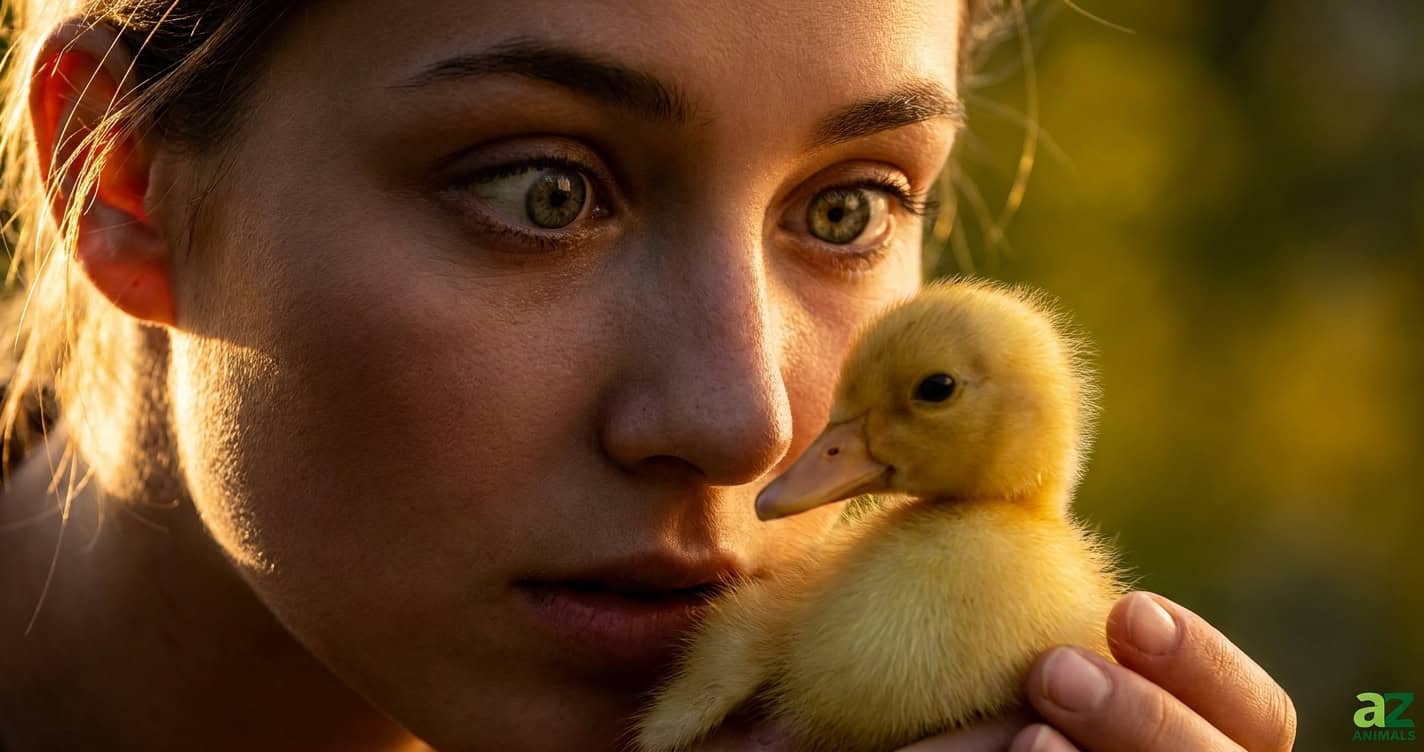
The US Centers for Disease Control and Prevention (CDC) has issued advice for backyard poultry owners. The message is clear: don’t kiss or snuggle the birds! We explain the science behind this sound advice and the disease outbreaks that led to it.
Illness Caused by Salmonella

©Subbotina Anna/Shutterstock.com
Salmonella is a type of bacteria found in the intestines of many animals. It causes an estimated 1.35 million human illnesses, 26,500 hospitalizations, and 420 deaths every year in the US. The bacteria enters your body through your mouth and moves to your intestine as you swallow. It then takes between 12 and 72 hours to start causing symptoms. Most people get diarrhea, abdominal cramps, and nausea accompanied by a fever/chills, headache, and muscle pains. In most people, it lasts for up to six days followed by a complete recovery. However, more serious illness is possible, and this is more likely in children aged under five years, immunocompromised persons, and seniors. Human salmonellosis is a reportable condition in the United States.
How Do You Get Salmonella from Poultry?
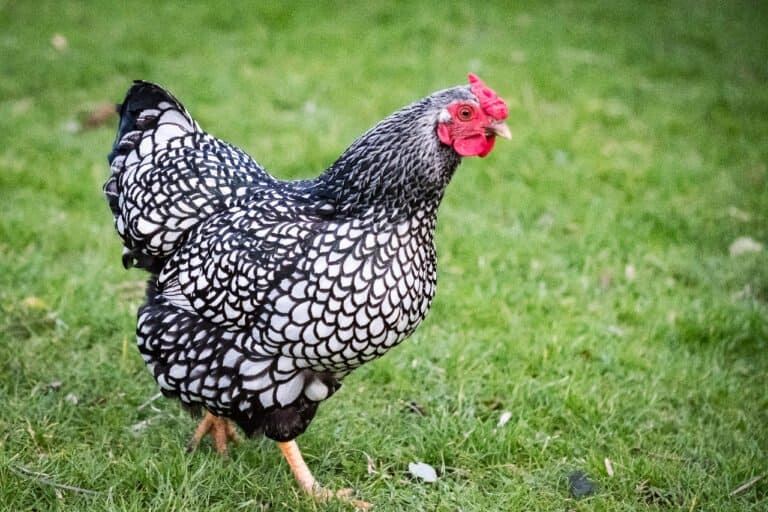
Most people get salmonella from eating contaminated food. However, around 11 percent of cases are attributed to direct animal contact, and that includes backyard poultry. The animals excrete the bacteria in their feces (poop), and this contaminates other parts of their body, including their feathers and feet.

Chicken poop can contain Salmonella.
©Kritsada.S/Shutterstock.com
You can get Salmonella from backyard poultry in two ways. Direct contact is from the birds themselves. When you pick them up and handle them, you can inadvertently get the bacteria in your mouth, possibly via your hands. If you kiss them, the bacteria can get from their feathers into your mouth. Indirect contact occurs through contact with anything in areas where animals live and roam, which will also be contaminated with tiny particles of poop that you may not even be able to see. You can also get it from consuming food/drink prepared in contaminated environments.
Why Do Salmonella-Infected Poultry Look Healthy?
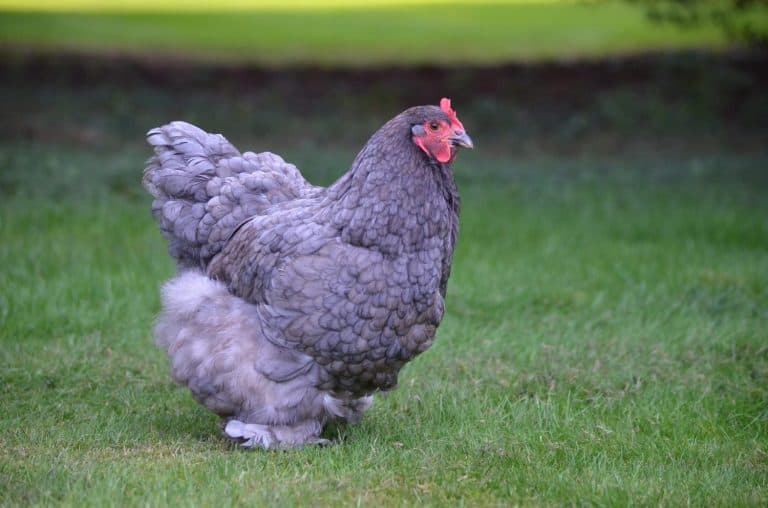
Salmonella is found in the intestines of many domestic animals, including live poultry. That means chicks, chickens, ducklings, ducks, geese, and turkeys could be carrying the bacteria. You can’t tell which birds are carrying Salmonella by looking at them. Generally, the poultry look healthy yet can intermittently shed the bacteria in their poop and therefore can have it on other parts of their body. Sometimes, Salmonella pullorum and Salmonella gallinarum can cause illness in young chicks. Many of the other common strains can live happily in the bird’s gut whilst being kept in check by their immune system.
The safest approach, therefore, is to assume that all poultry are carrying the bacteria.
Backyard Poultry Salmonella Outbreaks
In 2026, a significant Salmonella outbreak linked to backyard poultry took place in the US. As of September 2026, it is officially over. However, a total of 1,253 people got sick, with a median age of 36 years. It’s concerning that 22 percent of those affected were children under 5. Of 812 people with information available, 256 (32 percent) were hospitalized. This is the officially recorded figure, and the true number of sick people is likely higher. Sadly, two people lost their lives in outbreaks that took place in 46 states and Puerto Rico. One fatality was in Georgia and the other in Washington. The first recorded case started showing symptoms in January 2026, and the last got sick in August 2026.
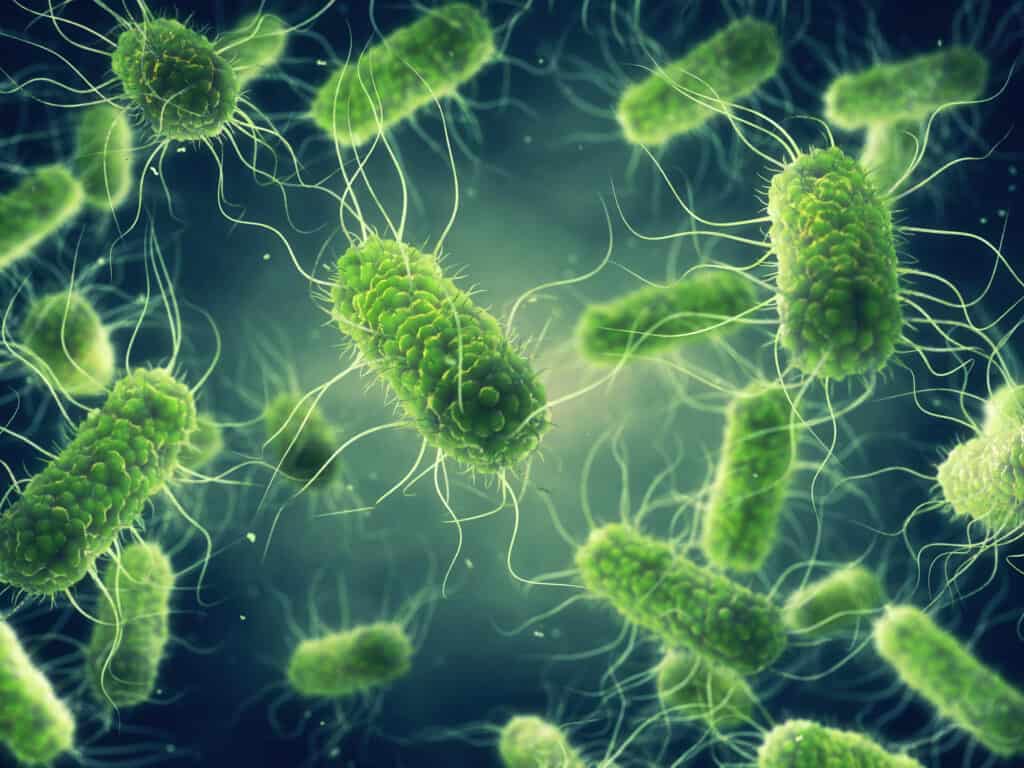
Multiple Salmonella strains can cause backyard poultry outbreaks.
©nobeastsofierce/Shutterstock.com
Multiple strains of Salmonella bacteria were implicated in the outbreak. They were Salmonella Altona, Enteritidis, Indiana, Infantis, Kedougou, Mbandaka, and Saintpaul.
This was not an unusual incident. There have been recurring outbreaks linked to backyard poultry over recent years. A CDC review of backyard poultry outbreaks between 2015 and 2022 revealed that affected patients had kissed or snuggled poultry and/or had allowed the birds into their homes.
CDC Advice for Backyard Poultry Owners
By investigating these outbreaks and considering how Salmonella is transmitted, the CDC has been able to issue useful advice tailored specifically to backyard poultry owners. The advice that’s hit the headlines is ‘Don’t kiss or snuggle backyard poultry,’ and the reasoning behind it is clear. However, that’s just one part of the advice.
It’s also important to wash your hands with soap and water after handling the birds, eggs, or any surface where they live. If you can’t get to soap and water easily, use hand sanitizer. Don’t eat or drink when you are with the birds or in their areas. Keep any articles connected with your flock, including the shoes you wear in the coop, outside your own home. Clean flock supplies outside of your house.
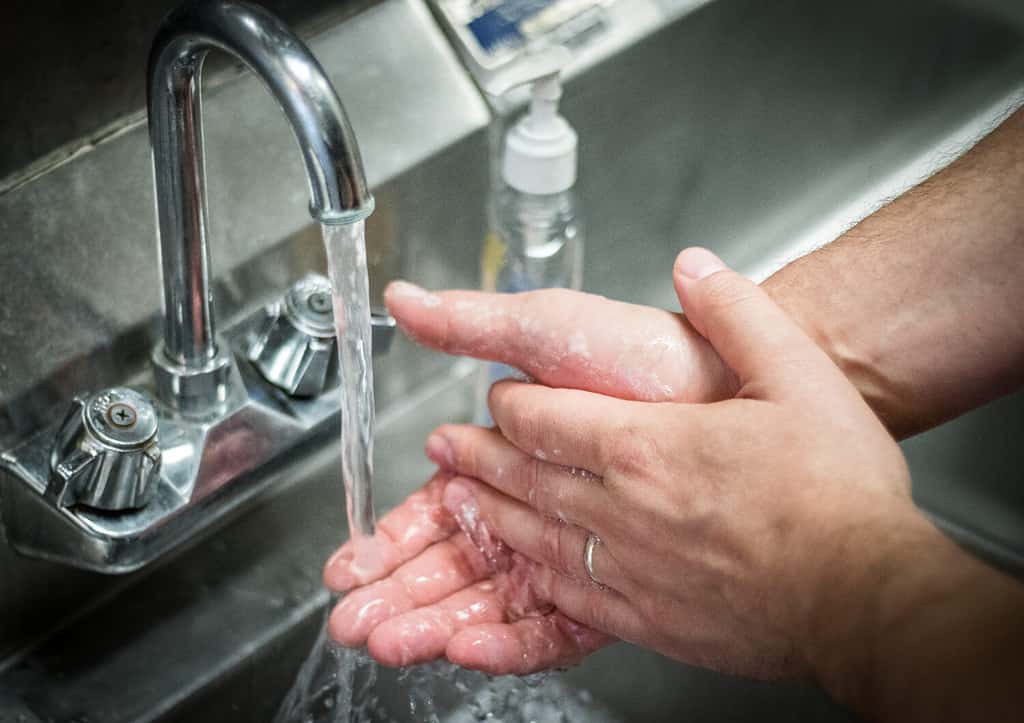
CDC advise hand washing after handling poultry.
©Benjamin Clapp/Shutterstock.com
Children need to be supervised around poultry to make sure that they wash their hands after interaction. However, children under 5 years should not handle the birds or spend time in areas where the birds live.
Eggs are another potential source of salmonella, so collecting them frequently can help keep them clean and reduce the risk of contamination. Discard cracked eggs and clean dirty eggs with fine sandpaper, a brush, or a cloth. Do not wash them because this can move the bacteria into the egg. Keep the eggs refrigerated and cook them to an internal temperature of 160°F to kill all germs.
In addition to this, the CDC has also issued guidance for stores selling backyard poultry and hatcheries. By following these simple precautions, you can continue to enjoy your backyard flock while also protecting yourself and your family from illness.